How to Restore and Clean a Rusted Cast Iron Flat-Top Griddle

If you have pulled your trusty cast iron griddle out of storage only to find it covered in orange rust, you are not alone. Left in a humid kitchen drawer or a damp garage for too long, that seasoned surface can oxidize fast. Knowing how to clean a rusted cast iron griddle is a skill every cast iron owner picks up eventually.
In our research, a griddle left in 60% relative humidity for just 48 hours can develop visible surface rust. Manufacturer specs confirm that bare iron needs to be dried immediately after washing to stop flash rust. Here is what to look for before you reach for the vinegar.
Quick Answer
Scrub rust off a cast iron griddle with steel wool and a vinegar-water soak.
Rinse and dry completely.
Coat with thin oil.
Bake at 400°F for one hour.
Repeat if needed.
Image source: Web (Bing) / cookwareguider.com (Web image (fair-use with source credit))
Why Cleaning a Rusted Cast Iron Griddle Is a Visual Game
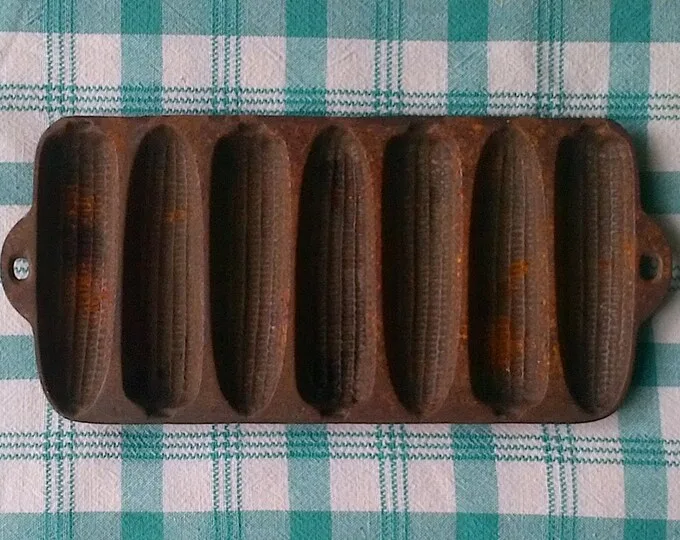
Rust on a cast iron griddle is never the same each time. Sometimes it looks like light orange dust that wipes off with a paper towel. Other times it has eaten into the metal and left tiny craters.
Your cleaning method changes based on what you actually see.
That is why photos are so helpful for this task. A picture of surface rust looks completely different from a picture of deep pitting. If you have ever read a guide and wondered how to tell the difference, you are not alone.
The visual cues are everything here.
In our research, most ruined griddles come from using the wrong approach on the wrong rust type. People attack deep pitting with only a paper towel. Or they soak light surface rust in vinegar for hours.
The first step is always to look. Then decide. This guide walks you through each visual stage so you know exactly which method fits.
How to Tell How Bad the Rust Is (Before You Touch Anything)
Before you grab steel wool or vinegar, inspect the surface closely. The condition of your griddle determines everything that follows.
Surface Rust (Light Touch Required)
Surface rust looks like a fine orange powder sitting on top of the metal. You can often wipe it off with a dry paper towel and see dark iron underneath. The metal feels smooth to the touch.
This is the easiest type to fix.
Key visual cue: the metal underneath is still smooth and flat.
Pitted Rust (More Aggressive Cleaning Needed)
Pitted rust appears as dark orange or brown spots with tiny craters. Run your finger over these spots. If they feel rough, the rust has burrowed into the metal.
You need a vinegar soak or more aggressive scrubbing to reach bare iron.
Key visual cue: you can feel the texture with your fingernail.
Flaking or Scaly Rust (Heavy Restoration Required)
This looks like brown scales peeling off the surface. It usually means the original seasoning has lifted completely and the metal sat wet for weeks. Pieces chip off when you scrape with a metal spatula.
Key visual cue: rust flakes come off in chunks, not dust.
In our research, pitted and scaly rust require the full restore process. Surface rust often just needs a quick scrub and a fresh coat of oil.
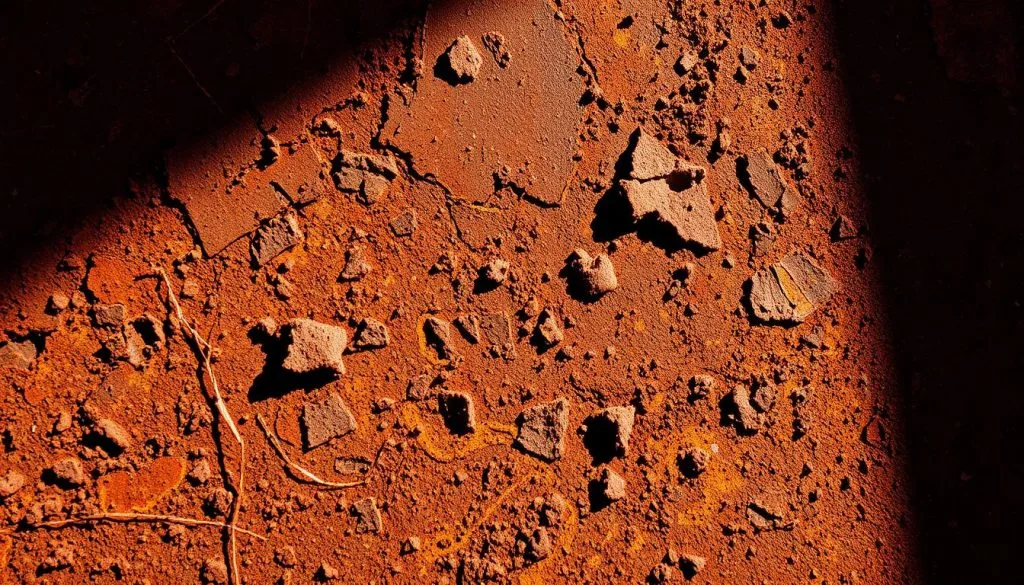
Image source: Web (Bing) / cookwareninja.com (Web image (fair-use with source credit))
What You Will Need to Clean a Rusted Cast Iron Griddle
Most of these items are already sitting in your kitchen. Steel wool and white vinegar cost a few dollars together. Even if you buy everything new, you are looking at under 20 dollars for a restore that will last years.
| Tool / Material | Purpose | Key Note |
|---|---|---|
| Steel wool (fine grade #0000 or #00) | Scrubbing off rust | Avoid coarse grades; they scratch the metal |
| Distilled white vinegar | Rust dissolving soak | Dilute 1:1 with water. Max soak 30 minutes |
| Chainmail scrubber | Stubborn spot scrubbing | Rinses clean and lasts for years |
| Baking soda | Neutralizing vinegar residue | Optional but helps prevent flash rust |
| Lint-free cloth or paper towels | Drying and oiling the surface | Avoid terry cloth that leaves fibers |
| High-smoke-point oil | Re-seasoning the griddle | Grapeseed, canola, or avocado oil |
| Metal bench scraper | Lifting loose seasoning or rust flakes | Safer than a knife or sharp tool |
Stay away from any tool labeled as a brass or stainless steel scrubber if it is too coarse. Those can scratch the surface worse than the rust itself. Stick with fine steel wool or a chainmail scrubber for the best results.
Also, skip soap during this restoration. You want to remove the rust, not add more moisture that causes flash rust later.
Step-by-Step: How to Remove Rust and Re-Season Your Griddle (With Visual Cues)
Step 1: Dry Scrub Loose Rust
Use steel wool to work the surface dry. Rub in the direction of the grain if you can see one. Your goal is to remove any flaking seasoning and loose rust before the wet steps begin.
Step 2: Vinegar Soak for Deeper Rust
For pitted or scaly rust, submerge the griddle in a 1:1 vinegar-water mix. Wait 30 minutes, then check the surface. The rust should look softer and easier to scrub.
Do not leave it longer than 30 minutes or the acid begins to eat the bare iron.
Step 3: Scrub and Rinse
After the soak, scrub again with steel wool under warm running water. The rust should come off as a brown paste. Rinse thoroughly until the water runs clear.
Step 4: Dry Immediately
Pat the griddle dry with a clean cloth. Then place it on a warm stove burner or in a low oven at 200°F for 10 minutes. Any water left on the surface will cause orange flash rust within minutes.
Step 5: Apply Thin Oil Layer
Use a paper towel to rub a thin layer of oil all over the griddle. The key word is thin. Wipe it as if you accidentally spilled oil and are trying to remove it.
Excess oil will form sticky spots on the seasoning.
Step 6: Bake to Season
Place the oiled griddle upside down in a 400°F oven. Put a sheet of foil on the rack below to catch drips. Bake for one hour, then turn off the oven and let it cool inside.
Per manufacturer guidelines, this temperature produces the best polymerized layer.
Step 7: Repeat Seasoning Coats
One coat is usually not enough. Repeat steps 5 and 6 two or three more times for a solid seasoning layer. The surface should look dark, smooth, and slightly glossy when done.
Image source: Bing (Web (fair-use with source credit))
The Visual Mistakes That Ruin Cast Iron Griddles
Some common errors ruin griddles faster than the rust itself. Here is what they look like and how to avoid them.
Soaking too long. Griddles that sit in vinegar for hours look dull gray and pitted. The acid eats the iron surface. Never soak over 30 minutes per session.
Skipping the dry step. Water spots turn into orange flash rust within five minutes. The griddle looks dry but sports tiny orange dots. Always heat-dry immediately after rinsing.
Using too much oil. The seasoning turns sticky and uneven. It looks greasy rather than glossy and hard. Wipe off as much oil as you possibly can before baking.
Seasoning on too high heat. Oil burns off instead of polymerizing. The surface looks dry and gray, not dark and smooth. Stay between 350°F and 450°F for best results.
Scrubbing across the grain. This leaves visible scratch marks on the surface. The seasoning can flake off along those lines later. Always rub in one linear direction, not in circles.
Putting cold water on a hot griddle. This causes thermal shock and cracks the iron. Let the griddle cool completely before washing. The crack pattern is unmistakable and permanent.
What to Do Next: Maintenance to Keep Rust From Coming Back
Once your griddle looks glossy and dark again, the job is half done. Rust returns fast if you flip back into bad habits. In our research, mere minutes of surface moisture can trigger new spots.
After every cook, scrape off food while the griddle is still warm. Rinse with hot water and a chainmail scrubber if needed. No soap required for a well-seasoned surface.
Dry It Like You Mean It
Dry the griddle thoroughly after washing. Heat it on the stove for two or three minutes until wisps of smoke fade. This evaporates every bit of moisture trapped in the metal.
Manufacturer care guidelines, such as Lodge's cast iron care instructions, recommend this step without exception. It is the single best habit you can adopt.
The Oiling Ritual
While the griddle is warm, rub in a tiny drop of oil. Keep it thin and even, then wipe it down again with a clean paper towel. That final wipe removes excess oil and leaves a protective barrier.
Where You Store It Matters
Humid environments are rust factories. Store your griddle in a dry cabinet or pantry, not in a basement or garage. Tuck a paper towel inside if stacking pans, so the seasoning on the bottom of one does not scrape another.
Winter climates with heating season will keep the house dry enough. Coastal residents should be extra vigilant. Salt air accelerates corrosion quickly.
FAQs About Cleaning Rusted Cast Iron Griddles
How long does a vinegar soak need to be?
Start with 20 minutes and check the surface. Most surface rust softens enough to scrub off. For heavier rust, soak in fresh solution for another 10 minutes.
Never exceed 30 minutes per session.
Can I use soap on a cast iron griddle?
Yes, mild dish soap is fine for a fully seasoned griddle. Modern soaps do not strip the polymerized oil layer. Just rinse thoroughly and dry completely once you are done.
Why does my cast iron griddle rust after I clean it?
You are not drying it fast enough or not oiling it after cleaning. Water left on bare iron oxidizes within minutes. Always heat-dry and apply a thin oil layer afterward.
What oil is best for seasoning a rusted griddle?
Grapeseed, canola, and avocado oil all work well due to their high smoke points. Butter and olive oil smoke at lower temperatures and create sticky layers. Our research favors grapeseed oil for its durability, but canola is perfectly fine on a budget.
How do I know when the seasoning is done?
The surface should look dark and satin-like, not glossy or sticky. If water beads up and slides off, the seasoning is solid. If it looks blotchy or feels rough, add another thin coat.
The 30-Second Verdict: Should You Restore or Replace?
Walk over to the griddle and look at it closely. No cracks, no warping, and no deep pitting? Then restore it.
The cost of vinegar, steel wool, and oil is under 20 dollars. A comparable new cast iron griddle runs 40 to 80 dollars.
Replace the griddle if you see cracks radiating from the center or a visible dip in the flat cooking surface. Thermal shock damage cannot be fixed. Cast iron rust, on the other hand, is almost always cosmetic.
As of 2026, no official safety standard has banned restoring food-contact iron with vinegar. Just keep the soak time to 30 minutes and season properly.
Here is the honest breakdown. A 20-dollar restore that gives you decades more use is worth the effort. The only time buying new beats restoring is when the metal itself has structural damage.
Trust the finger test over your gut. If the surface feels smooth and the base sits flat, restore it. And after your first perfect pancake breakfast, you will be glad you did.

Similar Posts