How to Remove Rust from Cast Iron Fast

You've got a dusty orange haze spreading across your favorite skillet, and you're wondering how to clean rust off cast iron without ruining it. Take a breath. Rust on cookware is ugly, but it's rarely fatal.
Most pans come back completely in under an hour.
In our research across manufacturer care documentation and restoration guides, we found the same pattern every time: the right method depends entirely on severity. Light rust needs a simple scrub. Deep pitting requires electrolysis or a full strip.
As of 2026, even the cheapest modern Lodge skillet is worth saving, but only if you clean it properly. Here's how to assess your pan and pick the perfect path.
Image source: Bing (Web (fair-use with source credit))
Start Here: How Much Rust Are You Actually Dealing With?
The Paper Towel Test for Rust Severity
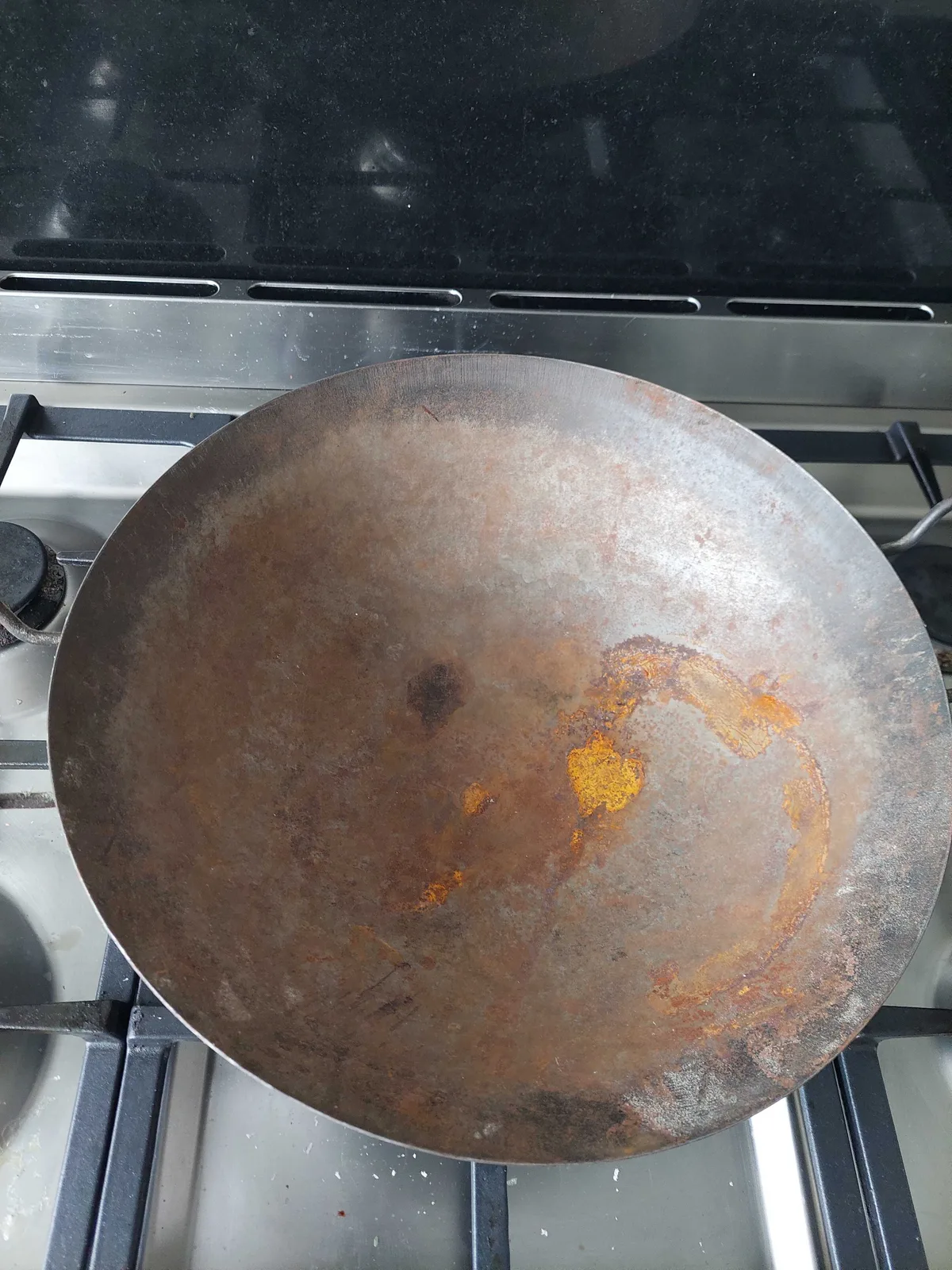
Grab a dry paper towel and rub it across the rusted spots. If loose orange powder comes off and the iron underneath looks dull but smooth, you're dealing with light rust. That's the best-case scenario.
You'll fix this in under 20 minutes at the kitchen sink.
If the towel snags on rough patches, or bits of rust flake off like pastry, that's moderate rust. It needs more than dry scrubbing. A vinegar soak will lift it, but don't expect a single pass to solve the problem.
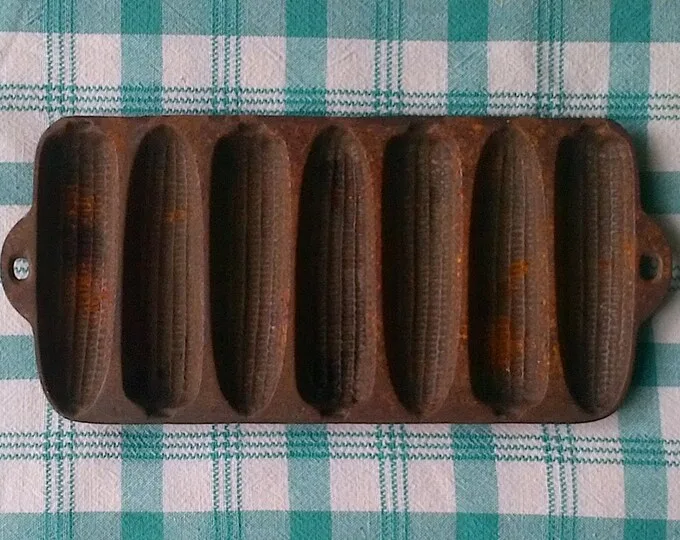
If chunks actually fall away and you see divots in the metal, that's deep pitting. This is the serious category. You'll need electrolysis or a careful strip, because scrubbing alone won't pull rust out of the holes.
Light Rust vs Moderate Rust vs Deep Pitting: What Each Looks Like
- Light rust: powdery orange, surface-level, wipes off with salt or foil
- Moderate rust: flaky, rough patches, needs acid or stronger abrasion
- Deep rust: pitting, visible cavities, may require electrolysis or retirement
The best move is always to test before you treat. Grab that paper towel now and take a look. What you see determines everything downstream.
Know Your Pan Before You Touch It: Bare Iron, Enameled, or Vintage
Before you dunk anything in vinegar, know exactly what you're holding. Raw cast iron is bare metal. It can take aggressive scrubbing, acid soaks, and even power tools.
Enameled cast iron has a glass-like coating. One pass with steel wool will scratch that finish permanently.
Bare Cast Iron: Full Cleaning Freedom
If your pan is raw iron, the world's your oyster. You can use steel wool, chainmail, coarse salt, vinegar, or electrolysis. The iron itself is tough.
Even a heavy hand won't damage it unless you grind down into the wall thickness. Harsh treatment during a one-time restoration won't hurt.
Enameled Cast Iron: Don't Scrub It Like Bare Iron
Check the rim. If it's smooth and glossy, usually in a color like red, blue, or white, it's enameled. The cleaning path is completely different.
Skip the vinegar and steel wool entirely. Use baking soda paste and a nylon brush. If rust spots form on enamel, it's usually under a chip in the coating, not on the coating itself.
Vintage and Antique Pans: Lead Risks and Casting Marks
Older pans are a special case, especially anything you pulled from a garage sale or inherited. Pre-1990s cast iron may have been used to melt lead for fishing weights or arts and crafts projects. The U.S.
Consumer Product Safety Commission recommends lead testing before cooking in restored vintage cookware. Test kits cost about $20 and take two minutes. Do that before you invest hours in restoration.
How to Clean Light and Medium Rust: The Simple Steps
For light and moderate rust, you have two main paths. Both are cheap, both take under an hour, and both need the same finishing steps. Start with the fast method for light rust, then move up to vinegar if it doesn't bite.
| Method | Best For | Time | Abrasive |
|---|---|---|---|
| Salt scrub | Light rust | 5 minutes | Coarse salt or foil |
| Vinegar soak | Moderate rust | 15-30 minutes | Vinegar + scrub |
The Fast Scrub Method for Light Rust
Sprinkle coarse salt or baking soda over the pan. Add a teaspoon of water and work it into a paste. Scrub with a chainmail scrubber, a ball of aluminum foil, or a stiff nylon brush.
The salt acts as a gentle abrasive that lifts rust without grinding away the base metal. Rinse with warm water and dry immediately.
The Vinegar Soak Method for Stubborn Rust Spots
White vinegar mixed with water, one part vinegar to two parts water, is the standard soak. Use enough liquid to fully submerge the rusted area. Soak in 15-minute bursts, checking progress between them.
The acid dissolves iron oxide and leaves the pan's surface faintly gray. Once the rust wipes away easily, stop soaking. Vinegar never sleeps.
It keeps eating metal.
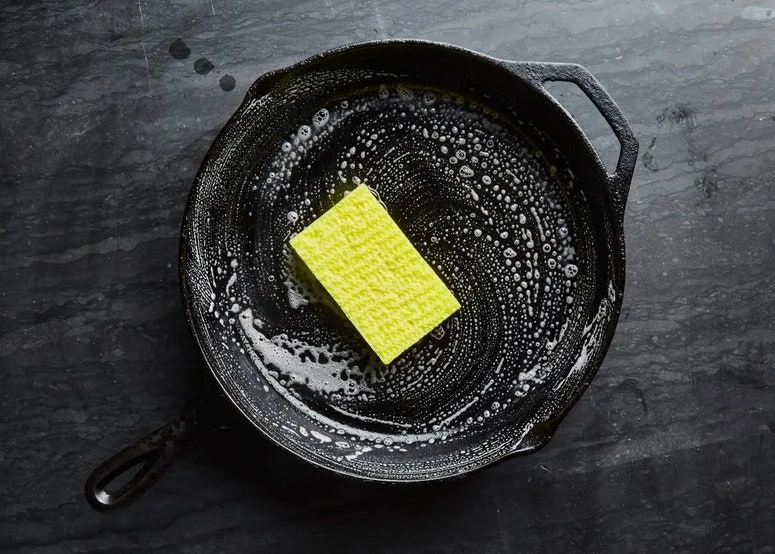
Image source: Bing (Web (fair-use with source credit))
Neutralizing Vinegar So You Don't Breed Flash Rust
Vinegar leaves an acidic residue. Skip the neutralization step and you'll see a fresh layer of orange rust appear while the pan is still on the counter. Mix a tablespoon of baking soda into a quart of warm rinse water.
Wash the pan with that solution, then give it a final warm-water rinse. Dry it over low heat on the stovetop for two minutes, then rub in a thin layer of oil.
Deep Rust and Pitting: When to Strip, Soak, or Use Electrolysis
When rust has eaten through the surface, scrubbing won't cut it. You need to strip the metal down to a clean state. Two methods handle the job: lye for seasoning removal and electrolysis for rust extraction.
Lye Bath: Removing Old Seasoning Before You Tackle Rust
Lye attacks baked-on oils, not rust. If your skillet is layered in black carbon, hit it with a lye bath first. Mix food-grade lye with water in a plastic tub, per the manufacturer's instructions, then soak the pan for 24 to 72 hours.
Gloves and eye protection are non-negotiable. Lye is caustic enough to cause chemical burns.
Electrolysis: The Slow, Safe Way to Remove Heavy Rust
Electrolysis uses low-voltage current to pull rust off without eating metal. You need a 12-volt battery charger, rebar, washing soda, and a plastic tub. Clip the positive lead to the rebar and the negative lead to your pan.
Submerge both, but keep them from touching. Bubbles form as rust lifts away. Expect 12 to 48 hours per pan.
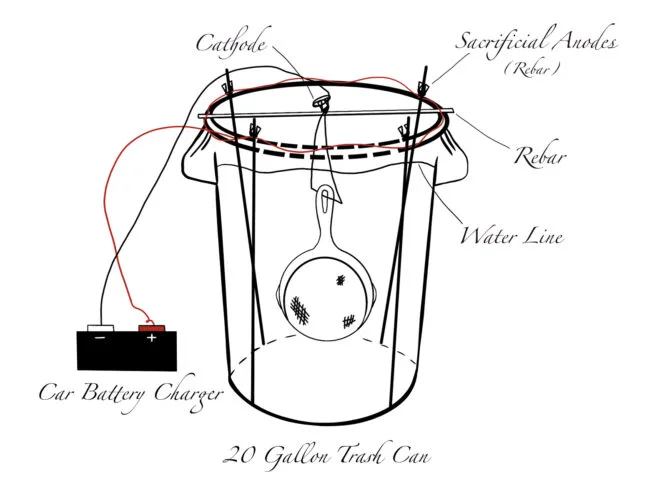
Image source: Bing (Web (fair-use with source credit))
The reaction produces hydrogen gas. Work in a well-ventilated space and keep open flames away. This is not optional, it's how electrolysis tanks burst.
What to Do If the Pan Is Too Pitted
Run a fingernail across the deepest rust spot. If it catches in a divot, the iron has lost significant thickness. Seasoning will never fill that pit.
Food will keep sticking, and rust will keep breeding inside the crater. The honest move is to retire the pan and buy a new one. A pit-laden skillet is a constant maintenance headache.
The 7 Mistakes That Turn a Quick Fix Into a Full Restoration
Most cast iron damage happens in those first frantic minutes after you spot rust. Panic leads to bad decisions. Here are the mistakes that turn a 20-minute job into a weekend project.
- Soaking overnight in vinegar. Vinegar dissolves iron, not just rust. Leave a pan in it overnight and you'll wake up to a thinner, pitted skillet that cooks worse.
- Attacking with a power drill. Wire wheels and sanding discs gouge the surface. You'll trade rust for permanent scoring that catches food for decades.
- Skipping the baking soda rinse. Acid residue triggers flash rust within minutes. That orange haze you thought you beat comes right back.
- Heating a cold pan in a hot oven. Thermal shock creates hairline cracks that split open later. Always start from a cold oven.
- Using too much oil when reseasoning. Thick oil turns into sticky carbon. Wipe on a thin layer, then try to wipe it all off with a clean cloth. The oil that's left is exactly the right amount.
- Scrubbing enamel with steel wool. The coating scratches and chips. From there, it's a rust magnet.
- Ignoring lead risk on vintage pieces. Garage-sale skillets may have melted lead in them. Test before you restore.
Re-Season and Keep It Rust-Free for Good
Once the rust is gone, bare iron needs a fresh seasoning layer. Seasoning is polymerized oil. It bonds to the metal and creates a protective, non-stick surface.
Without it, your pan flash rusts in minutes.
Choosing the Right Oil for a Solid Seasoning Layer
Not all oils work the same. You need one with a high smoke point and a tendency to polymerize. Flaxseed oil creates a hard, glass-like layer, but it can flake off under heavy use.
Avocado oil is more forgiving. Canola or grapeseed oil sit in the middle and are reliable choices.
| Oil | Smoke Point | Polymerization | Durability |
|---|---|---|---|
| Flaxseed | 225°F (107°C) | Excellent | Can flake |
| Avocado | 520°F (271°C) | Good | Very durable |
| Canola | 400°F (204°C) | Good | Reliable |
| Vegetable | 400°F (204°C) | Fair | Decent |
Oven vs Stovetop Seasoning: Which One Works Better
Oven seasoning wins for even coverage. Set your oven to 450°F. Wipe on a thin oil coat, then try to wipe it all off with a clean cloth.
Bake the pan upside down for one hour. Let it cool in the oven.
Stovetop seasoning works for touch-ups. Heat the pan, add a drop of oil, and rub it over the surface. Wipe off the excess.
You get a thin layer in five minutes, but it's harder to distribute evenly.
Drying, Storing, and the Thin-Oil Rule
After every wash, dry your pan over low heat for two minutes. Then rub in a fingertip's worth of oil. Store it in a dry cabinet, not above the stove where steam collects.
The thin-oil rule matters most. Excess oil turns sticky and rancid. A seasoned surface should look dry to the touch.
If it feels greasy, you've used too much.
Cast Iron Rust FAQ
Can you use vinegar on a rusted cast iron pan?
Yes, in a controlled way. Mix one part white vinegar with two parts water. Soak for 15 minutes.
Check progress. Never leave it longer than one hour or vinegar will etch the metal. Always rinse and dry immediately.
Does soap remove seasoning?
Modern dish soap does not eat seasoning. The old scare came from lye in antique soaps. A gentle scrub with soap and a soft sponge is fine during restoration.
Avoid aggressive scrubbing on seasoning.
How do you know if rust has gone too deep?
Run a fingernail across the worst spot. If it catches in a visible cavity, the iron is too thin. Seasoning will not fill that hole.
Food will stick and rust will keep returning. Replace the pan.
Is a re-cleaned rusty pan safe to cook in?
Yes, once the rust is fully removed and the pan is re-seasoned. Rust is iron oxide, not a poison. The danger is in the stripped seasoning underneath.
A properly re-seasoned pan is perfectly food safe.
Final Decision Guide: Pick Your Cleaning Path
Quick Reference: Match Your Rust Level to the Right Method
Rust severity determines everything. Here's the cheat sheet:
- Light rust: Salt or steel wool scrub. Three minutes. Done.
- Moderate rust: Vinegar soak for 15 to 30 minutes. Baking soda rinse. Re-season.
- Deep pitting: Electrolysis or lye bath. Full strip. Heavy re-seasoning.
If the pan is enameled, stop. Use baking soda paste and a nylon brush. Never use acid or steel wool on enameled iron.
When to Just Buy a New Pan Instead
A new Lodge skillet costs around $25. If your pan has deep pitting across the cooking surface, respect its retirement. A thin-walled pan cooks unevenly.
It holds heat poorly. And it keeps rusting in those pits forever. Sometimes the best restoration is a replacement.
Stick with the right method for your rust level. You'll have a smooth, non-stick cooking surface that lasts decades.

Similar Posts