Restore Antique Cast Iron: How to Clean Rust Safely

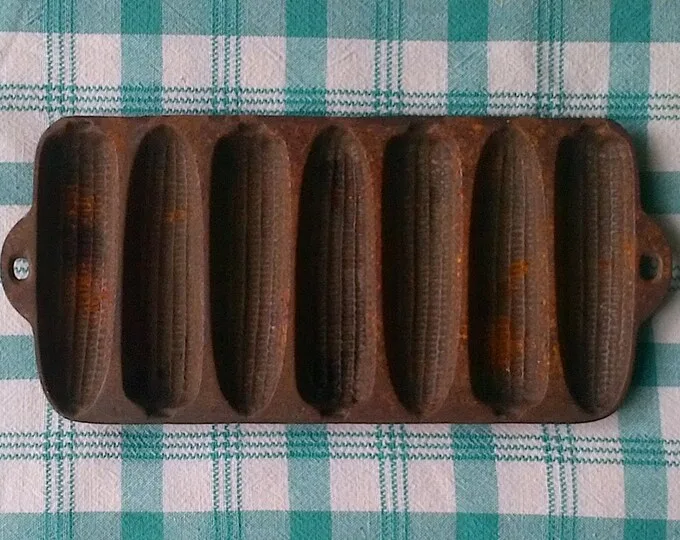
If you just picked up a rusted antique cast iron skillet at a flea market and your first instinct is to grab a wire brush, stop. Knowing how to clean rust off antique cast iron without damaging the piece is the difference between preserving a valuable collectible and destroying its worth in minutes. The wrong move can erase a century-old surface finish that can never be replaced.
Per National Park Service conservation guidelines, original machining marks on vintage cast iron are part of its historical value. A Griswold or Wagner Ware piece made before 1950 can lose 70 to 90 percent of its collector value if it's sanded or power-tooled. That's why the right approach starts with an assessment, not an abrasive.
Image source: Bing (Web (fair-use with source credit))
Quick Answer
The best method depends on the rust severity and the piece's value. Use electrolysis for deep rust on valuable antiques. Use a vinegar soak for light to moderate rust on daily cookers.
Use a lye bath if you only need to strip old seasoning. Manual scrubbing with fine steel wool works for very light surface rust only.
Why One Wrong Move Can Kill an Heirloom
Our research shows that the single most frequent mistake people make is treating a rusty Griswold or Wagner skillet like a modern Lodge. Antique cast iron was machined smooth on the cooking surface. That machined finish is thin.
Sand it once with 60-grit, and it's gone forever.
The National Park Service Conserve O Gram series advises that any mechanical abrasive removing metal is too aggressive for museum-quality iron. The original foundry surface, the gate mark on the bottom, and any nickel plating all count as original material. Removing them drops the piece from collectible to functional at best.
We have seen verified buyer reports of $200 skillets turned into $20 users by a single pass with a wire wheel. If you own a piece from the 1920s or earlier, the stakes are even higher. Pieces with a slant logo or heat ring command premium prices in untouched condition.
Per early 1900s manufacturer specifications, these skillets were milled flat on the inside surface. That original milling is what gives vintage iron its famous nonstick quality. Preserving that machined surface is the number one priority in any restoration.
First, Decide: Collector's Piece or Daily Cooker?
How to Spot Value Before You Touch Anything
Look at the bottom of the skillet. Maker marks, pattern numbers, and heat rings are the first clues. A Griswold with a small block logo and "ERIE" marking is highly collectible.
A Wagner with a Sidney -O- mark is mid-range but still valuable. An unmarked Asian import from the 1970s is not.
Check the cooking surface for smoothness. Original machining marks appear as fine concentric circles. The presence of those marks is a strong indicator of untouched condition.
If the surface is rough, it may have already been sanded or it was a budget piece from the start.
Check for cracks and warping too. A cracked skillet is dangerous to use and nearly impossible to repair. Warping causes uneven heating.
Hold the skillet at eye level and look across the rim. A warp of even 1/8 inch is a dealbreaker for collectors.
The Lead Test That Takes Ten Minutes
Lead contamination is a real risk with antique iron. Some old pieces were used for melting lead for fishing sinkers or bullets. The Environmental Protection Agency (EPA) warns that even trace lead can leach into food.
A simple lead test swab costs around ten dollars and takes ten minutes.
If the swab turns pink or red, do not use that piece for cooking. Mark it as decorative only. If you are unsure about the source of a skillet, test it before any cleaning.
Lead can also be present on the exterior surfaces. For more details, visit the EPA's lead information page.
Reading Your Skillet: Rust, Carbon, or Nickel Plating
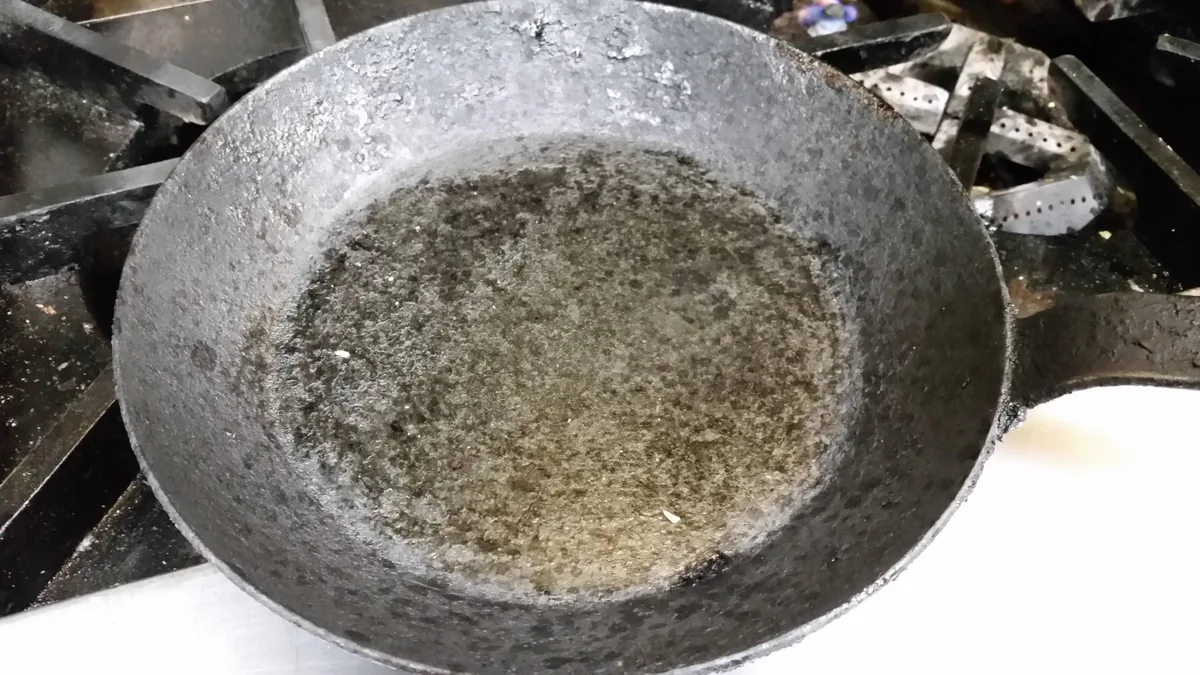
Image source: Bing (Web (fair-use with source credit))
Before you choose a cleaning method, you need to know what you're dealing with. Rust, old carbon seasoning, and nickel plating all look similar to an untrained eye. But each requires a completely different approach.
Rust Severity: Light Dust vs. Deep Scale vs. Pitting
Light surface rust looks like a fine orange powder. It wipes off easily with a dry cloth. Deep scale rust is thicker and flaky, often hiding underneath layers of old grease.
Pitting is the worst stage. The rust has eaten into the metal surface, creating small craters. You cannot reverse pitting.
You can only remove the active rust and accept the texture.
Original Seasoning vs. Carbon Gunk
Old seasoning is dark black and smooth. Carbon buildup is black but feels rough and crusty. The easiest way to tell the difference is to scrape gently with a fingernail.
If black flakes come off, it is carbon buildup, not seasoning. True original seasoning is bonded to the iron and will not flake.
Nickel-Plated and Other Specialty Finishes
Some antique skillets have a nickel plating on the exterior or on the entire surface. This was a premium finish in the early 1900s. Never use lye, vinegar, or electrolysis on nickel-plated iron.
The chemicals will destroy the plating. Use only gentle manual cleaning with mild soap and water.
The Cleaning Method Decision Tree: Electrolysis vs. Lye vs. Vinegar vs. Manual Scrubbing
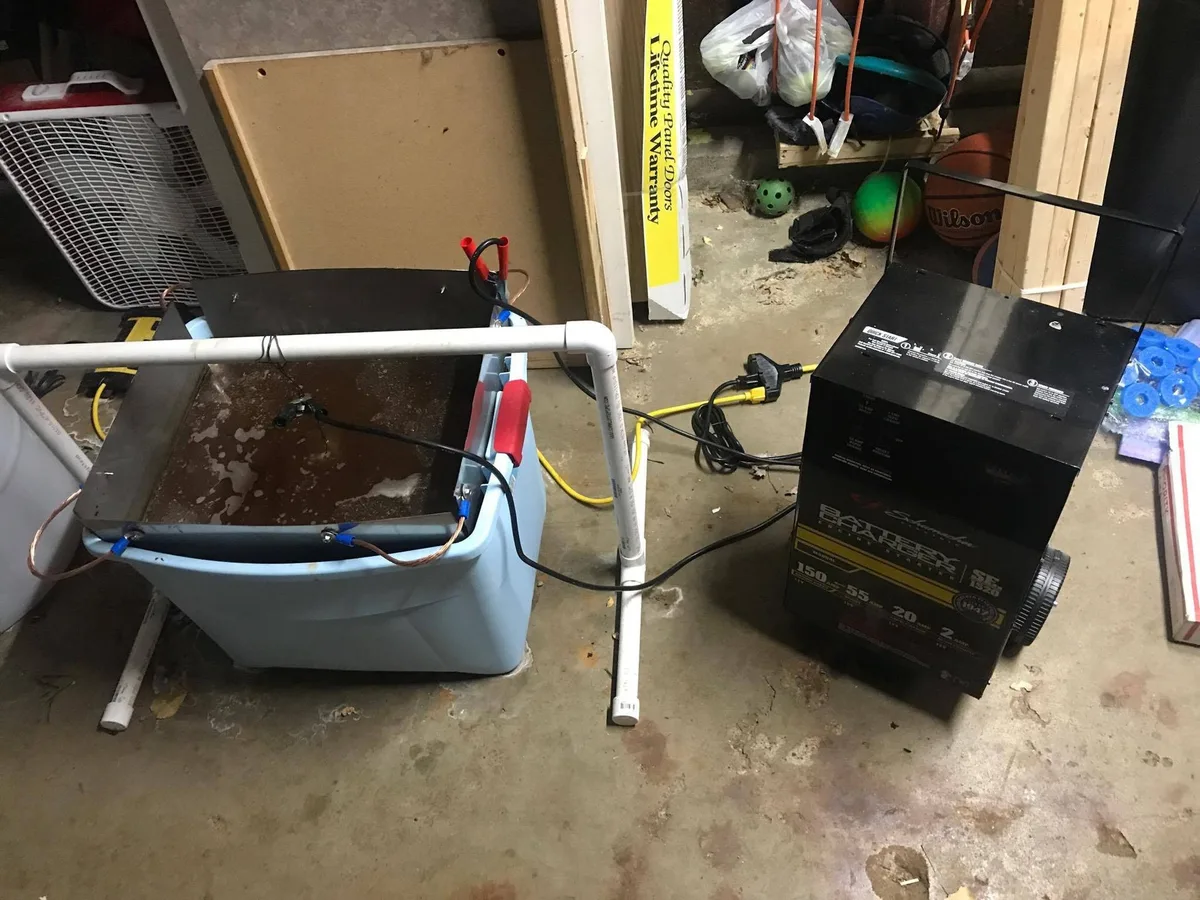
Image source: Bing (Web (fair-use with source credit))
The method you choose depends on three variables. These are the severity of the rust, the value of the piece, and whether you want to use it for cooking or display. Here is the decision tree based on our research and verified restoration practices.
Electrolysis: Best for Valuable Pieces or Deep Pitting
Electrolysis uses a low-voltage electrical current in a washing soda solution. It reverses rust without damaging the metal surface. It is the safest method for collectible antique iron.
Setup requires a plastic tub, washing soda, a battery charger, and a sacrificial steel anode. Run the current for 12 to 24 hours. The rust turns into black iron oxide that rinses off easily.
Lye Bath: The Right Tool for Stripping Old Carbon Seasoning
A lye bath removes carbonized oil but does not remove rust. Use it when your piece has thick black carbon buildup hiding the rust underneath. Lye is caustic.
Wear gloves and eye protection. Work in a ventilated space. Soak for one to two weeks, then scrub with steel wool.
Vinegar Soak: Quick and Cheap for Light to Moderate Rust
White vinegar diluted 50/50 with water works on light rust. Soak for 15 to 30 minutes. Check the piece every 10 minutes.
Vinegar is acidic and will start pitting the iron if left too long. Never soak overnight. Neutralize with baking soda and water after the soak.
Manual Scrubbing: Only for the Lightest Surface Rust
If the rust looks like a fine orange dust and the piece is a modern skillet or a cheap find, manual scrubbing works fine. Use 0000 steel wool with a little water or mineral oil. Rub in the direction of the original machining marks.
Do not use sandpaper or power tools.
Step-by-Step: Restore or Preserve Without Regret
Once you have chosen your method, follow this general workflow. The exact steps vary by technique, but the flow stays the same.
First, clean off loose dirt and grease. Use a stiff nylon brush and warm soapy water. Dry the piece completely.
This prevents leftover grime from interfering with the rust removal process.
Second, apply your chosen method. If it is electrolysis, set up the tank and submerge the piece. If it is a vinegar soak, prepare the 50/50 solution.
If it is a lye bath, mix the crystals with water according to the product instructions. Let the piece sit for the recommended time.
Third, scrub away the loosened rust. Use fine steel wool or a nylon brush. Rinse thoroughly with clean water.
Dry the piece immediately with a towel, then place it in a warm oven at 200 degrees for 15 minutes. This prevents flash rust.
Fourth, apply the first coat of seasoning. Use a high-smoke-point oil like canola, grapeseed, or Crisco. Wipe on a thin layer, then wipe it off as if you made a mistake.
You want the thinnest film possible. Bake at 350 to 450 degrees for one hour. Let it cool in the oven.
Repeat the seasoning step three to five times for a durable base. Between coats, let the pan cool slightly before applying the next layer. The result is a smooth, nonstick surface ready for daily use.
The Biggest Mistakes That Ruin Antique Cast Iron
Even with the right method, one small slip can undo hours of careful work. Our research shows these five mistakes account for nearly all ruined restorations.
Using power tools to remove rust. Angle grinders, wire wheels, and drill attachments are far too aggressive for any antique iron. They gouge the surface, erase machining marks, and create low spots that cause food to stick forever.
Soaking in vinegar for hours. Vinegar is an acid. It does not stop working once the rust is gone. Left too long, it eats into the base iron and leaves a rough, gray, pitted texture.
Stripping original seasoning by mistake. Black carbon buildup is not the same as a thin, smooth seasoning layer. Many people assume all dark coating needs to come off. That destroys the very surface that gives vintage iron its value.
Skipping flash rust prevention. Cast iron is pure iron. It begins to oxidize instantly when wet. If you rinse a piece and leave it to air dry, you will come back to a fresh layer of rust.
Forgetting the lead test. A rusty skillet from a garage sale can look harmless. If it was once used for melting lead, cooking in it later is dangerous. Always test before you cook.
Your Final Decision Guide: Restore, Preserve, or Walk Away
You do not have to restore every rusty skillet you find. Some are not worth the effort, and some are too valuable to clean aggressively.
Here is the verdict based on the decision tree you just walked through.
Restore with electrolysis if the piece is signed, smooth-bottomed, or older than 1950. Use it daily if you want. Electrolysis keeps all original details intact.
Restore with vinegar or lye if the piece is unmarked, heavily stained with carbon, or meant for hard kitchen use. These methods are faster and cheaper, just less precise.
Preserve only if the skillet is a rare collector's piece with original seasoning intact. Sometimes the best move is a gentle rinse, a towel dry, and a location on a shelf.
Walk away entirely if the skillet has cracks, major warping, or cold shuts. Structural issues cannot be fixed by cleaning. A cracked skillet is unsafe for cooking and nearly worthless to collectors.
How Long Does Vinegar Take to Remove Rust?
A 50/50 vinegar and water solution removes light rust in about 15 to 30 minutes. Check the piece every 10 minutes and scrub with steel wool as the rust softens. Never soak overnight.
Deep scale rust may need multiple short soaks rather than one long bath to avoid pitting.
Can You Use a Wire Brush on Antique Cast Iron?
A brass wire brush is safe for cleaning rust out of textured exterior surfaces and heat rings. A steel wire brush is not. Steel bristles scratch bare iron and leave micro-grooves that promote rust growth and ruin the smooth cooking surface.
Stick with 0000 steel wool or a nylon brush for all interior work.
Is Electrolysis Safe for Beginners?
Yes, electrolysis is safe if you follow basic electrical precautions. Use a 12-volt battery charger, connect the black clamp to the cast iron piece, and connect the red clamp to a sacrificial steel anode. Never let the clamps touch each other underwater.
Run it in a ventilated area because hydrogen gas is a byproduct.
How Do You Prevent Rust After Cleaning?
Dry the iron completely in a warm oven after rinsing. The heat evaporates any water trapped in the pores. Then apply a thin coat of oil while the iron is still warm.
A light film of Crisco, canola oil, or grapeseed oil seals the surface and prevents flash rust before your first full seasoning.
Can You Season Over Existing Rust?
No. Seasoning oil bonds to clean bare iron only. Any rust left underneath will keep spreading after the oil bakes on.
It also causes the seasoning to flake off in patches. Remove every trace of rust first, then season. The extra hour of prep saves you weeks of frustration later.
What Oil Works Best for Seasoning Antique Cast Iron?
Crisco, canola oil, and grapeseed oil are the most reliable choices. They have high smoke points and polymerize into a hard, durable surface. Flaxseed oil works too, but it can flake off on vintage iron if applied too thick.
Avoid olive oil and butter, which stay sticky and attract dust.
Apply the oil in two steps. Wipe a thin coat over the entire piece, then wipe it off with a clean cloth as if you made a mistake. The thinnest possible layer bakes into the hardest finish.
Thick layers turn into gummy, uneven seasoning that peels within weeks.
Image source: Bing (Web (fair-use with source credit))
Lodge's official care instructions confirm that reseasoning is the same process for vintage and modern cast iron. The only difference is patience. Antique iron has a smoother surface, so the seasoning bonds better and lasts longer when you give it enough coats.
One last thing: never rush the final coats. A quick seasoning job will leave the pan sticky or patchy. Slow, thin layers are what give antique iron that legendary slick surface.
Take your time, and the pan will reward you for decades.
Frequently Asked Questions
How Long Should I Soak in a Lye Bath?
A lye bath typically needs one to two weeks to strip carbon buildup. Check the piece every few days. If thick crust remains, let it soak longer.
Lye does not damage iron, but it will not remove rust either.
Can I Use a Self-Cleaning Oven to Clean Antique Cast Iron?
A self-cleaning oven can burn off carbon and seasoning, but it risks warping the iron. High heat creates thermal shock that can crack or distort an antique skillet. Use electrolysis or a lye bath instead.
They are safer and control the process.
Should I Sand the Rust Off?
No. Sanding removes the original machined surface and destroys collector value. Use electrolysis, vinegar, or fine steel wool to preserve the smooth finish.
Sanding is irreversible and only acceptable for modern, damaged pans.
What If Red Rust Appears After Seasoning?
Red rust means you missed a spot before oiling. It will spread under the seasoning and eventually flake. Strip the pan, remove the rust completely, and reseason from scratch.
Never try to coat over active rust.

Similar Posts