Effortless Keto Slow Cooker Recipes for Every Meal
Keto slow cooker recipes are the closest thing to a set-and-forget meal plan for low-carb living. The idea is simple: toss in fatty meat, low-carb vegetables, and a rich sauce, then walk away for hours. The problem is that most people judge the result by the clock, not by what the food actually looks like.
That’s where slow cooker keto goes wrong.
Per USDA slow cooking guidance, poultry needs to hit 165°F, while tougher cuts like pork shoulder reach fork-tenderness around 190°F to 203°F. As of 2026, the best home cooks are paying more attention to visual doneness than to the timer. Let’s get into the cues that matter.
Quick Answer
A keto slow cooker recipe keeps net carbs around 5 to 10 grams per serving. Net carbs are total carbs minus fiber and sugar alcohols. You combine high-fat meat, low-carb vegetables, and a rich cooking liquid.
Let it cook on low for 6 to 8 hours. The dish should look thick, glossy, and tender when it’s done.
Why Visual Cues Beat Timers and Thermostats in a Keto Slow Cooker
Slow cooker recipes are built around long cooking times, but every slow cooker behaves differently. A 6-quart model with a stoneware insert cooks differently than an 8-quart programmable unit. Altitude, lid fit, and how full the pot is all change the speed.
A timer only tells you how much time passed. It can’t tell you whether the food is actually done.
Visual cues solve that problem. You can see when a sauce bubbles slowly, when meat edges darken, and when juices run clear. Those signs are universal across every slow cooker brand.
They also help you catch problems early, like a sauce running thin or vegetables about to turn to mush.
In our research, keto slow cooker recipes keep coming back to one point: the finished dish should look glossy, not watery. A thick sauce that coats the back of a spoon is the strongest visual marker of proper keto cooking. A watery, separated sauce points to too much liquid, high heat, or fat that never blended back in.
So ignore the timer for a second. Use your eyes first, a thermometer second, and your fork third. The National Institutes of Health notes that low-carb meal patterns need consistent food prep.
Visual checks are a big part of that consistency.
Visual Step-by-Step: Searing Meat, Layering Veggies, and the Fork-Twist Test
How to Read the Browning on Meat
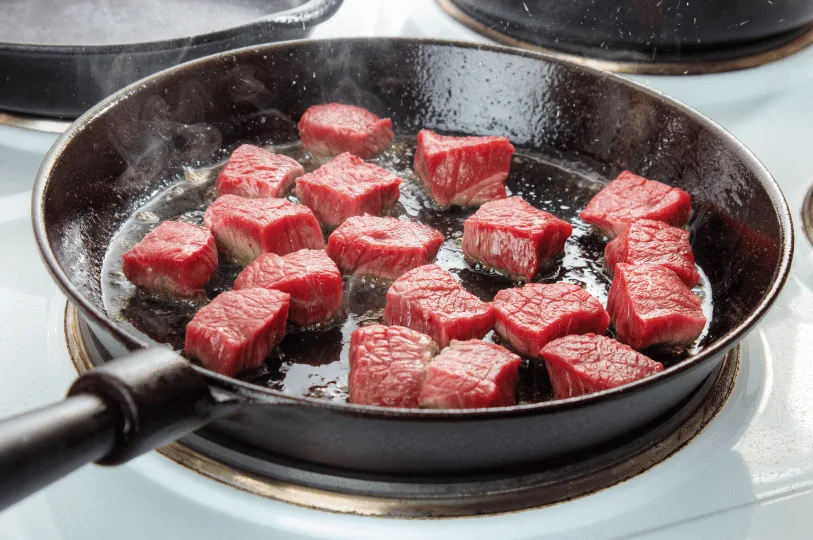
The first visual cue is browning. Searing is not optional in most keto slow cooker recipes. It creates a deep color that turns into a dark, rich sauce later.
You want a mahogany crust, not pale gray meat. If a photo sat next to this text, you would see the difference instantly between raw beef and caramelized beef.
How to Layer Vegetables for Even Cooking
Dense vegetables like cauliflower and cabbage go on the bottom of the insert. Quick-cook vegetables like zucchini and spinach go on top, or better yet, get added during the last hour. The bottom layers touch the heat source first, so they need the extra time.
The top layers only steam, so they should be things that soften quickly.
The fork slide test helps here. A fork should pierce a cauliflower floret with a little resistance but no crunch. If it sinks in like butter, the texture is right.
If it collapses, it is one step away from mush.
How to Know When Meat Is Fork-Tender
This is the most reliable visual check in keto slow cooker recipes. Take a fork and twist it into the thickest part of the meat. If the meat pulls apart easily into shreds, it is done.
If it resists, give it another 30 to 60 minutes. For chicken thighs, the meat near the bone should not look pink. For beef, the fibers should look moist and separated.
Per USDA guidance, poultry should reach 165°F before serving. That temperature plus the fork twist means you’re safe and perfectly tender.
Keto Slow Cooker Visual Reference: Chili, Pulled Pork, Chicken Thighs, and Beef Stew
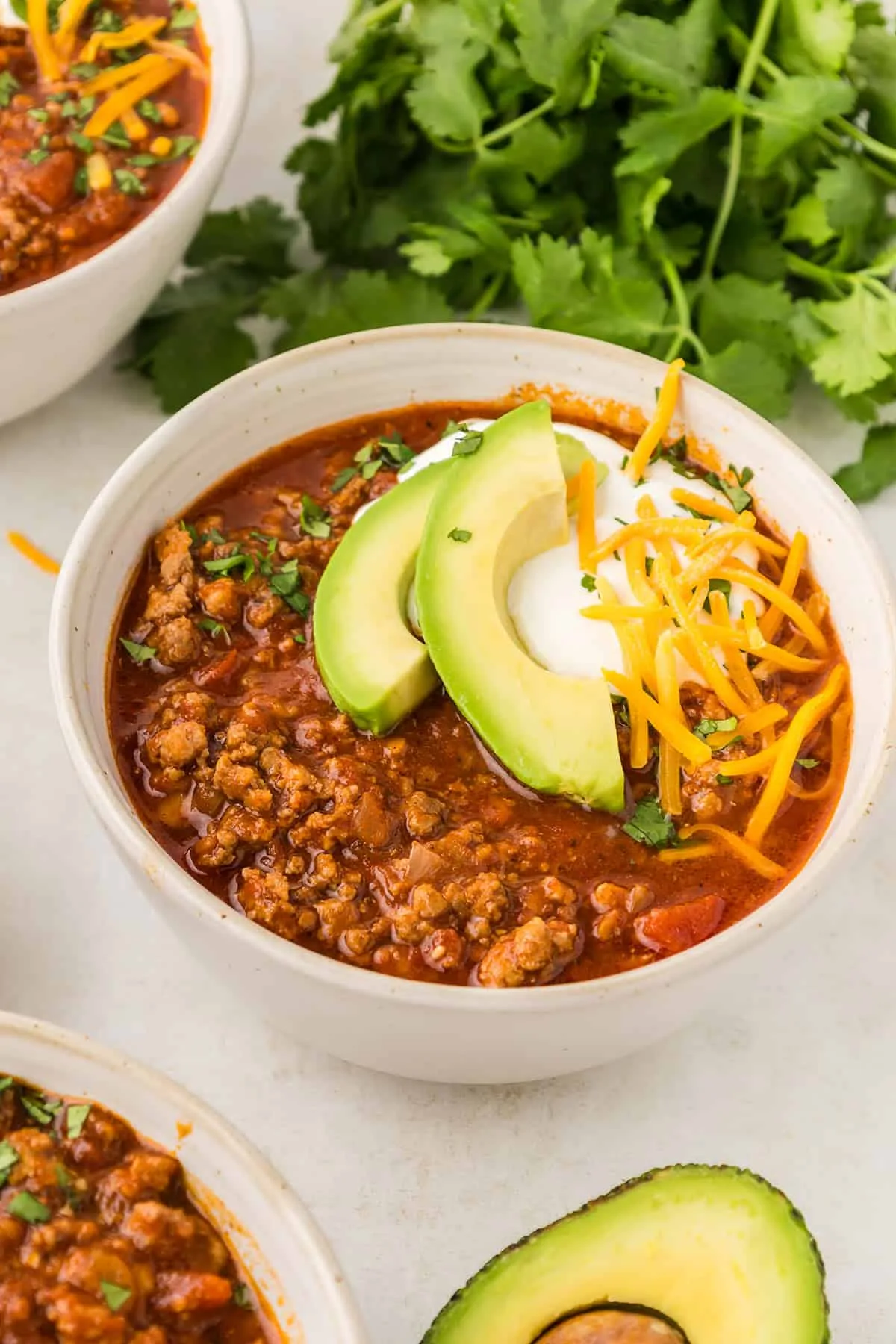
Keto Chili
Keto chili looks dark, thick, and a little glossy. The ground meat should stay in visible clumps instead of turning into a gray paste. The sauce should coat the back of a spoon.
If it runs off like tomato soup, leave the lid off and let it reduce for 15 minutes. Small pools of orange-red fat on the surface are a good sign. That fat is still worked into the sauce.
Keto Pulled Pork
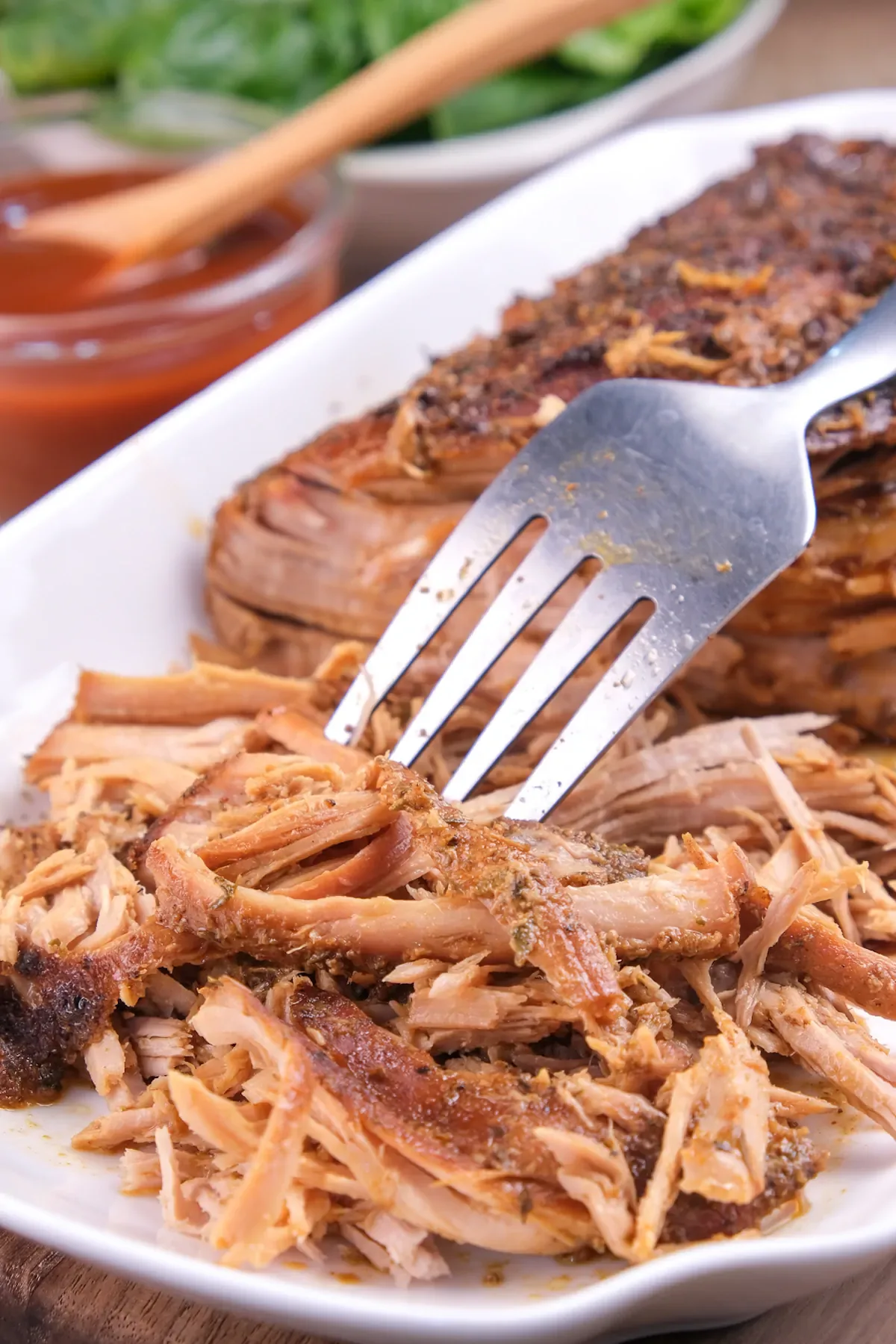
Pulled pork should look like long, moist shreds with caramelized edges. The bark from the searing step breaks apart into the meat. If the shreds look dull and dry, the pork cooked too long or the liquid ran out.
The ideal plate shows shiny, tender strands that catch the light.
Keto Chicken Thighs
Chicken thighs look best when the skin has browned and the meat has pulled slightly away from the bone. The sauce around them should cling and look silky. If the meat shrinks down and looks stringy, it is overcooked.
If the flesh near the joint still looks rubbery and translucent, it needs more time.
Keto Beef Stew
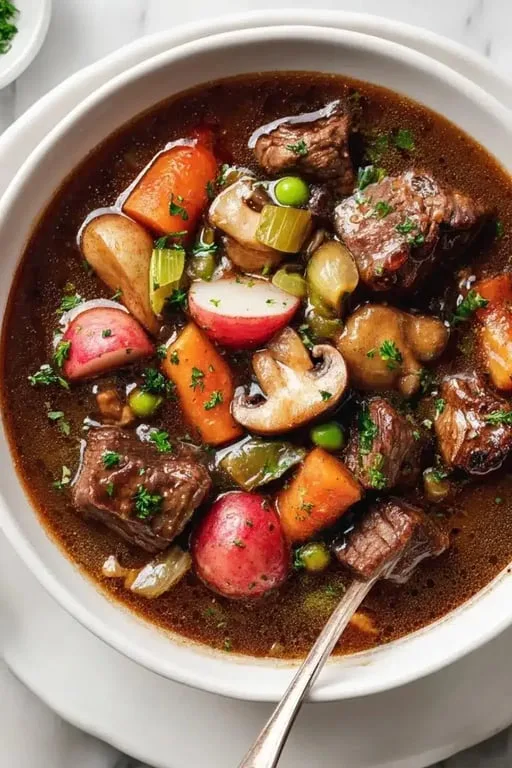
Beef stew should have a rich, deep brown broth, not a pale gray one. The beef cubes should hold their shape while still breaking apart under gentle spoon pressure. Carrots and celery should be tender but still intact.
Mushy vegetables are a red flag. This dish should feel hearty and thick, not watery.
Common Visual Mistakes That Keto Cooks Make (and How to Spot Them)
Even confident keto cooks make these mistakes. The good news is that every one of them leaves a visual clue.
Mushy low-carb vegetables. Zucchini and cauliflower turn to paste when cooked all day. Spot this when a fork meets no texture at all. Fix it by adding quick-cook vegetables in the final 30 to 45 minutes.
Watery sauce. A sauce that runs off a spoon like coffee is too thin. Spot this before the dish finishes. Fix it by removing the lid, turning the heat to high, and letting the liquid reduce for 15 minutes.
Separated fat. Clear pools of oil sitting on top while the sauce stays thin means the fat broke out. Spot this during the last hour. Fix it by whisking in a splash of vinegar, a teaspoon of mustard, or a small amount of xanthan gum mixed into broth.
Burnt edges. Dark, crispy patches on the stoneware happen when erythritol or tomato sugars caramelize too quickly. Spot this by checking for black flecks on the sides. Fix it by lowering the heat or swapping the sweetener for monk fruit or allulose.
Pale meat. If the meat still looks gray and steamed, it never got a proper sear. Spot this before adding any liquid. Fix it by patting the meat dry and searing it in a hot skillet until it is deep brown on at least two sides.
How to Fix Watery Sauces and Greasy Separations Without Breaking Ketosis
A thin sauce is the easiest problem to spot. Take a clean spoon and dip it into the dish. If the liquid slides right off, it needs fixing.
If it clings and coats the spoon, it’s ready.
Start with reduction. Remove the lid and turn the slow cooker to high. Let the sauce bubble uncovered for 15 to 20 minutes.
Water evaporates, flavor concentrates, and net carbs stay the same. This works best for chili, beef stew, and curries.
If the sauce is still watery, use xanthan gum. Mix 1/4 teaspoon into a small bowl of warm broth first, then whisk it into the pot. Give it 30 seconds before judging the texture.
It thickens without adding a single carb.
Greasy separation needs a different touch. Don’t skim off all the fat, since keto relies on it. Instead, keep stirring to blend the fat back into the sauce.
A splash of apple cider vinegar or Dijon mustard helps emulsify everything into a glossy, even liquid.
| Thickener | Amount per cup | Carb impact |
|---|---|---|
| Xanthan gum | 1/4 teaspoon | Zero |
| Glucomannan | 1 teaspoon | High fiber |
| Cream cheese | 2 tablespoons | ~1g net |
| Coconut flour | 1 teaspoon | ~1g net |
The visual goal is always the same. A keto slow cooker meal should look shiny and cohesive, never watery or broken. When you see that glossy coating, the dish is done right.
FAQs: Keto Slow Cooker Recipes
What are the best cuts of meat for keto slow cooker recipes?
Chuck roast, pork shoulder, and chicken thighs are the top choices. They carry enough fat and connective tissue to stay moist through hours of low heat. Lean cuts like chicken breast dry out quickly.
Cook poultry to 165°F and let beef or pork reach at least 190°F for easy shredding.
How can I thicken a keto slow cooker sauce without cornstarch?
Use xanthan gum or glucomannan instead. Dissolve 1/4 teaspoon of xanthan gum in warm broth, then whisk it into the pot. Wait 30 seconds before adding more.
Cream cheese also works when stirred in during the final 15 minutes. Adding dry thickener directly creates lumps.
Can I put frozen meat in a slow cooker for keto meals?
No, and the USDA advises against it. Frozen meat spends too long in the danger zone between 40°F and 140°F. That raises the risk of foodborne illness.
Thaw meat in the refrigerator first, then sear it before slow cooking. You get better browning and safer results.
How many net carbs should a keto slow cooker meal have?
Most keto slow cooker recipes stay between 5 and 10 grams of net carbs per serving. Net carbs are total carbs minus fiber and sugar alcohols. Use cauliflower, cabbage, zucchini, and celery to keep the count low.
Avoid carrots, potatoes, and flour-based thickeners.
What is the best way to meal prep keto slow cooker recipes?
Batch cook 4 to 6 servings on Sunday. Cool leftovers within 2 hours, then refrigerate for up to 4 days. Frozen portions hold quality for about 3 months.
When reheating, add a splash of broth to bring back the moisture and glossy texture.

Similar Posts