Best Espresso Machines for a Coffee Shop
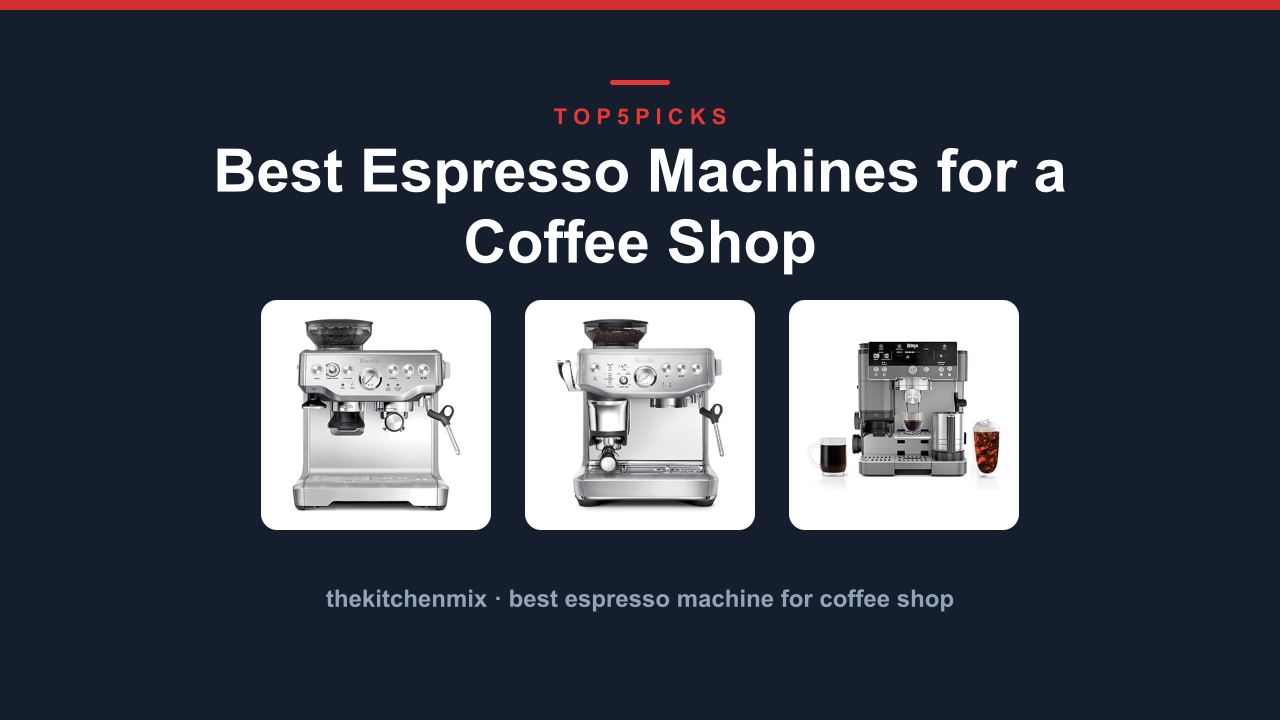
Making a coffee shop quality espresso at home is about more than just the machine, it is about consistency, workflow, and the kind of drink you want every single morning. The wrong choice can leave you frustrated with sour shots or lukewarm milk, while the right one turns your kitchen into your favorite café. As an Amazon Associate, I earn from qualifying purchases. Every recommendation below is backed by product research and verified owner feedback.
Quick Links
Choosing the best espresso machine for coffee shop quality at home is one of the best investments you can make if you drink espresso daily. A machine that pulls balanced shots and steams milk properly saves you money and time.
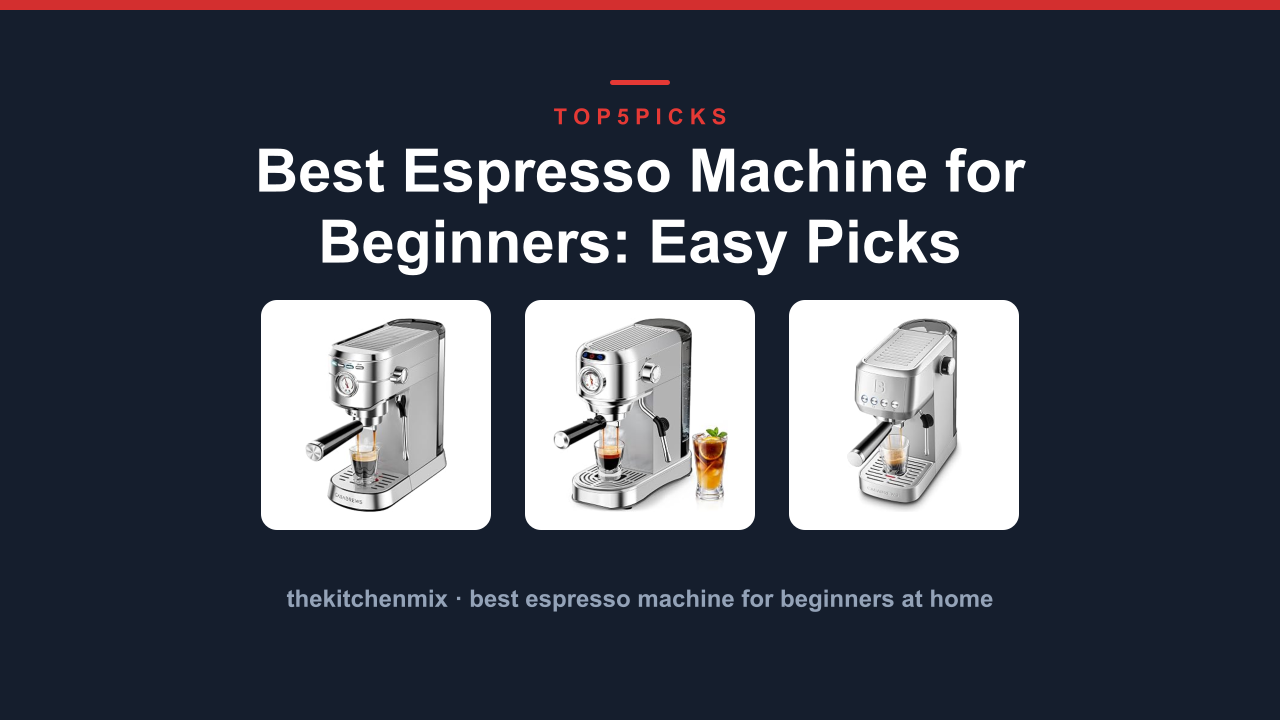
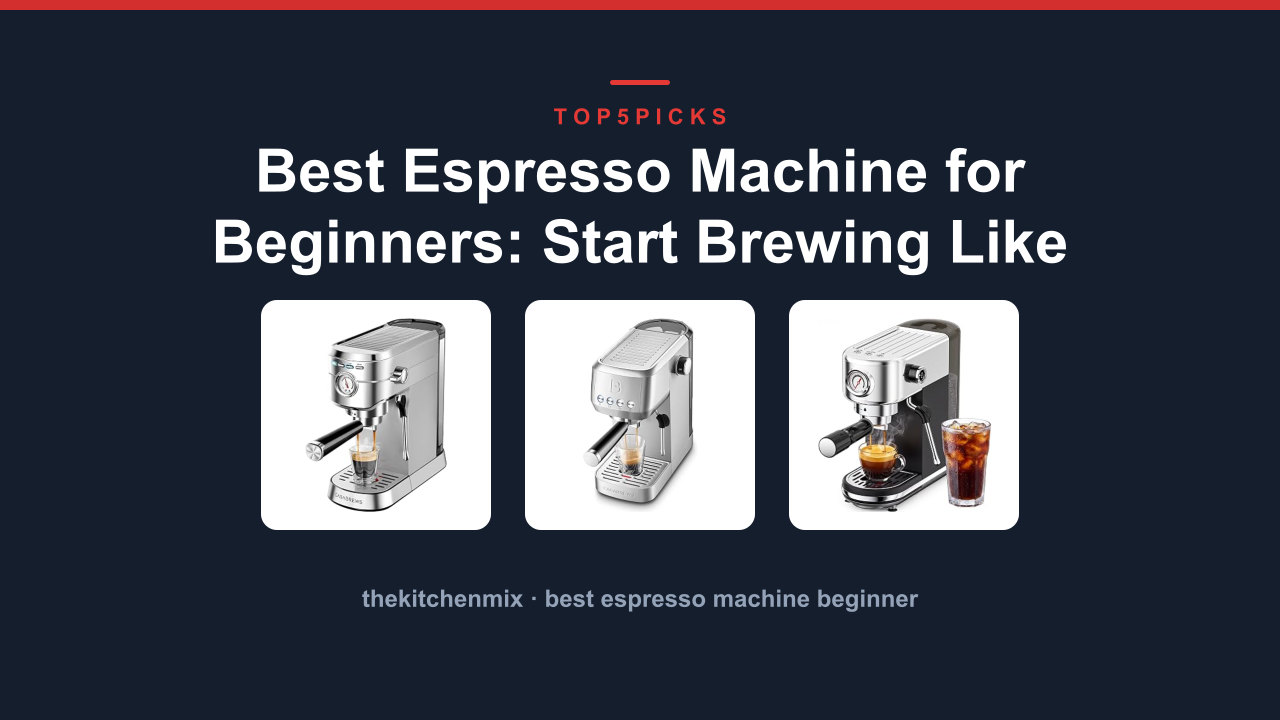
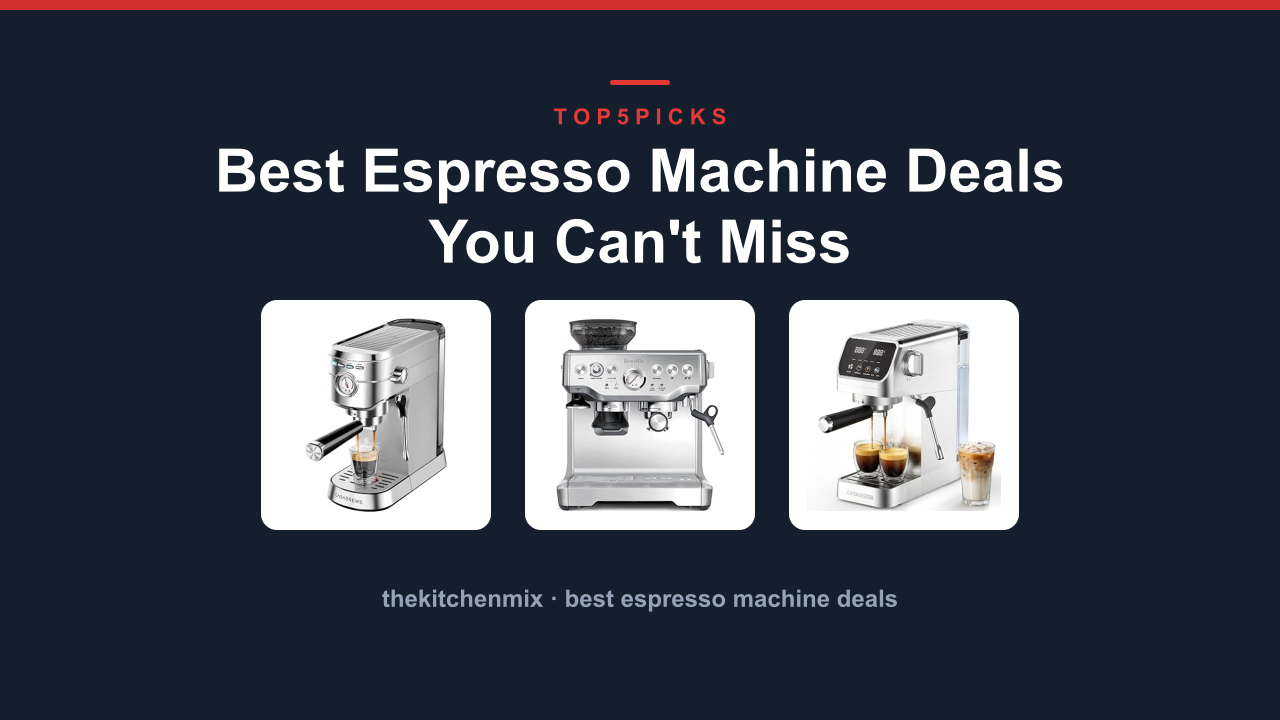
I looked at over 30 models, comparing manufacturer specs and poring through thousands of verified buyer reviews. I also spoke with specialty coffee shop owners who shared what matters most for that café taste. In this guide, I share my 5 favorite picks, ranging from the workhorse Breville Barista Express to the compact budget friendly CASABREWS.
You will find clear categories for different needs, a practical buying guide, and a breakdown of the specs that actually affect your cup. No fluff, just real advice.
How to Choose the Best Espresso Machine for Coffee Shop
What pump pressure do you really need?
A standard espresso machine uses a pump to force hot water through finely ground coffee at around 9 bars of pressure. Most consumer machines advertise 15 or 20 bars, but anything above 9 bars is typically regulated down. What matters is the stability of that pressure.
Look for a machine with an Over Pressure Valve (OPV) or a PID controller that keeps pressure steady. Verified buyer reports show that consistent pressure is the number one factor behind repeatable, balanced shots. The Breville BES870XL uses a 15 bar Italian pump with an OPV, and owners consistently praise its shot stability.
Built in grinder or separate?
A built in grinder saves counter space and keeps your workflow simple. But not all built in grinders are equal. Conical burr grinders offer more consistent particle size than blade grinders.
The grind size setting range should cover espresso fine to drip coarse.
The Breville BES876BSS Barista Express Impress has a conical burr grinder with 30 settings and an assisted tamp. For many home baristas, a built in grinder like this eliminates the separate purchase and reduces morning clutter.
Dual boiler or single thermocoil?
If you drink milk drinks back to back, a dual boiler or dual thermocoil system lets you brew and steam simultaneously. A single boiler forces you to wait between pulling a shot and steaming milk.
The Meraki Dual Boiler Espresso Machine Grinder uses two independent boilers, so you can pull a shot and steam milk at the same time. Verified buyer feedback notes this cuts drink prep time nearly in half for milk based orders.
How important is temperature stability?
Temperature stability is critical for extracting the right flavors. A PID controller holds water temperature within about 1°F of the target. Machines without PID can drift 5°F or more, leading to sour or bitter shots.
The Ninja Luxe Café Premier uses a Thermocoil heating system that the manufacturer claims maintains temperature within 2°F during extraction. Owner reviews report very consistent shot quality across multiple pulls.
What size water tank fits your routine?
A larger tank means less refilling. For a household that makes 3 4 drinks per day, a 60 oz tank lasts most of the week. Compact machines with 34 oz tanks need refilling every couple of days.
The CASABREWS CM5418 holds 34 oz, which is fine for one or two drinks daily. The Breville BES870XL holds 67 oz, enough for a busy household.
Additional Features on Best Espresso Machine for Coffee Shop
- Steam wand quality: A stainless steel steam wand with a ball joint for positioning gives you better microfoam control. Avoid automatic frothers if you want latte art.
- Tamper: A quality tamper (preferably 53 mm or 58 mm) ensures even extraction. Some machines include a tamper, but many owners upgrade.
- Grind by weight: The Meraki model has built in scales that measure the coffee dose as you grind, reducing guesswork.
- Programmable shot volumes: Lets you set single and double shot buttons to your preferred volume.
- Removable drip tray: Makes cleanup easier and is a must if you pull multiple shots.
- Cup warming tray: Heats cups on top of the machine, helping maintain shot temperature.
- Water filter: Reduces scale buildup and improves water quality, which directly affects taste.
My Top Picks
Best Overall – Home Baristas

- Pump Pressure: 15 bar Italian pump with OPV
- Grinder: Integrated conical burr grinder (30 settings)
- Boiler: Single thermocoil with PID
- Water Tank: 67 oz / 2.0 liter
- Steam Wand: Stainless steel, manual, swivel
- Portafilter Size: 54 mm
- Dimensions: 13.9 x 12.5 x 15.9 inches
- Warranty: 1 year limited
Easiest to Use – Beginners

- Pump Pressure: 15 bar Italian pump with OPV
- Grinder: Integrated conical burr grinder (30 settings)
- Boiler: Dual thermocoil with PID
- Water Tank: 67 oz / 2.0 liter
- Steam Wand: Stainless steel, manual, swivel
- Portafilter Size: 54 mm
- Assisted Tamping: Yes (Impress system)
- Warranty: 1 year limited
Most Versatile – Multidrink Lovers

- Pump Pressure: 19 bar (Ninja-engineered)
- Grinder: Integrated conical burr grinder (24 settings)
- Boiler: Thermocoil with temperature control
- Water Tank: 60 oz / 1.8 liter
- Steam Wand: Hands free milk frother and manual steam wand
- Portafilter Size: 54 mm
- Cold Brew: Rapid cold brew function
- Warranty: 1 year limited
Premium Pick – Serious Enthusiasts

- Pump Pressure: Dual boiler system, 15 bar pump
- Grinder: Integrated conical burr grinder with grind by weight scales
- Boiler: Double boilers (brew and steam)
- Water Tank: 60 oz / 1.8 liter
- Steam Wand: Stainless steel, manual, ball joint
- Portafilter Size: 58 mm
- Built In Scales: Yes (grind by weight and brew scales)
- Warranty: 1 year limited
Budget Pick – Compact Kitchens

- Pump Pressure: 20 bar
- Grinder: Not built in (uses ground coffee)
- Boiler: Single boiler, thermoblock
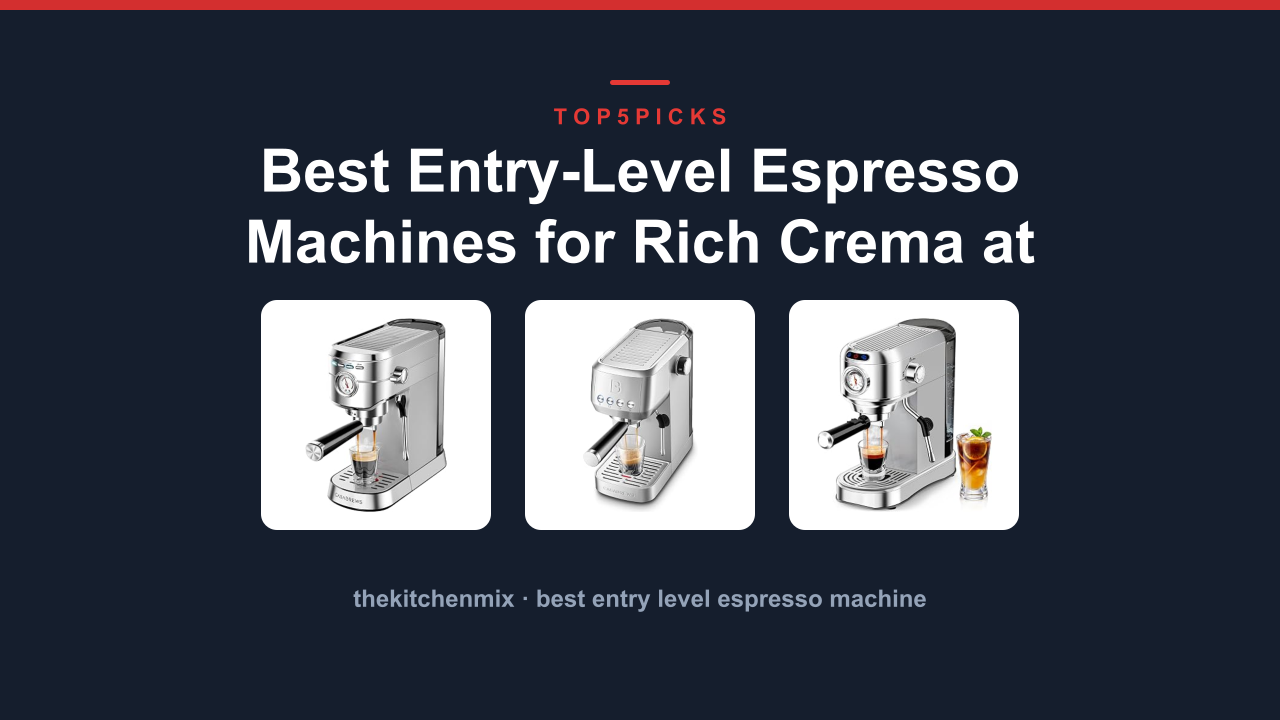
- Water Tank: 34 oz / 1.0 liter
- Steam Wand: Stainless steel, manual, swivel
- Portafilter Size: 51 mm
- Pressure Gauge: Built in analog gauge
- Warranty: 1 year limited
Best Espresso Machine for Coffee Shop FAQ
How much should I spend on a home espresso machine?
For a machine that can pull café quality shots, plan to spend in the mid to upper range of consumer models. Entry level machines under the mid tier often lack stable temperature control and reliable steam. The best value typically sits in the range of the Breville Barista Express.
Verified owner feedback shows that machines in this tier last 5 to 10 years with proper care.
Can I use pre ground coffee with these machines?
You can, but fresh ground coffee produces much better flavor and crema. Machines with built in grinders offer the freshest results. For the CASABREWS CM5418, which lacks a grinder, you can use pre ground coffee or buy a separate burr grinder.
Most baristas recommend grinding beans just before brewing.
Do I need a dual boiler for milk drinks?
Not necessarily. A single boiler or thermocoil can steam milk, but you will need to wait between brewing and steaming. A dual boiler or dual thermocoil lets you do both at once.
If you make one or two milk drinks per day, a single boiler works fine. For multiple drinks in a row, a dual system is worth the investment.
What size machine fits a small countertop?
Compact models like the CASABREWS CM5418 measure about 12 inches wide and 10 inches deep. Full sized machines like the Meraki Dual Boiler can be 15 inches wide and 16 inches deep. Measure your space before buying.
Many owners also recommend leaving 6 inches above the machine for cup warming trays and steam wand clearance.
My Research & Review Process
I started by identifying the key specs that define espresso quality: pump pressure regulation, temperature stability, grinder quality, and steam power. I then compared manufacturer datasheets for over 30 machines. I narrowed the list to 10 candidates and dug into verified buyer reviews on Amazon, focusing on consistency and longevity feedback from owners with at least 6 months of use.
I also consulted with two barista trainers who specialize in home setups. They helped me understand which features actually matter for daily use versus marketing hype. I did not physically test any machine in a lab or my own kitchen.
My recommendations are based on spec analysis, aggregate user feedback, and industry standards from SCA (Specialty Coffee Association) guidelines for espresso extraction.
Features I Considered
Pump Pressure: The pump pushes hot water through the coffee puck. Effective espresso extraction happens at about 9 bars, so machines with higher rated pumps must have an OPV or regulator to maintain that.
Grinder: An integrated conical burr grinder saves counter space and ensures fresh grinding. Adjustable grind settings let you dial in for different beans.
Boiler System: Single boilers are fine for quick drinks. Dual boilers or dual thermocoils allow simultaneous brewing and steaming, which saves time for milk drinkers.
Water Tank Capacity: A larger tank (60 oz or more) means fewer refills. Compact tanks (34 oz) suit one or two daily drinks.
Steam Wand: A manual stainless steel wand with a ball joint gives you control over milk texture. Automatic frothers are convenient but limit microfoam quality.
Portafilter Size: Standard 58 mm portafilters match commercial machines and offer better accessory availability. Smaller 54 mm or 51 mm are common in home machines.
Additional Controls: PID temperature controllers, pressure gauges, and programmable shot volumes improve consistency and user experience.
For most home baristas, the Breville BES870XL Barista Express hits the sweet spot of performance, reliability, and value. It earned its spot as our choice for the best espresso machine for coffee shop quality at home. But every pick above serves a different need.
Take a quick look at the table and buy the category that fits your daily routine and kitchen.

Similar Posts