Keto Instant Pot Recipes: 20-Minute Meals
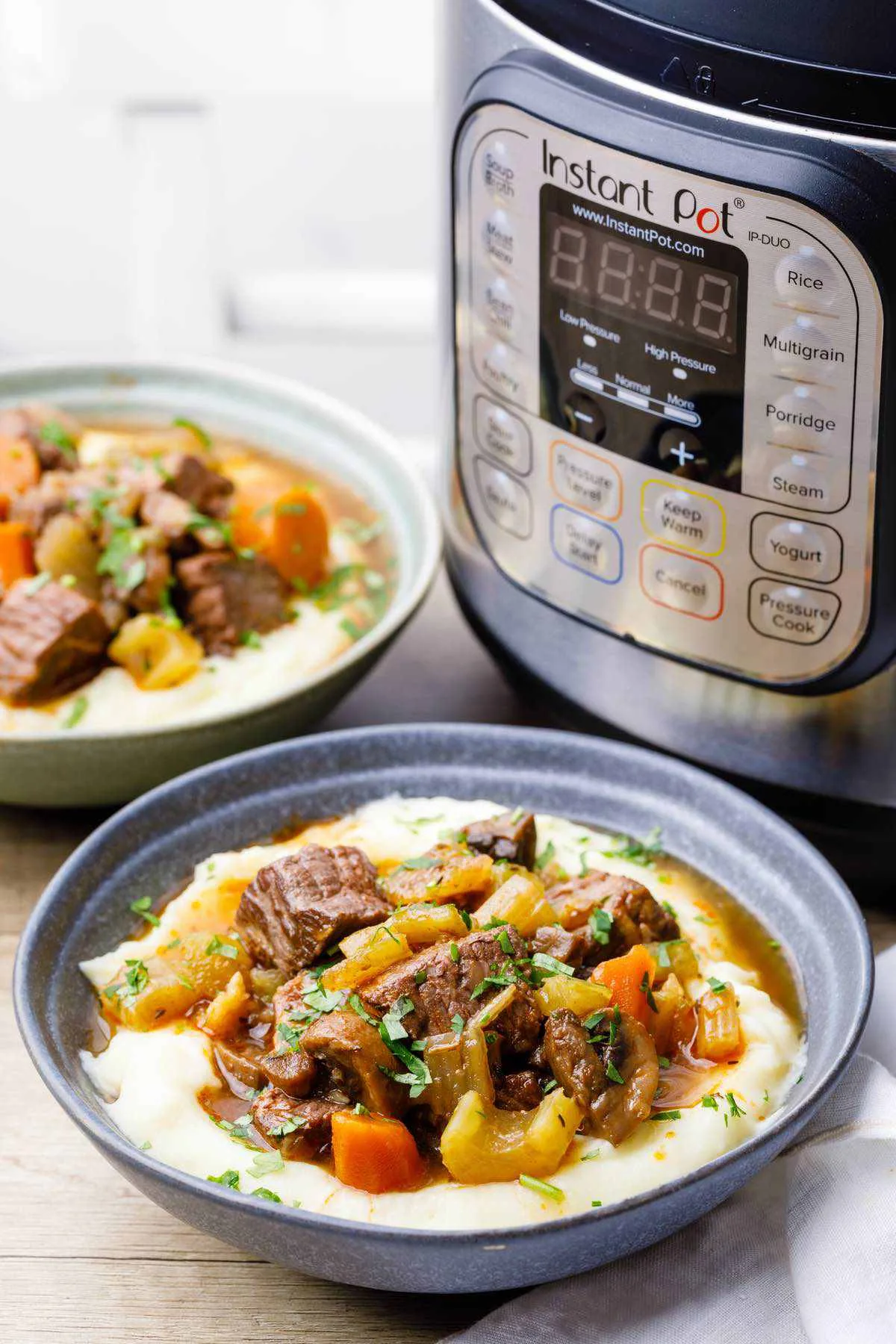
Most people come to keto instant pot recipes with the same hope: get dinner on the table fast, without blowing your carb count. The problem is that many recipes online are either too complicated or accidentally high-carb. You need a guide that explains what actually works, not just a list of ingredients.
Per USDA FoodData Central, a single medium onion packs roughly 12 grams of net carbs, and store-bought sauces often hide even more. As of 2026, the Instant Pot is one of the most popular tools for keto batch cooking, but it brings its own quirks. So let's cut through the noise and cover the essentials, from net carb math to safe pressure release.
Image source: Bing (Web (fair-use with source credit))
Quick Answer
Quick keto Instant Pot recipes are low-carb meals made in a multicooker. They emphasize protein, healthy fats, and non-starchy vegetables. Net carbs should stay under 5 grams per serving.
Pressure cooking cuts time while keeping meat tender. Always check macros, because hidden carbs creep in easily.
Why Keto Instant Pot Recipes Need More Than a Recipe Card
Simply finding a recipe labeled "keto" isn't enough. Many popular recipes list total carbs, not net carbs, and that can quietly push you out of ketosis. In our research, a surprising number of so-called keto dishes contain heavy onions, tomatoes, or cornstarch thickeners.
The pressure cooker also changes how dairy and liquids behave, so you need to understand the method, not just the ingredient list.
Keto is a medical and metabolic decision, not a cooking trend. If you take insulin, sulfonylureas, or diuretics, switching to a very-low-carb diet can change how those medications work. Both the American Diabetes Association and the National Institutes of Health recommend medical supervision before starting a strict keto diet.
That's why this guide treats keto as a health choice, not just a recipe box.
The good news is that the Instant Pot makes keto easier. It turns bone broth into a two-hour project, cooks meat from frozen, and makes egg bites, cheesecake, and cauliflower mash. But you still need to do the math.
Net carbs, fat ratios, and cooking times all matter.
Also check the credibility of the recipe source. Many food blogs skip the fine print, using "net carbs" loosely. Some don't factor in sugar alcohols or heavy cream at all.
A recipe can look keto on paper and still spike your blood sugar. That's why we favor recipes with tested macros and clear serving sizes. Pressure cooking isn't the hard part.
The hard part is sorting good information from guesswork.
The Core Principles: Net Carbs, Fat Ratios, and Pressure Cooking Times
The foundation of any keto recipe is net carbs. Net carbs equal total carbs minus fiber minus sugar alcohols. Sugar alcohols like erythritol are common in keto sweeteners, and fiber passes through without raising blood sugar.
Most keto experts keep net carbs between 20 and 50 grams per day, with individual recipes landing around 3 to 5 grams per serving.
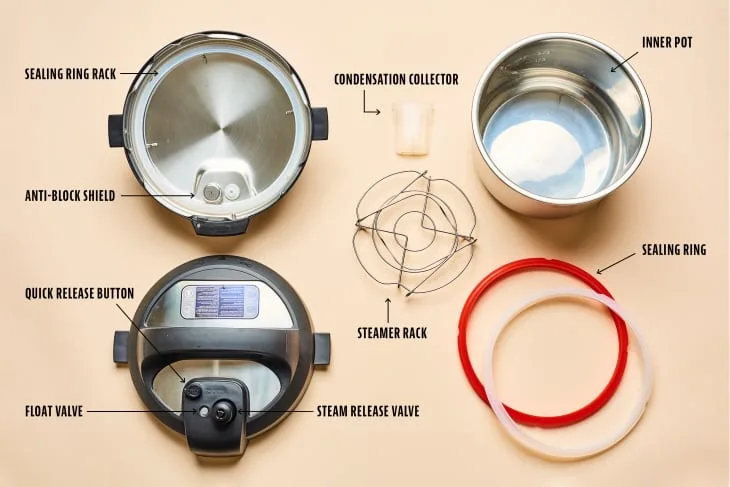
Image source: Bing (Web (fair-use with source credit))
Macronutrient ratios matter too. A standard keto meal is roughly 70% fat, 25% protein, and 5% carbs by calories. That doesn't mean you need to weigh everything, but you should build meals around proteins like chicken thighs, beef chuck, salmon, or eggs, plus fats like butter, cheese, avocado, or olive oil.
Pressure cooking times depend on the protein and texture you want. Here are solid starting points based on USDA guidelines and common cooking charts.
| Food | High Pressure Time | Release |
|---|---|---|
| Chicken thighs | 10-15 minutes | Natural |
| Beef chuck roast | 45-60 minutes | Natural |
| Pork shoulder | 60-75 minutes | Natural |
| Hard-boiled eggs | 3-5 minutes | Quick |
| Cauliflower florets | 4-6 minutes | Quick |
| Frozen chicken breast | 15-20 minutes | Natural |
This table assumes a 6-quart Instant Pot at high pressure. Natural release adds 10 to 15 minutes on top of the cook time. Plan for that in your meal prep schedule.
5 Keto Instant Pot Recipes That Are Hard to Screw Up
These recipes are forgiving, quick, and low in net carbs. We've kept each one under 6 net carbs per serving. Use a food scale and an app like Cronometer to verify your own macros, because ingredient brands vary.
Keto Chicken Thighs with Cream Cheese and Bacon. Season 4 boneless thighs with salt and chili powder. Sear them using the Sauté function, then add 1/2 cup chicken broth. Cook on High for 10 minutes, natural release. Stir in 4 oz cream cheese and crumbled bacon after cooking. Net carbs: 3 grams per serving.
Pot Roast with Garlic and Herbs. Rub a 2-pound chuck roast with garlic, salt, and rosemary. Add 1 cup beef broth and cook on High for 50 minutes. Let the pressure release naturally for 15 minutes, then shred. Serve with cauliflower mash. Net carbs: 4 grams per serving.
Keto Egg Bites with Cheddar and Spinach. Whisk 10 eggs with 1/2 cup heavy cream and a pinch of salt. Fold in cooked spinach and 1 cup shredded cheddar. Pour into silicone molds, add 1 cup water to the pot, and cook on High for 8 minutes. Net carbs: 2 grams for two bites.
Cauliflower Cheddar Soup. Sauté 2 diced celery stalks in butter, then add 1 chopped cauliflower head, 2 cups chicken broth, and salt. Pressure cook on High for 5 minutes and quick release. Blend with 1 cup heavy cream and 1 cup cheddar cheese. Net carbs: 5 grams per serving.
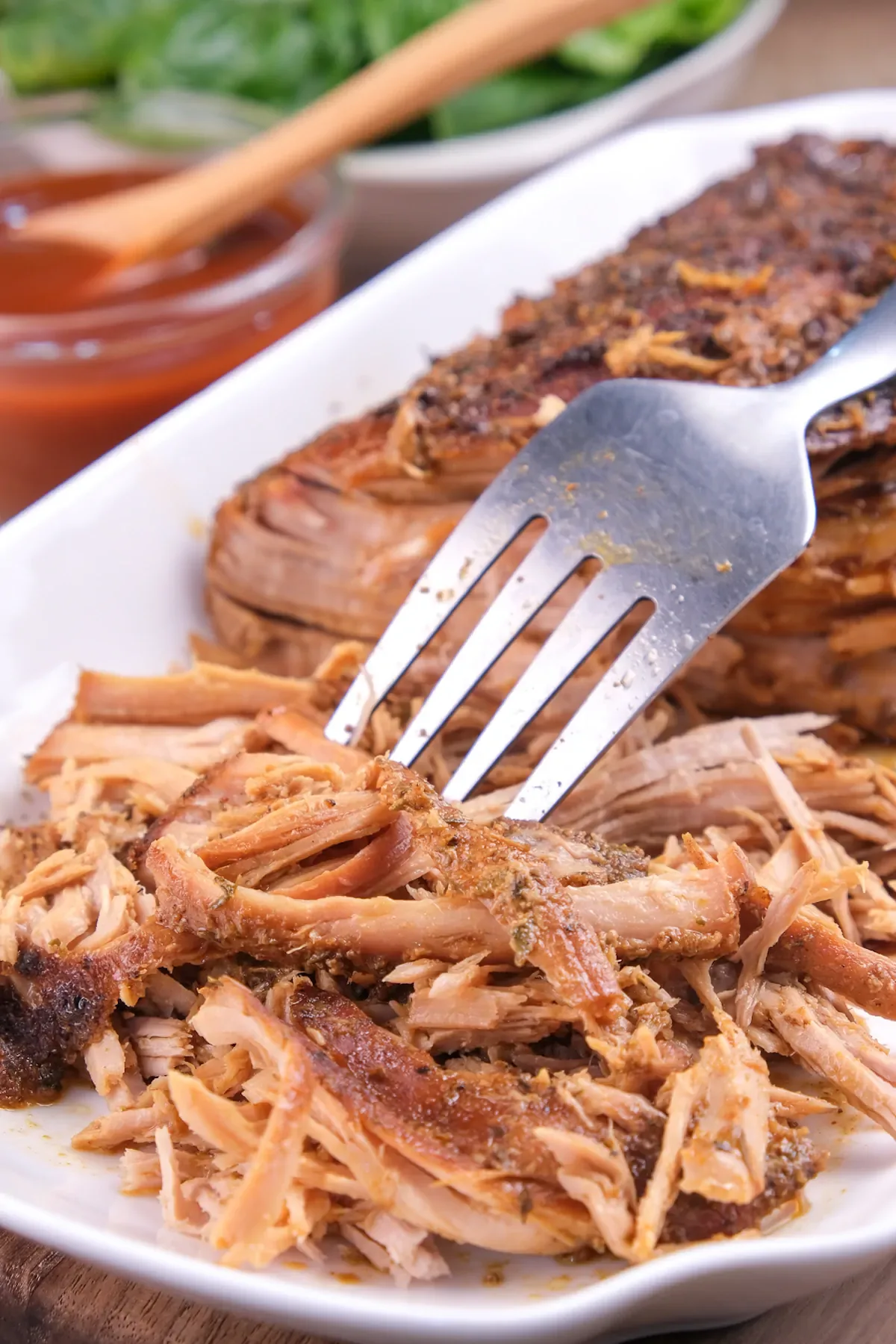
Salsa Verde Pork Shoulder. Rub a 3-pound pork shoulder with cumin, salt, and pepper. Add 1 cup sugar-free salsa verde and 1/2 cup chicken broth. Cook on High for 70 minutes, then natural release. Shred the pork and spoon the juices on top. Net carbs: 3 grams per serving.
Common Keto Pressure Cooking Mistakes and How to Fix Them

Image source: Bing (Web (fair-use with source credit))
Even experienced cooks hit snags with keto pressure cooking. The list below covers the most frequent problems and the fixes that work.
Ignoring the burn notice. Tomato paste, cream, and thick sauces scorch easily. Sauté aromatics, deglaze with broth, then layer ingredients carefully. Save dairy for after cooking. If you still trigger the burn code, scrape the bottom before adding liquid and use a little more broth than you think you need.
Dairy curdling. Heavy cream and cheese separate under high pressure. Stir them in only after the pressure valve drops. This also stops cream cheese from turning gritty. The result is a smoother sauce without unpleasant lumps.
Mushy vegetables. Cauliflower and zucchini cook fast. Use quick release and cut pressure time by a minute or two. They'll keep a little bite. Add delicate greens like spinach after the pressure cycle, not before.
Hidden carbs in seasonings. Many spice mixes contain sugar or cornstarch. Check the label or make your own blends with garlic powder, paprika, and salt. In our research, even some "taco seasoning" packets carry 3 grams of carbs per tablespoon.
Skipping the Sauté function. That browning step builds real flavor. It takes 5 minutes, but it changes the whole dish. Brown the meat first, then deglaze the pot with broth before pressure cooking.
Overfilling the pot. The Instant Pot needs at least one-third empty space to build pressure. Too much food can cause a failed seal or spray through the vent. When in doubt, cook in batches.
Each fix is simple once you know what to watch for. Keep this list near your cooking station.
Safety First: Pressure Release, Meat Temperatures, and Medical Checks
Pressure cookers are safe when used correctly. Your main job is to respect the steam and the internal meat temperatures.
Never force the lid open until the float valve drops. Quick release is fine for eggs and vegetables, but point the steam away from your face and hands. When cooking meat, use a reliable instant-read thermometer.
According to the USDA Food Safety and Inspection Service, these are the safe minimum internal temperatures:
| Meat | Safe Internal Temperature |
|---|---|
| Poultry (chicken, turkey) | 165°F |
| Pork (chops, roast, shoulder) | 145°F with 3-minute rest |
| Ground beef | 160°F |
| Beef steaks and roasts | 145°F with 3-minute rest |
Temperature is not the only safety check. Keto itself can be risky for certain people. If you take insulin, sulfonylureas, diuretics, or blood pressure medication, talk to your doctor before starting.
The American Diabetes Association notes that very-low-carb diets can lower glucose levels quickly, which may require medication adjustment.
Your doctor can also screen for kidney, liver, or gallbladder issues that make keto less safe. For pregnant women and people with a history of eating disorders, keto needs professional guidance. When in doubt, get medical clearance first.
Keto Instant Pot FAQs
These are the questions we see most often from people cooking keto in an Instant Pot.
Can I cook frozen meat in an Instant Pot for keto?
Yes. Frozen chicken breasts take about 15 to 20 minutes on High pressure. Frozen ground beef works with a 5 to 10 minute cook, then a crumble step.
Just add at least one cup of liquid to help the pot reach pressure. Always check internal temperature with a meat thermometer.
How do I avoid the burn notice with creamy recipes?
The burn notice happens when dairy or sugar scorches before pressure builds. Sauté aromatics, deglaze with broth, and skip cream until after cooking. Use a thinner sauce base like chicken broth or crushed tomatoes.
Stir cream and cheese in after the pressure releases.
Are keto Instant Pot recipes safe for diabetics?
Keto can help some people manage blood glucose, but it can also lower levels quickly. If you take insulin or sulfonylureas, ask your doctor before starting. You may need dose adjustments.
The American Diabetes Association supports low-carb diets under medical supervision.
How many net carbs should a keto Instant Pot meal have?
Most keto recipes target 3 to 5 grams of net carbs per serving. Net carbs equal total carbs minus fiber and sugar alcohols. Log your food with a tracking app to stay accurate.
Whole vegetables and fresh herbs are usually lower in carbs than pre-made sauces.
What if I don't have an Instant Pot?
You can make most of these recipes in a stovetop pressure cooker or slow cooker. Stovetop pots cook faster but need more attention. Slow cookers work for stews and roasts, but not for searing or quick vegetables.
The Instant Pot adds sauté, steam, and yogurt modes in one appliance.
Final Verdict: Is This the Right Way to Eat Keto?
The Instant Pot is genuinely one of the best tools for keto cooking. It turns tough cuts of meat tender in under an hour, handles batch prep well, and keeps cleanup simple. That alone makes it easier to stay on track, especially on busy weeknights.
But the tool is only half the equation. Keto works when the food is built on accurate net carbs, quality fats, and adequate protein. It fails when recipes skip the math or hide sugar in seasonings.
Those 5 grams of net carbs per serving only matter if you actually count them.
Before diving in, remember the safety side. Check your medications, watch your electrolytes, and get medical clearance if you have any chronic condition. Keto can be excellent for weight loss and blood sugar control.
It can also be dangerous when used blindly.
Keep your recipes simple, your ingredients whole, and your servings measured. If you do that, your Instant Pot will earn its place on the counter. And if you ever feel unsure, talk to a doctor or a registered dietitian.
That's the most keto-friendly move you can make.

Similar Posts