How to Clean and Oil a Heavy Cast Iron Cauldron and Campfire Pot
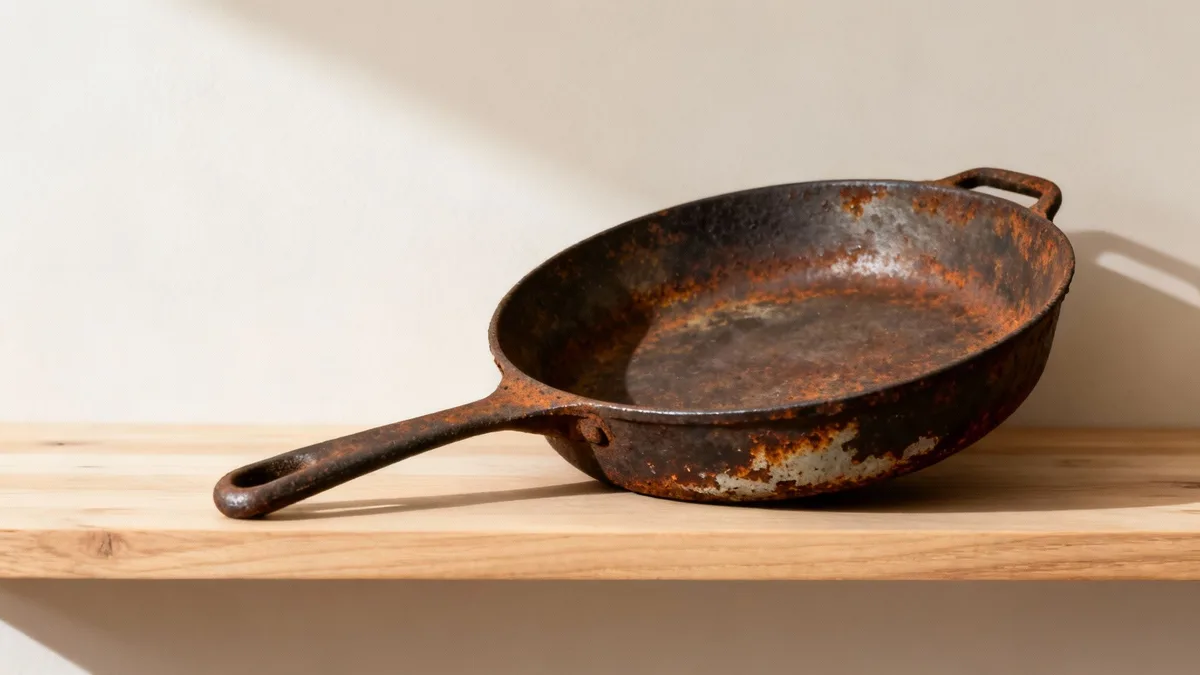
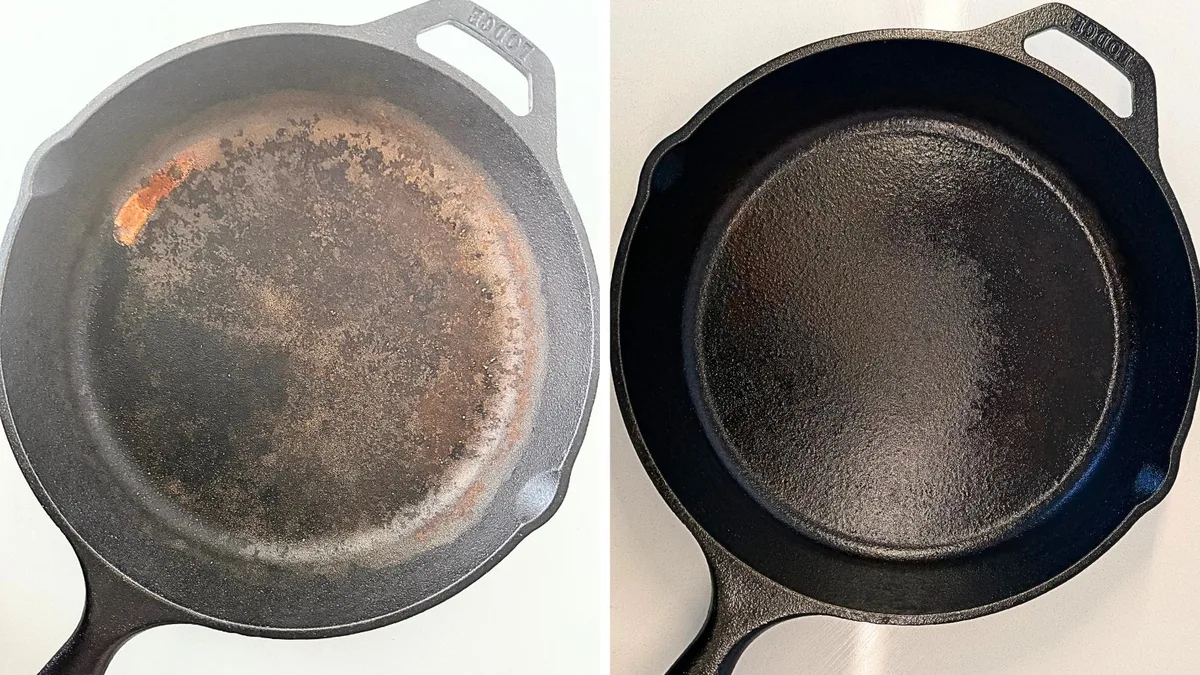
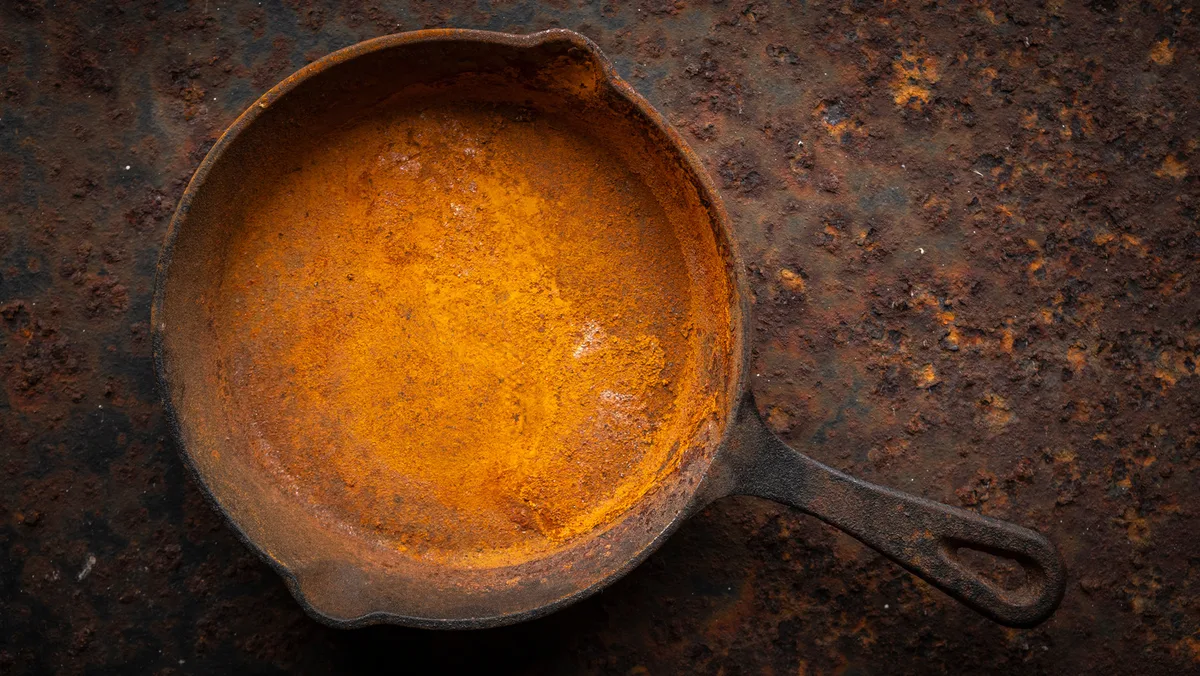
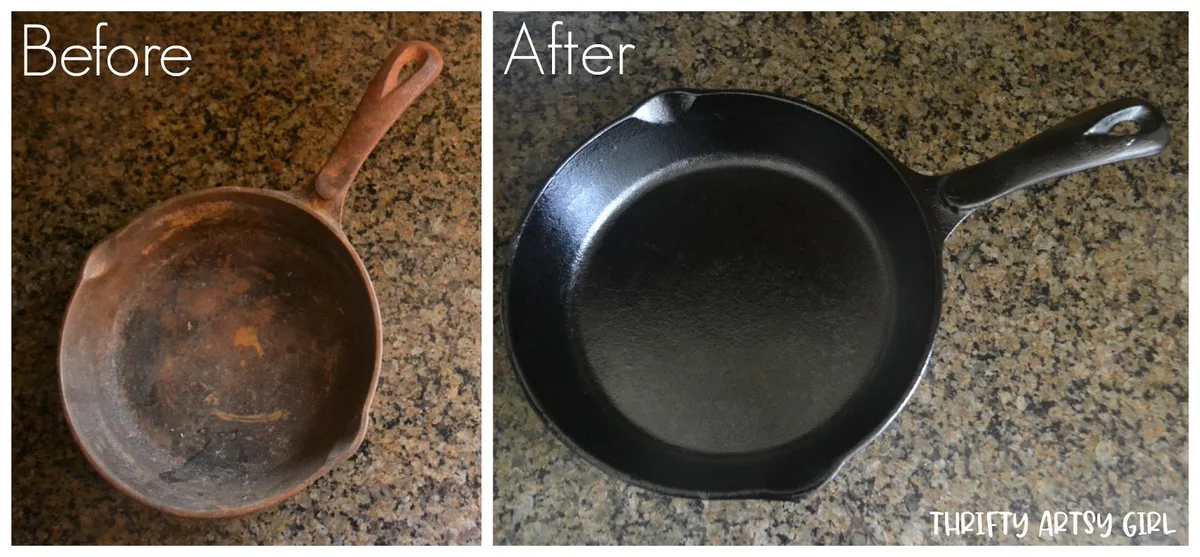
That rusty cast iron pot sitting in the garage is fixable. Learning how to restore a rusty cast iron pot comes down to one thing: matching your method to the rust level. The right approach removes rust without stripping away years of good seasoning.
The wrong one etches pits in the metal and makes things worse.
You don't need fancy chemicals either. Household vinegar, steel wool, and a high-smoke-point oil handle most cases. The standard formula for moderate rust is a 1:1 mix of white vinegar and water, soaked for no more than 60 minutes per session.
Here's how to decide which branch your pot needs.
Image source: Bing (Web (fair-use with source credit))
First, Look at the Rust and the Pot
Bare Cast Iron vs. Enameled: Why It Matters First
Look at the cooking surface. Bare cast iron is dark gray, rough, and rust forms directly on the metal. Enameled cast iron has a smooth glass-like coating, usually white, cream, red, or blue.
On enameled pots, rust appears along chips, cracks, or the raw rim, not across the whole surface.
That difference drives everything. You can soak, scrub, and re-season bare iron aggressively. Enameled cast iron needs gentle treatment because vinegar or steel wool can scratch the glass finish.
Manufacturer guides from Le Creuset and Lodge confirm that enameled surfaces need a baking soda paste, not a rust-stripping soak.
How Bad Is the Rust? Light, Moderate, or Heavy
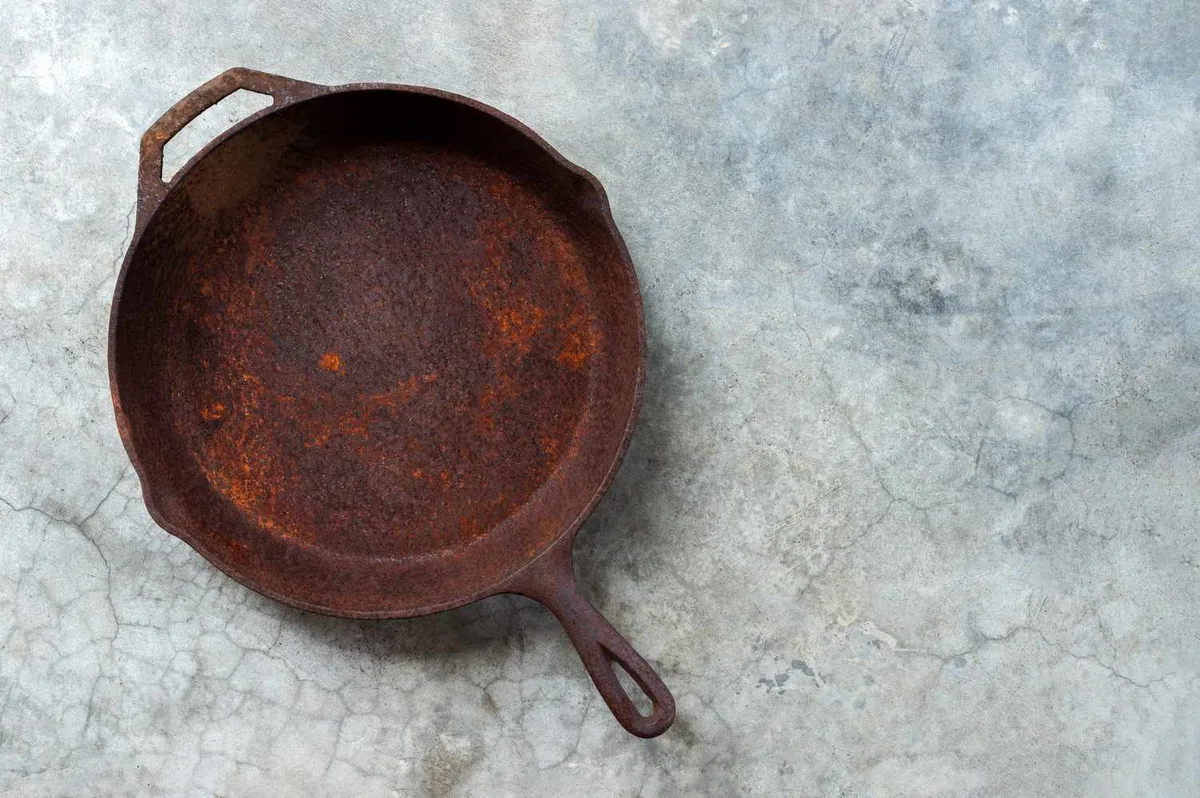
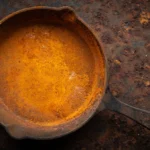
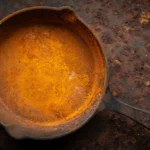
Run your finger across the pot. Light rust looks like a dusty orange film that wipes off. Moderate rust has thicker flakes and visible texture.
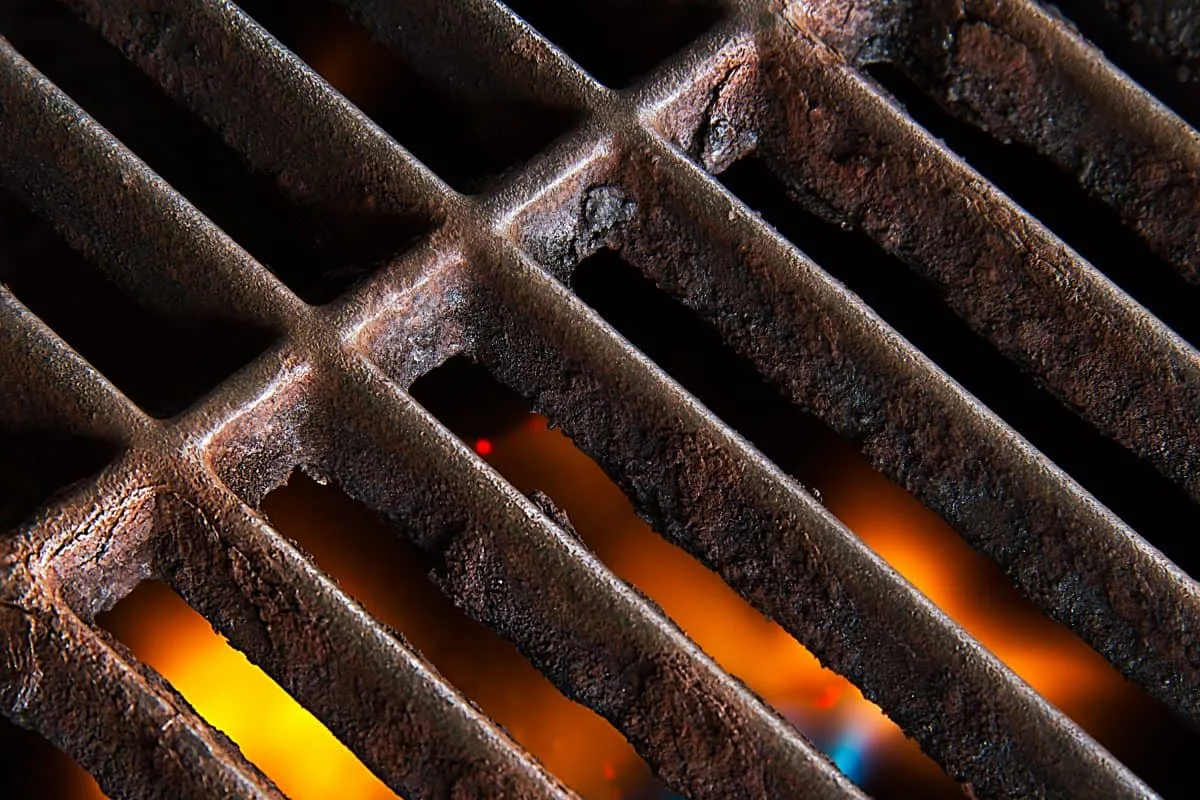
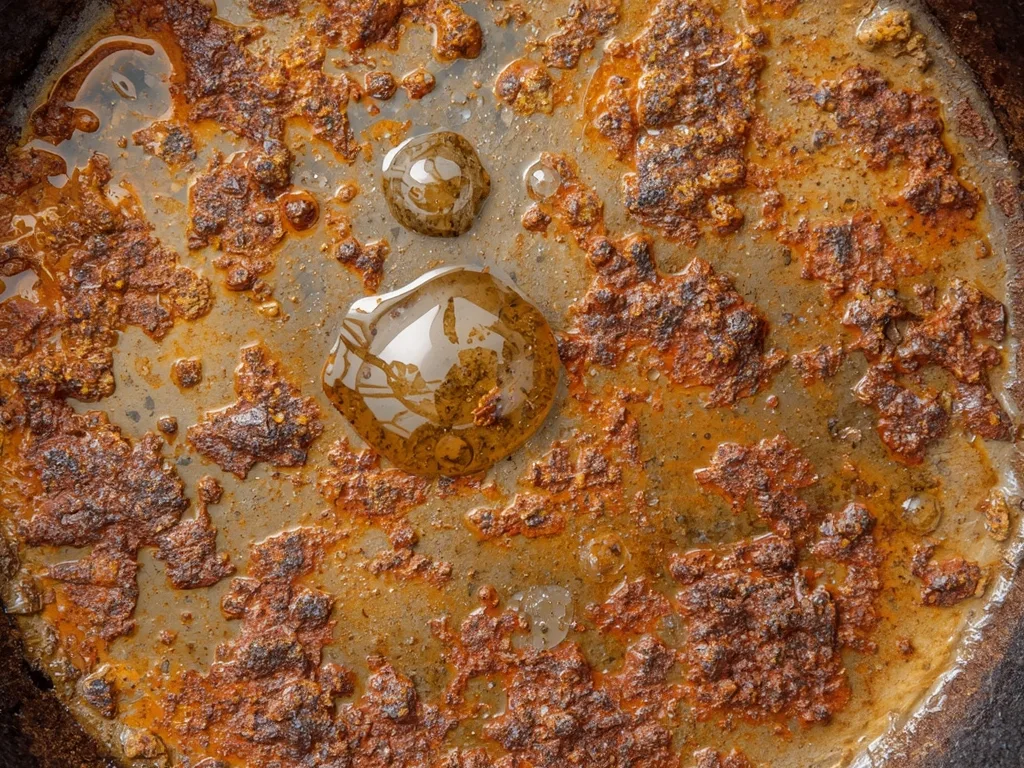
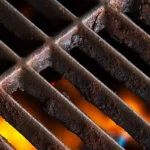
Heavy rust shows scaling layers and pits where the rust has eaten into the iron.
That's your decision point. Light rust needs a scrub and a fresh seasoning coat. Moderate rust calls for a vinegar soak.
Heavy rust may require a lye bath, electrolysis, or a power wire brush. Choosing the wrong branch wastes hours and can damage the pot.
The Vintage-Pot Lead Check You Shouldn't Skip
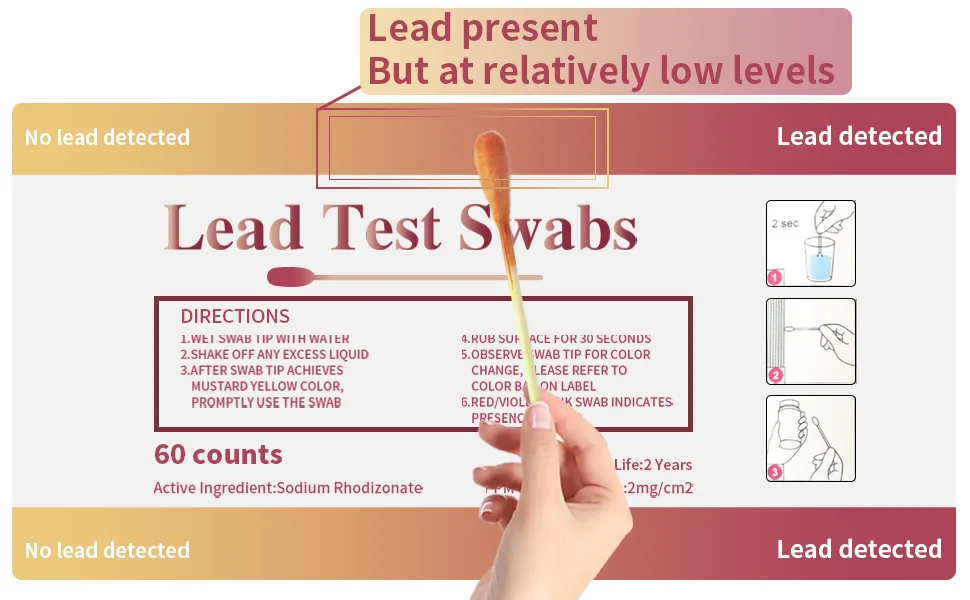
Before scrubbing an old pot, check for lead. Vintage cast iron is prized for its smooth surface, but some old pans were used to melt lead or solder. Those residues can penetrate the metal, and cooking with a contaminated pot is dangerous.
Home lead test kits are cheap and take about ten minutes. The U.S. Consumer Product Safety Commission has documented lead risks in antique cookware.
Any pot you didn't buy new, or whose history you don't know, deserves a quick test first.
The Quick Answer: What Your Rust Level Actually Needs
One rule drives every restoration: match the method to the rust level. Light rust scrubs off in minutes. Moderate rust needs a vinegar soak.
Heavy rust demands stripping with lye, electrolysis, or a wire brush.
Light Rust: Scrub, Season, and You're Done
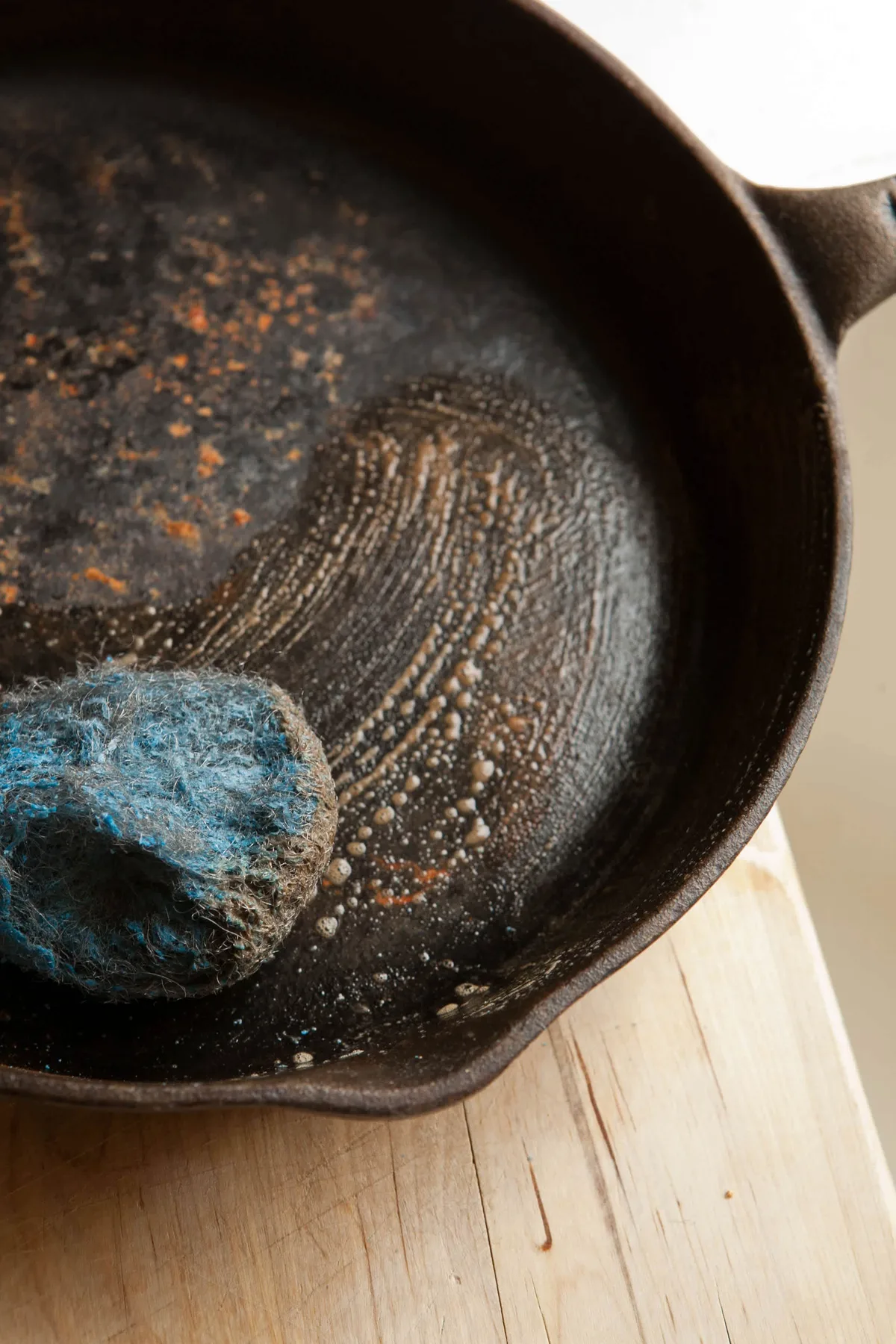
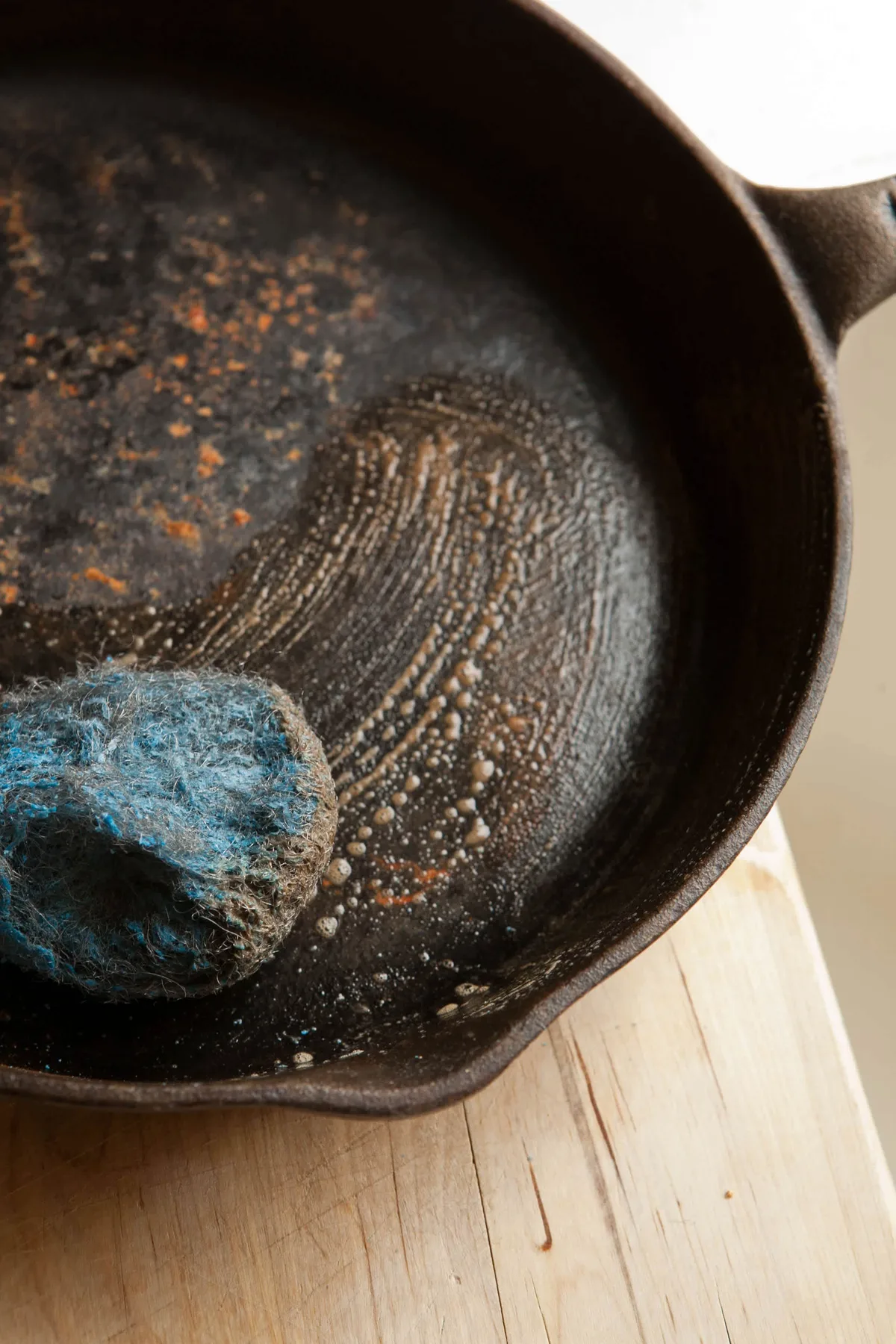
If the rust is a thin orange film with no flaking, skip the harsh stuff. Wash the pot with warm water, a few drops of mild dish soap, and a stiff nylon brush or #0 steel wool. Rinse, dry completely, and rub in a microscopic layer of oil.
Season it in the oven once or twice and you're back in business.
Moderate Rust: The Vinegar Soak Route
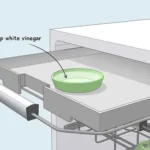
For flaky rust that's eating into the surface, dilute white vinegar with water in a 1:1 ratio. Submerge the pot for 30 to 60 minutes and check it. Vinegar dissolves rust, but it also etches iron, so never leave it soaking overnight.
Scrub with steel wool, neutralize with a baking soda rinse, dry fast, and season immediately.
Heavy Rust: When You Need the Bigger Tools
Thick rust scales, deep pitting, or peeling layers call for drastic measures. A lye bath or oven cleaner strips burnt gunk and old seasoning. Electrolysis handles heavy rust without losing metal.
A wire wheel is fastest, but it removes iron too, so you trade a polished surface for thinner walls. We'll cover those options next.
Step by Step: Restoring a Bare Cast Iron Pot
Supply Check: What You Probably Already Have
Most restorations need items you already own. Grab a stiff brush, steel wool or a chainmail scrubber, white vinegar, mild dish soap, and baking soda. For seasoning, pick a high-smoke-point oil like grapeseed, canola, or vegetable shortening.
No expensive kits needed.
Scrub, Soak, and Neutralize Without Hurting the Iron
Start gentle. Scrub the dry pot to knock off loose rust, then wash it in hot soapy water. If rust remains, move to the vinegar soak described above.
Finish with a baking soda rinse to neutralize the acid.
The Oven-Seasoning Method That Creates a Durable Finish
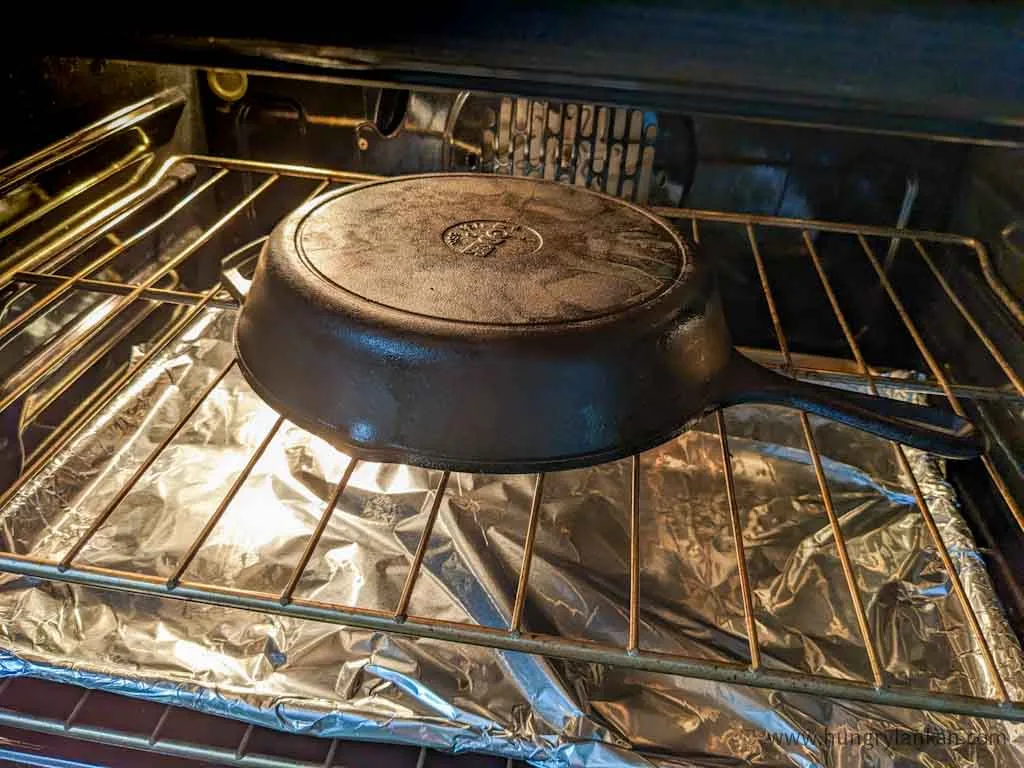
Once the pot is rust-free, dry it completely. Warm it in a 200°F oven for 10 minutes to chase out remaining moisture. Rub on a thin layer of oil, then wipe it off like you didn't mean to put it on.
The goal is a barely-there coat.
Preheat to 450°F. Place the pot upside down on the middle rack with foil on the lower rack to catch drips. Bake for one hour, then let it cool inside.
Repeat the oil-and-bake cycle three or four times. This is the seasoning process outlined in Lodge's official care guide and other manufacturer specs.
When Vinegar Isn't Enough: Heavy-Rust Options
Lye Bath or Oven Cleaner for Burnt-On Gunk
A lye bath dissolves grease, old seasoning, and burnt-on food without touching metal. Use a lye-based oven cleaner for small pots, or mix 100% pure lye crystals with water for bigger ones. Wear rubber gloves and protective glasses.
Lye is caustic and can burn skin. Soak for a few days until the old crud sloughs off, then neutralize with a vinegar rinse before seasoning.
Electrolysis vs. Power Tools: Pros and Cons
Electrolysis uses a battery charger, a piece of sacrificial metal, and a plastic bucket of washing soda water. The current pulls rust off without removing any iron. It's the safest method for vintage pans.
Power tools like a wire wheel or angle grinder work fast but remove actual metal and can leave swirl marks or thin the pan.
How to Know When a Pot Is Too Far Gone
Not every pot is worth saving. Deep cracks, hairline fractures, or a badly warped base mean the pot is done. Cast iron cracks spread with heat and can break mid-cook.
A pot severely pitted by rust is rougher than sandpaper and nearly impossible to make smooth again. There's no shame in retiring one that has outlived its useful life.
Mistakes That Wreck Cast Iron During Restoration
Flash Rust: Why Your Pot Turned Orange Overnight
Flash rust happens when bare iron meets air and moisture. You scrub everything clean, then wake up to a fresh orange coat. The fix is timing: dry the pot with a towel, heat it in the oven for a few minutes, and oil it immediately.
Don't let it sit around wet or bare.
The Olive Oil Trap and Other Seasoning Failures
Olive oil in a cast iron pan is a classic mistake. It has a low smoke point and leaves a sticky, gummy layer instead of a smooth seasoning. Flaxseed oil performs beautifully at first but flakes off over time.
The sweet spot is grapeseed oil, canola oil, or vegetable shortening. Also, too much oil is worse than too little. A thick shiny coat dries into an uneven, peeling mess.
Cold Water Shock, Over-Soaking, and Other Damage Risks
A hot pan hitting cold water is how cracks happen. Thermal shock also warps cast iron. Never cool a hot pot in water.
Vinegar over-soaking is just as bad: leaving a pan in acid for hours etches pits into the surface and makes it rust faster. Stop at 60 minutes, check, and repeat if needed.
How to Stop Rust From Coming Back
Drying, Oiling, and Storing the Right Way
Rust needs moisture and oxygen. Cut off the moisture and the rust stops. After every wash, dry the pot on the stove over low heat for two minutes.
The warmth evaporates water trapped in the iron's pores.
Then rub in a coin-sized drop of oil while the pan is still warm. Use a paper towel to spread it thin. Store the pot uncovered in a dry cabinet.
Stacking lids or nesting pans traps humidity and invites rust back.
The One-Minute Dry After Every Wash Habit
This is the single most effective prevention technique. After scrubbing, rinse, then set the pot on a burner set to low. Watch the water evaporate in about sixty seconds.
Turn the burner off and let it cool.
That brief heat cycle drives out moisture from the microscopic pores. If you skip it, residual water sits against bare iron spots exposed by cooking. Those spots rust first.
Reviving a Pot That Flash-Rusted After Seasoning
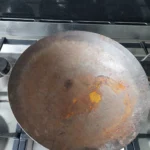
Flash rust happens fast. The pot looks perfectly seasoned, then a day later orange specks appear. The fix is straightforward: scrub the spots with a nylon brush and mild soap, dry it thoroughly, and apply one more seasoning coat.
No need to strip and restart. Just hit the rusty spots with steel wool if they're stubborn, dry fast, oil, and bake at 450°F for an hour. One fresh coat usually seals it.
Restoring Enameled Cast Iron: A Special Case
When the Enamel Is Intact: Cleaning Rust Spots
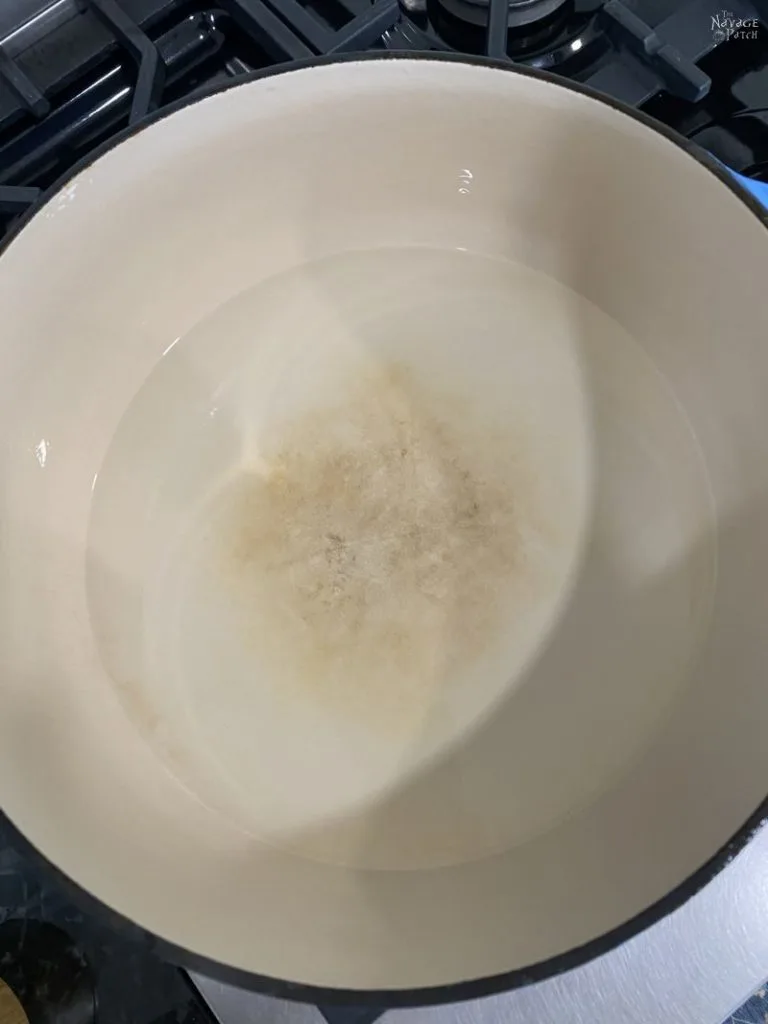
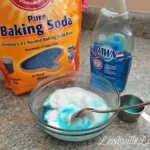
If the enamel surface is smooth and glossy, rust can't form on it. The rust you see is on exposed raw iron at the rim or inside a tiny chip. Clean those spots with a paste of baking soda and water.
Apply the paste and let it sit for 15 minutes. Scrub with a soft brush. Rinse and dry.
Rust on intact enamel is almost always surface staining from something else, not the pot itself.
Chipped or Cracked Enamel: Safe or Time to Retire?
A chip that exposes the raw cast iron under the enamel is a real problem. Food acids react with the exposed iron and the chip can grow. Worse, small glass shards might flake off into food.
Manufacturer guidance from Le Creuset and other enamel experts says a chipped interior surface means the pot should be retired for cooking. You can still use it as a bread baking vessel or a planter. Just don't cook acidic sauces in it.
Why You Never Strip Enameled Cast Iron
A vinegar soak or steel wool will scratch the enamel. Lye and electrolysis destroy it. If your enameled pot has rust around the rim, treat only that raw edge, never the full pot.
Scrubbing the glossy interior with abrasive tools leaves visible scratches where food sticks. The enamel is a glass coating. Once it's damaged, it won't reseason like bare iron does.
Frequently Asked Questions
Can I just cook in it as-is?
No. Cooking in a rusty cast iron pot deposits rust flakes into your food. Rust isn't poisonous in small amounts, but it tastes metallic and gritty.
More importantly, rust keeps spreading under heat, which makes the pot worse over time. Clean it first.
Does soap ruin cast iron seasoning?
Modern dish soap won't strip seasoning the way old lye-based soaps did. A few drops of mild soap are fine for cleaning. The real enemy is soaking.
Never let a cast iron pot sit in soapy water. Wash, rinse, dry, and oil immediately.
How long do I soak a cast iron pot in vinegar?
Thirty to sixty minutes maximum. Check at 30 minutes. If rust remains, scrub, then soak another 30 minutes in fresh vinegar.
Never soak overnight. Vinegar etches iron and creates a rough surface that rusts faster. Short sessions work better.
Is the self-cleaning oven trick safe?
Not for most pots. The self-cleaning cycle reaches over 800°F. That extreme heat can warp the pan, crack the iron, and damage handles or enamel coatings.
It also releases smoke and fumes. Use a lye bath or oven cleaner instead. Safer and easier on the pot.

Similar Posts