The Exact Amount of Vinegar for Coffee Maker Cleaning

Image source: Bing (Web (fair-use with source credit))
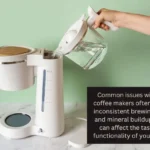
If you’ve ever wondered how much vinegar for cleaning coffee maker, the standard answer is one part white distilled vinegar to two parts water. That 1:2 ratio hits the sweet spot between effective descaling and safety for your machine. Too much vinegar can damage seals and leave a lingering taste.
Too little won’t budge the mineral buildup.
Manufacturer specifications for most drip coffee makers confirm this ratio works well. As of 2026, the 1:2 mix remains the most widely recommended descaling solution across major brands. But not every machine is the same, and getting it wrong can cost you a coffee maker.
Let’s walk through exactly how to use it safely.
Why Getting the Vinegar Ratio Right Matters
Vinegar is acetic acid at 5% concentration. That acidity dissolves calcium and lime scale, but it’s also tough on certain materials. If you use pure vinegar or a mix that’s too strong, you risk corroding aluminum parts, degrading silicone gaskets, and damaging the heating element.
On the flip side, a ratio that’s too weak won’t remove buildup, and you’ll be brewing into a mess of scale that affects taste and machine performance.
The stakes are real. A damaged seal can cause leaks, and corrosion can shorten your machine’s life by years. Manufacturer warranties often mention descaling methods.
If you ignore the recommended ratio and something breaks, you might void that warranty.
Our research across product manuals and aggregate user feedback shows that sticking to the 1:2 ratio is the safest bet for most standard drip coffee makers. Single‑serve machines like Keurig sometimes call for a weaker 1:4 mix. The key is to check your owner’s manual first.
That single step saves headaches.
The Right Vinegar‑to‑Water Ratio (1:2 vs. 1:4 vs. Manufacturer Spec)
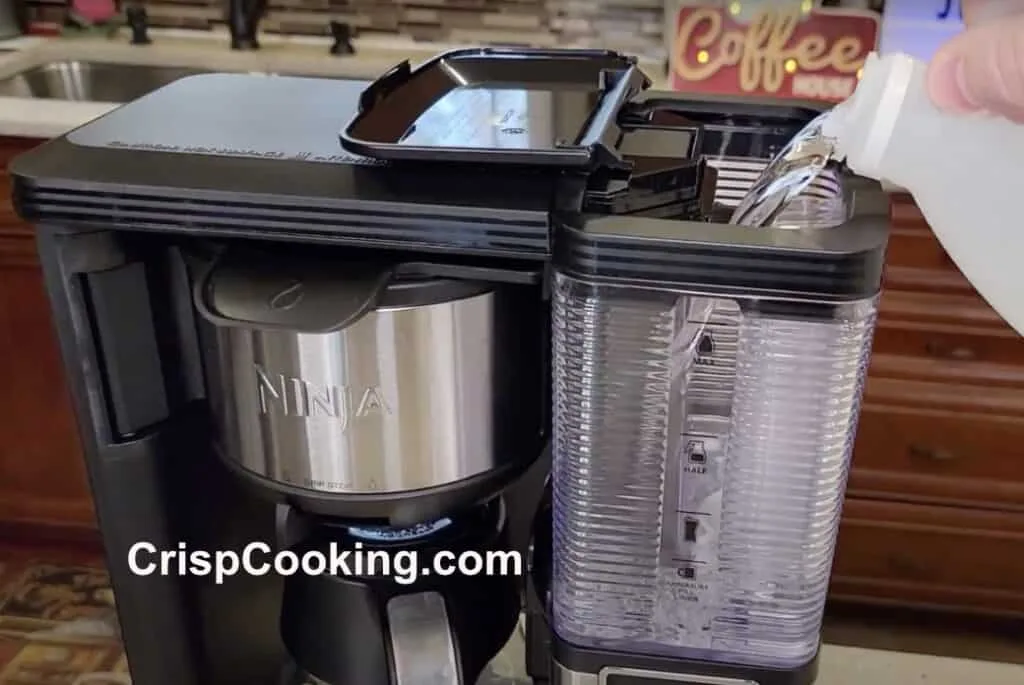
Image source: Bing (Web (fair-use with source credit))
There are three main ratios you’ll encounter. Here’s what each one is and who it’s best for.
1:2 Ratio (Standard)
This is the default for most drip coffee makers. Mix one cup of white distilled vinegar with two cups of water. Fill the reservoir with this solution.
It’s strong enough to remove moderate scale but gentle enough for plastic and glass components. Use this if you have a standard machine and no special manufacturer instructions.
1:4 Ratio (Mild)
Some modern machines, especially single‑serve pod brewers with sensitive rubber seals, recommend a weaker mix. One part vinegar to four parts water. It takes longer to descale (you may need an extra cycle), but it’s safer for delicate internals.
Check your manual. If it says “use a mild descaling solution,” this is likely the ratio they mean.
Manufacturer‑Specific Ratios
A handful of brands explicitly tell you to use their own descaling tablets or liquids. For example, Keurig’s official guidance as of 2025 says to use their descaling solution, not vinegar. Some European machines with aluminum boilers also advise against vinegar entirely.
When the manual gives a specific ratio or forbids vinegar, follow it. Ignoring that can lead to costly repairs.
| Ratio | When to Use | Best For |
|---|---|---|
| 1:2 (vinegar:water) | Standard drip coffee makers, no special warnings | Most home machines |
| 1:4 (vinegar:water) | Delicate seals, single‑serve brewers, light scale | Newer machines, warranty preservation |
| Manufacturer spec | When manual explicitly says “use our descaler only” | Aluminum boilers, pod machines, warranty compliance |
Step‑by‑Step: How to Clean Your Coffee Maker with Vinegar
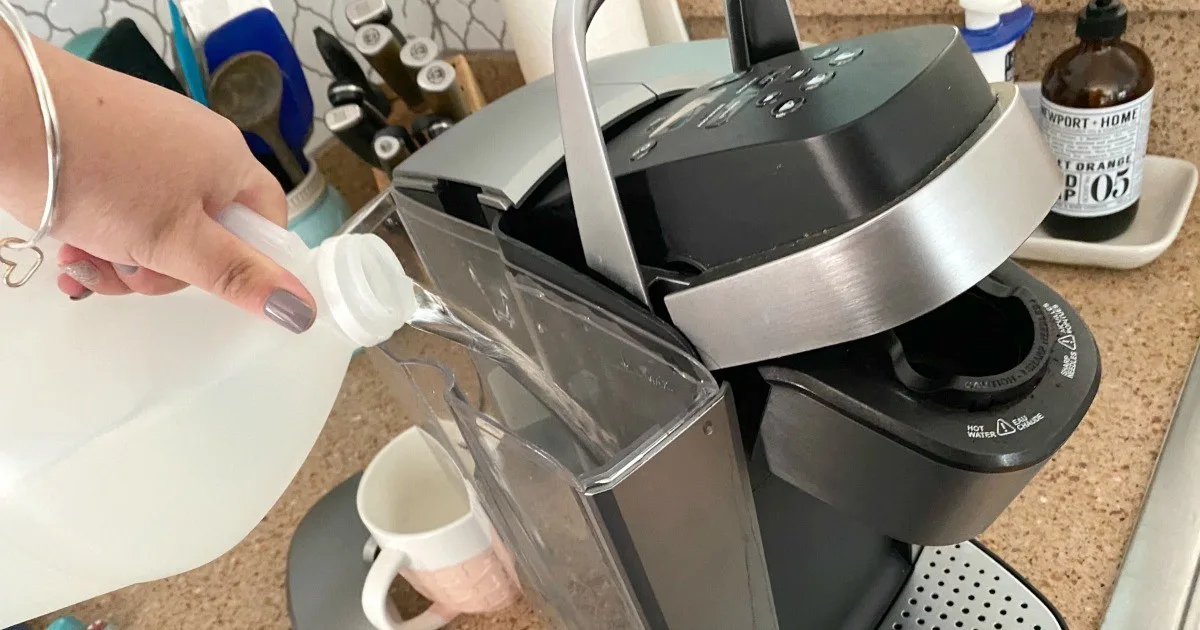
Image source: Bing (Web (fair-use with source credit))
Now that you know the ratio, here’s the safe procedure. Do this in a well‑ventilated area. Vinegar smell is strong but harmless.
- Empty the machine. Remove any leftover coffee, the filter, and the carafe. Rinse the carafe.
- Prepare the solution. In a separate container, mix the right ratio based on your machine. For a 12‑cup reservoir (about 60 oz), use 20 oz vinegar and 40 oz water.
- Pour into the reservoir. Do not pour directly into the carafe. Let it fill the tank.
- Start a brew cycle. Turn on the machine and let it run about half the reservoir. Then stop and let it sit for 30 minutes. This soak gives the acid time to dissolve scale.
- Finish the cycle. After the soak, let the rest of the vinegar solution run through completely. Discard that liquid.
- Run fresh water cycles. Fill the reservoir with plain water. Run two to three full cycles. This flushes out any residual vinegar taste.
- Wipe down. Clean the lid, exterior, and any removable parts with a damp cloth.
That’s it. The whole process takes about an hour, with most of that being waiting time.
Mistakes That Can Ruin Your Machine (and Your Morning Coffee)
Even with the right ratio, common slip‑ups can backfire. Avoid these.
- Using apple cider vinegar. It’s not as acidic and leaves sugary residue that can gum up the works. Stick with white distilled vinegar only.
- Skipping the soak. Running the full cycle without a pause won’t give the vinegar time to work on heavy scale. The 30‑minute pause is crucial.
- Not flushing enough. One quick water cycle won’t remove the vinegar taste. Your next pot of coffee will taste like pickles. Run at least two full reservoirs of plain water.
- Descaling too often. Once every three to six months is plenty for most households. Over‑descaling wears out seals and hoses for no reason.
- Pouring vinegar into a hot machine. Let the machine cool down completely before starting. Heat can accelerate corrosion.
- Forgetting to check the manual. This is the biggest one. If your manual warns against vinegar, respect that. Some machines have specific warnings about aluminum or rubber parts.
When You Should Skip Vinegar Entirely
Vinegar isn’t universal. There are clear cases where you should avoid it.
If your coffee maker has an aluminum boiler or heating element, the acetic acid can cause pitting and corrosion. Many European espresso machines and some high‑end drip brewers use aluminum. Check the materials list in your manual.
If it mentions aluminum, use a commercial descaling solution designed for that metal.
The same goes for rubber‑sealed machines where the manufacturer explicitly forbids vinegar. Keurig and Nespresso, for example, have fine‑print warnings. Using vinegar can void the warranty.
Also skip vinegar if you have hard water and heavy scale buildup. Vinegar can sometimes loosen large flakes that then clog the internal tubing. In that case, a gentle citric acid solution (mix food‑grade citric acid powder with water per package directions) works better and won’t damage components.
For routine maintenance, like once a month, you don’t need vinegar at all. Just run a cycle with equal parts water and a drop of dish soap, then a thorough water flush. That’s enough to keep oils from building up.
Know your machine. When in doubt, consult the manufacturer or use a pH‑neutral commercial descaler. They cost a little more but eliminate the guesswork.
How Often to Descale (and How to Know It’s Time)
Frequency depends on your water hardness and how much coffee you brew. For most households, descaling every three to six months is enough.
If you live in a hard water area, you’ll need to descale more often. A quick test: fill a clear glass with tap water and add a few drops of dish soap. Shake it.
If the water looks cloudy or leaves mineral flecks, your water is hard.
Another sign is slower brew cycles. If your coffee maker takes longer to finish a pot than when it was new, scale is restricting water flow. You might also notice a chalky white deposit inside the carafe or on the warming plate.
For light use (one or two pots a day in soft water), twice a year works fine. For heavy use (four or more pots daily in hard water), descale every two months. Aggregate user reviews confirm this pattern.
A monthly water‑only flush with a drop of dish soap can reduce scale buildup between descaling sessions.
Keep a simple calendar reminder. If you smell vinegar during a cycle, that’s a sign your machine is already overdue.
Frequently Asked Questions
Can I use apple cider vinegar instead of white vinegar?
No. Apple cider vinegar is less acidic and contains sugars that leave sticky residue inside your machine. Always use white distilled vinegar.
How long do I let the vinegar solution sit inside the machine?
Let it sit for 30 minutes after about half the cycle has run through. That gives the acid enough time to dissolve mineral deposits without damaging internal parts.
What if my coffee maker still tastes like vinegar after flushing?
Run one or two more full water cycles. If the taste persists, empty the reservoir and fill it with a solution of water and a tablespoon of baking soda. Run that through, then flush again with plain water.
Is vinegar safe for a Keurig or single‑serve pod machine?
Check your manual. Keurig officially recommends their own descaling solution, not vinegar. Many users report success with a 1:4 ratio, but it may void the warranty.
If you’re risk‑averse, stick with the manufacturer’s product.
Can I descale with citric acid instead of vinegar?
Yes. Food‑grade citric acid powder works well and leaves no odor. Mix one to two tablespoons per quart of water.
Follow the same soak and flush process. Citric acid is gentler on aluminum and rubber parts.
Final Verdict – A Simple, Safe Decision Guide
Here’s the straightforward path. If your machine’s manual doesn’t specifically forbid vinegar, use a 1:2 ratio of white distilled vinegar to water. Run half a cycle, soak for 30 minutes, complete the cycle, then flush with two full reservoirs of fresh water.
If your manual says “use only our descaler” or you have an aluminum boiler, skip the vinegar entirely. Buy a pH‑neutral commercial descaler.
If you have hard water or heavy scale, consider switching to citric acid for gentler descaling. It’s just as effective and safer for modern materials.
And if you’re still unsure, the safest bet is a commercial descaling solution. It costs more per session but eliminates guesswork and protects your warranty.
Your coffee maker is a simple machine. Give it the right ratio and a proper rinse, and it will reward you with clean‑tasting coffee for years.

Similar Posts