How to Remove Stubborn, Baked-on Rust and Carbon from Cast Iron
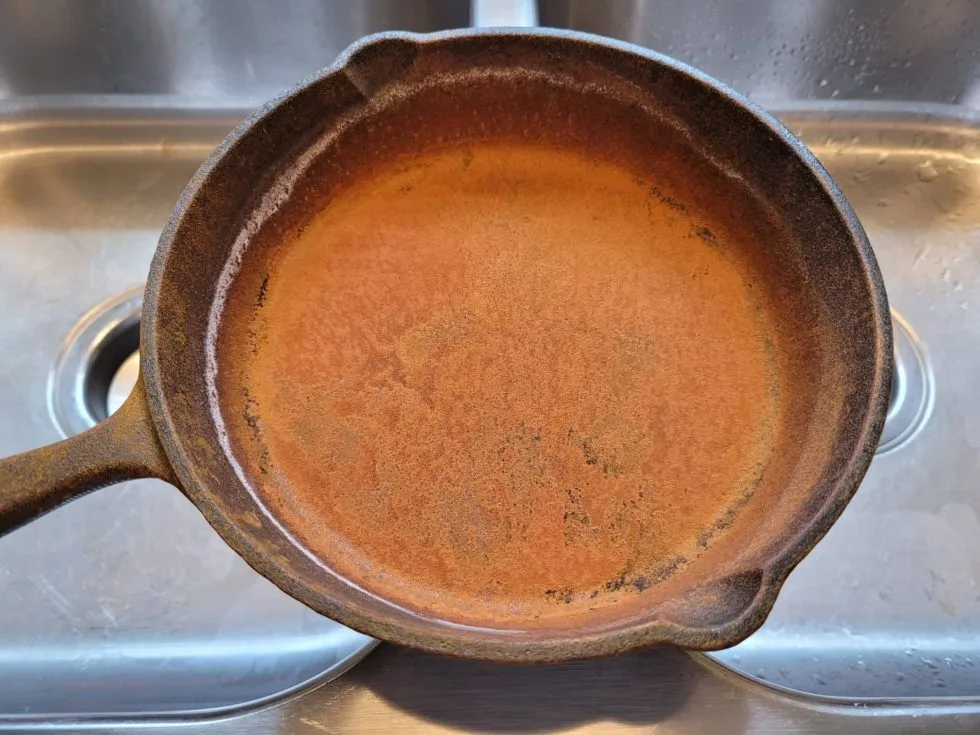
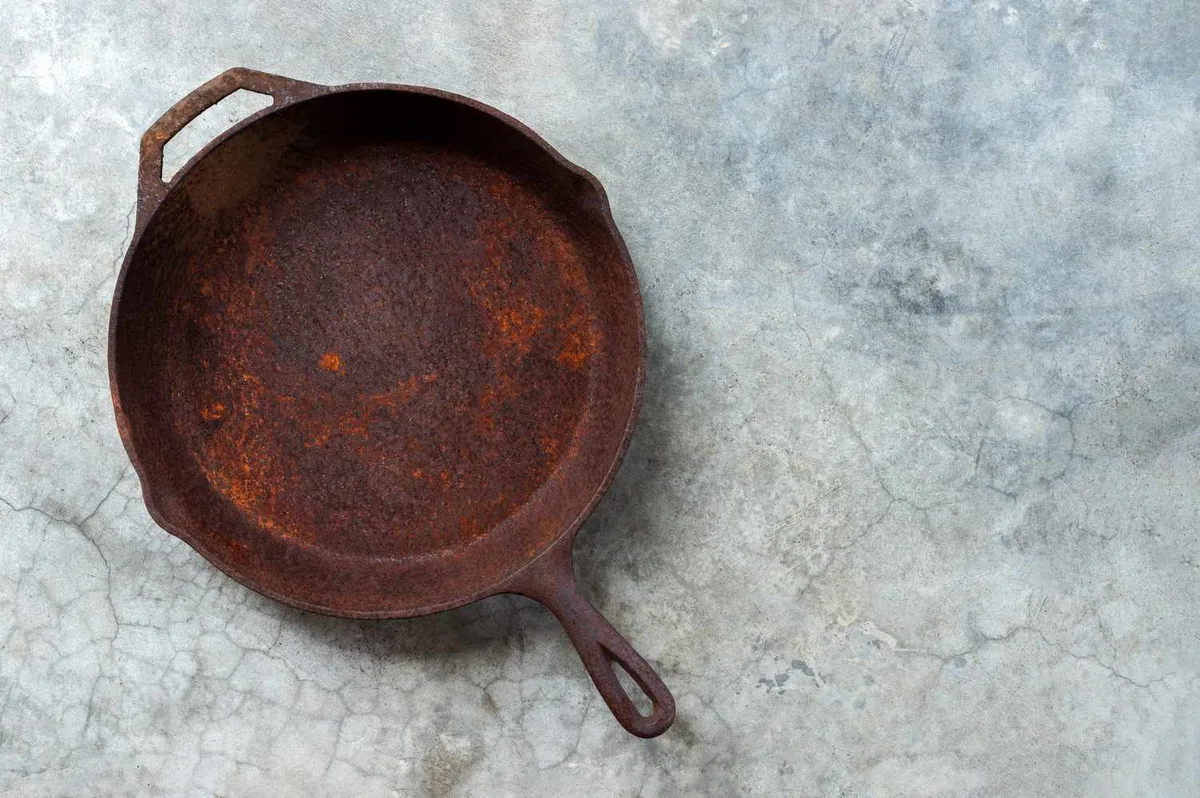
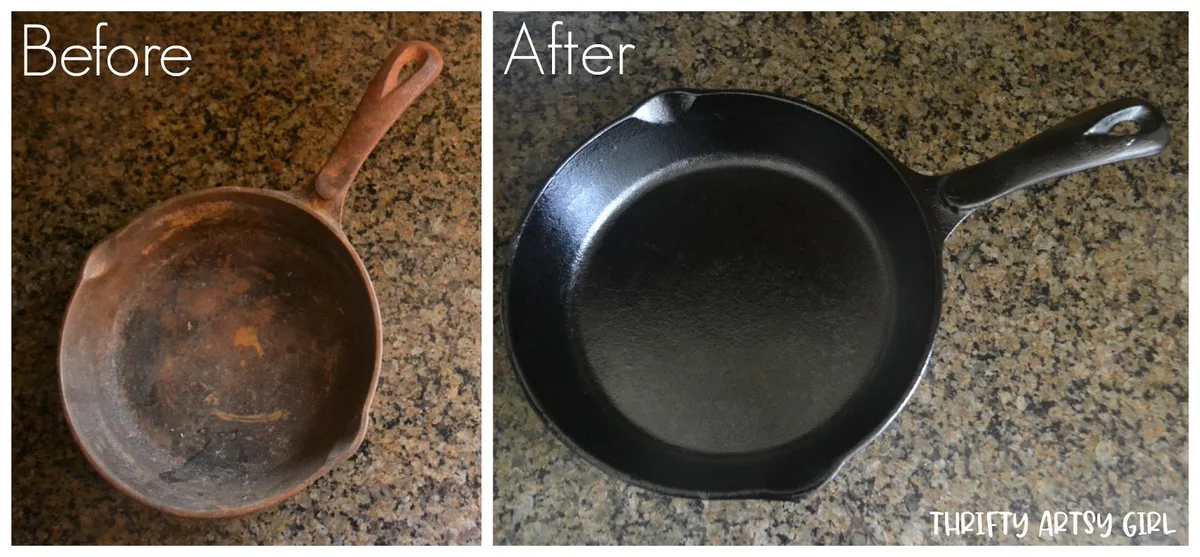
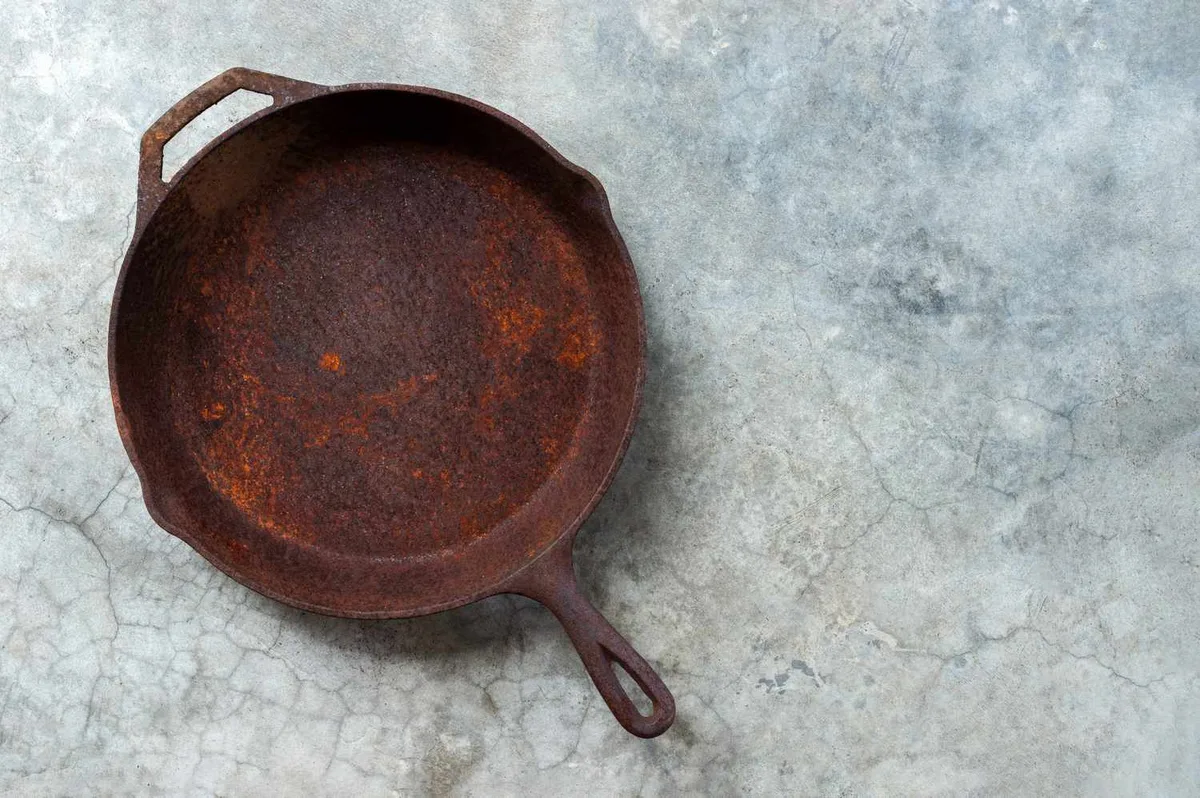
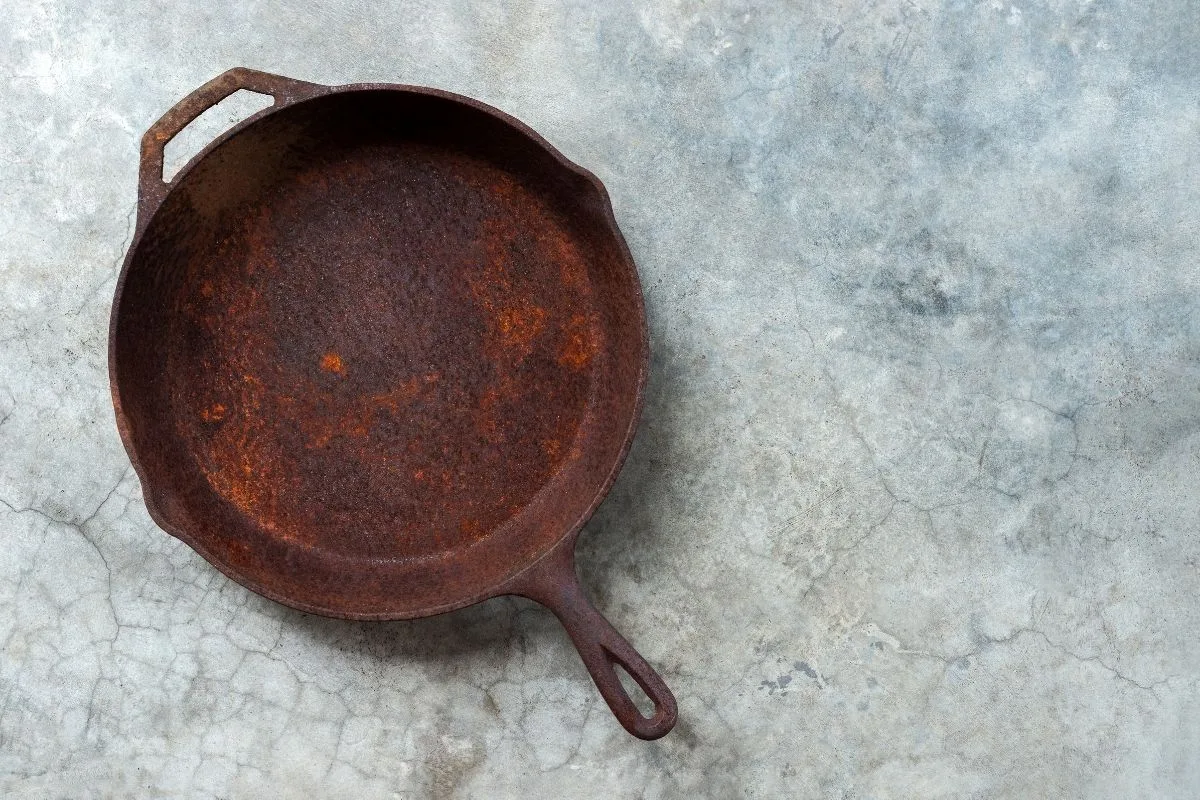
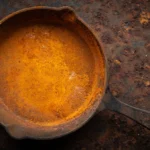
Let's be honest, finding your cast iron pan caked in orange-brown crud is a sinking feeling. You pull it out of storage, or spot it at a thrift store, and that familiar coating looks less like seasoning and more like corrosion. But here's the truth: almost every rusty cast iron piece can be saved.
If you're wondering how to remove stubborn rust from cast iron without ruining the pan, you've come to the right place. According to manufacturer specifications and decades of restoration experience, the right method depends entirely on what kind of rust you're dealing with. And as of 2026, there are three proven approaches that work.
Let's figure out which one fits your pan.
Quick Answer
Three methods remove stubborn rust from cast iron. Light surface rust comes off with a vinegar soak. Heavy rust requires electrolysis.
Medium rust responds to chemical chelation. Never use sandpaper or an angle grinder on vintage pieces. Always dry and season immediately after rust removal.
Image source: Bing (Web (fair-use with source credit))
Quick Triage: What Kind of Rust Are You Dealing With?
Before you grab vinegar or start building an electrolysis tank, you need to figure out what you're actually dealing with. Not all rust is the same, and using the wrong method can damage the pan.
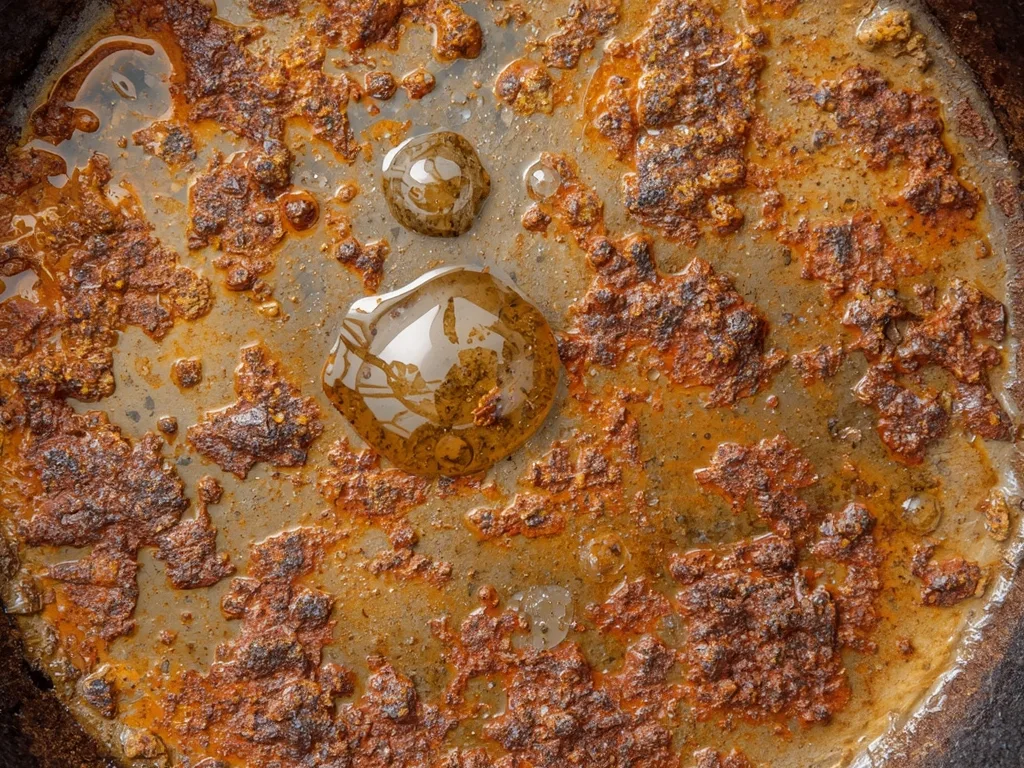
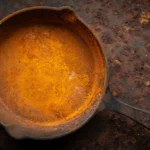
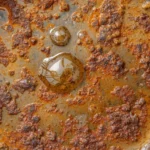
Surface rust looks like a thin, powdery orange coating. It sits on top of the iron and hasn't dug in yet. You can often scrape it off gently with your fingernail.
This is the easiest kind to fix and takes the least time.
Moderate rust feels rough to the touch and has a darker, reddish-brown color. It's formed a thin layer that bonds more tightly to the iron. You'll see small pits starting to form.
This needs a chemical soak or a gentle scrub.
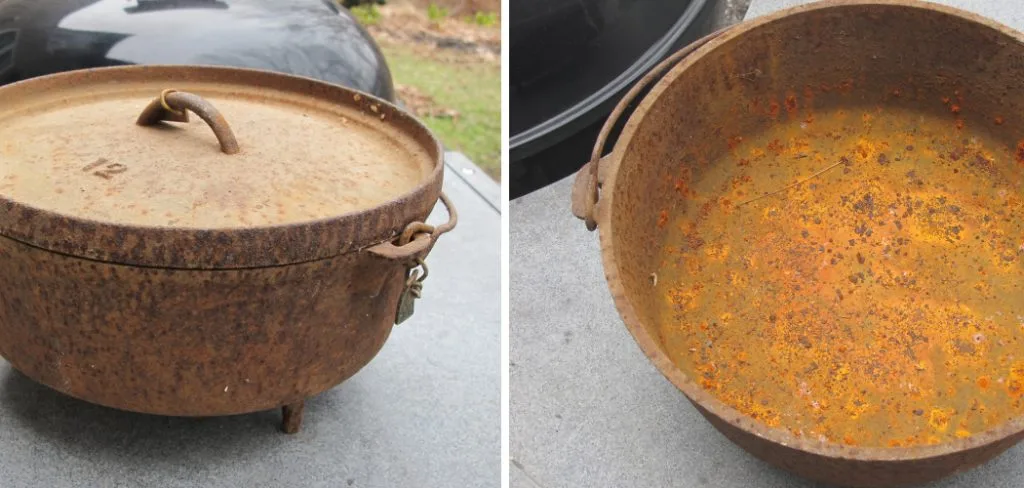
Deep rust looks dark brown or almost black in places. The surface is pitted and uneven. You might see flaking pieces.
This has penetrated the iron's surface and requires electrolysis or a strong chelating agent.
Here's the simple test for your pan: run your fingernail across the rusty area. If it leaves a clean metal streak, that's surface rust. If your nail catches on rough bumps, you're looking at moderate or deep rust.
That distinction determines your next move.
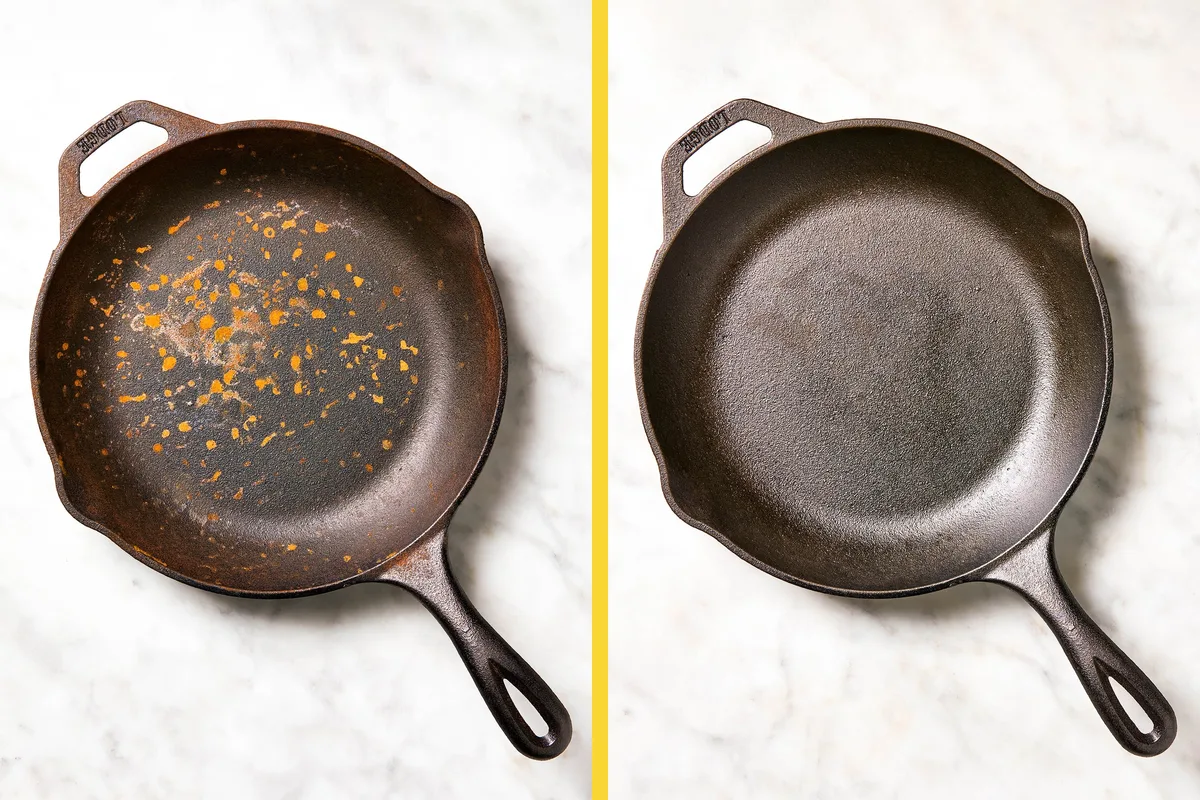
Image source: Bing (Web (fair-use with source credit))
The Branching Decision: Your Pan, Your Method, Your Choice
This is where you make the call. The right approach depends on three things: the depth of the rust, the value of the pan, and how much time you want to spend.
If the rust is light and flaky
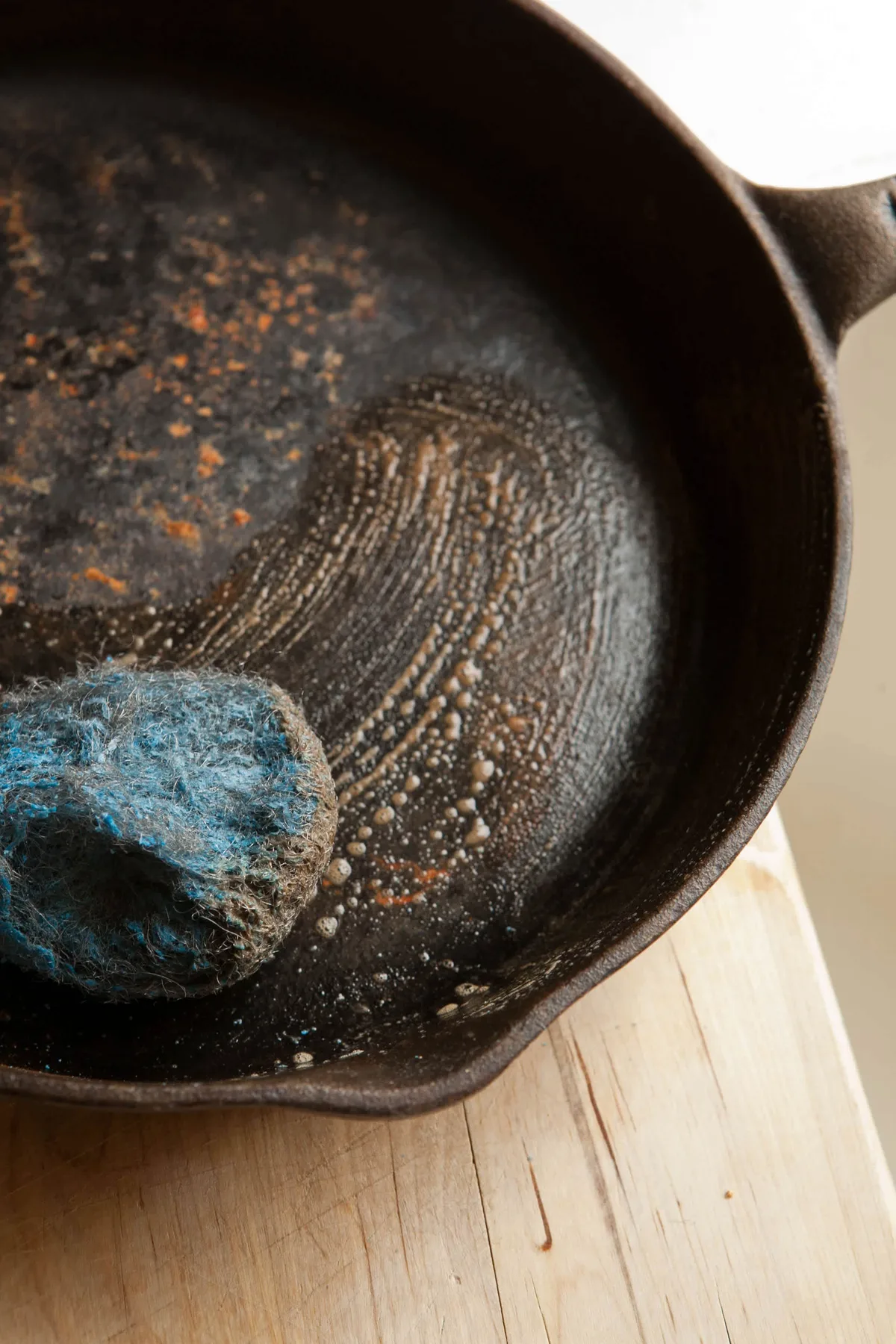
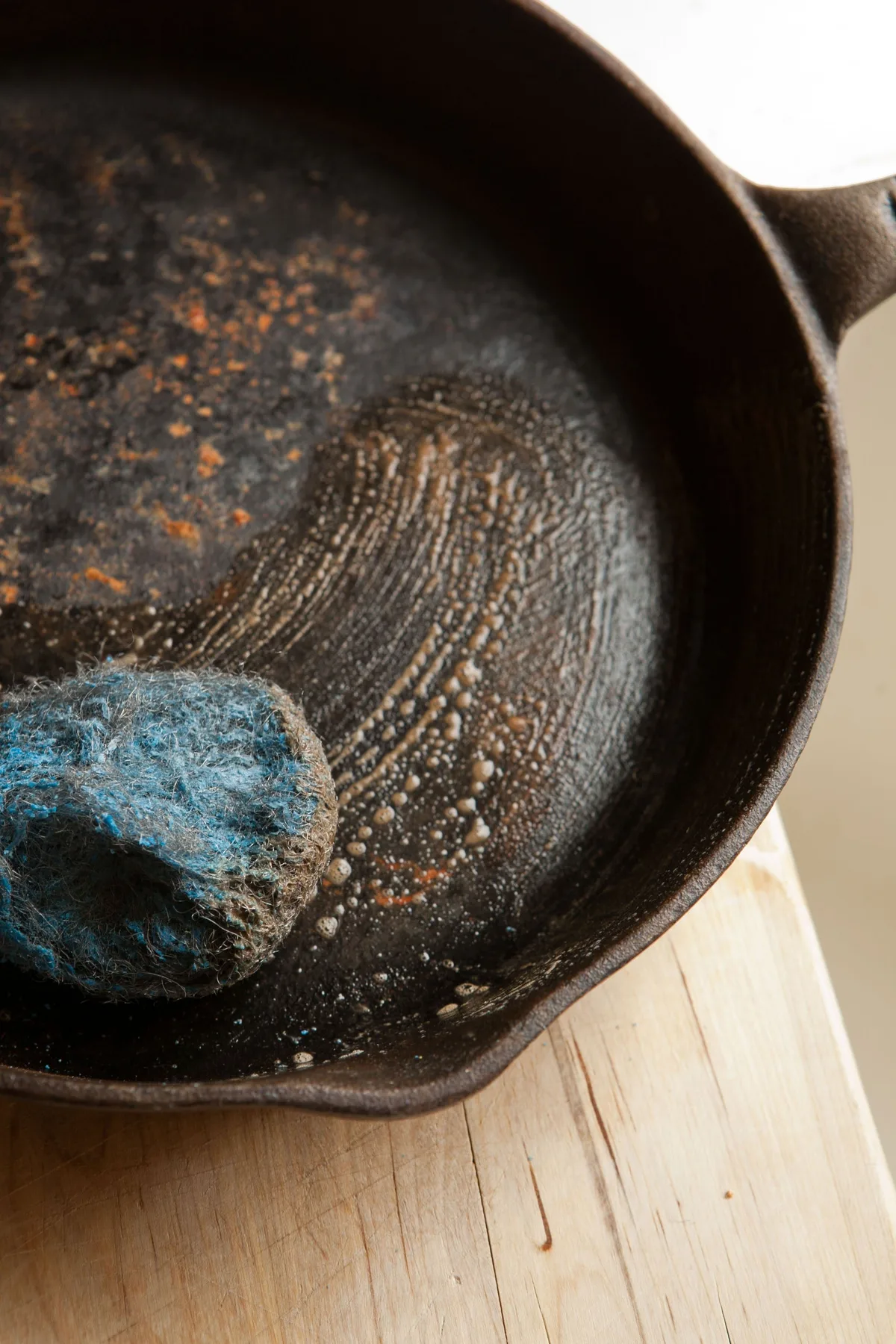
You're looking at a quick fix. A vinegar soak for 30 minutes to an hour will dissolve the rust. Then scrub gently with steel wool.
Rinse thoroughly and dry immediately. You can season the same day. This method is fast, cheap, and works for most everyday pans.
If the rust is moderate with some pitting
You need something stronger. An oxalic acid soak or a chelation remover like Evapo-Rust works well here. These products dissolve rust without damaging the iron the way prolonged vinegar can.
Plan on a 12- to 24-hour soak. You'll need to neutralise the acid afterward with a baking soda rinse.
If the rust is deep with heavy pitting
You need electrolysis. This is the only method that removes rust from deep pits without damaging the iron surface. It takes 12 to 48 hours and requires some setup.
But it's the gentlest method available for vintage or collectible pans. It also removes rust from hard-to-reach corners and crevices.
If the pan is vintage or collectible
Do not use abrasive tools. Do not use an angle grinder, wire wheel, or sandpaper. These destroy the original surface finish and ruin the pan's value.
Use electrolysis or a chemical chelation soak. Period. Vintage pieces like Griswold and Wagner Ware lose significant value if their surface is ground down.
Here's a quick decision table to make it clearer.
| Rust Depth | Best Method | Time Needed | Risk to Vintage Pans |
|---|---|---|---|
| Light surface | Vinegar soak + steel wool | 1-2 hours | Low |
| Moderate with pits | Citric acid or Evapo-Rust | 12-24 hours | Low |
| Deep, heavy pitting | Electrolysis | 12-48 hours | None |
| Any rust on vintage pan | Electrolysis only | 24-48 hours | None |
Step-by-Step Workflow for Each Situation
How to Remove Light Surface Rust — The Vinegar Soak
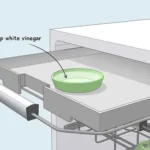
This is the most common method. It works for pans that have been sitting in a damp garage for a few months. The acetic acid in vinegar dissolves iron oxide without damaging the metal underneath, as long as you don't leave it too long.
Step 1: Wash the pan with hot, soapy water and a stiff brush. This removes loose debris and reveals the true state of the rust.
Step 2: Mix one part white vinegar to three parts water in a container large enough to submerge the pan. A plastic tub works fine. Do not use metal containers, the acid reacts with them.
Step 3: Submerge the pan completely. Check it every 30 minutes. Light rust should start loosening within 45 minutes.
Remove it as soon as the rust looks soft and flaky.
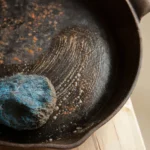
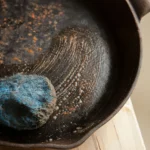
Step 4: Scrub with fine steel wool under running water. The rust should come off easily. If it doesn't, soak for another 30 minutes.
Never exceed two hours total, vinegar can etch the iron.
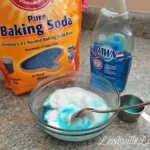
Step 5: Rinse thoroughly. Make a paste of baking soda and water and rub it all over the pan to neutralise the acid. Rinse again.
Step 6: Dry immediately. Use a towel, then put the pan in a warm oven at 200°F for 10 minutes to drive off all moisture. Flash rust can form in minutes if you skip this step.
Step 7: Apply a thin layer of oil and season immediately. More on that below.
How to Remove Heavy Rust and Deep Pitting — Electrolysis Setup
This method uses a low-voltage electrical current to pull rust off the iron. It's the gold standard for restoration. It won't damage the original surface, it reaches into pits, and it doesn't etch the metal.
You will need:
- A 12V battery charger (manual, not automatic)
- A plastic tub large enough for the pan
- Washing soda (sodium carbonate)
- A piece of scrap steel for the anode (rebar works)
- Heavy-gauge wire with alligator clips
- Water (enough to cover the pan)
The setup: Fill the tub with water. Add one tablespoon of washing soda per gallon. Stir until dissolved.
Place the steel anode in the water. Attach the positive clip from the charger to the anode. Attach the negative clip to the cast iron pan.
Submerge the pan completely. Make sure the clips are above the water line. Plug in the charger.
What happens: Bubbles will form on the steel anode. That's hydrogen and oxygen gas. The rust pulls away from the pan and collects as a grey-black sludge.
Leave it running for 12 to 48 hours depending on the rust depth.
After the electrolysis: The pan will have a grey, powdery coating. Scrub it off with a stiff brush under running water. Dry immediately.
Season right away, the bare iron will flash rust within minutes if left wet.
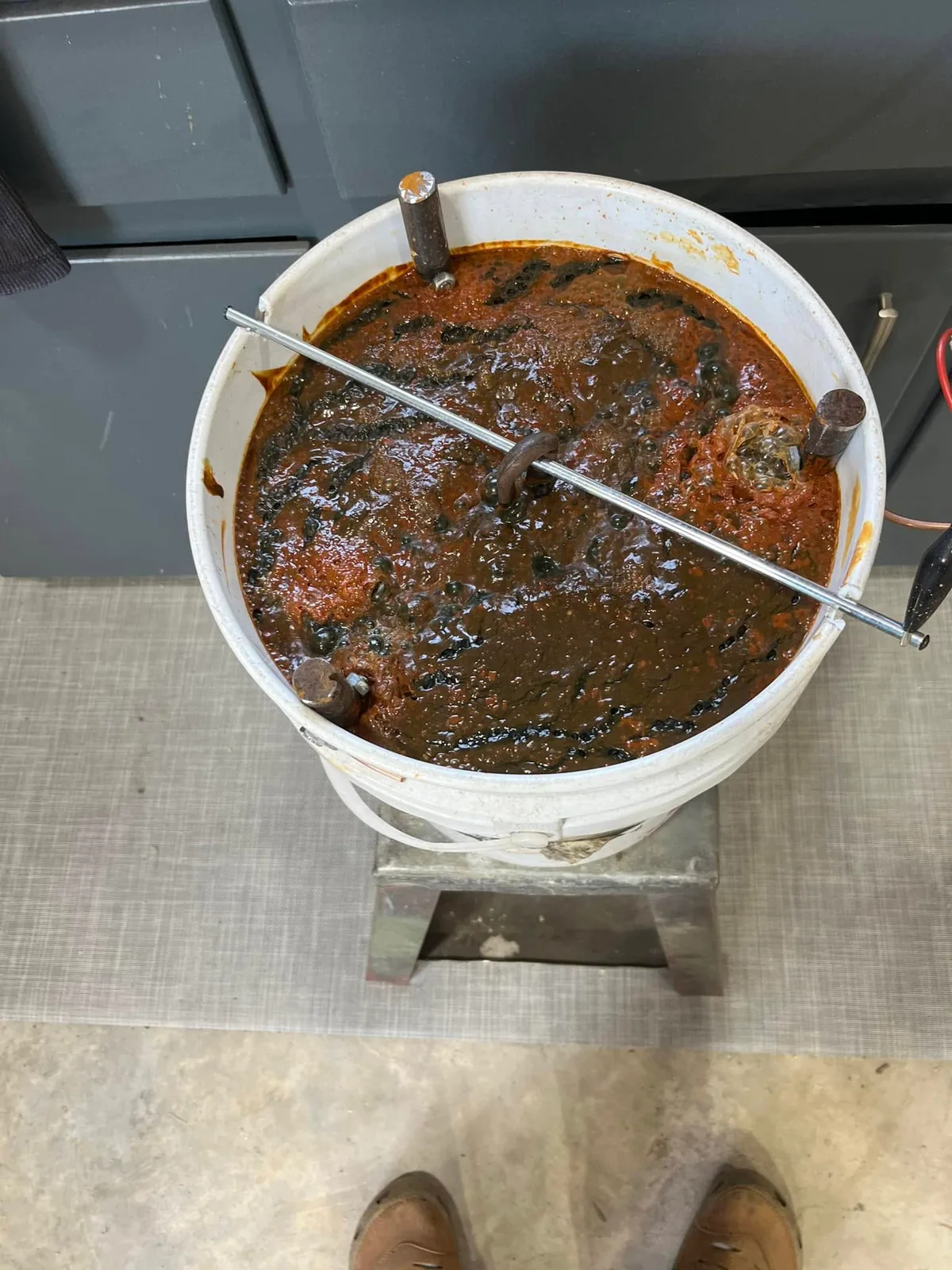
Image source: Bing (Web (fair-use with source credit))
How to Remove Rust When You Don't Want to Soak — Chemical Chelation
Sometimes you don't have the setup for electrolysis or the time for a vinegar soak. Chemical chelators like Evapo-Rust work by bonding with the iron oxide and lifting it away. They don't contain acids, so they won't etch the metal.
Step 1: Degrease the pan thoroughly. Any oil or residue blocks the chemical from reaching the rust.
Step 2: Pour Evapo-Rust or a similar chelator into a container. Submerge the pan completely. If you can't submerge it, soak a cloth in the solution and lay it over the rusty area.
Keep the cloth wet with fresh solution.
Step 3: Let it sit for 12 to 24 hours. Check progress after 12 hours. The solution turns black as it absorbs rust.
Step 4: Rinse with water. Scrub any remaining residue with a stiff brush.
Step 5: Dry immediately and season. The chelator leaves a thin protective layer that prevents flash rust for a few hours, but don't push it.
What You Shouldn't Do (Mistakes to Avoid)
Most damage to cast iron happens during "restoration" attempts. People mean well but use the wrong tools or methods. Here are the common ones.
Never use an angle grinder or wire wheel on vintage pans. Our research shows this is the number one mistake. It grinds away the original surface finish, removes metal, and destroys collector value. A 1940s Griswold pan can lose 80% of its value with one pass of a grinder.
Never heat the pan to "burn off" rust. High heat from a torch or campfire can warp the pan. Cast iron heats unevenly under direct flame. Warped pans wobble on flat cooktops and cook unevenly.
Never soak in vinegar longer than two hours. Vinegar is acidic. It dissolves iron oxide, but it also dissolves a tiny layer of iron. Leave it overnight and you'll see visible etching and pitting.
Never season over rust. This is a common shortcut. People think a layer of oil will seal the rust away. It won't.
Rust continues spreading underneath the seasoning. Within weeks it pushes through and you're back where you started.
Never use oven cleaner on bare iron. Lye-based cleaners are great for stripping old seasoning but they don't remove rust. They can also leave residues that are hard to rinse off. Use lye for seasoning removal, not rust removal.
Never forget to dry immediately. Bare iron flash rusts fast. Our research indicates that flash rust can begin forming in under two minutes on a wet pan. Dry it with a towel, then heat it in the oven to evaporate any remaining moisture before seasoning.
Now let's talk about what happens after the rust is gone. The final step is seasoning, and it matters more than the rust removal itself.

Similar Posts