15 Cozy Low Carb Slow Cooker Meals
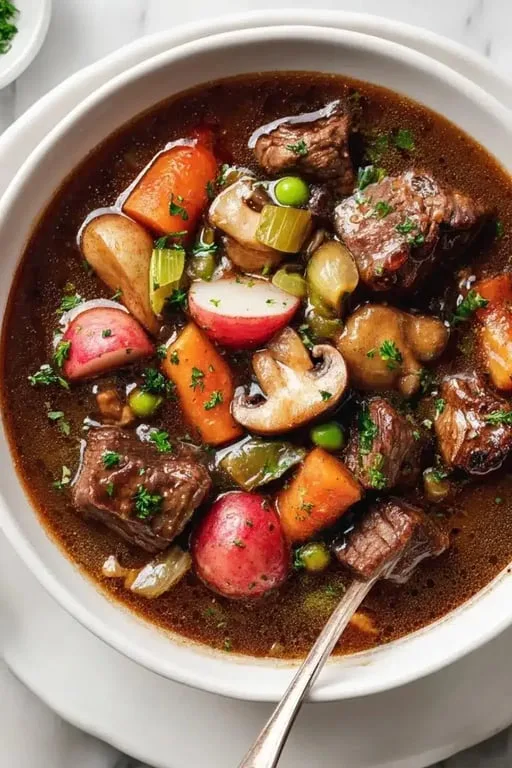
Low carb slow cooker recipes promise effortless dinners, but too often they deliver a watery, bland mess. That's not your fault. The slow cooker is working against you, and once you understand why, you can fix it.
Cauliflower, one of the most common low carb stand-ins, is roughly 92 percent water by weight, and zucchini is close behind. Our research shows that a standard 6 to 8 hour slow cook turns those vegetables into a liquid pool that drowns the whole dish. As of 2026, the fix isn't a different recipe.
It's a different workflow.
Image source: Bing (Web (fair-use with source credit))
Quick Answer
Low carb slow cooker recipes work when you sear meat first. Cut vegetables large and add dairy near the end. Choose soups or shredded meats over delicate veggie dishes.
Add zucchini or spinach in the final 30 minutes.
Why Your “Healthy” Low Carb Slow Cooker Meals Keep Coming Out Watery and Bland

Image source: Bing (Web (fair-use with source credit))
Here's the real reason your dinner looks like soup: you removed the thickener. Traditional slow cooker recipes lean on potatoes, rice, beans, or flour to absorb liquid. Low carb recipes swap those out for vegetables, and most of those vegetables are mostly water.
A cup of chopped cauliflower holds about 92 percent water, and mushrooms are around 90 percent. That moisture releases during a long cook.
The math works against you. A 6-quart slow cooker traps steam, so none of that moisture escapes. You start with a dry-looking pot and end with a braise that's swimming.
Meanwhile, the fat that carries flavor gets diluted. The result is a bland, watery dish that tastes like steamed vegetables in broth.
It's not a recipe problem. It's a physics problem. Slow cookers work by trapping heat and moisture in a sealed environment.
That design is perfect for tough cuts of meat, but terrible for delicate vegetables. Carbohydrates act like a sponge. Without them, you need a different strategy.
The good news? You don't need to abandon your slow cooker. You just need to work with the appliance instead of against it.
That starts by choosing the right type of meal.
The Low Carb Slow Cooker Problem: It’s Not Like Regular Slow Cooking
Slow cookers were designed for high carb cooking. Think about the classic recipes: beef stew with potatoes, chicken and rice, bean chili. Starches give those dishes body and soak up excess liquid.
Remove the starch and the whole system breaks.
Low carb diets change the rules in three ways. First, you're eating fewer root vegetables. Second, you're often choosing leaner cuts to manage fat intake.
Third, you're avoiding flour and cornstarch as thickeners. Each of those choices makes a slow cooker harder to use.
There's also a temperature issue. Slow cookers cook at a gentle 170 to 280 degrees Fahrenheit, depending on the setting. Low heat is great for collagen, but it does nothing to reduce liquid.
A boiling pot reduces sauce. A slow cooker can't.
So what does work? Fatty cuts of meat, short cooking times, and minimal added liquid. Chicken thighs outperform chicken breasts.
Beef chuck outperforms sirloin. Pork shoulder outperforms pork loin. The fat keeps the meat moist, and the collagen breaks down into richness.
The solution is a mindset shift. Don't think of your slow cooker as a set-and-forget device for every recipe. Think of it as a braising vessel.
That changes which recipes you choose and how you prep them. You'll also want to check your manufacturer's manual, since some newer models have a sear function that saves you a pan.
The takeaway is simple: match your recipe to the appliance. If you treat a slow cooker like an oven, you'll get steam. Treat it like a braising pot, and you'll get flavor.
Pick Your Path: What Kind of Low Carb Meal Do You Need?
The right low carb slow cooker recipe depends on your situation. Ask yourself these questions before you choose.
What's your carb budget? If you're strict keto, you want under 20 grams of net carbs per day. That means no onions, no carrots, and only small amounts of peppers or tomatoes. If you're simply low carb, you have more room.
You can include half an onion or a few carrot slices without breaking your plan. The Academy of Nutrition and Dietetics suggests focusing on whole, unprocessed foods over strict counting.
How much time do you have tonight? A dump dinner takes five minutes of prep. A seared and layered braise takes fifteen. Both work, but they produce different results.
The extra ten minutes pays off in flavor depth.
What's your protein plan? Chicken thighs are forgiving and budget friendly. Beef chuck handles long cooks. Pork shoulder shreds beautifully.
Fish only works when added in the last 30 minutes.
Who are you feeding? Families usually prefer familiar dishes like chili or pulled chicken. Solo cooks can handle more adventurous flavors because leftovers go in the freezer. Keto couples want big batches so they're not cooking every night.
Once you've answered those, your path narrows. You're choosing between something shredded, something soupy, or something creamy. Each path has a natural recipe match.
If meal prep is your goal, favor shredded meats and stews. They reheat well and freeze beautifully. Delicate dishes like creamy chicken with green beans turn mushy by day three.
If you're feeding one person, make the full batch anyway. Portion the leftovers into airtight containers and refrigerate. Most low carb slow cooker stews stay good for three to four days.
When in doubt, choose shredded meat. It's the most forgiving low carb slow cooker option.
Your Recipe Decision Branch: What to Cook Tonight
Once you know your path, the branch is easy. Let's walk through the common choices.
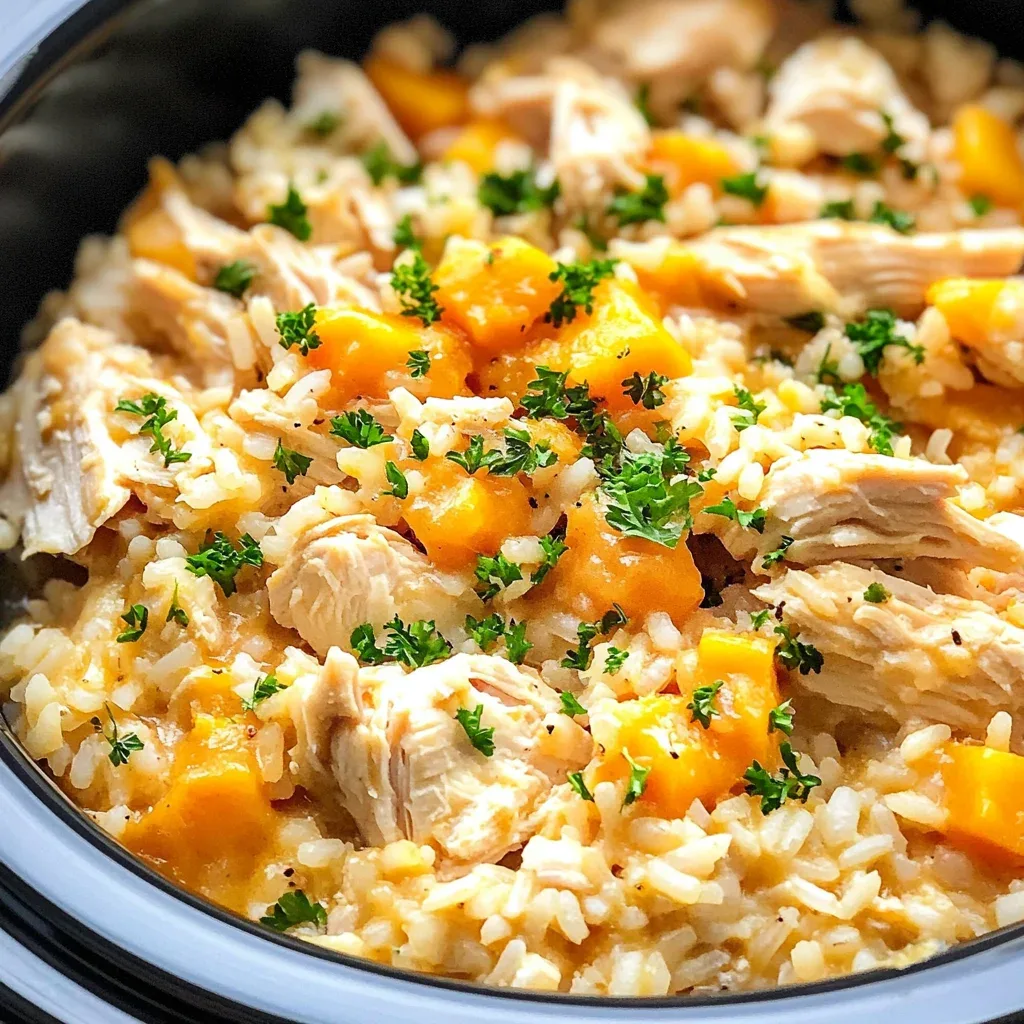
You have chicken thighs. Make a creamy garlic parmesan chicken. Sear the thighs, add half a cup of chicken broth, and cook on low for four hours. Stir in cream cheese and Parmesan in the final 30 minutes.
Serve over cauliflower rice or zucchini noodles.
You have beef chuck. Make a low carb chili or a pot roast. Brown the beef in a hot pan first. Add canned tomatoes, chili powder, cumin, and bell peppers.
Skip the beans. Cook on low for eight hours. The meat will shred like pulled pork.
You have pork shoulder. Make carnitas or keto pulled pork. Season with salt, pepper, garlic powder, and a little citrus juice. Cook on low for eight to ten hours, then shred and broil for crisp edges.
No sugar needed.
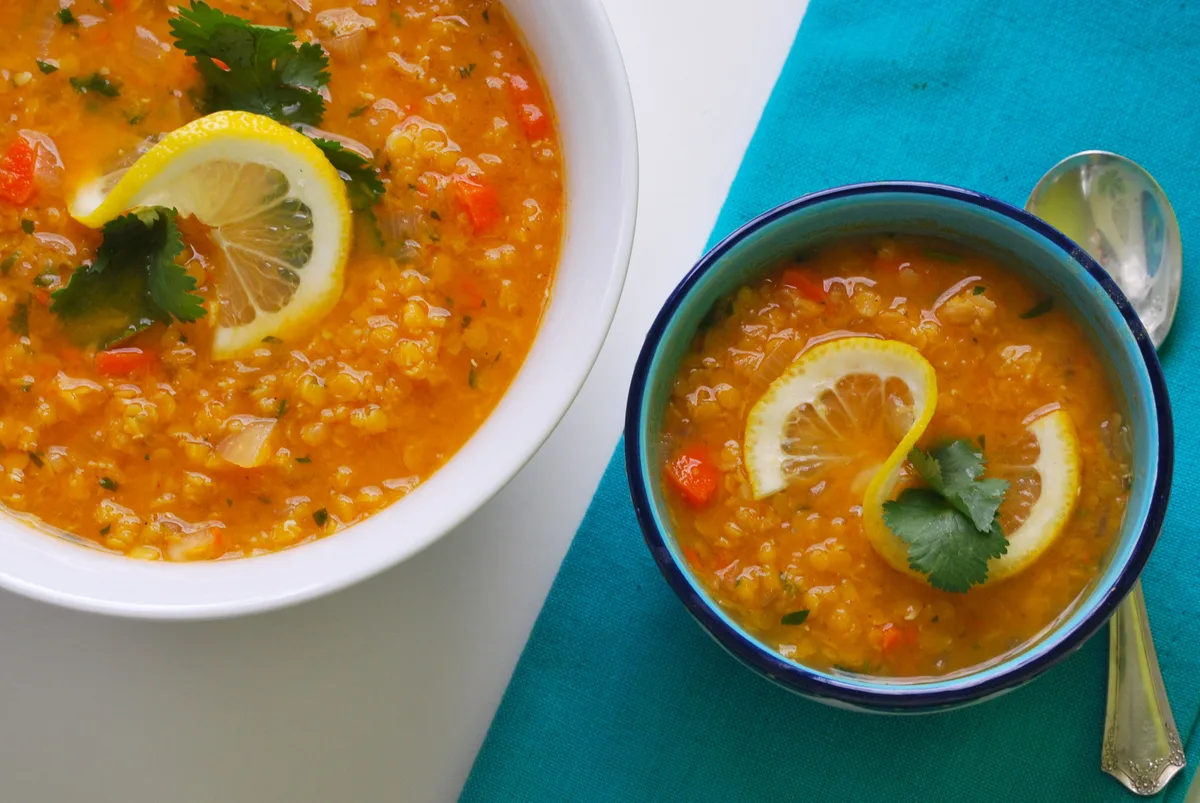
You want a soup. Make a taco soup with ground beef, cream cheese, diced tomatoes, and mild green chiles. Or a chicken soup with celery, mushrooms, and a splash of heavy cream. Both freeze well.
You're vegetarian. Use halloumi, tofu, or seitan for protein. Add hearty low carb vegetables like eggplant, cabbage, or radishes. Cauliflower works too, but add it near the end so it doesn't turn to mush.
The short version:
- Chicken thighs: 4 to 5 hours on low.
- Beef chuck: 8 hours on low.
- Pork shoulder: 8 to 10 hours on low.
- Ground beef: 4 hours on low.
- Tofu or halloumi: 2 to 3 hours on low.
That's your branch. Choose the protein, match the time, and the recipe follows.
The Low Carb Slow Cooker Workflow That Actually Works
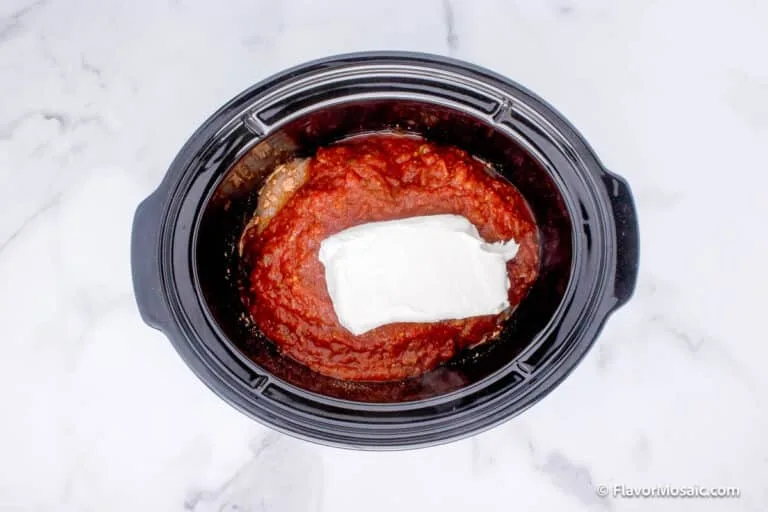
Image source: Bing (Web (fair-use with source credit))
Here's the workflow that avoids the watery, bland trap.
Step 1: Brown the meat. Searing builds flavor. Skip it and your dish tastes flat.
Step 2: Layer from bottom to top. Hard vegetables like radishes or celery go on the bottom. Meat goes on top. Delicate vegetables like zucchini get added in the final 30 minutes.
Step 3: Add liquid sparingly. Most slow cooker recipes call for at least a cup of liquid. Low carb dishes rarely need it. Meat and vegetables release enough moisture on their own.
Step 4: Cook low, not high. The low setting keeps meat moist. High heat forces liquid out of vegetables and makes chicken rubbery. As of 2026, most manufacturers recommend 6 to 8 hours on low for tough cuts.
Step 5: Add dairy and thickeners at the end. Cream and cheese curdle when cooked too long. Stir them in during the last 30 minutes. Use xanthan gum to thicken, not cornstarch.
Step 6: Check the temperature. Per the USDA Food Safety and Inspection Service, poultry needs 165 degrees Fahrenheit. Ground meat needs 160 degrees. Beef and pork need 145 degrees plus a three minute rest.
Use a digital meat thermometer, not the built-in probe on some older models.
Let it cool slightly before serving. Store leftovers within two hours. They'll stay fresh in the fridge for three to four days.
For longer storage, freeze individual portions and reheat them overnight in the fridge.
Common Mistakes That Ruin Low Carb Slow Cooker Recipes (And How to Fix Them)
Even with the right workflow, a few common errors can still ruin your meal. Here are the biggest ones and how to fix them.
Adding vegetables too early. This is the number one mistake. Zucchini, spinach, and cauliflower turn to mush after four hours. Add them in the final 30 minutes.
Hard vegetables like radishes or celery can go in from the start.
Skipping the sear. A slow cooker can't brown meat. Without a sear, your dish lacks depth. Take the extra ten minutes to brown the meat in a hot pan.
Aggregate reviews consistently report that browned meat produces noticeably richer flavor than raw meat.
Using too much liquid. Low carb recipes need far less liquid than traditional ones. Start with a quarter cup of broth or a can of diced tomatoes. You can always add more later.
You can't remove excess liquid.
Overcooking chicken breasts. Boneless skinless chicken breasts dry out fast. They're done in three to four hours on low. After that, they shred into dry fibers.
Use chicken thighs instead. They stay moist for hours.
Adding dairy too early. Cream, cream cheese, and sour cream curdle under prolonged heat. Stir them in during the last 30 minutes of cooking. Full fat dairy performs better than reduced fat versions.
Not checking the temperature. You should always check with a digital meat thermometer. Poultry must hit 165 degrees Fahrenheit according to USDA guidelines. Beef and pork need 145 degrees.
Don't guess.
Forgetting to thicken at the end. Low carb dishes lack starch, so they stay thin. Use a quarter teaspoon of xanthan gum per cup of liquid, whisked in off the heat. Let it sit for a few minutes to set.
Fix these mistakes and your low carb slow cooker meals will transform. They'll go from watery disappointments to rich, flavorful dinners.
Low Carb Slow Cooker FAQs
How do I thicken low carb slow cooker recipes?
The best tool is xanthan gum. Use a quarter teaspoon per cup of liquid, whisked in after cooking. Let it sit for a few minutes.
Cream cheese and reduced broth also help thicken without carbs. Never use cornstarch or flour.
Can I cook frozen chicken in a slow cooker?
No. The USDA advises against it. Frozen meat takes too long to reach a safe temperature, which risks bacterial growth.
Thaw chicken in the refrigerator overnight before cooking. Ground beef can be thawed in cold water.
How long do low carb slow cooker meals last in the fridge?
Most last three to four days in airtight containers. Shredded meats and stews freeze well for up to three months. Cream based dishes don't freeze as well.
The dairy can separate during thawing.
What are the best low carb vegetables for slow cooking?
Radishes are excellent. They soften and take on a texture similar to potatoes. Celery, cabbage, and mushrooms also hold up well.
Cauliflower works best when added in the final hour. Avoid zucchini, spinach, and broccoli for long cooks.
Do I need to brown meat before adding it to the slow cooker?
Not for safety, but strongly recommended for flavor. The Maillard reaction from browning adds depth that a slow cooker can't create. Skip it only for dump dinners when you're pressed for time.
Can I leave a slow cooker unattended while at work?
Yes. Modern slow cookers are designed for unattended use, per manufacturer specifications. Use a timer model if you'll be gone more than eight hours.
Keep the lid on. Don't lift it during cooking, or you lose heat and moisture.
Why is my low carb slow cooker dish always watery?
You're likely using too much liquid or cooking watery vegetables for too long. Cut back on added broth. Add zucchini and spinach in the final 30 minutes.
If it's still watery, thicken with xanthan gum at the end.

Similar Posts