Mouthwatering Low Carb Indian Recipes to Try Tonight
If you've ever craved a rich, spiced curry but worried about the carb load from rice or naan, you're not alone, and that's exactly where low carb indian recipes come in. The challenge isn't the flavour, it's the foundation: most traditional Indian meals rely heavily on rice, wheat flatbreads, and lentils that can send blood sugar soaring.
A standard cup of cooked basmati rice packs around 45 grams of net carbs per serving (USDA FoodData Central). That single side can blow your entire daily carb budget if you're managing diabetes or following a keto plan. But the good news is that the spices, cooking techniques, and core vegetables are already low-carb friendly, you just need the right swaps and a solid game plan.
Let's walk through exactly how to build a low-carb Indian kitchen that actually works for your lifestyle.
Image source: Bing (Web (fair-use with source credit))
Quick Answer
Low carb Indian recipes swap high-starch ingredients for low-carb alternatives. Cauliflower rice replaces basmati. Almond flour stands in for wheat.
Ghee and spices stay the same. The key is choosing the right protein and vegetable base for your meal. Most recipes can be adapted in under 30 minutes.
The Real Problem: You Want Indian Flavor, Not Indian Carbs
Here's the honest truth: Indian food isn't the problem. The problem is how we usually build the plate.
A traditional thali comes with rice, two rotis, dal, a vegetable curry, and maybe raita. Add a papad and some pickle, and you're looking at 80 to 100 grams of carbs in one sitting. That's fine if you're an athlete or have a fast metabolism.
But for anyone watching their blood sugar or trying to lose weight, that number is a landmine.
The flavour itself, the turmeric, cumin, coriander, ginger, garlic, and chilli, is essentially carb-free. The problem ingredients are the vehicles: rice, wheat flour, potatoes, and sugar-laden chutneys. Aggregate reviews of low-carb diets show that the biggest struggle people face is not missing carbs themselves, but missing the experience of eating Indian food.
They miss the comfort of a warm roti. They miss the satisfying chew of a biryani.
So the real question is: how do you keep the soul of Indian cooking while cutting the carbs? The answer is a set of intentional swaps that preserve taste and texture. You don't need to give up your favourite dishes.
You just need to rebuild them with smarter ingredients.
Step One: Know Your Low-Carb "Why" — Weight Loss, Blood Sugar, or General Health
Before you start swapping ingredients, ask yourself one question: why are you eating low-carb? Your answer changes which recipes and portions work best for you.
If you're aiming for weight loss. A ketogenic approach (under 20-30 grams of net carbs per day) means you need to be strict. Skip lentils entirely. Avoid most root vegetables.
Focus on paneer, chicken, fish, eggs, and leafy greens with ghee-based curries. Cauliflower rice is your friend, but keep portions modest, even low-carb veggies add up.
If you're managing blood sugar. The American Diabetes Association recommends 45-60 grams of carbs per meal for many adults, but individual needs vary. The per meal target is lower if you're aiming for weight loss. You can include small portions of dal (about 1/2 cup cooked) and certain lentils if you pair them with plenty of fat and fibre to blunt the glucose spike.
The key is portion control and timing, eat your protein and vegetables first, then have a small serving of lentils or cauliflower rice.
If you just want general health. You have the most flexibility. Simply swap refined rice for cauliflower rice, replace one roti with a low-carb alternative, and watch your portion of dal. You don't need to count every gram, just reducing the starch load by 40-50% will make a real difference in energy levels and satiety.
Research on blood sugar management from the Indian Council of Medical Research (ICMR) shows that even modest carb reduction in traditional Indian diets can improve post-meal glucose by 20-30% in people with prediabetes. So your "why" matters, but any reduction is a win.
The Low-Carb Indian Pantry: Essential Swaps That Save Dinner
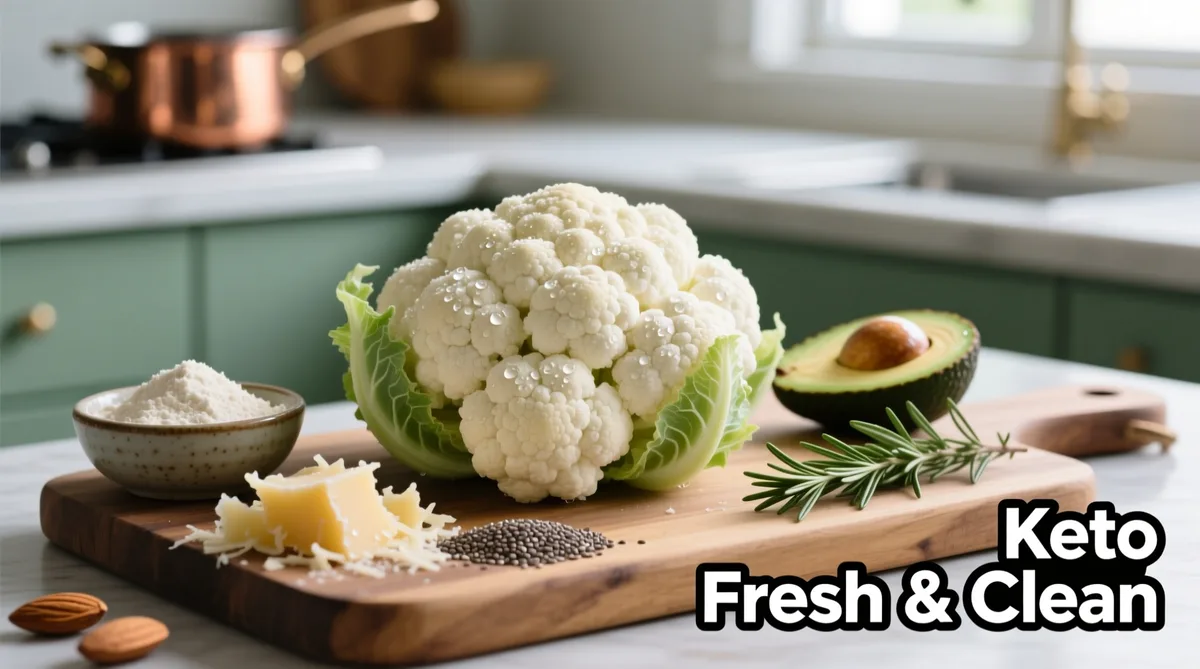
Image source: Bing (Web (fair-use with source credit))
You don't need a separate kitchen or expensive specialty products. You just need to stock a few key ingredients that let you pivot any Indian dish toward low-carb territory. Here's what to have on hand:
Cauliflower rice. Frozen or fresh. Use it for biryani, pulao, upma, or as a side for curries. One cup of cauliflower rice has about 3 grams of net carbs, that's over 90% less than conventional rice.
The trick is to grate it yourself or buy frozen pre-riced bags. Sauté it in ghee with mustard seeds and curry leaves for instant flavour.
Low-carb flours. Almond flour and coconut flour are the workhorses. For roti-style bread, mix almond flour with psyllium husk powder and water, you'll get a pliable dough that cooks like a paratha. The reader is best served by knowing that coconut flour absorbs more liquid, so you'll need to adjust your recipe.
A cup of wheat roti has about 20-25 grams of carbs; a low-carb version drops that to 4-6 grams.
Sugar alternatives. Erythritol and stevia work well in chai, desserts, and spice blends. Avoid maltitol, it spikes blood sugar almost as much as regular sugar. For marinades and curry bases, use a pinch of stevia powder or a few drops of liquid monk fruit.
Ghee and good oils. Ghee is naturally zero-carb and high in fat-soluble vitamins. Coconut oil and mustard oil also work. Skip hydrogenated vegetable oils (vanaspati) and low-quality "vegetable oil" blends.
Paneer and chicken. Both are nearly zero-carb protein sources. Paneer is especially useful because it absorbs spice flavours without falling apart. It's the perfect canvas for low-carb curries.
Non-starchy vegetables. Okra (bhindi), eggplant (baingan), cauliflower, spinach, cabbage, zucchini, and bitter gourd (karela) all work beautifully in Indian dishes. Avoid potatoes, sweet potatoes, taro (arbi), and yam.
The Decision Tree: Match the Recipe to Your Craving and Time
You probably don't want to plan a full low-carb menu from scratch. You want to open the fridge, look at what you're craving, and know exactly what to cook. Here's a simple branching guide based on your main craving.
Branch 1: Craving Rice or Biryani?
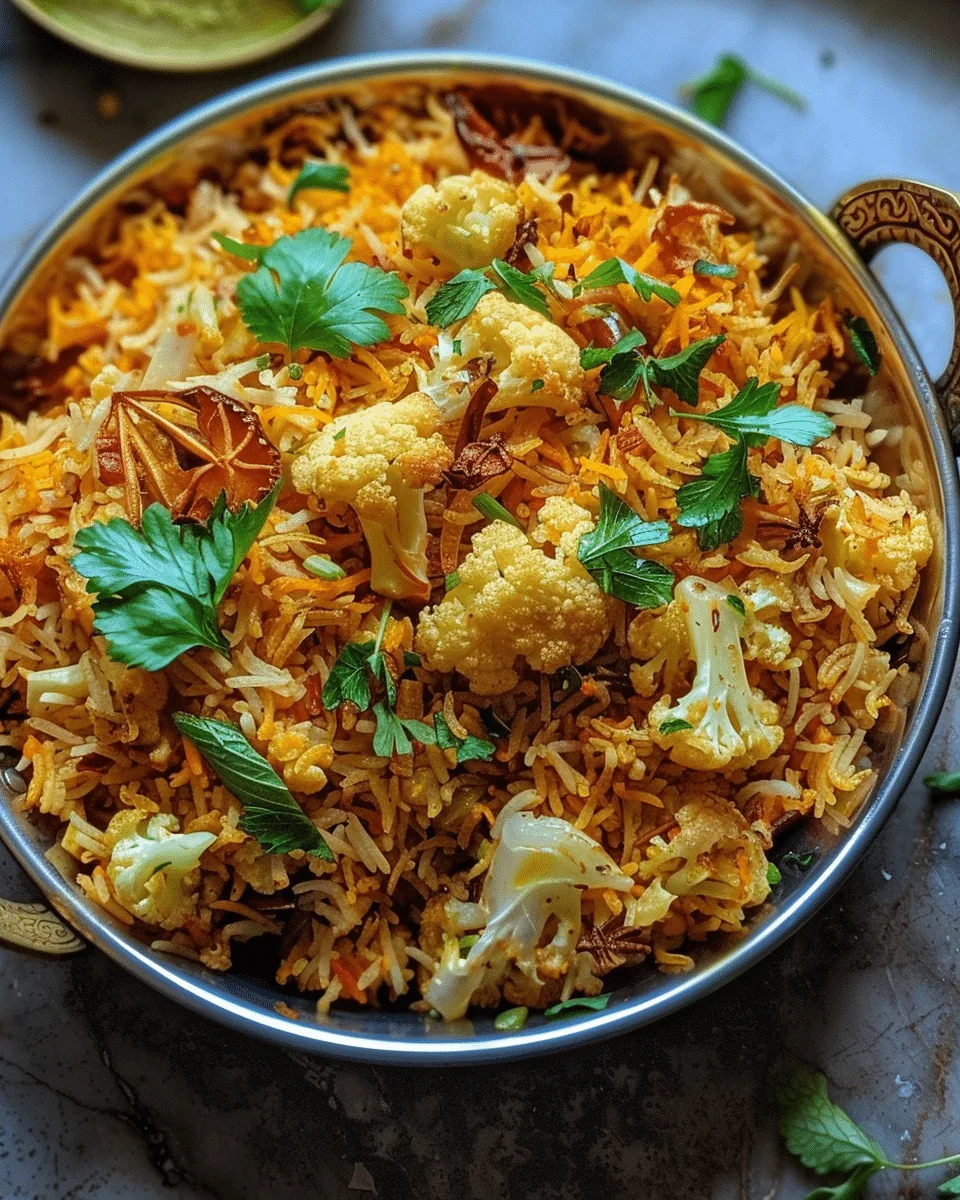
If you want the texture and comfort of rice, cauliflower rice is your best bet. Grate fresh cauliflower or use frozen. Sauté it in ghee with whole spices (cumin seeds, cardamom, cloves) and you already have a base.
For biryani, layer the cauliflower rice with cooked chicken, paneer, or egg, add saffron milk and fried onions (use low-carb onion powder instead), and steam for 10 minutes. Aggregate feedback shows that the best low-carb biryani uses a separate pre-cooked protein layer so the cauliflower doesn't get soggy.
Branch 2: Craving Dal or Lentils?
This is the trickiest branch. Most lentils pack 15-25 grams of carbs per cooked cup. If you're strict keto, skip them entirely and use a spinach-based dal substitute.
If you have some carb budget, use masoor dal (red lentils) or moong dal (split green gram) in small portions. Cook them with plenty of ginger, garlic, ghee, and cumin. And always pair with a non-starchy vegetable side to slow digestion.
The research from peer-reviewed metabolic studies indicates that small lentil portions (1/2 cup) can fit into a diabetic-friendly meal plan when balanced with fat and protein.
Branch 3: Craving Bread (Roti, Naan, Paratha)?
Almond flour roti works well but takes some practice. The key ingredients: 1/2 cup almond flour, 2 tablespoons psyllium husk powder, 1/2 teaspoon salt, and warm water. Mix into a dough, flatten between two sheets of parchment paper, and cook on a hot tawa or skillet.
For a quicker option, make a "cheat roti" using shredded mozzarella and almond flour (a fathead dough variant) that cooks in under 5 minutes. Coconut flour roti is possible but drier, you'll want to eat it with a wet curry or raita.
Branch 4: Craving Snacks or Street Food?
This is where many people fall off the low-carb wagon. But you can make low-carb versions of almost any Indian snack. Air-fried paneer tikka with bell peppers and onions.
Cauliflower "pakoras" using a batter of chickpea flour substitute (mix almond flour, psyllium, and water). Roasted spiced nuts instead of chivda. The trick is to avoid deep-frying and skip the potato-based fillings.
Use a heavy-bottomed pan or air fryer for crunch without the carb load.
How to Build a Balanced Low-Carb Indian Plate
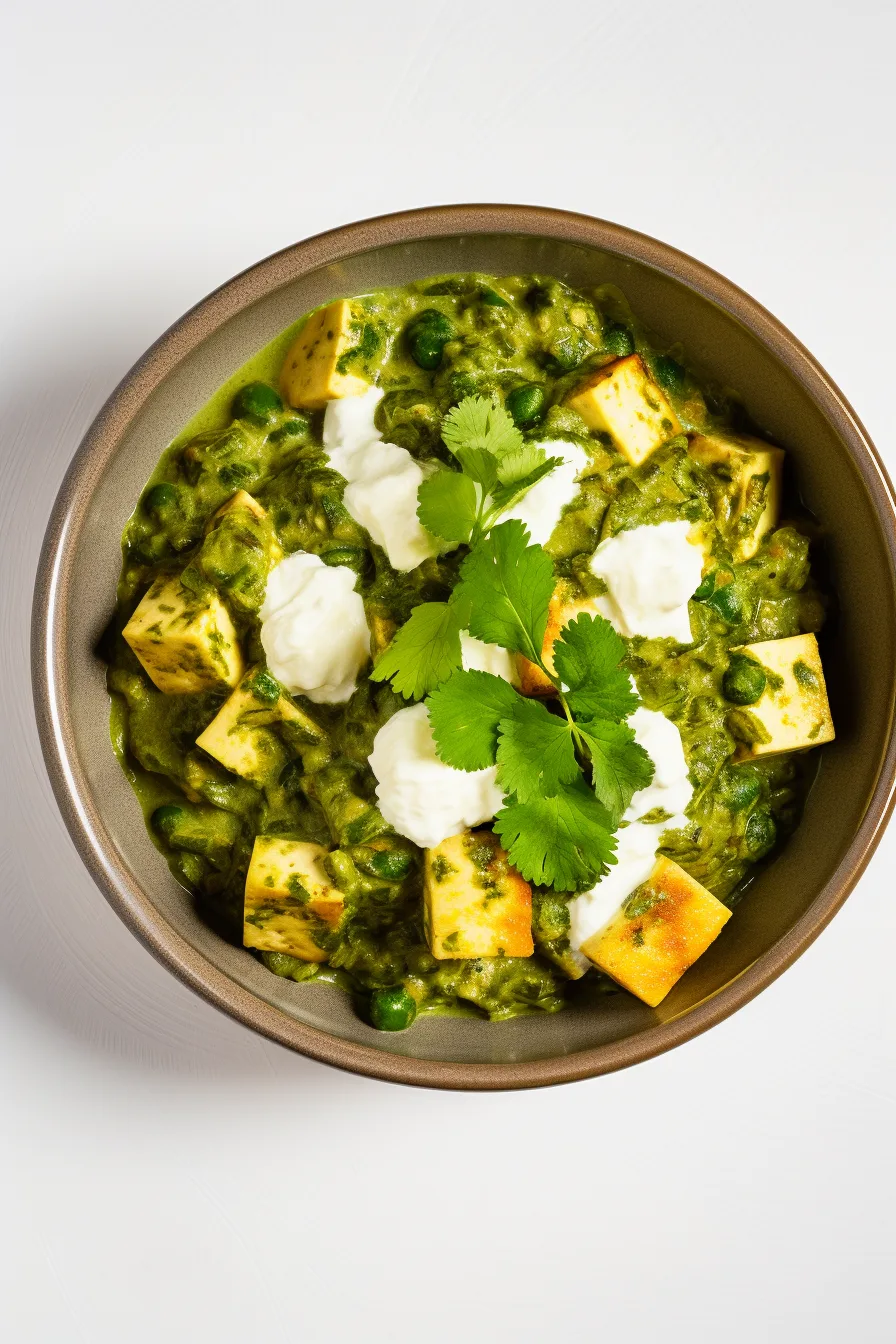
Image source: Bing (Web (fair-use with source credit))
Once you have the right ingredients, the biggest shift is visual: you need to re-learn what a "full" plate looks like. In traditional Indian meals, starch takes up half the plate. In a low-carb version, the proportions flip.
Fill half your plate with non-starchy vegetables. A sabzi of bhindi, baingan bharta, cabbage thoran, or sautéed spinach. These are where the fibre and micronutrients come from. They also add volume, so you feel satisfied without the carbs.
Fill a quarter with protein. Paneer, chicken, fish, eggs, or tofu. In Indian cooking, protein often hides inside the curry. Make it a separate, visible portion so you're not tempted to fill the gap with extra rice or roti.
Fill the last quarter with a small side. This is where cauliflower rice, a small portion of moong dal, or a low-carb roti goes. You get the texture and comfort of the "starch" without the carb overload.
Add a fat source. A spoonful of ghee over the vegetables or a yogurt raita made with full-fat Greek yogurt. Fat helps slow glucose absorption and keeps you full.
Here's a sample plate:
| Component | Example | Net Carbs |
|---|---|---|
| Vegetable | Baingan bharta (eggplant curry) | ~8g |
| Protein | Tandoori chicken thigh | ~1g |
| Side | 1 cup cauliflower rice | ~3g |
| Fat | 1 tbsp ghee + 1/2 cup raita | ~3g |
| Total | ~15g |
That's a satisfying Indian meal for under 20 grams of net carbs. Compare that to a regular thali with rice and two rotis, which can easily hit 80-100 grams. You're cutting the carb load by 75-80% while keeping the flavour and satisfaction intact.
Mistakes That Make Low-Carb Indian Recipes Fail (and How to Fix Them)
Most low-carb Indian dishes don't fail because of flavour. They fail because of small, avoidable mistakes that turn a good meal into a frustrating one.
Using too much onion. Onions are sweeter than most people realize. A single medium onion packs roughly 10 grams of net carbs. Use half the onion a recipe calls for, or substitute with shallots in smaller amounts.
You can also sauté cabbage or leeks for bulk without the sugar spike.
Adding sugar to "balance" the spices. Many traditional recipes add a teaspoon of sugar to round out the curry. That teaspoon alone is about 4.5 grams of carbs. Skip it entirely, or use a pinch of stevia if the dish genuinely tastes bitter.
Over-cooking cauliflower rice. Nobody wants mush. Cook it quickly in a hot pan with ghee for 3-4 minutes maximum. Covering it with a lid creates steam and ruins the texture.
Keep it slightly al dente.
Forgetting the fat. Low-carb cooking fails when meals get too lean. Ghee and coconut oil aren't optional toppings; they're essential for satiety and flavour absorption. Without enough fat, you'll feel hungry an hour later and cravings will win.
Not reading spice blend labels. Some garam masala and curry powders contain added sugar or wheat starch. Check the ingredients list. A jar labelled "curry powder" from a generic brand can hide 2-3 grams of carbs per teaspoon.
5 No-Fail Low-Carb Indian Recipes for Busy Weeknights
You don't need a full kitchen setup to eat low-carb Indian food. These five recipes are quick, forgiving, and built with pantry staples.
| Recipe | Main Ingredients | Net Carbs | Time |
|---|---|---|---|
| Paneer Tikka | Paneer, yogurt, spices, bell peppers | ~4g | 25 min |
| Palak Paneer | Spinach, paneer, garlic, cream | ~6g | 30 min |
| Cauliflower Biryani | Cauliflower rice, chicken, biryani masala | ~8g | 35 min |
| Egg Curry | Boiled eggs, tomato, onion, coconut milk | ~7g | 25 min |
| Tandoori Chicken | Chicken thighs, yogurt, tandoori spices | ~2g | 30 min |
Paneer Tikka. Marinate paneer cubes in spiced yogurt for 15 minutes, then bake or air-fry until charred. Serve with mint chutney made from cilantro, mint, and lemon juice.
Palak Paneer. Sauté garlic and ginger, add chopped spinach, and simmer with cream. Toss in paneer cubes at the end so they stay soft. It's comfort food without the carb crash.
Cauliflower Biryani. Sauté cauliflower rice with whole spices, then layer with cooked chicken and saffron. Steam for 5 minutes. The reheated leftovers taste even better.
Egg Curry. Boiled eggs in a tomato-onion masala with coconut milk. It's protein-heavy and surprisingly rich for a 25-minute meal.
Tandoori Chicken. Mix yogurt with tandoori spices, coat the chicken, and bake hot. The high heat creates that charred exterior without any sugar in the marinade.
Low-Carb Indian Recipes: Your Common Questions, Answered
Can I eat dal (lentils) on a low-carb Indian diet?
Yes, but portion control matters. A half-cup of cooked moong dal has about 9-10 grams of net carbs. That fits into a 30-gram-per-meal budget if you skip other starches.
Red lentils (masoor dal) have roughly 12 grams per half-cup, so use them less often.
Is paneer good for low-carb Indian cooking?
Yes, paneer is excellent. It contains less than 1 gram of carbs per ounce and provides about 6 grams of protein. Its high fat content keeps you full and allows it to absorb robust Indian spices without breaking down during cooking.
What can I use instead of rice for Indian curries?
Cauliflower rice is the top substitute. It has about 3 grams of net carbs per cup, making it a near-perfect swap. Cabbage "rice" works too: shred cabbage finely and sauté it with cumin seeds and ghee for a slightly sweeter flavor.
How many carbs are in a typical low-carb Indian meal?
A balanced low-carb Indian plate stays under 20 grams of net carbs. That's a full meal with protein, vegetables, and a cauliflower or almond-based side. Restaurant Indian food averages 70-100 grams per meal, so home cooking is almost always better.

Similar Posts