15 Easy Leftover Rice Recipes for Quick Meals
If you’re staring at a container of leftover rice wondering what to do with it, you’re already ahead of the game. The best leftover rice recipes start with the understanding that day-old rice isn’t a problem, it’s actually an upgrade. The texture changes as it sits, and that opens up possibilities fresh rice can’t deliver.
Per USDA guidelines, cooked rice stays safe in the refrigerator for 3 to 5 days when stored in a sealed container. That gives you plenty of room to experiment with something better than the original meal. The trick is knowing how to match each batch to the right dish.
Let’s walk through exactly how to do that.
Quick Answer
Leftover rice recipes turn day-old grains into new meals. Fried rice, congee, rice pudding, and rice patties are the most versatile options. Each works best with a specific rice texture and moisture level.
The trick is checking food safety first, then matching your rice type to the right recipe.
Image source: Bing (Web (fair-use with source credit))
Why Leftover Rice is Actually a Gift (If You Handle It Right)
Freshly cooked rice is fluffy and moist. That’s great for eating it straight, but terrible for stir-frying or shaping into patties. Once rice cools and sits overnight, something useful happens at the molecular level.
It’s called starch retrogradation. The starch molecules recrystallize and push moisture out of the grain. The result is firmer, drier rice that holds its shape instead of turning into a gluey mass.
This is exactly what you want for fried rice, rice balls, and fritters.
There’s another benefit worth noting. That same process also increases the resistant starch content. Resistant starch resists digestion in the small intestine, which means fewer blood sugar spikes after eating.
Some research suggests reheated, cooled rice has a lower glycemic impact than freshly cooked rice.
But not every dish benefits from dry, firm rice. Congee and rice pudding need grains that break down and release starch into the liquid. For those recipes, soft, freshly cooked rice works better, though leftover rice can still be coaxed into the right texture with enough liquid and cooking time.
The takeaway is simple. Your leftover rice isn’t a single ingredient. It’s a spectrum of textures that point toward different recipes.
The decision tree starts with what you’ve got in that container.
Before You Cook: The 30-Second Safety Check
Before you decide what to make, you need to confirm your rice is still safe to eat. This is the first decision point in the workflow, and it’s non-negotiable.
Cooked rice carries a risk of Bacillus cereus, a bacteria that forms heat-resistant spores. If rice sits at room temperature too long, those spores can germinate and produce toxins. Reheating kills the bacteria but not the toxins, so prevention is the only real protection.
Here’s the rule. Per USDA guidance, cooked rice must be refrigerated within 2 hours of cooking. If it sat out longer than that, throw it away.
No exceptions. Once refrigerated in a shallow airtight container, it stays safe for 3 to 5 days.
Do a quick sensory check before using it. Look for visible mold, slime, or discoloration. Smell it for any sour or off odors.
If anything seems wrong, don’t take chances. Toss it.
| Safety Check | What to Look For | Action |
|---|---|---|
| Time since cooking | More than 2 hours at room temp | Discard |
| Days in fridge | 4 or more days past cooking | Consider discarding |
| Visual | Mold, slime, discoloration | Discard |
| Smell | Sour, yeasty, or off odor | Discard |
| Texture | Unusually sticky or watery | Discard |
If your rice passes the check, you’re clear to use it. Now you can move to the next decision point: what kind of rice you’re working with.
Decode Your Rice: The 3-Way Decision Tree
Not all leftover rice behaves the same way. The grain type, how it was cooked, and how long it sat all affect what you can do with it. This three-way decision tree helps you match your rice to the right recipe path.
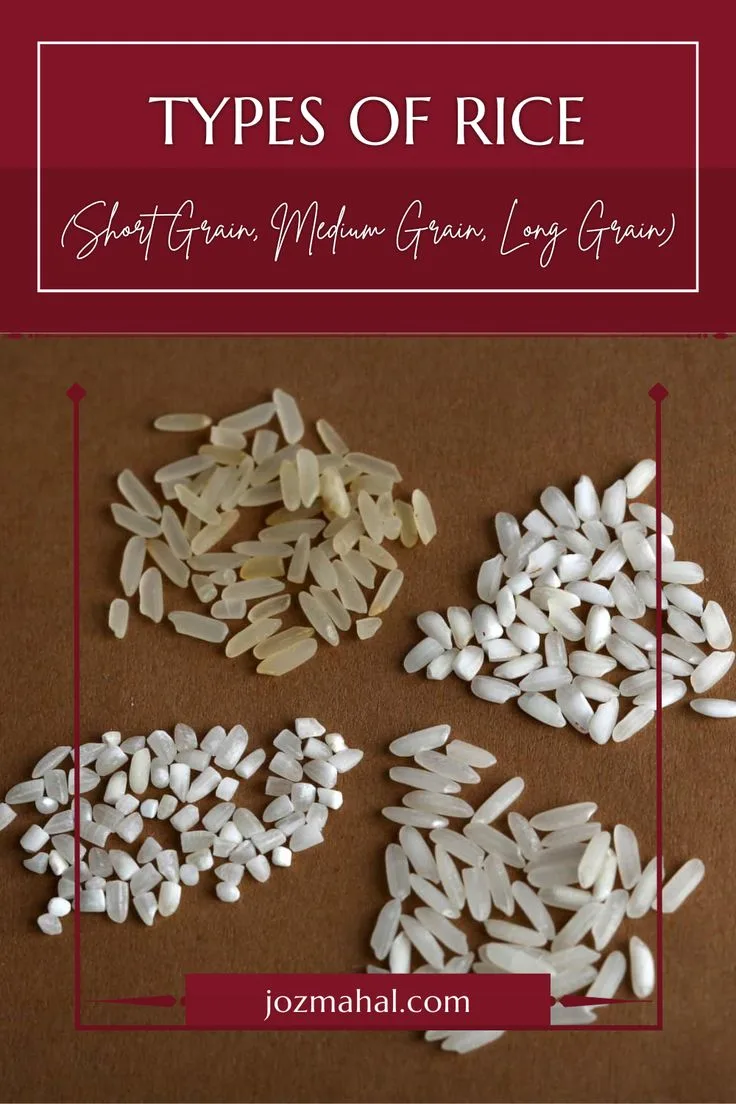
Image source: Bing (Web (fair-use with source credit))
Branch 1: Dry, fluffy, long-grain rice. This includes jasmine, basmati, and standard American long-grain. These grains stay separate and firm after refrigeration. They’re ideal for fried rice, cold rice salads, stuffed peppers, and grain bowls.
The low moisture means they crisp up well in a hot pan.
Branch 2: Soft, neutral, medium-grain rice. Think Calrose, arborio, or standard sushi rice. These grains have more starch and cling together slightly. They’re perfect for congee, rice pudding, and creamy soups.
The extra starch helps thicken liquids as the rice simmers.
Branch 3: Sticky, sweet, short-grain rice. This includes glutinous rice and true sushi-grade short-grain. These grains clump together firmly even after refrigeration. They’re best for crispy rice patties, arancini-style stuffed balls, and onigiri (rice balls).
The tacky texture holds shapes without falling apart.
If you’re not sure which branch you’re on, look at the rice in the container. Does it pour out in separate grains? Branch 1.
Does it stick together in soft clumps? Branch 2. Does it hold a shape when you press it?
Branch 3.
That’s your decision made. Now you can move to the recipes that fit your branch.
Recipes by Branch: What to Make With What You Have
Each recipe here follows a simple formula. You can swap proteins, vegetables, and seasonings based on what’s in your fridge. The rice type and cooking method are the non-negotiable parts.
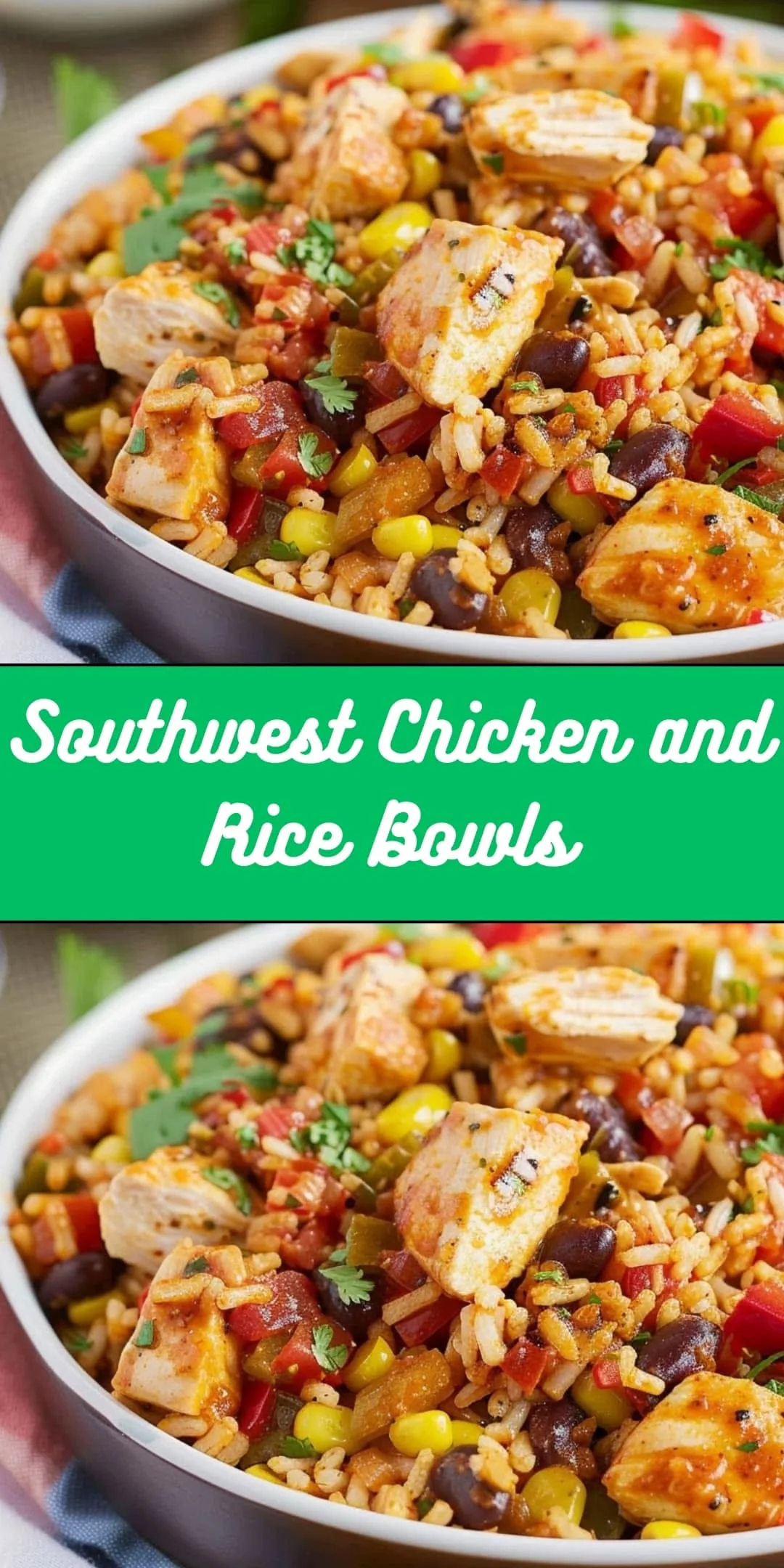
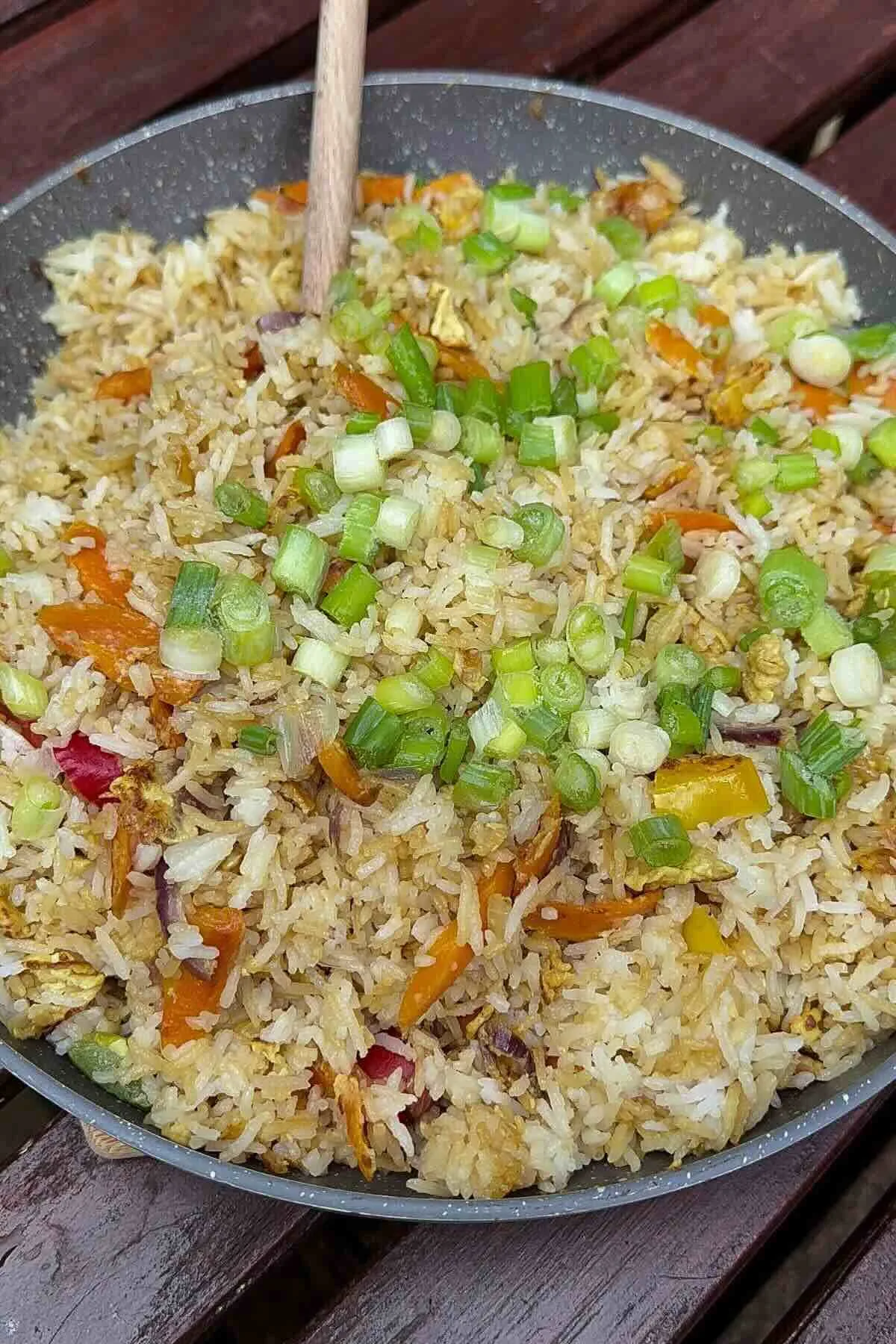
Branch 1: Fried rice formula. Heat a wok or large skillet over high heat. Add 2 tablespoons of oil. Sauté aromatics like garlic, ginger, or onion for 30 seconds.
Add any chopped protein and cook through. Push everything to the side, add 3 cups of leftover rice, and spread it flat. Let it sit undisturbed for 60 seconds to develop a light char.
Toss, add vegetables, soy sauce, and a beaten egg if you like. Cook another 60 seconds. That’s it.
Total time: about 10 minutes.
You can also use Branch 1 rice for cold salads. Toss the rice with chopped vegetables, a vinaigrette, herbs, and canned beans. No heating needed.
Branch 2: Quick congee. Add 1 cup of leftover rice to a pot with 4 cups of broth or water. Bring to a boil, then reduce to a simmer. Cook for 15 to 20 minutes, stirring occasionally, until the rice breaks down and the liquid thickens.
Season with salt, ginger, and soy sauce. Top with scallions, a soft egg, or shredded chicken. This turns dry, clumpy rice into a comforting porridge.
For rice pudding, use milk instead of broth and add sugar, cinnamon, and vanilla. Simmer for 20 minutes until creamy.
Branch 3: Crispy rice patties. In a bowl, combine 2 cups of leftover sticky rice with 1 beaten egg, 2 tablespoons of flour, and seasonings. Mix until the rice holds together. Shape into patties about 1/2 inch thick.
Pan-fry in oil over medium heat for 3 to 4 minutes per side until golden and crisp. Serve with a dipping sauce or on a salad.
For arancini-style balls, add shredded cheese to the center of each rice ball, coat in breadcrumbs, and fry. The sticky texture keeps everything intact.
The Golden Rules of Reheating and Reviving
The way you reheat leftover rice can make or break the final dish. Too much heat and no moisture gives you hard, dry grains. Too much liquid and you get glue.
Here’s how to get it right every time.
Rule 1: Add moisture back, but only a little. For every cup of leftover rice, add 1 to 2 tablespoons of water, broth, or milk depending on the recipe. Sprinkle it over the rice and fluff with a fork before heating. This replaces the moisture lost during refrigeration without making the grains soggy.
Rule 2: Use the right reheating method. The microwave works, but it’s not ideal for every dish. For fried rice, use a hot pan or wok. For congee or pudding, use a pot on the stove.
For rice that needs even, gentle heat, use a steamer basket or the oven at 300°F for 10 minutes covered with foil.
Rule 3: Break up clumps before you cook. Cold rice forms solid bricks. Use your fingers or a fork to separate the grains before they hit heat. If you skip this step, you’ll end up with hot clumps surrounding cold centers.
Rule 4: Never reheat rice more than once. Each reheat cycle increases the risk of bacterial growth because the rice passes through the temperature danger zone. Per USDA recommendations, take out only what you plan to eat and reheat it once. Leftovers from the reheated batch should be discarded.
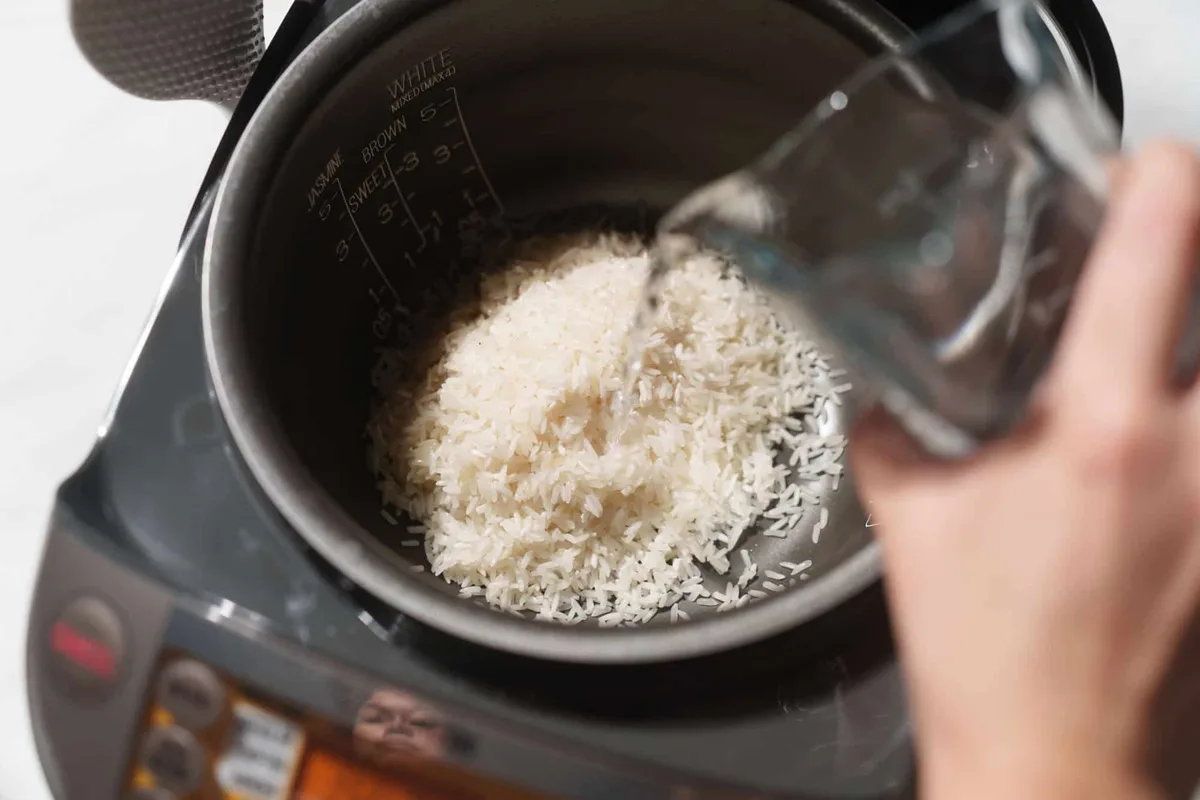
Image source: Bing (Web (fair-use with source credit))
Rule 5: For frozen rice, thaw first or adjust timing. If you froze your leftover rice, thaw it in the refrigerator overnight. Alternatively, add it directly to soups or stir-fries and increase the cooking time by 2 to 3 minutes to compensate for the extra cold.
Stick to these rules and you’ll get consistent results. Dry, clumpy rice turns into the base for something genuinely good.

Similar Posts