Easy Lapsi Recipe: Sweet Cracked Wheat Dessert
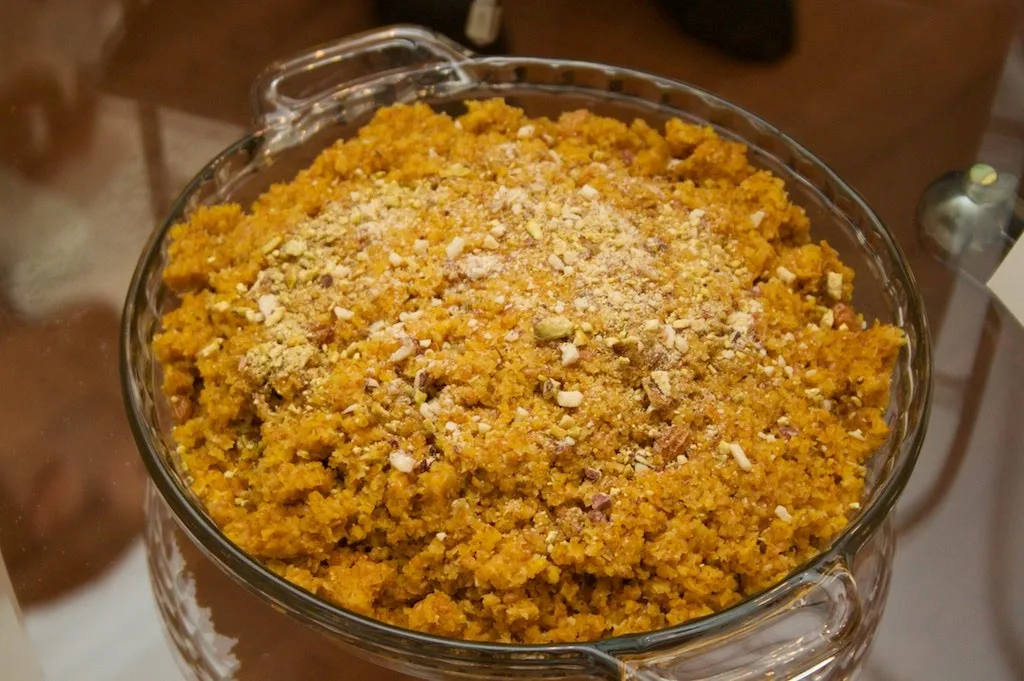
A sweet pudding that should feel like a warm hug. But if you've ever ended up with a clumpy, burnt, or waterlogged mess, you know the frustration. This "lapsi cracked wheat sweet recipe" is actually simple, but it hinges on a handful of visual cues that most written recipes skip.
Get those right, and you're golden.
In our research on traditional Indian cooking techniques, the standard ratio for a balanced lapsi is 1 cup cracked wheat to ½ cup ghee by volume. The entire process, from roasting to serving, takes roughly 20 minutes. The real trick is learning what to look for at each stage.
Ready to stop guessing?
Quick Answer
Lapsi is cracked wheat roasted in ghee. You cook it with water until tender. Then you stir in jaggery for sweetness.
The final sign is ghee pooling around the edges. Serve it warm with nuts on top.
Why Lapsi Turns Out Wrong (And How to Fix It Before It Happens)
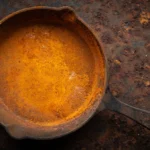
Image source: Bing (Web (fair-use with source credit))
Most home cooks hit three main problems when making lapsi. Each one has a simple visual fix.
Burnt grain happens when the heat is too high during the dry roasting stage. The wheat goes from pale to dark brown in seconds. The fix is to use medium-low heat and stir constantly.
If your pan is thin, the heat spikes faster. A heavy-bottomed pan spreads heat evenly.
Lumpy texture comes from dumping water in too fast. The hot wheat clumps together like wet flour. The fix is to pour water in a thin stream while stirring.
Use a whisk or fork to break up any lumps as soon as the water hits.
Soggy or mushy lapsi happens when you add too much water. The grains absorb liquid and burst open, turning into a paste instead of a pudding. The standard ratio is 1 cup wheat to 1½ cups water.
Stick to that and you won't end up with porridge.
Dry lapsi means you didn't add enough water or you cooked it too long. The grains stay hard and separate. Add water one tablespoon at a time and check texture after each addition.
Ghee won't separate at the end. This is the biggest visual cue that your lapsi is done. If it stays greasy without pooling, you likely added too much water or didn't cook it long enough.
Simmer uncovered for another minute.
The common thread here is that every mistake has a visual warning sign. Learn those signs, and your next batch will turn out perfectly.
What You'll Need (And What to Look For Visually)
Before you start, check your ingredients and tools against this table. Each item has a visual quality that matters.
| Ingredient | What to Look For | Why It Matters |
|---|---|---|
| Cracked wheat (bulgur) | Medium-coarse grain, light tan color | Fine grains cook too fast; coarse grains stay crunchy |
| Ghee | Clear golden liquid, no cloudiness | Cloudy ghee indicates water content, which causes sputtering |
| Jaggery | Dark brown block, crumbles easily | Hard jaggery needs grating; pre-grated saves time |
| Cardamom pods | Green, unbroken shells | Broken pods lose flavor; use whole and crush fresh |
| Nuts (cashews, almonds) | Raw, not roasted | Roasting them yourself gives better control over color |
| Water | Hot, not cold | Cold water shocks the wheat and causes lumps |
Your tools matter visually too.
A heavy-bottomed pan or kadhai is non-negotiable. Thin pans create hot spots that burn the wheat before the rest is roasted. Look for a pan where the bottom is at least ¼-inch thick.
A wooden spoon or spatula is best for stirring. Metal spoons conduct heat and can scorch the ghee. Wood won't scratch your pan either.
A small bowl for pre-mixing your jaggery and water. If you dissolve the jaggery in warm water before adding it to the pan, you avoid a grainy texture. The mixture should look like dark tea.
Step-by-Step: The Visual Milestones of Perfect Lapsi
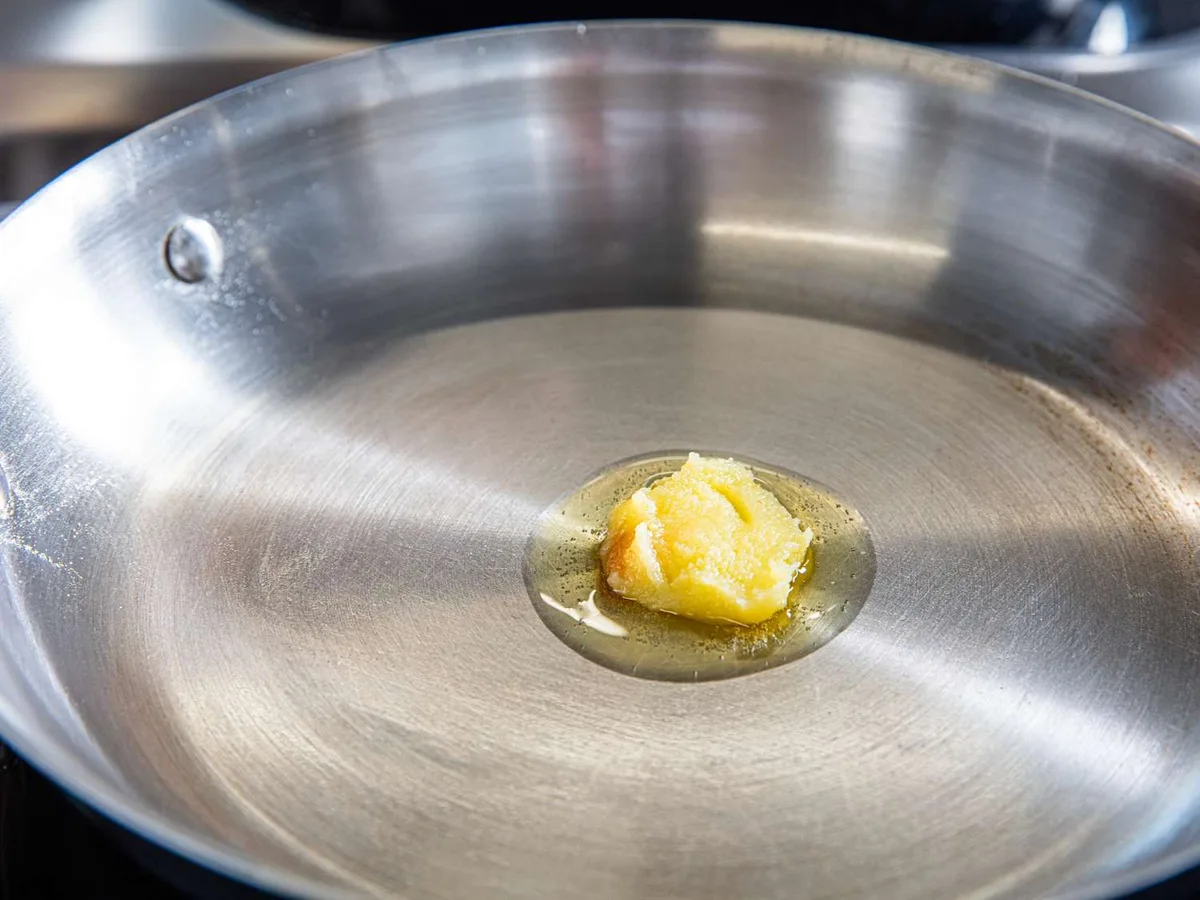
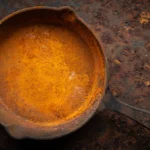
Image source: Bing (Web (fair-use with source credit))
This recipe has four distinct stages. Each one has a clear visual target. Hit them all, and your lapsi will be perfect every time.
Stage 1: Roasting the Cracked Wheat (3 to 4 minutes)
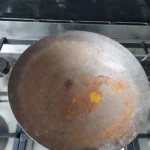
Set your pan over medium-low heat. Add the ghee. Wait for it to melt completely and shimmer, but not smoke.
Then add the cracked wheat.
Your visual target: the wheat goes from pale tan to a light golden brown. It will smell nutty and slightly toasted. The grains will look slightly oiled but not greasy.
If any grain starts turning dark brown, pull the pan off the heat immediately. You've gone too far.
Stir constantly. This is not a set-it-and-forget-it step. Every grain needs even contact with the hot pan.
Stage 2: Adding Water (1 minute)
Turn the heat to medium. Pour in hot water in a thin, steady stream. Stir continuously with a whisk or fork as you pour.
Your visual target: the water should be fully absorbed within 30 seconds. The wheat will plump up and look slightly translucent at the edges. If water pools on the surface, your heat is too low or you added too much.
Per USDA data on grain preparation, 1 cup of cracked wheat absorbs roughly 1½ cups of water in about 10 minutes of simmering. (Source: USDA FoodData Central, bulgur wheat entry.)
Stage 3: Simmering (8 to 10 minutes)
Lower the heat to low. Cover the pan. Let it cook without stirring for 8 minutes.
Your visual target: after 8 minutes, lift the lid. The grains should be tender but still hold their shape. No hard white center should remain.
If you see white centers, add 2 tablespoons of hot water and cook for another 3 minutes.
Stage 4: Sweetening and Finishing (3 to 4 minutes)
Remove the lid. Add your jaggery or sugar. Stir gently until it dissolves completely.
Your visual target: the mixture will look wet and shiny. Cook uncovered for 2 to 3 minutes. You'll see ghee start to separate and pool around the edges of the pan.
That's the money shot. When you see a clear ring of golden ghee, your lapsi is done.
Do not skip the final cooking step. If you stop before the ghee separates, your lapsi will be greasy instead of silky.
3 Common Visual Mistakes (And How to Spot Them Early)
Even with the steps above, things can go wrong. Here are the three most common visual mistakes and how to catch them before they ruin your batch.
Mistake 1: Burnt Ghee (Dark Brown or Black Spots)
What it looks like: During roasting, you see dark brown flecks or black specks in the pan. The ghee starts to smoke.
Why it happens: Heat too high or pan too thin. Ghee has a smoke point around 485°F (250°C) per manufacturing specifications. If your flame is above medium, you're pushing it.
How to spot it early: The wheat will go from light brown to dark brown in 15 seconds. If you see the first grain turn dark, pull the pan off the heat. Stir vigorously to cool it down.
Then return to low heat.
Mistake 2: Clumped or Lumpy Texture (Solid Mass Instead of Separate Grains)
What it looks like: When you add water, the wheat forms a sticky mass. Some grains stay dry. Others are glued together.
Why it happens: Adding cold water or pouring too fast. Cold water shocks the starch and makes it glue.
How to spot it early: As soon as the first clump forms, break it with a whisk. If you catch it within 5 seconds, you can save it. Keep stirring until every grain is wet.
If the clumps are too big, add a splash of hot water and stir harder.
Mistake 3: Ghee Refuses to Separate (Greasy, Not Silky)
What it looks like: After adding jaggery and cooking, the lapsi looks oily. The ghee stays mixed into the grains instead of pooling around the edges.
Why it happens: Too much water in the jaggery or not cooking long enough. Jaggery often has moisture content around 5 to 8 percent per product specifications. That extra water emulsifies the ghee.
How to spot it early: After cooking for 2 minutes, tilt the pan. If no clear liquid pools, cook for another minute. Still nothing?
Add a teaspoon of ghee and cook for 30 more seconds. The fresh ghee will release and signal that the rest is ready.
Pro Tips for Tweaking the Recipe (Sweetness, Texture & Variations)
Once you've nailed the basic lapsi, you can customize it. Here's how to adjust without breaking the visual cues.
Adjusting Sweetness
For a milder sweet: Use ½ cup jaggery instead of 1 cup for every cup of wheat. The lapsi will still be sweet but not cloying.
For a deeper caramel flavor: Substitute half the jaggery with dark brown sugar. The molasses in brown sugar adds complexity.
For a sugar-free version: Use a monk fruit-based sweetener that measures like sugar. Note that it won't caramelize the same way, so you lose some visual depth.
Adjusting Texture
For a creamier lapsi: Add ¼ cup of milk or coconut milk with the water. The result is softer and richer. Watch for ghee separation taking longer.
Cook an extra 2 minutes.
For a firmer lapsi: Reduce water by 2 tablespoons. The grains will stay separate and chewier. This version holds up better as leftovers.
For a toastier flavor: Roast the wheat for 1 minute longer than normal. Stop when the grains are a deep golden brown. Do not let them darken to amber or you'll get a bitter taste.
Regional Variations
Gujarati-style lapsi is softer and sweeter. Use ¾ cup jaggery per cup of wheat. Add a pinch of saffron with the water.
The final texture should be porridge-like, not pudding-like.
North Indian-style daliya halwa is firmer. Use ½ cup ghee per cup of wheat. Roast until the wheat is very dark brown, nearly amber.
Add more nuts and raisins. The final texture is dense and sliceable.
Maharashtrian-style lapsi uses grated coconut. Add ¼ cup fresh coconut with the jaggery. The coconut adds a chewy texture and a slight sweetness.
Pro Tip for Reheating
Lapsi thickens as it cools. To bring it back to serving texture, add 1 tablespoon of hot water per cup of leftover lapsi. Stir over medium heat until the ghee separates again.
This takes about 2 minutes. Do not microwave it alone or it will turn into a dry lump.
Frequently Asked Questions (Real Answers, Not Fluff)
Why did my lapsi turn out too dry?
You likely used too little water or cooked it too long. The standard ratio is 1 cup cracked wheat to 1½ cups water. If the grains are still hard after simmering, add 2 tablespoons of hot water and cook for another 3 minutes with the lid on.
Can I use regular sugar instead of jaggery?
Yes. White sugar works fine, though the flavor will be simpler. Use the same amount by volume.
The final color will be lighter since jaggery adds a deep brown hue. Add the sugar at the same stage you would add jaggery.
How long does lapsi keep in the fridge?
Store it in an airtight container for up to 4 days. It will thicken as it cools. To reheat, add 1 tablespoon of hot water per cup of leftovers.
Warm it on the stovetop over medium heat until the ghee separates again. Do not microwave it alone.
Can I make lapsi without ghee?
Yes, but the texture and flavor will change. Use coconut oil or a neutral vegetable oil instead. The final dish will be less rich and the ghee separation visual cue won't appear.
Cook until the grains are tender and the mixture looks glossy.
Is cracked wheat the same as bulgur wheat?
Yes, for this recipe. Both are coarsely ground wheat kernels. Check the label for medium or coarse grind.
Fine bulgur cooks too quickly and turns mushy. Medium or coarse gives the right pudding-like texture.
Why does my jaggery not dissolve completely?
Jaggery can have impurities or hard chunks. Grate it finely before adding. Dissolve it in 2 tablespoons of warm water first.
Then pour the mixture into the pan. If you still see gritty bits, cook for another minute and stir vigorously.

Similar Posts