How to Make Perfect Keema at Home
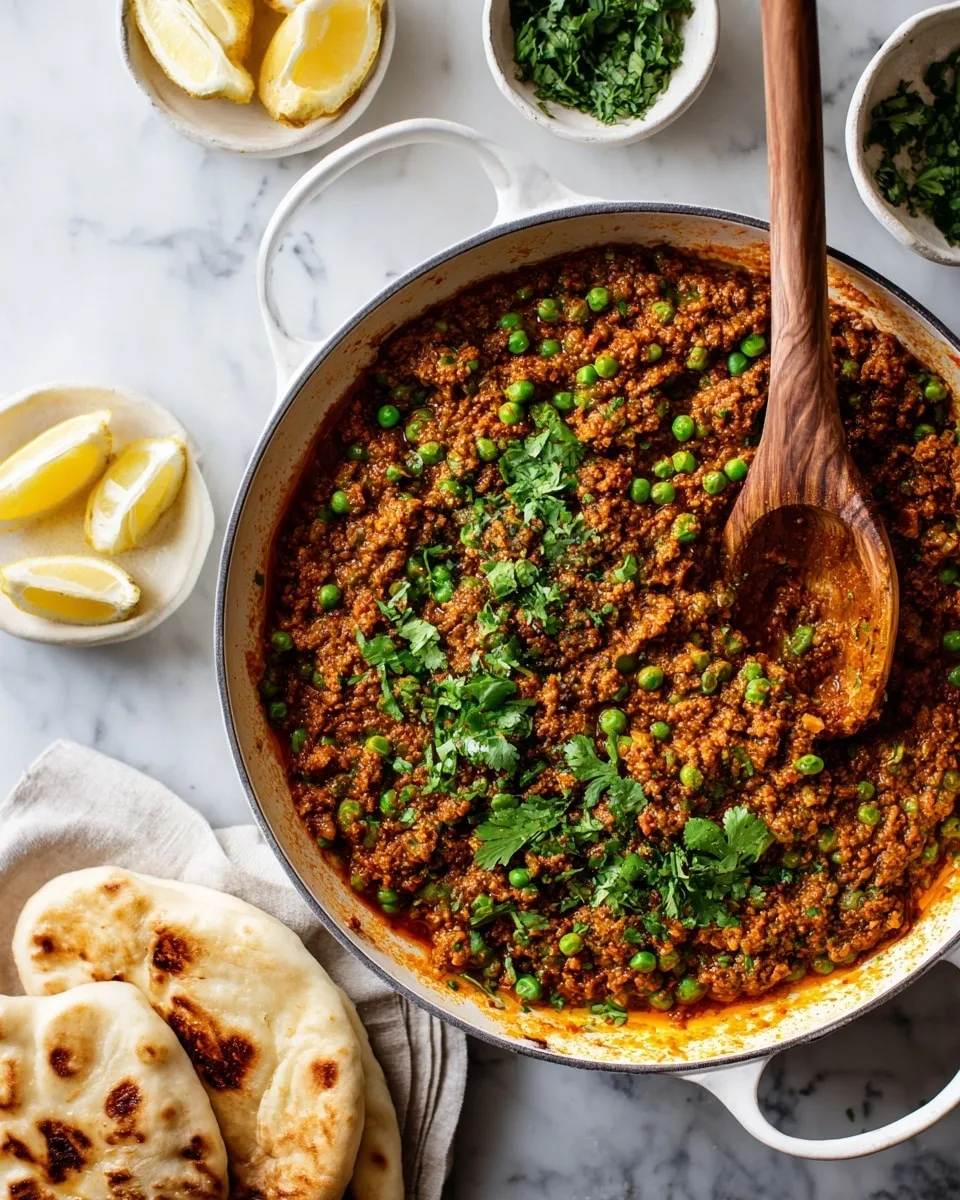
A great keema recipe starts with one question: what kind of dinner are you actually making? Because here's the thing, keema isn't one dish. It's a technique.
A framework. The same spiced mince can become a quick weeknight curry, a samosa filling, a biryani layer, or a stuffed naan. The meat you choose, the time you have, and whether you want it dry or saucy change everything downstream.
Per USDA guidelines, ground meat should reach an internal temperature of 160°F (71°C) for beef and lamb, or 165°F (74°C) for poultry. That's the one non-negotiable in any keema recipe. Everything else, the spices, the fat, the cooking time, is a variable you control based on your specific situation.
Let's walk through how to pick the right path for your night.
Image source: Bing (Web (fair-use with source credit))
Quick Answer
Keema is a South Asian minced meat curry. You brown onions, bloom whole spices in fat, cook ginger-garlic paste, then add the mince. Sear it hard before breaking it up.
Layer in tomatoes, turmeric, cumin, coriander, and garam masala. Simmer until the oil separates. Serve hot with rice, roti, or naan.
Which Keema Are You Making? A Quick Decision Guide
Before you touch a pan, answer three questions. Your answers determine the exact ingredients, cooking time, and technique you'll use.
Question 1: What meat are you using?
- Lamb or mutton: rich flavor, needs about 25-30 minutes total cooking, and you won't need extra fat.
- Chicken or turkey: lean, cooks faster (15-20 minutes), and you'll need to add oil or ghee to prevent dryness.
- Beef: bold, coarse texture, works best in dry-style keema or as a samosa filling.
- Goat: traditional but less common in Western kitchens. Needs the longest simmer, around 35-40 minutes.
Question 2: How much time do you have?
- 20 minutes: go with chicken keema, dry-style, using a shallow pan for faster evaporation.
- 30-35 minutes: lamb or beef keema, gravy-style, with a proper bhuna step.
- 45+ minutes: goat keema, or any meat if you want to do a slow-simmered version for maximum depth.
Question 3: Dry or gravy?
- Dry (sukha): the meat should hold together, not swim in liquid. Best for stuffing, sandwiches, or eating with flatbread.
- Gravy (salan): you add about a cup of water or stock per 500g of meat. Best with rice or as a sauce for naan.
If/then logic: If you're short on time, pick chicken and keep it dry. If you want the deepest flavor and have half an hour, use lamb with a proper bhuna. If you're making samosas or naan stuffing, always go dry, wet filling makes the bread soggy.
The Non-Negotiable Ingredient Setup
You can swap meats, adjust spice levels, and change the cooking time. But some ingredients are structural. Skip or substitute them poorly, and your keema won't taste right.
The keema foundation has five layers:
- Fat base: ghee for richness, neutral oil for a cleaner flavor, or a mix of both. Ghee adds that restaurant-style depth. Use 2-3 tablespoons for 500g of meat.
- Aromatics: one large onion (finely diced), 1 tablespoon ginger-garlic paste. The onion needs to cook until deep golden, not just translucent. That's 8-10 minutes of patience.
- Tomatoes: two medium tomatoes, finely chopped or pureed. Fresh tomatoes are better than canned here, they bring acidity that balances the richness of the meat.
- Whole spices: cumin seeds are non-negotiable. Bloom them in hot oil for 30 seconds before adding onions. Optional but recommended: one cinnamon stick, two cloves, one black cardamom.
- Ground spices: turmeric (½ tsp), red chili powder or Kashmiri chili (1 tsp), ground coriander (1 tbsp), garam masala (1 tbsp). Add them after the tomatoes, not before, so they cook in the acidity and don't taste raw.
One more thing: fresh cilantro and lime at the end aren't optional. They lift the entire dish. Skip them and the keema tastes flat.
The Step-by-Step Keema Method (20 to 35 Minutes)
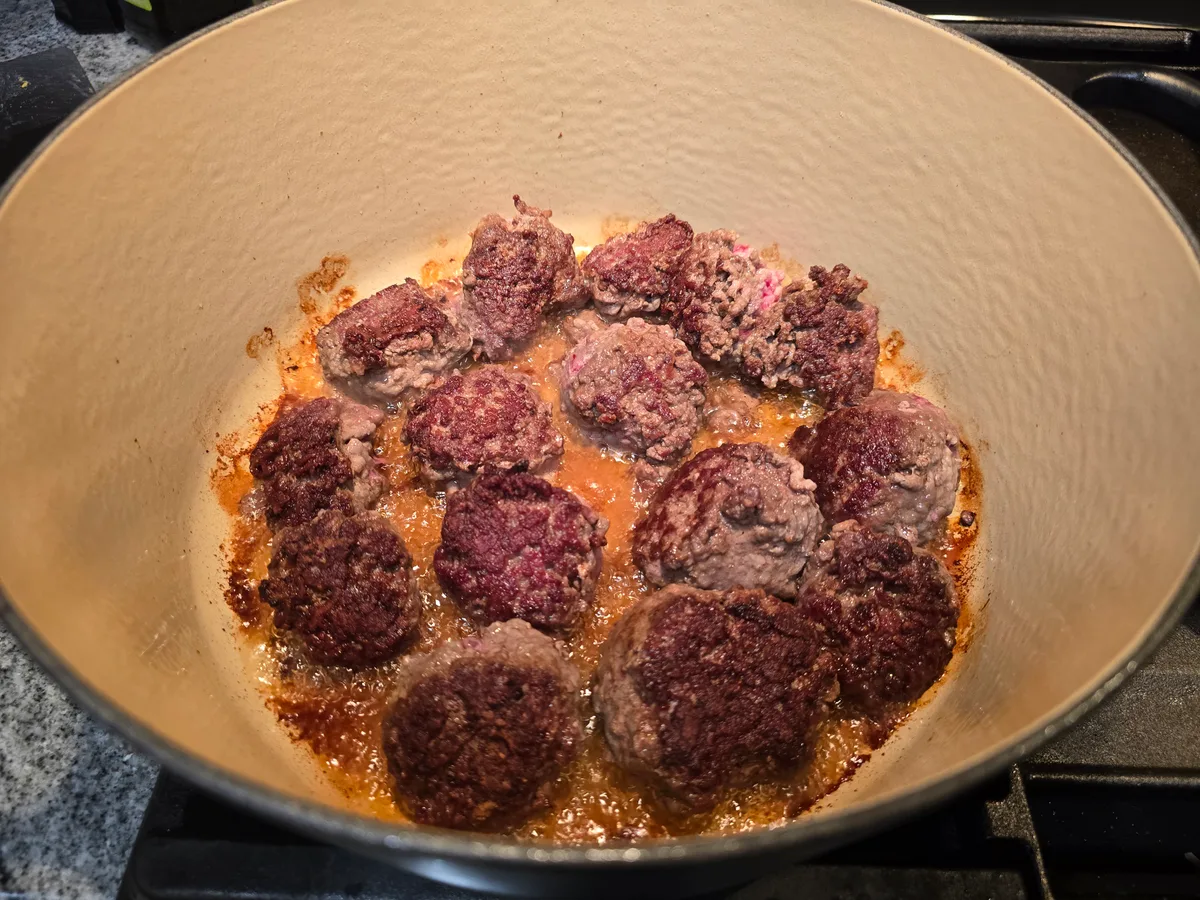
Image source: Bing (Web (fair-use with source credit))
This is the standard workflow. Adjust timing based on your meat choice.
Step 1: Bloom whole spices in hot fat (30 seconds)
Heat your pan over medium-high. Add ghee or oil. Drop in cumin seeds, cinnamon, cloves.
They should sizzle immediately, not just sit there. If the fat isn't hot enough, the spices won't release their oils and your keema will lack depth.
Step 2: Cook onions until deep golden (8-10 minutes)
Add the diced onion. Stir every minute. You want a consistent golden-brown color, not burnt edges.
Burnt onions make the keema bitter. If the pan looks dry, splash in a tablespoon of water to deglaze and keep the onions moving.
Step 3: Add ginger-garlic paste (1-2 minutes)
Stir it in. Cook until the raw smell fades. If you add it too early, the garlic burns before the onions finish.
If you add it too late, the paste stays raw and sharp.
Step 4: Sear the mince (5-7 minutes)
Add your ground meat. Here's the key: let it sit for 60-90 seconds without touching it. You want a good sear.
Then break it up with a spatula. Small, even crumbles mean better texture. Uneven chunks mean some bits dry out while others stay raw.
Step 5: Add tomatoes and dry spices (5-7 minutes)
Stir in the chopped tomatoes, turmeric, chili powder, and ground coriander. Cook until the tomatoes break down and the oil starts to separate from the masala. This is the bhuna step, it's where the flavor happens.
You'll see oil pooling around the edges of the pan. That's your signal to move on.
Step 6: Simmer and finish (5-10 minutes)
For dry keema: skip adding water. Let the meat cook in its own juices. Stir occasionally, cook uncovered until the liquid evaporates.
For gravy keema: add ½ to 1 cup of water or stock, cover, and simmer on low for 10 minutes. Finish with garam masala, fresh cilantro, and a squeeze of lime. Let the keema rest for 5 minutes off heat before serving.
Dry vs. Gravy vs. Stuffed: Choosing the Right Keema Style
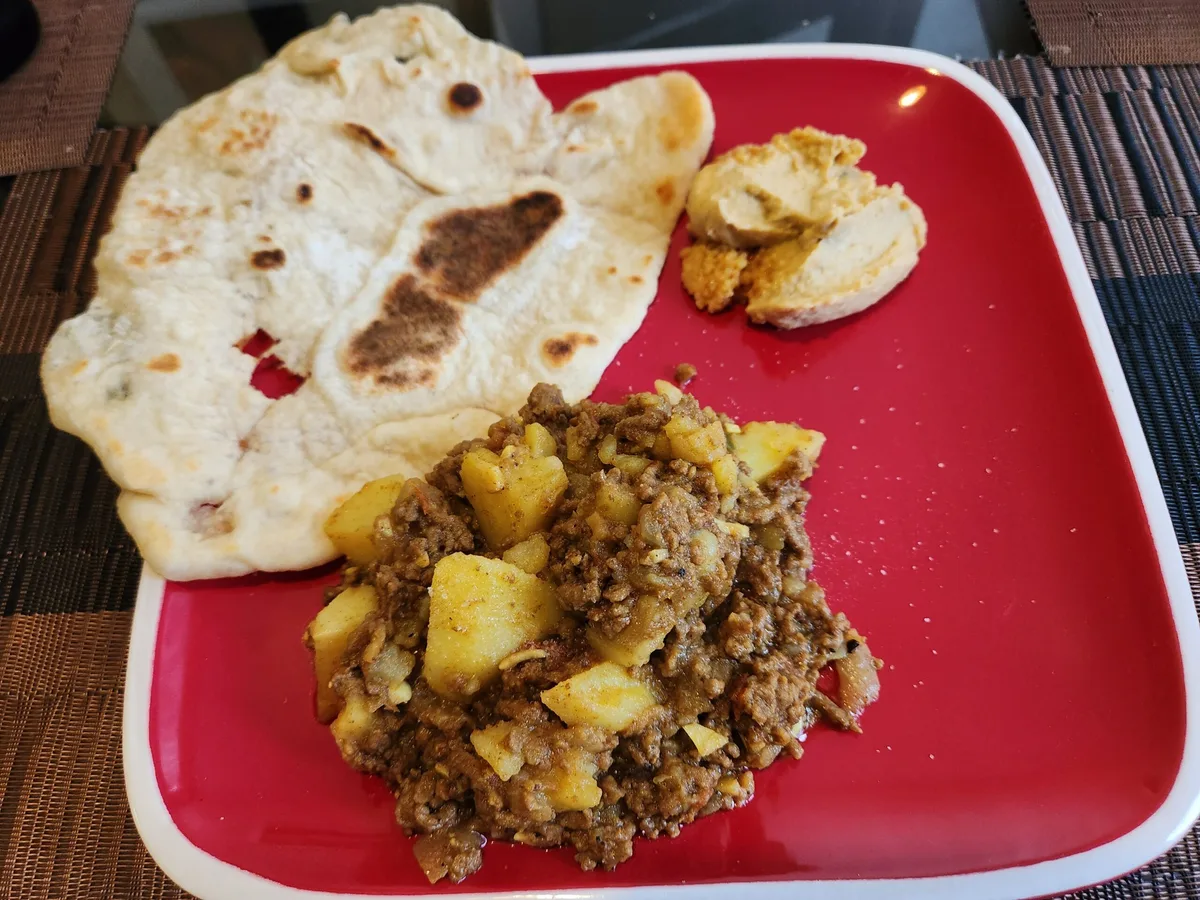
Image source: Bing (Web (fair-use with source credit))
Each style serves a different purpose. Pick the one that matches your meal.
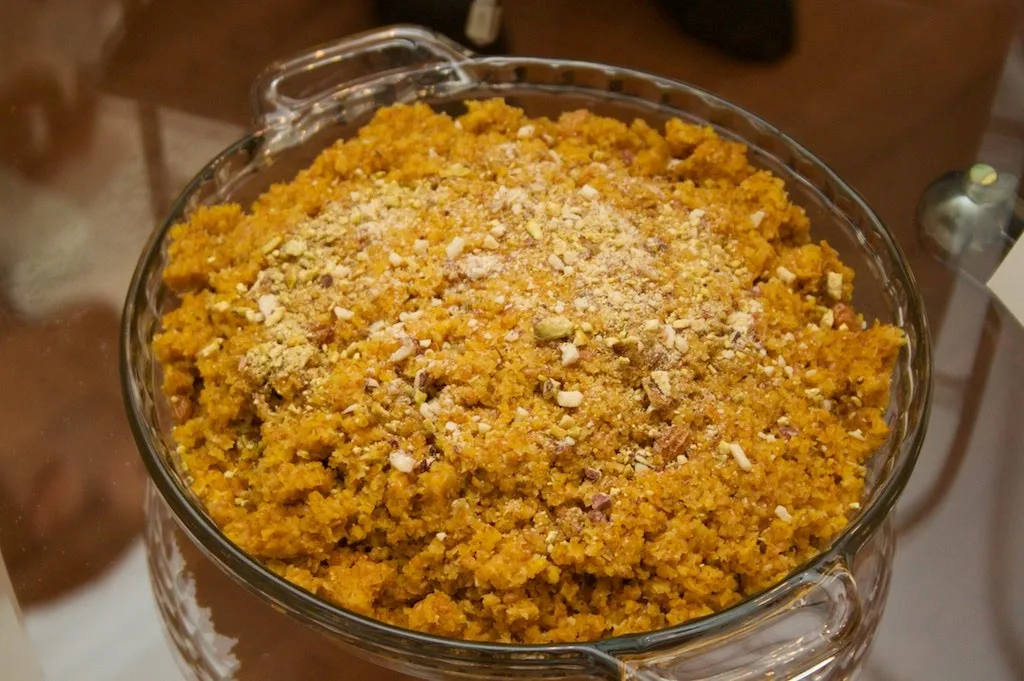
Sukha (dry) keema is the most versatile. The meat is browned deeply and cooked until nearly all liquid evaporates. The texture is crumbly, almost like a spiced ground meat.
Use it for: stuffing samosas, filling naan or parathas, topping rice bowls, or serving alongside yogurt and salad. It also freezes the best, the lack of water means fewer ice crystals and better texture after thawing. Skip the tomato puree and use finely chopped tomatoes instead.
Cook uncovered the whole time.
Gravy-style keema is for eating with rice or tearing naan through. The sauce should coat the meat without being soupy. Target about one cup of liquid per 500g of meat.
A trick from our research: add the liquid after the bhuna stage, not before. Let it simmer uncovered for the last 5 minutes to thicken. A splash of cream or yogurt at the end adds richness, but stir it in off the heat so it doesn't split.
Stuffed keema (for samosas, naan, or parathas) needs to be drier than dry-style. Cook the mince until it's almost pasty. Any moisture will steam the bread from the inside and make it soggy.
After cooking, spread the keema on a plate and let it cool completely before stuffing. Pat it with paper towels if you see any residual liquid. For samosa filling, add boiled and mashed potatoes (roughly equal volume to the meat), it extends the filling and adds structure.
The Best Meat for Keema (and Which to Avoid)
Not all ground meat works the same way. Here's what our research and aggregate user feedback shows.
| Meat | Best For | Fat Content | Cook Time | Notes |
|---|---|---|---|---|
| Lamb/mutton | Rich, traditional flavor | 15-20% | 25-30 min | Doesn't dry out easily. Best for dry-style. |
| Chicken (thigh) | Lean, quick meals | 8-10% | 15-20 min | Add 1-2 tbsp extra oil. Best for gravy-style. |
| Chicken (breast) | Low-fat, fitness-focused | 2-3% | 12-15 min | Dries out fast. Use only if you must. |
| Beef | Hearty, bold flavor | 15-20% | 20-25 min | Coarse grind preferred. Great for stuffed dishes. |
| Turkey | Lean alternative | 5-8% | 15-20 min | Add oil and avoid overcooking. Can be bland. |
| Goat | Traditional, complex | 10-15% | 35-40 min | Harder to find pre-ground. Needs longer simmer. |
What to avoid: extra-lean chicken or turkey breast (93/7 or leaner) without adding significant fat. The keema will be dry and crumbly. Also avoid pre-seasoned or flavored ground meat, it clashes with the spice mix.
Stick to plain mince with no added salt or herbs.
Grind size matters. Coarse mince (roughly 1/4-inch or 6mm) holds up better during cooking. It retains moisture and gives a more satisfying texture. Fine mince (like what you'd use for burgers) can turn pasty.
If you're buying from a butcher, ask for a coarse grind. If you're using pre-packaged meat, break it up gently rather than mashing it.
Common Keema Mistakes (and How to Fix Them)
Even experienced home cooks hit these walls. The good news? Each mistake has a simple fix once you know what to look for.
| Mistake | Why It Happens | The Fix |
|---|---|---|
| Watery keema | Tomatoes added before the meat browned | Sear the mince first, then add tomatoes |
| Bland flavor | Spices added dry, never bloomed in fat | Temper whole spices in hot ghee or oil first |
| Raw spice taste | Ground spices not cooked long enough | Cook spices in the tomato base for 2-3 minutes |
| Dry, rubbery meat | Lean mince over high heat too long | Add 1-2 tbsp oil and cook just until done |
| Burnt garlic | Ginger-garlic paste added to a too-hot pan | Lower heat, add paste with the onions |
| Greasy finish | Fatty lamb cooked without rendering | Let the fat render, then skim excess before serving |
The biggest offender is adding tomatoes too early. Acidity from tomatoes stops the browning process. If you want that deep, caramelized flavor, cook the onions completely, sear the meat hard, and only then introduce tomatoes.
Second on the list: skipping the bhuna. This technique means sautéing the masala until the oil visibly separates. Skip it, and you get a curry that tastes like a collection of spices rather than a unified dish. It takes an extra 3-4 minutes.
It's worth every second.
Pro Tips for Dhaba-Level Flavor
Dhaba-style cooking relies on restraint and patience. Here's what separates a good keema from a memorable one.
Let the oil separate before moving on. When the masala turns glossy and oil pools at the pan's edges, that's your signal the flavors have melded. It usually takes 5-7 minutes of patient stirring.
Rest the keema after cooking. Five minutes off the heat lets the spices settle and the meat absorb the gravy. You'll notice a real difference in depth.
Use Kashmiri chili for color, not just heat. It gives that rich red hue without punching up the spice level. Regular chili powder works, but you'll need less quantity.
A teaspoon of sugar isn't cheating. It balances the acidity of tomatoes and rounds out the spice profile. Add it with the garam masala at the end, never the beginning.
Fresh garnish is structural, not decorative. Cilantro, lime wedges, and thin ginger strips add brightness that cuts through the fat. Add them after plating, not during cooking.
Keema FAQs
Can I make keema ahead of time and freeze it?
Yes, and it actually improves overnight. Cool the keema completely, then store in an airtight container for up to 3 months. Thaw overnight in the fridge and reheat gently with a splash of water to restore moisture.
How do I make keema less spicy for kids?
Reduce the chili powder to ¼ teaspoon and skip the green chilies. Kashmiri chili gives color without much heat, so use it generously. Serve with a side of plain yogurt or mint chutney so everyone can adjust spice at the table.
Can I use leftover cooked meat instead of raw mince?
You can, but expect a different result. Leftover roasted or braised meat can be pulsed in a food processor to a mince-like texture. Skip the browning step and add it after the tomato masala is fully cooked.
Warm through for 5-7 minutes.
What sides go with keema?
Warm naan, roti, jeera rice, or plain steamed basmati rice. For a fuller meal, add a simple cucumber salad with lemon and red onion. Keema also works beautifully in sliders, stuffed in bell peppers, or scooped over roasted sweet potatoes.
How do I fix keema that's too salty?
Add a handful of frozen peas or a diced potato. Both absorb excess salt without changing the flavor profile. Let them simmer for 10 minutes, then remove the potato before serving.
A squeeze of lime also helps cut the saltiness.

Similar Posts