Delicious Kala Chana Recipes for Healthy Meals
Not going to waste any time here.
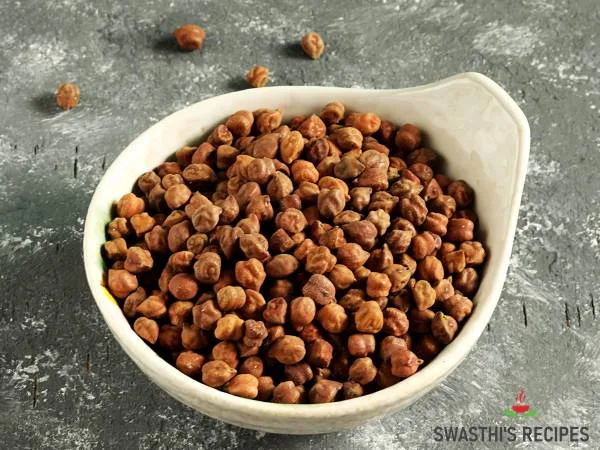
If you've ever cooked kala chana expecting it to behave like regular chickpeas, you know the letdown. Kala chana recipes demand a different approach. These dense, dark desi chickpeas need more soaking time, more cooking liquid, and a heavier hand with spices.
Treat them like their pale cousins and you're stuck with hard, undercooked beans that never quite soften.
Per USDA FoodData Central, kala chana packs about 8 grams of protein and 6 grams of fiber per 100 grams cooked. That's serious nutrition for a humble dried legume. But getting the texture right depends entirely on which cooking method and which recipe you pick.
Let's walk through what actually works, so you stop guessing.
Quick Answer
The best kala chana recipes match your available time and tools. Soaked overnight beans cook in 20 to 30 minutes. Unsoaked beans need 90 minutes or more.
Choose a curry for hearty meals. Pick roasted or sprouted versions for quick snacks.
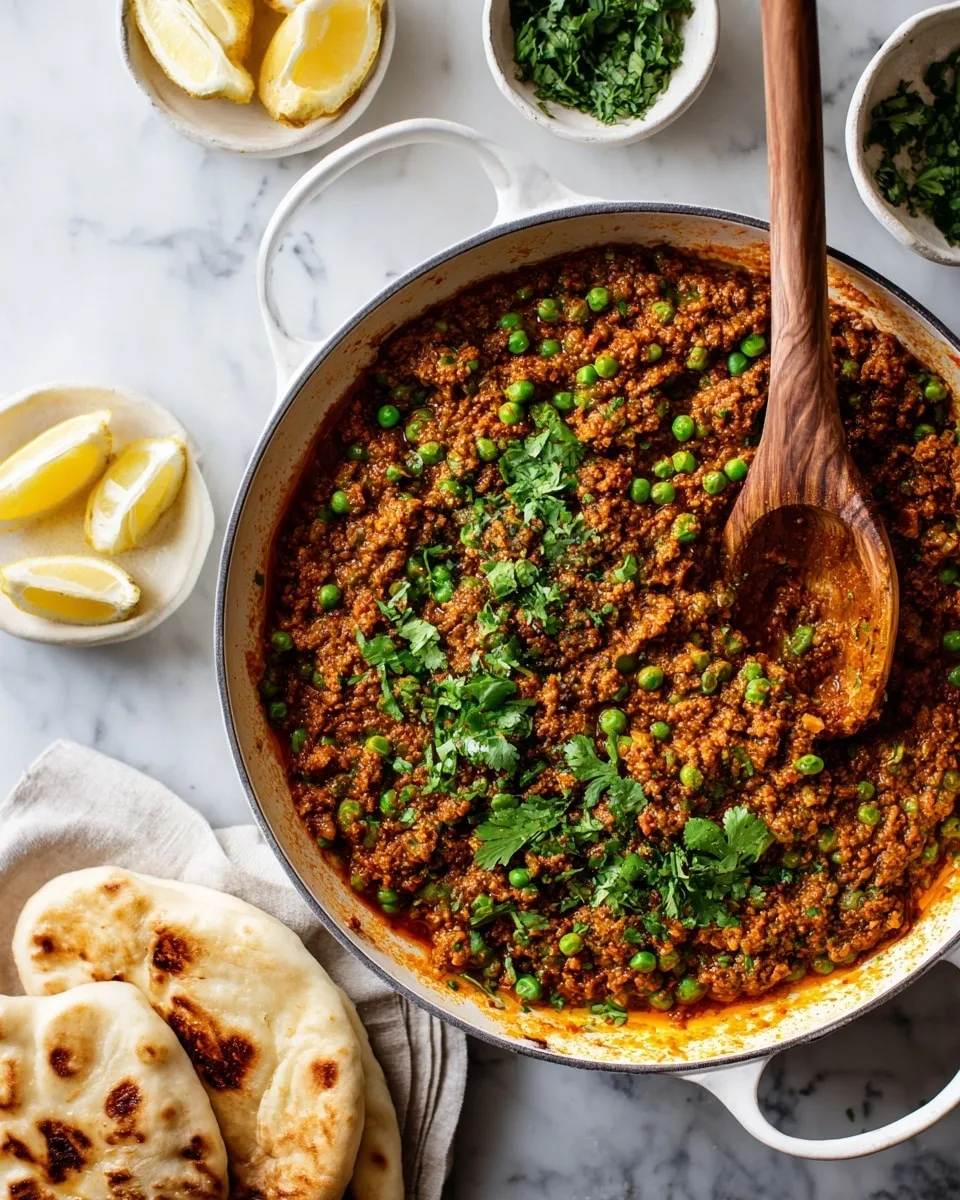
Image source: Bing (Web (fair-use with source credit))
Don't Cook Kala Chana Like Regular Chickpeas
People mess up kala chana recipes because they assume all chickpeas cook the same way. They don't.
Kala chana is a desi chickpea variety. It has a thick, dark seed coat that holds its shape through long cooking. Kabuli chickpeas (the pale ones you see in cans) have a thinner skin.
They cook faster and turn creamy quickly. Kala chana stays firmer. It stays intact.
That's a feature, not a bug.
The flavor is different too. Kala chana tastes earthier and nuttier. It smells almost like roasted gram flour when you bloom the spices.
That means you need bolder seasoning. Cumin, coriander, turmeric, amchur, and garam masala all work well. Skip the subtle stuff, this bean can take a punch.
The cooking time is the biggest surprise for most home cooks. A cup of soaked kala chana needs 20 to 30 minutes in a pressure cooker. Unsoaked, you are looking at 8 to 10 whistle cycles.
Stovetop simmering takes 45 to 60 minutes for soaked beans and over 2 hours for dry ones. Plan accordingly.
Bottom line: Respect the bean. Give it time. Season it hard.
Soaking & Cooking Method Showdown: Pressure Cooker vs. Instant Pot vs. Stovetop
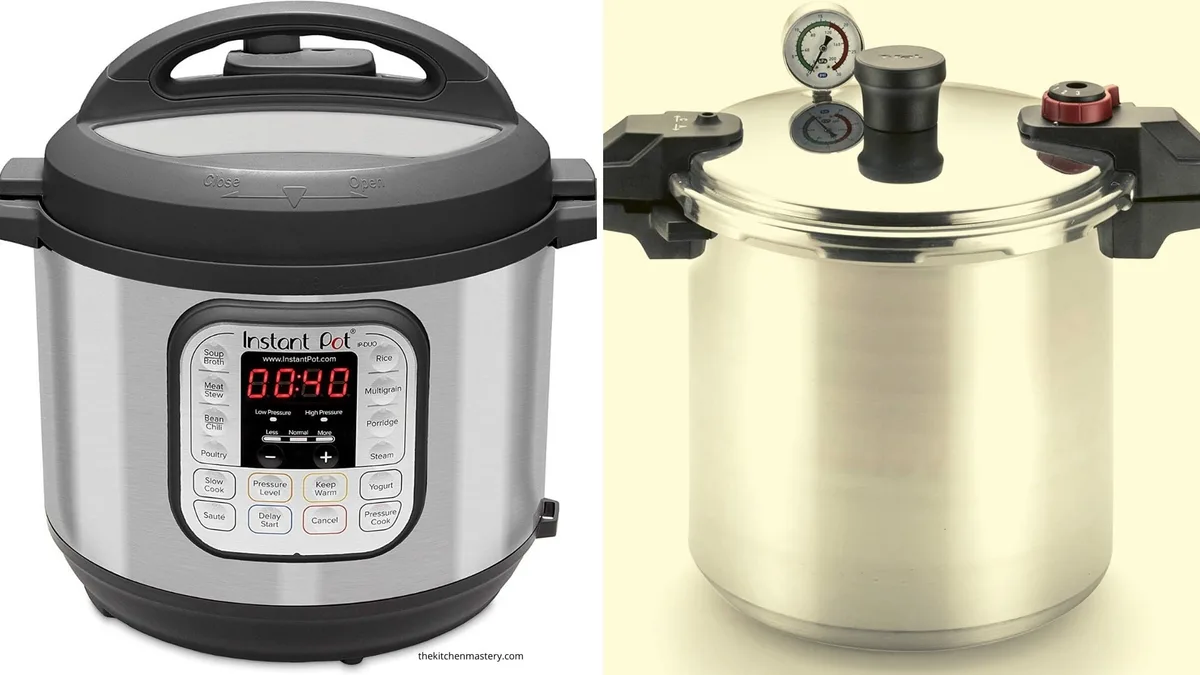
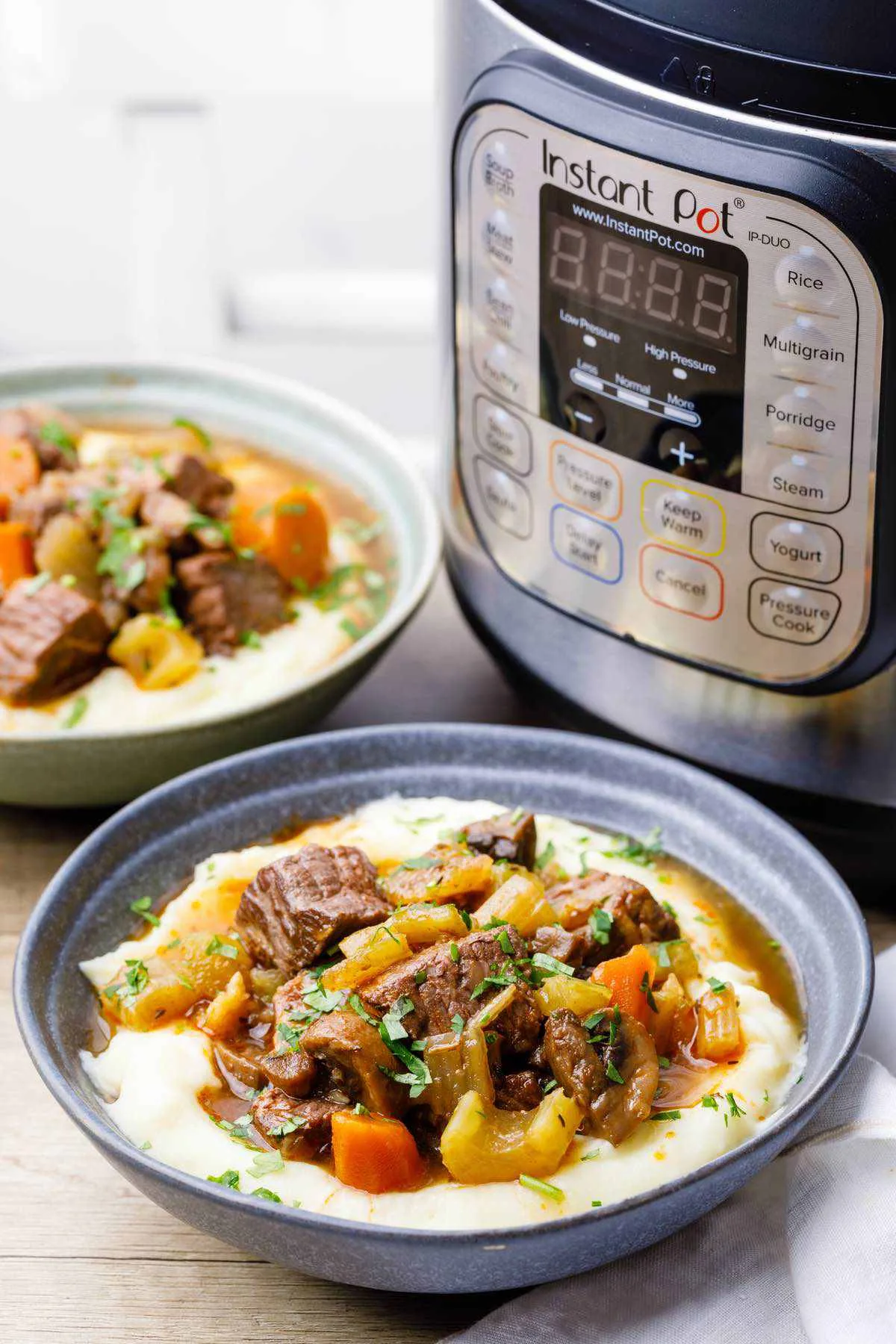
Image source: Bing (Web (fair-use with source credit))
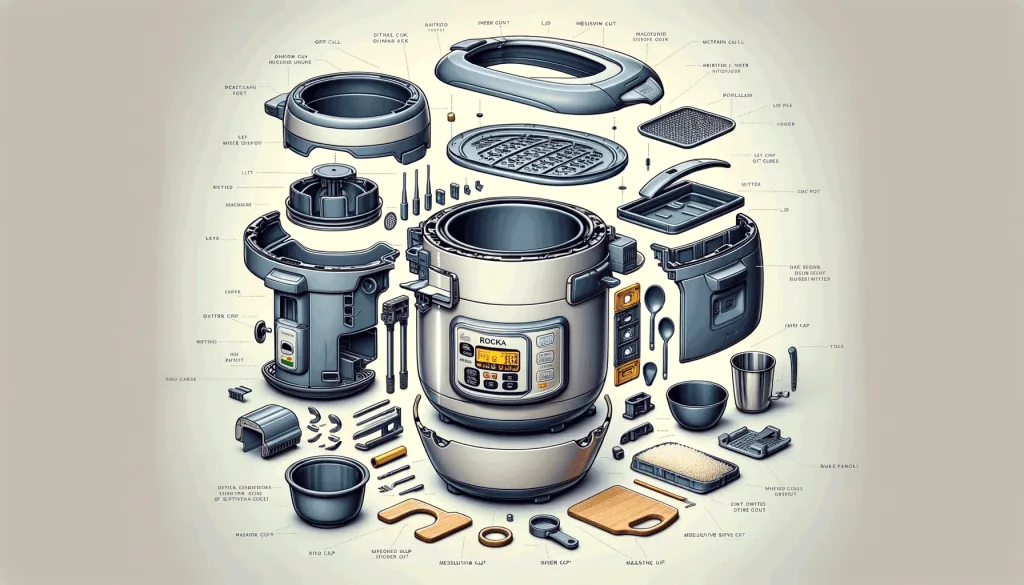
Your cooking tool changes everything. Here is how the three main options compare for kala chana recipes.
Stovetop Pressure Cooker
This is the traditional Indian kitchen workhorse. A soaked cup of kala chana cooks in 3 to 4 whistles (about 20 minutes). Unsoaked beans need 8 to 10 whistles.
The high pressure breaks down the thick skin quickly. Texture stays intact but tender. This is the fastest method if you own one.
Instant Pot / Electric Pressure Cooker
Same principle, different timing. Soaked kala chana needs 20 to 30 minutes on manual high pressure with natural release. Unsoaked beans need 35 to 45 minutes.
Natural release for 10 to 15 minutes matters here, quick release can splatter hot liquid everywhere. The texture comes out a bit softer than a stovetop cooker.
Stovetop Simmering (No Pressure)
This works but takes patience. Soaked beans simmer in 45 to 60 minutes. Unsoaked beans take 2 to 2.5 hours.
You need to check water levels every 20 minutes and stir occasionally. The upside is more control over texture. The downside is you cannot walk away.
| Method | Soaked Time | Unsoaked Time | Texture |
|---|---|---|---|
| Stovetop pressure cooker | 20 min | 45–55 min | Firm-tender |
| Instant Pot | 25–30 min | 35–45 min | Softer, intact |
| Stovetop simmer | 45–60 min | 2–2.5 hours | Most control |
Which one wins? The stovetop pressure cooker for speed. The Instant Pot for set-it-and-forget-it convenience. Stovetop simmering only if you lack both.
Overnight Soak vs. Hot-Soak Method
Soaking is not optional. Overnight soak (8 to 10 hours in cool water) is the gold standard. It softens the beans evenly and reduces cooking time by half.
The hot-soak method works in a pinch. Boil water, pour it over dry kala chana, and let it sit for 1 hour off the heat. It softens the outer layer but does not hydrate the center fully.
You will need slightly longer cooking time.
Rule of thumb: Always soak. If you forgot, use the hot-soak method. Never cook kala chana bone dry, you will hate the result.
Pick a Recipe Based on Your Real Situation
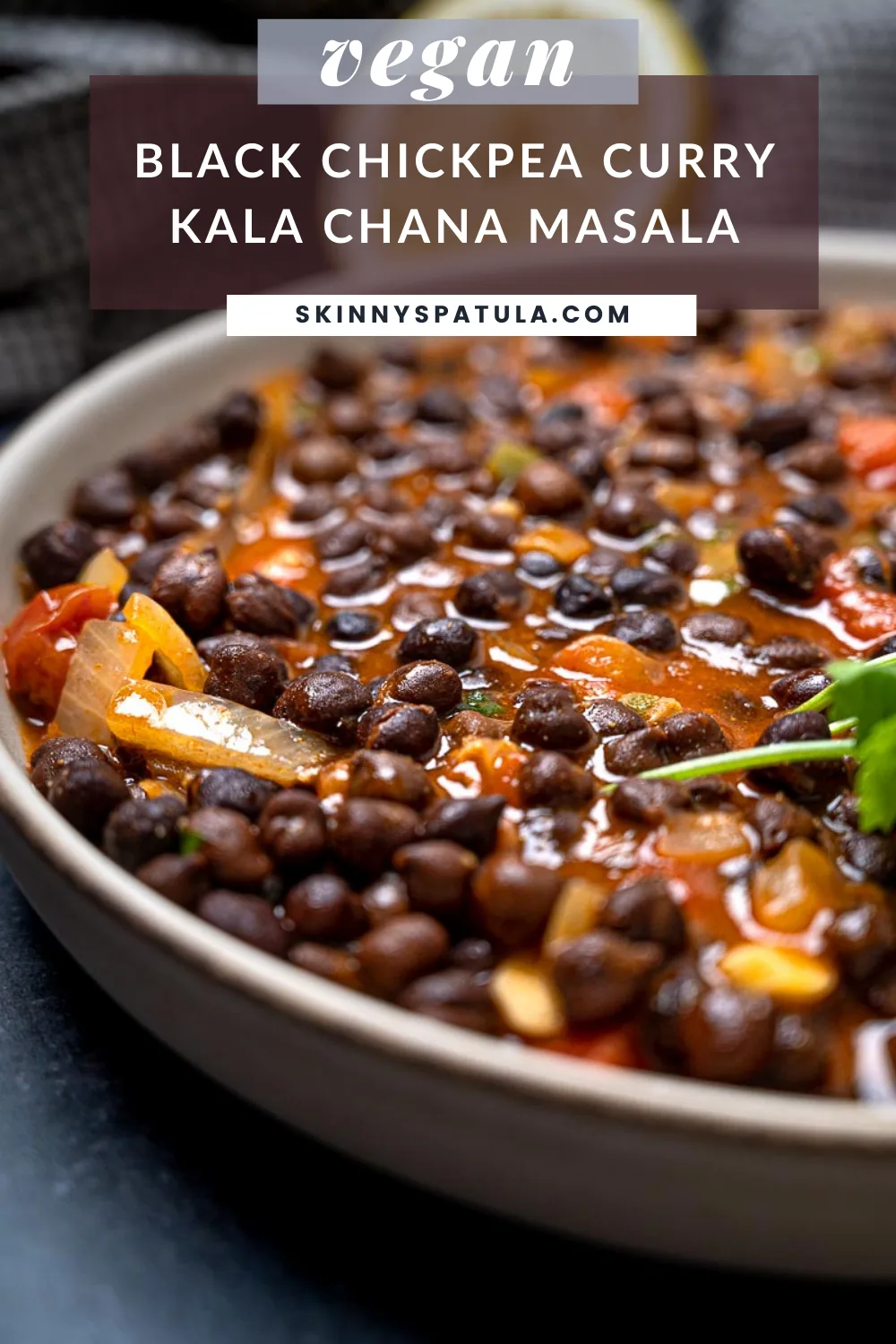
Image source: Bing (Web (fair-use with source credit))
Not all kala chana recipes suit every evening. Here is how to choose based on time, energy, and what you are hungry for.
Kala Chana Masala / Kadala Curry — Hearty, Saucy, Weekend-Friendly
Best for: A proper dinner with rice or roti. This is the classic. You build a gravy with onions, tomatoes, ginger, garlic, and a spice blend.
Then you simmer the cooked kala chana in that gravy until the flavors fuse.
Time investment: 45 minutes to 1 hour if beans are already soaked and cooked. Pressure cook the beans first, then build the masala separately. Do not try to cook raw beans in the gravy, they will not soften evenly.
The trick: Bloom your whole spices in hot oil before adding onions. Cumin seeds, a dried red chili, and a pinch of asafoetida make a huge difference.
Kala Chana Chaat / Sundal — Quick, Tangy, Street-Food Energy
Best for: A 20-minute fix after a long day. Use pre-cooked kala chana (leftover or thawed from frozen). Toss it with chopped onion, tomato, green chili, lemon juice, chaat masala, and fresh coriander.
Sundal is the South Indian version. Stir cooked kala chana with grated coconut, mustard seeds, curry leaves, dried red chili, and a pinch of sugar. Takes 10 minutes flat.
These recipes work with soaked-and-cooked beans. They do not work with raw beans.
Roasted Kala Chana — Crunchy Snack, Minimal Prep
Best for: A desk snack or hiking fuel. Soak the beans overnight. Drain them completely.
Pat dry with a kitchen towel. Toss with oil, salt, and any spice you like. Roast at 375°F for 30 to 40 minutes, shaking the pan halfway.
The beans turn crunchy on the outside and stay slightly chewy inside. They keep for 2 weeks in an airtight container. Our research shows these hold up better than store-bought roasted snacks with fewer additives.
Sprouted Kala Chana Salad — Fresh, Raw, Meal-Prep Hero
Best for: A no-cook lunch when the kitchen is too hot. Soak kala chana for 8 hours. Drain and wrap in a clean muslin cloth.
Rinse and drain twice a day. Sprouts appear in 24 to 48 hours.
Rinse the sprouts well. Toss with cucumber, tomato, lemon, and a pinch of black salt. Eat within 24 hours for safety.
Warning: Raw sprouts carry a risk of bacterial growth. People with weakened immune systems should avoid raw sprouts or blanch them first.
How to Cook Kala Chana Perfectly Every Time: The Universal Steps
These steps work for any kala chana recipe. Master them once and you never need to guess again.
Sorting, Rinsing, and Soaking Without Overthinking
Start with one cup of dry kala chana. Spread it on a plate. Pick out any shriveled beans, small stones, or debris.
This takes 30 seconds. Do not skip it.
Rinse the beans under cold water in a sieve until the water runs clear. Then transfer to a large bowl. Cover with water by at least 3 inches, the beans swell to triple their size.
For the overnight soak: leave at room temperature for 8 to 10 hours. For the hot-soak method: boil water, pour it over the beans, and let it sit for 1 hour.
Pro tip: Add a pinch of baking soda to the soaking water. It softens the skin and reduces cooking time by about 5 minutes. Rinse well before cooking to avoid a soapy taste.
Getting the Water Ratio and Doneness Test Right
One cup of dry kala chana becomes about 2.5 to 3 cups after cooking. The cooking liquid ratio goes like this:
- Pressure cooker with soaked beans: 2.5 cups water per 1 cup dry beans
- Pressure cooker with unsoaked beans: 3 to 3.5 cups water per 1 cup dry beans
- Stovetop simmer with soaked beans: 3 cups water, plus extra as it evaporates
- Instant Pot with soaked beans: 2.5 cups water, natural release keeps the liquid in
The doneness test is simple. Press a bean between your thumb and forefinger. It should smash easily with no hard center. If it resists, cook another 5 minutes and test again.
Overcooked kala chana turns mushy, so check early.
Tempering and Blooming Spices for Deep Flavor
Tempering (tadka or chaunk) makes the difference between flat and fantastic kala chana recipes. Heat 2 tablespoons of oil or ghee in a pan. Add 1 teaspoon of cumin seeds and a pinch of asafoetida.
Let the cumin sizzle for 10 seconds.
Add finely chopped onion. Cook until golden brown. That takes about 8 minutes.
Then add ginger-garlic paste and green chili. Cook for 1 minute. Add tomato and cook until it breaks down into the oil.
Now add your ground spices: turmeric, coriander, cumin powder, and a pinch of garam masala. Stir for 30 seconds until fragrant. This is blooming.
It releases the volatile oils that carry flavor.
Final touch: Stir in a teaspoon of amchur (dry mango powder) at the end. Or squeeze half a lemon. The acidity brightens the whole dish.
The 7 Biggest Kala Chana Recipe Mistakes (And How to Fix Them)
Even experienced cooks mess these up. Here is what goes wrong and how to fix each one.
Mistake 1: Not Soaking Long Enough
Kala chana has a thicker seed coat than regular chickpeas. A 4-hour soak is not enough. Eight hours is the minimum.
Twelve hours is better. If you skip soaking, expect 2-plus hours of stovetop cooking.
Fix: Plan ahead. Set a reminder the night before. Or use the hot-soak method as a backup.
Mistake 2: Cooking Unsoaked Beans in a Gravy
You dump dry kala chana straight into a tomato-based curry and simmer. Two hours later, the beans are still hard and the sauce has burned. This is the most common fail.
Fix: Cook the beans separately until tender. Then add them to the gravy. Always.
Or pressure cook unsoaked beans in plain water first.
Mistake 3: Underseasoning
Kala chana tastes bland if you treat it like canned chickpeas. It needs salt during cooking (about 1 teaspoon per cup of dry beans) and bold spices after.
Fix: Season the cooking water with salt. Add amchur, black salt, or lemon juice at the end. Taste and adjust in layers.
Mistake 4: Overcooking Until Mushy
You walk away for too long. The beans split and turn to sludge. Kala chana holds its shape better than regular chickpeas, but it still has a limit.
Fix: Set a timer. Check for doneness 5 minutes before you think it is ready. Mushy beans cannot be un-mushy.
Mistake 5: Using Too Little Water in the Pressure Cooker
Dry beans absorb a lot of liquid. Using just enough water means the cooker runs dry, the beans scorch, and you get a burnt mess.
Fix: Use 3 cups of water for every cup of dry beans. For soaked beans, 2.5 cups is fine. If in doubt, add an extra half cup.
Mistake 6: Quick Releasing an Instant Pot With Kala Chana
Hot foamy bean water shoots out the steam valve. It splatters your counter and risks burns. Kala chana creates more starch foam than regular chickpeas.
Fix: Always use natural release for 10 to 15 minutes. Then do a quick release for any remaining pressure. Or let it release fully on its own.
Mistake 7: Skipping the Tadka
You boil the beans, dump in some spice powder, and call it a day. The result is one-dimensional and boring. Tempering is not optional for most kala chana recipes.
Fix: Take the extra 10 minutes. Heat oil, crackle cumin seeds and dried chili, fry onions until brown, and bloom the spices. It makes the difference between a dish you eat and a dish you crave.
Kala Chana Recipe FAQs
Do I really need to soak them?
Yes. Soaking for 8 hours cuts cooking time in half and softens the thick seed coat. It also reduces gas-causing oligosaccharides.
No soak means over 2 hours of simmering and a tougher texture. Soak overnight and thank yourself later.
Can I use canned chickpeas instead?
Not really. Canned chickpeas are kabuli chana, a pale, creamier bean with a mild taste. Kala chana stays firm and tastes nuttier.
You can substitute in a pinch, but the dish loses its character. The curry will also cook faster than expected.
Why is my kala chana still hard after cooking?
You likely undercooked it or used old beans. Fresh beans soften predictably. Older pantry beans can take twice as long.
Test by pressing a bean between your thumb and forefinger. It should smash easily with no hard center. If not, cook another 5 minutes and test again.
How long does cooked kala chana last?
Cooked kala chana keeps up to 4 days in an airtight container in the fridge. It also freezes well for 3 months. Freeze in portions with a little cooking liquid to keep it moist.
Thaw overnight before reheating.
Final Verdict: Match the Recipe to Your Day
There's no single best kala chana recipe. The right choice depends on your time, tools, and hunger level. Here's the quick-reference guide.
| Recipe | Best For | Time Invested |
|---|---|---|
| Kala Chana Masala | Weekend dinner | 45 min plus prep |
| Chaat / Sundal | Quick weeknight fix | 20 minutes |
| Roasted Snack | Meal prep, desk snack | 40 minutes |
| Sprouted Salad | No-cook summer lunch | 24–48 hours sprouting |
Start with the recipe that fits tonight's schedule. Once you master soaking and cooking, every other kala chana recipe becomes easy. The beans do the heavy lifting.
You just give them time.

Similar Posts