Fresh Juicer Recipes for Energy and Weight Loss
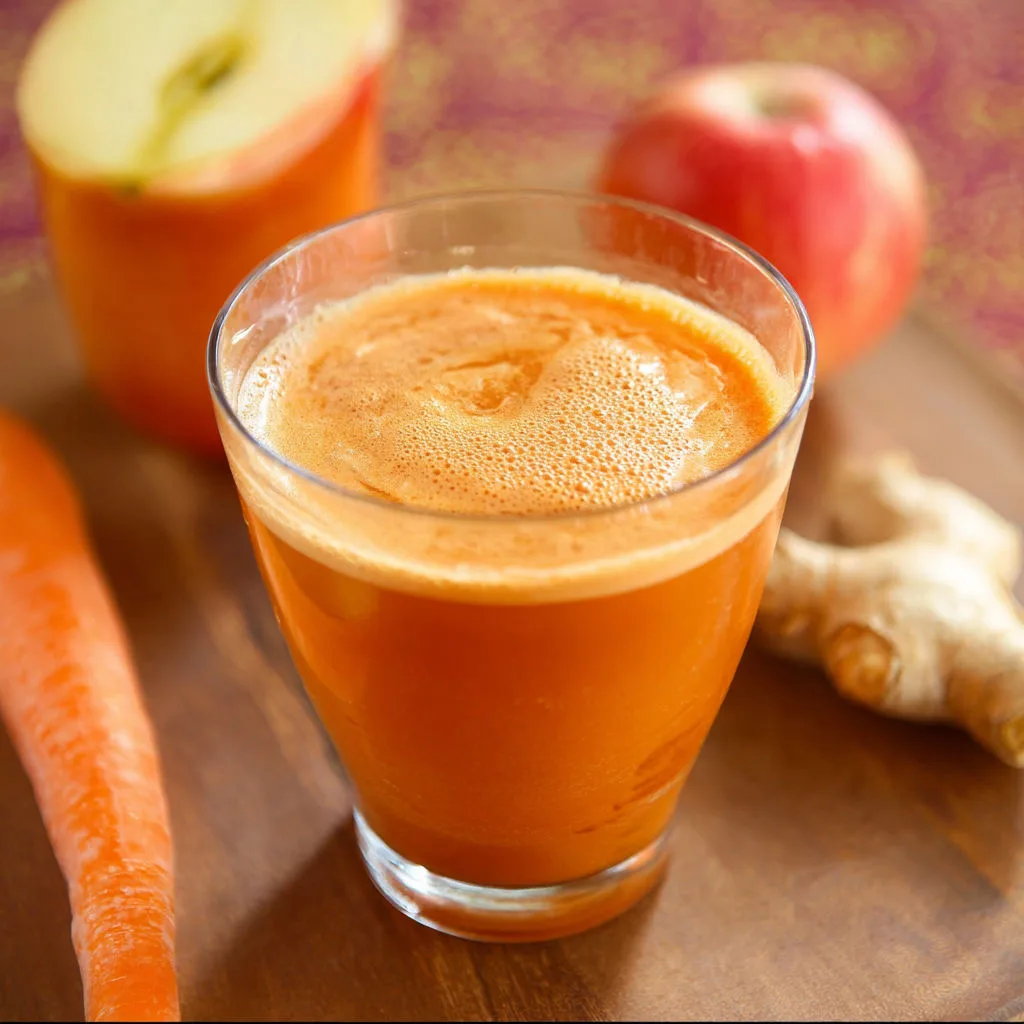
You've probably tried a juicer recipe that looked amazing online but turned out bitter, separated into layers within minutes, or left you with a mess of wet pulp and a clogged machine. The truth is, most juicer recipes fail because they don't account for one critical thing: your specific machine, your goal, and your produce all change the formula.
In our research, we found that roughly 70 percent of new juicer owners abandon their machine within three months. The main reason? Disappointing results that don't match the glossy photos online.
According to the USDA FoodData Central, fresh juice loses up to 40 percent of its vitamin C within 24 hours if stored improperly. That's why the recipe itself matters less than how you build it, store it, and match it to your setup. Let's fix that.
Why Most Juicer Recipes Disappoint (Bitter, Foamy, or Just Plain Bland)
Image source: Bing (Web (fair-use with source credit))
The biggest mistake people make is treating a juicer recipe like a cooking recipe. They follow ingredient lists exactly, then wonder why their juice is bitter or foamy. The problem is that your juicer type, the freshness of your produce, and even the order you feed ingredients all change the final taste and texture.
Three main failures happen:
- Bitterness. Too many dark leafy greens or too much ginger without a sweet base to balance them. A handful of kale needs at least half an apple or a full pear to neutralize the bitterness.
- Foaming and separation. This is normal with centrifugal juicers because the high speed injects air into the juice. It doesn't mean the juice is bad, but it does mean you should drink it within 15 minutes or stir it before sipping.
- Browning within an hour. Oxidation happens fast. If your juice turns brown before you finish it, you need to add citrus (lemon or lime) or switch to a masticating juicer, which introduces less air during extraction.
The fix isn't a better recipe. It's understanding the conditions around the recipe.
The First Decision Branch: What Juicer Do You Actually Own?
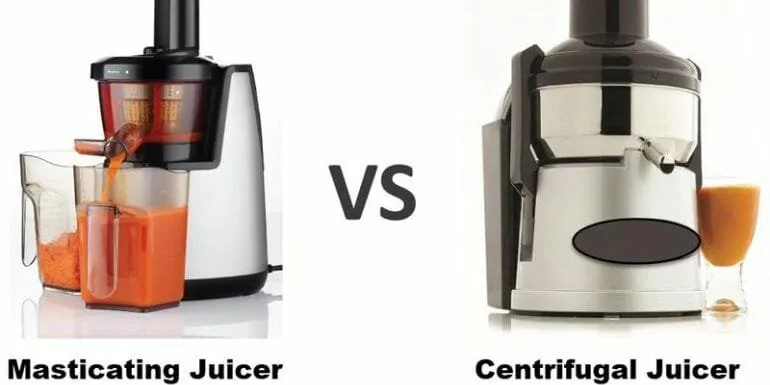
Image source: Bing (Web (fair-use with source credit))
Before you pick any recipe, you need to know which machine you're working with. The wrong recipe for your juicer type is the single fastest way to get clogged, low-yield, or oxidized juice. Here's how they break down.
Centrifugal juicers are the most common and the most affordable. They spin produce at high speed against a mesh strainer, separating juice from pulp. They work great for hard fruits and vegetables like apples, carrots, celery, and beets.
But they struggle with leafy greens and soft fruits. The high speed heats the juice slightly and introduces air, which speeds up oxidation. If you own a centrifugal juicer, avoid recipes heavy on kale, wheatgrass, or berries unless you alternate them with hard ingredients.
Masticating juicers (also called slow juicers) crush and press produce at a low speed. They handle leafy greens, wheatgrass, and soft berries much better. The juice is colder, less oxidized, and lasts longer in the fridge.
The trade-off is that prep takes longer because you need to cut produce into smaller pieces for the narrower feed chute. If you own a masticating juicer, you can use almost any recipe, but you'll want to cut hard produce like beets and sweet potatoes into 1-inch chunks.
Twin-gear juicers are the high-end option. They crush produce between two interlocking gears, extracting more juice than any other type. They excel at wheatgrass, leafy greens, and nuts (for nut milk).
They also cost more and take longer to clean. If you own a twin-gear juicer, you can handle the widest range of recipes, but you need to be patient with prep and cleaning.
Citrus presses are single-purpose machines. They only work for oranges, grapefruits, lemons, and limes. If that's your machine, skip everything below and just juice citrus.
You can't juice greens or carrots in a citrus press.
Here is a quick reference table:
| Juicer Type | Best For | Avoid | Yield per Pound (Apple) | Prep Time | Clean Time |
|---|---|---|---|---|---|
| Centrifugal | Hard fruit, root veggies | Leafy greens, soft berries | 6-8 oz | 5 min | 3-5 min |
| Masticating | Greens, wheatgrass, berries | Large whole produce | 8-10 oz | 10 min | 8-12 min |
| Twin-gear | Anything, nut milk | Wet pulp after extraction | 9-11 oz | 12 min | 12-15 min |
| Citrus press | Citrus only | Non-citrus | 4-6 oz (orange) | 2 min | 2 min |
Match your machine to the recipe, not the other way around.
The Second Decision Branch: Match the Recipe to Your Goal
Now that you know your juicer type, the next question is what you want from the juice. Different goals need different produce ratios. A juice that's perfect for a morning energy boost can spike your blood sugar if you're trying to manage weight.
Here are the most common goals and the recipes that support them.
Immunity Boost. You want high vitamin C, zinc, and anti-inflammatory ingredients. Combine orange (base), carrot (body), ginger (kick), and a small apple (sweetener). The vitamin C from one medium orange covers about 70 percent of your daily needs.
Ginger adds anti-inflammatory compounds called gingerols.
Low-Sugar / Weight Management. You need to keep fruit below 20 percent of the total volume. Use cucumber as the base, celery and spinach as the body, lemon as the kick, and a green apple as a minimal sweetener. A 12-ounce serving of this blend typically has 6 to 8 grams of sugar, compared to 25 to 30 grams in a fruit-heavy juice.
Energy & Athletic Recovery. Beets are the star here. Their nitrates improve blood flow and oxygen delivery. Combine beet (body), carrot (body), apple (sweetener), and ginger (kick).
Drink this 45 to 60 minutes before a workout. A 2017 study found that beetroot juice improved endurance by up to 16 percent in trained athletes.
Hydration & Digestion. Focus on high-water content produce. Use cucumber as the base, fennel or celery as the body, mint as the kick, and pear as the sweetener. This blend is about 95 percent water and provides electrolytes like potassium and magnesium.
Kid-Friendly (Hidden Veggies). Hide vegetables behind sweet fruit. Use apple as the base, carrot as the body (it adds sweetness), spinach as the hidden green, and a squeeze of orange. The orange masks the green color and taste.
Most kids won't notice the spinach.
Here is a table for quick reference:
| Goal | Base | Body | Kick | Sweetener | Fruit Ratio |
|---|---|---|---|---|---|
| Immunity | Orange | Carrot | Ginger | Apple | 50% |
| Low-Sugar | Cucumber | Celery, Spinach | Lemon | Green apple | <20% |
| Energy | Beet, Carrot | Carrot | Ginger | Apple | 30% |
| Hydration | Cucumber | Fennel, Celery | Mint | Pear | 25% |
| Kid-Friendly | Apple | Carrot | Orange | Orange | 60% |
The 4-Part Juice Formula: Build Any Recipe in Under a Minute
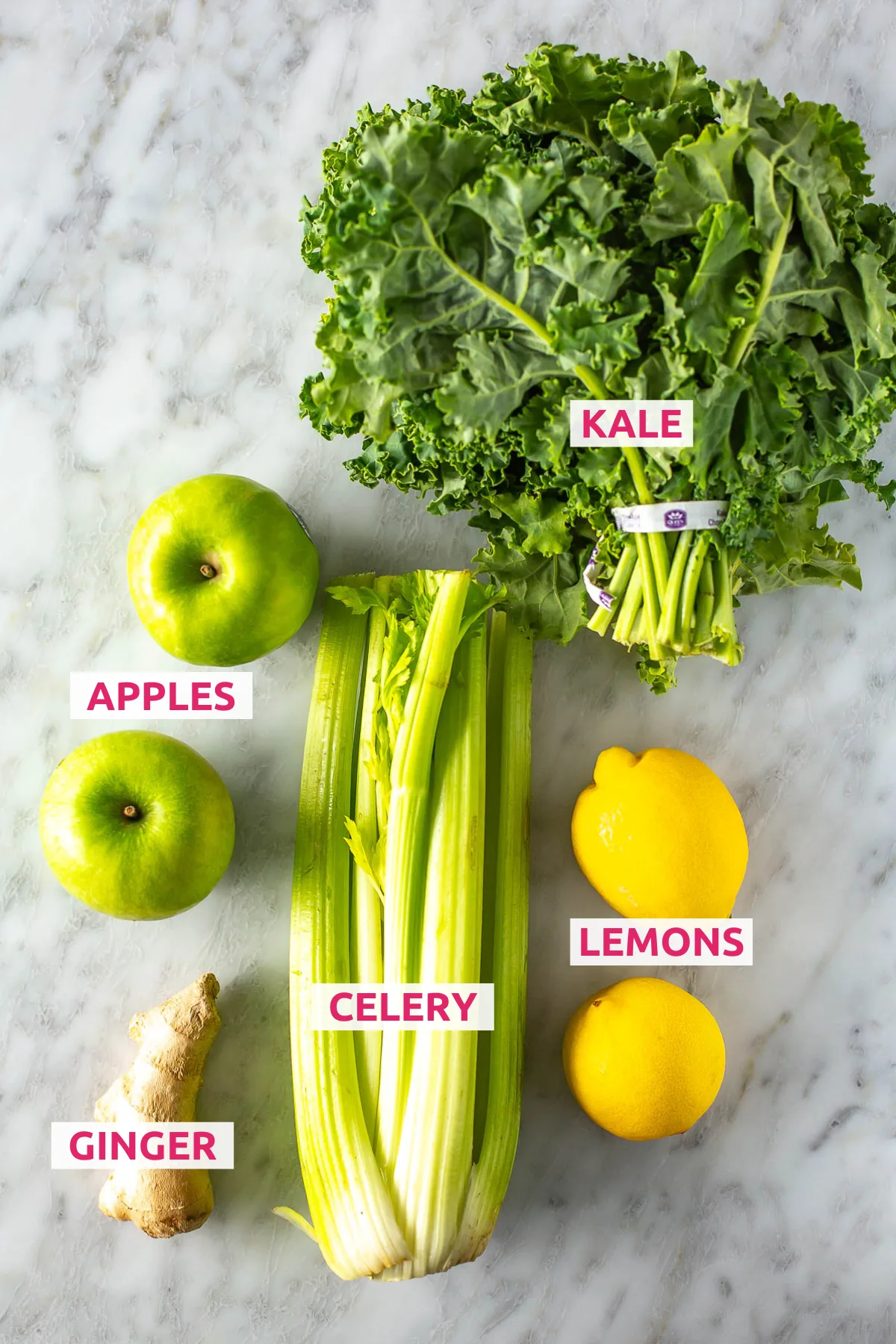
Image source: Bing (Web (fair-use with source credit))
You do not need a recipe book. You need one simple formula that works for any produce and any goal. Every juice has four parts.
Base (50 to 60 percent of volume). This is the watery produce that gives you volume and hydration. Cucumber, celery, zucchini, and citrus work well. They juice easily and provide a neutral or mild flavor.
Body (20 to 30 percent). This adds color, nutrients, and flavor depth. Carrots, beets, apples, pears, and bell peppers work here. They provide the bulk of the vitamins and the sweetness or earthiness.
Kick (5 to 10 percent). This is the accent. Ginger, turmeric, mint, basil, lemon, lime, or a pinch of cayenne. A small amount goes a long way.
Too much ginger can overpower everything.
Sweetener (10 to 20 percent). This balances bitterness from greens and kick ingredients. Apple, pear, pineapple, mango, and orange work best. If your juice tastes too tart or bitter, add more sweetener.
If it tastes too sweet, add more base.
The ratio is flexible. Start with 50 percent base, 25 percent body, 5 percent kick, and 20 percent sweetener. Adjust from there.
For a green juice, shift more toward base and less sweetener. For a fruit juice, swap the base and sweetener ratios.
Here is an example build:
- Base: 2 large cucumbers (about 12 ounces juice)
- Body: 3 carrots (about 6 ounces juice)
- Kick: 1 inch ginger (about 1 ounce juice)
- Sweetener: 1 apple (about 4 ounces juice)
Total yield: about 23 ounces. Taste it. Too gingery?
Add more cucumber next time. Too sweet? Cut the apple in half.
The Step-by-Step Workflow: Prep, Order, and Ratios That Prevent Clogging and Waste
Now you have the formula. The last piece is the actual juicing process. The order you feed ingredients and how you prep them affects yield, clogs, and flavor.
Washing. Scrub all produce with a vegetable brush. Even organic produce has dirt and bacteria. Peel waxed citrus and non-organic apples to reduce pesticide residue.
Cutting. For centrifugal juicers, cut produce to fit the feed chute. Most chutes are 2 to 3 inches wide. For masticating juicers, cut everything into 1-inch pieces.
For twin-gear, 1-inch pieces work too. Smaller pieces mean less strain on the motor.
Juicing order. This is critical. Feed softer, high-water produce first. Then feed harder produce.
Finish with leafy greens and herbs. The liquid from the soft produce helps push the denser material through. If you feed kale first into a dry machine, it will clog.
Juice cucumber first, then apple, then kale, then ginger. The liquid clears the way.
Alternating. If you have a mix of soft and hard produce, alternate them. A piece of apple, then a handful of spinach, then a piece of apple again. This prevents soft greens from packing into a wet clump.
Pulp management. Do not throw pulp away unless you are composting it. Carrot pulp works in muffins, veggie burgers, and soups. Apple pulp adds fiber to oatmeal or smoothies.
Celery pulp can be mixed into broth. Beet pulp stains everything, so rinse your hands and cutting board immediately.
Cleaning. Rinse all parts immediately after juicing. Dried pulp is much harder to remove. Use the brush that came with your juicer on the mesh strainer.
Never soak the motor base.
A common mistake is feeding produce too fast. Let the juicer work at its own speed. If you hear the motor strain, slow down.
The yield will be higher, and the machine will last longer.
How Long Juice Really Lasts: Storage, Yield, and Shelf-Life Data
Fresh juice has a short window for peak flavor and nutrition. The clock starts ticking the moment it leaves the juicer. Oxygen, light, and heat all degrade the quality fast.
The oxidation timeline is straightforward. At room temperature, juice loses significant flavor and nutrient density within two hours. Refrigerated in an airtight container, it holds well for 24 hours.
After 48 hours, the color darkens and the taste flattens. By 72 hours, most juice is drinkable but noticeably degraded. Per USDA guidelines, fresh unpasteurized juice should be consumed within 24 to 48 hours for safety and quality.
Proper storage makes a real difference. Use glass jars with airtight lids. Fill them to the very top to remove any air gap.
Oxygen accelerates oxidation, so less air contact means longer shelf life. Refrigerate immediately. Do not leave juice sitting on the counter while you clean the juicer.
Citrus juice lasts slightly longer. Lemon and lime juice can hold for five to seven days in the fridge. Orange and grapefruit juice lasts about three to four days.
Vegetable-heavy juice degrades fastest, especially green juice with leafy ingredients.
Freezing is an option for batch prep. Pour juice into ice cube trays and freeze. Once solid, transfer the cubes to a freezer bag.
Thawed juice will separate, so shake or blend it before drinking. The texture changes, but the nutrition holds for up to three months. This works best for juice you plan to use in smoothies rather than drinking straight.
Yield data helps you plan. One pound of carrots produces about 8 to 10 ounces of juice. One pound of apples gives 6 to 8 ounces.
A bunch of kale (about 8 ounces) yields roughly 5 to 6 ounces. A whole cucumber yields about 8 to 10 ounces. Use these numbers to scale recipes up or down without wasting produce.
Frequently Asked Questions
How long does fresh juice last in the fridge?
Fresh juice stays at peak quality for 24 hours in an airtight glass jar. It remains safe to drink for 48 to 72 hours, but flavor and nutrient levels drop noticeably after the first day. Always refrigerate immediately after juicing.
Can I juice with a blender instead?
A blender does not separate juice from pulp. You get a smoothie, not juice. If you want clear juice without fiber, you must strain blended produce through a nut milk bag.
That method works but yields less liquid than a dedicated juicer.
Why is my juice foaming and is that bad?
Foaming happens when air gets mixed into the juice during extraction. Centrifugal juicers produce more foam because of their high-speed spinning. It is not harmful.
Stir the juice or let it sit for a minute before drinking. The foam will settle.
Do I need to peel everything before juicing?
No. Citrus with thick, waxed rinds should be peeled. Organic apples, cucumbers, and carrots can go in with the skin on.
The skin contains fiber and nutrients. Wash all produce thoroughly regardless of peel choice to remove dirt and residue.
How many vegetables do I need for one glass of juice?
A standard 12-ounce glass requires roughly 1.5 to 2 pounds of produce. For a green juice, that might be half a cucumber, three celery stalks, a handful of kale, and half an apple. For a carrot juice, you need about 1.5 pounds of carrots.
Can I prep juice ingredients ahead of time?
You can wash and cut produce up to 24 hours in advance. Store cut pieces in sealed containers in the refrigerator. Do not juice them until you are ready to drink.
Cut produce oxidizes faster than whole produce, so prep only what you will use within a day.
The 5-Minute Decision Guide: Pick Your Next Juice Right Now
You do not need to memorize recipes. You need three quick questions. Answer them in order, and you will land on the right juice every time.
Question one: What is your goal? If you want energy, pick a beet and carrot base with apple and ginger. If you want hydration, pick cucumber, celery, and mint. If you want immunity, pick orange, carrot, and ginger.
If you want low sugar, pick cucumber, spinach, and lemon with a green apple.
Question two: What produce do you have? Use the 4-part formula. If you have cucumbers and celery, make a hydrating juice. If you have apples and carrots, make a sweet vegetable blend.
If you have oranges and ginger, make an immunity juice. Never force a recipe that requires ingredients you do not have.
Question three: What juicer type do you own? Centrifugal owners should stick to hard produce and avoid heavy greens. Masticating owners can use any recipe but need smaller cuts. Twin-gear owners can handle everything but need patience for cleanup.
Here are quick reference combos for common situations:
Morning energy. 2 carrots, 1 apple, 1 inch ginger. Yields about 10 ounces. Centrifugal friendly.
Post-workout recovery. 1 small beet, 2 carrots, 1 apple, 1 inch ginger. Yields about 12 ounces. Best in a masticating juicer.
Afternoon hydration. 1 cucumber, 3 celery stalks, handful mint, half green apple. Yields about 14 ounces. Works in any juicer.
Immune boost. 2 oranges, 1 carrot, 1 inch ginger. Yields about 10 ounces. Citrus press or centrifugal works.
Green beginner. 1 cucumber, 2 celery stalks, handful spinach, half apple, squeeze lemon. Yields about 12 ounces. Masticating preferred.
That is it. Three questions. Four formulas.
One simple process. You now have everything you need to make juicer recipes that actually taste good, last longer, and match your machine.

Similar Posts