5 Juicer Recipes to Supercharge Your Health

You bought a juicer, stocked up on produce, and started your mornings with a bright glass of something that feels virtuous. Then the sugar crash hits. Or your blood work comes back with a note from your doctor.
Sound familiar?
Juicer recipes for health are everywhere, but not all of them deserve the label. Many popular recipes pack more sugar than a soda. Per USDA FoodData Central, an 8-ounce glass of apple juice contains roughly 24 grams of sugar.
That's six teaspoons. The good news? You can juice in a way that actually supports your health.
You just need to know what to put in the glass, what to leave out, and why the order matters. Let's break it down.
Quick Answer
The best juicer recipes for health use leafy greens as the base, a small amount of fruit for taste, and fresh ginger or lemon for bite. Keep servings to 4 to 8 ounces. Drink within 24 hours.
Aim for under 10 grams of sugar per glass. That's it. Vegetables first, fruit as a garnish, not the other way around.
Image source: Bing (Web (fair-use with source credit))
Why Your “Healthy” Juice Might Be Sabotaging You
Most juice recipes aren't designed for health. They're designed for taste. That's the uncomfortable truth.
The sweet, fruity blends that dominate Pinterest and TikTok are closer to dessert than dietary medicine.
Think about what goes into a classic "sunrise" juice. Three oranges, a handful of strawberries, half a pineapple, and a splash of mango. It tastes amazing.
It also delivers 40 to 60 grams of sugar in one sitting, with almost no protein or fat to slow the absorption. Your pancreas has to work overtime, and your blood sugar spikes within 20 minutes.
The bigger issue is what you're losing. Whole fruits and vegetables contain fiber, which slows sugar absorption and keeps you full. Juicing strips most of that fiber away.
One medium apple has about 4.5 grams of fiber. An 8-ounce glass of apple juice has 0.5 grams. So you're drinking the sugar without the buffer that makes fruit a healthy choice in the first place.
That doesn't mean juicing is bad. It means it's a tool, not a free pass. Used properly, juice delivers concentrated vitamins, minerals, and antioxidants that many people don't get enough of.
Used carelessly, it becomes a sugar delivery system with a health halo.
The Fiber Math
Here's the trade-off in a single table:
| Form | Fiber Content | Sugar Absorption | Fullness Factor |
|---|---|---|---|
| Whole apple | 4.5 g | Slow | High |
| Apple juice | 0.5 g | Rapid | Very low |
| Green smoothie | 3.5 g | Moderate | Medium |
| Green juice | 0.3 g | Fast | Low |
Keep that table in mind every time you build a recipe. The closer you stay to vegetables, the smaller the sugar load and the smaller the metabolic impact.
What You're Actually Getting in That Glass (Nutrients vs. Sugar vs. Fiber)
Let's talk about what juice really contains. Once you understand the numbers, you'll never look at an orange the same way again.
Nutrients That Survive Juicing
Vitamins C, B6, and folate survive the juicing process well. So do minerals like potassium, magnesium, and calcium. These are water-soluble or mineral-based, meaning they end up in the liquid fraction of the plant.
That's why a carrot juice delivers an enormous dose of vitamin A in a single glass. Per USDA data, 8 ounces of carrot juice provides over 400 percent of your daily vitamin A needs.
Antioxidants like beta-carotene, lutein, and flavonoids also transfer into the juice. These compounds help neutralize free radicals and reduce inflammation. You lose some to oxidation during the juicing process, especially with high-speed centrifugal models.
But a meaningful amount remains.
Nutrients That Don't Survive
Fiber is the big one. The pulp that collects in the basket is the fiber you'd normally chew. You can add a spoonful of pulp back into the juice if you want some of it back, but most people don't.
You're also losing some phytonutrients that are bound to the plant cell walls. They stay in the pulp and never make it into your glass.
The Sugar Problem in Numbers
Here's what common juice bases deliver per 8-ounce glass:
| Juice Base | Sugar (grams) | Glycemic Load |
|---|---|---|
| Green juice (kale, cucumber, lemon, ginger) | 5-8 | Low |
| Carrot juice | 10 | Moderate |
| Beet juice | 13 | Moderate |
| Apple juice | 24 | High |
| Orange juice | 21 | High |
| Grape juice | 36 | Very high |
| Mango juice | 26 | High |
Notice the pattern. The sweeter the produce, the higher the sugar. Your healthiest juices look like a salad, not a fruit bowl.
The Absorption Advantage
There's one real benefit to juicing that smoothies don't fully deliver. The nutrients enter your bloodstream faster because the plant cell walls are already broken. For people with digestive issues like Crohn's disease, ulcerative colitis, or malabsorption, gently juiced greens can be easier to tolerate than raw whole vegetables.
Some clinical evidence suggests this helps with nutrient uptake in sensitive populations.
But for healthy people, the faster absorption is a disadvantage. You get the nutrient spike and sugar spike at the same time. That's why portion control and vegetable-forward recipes matter so much.
The 3 Biggest Risks Nobody Talks About: Blood Sugar, Oxalates, and Meds
Juicing has a clean, wholesome image, so it's easy to forget that it carries real risks. Let's talk about the three that matter most.
Risk 1: Blood Sugar Spikes and Insulin Resistance
The American Diabetes Association recommends limiting added sugars and focusing on whole, fiber-rich carbohydrates. Fruit juice is a walk in the opposite direction. Without fiber, even 100 percent fruit juice acts like a sugary soft drink in your bloodstream.
If you have prediabetes or diabetes, you don't have to skip juice entirely. But you do need to be strategic. Use cucumber, celery, and leafy greens as the base.
Add only a small amount of low-glycemic fruit. An eighth of a green apple or a few berries gives you flavor without flooding your system. The old advice "just juice, it's healthy" can actively work against you here.

Image source: Web (Bing) / wallpaperbat.com (Web image (fair-use with source credit))
Risk 2: Oxalate Overload and Kidney Stones
Oxalates are naturally occurring compounds in many healthy vegetables. Spinach, Swiss chard, beet greens, and rhubarb are high-oxalate foods. For most people, that's fine.
But if you're prone to calcium oxalate kidney stones, juicing large amounts of these greens concentrates their oxalate levels significantly.
You're essentially doing in one glass what would normally take two large salads. And you're doing it daily. Research from the National Kidney Foundation flags raw juicing of high-oxalate vegetables as a potential trigger for stone formation in susceptible individuals.
If you have a history of stones, rotate your greens. Alternate spinach with kale, romaine, and cabbage. Never use spinach as the sole green base for a daily juice.
Risk 3: Medication Interactions
This is the one most juice recipes completely ignore. Grapefruit juice is famous for interfering with statins and calcium channel blockers. But it's not alone.
Vitamin K from kale and spinach can reduce the effectiveness of blood thinners like warfarin. If you're juicing green vegetables daily, your vitamin K intake jumps dramatically, and your INR numbers can swing.
Potassium overload is another concern. People with chronic kidney disease often have trouble excreting excess potassium. A glass of beet, carrot, and spinach juice can contain over 1,000 milligrams of potassium, which may be unsafe depending on your stage of kidney disease.
Always check with your pharmacist about juice interactions with your medications before starting a daily juicing habit.
7 Health-Focused Juice Recipes (With a Safety Note on Each)
Now for the practical part. These recipes are built around flavor, not just health. You'll actually want to drink them.
Each one includes a safety note because that's what makes these different from a random online recipe list.
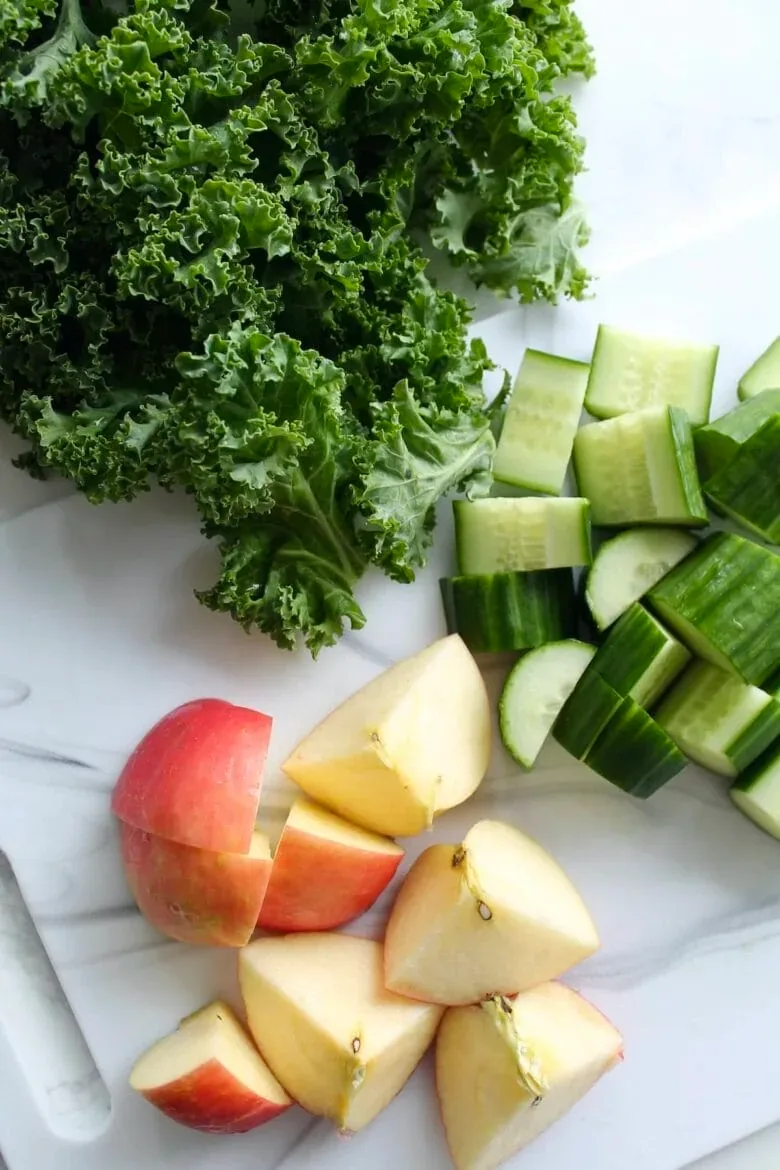
Image source: Bing (Web (fair-use with source credit))
Recipe 1: The Daily Green
This is your morning baseline.
- 2 large handfuls of kale, stems removed
- 1 cucumber
- 2 celery stalks
- 1/2 green apple
- 1 inch fresh ginger
- Juice of 1/2 lemon
Run everything through your juicer. This yields about 10 ounces. Sugar: 8 grams.
Safety note: If you're on warfarin, the kale content is significant. Check with your doctor about your vitamin K intake before making this a daily habit.
Recipe 2: The Golden Anti-Inflammatory
Ginger and turmeric are the stars here.
- 2 carrots
- 1 large handful of spinach
- 1/2 lemon, peeled
- 1 inch fresh turmeric root
- 1 inch fresh ginger
This one is bright orange, slightly spicy, and loaded with curcumin. Sugar: 9 grams. Safety note: Turmeric can interact with blood thinners and gallbladder medications.
Skip it if you have a history of kidney stones, as turmeric is moderately high in oxalates.
Recipe 3: The Blood Pressure Blend
Beet juice has a real research base for blood pressure support.
- 1 medium beet, scrubbed and halved
- 2 celery stalks
- 1 cucumber
- 1/2 lemon, peeled
- Small knob of ginger
Yields about 8 ounces. Sugar: 10 grams. Safety note: Beets naturally contain a low amount of oxalates.
If you're stone-prone, swap the beet for 2 red bell peppers and keep the celery base.
Recipe 4: The Gut-Soothing Sipper
- 1 fennel bulb
- 1 cucumber
- 1 green apple, cored
- 1 inch fresh ginger
- Fresh mint leaves, 2 large handfuls
Fennel gives this a subtle anise flavor that's surprisingly refreshing. Sugar: 12 grams. Safety note: Fennel can cause allergic reactions in people with celery or birch pollen allergies.
If your lips tingle, stop.
Recipe 5: The Low-Sugar Berry Cooler
Berries are lower in sugar than most fruits, but they don't juice as efficiently.
- 1 cup strawberries
- 1/2 cup blueberries
- 1/2 cucumber
- Juice of 1 lime
- 1 small handful of mint
You'll get more foam with berries. That's expected. Sugar: 7 grams.
Safety note: Berries are one of the most pesticide-heavy crops. Use organic when you can, or rinse thoroughly under running water before juicing.
Recipe 6: The Post-Workout Refuel
This one replaces electrolytes without commercial sports drinks.
- 2 celery stalks
- 1 cucumber
- 1/2 apple
- Juice of 1 lime
- Pinch of sea salt added after juicing
Lime and salt balance out the sweet and savory. Sugar: 6 grams. Safety note: If you're on a low-potassium diet for kidney issues, skip the celery and cucumber, which are both high in potassium.
Recipe 7: The Immunity Kick
This is essentially a ginger shot with more volume.
- 1/2 apple
- 2 oranges, peeled
- 1 inch fresh ginger
- 1/2 inch fresh turmeric
- Dash of black pepper added after juicing
The pepper helps your body absorb curcumin from the turmeric. Sugar: 16 grams. Safety note: This one is fruit-forward.
If you're diabetic, dilute a small portion with sparkling water and save the rest for later.
How to Juice Smart: Prep, Order, Storage, and Cleaning
Juicing isn't just about the recipes. It's about technique. These details affect nutrient quality, how your juicer performs, and whether your juice tastes good or slightly bitter and oxidized.
Prep Your Produce Properly
Wash everything, even produce you plan to peel. Bacteria on the skin transfers to the knife and then into the flesh. Scrub root vegetables with a stiff brush to remove dirt and pesticides.
Peel citrus fruits entirely, because the white pith adds bitter notes. Remove stones and seeds from peaches, plums, and mangoes. Core apples, as apple seeds contain amygdalin, which releases cyanide in small amounts.
You'd need a huge quantity to cause harm, but there's no reason to include them.
Juice in the Right Order
Start with soft, high-moisture produce like cucumber and celery. Follow with leafy greens, which tend to clump. Finish with firm, dense items like carrots and beets.
The firm pieces help push the greens through the auger. This order maximizes yield and minimizes pulp jam.
Store Juice Correctly
Fresh juice oxidizes fast. The moment it hits air, enzymes start breaking down nutrients. Vitamin C levels drop measurably within an hour.
Store juice in a glass jar, fill it to the very top to minimize air exposure, seal it tightly, and refrigerate. Drink within 24 to 48 hours for the best nutritional value. After 48 hours, the benefits drop off noticeably, and bacterial growth becomes a concern.
Clean Your Juicer Immediately
This is the least glamorous part of juicing, and it's also the most important. Dried pulp is a nightmare to remove. Rinse all removable parts immediately after juicing, then wash with warm soapy water.
Use the cleaning brush that came with your juicer on the mesh filter. Let all parts air dry completely before reassembling. Bacteria love damp crevices, and a poorly cleaned juicer can turn your next glass into a hazard.
Many people abandon their juicers because cleaning takes too long. Make it a habit, and it takes under five minutes. Skip it, and your juicer becomes a countertop decoration.
Frequently Asked Questions About Juicing for Health
Is juicing healthier than eating whole fruits and vegetables?
No. Whole fruits and vegetables are healthier because they retain fiber, which slows sugar absorption and supports gut health. Juicing concentrates nutrients but removes the fiber matrix.
Use juice as a supplement to whole produce, not as a replacement.
How much juice should I drink per day?
Stick to 4 to 8 ounces per serving, one serving per day as of 2026. That's roughly the size of a small juice glass. More than that, and you're likely exceeding recommended sugar limits even with vegetable-forward recipes.
Can juicing help with weight loss
It can, but only if you use it to replace higher-calorie drinks. Swapping a morning soda for a green juice cuts sugar and calories. Juicing alone without calorie reduction won't cause weight loss.
And fruit-heavy juices can actually stall it.
What's the best juicer for health purposes?
Masticating or cold-press juicers preserve more nutrients than centrifugal models. They operate at lower speeds, which generates less heat and oxidation. Our research indicates that masticating juicers also yield more juice from leafy greens specifically.
Can I make juice ahead of time
Yes, but quality drops fast. Full glass, tight seal, fridge, 24 hours maximum for best nutrient levels. After 48 hours, the vitamin C content decreases measurably and the flavor shifts toward bitter.
Is juicing safe for children
In small amounts, yes. Dilute juice with water, keep it under 4 ounces, and prioritize vegetable-forward blends. Children get hydration and nutrients from whole foods first.
Juice should never replace a meal or snack.
Your Quick Decision Guide: What to Juice for Your Specific Goal
This is the straightforward part. Here's exactly what to reach for based on what you're trying to achieve.
Want better blood sugar control? Stick to the Daily Green recipe as your baseline. Use cucumber as the liquid base. Add half an apple or a handful of berries for sweetness.
Avoid carrot and beet juice until your numbers are stable.
Need more iron? Focus on spinach, kale, and a splash of lemon. The vitamin C in lemon helps your body absorb the non-heme iron from the greens. Throw in a few parsley sprigs for an extra boost.
Looking for anti-inflammatory support? Go for the Golden Anti-Inflammatory recipe. Turmeric and ginger are well-documented for reducing inflammatory markers. Add a crack of black pepper to increase curcumin absorption.
Dealing with high blood pressure? Beet juice has clinical support for blood pressure reduction. Use the Blood Pressure Blend recipe. Drink it fresh, within an hour of juicing, to retain the most nitric oxide compounds.
Trying to improve digestion? The Gut-Soothing Sipper with fennel, cucumber, and mint is your best option. Fennel has carminative properties that reduce bloating. Ginger adds motility support.
Need a post-workout recovery drink? The Post-Workout Refuel recipe replaces electrolytes without artificial ingredients. Celery and cucumber are naturally rich in potassium and magnesium. Add the pinch of salt.
It makes a real difference.
Just want something that tastes good and is still healthy? Start with the Low-Sugar Berry Cooler. It's the safest entry point for people who hate green juice. The berries provide flavor and antioxidants with minimal glycemic impact.
One last point. If you're juicing for a specific medical condition, talk to your doctor first. Print out the recipes.
Show them the sugar content per glass. Let them weigh in on whether your routine fits within your overall health plan. That's the smart way to use a powerful tool without hurting yourself.

Similar Posts