Perfect Instant Pot Chicken & Rice (Frozen)
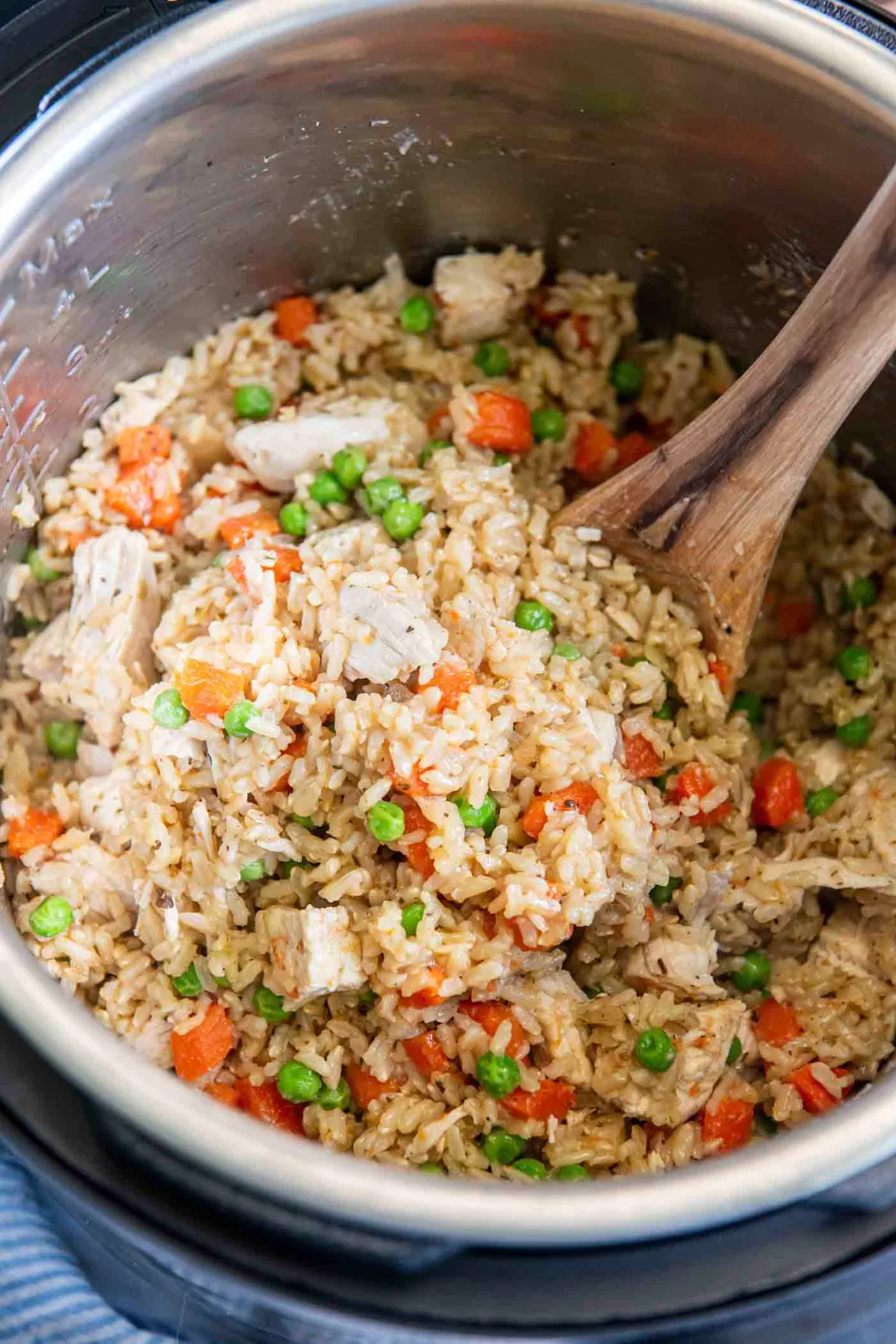
You've got frozen chicken breasts in the freezer, a bag of rice in the pantry, and maybe thirty minutes to make dinner. The idea of dumping both in an Instant Pot and walking away sounds perfect. But when you actually try it, half the time the rice burns, the chicken comes out rubbery, or you get that dreaded "Burn" warning.
Most instant pot frozen chicken breast and rice recipes promise one-pot magic but deliver mushy rice and dry meat. It doesn't have to be that way.
The problem isn't the Instant Pot. The problem is how most recipes layer the ingredients and set the time. The USDA recommends cooking chicken to an internal temperature of 165°F, and frozen chicken takes longer to reach that temperature than thawed meat.
Rice, on the other hand, can overcook and turn to paste if the pressure releases too slowly or too fast. The trick is balancing those two timelines. And that's what we are going to sort out here.
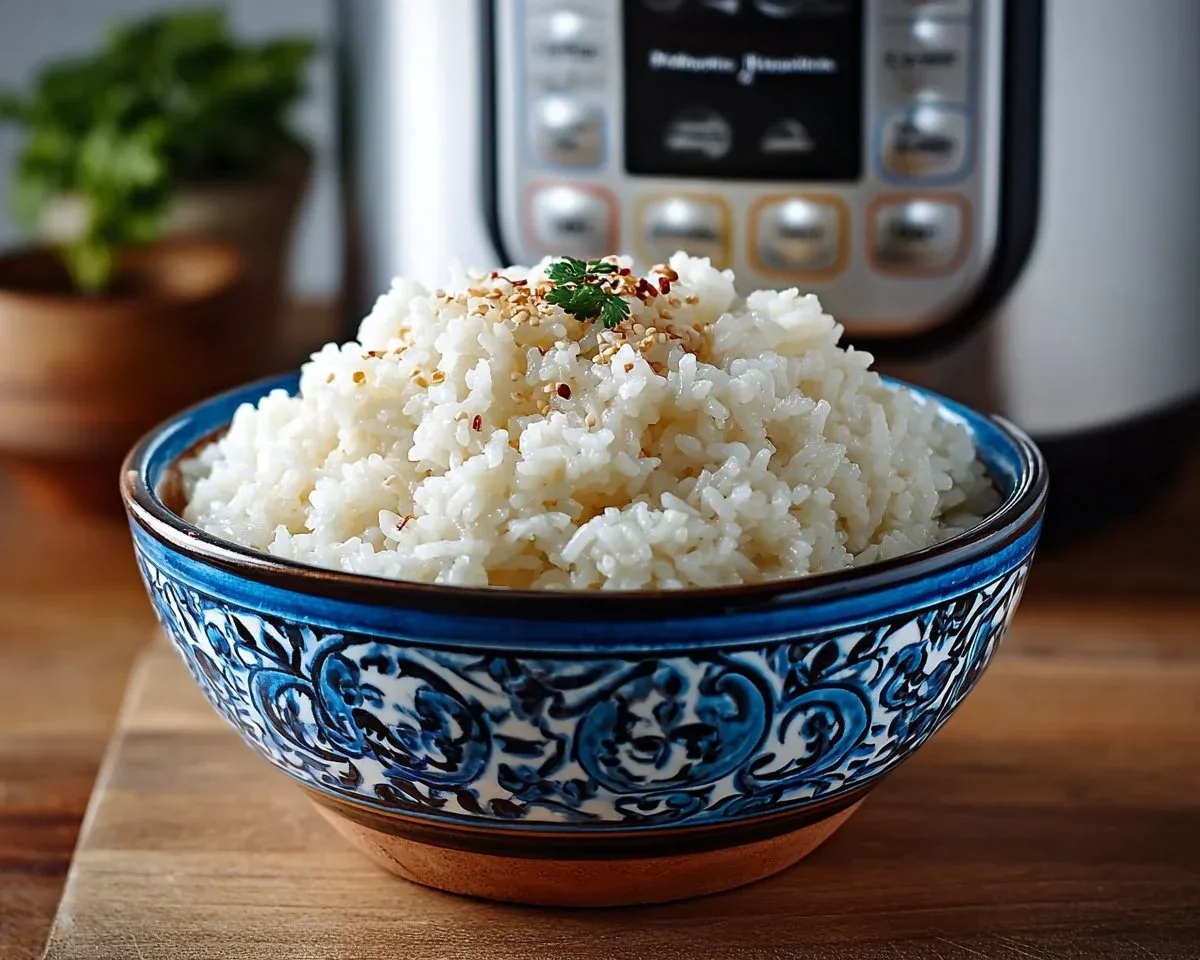
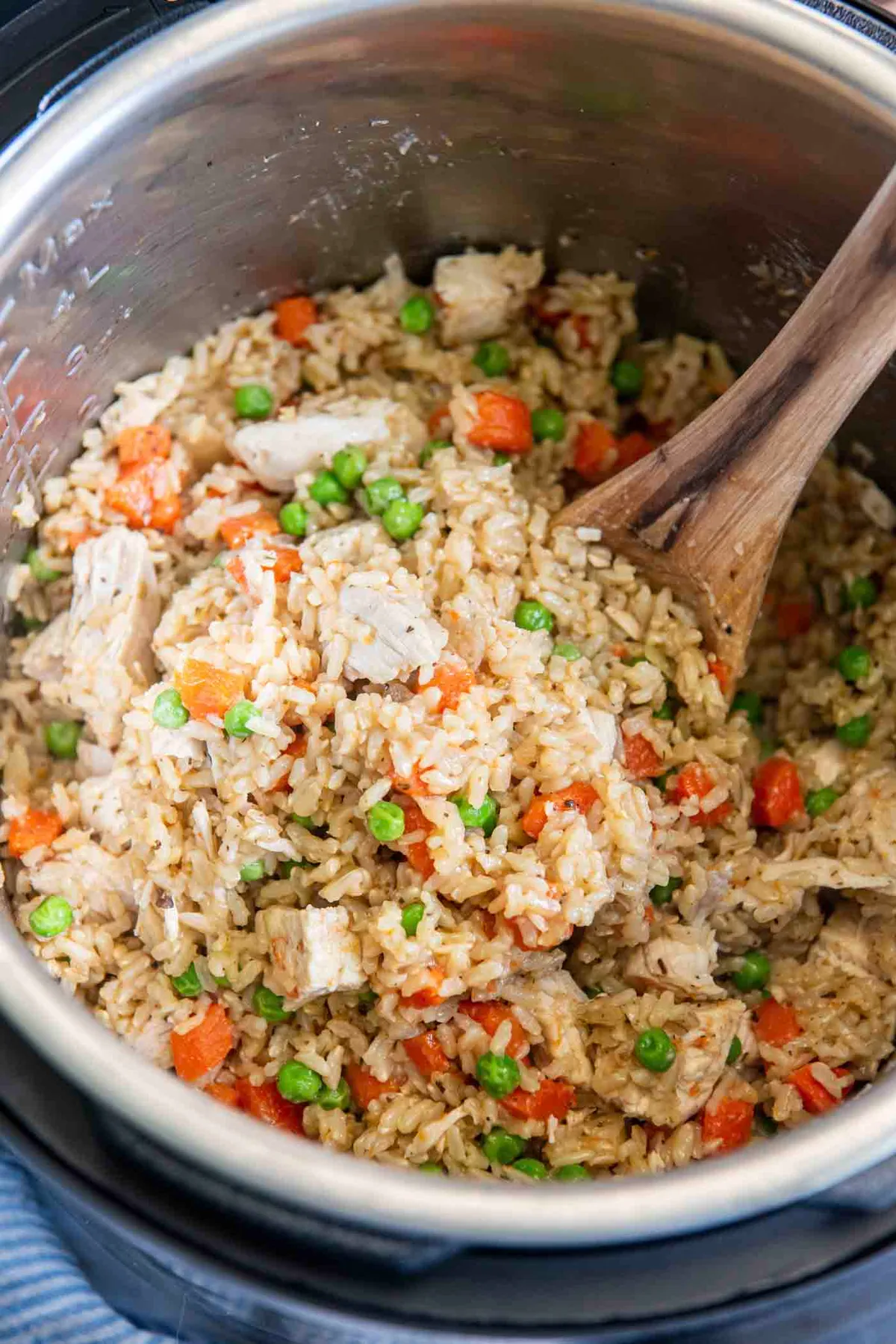
Image source: Bing (Web (fair-use with source credit))
Quick Answer
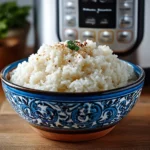
Yes. You can cook frozen chicken breast and rice together in an Instant Pot. Use a 1:1 ratio of rice to liquid.
Set the timer for 8 minutes at high pressure. Let the pressure release naturally for 10 minutes. Always check the thickest part of the chicken with a probe thermometer.
The Short Answer: Yes, You Can Cook Frozen Chicken and Rice Together — Here's the Catch
Why the "Set and Forget" Approach Fails
Most generic pressure cooker recipes treat frozen chicken and rice as if they cook at the same speed. They do not. Frozen chicken breast needs extra time to come up to pressure and then to reach a safe internal temperature.
Rice, especially white rice, cooks much faster and absorbs liquid continuously. If you set a one-size-fits-all timer, you get one of two results: undercooked chicken or overcooked rice.
Heat distribution is another issue. Frozen chicken sits on the bottom or rests directly on the rice. That blocks heat from circulating properly.
The rice underneath scorches, while the chicken on top barely warms up. The "Burn" warning is the Instant Pot telling you the bottom layer is getting too hot while the top layer is still cold.
What Actually Works
The method that works consistently uses two principles. First, you keep the chicken elevated off the bottom of the pot using a trivet. Second, you separate the cooking liquid so the rice and chicken share the steam but not the direct heat.
This is not complicated, but it is specific.
Three variables matter most. The thickness of the chicken breast drives the cooking time. The type of rice determines the liquid ratio.
The release method decides whether the rice ends up fluffy or gummy. Change any one of those, and the recipe shifts.
Pressure Cooking Basics: The Safety Rules and Temperatures That Matter
165°F Is Non-Negotiable
The USDA sets a safe minimum internal temperature of 165°F for poultry. This is not a suggestion. It is the temperature at which bacteria like Salmonella and Campylobacter are killed instantly.
The Instant Pot gets hot enough to reach that temperature, but it cannot guarantee every part of a frozen chicken breast hits 165°F at the same time.
Size matters. An eight-ounce frozen chicken breast with a uniform thickness will cook evenly in about 8 minutes at high pressure. A twelve-ounce breast that is thicker on one end can take up to 12 minutes.
You cannot rely on a timer alone. You need a probe thermometer to confirm the temperature at the thickest part.
The USDA website offers clear guidance on safe poultry cooking temperatures. The standards have not changed as of 2026. Always verify with a thermometer, not a timer.
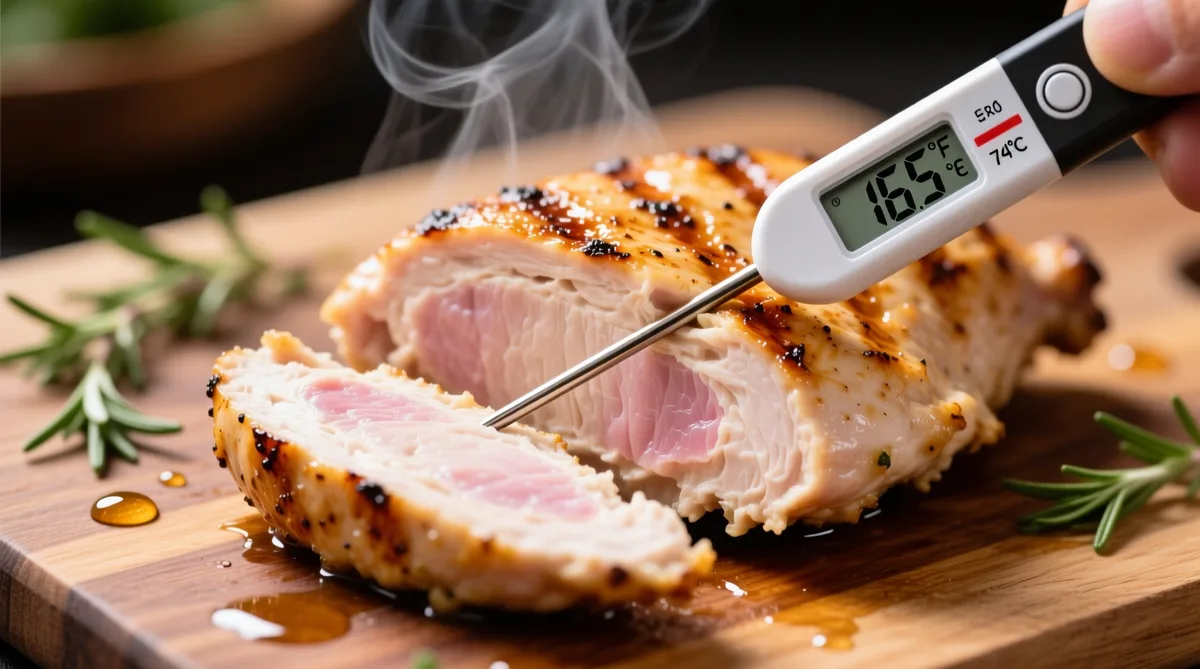
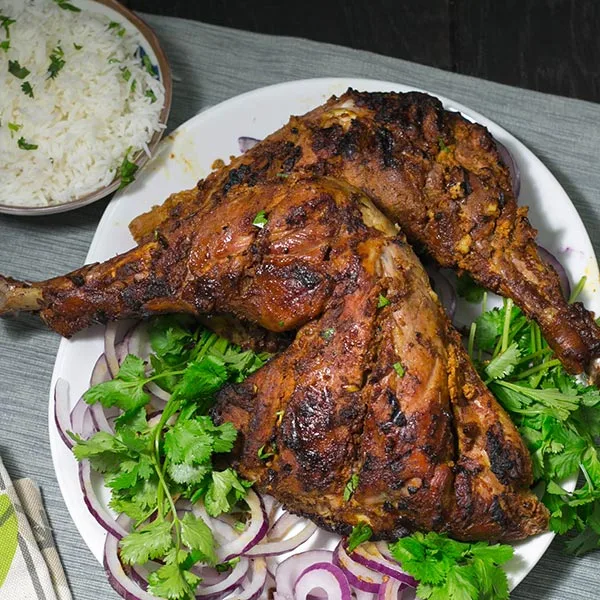
Image source: Bing (Web (fair-use with source credit))
Why Frozen Chicken Needs Different Timing Than Thawed Chicken
Frozen chicken straight from the freezer can be as cold as 0°F. The Instant Pot needs to bring the entire pot up to boiling temperature before it can build pressure. That extra time is not just wasted effort.
It also changes how the rice cooks.
When you thaw chicken first, the cooking liquid reaches pressure quickly. The chicken and rice cook together in a predictable window. With frozen chicken, the cold meat absorbs more heat energy from the liquid before the pot can pressurize.
That means the rice sits in warm liquid longer before the timer even starts. If you use a standard recipe designed for thawed chicken, the rice will be overcooked by the time the chicken is safe to eat.
The fix is simple. Reduce the liquid slightly and increase the natural release time. More on that in the next section.
The Step-by-Step Method for Frozen Chicken Breast and Rice
Ingredients That Work
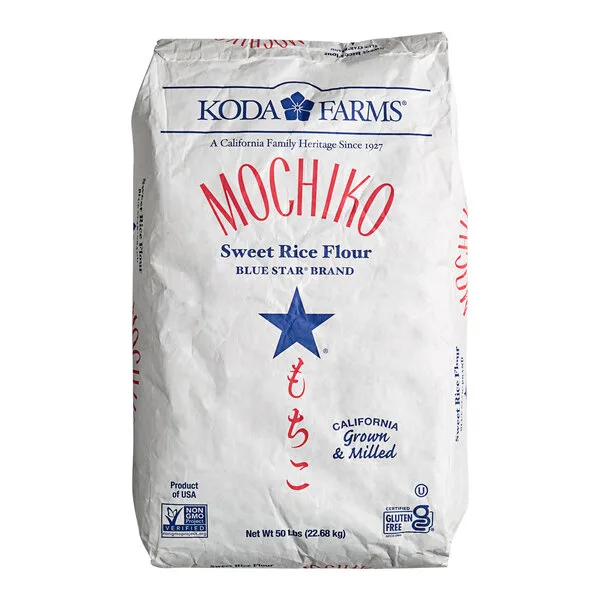
Long grain white rice is the easiest to cook with frozen chicken. It is forgiving with liquid ratios and does not turn mushy as quickly as medium or short grain varieties. Basmati and jasmine also work well.
Brown rice takes much longer (about 22 minutes at high pressure) and usually does not work well with frozen chicken because the timing mismatch gets worse.
For the chicken, boneless skinless breasts that are individually frozen are best. Breasts that are stuck together in a frozen block will not cook evenly. The liquid needs to be water or chicken broth.
Broth adds flavor. Water works fine and keeps the recipe simpler.
Exact Ratios and Cook Times
Use one cup of rice and one cup of liquid per serving. For two servings, that is two cups of rice and two cups of liquid. For four servings, four cups of rice and four cups of liquid.
Do not add extra liquid for the frozen chicken. The extra moisture from the frozen meat compensates.
Set the timer for 8 minutes at high pressure for an eight-ounce frozen chicken breast. For thicker breasts, add one minute per ounce over eight ounces. After the timer ends, let the pressure release naturally for 10 minutes.
That natural release finishes cooking the rice and allows the chicken to rest.
The Step-by-Step Process
Add the liquid and rice to the inner pot. Stir once. Place the frozen chicken on a trivet and set it directly over the rice, not touching the liquid.
If you do not have a trivet, use a steamer basket or foil balls. Close the lid and set the valve to sealing. Cook on high pressure for the time calculated above.
After the timer ends, do not touch the valve. Let it release naturally for 10 minutes. Then quick release any remaining pressure.
Open the lid and check the chicken temperature. If it reads 165°F, it is done. If not, cook for another 2 minutes and check again.
The chicken will be tender. The rice will be fluffy. The trivet keeps everything separate.
How to Layer the Pot: Chicken, Rice, Liquid, and the Trivet
The Direct Method
The direct method means cooking everything in one layer. Rice goes in first with liquid. Frozen chicken goes on top, either directly on the rice or on a trivet.
The trivet is the better choice. It lifts the chicken above the rice and allows steam to circulate. The rice stays submerged in liquid and does not get blocked by the chicken.
Without a trivet, the chicken sits directly on the rice. The heat transfers through the chicken first, which acts as an insulator. The rice under the chicken gets less heat and stays undercooked.
The rice around the edges gets full heat and may scorch. The trivet solves both problems.
The Pot-in-Pot Method
Pot-in-pot involves cooking the rice and chicken in separate containers inside the same Instant Pot. You put the rice in a small oven-safe bowl with its own liquid. You put the frozen chicken in another bowl or directly on the trivet.
Then you add a cup of water to the outer pot.
This method gives you more control. The rice cooks in its own environment. The chicken cooks in steam.
They finish at different times if needed. The downside is extra dishes. The upside is consistent results every time.
| Method | Best for | Extra dishes | Consistency |
|---|---|---|---|
| Direct with trivet | Quick weeknight meals | Trivet | Good |
| Pot-in-pot | Picky eaters or specific rice types | Two bowls | Excellent |
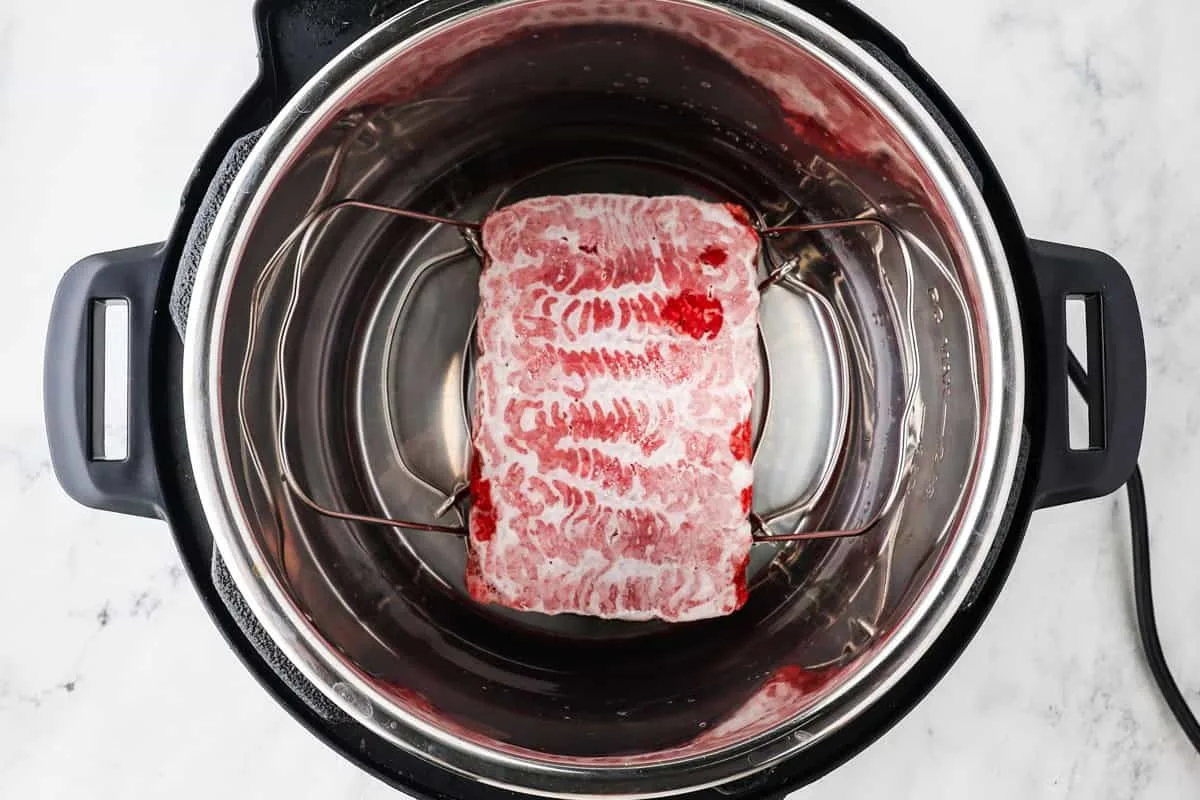
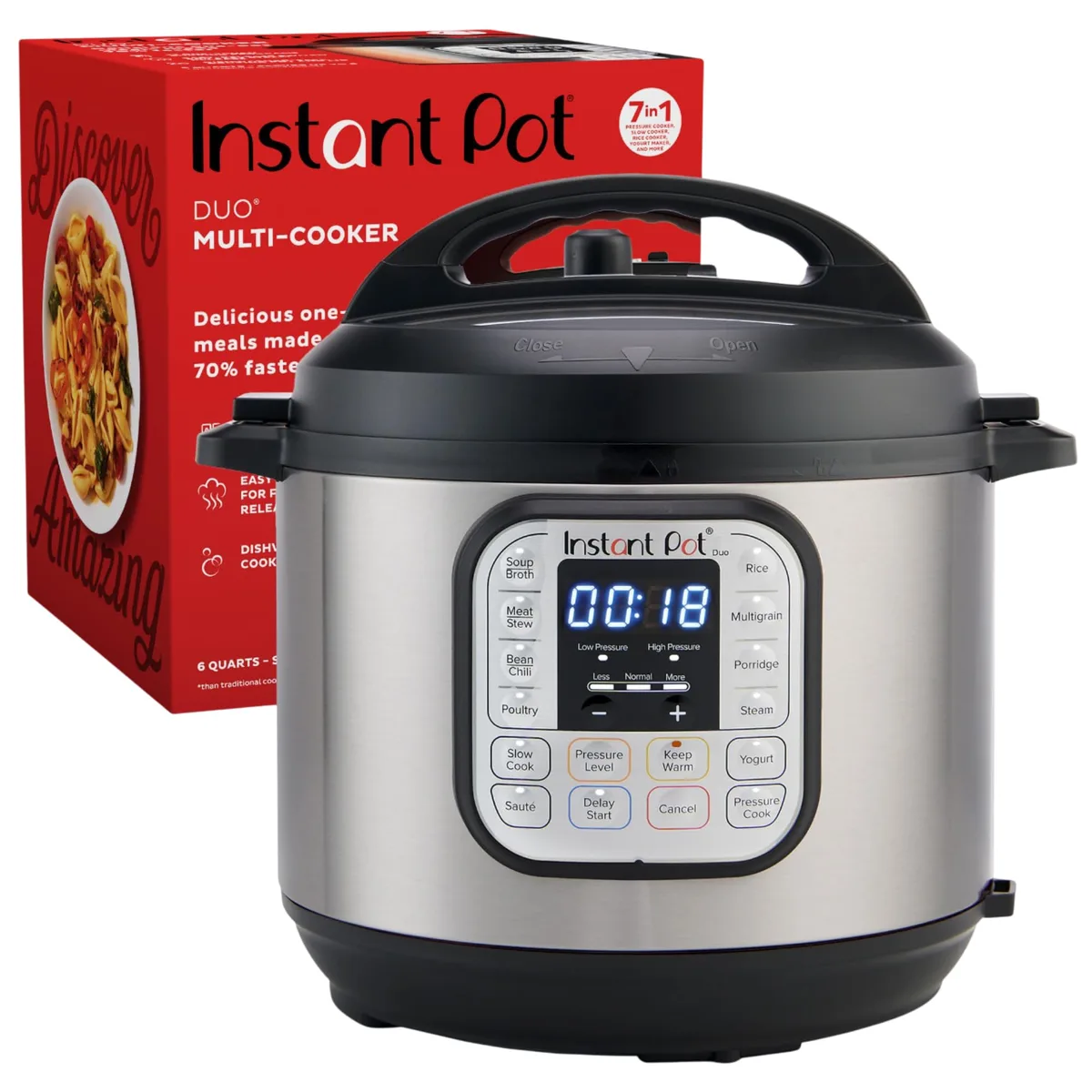
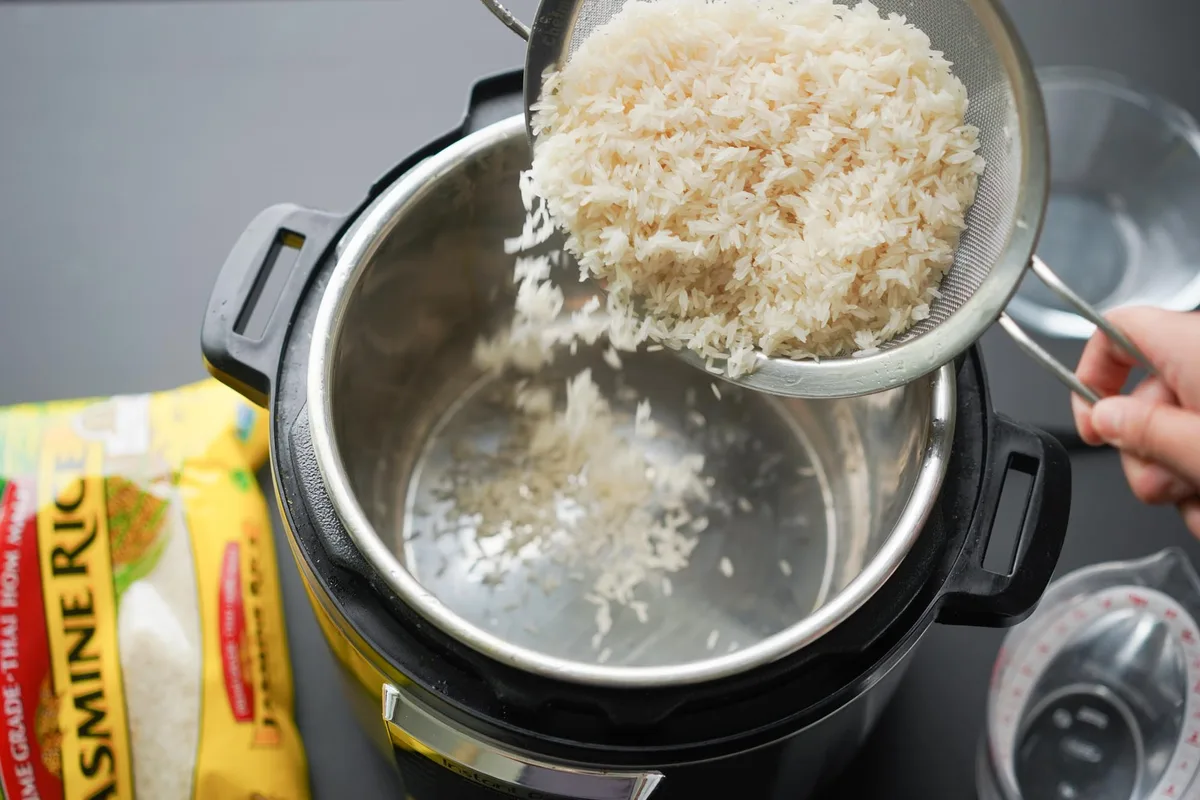
Image source: Bing (Web (fair-use with source credit))
The trivet is a small investment that fixes most layering problems. If you do not own one, a steamer basket or even three foil balls shaped into a tripod work as a substitute.
7 Common Mistakes That Cause Burn Notices, Mushy Rice, or Undercooked Chicken
Adding Too Little Liquid
The Instant Pot needs a minimum amount of liquid to build and maintain pressure. For a six-quart model, that is at least one cup. Frozen chicken releases some moisture as it thaws, but not enough to compensate for a low starting volume.
If you use less than one cup of liquid, the pot will not pressurize correctly and will throw a Burn error.
Use at least one cup of liquid per cup of rice. If you are cooking two cups of rice, use two cups of liquid. That puts you safely above the minimum and gives the rice enough moisture to cook through.
Using Acidic Ingredients
Tomato sauce, lemon juice, or vinegar are common recipe additions. They are also acidic enough to affect how the rice absorbs liquid. Acid slows down starch gelatinization, which means rice can stay hard or crunchy even after a full cooking cycle.
Frozen chicken amplifies this problem because the cooking time is already tight.
If you want to add acidity, do it after cooking. Stir in a squeeze of lemon juice or a spoonful of tomato paste when you fluff the rice. The flavor stays bright and the rice texture stays right.
Quick Releasing Too Early
Quick release means opening the pressure valve immediately after the timer ends. This is fine for vegetables or hard boiled eggs. It is a mistake for this recipe.
The pressure release is when the rice finishes absorbing liquid. If you vent the steam immediately, the rice stops cooking and retains a firm, almost crunchy center. The chicken also tightens up as the pressure drops too fast, leaving it dry.
Letting the pressure release naturally for at least 10 minutes gives both ingredients time to finish properly.
The exception is if you get a Burn warning. In that case, quick release is the correct way to stop the cooking and save what you can. But as a routine step, never quick release this recipe.
Cooking a Block of Frozen Chicken
Frozen chicken breasts often stick together in a solid block. If you drop that block into the Instant Pot, the outer pieces cook while the center stays raw. The inner pieces may never reach 165°F even with extended cooking time.
Separate the breasts before freezing. Lay them flat on a baking sheet, freeze for one hour, then transfer to a freezer bag. That way each breast stays individual and cooks evenly.
If you already have a block, run it under cool water for a minute until the pieces separate.
Overcrowding the Pot
An Instant Pot needs space for steam to circulate. If you fill it more than two thirds full with solid ingredients, the heat cannot move around properly. For a six-quart pot, that means no more than two or three frozen chicken breasts and two cups of rice.
More food does not mean faster cooking. It means longer pressure build up and less even results. If you need to feed more people, cook in batches or use a larger pot.
How to Change It Up: Chicken Thighs, Brown Rice, and Seasoning Variations
Frozen Chicken Thighs
Chicken thighs have more fat and collagen than breasts. That makes them more forgiving in the pressure cooker. They stay moist even if the timer runs a minute or two long.
Frozen boneless skinless thighs cook in about 7 minutes at high pressure with a 10 minute natural release. Bone in thighs need 9 minutes.
The layering method stays the same. Trivet over the rice. Thighs on the trivet.
The extra fat from the thighs adds flavor to the steam, but it does not affect the rice texture.
Brown Rice
Brown rice takes about 22 minutes at high pressure. That is much longer than white rice and longer than most frozen chicken breasts need. The timing mismatch makes it hard to cook both together in the same pot.
If you want brown rice, cook the rice separately first. Or use the pot in pot method and cook the rice in one bowl for 22 minutes while the chicken cooks in another bowl for 8 minutes. Start the rice first, add the chicken bowl to the pot during the last 8 minutes.
The rice keeps cooking while the chicken finishes.
Seasoning Options
The simplest seasoning is salt and pepper added to the liquid before cooking. Garlic powder, onion powder, and paprika also work well. Avoid dried herbs like rosemary or thyme during cooking they can turn bitter under pressure.
Add fresh herbs after the lid opens.
For a Mexican style rice, add a teaspoon of cumin and a tablespoon of tomato paste to the liquid. For an Asian style, use a tablespoon of soy sauce and a teaspoon of ginger. For a Mediterranean style, add a pinch of oregano and a bay leaf to the liquid.
The flavors infuse into both the rice and the chicken.
Frequently Asked Questions
Can I use frozen chicken that is stuck together?
No. The center will not cook through. Separate the breasts before freezing, or run the block under cool water until you can pull them apart.
Cooking them as a block risks undercooked meat in the middle.
Should I use the Instant Pot's "Frozen" button?
The Frozen button on some models adds a few extra minutes to the cooking time. It is a shortcut, not a precise setting. You are better off setting the time manually based on the thickness of the chicken.
The Frozen button can overcook the rice.
Why did I get a "Burn" warning?
The most common cause is too little liquid or ingredients stuck to the bottom of the pot. Rice that is not stirred into the liquid can scorch. Frozen chicken sitting directly on the pot bottom can also cause it.
Use a trivet and at least one cup of liquid per cup of rice.
Can I use coconut milk or tomato sauce?
Coconut milk works as long as you use it as part of the total liquid. Tomato sauce is acidic and can affect rice texture. Use it sparingly or add it after cooking.
Full substitution with tomato sauce is not recommended.
How do I know when the chicken is done without a thermometer?
You cannot. The Instant Pot can reach 165°F, but it cannot guarantee every part of a frozen breast hits that temperature. Visual cues like clear juices are not reliable.
Use a probe thermometer inserted into the thickest part of the breast.
Final Verdict: Cook Together, But Follow the Method
Instant pot frozen chicken breast and rice recipes work well when you follow the right layering and timing. The trivet method with an 8 minute cook time and a 10 minute natural release produces tender chicken and fluffy rice. The pot in pot method offers even more control at the cost of extra dishes.
Avoid the common mistakes. Use enough liquid. Quick release only when necessary.
Keep the chicken separate from the rice. Check the temperature with a thermometer every time. That last step is the difference between a good meal and a risky one.
If you follow these guidelines, you will get consistent results. The Instant Pot handles the pressure. You just need to handle the process.
Easy Ingredient Swaps That Still Work
Frozen Chicken Thighs
Chicken thighs are more forgiving than breasts because of their higher fat content. Frozen boneless skinless thighs cook in about 7 minutes at high pressure with a 10 minute natural release. Bone in thighs need 9 minutes and still stay tender.
The layering method stays the same. Place the trivet over the rice. Put the thighs on the trivet.
The extra fat adds flavor to the steam without changing the rice texture.
Brown Rice
Brown rice takes about 22 minutes at high pressure. That is much longer than white rice and longer than most frozen chicken needs. The timing mismatch makes it hard to cook both together in one pot.
Use the pot in pot method instead. Cook the brown rice in one bowl for 22 minutes. Add the chicken bowl during the last 8 minutes.
The rice keeps cooking while the chicken finishes. This gives you both ingredients done correctly.
Seasoning Variations
Salt and pepper added to the liquid before cooking is the simplest approach. Garlic powder, onion powder, and paprika also work well. Avoid dried herbs like rosemary or thyme during cooking because they turn bitter under pressure.
Add fresh herbs after the lid opens.
For Mexican style rice, add a teaspoon of cumin and a tablespoon of tomato paste to the liquid. For Asian style, use a tablespoon of soy sauce and a teaspoon of ginger. For Mediterranean style, add a pinch of oregano and a bay leaf.
The flavors infuse into both the rice and the chicken during the cook cycle.
Frequently Asked Questions
Can I use frozen chicken that is stuck together?
No. The center will not cook through. Separate the breasts before freezing by laying them flat on a baking sheet for an hour.
If you already have a block, run it under cool water until the pieces separate.
Should I use the Instant Pot's Frozen button?
The Frozen button adds a few extra minutes automatically. It is not precise. Set the time manually based on the thickness of the chicken.
The Frozen button can easily overcook the rice.
Why did I get a Burn warning?
Too little liquid or ingredients stuck to the pot bottom cause this warning. Rice that is not stirred into the liquid can scorch. Frozen chicken sitting directly on the pot bottom can also trigger it.
Use a trivet and at least one cup of liquid per cup of rice.
Can I use coconut milk or tomato sauce?
Coconut milk works as part of the total liquid. Tomato sauce is acidic and affects how the rice absorbs moisture. Use it sparingly or add it after cooking.
Full substitution with tomato sauce is not recommended for this recipe.
How do I know when the chicken is done without a thermometer?
You cannot know for sure. The Instant Pot reaches 165°F, but it cannot guarantee every part of a frozen breast hits that temperature. Visual cues like clear juices are not reliable.
Use a probe thermometer inserted into the thickest part of the breast.
Final Verdict: Cook Together, But Follow the Method
Instant pot frozen chicken breast and rice recipes work well when you follow the right layering and timing. The trivet method with an 8 minute cook time and a 10 minute natural release produces tender chicken and fluffy rice. The pot in pot method offers even more control with extra dishes.
Avoid the common mistakes we covered. Use enough liquid. Quick release only when necessary.
Keep the chicken separate from the rice. Check the temperature with a thermometer every single time. That last step is the difference between a good meal and a risky one.
Follow these guidelines and you will get consistent results. The Instant Pot handles the pressure. You just need to handle the process.
It is fast, safe, and reliable when you do it right.

Similar Posts