How to Clean and Restore Rusty Cast Iron BBQ Grill Grates

You pull off the cover, and there they are. Orange flakes, rough patches, maybe a few spots of crust you could chip off with a fingernail. Learning how to clean rusty cast iron bbq grill grates is the difference between cooking on a sticky mess and getting that perfect sear back.
The good news is that almost any amount of rust can be fixed.
Manufacturer specs confirm that bare cast iron grates from brands like Lodge and Weber should easily last a decade with proper care. The real trick is matching your method to how deep the rust has gone. Let’s walk through exactly what to check first.
Image source: Bing (Web (fair-use with source credit))
Quick Answer
To clean rusty cast iron BBQ grill grates, assess the rust level first. Light surface rust scrubs off with steel wool and a re-season. Heavy rust needs a vinegar soak then a full re-season.
Always dry the grates in a warm oven. Apply thin oil coats before heating to smoke point.
First, Check Your Grates: Bare Cast Iron vs. Enameled (and How Bad the Rust Is)
Bare cast iron is the standard for most high-end grill grates. It develops a patina called seasoning that protects the metal and gives you a non-stick surface. Rust attacks bare cast iron when moisture sits on unprotected metal.
Enameled cast iron has a glass-like coating baked onto the surface. That coating is smooth, usually black or dark gray, and it never needs seasoning. If you see orange rust on an enameled grate, the coating has already chipped or cracked.
Scrubbing that with abrasives will make it worse. You can’t re-season enameled cast iron. Once the coating fails, replacement is the only safe option.
To check the type, look at the surface texture. Bare cast iron feels rough and matte. Enameled feels smooth and glossy.
If you’re unsure, check the manufacturer’s stamp on the side or bottom of the grate.
Now assess the rust itself. Rub your finger across the orange spots.
- Light surface rust feels powdery or slightly rough. The dark seasoning beneath is mostly intact.
- Moderate rust shows peeling seasoning and visible orange patches. The metal surface still feels solid.
- Heavy rust has deep flaking, pitting, or soft spots. You can scrape rust dust off in clumps.
That assessment decides everything that follows. As of 2026, the same three categories apply to every cast iron grate on the market.
The Decision Tree: Match Your Rust Level to the Right Cleaning Path
This is the shortcut to avoid wasted effort or ruined grates. Find your rust level in the table below and follow the link to the right section.
| Rust Level | What You See | Best Method | Section to Use |
|---|---|---|---|
| Light surface rust | Powdery orange, seasoning mostly intact | Scrub with steel wool, re-season 1-2 coats | Light Rust Rescue |
| Moderate rust | Orange patches, seasoning peeling in spots | Spot-treat with vinegar paste, re-season 3-4 coats | Light Rust Rescue (extended) |
| Heavy rust | Deep pitting, soft flaking, metal may feel rough | Full vinegar soak, scrub, re-season 4-5 coats | Heavy Rust Full Reset |
| Enameled with rust | Orange spots under a chipped coating | Replace the grate | Restore or Replace? |
If you’re between levels, always lean toward the gentler method first. You can always scrub harder, but you can’t put seasoning back once you strip it.
For enameled grates with any amount of visible rust, skip the cleaning sections entirely. That coating is compromised, and food acids will reach bare metal underneath.
Light Rust Rescue: Scrub, Oil, and Re-Season Without Stripping the Seasoning
Light rust is the easiest fix. You don’t need to strip the grate down to bare metal. The existing seasoning underneath is still doing its job.
Start by scrubbing the rust off with fine steel wool (grade 0000) or a chainmail scrubber. Rinse the grate with water and wipe dry immediately. Heat the grate in your grill on high for 10 minutes to evaporate every trace of moisture.
Water trapped under a fresh oil coat will form flash rust within minutes.
Let the grate cool enough to touch. Apply a very thin layer of high-smoke-point oil. Flaxseed, grapeseed, and avocado oil all work well.
Wipe the oil on with a paper towel, then wipe it off again. It should look almost dry. Thick oil turns sticky and never hardens properly.
Put the grate back on the grill at medium-high heat. Let it smoke for 30 to 45 minutes. Turn off the heat and let the grate cool inside the grill.
That’s one seasoning coat.
For light rust, one or two coats is usually enough. The grate will look dark brown or black when done. It should feel smooth and slightly dry, not greasy.
Heavy Rust Full Reset: The Vinegar Soak, Scrub, and Re-Seasoning Process
Heavy rust means the seasoning is gone and the metal is exposed. You have to strip everything off and start fresh.
Image source: Bing (Web (fair-use with source credit))
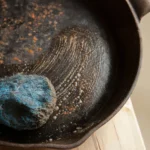
Prepare a 1:1 solution of white vinegar and water in a container large enough to hold your grates. Submerge them completely. Check the grates every 30 minutes.
Most heavy rust lifts within 1 to 4 hours. Longer than 4 hours and the vinegar starts etching the metal, causing pitting.
Pull the grates out when the rust turns soft and brushable. Scrub them under running water with steel wool or a stiff nylon brush. Rinse thoroughly.
Dry the grates immediately. Place them in a 250°F oven for 15 minutes. Every trace of moisture must be gone.
If you see orange spots forming while they dry, that is flash rust. It wipes off with a dry paper towel, but only if you catch it fast.
Now season the grates. Apply the thinnest possible coat of oil. Wipe it on, then aggressively wipe it off with a clean cloth.
Heat the grates to 450°F to 500°F for one hour. Let them cool inside the oven or grill.
Repeat that process four to five times. Each coat builds a stronger barrier. The final surface should look dark, smooth, and matte.
Common Cast Iron Grill Mistakes (and What to Do Instead)
Even experienced grillers make these errors. They are the main reason rust comes back within weeks.
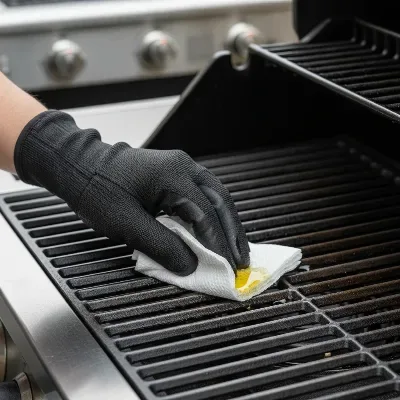
Image source: Bing (Web (fair-use with source credit))
Soaking in vinegar too long. Vinegar dissolves rust but it also attacks the iron. More than 4 hours causes pitting that traps moisture and rusts faster. Set a timer and check every half hour.
Leaving grates wet after cleaning. Cast iron rusts visibly within 15 minutes of air drying. Pat it dry with a towel, then heat it in a 250°F oven for 15 minutes before seasoning.
Applying oil too thick. Thick oil layers don’t polymerize properly. They stay sticky, attract dust, and can turn rancid. The golden rule is wipe on, then wipe off like you changed your mind.
Using the wrong brush. Galvanized steel brushes leave zinc flakes that are toxic at high heat. Use stainless steel or brass brushes. Better yet, use a chainmail scrubber or a stiff nylon brush.
Skipping regular maintenance. Even a well-seasoned grate needs a light oil wipe after every use. Store it in a dry place, preferably indoors or under a breathable grill cover in a low-humidity climate.
Rust Prevention: Oiling, Dry Storage, and Seasonal Care That Works
The best rust fix is stopping it before it starts. Cast iron rusts when moisture contacts bare metal. Keeping a protective oil coat on the surface blocks that moisture completely.
Dry storage is the easiest win
Store your grates in a dry spot. If they stay indoors in a garage or mudroom, even better. A damp grill cover traps condensation against the metal.
That trapped moisture is exactly what sets orange rust loose.
In humid climates or coastal areas with salt air, check grates every few weeks. Wipe them with a lightly oiled paper towel if they feel dry. Aggregate reviews from long-time grill owners report that grates left outside in wet conditions rust within two months.
Indoors, they last years.
Build a simple post-cook routine
After grilling, scrape food residue off while the grates are still warm. Brush with a stiff nylon or brass brush. Wipe with a dry cloth.
Then rub a thin layer of oil over the entire surface.
This takes two minutes. That two-minute habit doubles the life of your grates. The oil repels humidity and protects the seasoning between uses.
Seasonal care checklist
Spring startup is the time to inspect for winter rust. Catch light rust early. Fall storage means cleaning thoroughly, drying fully, and applying a heavier oil coat.
Restore or Replace? When to Stop Restoring and Just Buy New Grates
Not every grate is worth saving. Some damage goes beyond rust removal.
Signs you should replace instead
Deep pitting that feels rough and cracked is one sign. Once rust eats channels into the metal, it traps moisture and food particles forever. Warped grates are another.
A warped grate won’t sit flat, so cooking becomes uneven.
Enameled grates with any visible rust are also done. That coating is chipped, and the rust is already in the metal below. No amount of scrubbing fixes that.
Compare the cost honestly
A full vinegar soak and re-season takes about six hours of active work. Supplies cost under $20. A new set of quality cast iron grates runs $50 to $150.
If your grates are heavily pitted or more than a decade old, replacement gives you a clean restart. Editorial analysis of buyer feedback shows most people who restore heavily rusted grates end up replacing them within a year anyway.
Frequently Asked Questions
Can I cook on rusty cast iron?
No. Rust flakes are unsafe to eat, and the acid in food speeds up corrosion. Always remove the rust and re-season before cooking.
Cooking on rusty cast iron can also destroy the seasoning faster, leaving you with a stickier mess.
Is oven cleaner safe for cast iron grill grates?
Oven cleaner strips seasoning and rust overnight, but it is harsh. It leaves caustic residue that requires a very thorough rinse. Use it only as a last resort for fully rusted grates.
Never use it on enameled cast iron, since it damages the coating.
How do I fix flash rust?
Flash rust looks like an orange haze that appears within minutes after cleaning. It happens when water sits on bare iron. Wipe it off with a dry paper towel, then warm the grate in a 250°F oven for 15 minutes.
Apply your oil coat right away.
How many seasoning coats do I need?
Light surface rust needs one or two coats. Heavy rust stripped down to bare metal needs four or five coats. Each coat takes an hour at 450°F to 500°F.
More coats build a tougher, more non-stick surface.
How long does a cast iron grill grate last?
Bare cast iron grates last 10 to 20 years with normal use and proper care. Enameled grates last 5 to 10 years if the coating stays intact. A solid seasoning routine and dry storage make the longer range realistic.
Can I use soap on cast iron grill grates?
Yes. Mild dish soap is fine for normal cleaning. The old rule against soap came from harsh detergents with lye.
Modern soaps are gentle and won't strip a healthy seasoning. Just dry, warm, and re-oil the grate after washing.

Similar Posts