How to Safely Dispose of Kitchen Knives
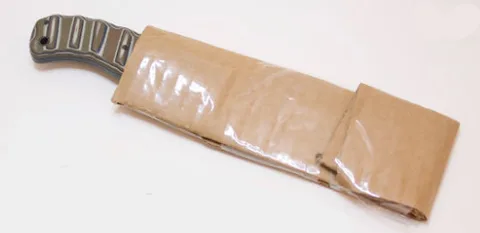
If you’ve ever typed “how do i dispose of kitchen knives” into a search bar, it’s probably because you’re staring at an old knife block and feeling uneasy about tossing it in the bin. That instinct is spot on. A loose kitchen knife in a trash bag is a hazard for anyone who touches it, from the person who empties your kitchen bin to the sanitation crew.
The good news: the right method is simple once you know what the knife is made of and how your local waste system works.
As of 2026, the U.S. Occupational Safety and Health Administration (OSHA) still lists punctures and cuts among the top injuries for waste and recycling workers. That’s why most municipalities treat sharp metal as a special waste stream, not a regular recyclable.
In our research, the safest approach always starts with the same question: can this knife be reused, recycled, or does it truly belong in the trash?
Image source: Bing (Web (fair-use with source credit))
Why Safe Knife Disposal Actually Matters
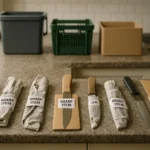
Here’s the short answer: the only universally safe way to throw away a kitchen knife is to wrap the blade so it can’t puncture anything, tape it securely, label it “SHARP,” and put it in a rigid container before adding it to your trash. That’s the baseline. Everything else depends on the knife’s material and your local regulations.
The hidden danger nobody talks about is the worker on the other side of the bag. OSHA ranks cuts and punctures among the top five injuries for solid waste workers. A single knife blade can slice through a thin plastic trash bag, a recycling bin liner, or even a heavy-duty glove.
That’s not a theoretical risk. Municipalities across the U.S. report injuries from improperly disposed sharp objects every year.

Image source: Bing (Web (fair-use with source credit))
There’s also the legal side. Many cities have ordinances that require sharp objects to be contained in puncture-resistant packaging. If your knife injures a waste worker, you can be held civilly liable.
Some municipalities even issue fines for putting uncontained sharp items in the bin.
So this isn’t just about being tidy. It’s about protecting people and following the rules that keep them safe.
Look at the Knife First: Condition, Material, and Handle Decide Your Path
Before you wrap anything, actually inspect the knife. The right disposal route depends on three things: what the blade is made of, how damaged it is, and what the handle looks like.
Metal vs. ceramic blades
Most kitchen knives are made of stainless steel or carbon steel. Those are recyclable as scrap metal. Ceramic knives, on the other hand, are a niche product with very different rules.
Ceramic blades can’t be melted down with regular metal scrap. They usually need to go in the trash, wrapped carefully, or be mailed to a specialized recycling program if one exists in your area.
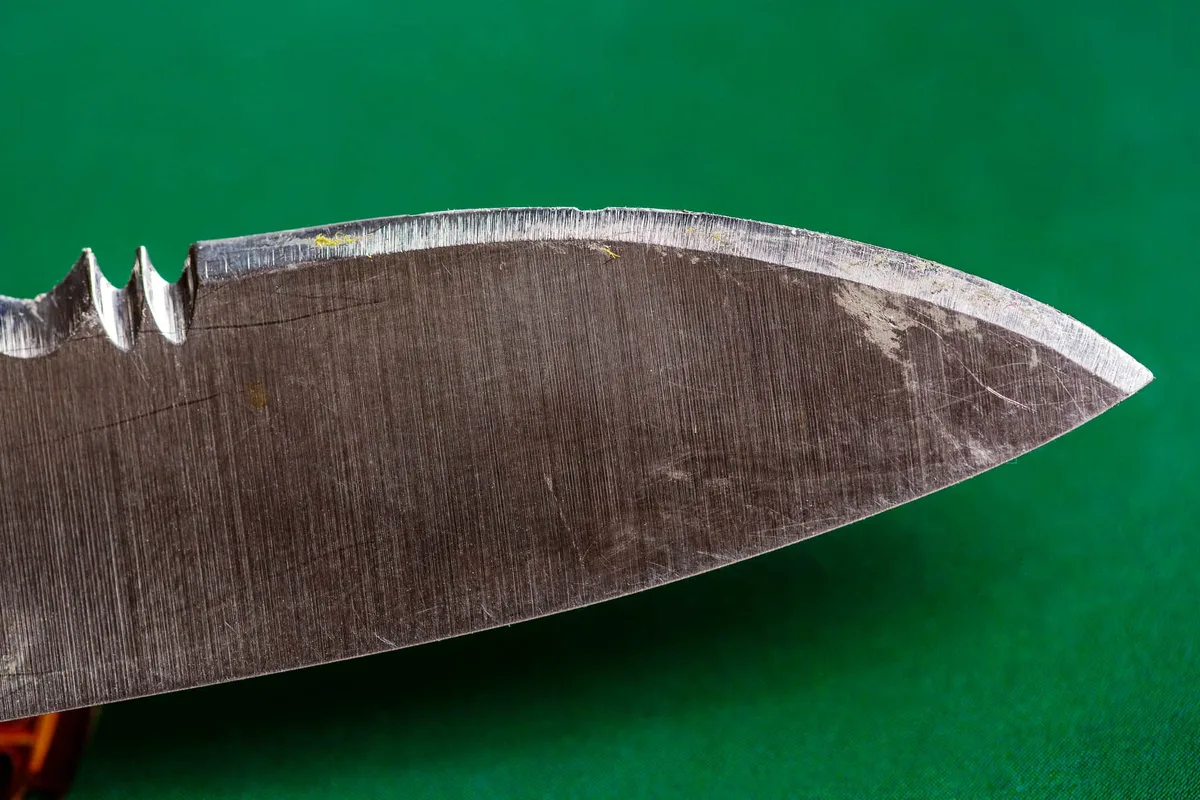
Image source: Bing (Web (fair-use with source credit))
Dull but intact vs. chipped, rusted, or broken
A dull knife that’s structurally fine can be donated. A knife with a chipped edge, a cracked blade, or a bent tip is a liability. Donation centers won’t take damaged knives because they can’t guarantee they’ll be sharpened properly.
And a broken knife is harder to wrap safely because the shape isn’t predictable.
Handle material and the “recyclability” factor
Scrap metal yards want the blade metal. If the handle is made of wood, plastic, or riveted composite, you’ll need to remove it before recycling, if you can safely do so. If the handle is full tang and riveted, that’s a harder task.
In that case, it’s often easier to send the whole knife to a manufacturer take-back program than to fight with the handle.
The logic is simple: condition decides whether the knife gets reused. Material decides where it can go.
The Right Way to Wrap a Knife for Regular Trash
If your knife is too damaged to donate and your local waste department says trash is fine, the wrapping method matters more than the knife itself. A poorly wrapped knife is a hazard. A properly wrapped knife is just a bulky item.
Here’s the step-by-step process that most municipal waste departments recommend.
- Clean and dry the knife. Food residue attracts pests and makes the paper slip.
- Use two or three layers of cardboard. Corrugated cardboard is best. Wrap the blade completely, then fold the cardboard over the tip.
- Secure the cardboard with heavy-duty tape. Wrap the tape around the full length of the blade. Do not use thin office tape.
- Label the outside with a thick permanent marker. Write “SHARP” in big letters on both sides.
- Place the wrapped knife inside a rigid container. A small cardboard box, a metal cookie tin, or a thick plastic takeout container all work. Tape that container shut.
- Put the contained knife in your regular trash, not your recycling bin.
Avoid using just bubble wrap or foam. Those materials can puncture, tear, or compress enough that the blade still pokes through. Newspaper is even worse.
If you have multiple knives, wrap each one individually. Stacking two wrapped knives together makes it more likely a blade will slide out of its cardboard sleeve.
The goal is simple: make it impossible for the blade to touch anything outside the container.
Better Than the Bin: Donation, Recycling, and Scrap Metal Options
Sometimes the trash is the right call. But often it’s not. There are better options that keep the knife out of landfill and may even give it a second life.
When a thrift store or culinary school will actually take it
Donation is only realistic if the knife is clean, dull but not chipped, and has a secure handle. Call ahead. Some thrift stores refuse used kitchen knives outright because they can’t verify safety.
Others accept them only if they’re in a sealed, labeled package. Culinary schools and community kitchens are often more willing because they have the tools and skills to sharpen and sanitize knives.
Scrap metal yards: what they accept and what you’ll get
A scrap metal yard will usually take stainless steel and carbon steel knives. They may ask you to separate the blade from the handle first. The payout is tiny.
As of 2026, scrap steel prices hover around 5 to 10 cents per pound. A single chef’s knife weighs maybe half a pound, so you’re looking at coin pocket change. But you’re keeping the metal in the recycling loop.
Manufacturer take-back and mail-in programs
Several premium cutlery brands, including Wusthof and Zwilling, operate sharpening and replacement services that accept used knives for recycling. These programs often require you to pay for shipping or processing fees, usually between $10 and $25. That’s worth it if you have a high-end knife and don’t want it in the landfill system.
For ceramic knives, check with the manufacturer directly. Some have specific disposal instructions because the blade is extremely hard and can’t be processed with regular metal scrap.
Local Rules, Legal Risks, and When to Call Your Waste Department
Your city or county is the ultimate authority here. General guidance gets you 80% of the way, but local regulations decide the final 20%.
Why your city’s rules override your best guess
Some municipalities ban sharp objects from regular trash entirely. Others require a specific drop-off location or a special “sharps” container. A few, like New York City, accept properly wrapped knives in general waste but recommend a rigid container.
The only way to know for sure is to check your local solid waste management website.
Fines, worker injury liability, and what to say on the phone
If your knife causes a puncture injury to a waste collector, you could be held liable. Damage claims are rare, but they happen. Call your local waste department before discarding a large batch of knives.
Ask two questions: “Do you accept knives in curbside trash?” and “Is there a safer drop-off location?”
If they say the knife goes in the recycling bin, ask specifically whether sharp objects are sorted by hand or by machine. Many recycling facilities use mechanical sorters that can jam on a knife blade. If that happens, you can be fined for contaminating a recycling load.
When in doubt, err on the side of the landfill. A properly wrapped knife in the trash harms no one. A knife tossed loosely in the recycling bin causes real damage.
Common Knife Disposal Mistakes That Could Cut Someone (Including You)
Most people try. Most people get it slightly wrong. Here are the mistakes that keep showing up in incident reports.
Wrapping in paper or thin plastic
Newspaper, printer paper, and plastic grocery bags are useless for containing a blade. A sharp knife will cut through them before the bag is halfway to the curb. Use corrugated cardboard or a blade guard.
Nothing thinner.
Tossing knives loose in a recycling bin
This is the most dangerous error. A loose blade in a curbside recycling bin can slice through the plastic liner, fall out during collection, or jam a sorting machine. Recycling facilities use mechanical sorters and conveyor belts.
A knife blade can stop the whole line and cause injuries.
Donating knives that are too damaged to be safe
A knife with a loose handle, a cracked blade, or deep rust isn’t a donation. It’s a hazard. Culinary schools and thrift stores report receiving knives that are beyond repair.
They can’t use them. They end up paying to dispose of them.
Forgetting to label the package
Even a perfectly wrapped knife looks like garbage. If it’s not labeled “SHARP” in large letters, someone might try to flatten the box or toss it in a way that punctures the wrapping. A permanent marker and a clear label cost nothing and prevent confusion.
Assuming ceramic knives follow the same rules
Ceramic blades are hard enough to break sorting equipment but cannot be recycled with metal. They need the same careful wrapping as steel knives, but they go in the trash. Some manufacturers offer specialized disposal.
But most ceramic knives end up in the landfill.
Frequently Asked Questions
Can I put kitchen knives in the recycling bin?
No. Most curbside recycling programs do not accept knives of any material. They contaminate the load and damage sorting equipment.
Sharp metal objects belong in the trash, wrapped securely, or at a scrap metal drop-off location.
How do I dispose of a broken ceramic knife?
Wrap the blade in several layers of cardboard, tape it shut, label it “SHARP,” and place it in a rigid container. Put it in the regular trash. Ceramic blades cannot be recycled with metal scrap.
Check with the manufacturer for any specialized program.
Are there mail-in programs for old kitchen knives?
Yes. Some premium cutlery brands offer sharpening and trade-in services. Programs typically cost $10 to $25 plus shipping.
The knife is recycled or refurbished. Check the manufacturer’s website for current availability and shipping instructions.
Can I throw knives in the trash if I wrap them well?
Yes, as long as your local waste department allows it. Most municipalities accept properly contained knives in general household trash. Always call or check the city website first.
Some areas require a specific drop-off location.

Similar Posts