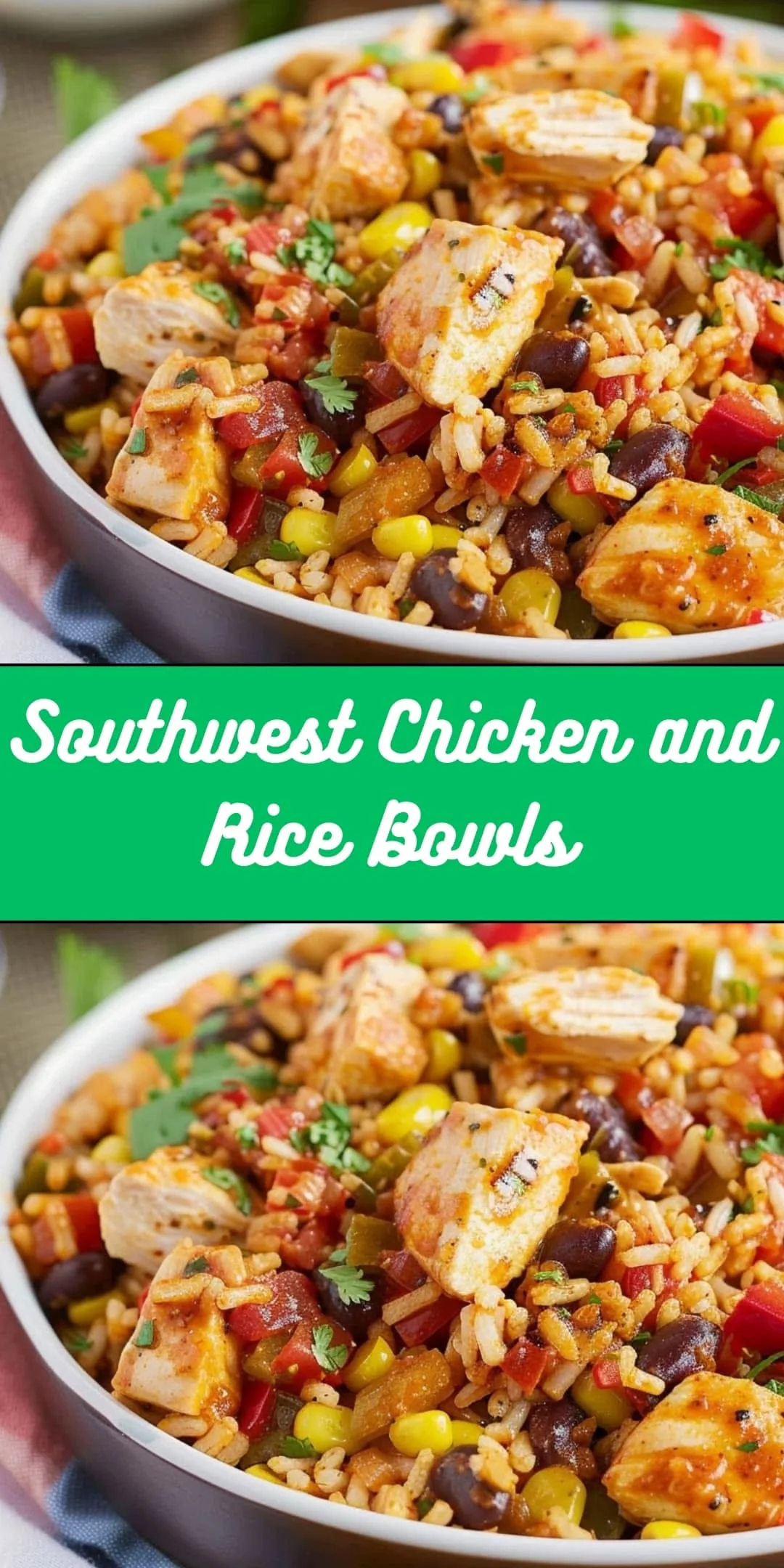
Low Cal Chicken & Rice Crock Pot Meals
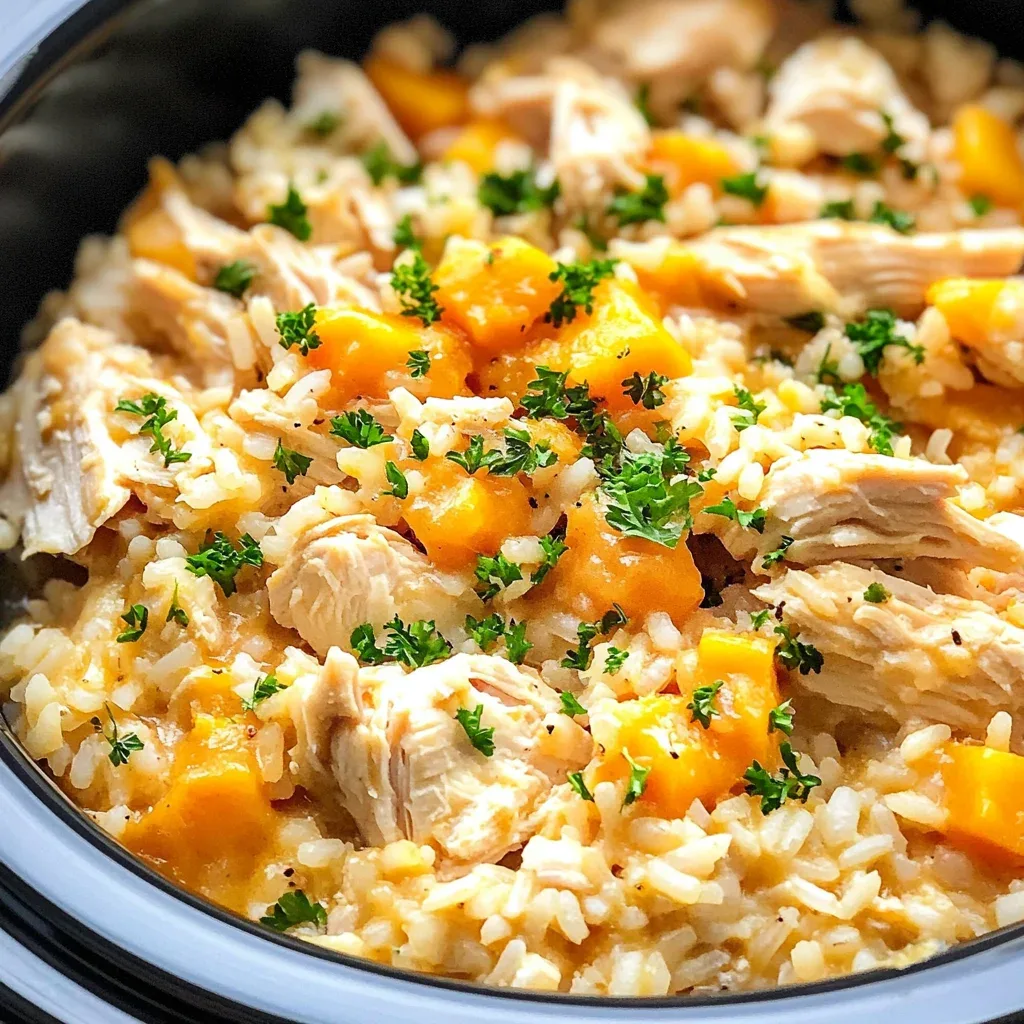
Low calorie chicken and rice crock pot recipes sound like the perfect meal prep solution. But most versions you find online are either bland mush or secretly way higher in calories than you think.
Per USDA data, a standard serving of cooked white rice alone packs about 200 calories before you add anything. That's where the math usually falls apart. Let's fix that so you get a meal that's actually low calorie, safe, and worth eating.
Image source: Bing (Web (fair-use with source credit))
Quick Answer
Use boneless skinless chicken breast and cut the rice with cauliflower. Bulk up with low-calorie vegetables like zucchini or bell peppers. Cook on low for 3 to 4 hours only.
Check internal temp hits 165°F. Portion control makes or breaks your calorie target.
Why This Recipe Deserves a Second Look (and Some Math)
Here's the thing. Low calorie chicken and rice crock pot recipes are everywhere, but most of them don't add up. You see a recipe that claims 300 calories per serving.
Then you look closer and realize the serving size is tiny. Or they use chicken thighs and full-fat coconut milk without telling you the real number.
A proper low-calorie version works because of two things. First, chicken breast is lean protein that keeps you full without a ton of calories. Second, smart swaps on the rice side cut the carb load in half.
But you need to do the math upfront, not after you've already eaten.
Let's break down what a real serving looks like. Per standard nutrition data, 4 ounces of boneless skinless chicken breast gives you about 120 calories with 26 grams of protein. Half a cup of cooked white rice adds roughly 100 calories.
That's 220 calories for the base. Add vegetables, broth, and seasonings and you land around 300 calories per serving.
That's the sweet spot for a meal that actually fills you up. You just can't double the rice or use oily cuts.
The Real Calorie Math: Chicken, Rice, and Everything Else
This is where most people slip up. They assume the recipe is low calorie because the title says so. Then they add a full cup of rice per serving and wonder why the scale isn't moving.
Here's the honest breakdown for a single serving of a typical low calorie chicken and rice crock pot recipe.
| Ingredient | Portion | Calories |
|---|---|---|
| Boneless skinless chicken breast | 4 oz (raw) | 120 |
| Cooked white rice | 1/2 cup | 100 |
| Mixed vegetables (broccoli, bell peppers, zucchini) | 1 cup | 45 |
| Low-sodium chicken broth | 1/2 cup | 10 |
| Seasonings and spices | to taste | ~5 |
| Total | ~280 |
That 280-calorie number works for a weight loss plan. But watch what happens when you make three common changes.
You swap chicken breast for thigh meat. That adds about 50 calories per serving. You bump the rice to one full cup.
That adds another 100 calories. You add a tablespoon of oil for browning. That's 120 calories.
Suddenly you're at 550 calories per serving.
That's nearly double. And you didn't even notice.
The fix is simple. Measure everything before it goes into the pot. Use a food scale for chicken.
Measure your rice dry, not cooked, because the volume changes. Dry rice yields about three times its volume when cooked. Half a cup of dry rice makes about one and a half cups cooked.
That's a big difference if you're eyeballing it.
The USDA recommends that lean protein and whole grains make up the core of a balanced meal. This recipe fits that. But only if you keep the portions honest.
Choosing the Right Cuts and Grains for Low-Calorie Success
Your ingredient choices matter more than any cooking trick. Let's look at the two big decisions.
Chicken breast versus thigh.
Chicken breast wins for low calorie. No question. Four ounces of breast meat gives you about 120 calories.
The same amount of thigh meat runs closer to 170 calories. That 50-calorie difference adds up if you're eating this meal multiple times a week.
But there's a catch. Chicken breast dries out faster in a crock pot. Thigh meat stays juicier because it has more fat.
So you need to cook breast meat on low and check it early. Three hours on low is usually enough for a standard size breast. Four hours max.
Anything longer and you get dry, stringy chicken.
If you really prefer thigh meat, you can make it work. Just account for the extra calories elsewhere in your day. Trim visible fat before cooking to save a few calories.
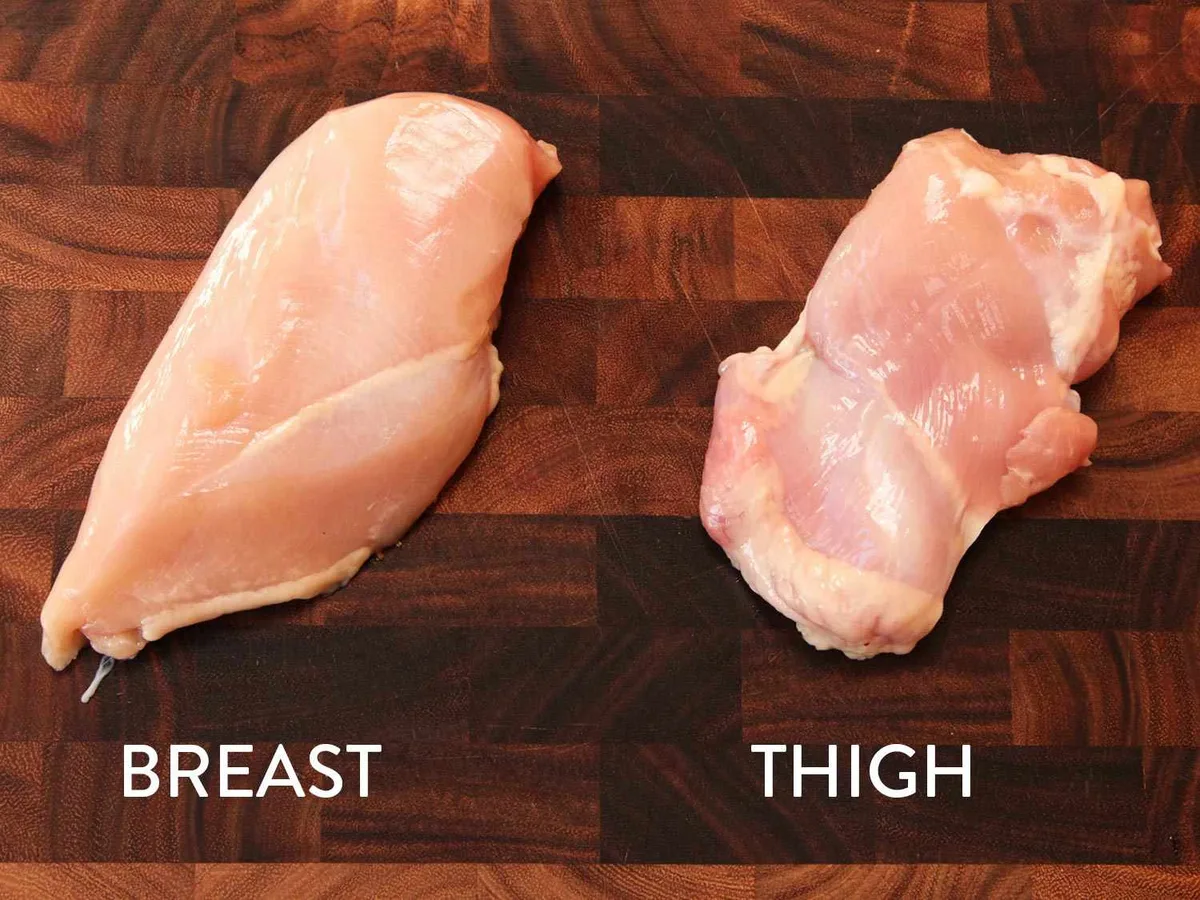
Image source: Bing (Web (fair-use with source credit))
Rice versus alternatives.
White rice is the standard choice. It's cheap, easy, and most people like it. But half a cup of cooked rice at 100 calories is a small portion.
If you want a bigger volume for fewer calories, mix in cauliflower rice.
Half a cup of cauliflower rice has about 15 calories. Mix it half and half with regular rice and you get a full cup of volume for about 60 calories. That's a significant savings.
You barely taste the difference once it's mixed with broth and seasonings.
Brown rice has a better fiber profile. But it takes longer to cook in a crock pot and can turn mushy if you're not careful. If you use brown rice, cook it separately and add it at the end.
Other grains like quinoa or farro add protein but also more calories. Quinoa runs about 110 calories per half cup cooked. It's still a good option if you want the extra nutrients.
Just adjust your portions.
How to Cook It Right: A Safe, Simple Process
Safety comes first with slow cooker chicken. Undercooked chicken can cause foodborne illness. Overcooked chicken is dry and unpleasant.
You need to hit the sweet spot.
Here's the process that works every time.
Step one: prep your ingredients.
Trim any visible fat from the chicken. Cut larger breasts in half so they cook evenly. Chop your vegetables into similar size pieces.
This helps everything finish at the same time.
Step two: layer correctly.
Put vegetables on the bottom of the crock pot. They take longer to cook and the heat distributes better from the bottom. Place the chicken on top of the vegetables.
Pour in the broth around the sides, not directly over the chicken. This keeps the seasoning on the meat.
Step three: set the time and temperature.
Cook on low for 3 to 4 hours for chicken breasts. Check at the three-hour mark. Thighs can go 4 to 5 hours.
Do not cook on high for chicken breasts in a crock pot. High heat makes them tough and dry.
Step four: check the temperature.
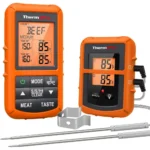
This is non-negotiable. The FDA recommends an internal temperature of 165°F for chicken. Insert a meat thermometer into the thickest part of the breast.
If it hasn't hit 165, cook longer and check again every 15 minutes.
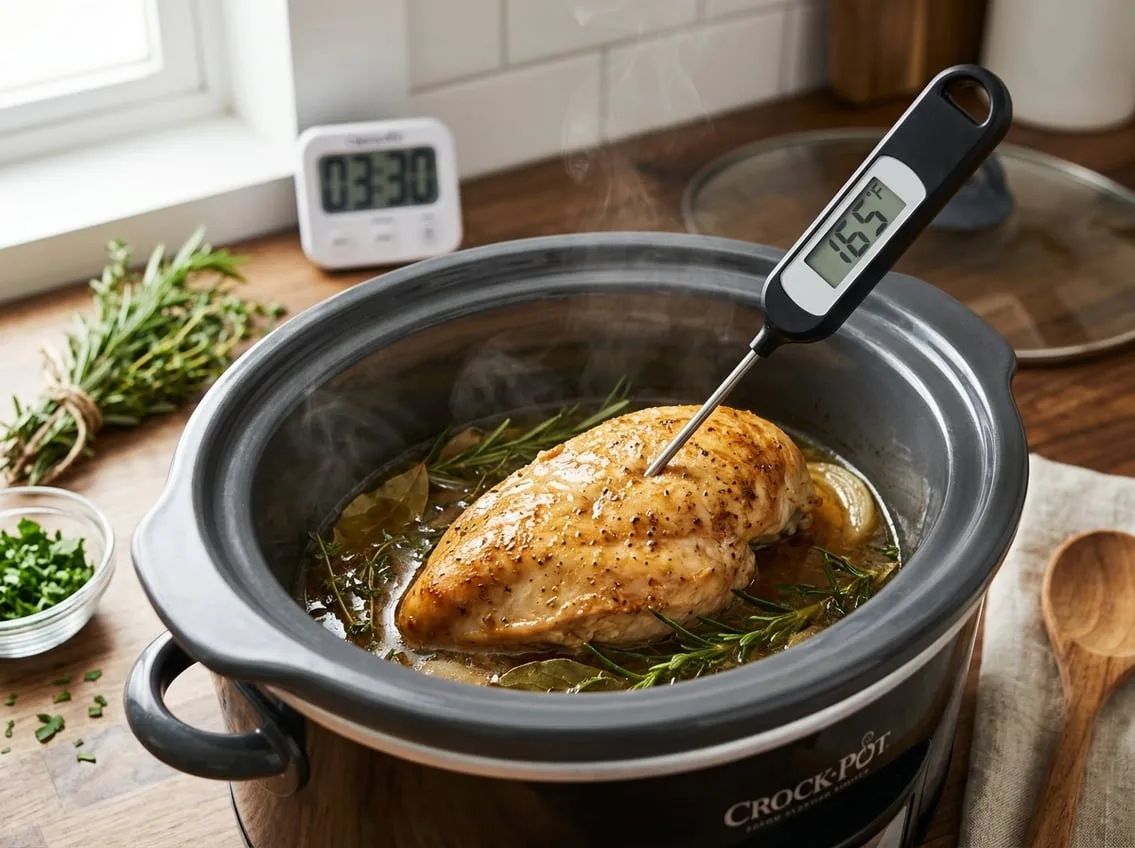
Image source: Bing (Web (fair-use with source credit))
Step five: add rice at the end.
Do not add raw rice to the crock pot at the beginning. It will absorb too much liquid and turn into porridge. Cook the rice separately on the stove or in a rice cooker.
Add it to your bowl when you serve. This gives you full control over the texture and the portion.
If you absolutely want one-pot convenience, use parboiled or converted rice. It holds up better. Add it in the last 30 minutes of cooking with just enough extra broth.
But honestly, separate cooking gives better results.
Seven Common Errors That Blow Up Your Calorie Count
You can follow a perfect recipe and still end up with a high-calorie meal. These seven mistakes are the usual suspects.
1. Using too much rice.
This is the number one error. People heap on rice because it's cheap and filling. A full cup of cooked rice adds 200 calories.
That doubles the base of your meal. Stick to half a cup per serving. Mix with cauliflower rice if you want more volume.
2. Browning chicken in oil.
Some recipes tell you to sear the chicken before adding it to the crock pot. That adds flavor. But one tablespoon of oil adds about 120 calories.
If you brown four servings worth, that's 30 extra calories per serving. Skip the browning or use a nonstick pan with cooking spray.
3. Adding cream or full-fat dairy.
Cream of mushroom soup, heavy cream, or cream cheese are common crock pot additions. They add richness. They also add significant calories.
Two tablespoons of cream cheese has about 60 calories. A half cup of heavy cream has about 200. Use plain Greek yogurt stirred in at the end instead.
4. Ignoring portion sizes.
You make a big batch and scoop out a generous bowl. Then another. The calories from a full portion are fine.
The calories from two and a half portions are not. Measure your servings. Use a kitchen scale if you have one.
5. Loading up on high-calorie vegetables.
Not all vegetables are low calorie. Corn, peas, and potatoes are starchy. A cup of corn has about 130 calories.
A cup of broccoli has about 30. Choose your vegetables wisely. Stick with broccoli, bell peppers, zucchini, spinach, and cauliflower.
6. Using too much broth.
Broth is low calorie. But if you use a full cup per serving and drink all the liquid, those calories add up. More importantly, too much broth dilutes flavor and makes you add extra salt or seasonings.
Use just enough to cover the vegetables.
7. Cooking rice in the pot.
We covered this. Cooking rice directly in the crock pot makes it absorb all the liquid and turn mushy. It also soaks up any fat from the chicken, increasing the calorie density.
Cook rice separately. Add it to your bowl. Control the ratio yourself.
Avoid these seven mistakes and your low calorie chicken and rice crock pot recipe will actually stay low calorie. That's the whole point.

Similar Posts