10 Must-Try Italian Sausage Recipes Tonight
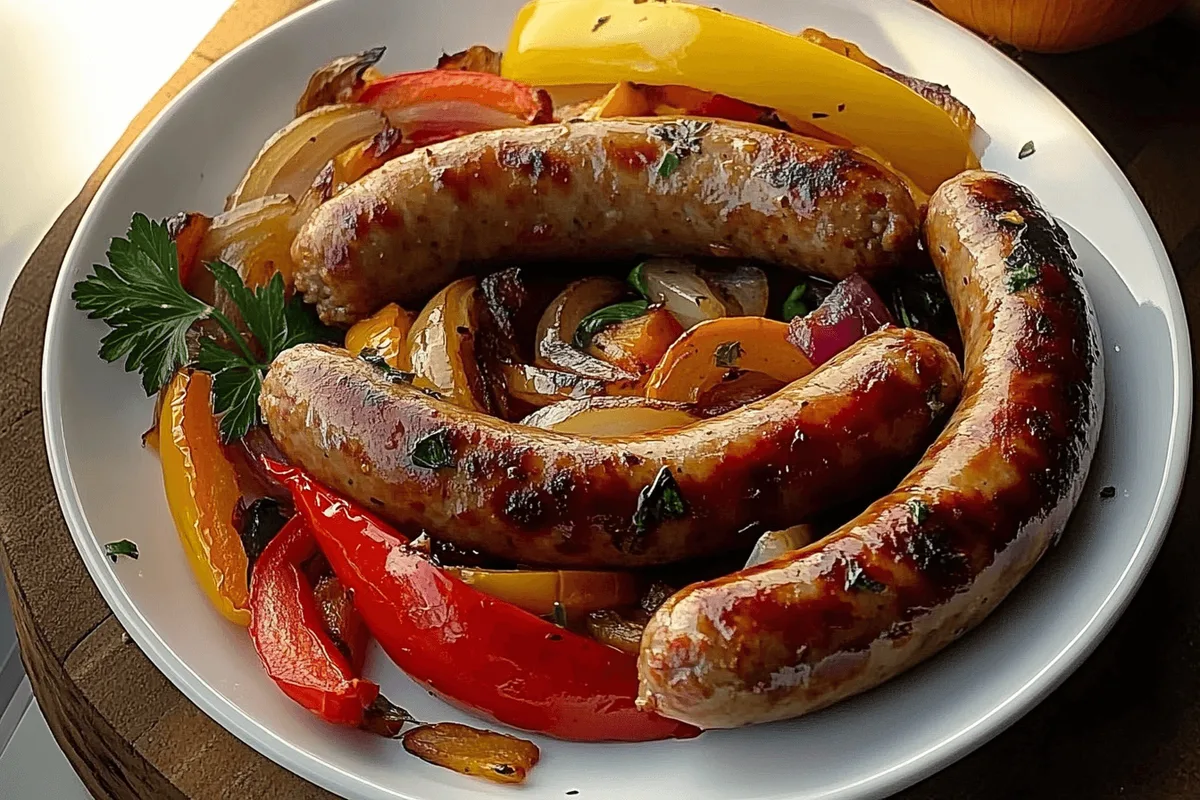
Most italian sausage recipes don't fail because of the ingredients. They fail because of the cooking method. You've got a stove, an oven, a grill, or maybe a slow cooker.
Choosing the wrong one for your situation gives you split casings, dry meat, or a pale, rubbery link.
Manufacturer specs and USDA guidelines agree: pork sausage is safe at 160°F, and poultry sausage at 165°F. How you reach that number changes everything. In our research, the biggest variable isn't the sausage.
It's the workflow you pick. So let's match the method to your setup.
Image source: Bing (Web (fair-use with source credit))
Quick Answer
The best italian sausage recipes depend on your time, equipment, and sausage type. Pan-fry for a fast golden crust. Bake for hands-off batch cooking.
Grill for smoky char. Simmer in sauce for tender subs.
There's No Single "Right" Way: How to Pick Based on Your Situation
Here's the truth: no cooking method wins every time. Pan-frying gives you the fastest crisp crust. Oven-baking gives you a hands-off dinner.
Grilling adds a smoky edge you can't fake indoors. Simmering in sauce gives you the tender, juicy links you want for subs.
The condition that matters most is your everyday reality. If you've got 15 minutes and a hungry family, the best italian sausage recipe is a skillet dinner. If you're feeding a crowd and need to walk away, the oven wins.
If the grill is already hot for vegetables, throw the links on.
Your comfort level matters too. A first-timer should probably bake. It's harder to burn or split the casing.
A confident cook can babysit a skillet and build a fond that flavors the pan sauce.
Think of each method as a tool, not a competition. The right one depends on your schedule, your kitchen, and the dish you're building. Start with the decision tree below, then follow the step-by-step section for your pick.
The Italian Sausage Decision Tree: 3 Questions That Choose Your Method
Ask these three questions before you touch the pan. Your answers point to a single method.
1. How much time do you have?
Under 20 minutes? Pan-fry or air-fry. That's the fastest path to a brown crust. 20 to 30 minutes?
Bake or grill. Over an hour? Simmer in sauce.
2. What equipment is available?
Stovetop only? Use a heavy skillet. Oven ready?
Bake at 400°F. Grill hot? Go outside.
Slow cooker out? Use marinara for a saucy batch.
3. How do you plan to serve them?
Subs need whole links that stay tender. Pasta and casseroles work better with crumbled bulk. Standalone mains should have a good sear.
| If you have… | And you want… | Your best method | | 15 minutes | A quick weeknight dinner | Pan-fry | | 30 minutes and an oven | Hands-off batch cooking | Bake at 400°F | | A hot grill | Char and smoke | Grill over medium heat | | A few hours | Tender, saucy subs | Simmer in marinara |
As of 2026, aggregate cookbook guidance and extension resources still point to the same rule: choose the heat source that matches the time you can give it. No method is "wrong." Some are just smarter for your situation.
Step-by-Step: The Four Best Italian Sausage Cooking Methods
Each method works. The trick is matching heat and time to the sausage. Follow these steps and use a thermometer, not a timer, to know when it's done.
Pan-Frying Italian Sausage: Best for a Golden Crust and Quick Weeknights
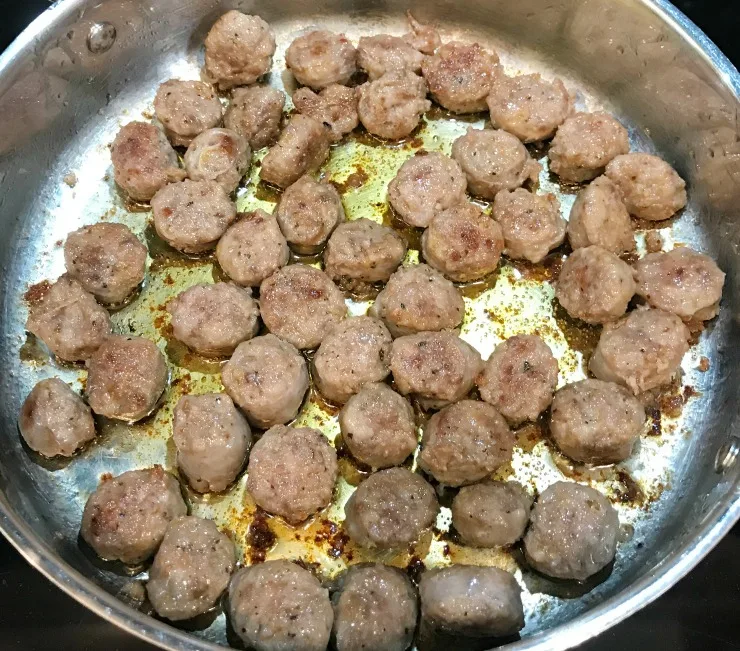
Image source: Bing (Web (fair-use with source credit))
Set a heavy skillet over medium heat. Add two tablespoons of water. Cover and cook for 5 minutes.
Flip, cover, and cook 5 more. Then remove the lid and let the water evaporate, browning the casings for 2 to 3 minutes per side. This keeps the center safe and the outside crisp.
Oven-Baking: Best for Hands-Off Batch Cooking
Heat the oven to 400°F. Line a sheet pan with parchment. Arrange the links with at least an inch between them.
Bake for 20 to 25 minutes, turning once at the halfway mark. No flipping mid-step, no grease splatter.
Grilling: Best for Smoke and Char
Preheat the grill to medium, around 350°F to 400°F. Place the links diagonally across the grates. Turn every 4 to 5 minutes for 15 to 20 minutes total.
If the casings char too fast, move them to the cooler side of the grill.
Slow-Simmering in Sauce: Best for Subs and Tender Texture
Brown the links in a skillet for 5 minutes first. Then transfer them to warm marinara. Simmer on low for 20 to 30 minutes.
The acid from the sauce keeps the meat juicy and builds flavor at the same time.
Whole Links vs Bulk Sausage: Which Workflow Should You Use?
The packaging changes how you cook it. Whole links have natural casings that hold their shape. Bulk sausage is ground meat without a casing, ready to crumble.
Bulk is faster. More surface area means it browns in 8 to 10 minutes. It's ideal for pasta sauce, chili, stuffed peppers, and breakfast hash.
It also absorbs seasonings faster.
Whole links take longer, usually 15 to 25 minutes depending on the method. They keep their shape, which makes them perfect for subs, platters, and grilling. The casing also traps juices, so the interior stays moist.
Your decision should match the dish:
| Dish type | Buy this | Why | | Pasta or casseroles | Bulk | Quick crumble, even browning | | Subs or hoagies | Whole links | Shape stays intact | | Grilled mains | Whole links | Casing holds up | | Soup or white bean dishes | Either | Cut links into coins or crumble |
If the package label says "sweet" or "hot," that's the flavor profile, not the texture. Sweet is mild and fennel-heavy. Hot adds red pepper flakes.
Both come in link and bulk forms. So choose the form first, then pick the heat level.
Common Italian Sausage Mistakes: Splits, Dry Meat, and Uneven Cooking
A few small mistakes cause most bad sausage dinners. Here's what to stop doing.
Cranking the heat too high. High heat chars the outside before the middle cooks. Medium heat gives you an even cook and a good sear.
Poking the casing with a fork. Yes, it prevents dramatic splits. But it also drains the juices. You get a drier sausage.
Skip the poking and use a lower flame.
Skipping the thermometer. Timers lie because links vary in thickness and fat content. The USDA Food Safety and Inspection Service recommends 160°F for pork and 165°F for poultry. As of 2026, a decent instant-read thermometer costs less than a pound of good sausage.
Crowding the pan. Links that touch steam instead of sear. They turn pale and rubbery. Give them space or cook in batches.
Forgetting to rest them. After cooking, let links sit for 2 to 3 minutes. That lets the juices redistribute. Slice one right away and it runs dry.
If a casing still splits, the sausage is safe as long as it hits the right temperature. It just loses some moisture. Not a ruined meal, just a less photogenic one.
Safe Internal Temperatures and Handling Rules for Italian Sausage
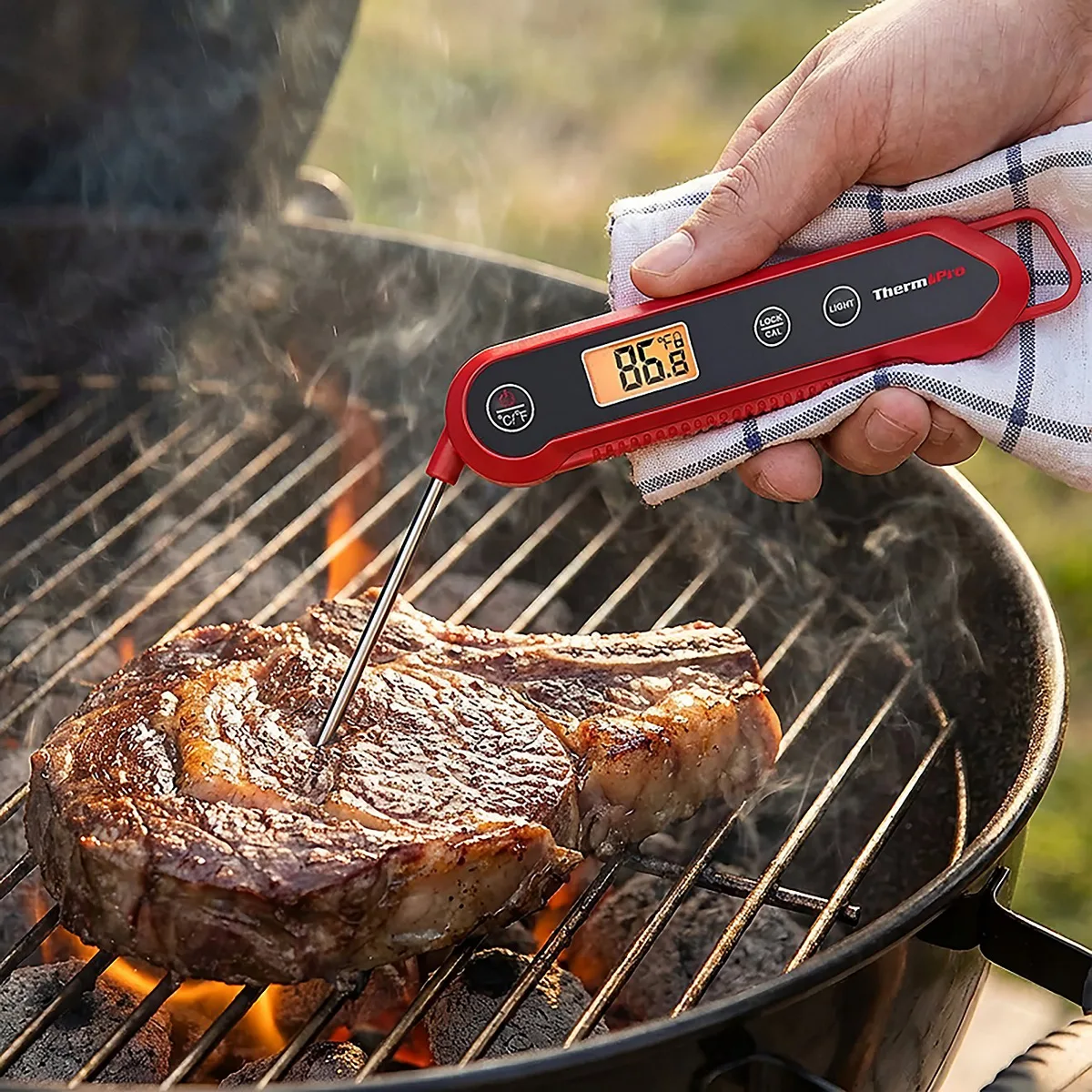
Image source: Bing (Web (fair-use with source credit))
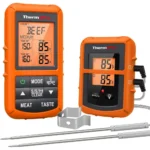
A thermometer is the only reliable way to know if your sausage is safe. Color lies. A fully cooked link can still look pink inside due to nitrates.
A pale sausage can be safe but unattractive.
Pork Italian sausage must reach 160°F. Poultry Italian sausage needs 165°F. These numbers come from the USDA Food Safety and Inspection Service.
Insert the probe into the thickest end of the link. Avoid touching the casing or the pan. Wait 3 seconds for a steady reading.
Storage rules matter too. Keep raw sausage refrigerated at 40°F or below. Use it within two days of purchase. Freeze it for up to three months in airtight packaging.
Thawing is a decision point, not a random step. Thaw in the refrigerator overnight. Cold water thawing works in a pinch but requires a sealed bag and a water change every 30 minutes. Never thaw on the counter.
The outer surface hits unsafe temps while the center stays frozen.
Cross-contamination is the silent risk. Raw pork and poultry carry bacteria. Wash your hands, the cutting board, and the knife with hot soapy water before touching anything else. No exceptions.
A dirty sponge is worse than no sponge at all.
If you're cooking for someone with a weakened immune system, a pregnant person, or an older adult, double-check that temp. It's a small step that prevents a bad outcome.
Italian Sausage FAQs: Timing, Freezing, and Recipe Shortcuts
How long does it take to cook Italian sausage on the stove?
Pan-frying takes 12 to 18 minutes total. Use medium heat. Add a little water and cover for the first 10 minutes, then brown uncovered.
This prevents burning and keeps the inside moist.
Can you freeze cooked Italian sausage?
Yes. Let it cool completely. Store in a freezer-safe bag or container for up to three months.
Thaw in the refrigerator overnight. Reheat in a skillet or oven at 350°F until warmed through.
Do you have to boil Italian sausage before grilling?
No, but it helps if you're worried about burning the casing. A quick 5 minute simmer in water or beer brings the center closer to done. Then grill for 5 minutes per side for color.
This method is safe as long as the internal temp hits 160°F.
Can you cook Italian sausage from frozen?
Yes, but it takes longer. Add 5 to 8 minutes to your cooking time. Use a lower heat to avoid burning the outside.
Always check the internal temperature with a thermometer.
What's the difference between sweet and hot Italian sausage?
Sweet uses fennel and garlic as the main seasonings. Hot adds crushed red pepper flakes for heat. Both are available in link or bulk form.
The cooking method stays the same for either variety.
How do you reheat Italian sausage without drying it out?
Use a covered skillet with a splash of water or sauce. Warm over medium-low heat for 5 minutes. The steam keeps the meat juicy.
Avoid the microwave unless you're in a hurry and don't mind a rubbery texture.
Final Decision Guide: Match Your Method to Your Meal
You've got four reliable paths to good Italian sausage. Here's the short version of when to pick each one.
Pan-fry when you're short on time and want a crisp crust. It's the best option for a fast weeknight meal. Serve with peppers and onions or slice it over pasta.
Bake when you're cooking multiple links at once. The oven handles six to eight links easily. It's also the most forgiving method for beginners.
Grill when you want smoke flavor and char marks. It works best for summer dinners or entertaining. Just avoid high heat to keep the casings intact.
Simmer in sauce when you're making subs or a saucy pasta. The sauce keeps the meat tender and adds flavor. Brown the links first for extra depth.
If you're still unsure, start with the oven at 400°F for 20 minutes. It's the safest, most consistent method. Then move to other methods as your confidence grows.
The best italian sausage recipe is the one that fits your kitchen and your clock. Choose the workflow, hit the right temperature, and you'll get a good meal every time.

Similar Posts