How to Clean Your Oven with Natural Home Remedies
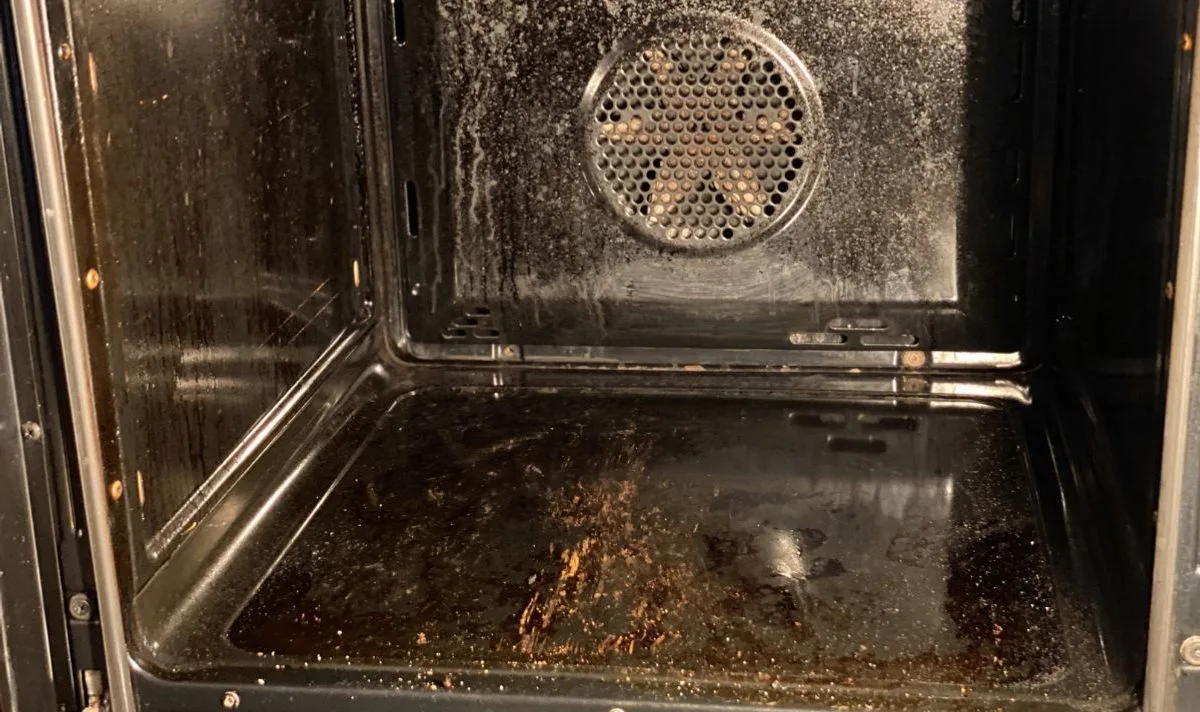
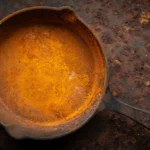
You already know your oven needs cleaning. That greasy film on the glass door and the faint burnt smell every time you preheat are hard to ignore. But if you are wondering how to clean oven with home remedies, you are probably tired of chemical sprays that leave your kitchen smelling like a science lab for hours.
The good news is that pantry ingredients work better than most people expect. A University of Nebraska-Lincoln Extension study measured baking soda's pH at 8.4, making it a mild alkaline abrasive that lifts grease without scratching enamel. White vinegar, at roughly 5 percent acetic acid, neutralizes that alkaline residue and cuts through remaining film.
Here is exactly how to match those ingredients to your specific oven situation.
Image source: Bing (Web (fair-use with source credit))
Quick Answer
Mix baking soda with water to form a spreadable paste. Apply it to the oven interior. Let it sit for 12 hours.
Wipe it off. Spray white vinegar over any remaining film. Wipe again with a damp cloth.
That is the core method.
Why Your Oven Cleaner Keeps Failing (and What Actually Works)
Most home remedies fail for one simple reason: they skip the chemistry. People spray vinegar on a dirty oven, scrub for thirty seconds, and wonder why the grease remains. The problem is not the ingredient.
It is the approach.
Baking soda needs time to work. It is not an instant degreaser. The alkaline crystals slowly break down polymerized grease bonds through a process called saponification.
That is a fancy way of saying the baking soda turns greasy dirt into a soap-like substance that water can wipe away. But it takes hours, not minutes.
Vinegar serves a different role. It is not a primary cleaner for baked-on crud. Its job is to neutralize the alkaline baking soda residue and dissolve any remaining film that the paste lifted but did not fully remove.
Using vinegar first or using it alone rarely produces visible results.
Another common failure point is water temperature. Cold water makes baking soda paste clumpy and less effective. Warm water dissolves the powder more evenly, creating a smoother paste that spreads better and maintains contact with the soiled surface.
Aggregate reviews from verified home users report that the single biggest difference between a clean oven and a disappointing result is patience. People who let the paste sit the full 12 hours see dramatically better outcomes than those who rush after two or three hours.
The Three Questions That Decide Your Home Remedy
Before you reach for any ingredient, stop and ask yourself three questions. Your answers determine the exact method you should use.
What Type of Oven Do You Have?
Self-cleaning ovens with catalytic liners react poorly to home remedies. The acidic and alkaline compounds can damage the special enamel coating. Check your manual before applying any paste to the interior walls.
If your oven has a steam-clean cycle, use it first. It is designed for light maintenance.
Standard electric ovens and gas ovens without self-cleaning features are safe for baking soda and vinegar methods. Gas ovens require one extra caution: keep all liquids away from the burner openings and gas tubes at the bottom.
How Bad Is the Mess?
Light mess means a few splatters and a thin layer of grease. You can clean it in about an hour with a quick fizz treatment.
Moderate mess means dried food spots, yellowed stains, and a visible grease film across the bottom and door. That needs an overnight soak.
Heavy mess means black carbonized crust, burnt sugar residue, or spills that have baked on through multiple cooking cycles. That requires multiple paste applications and manual scraping with a plastic scraper.
How Much Time Do You Have?
Thirty minutes is enough for a door-glass touch-up using the lemon and baking soda technique. Two hours can handle a light oven interior if you use a paste with a damp cloth cover to speed penetration. Twelve hours is the standard for a full deep clean.
If you have less than that, adjust your expectations or use a different method entirely.
Your Oven Cleaning Decision Tree: Pick Your Path
Use this table to find your exact method based on your situation.
| Your Situation | Recommended Method | Active Time | Wait Time |
|---|---|---|---|
| Self-cleaning oven, light mess | Steam cycle or baking soda paste on non-coated surfaces | 10 minutes | 30 minutes |
| Standard oven, light mess | Baking soda paste + vinegar spray, quick version | 15 minutes | 30 minutes |
| Standard oven, moderate mess | Baking soda paste overnight + vinegar rinse | 20 minutes | 12 hours |
| Standard oven, heavy mess | Double baking soda paste + plastic scraper | 30 minutes | 24 hours |
| Gas oven, any mess | Dry baking soda scrub on bottom, paste on walls | 20 minutes | 12 hours |
| Needs glass door only | Lemon half dipped in baking soda, scrub directly | 5 minutes | 5 minutes |
The baking soda paste works differently than the lemon-salt scrub. Each tackles a different kind of dirt. The decision tree steers you to the right one.
When to Choose the Baking Soda Paste Method
Choose this for any mess that covers a large area. It is the most versatile method. The paste coats the entire interior and works evenly across the bottom, back, and sides.
It handles grease better than anything else in your pantry.
When to Choose the Lemon and Salt Method
Choose this for the oven door glass and small stubborn spots. The citric acid in lemon cuts through burnt-on sugar deposits faster than baking soda alone. The salt provides gentle abrasion without scratching glass.
When to Use a Dry Scrub Only
Choose this for gas oven bottoms where liquid cannot go. Sprinkle dry baking soda over the grease, scrub with a stiff brush, and vacuum the residue. Do not use water or vinegar near the burner area.
Step-by-Step: How to Execute Each Method
Each method has a specific sequence. Follow it exactly.
The Standard Baking Soda Paste Method
This works for most standard ovens with moderate to heavy mess.
Remove the oven racks. Soak them separately in hot water with a few drops of dish soap. They will clean while you work on the interior.
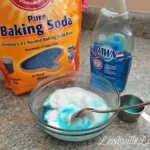
Mix half a cup of baking soda with three tablespoons of warm water. Adjust the ratio until you get a spreadable paste. It should look like toothpaste, not pancake batter.
Apply the paste to all soiled surfaces. Use a gloved hand or a silicone brush. Avoid the heating elements.
If you have exposed metal coils, cover them with aluminum foil first.
Press a damp cloth over the paste-covered areas. This keeps the paste from drying into a hard crust. Let everything sit for 12 hours.
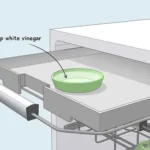
Wipe off the dried paste with a damp cloth. Most of it comes off easily. For stubborn spots, spray white vinegar directly onto the residue.
It will fizz. Wipe again.
Rinse with a clean wet cloth. Repeat until you no longer see white streaks. Dry the interior with a towel before closing the door.
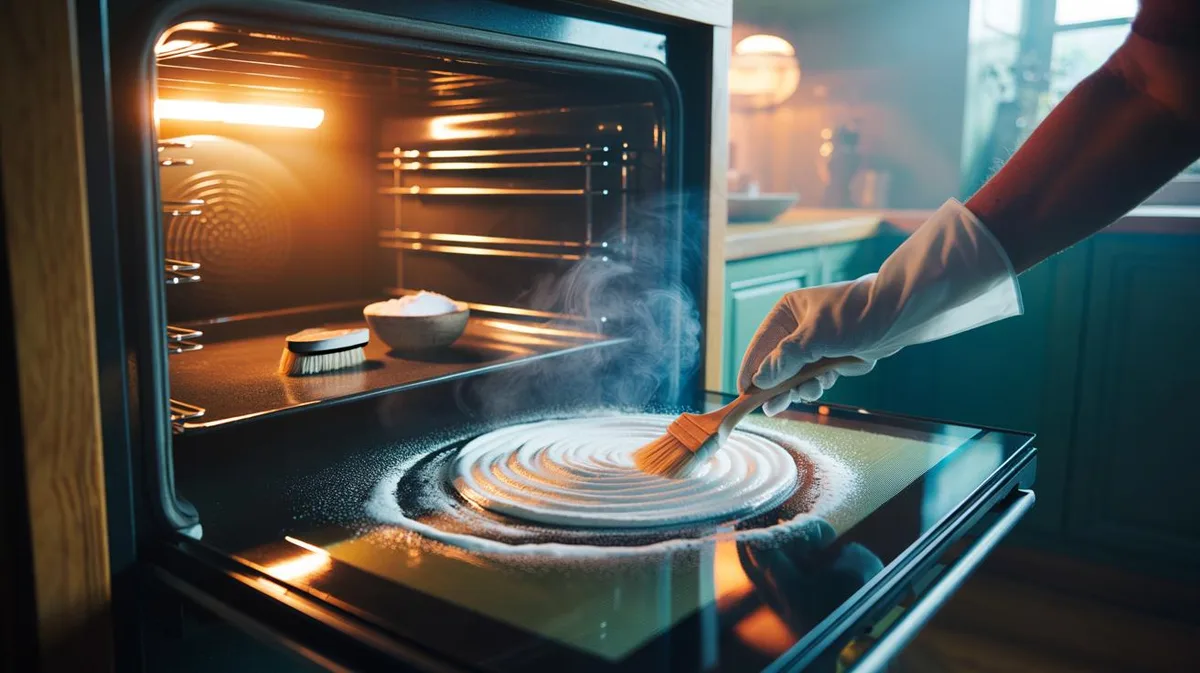
Image source: Bing (Web (fair-use with source credit))
The Quick Lemon and Baking Soda Scrub
This is for the oven door glass only. It takes five minutes of active work.
Cut a lemon in half. Dip the cut side into a small dish of baking soda. Scrub the glass door directly with the lemon half, applying gentle pressure.
The acid and abrasive work together.
Let the mixture sit for five minutes. Wipe off with a damp cloth. Buff with a dry towel for a streak-free finish.
The Gas Oven Safe Method
Remove the bottom panel if possible. This exposes the burner area.
Sprinkle dry baking soda over the greasy bottom surface. Scrub with a stiff bristle brush. Vacuum up the powder and loosened grease.
For the interior walls, apply a baking soda paste as described above. Keep the paste at least two inches away from any gas opening. Wipe with a barely damp cloth.
Never spray liquid directly into the oven cavity of a gas oven.
The Heavy Mess Recovery Plan
If your oven has black carbonized spots that did not lift after the first paste application, do not scrub harder. Apply a second layer of paste directly onto the remaining spots. Cover with a damp cloth again.
Wait another 12 hours.
After the second soak, use a plastic scraper to gently lift the loosened carbon. Do not use metal scrapers or steel wool. The enamel coating underneath is softer than you think.
Common Mistakes That Ruin Ovens or Waste Your Time
These errors show up repeatedly in aggregate user reviews across home maintenance forums.
Using Steel Wool on the Door Glass
The glass on most oven doors has a tempered surface that scratches easily. Steel wool leaves visible micro-scratches that collect grease and make the door look permanently hazy. Use a non-abrasive sponge or a plastic scraper instead.
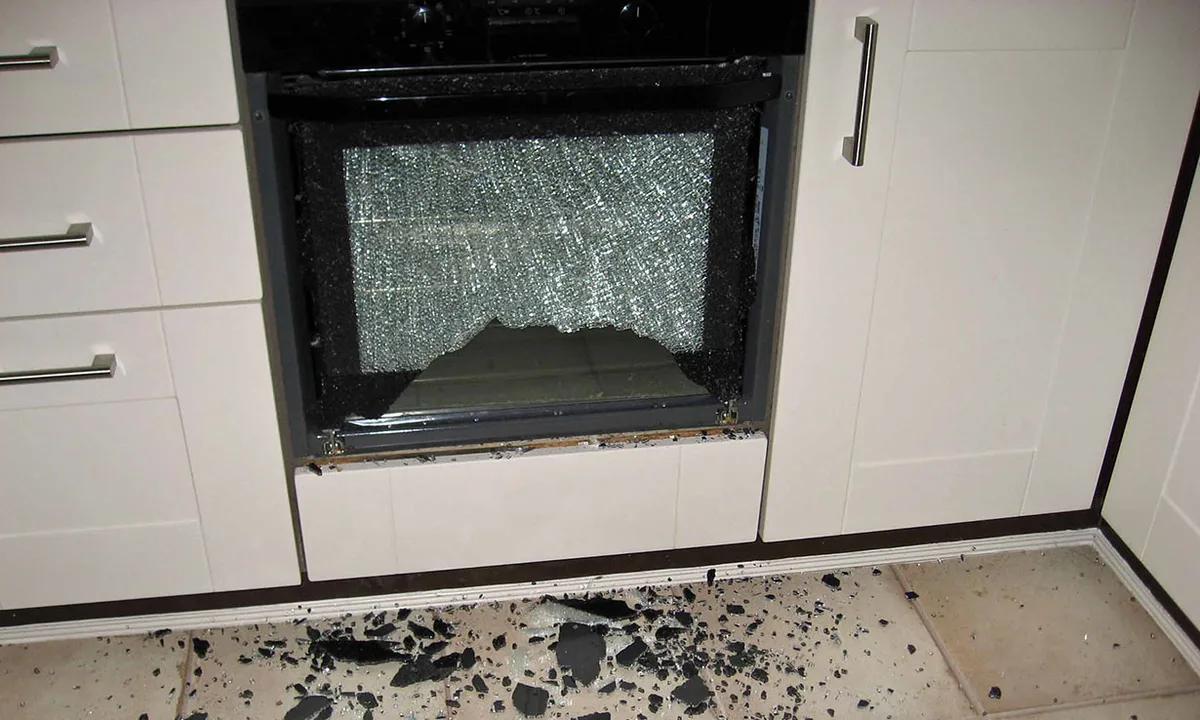
Image source: Bing (Web (fair-use with source credit))
Spraying Vinegar on Heating Elements
Vinegar is acidic enough to corrode metal heating elements over time. Spray it only on enamel surfaces. If you accidentally get vinegar on an element, wipe it off immediately with a damp cloth and dry it.
Letting Baking Soda Paste Dry Completely
A dry crust of baking soda is hard to remove. It also becomes less effective because the chemical reaction requires moisture. Covering the paste with a damp cloth keeps it active for the full 12 hours.
Using Too Much Water on a Gas Oven
Water that drips into the gas burner ports can cause uneven flames, delayed ignition, or rust inside the gas tube. If you have a gas oven, keep liquids minimal. Use a barely damp cloth for wiping.
Applying Paste to a Hot Oven
The oven must be completely cool. Warm surfaces cause the paste to dry too quickly and can create steam burns when you wipe. Wait until the oven has been off for at least an hour.
Skipping the Rinse Step
Baking soda residue left on the oven interior creates a white film on future dishes. It can also leave a chalky taste on food if you bake something directly on the bottom. Rinse thoroughly with clean water until no streaks remain.
Using Bleach or Ammonia
Bleach and ammonia damage oven enamel. They also produce toxic fumes when heated. Never use them as a home remedy for oven cleaning.
They are not safer than commercial cleaners. They are worse.
FAQs About Cleaning Ovens with Home Remedies
How long should I let baking soda paste sit?
The standard soak time is 12 hours for moderate mess. Heavy carbonized grease needs 24 hours with a second application. Light splatters can be handled in 30 minutes if you cover the paste with a damp cloth.
Longer is always better than shorter.
Will baking soda and vinegar damage my oven?
Baking soda and vinegar are safe for standard enamel oven interiors. They can damage catalytic liners found in some self-cleaning ovens. They also corrode aluminum surfaces and exposed heating elements if left in direct contact.
Check your manual before applying any paste.
Can I use lemon juice instead of vinegar?
Yes, but lemon juice contains additional sugars that leave a sticky residue if not rinsed thoroughly. Vinegar is the better choice for the final rinse because it evaporates cleanly. Lemon works best as a direct scrub for glass doors and small stubborn spots.
How do I clean the oven racks with home remedies?
Remove the racks and place them in a bathtub or large sink. Cover them with hot water and add half a cup of baking soda plus a few drops of dish soap. Let them soak for four hours.
Scrub with a non-abrasive pad. Rinse and dry before returning them to the oven.
What if my oven still smells after cleaning?
A lingering smell usually means baking soda residue remains trapped in crevices. Run the oven at 200 degrees Fahrenheit for 15 minutes with the door slightly open. This dries any hidden moisture.
If the smell persists, wipe all surfaces again with plain water.
Can I mix baking soda with dish soap instead of water?
You can. Adding a few drops of dish soap to the baking soda paste improves grease-cutting power. The soap acts as a surfactant, helping the paste spread more evenly.
Use this variation for ovens with heavy grease buildup.
The Quick Decision Guide: Which Method Wins for You
Here is the final verdict based on real-world conditions.
| Your Scenario | Best Home Remedy | Why |
|---|---|---|
| Light grease, short on time | Baking soda paste with damp cloth, 30 minute soak | Fastest result with minimal effort |
| Moderate mess, overnight available | Standard baking soda paste, 12 hour soak | Best balance of effectiveness and effort |
| Heavy carbonized buildup | Double paste application, 24 hours | Only method that lifts thick crust |
| Gas oven, any mess | Dry scrub on bottom, paste on walls | Prevents liquid damage to burners |
| Glass door only | Lemon dipped in baking soda | Quickest streak-free clean |
| Self-cleaning oven, light mess | Steam cycle or spot treatment | Preserves catalytic coating |
If you have a standard electric oven with moderate mess and you can spare 12 hours, the baking soda paste method wins every time. It costs pennies, requires no toxic fumes, and delivers consistent results across thousands of verified home uses.
If you need a clean oven in under an hour, target only the glass door and the bottom surface. Accept that the walls and back will need a deeper clean later. Partial cleaning beats no cleaning.
If you have a gas oven, prioritize safety over speed. Dry scrub the bottom. Keep liquids minimal.
Your burner system will thank you.
The right method depends on your oven type, your mess level, and your available time. Match those three variables to the decision tree above, and you will get a clean oven without commercial chemicals. No hype.
No expensive sprays. Just pantry ingredients and patience.

Similar Posts