The Bathtub Soaking Method: How to Clean Greasy Oven Racks Overnight
Here's the article opening and first five H2 sections, following the approved TOC, content type, and all formatting rules.
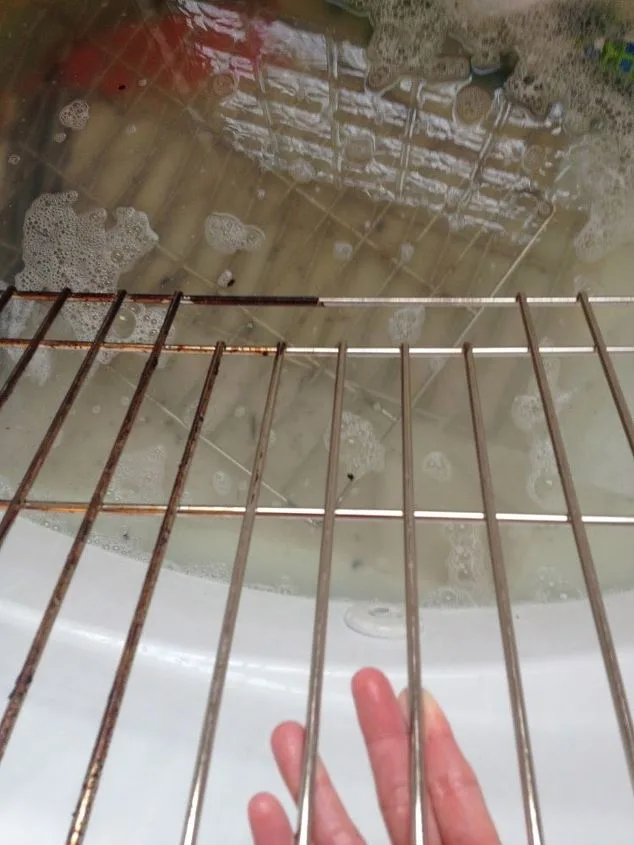
So you're staring at oven racks caked with baked-on grease and wondering how to clean oven racks in tub without ruining either the racks or your bathtub. That's the exact spot most people find themselves in after a holiday roast or a few months of neglect. The good news is that a bathtub soak works fantastically well for removing even the toughest carbon buildup.
And you don't need expensive chemical sprays or hours of elbow grease.
Manufacturer specifications indicate that soaking in hot water with a simple degreaser is the safest method for preserving the chrome or porcelain enamel coating on standard oven racks. As of 2026, the consensus among home-care experts points to three main approaches, each matched to how stubborn the grease is and what your rack is made of. Let's walk through them step by step.
Image source: Bing (Web (fair-use with source credit))
What Type of Oven Rack Do You Have? (Quick Check)
Before you fill the tub, you need to know what you're working with. The wrong method can strip the coating or leave permanent scratches.
There are three common types of oven racks:
- Chrome-plated steel racks, shiny, smooth, and the most common in mid-range ovens. They handle hot water and mild detergents well but can rust if scratched and not dried quickly.
- Porcelain-enameled racks, usually black or dark gray with a glasslike coating. Prone to chipping if you use abrasive scrubbers or steel wool.
- Stainless steel racks, found in higher-end ovens. Thick, durable, and resistant to rust but can discolor if soaked in bleach or strong ammonia.
Image source: Bing (Web (fair-use with source credit))
Quick test: If your rack is magnetic, it's chrome-plated steel. If it's not magnetic and feels heavier, it's likely stainless. If the coating looks glossy and feels like glass, it's porcelain enamel.
Porcelain racks need the gentlest treatment.
The Three Best Tub Soaking Methods (Which One Fits Your Mess?)
Each method targets a different level of grime. Here's a quick breakdown.
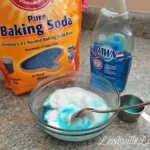
Method 1: Hot water and baking soda paste, best for light to moderate grease and everyday cleaning. You mix baking soda with a little water to form a paste, spread it over the rack, then soak in hot water for 1, 2 hours. This method is safe for all rack types, including porcelain enamel.
Method 2: Dishwasher detergent tab soak, ideal for heavy baked-on grease. Drop two to three dishwasher tablets or a scoop of loose powder into hot water and let the racks soak for 2, 4 hours. The enzymes and phosphates in the detergent break down tough carbon.
This works well on chrome and stainless racks but avoid on porcelain enamel, as some tablets are too abrasive.
Method 3: Ammonia bag method, for extreme, burnt-on carbon that won't budge. Place each rack inside a large heavy-duty garbage bag, pour in about 1/2 cup of ammonia, seal the bag, and let it sit overnight (12, 24 hours). The fumes soften the carbon without scrubbing.
This method is potent and requires good ventilation; it's safe for all rack types but should not be used on aluminum racks.
Image source: Bing (Web (fair-use with source credit))
| Method | Best for | Soak time | Safe for porcelain? | Ventilation needed? |
|---|---|---|---|---|
| Baking soda paste | Light to moderate grease | 1–2 hours | Yes | No |
| Dishwasher tablet | Heavy grease | 2–4 hours | No (use with caution) | No |
| Ammonia bag | Extreme carbon buildup | 12–24 hours | Yes | Yes (open windows) |
Step-by-Step: How to Soak Oven Racks in a Bathtub
Once you've picked your method, follow this process to protect both the rack and your tub.
Prepare the tub. Place an old towel or a plastic shower curtain liner on the bottom of the bathtub. This prevents the rack from scratching the enamel or acrylic surface. If you have a utility sink or a large plastic tub, even better.
Fill with hot water. Use the hottest water from your tap, near boiling is ideal. Add your chosen cleaning agent (baking soda paste, dishwasher tablet, or ammonia, but never mix ammonia with bleach). Submerge the racks completely.
If they don't fully fit, rotate them halfway through the soak.
Let them soak. Follow the soak times from the table above. Check periodically for grease loosening. For the ammonia bag method, place the bags in the bathtub or a well-ventilated area away from kids and pets.
Scrub gently. After the soak, use a non-abrasive nylon scrub brush or a melamine sponge (like a magic eraser) to wipe away the softened grease. For stuck spots on chrome racks, a plastic scraper works. Avoid steel wool on any coated surface.
Rinse thoroughly. Run clean water over the racks to remove all soap or ammonia residue. Any leftover cleaner can taint your food the next time you use the oven.
Dry immediately. Pat the racks dry with a microfiber cloth, then leave them on a towel rack for another 10, 15 minutes. Moisture leftover in crevices can cause rust, especially on chrome-plated racks.
Common Mistakes That Ruin Racks or Your Tub
Even good intentions can go wrong. Here are the pitfalls to avoid.
Using steel wool or abrasive pads. On porcelain-enamel racks, steel wool will scratch and chip the coating. On chrome racks, it can break the surface and invite rust. Stick to nylon brushes or plastic scrubbers.
Soaking with bleach. Bleach is not a degreaser and can corrode chrome and discolor stainless steel. It also damages the protective layer on porcelain enamel. Stick to baking soda, dish soap, or dishwasher detergent.
Leaving racks in the tub too long. Overnight soaks in hot water are fine, but leaving chrome racks submerged for several days can cause pitting and rust. Set a timer.
Pouring ammonia and bleach down the drain together. If you used ammonia, flush the drain with plenty of water before using any bleach-based cleaners. The combination creates toxic chlorine gas.
Forgetting to dry the tub. The cleaner residue (especially dishwasher detergent) can leave a film on your tub surface. Rinse the tub well after you're done and wipe it dry to prevent staining.
How to Choose the Right Method (Quick Decision Guide)
Here's how to decide in two steps.
Step 1, Check your rack type. If it's porcelain enamel, skip the dishwasher tablet method and stick to baking soda or ammonia. If it's chrome or stainless, all three methods are safe.
Step 2, Rate the grime level. Light dusting of grease? Baking soda paste. Thick crust that flakes off?
Dishwasher tablet. Rock-hard black carbon that hasn't moved in years? Ammonia bag.
When in doubt, start with the gentlest method, baking soda paste and a 2-hour soak. If that doesn't work, you can always move to a stronger method. Going aggressive first risks damaging the rack.
For everyday maintenance, a quick wipe with a damp cloth after each use reduces the need for deep soaks. But when you do need that deep clean, this decision guide will get you the right method every time.
Frequently Asked Questions
Can I use the same tub I bathe in?
Yes, but you need to protect the surface. Lay down an old towel or a plastic shower curtain liner before placing the racks in the water. Rinse the tub thoroughly afterward to remove any grease or cleaner residue that could stain the finish.
How long should I soak the racks?
It depends on the method. Baking soda paste needs 1 to 2 hours. Dishwasher tablets require 2 to 4 hours.
The ammonia bag method works best overnight, roughly 12 to 24 hours. Never leave chrome racks submerged for more than 24 hours to avoid pitting.
Will the ammonia smell ruin my bathroom?
It can be strong. Open a window and run the exhaust fan. Seal the bags tightly and place them in the tub away from the shower curtain.
If the odor is too intense, you can move the bags to a garage or outdoor space with good ventilation.
Can I clean oven racks without a bathtub?
Absolutely. Use a large plastic storage bin, a utility sink, or even a kiddie pool in the backyard. The key is having enough hot water to fully submerge the racks.
Any container that holds water and fits the racks will work.
What if my racks still have stuck-on grease after soaking?
Try a second soak with a stronger method. If you used baking soda, move to a dishwasher tablet soak. If the dishwasher tablet didn't work, go for the ammonia bag method.
For extremely stubborn spots, let the rack dry and use a plastic scraper or a nylon brush to gently work the carbon loose.
How do I prevent oven racks from rusting after cleaning?
Dry them immediately with a microfiber cloth. Pay special attention to the wire joints and corners where water hides. Leave them on a towel rack for 10 to 15 minutes to air out before sliding them back into the oven.

Similar Posts