Ditch the Vinegar: Best Coffee Maker Cleaner
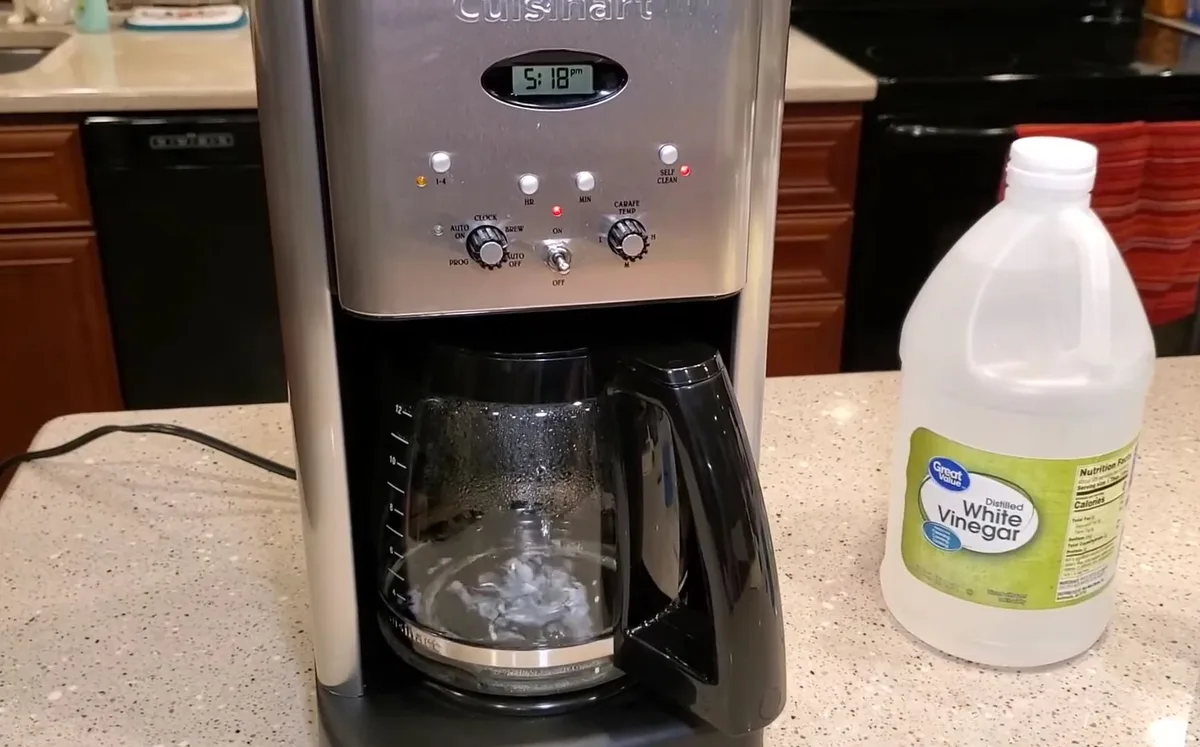
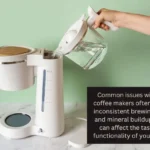
So you just finished your morning coffee, and you’re thinking about cleaning the machine. But you don’t want that vinegar smell clinging to your next brew. That’s exactly why you’re here: how to clean my coffee maker without vinegar.
It’s a common problem, vinegar leaves a sharp, lingering odor that even multiple rinse cycles can’t fully erase.
Per the Specialty Coffee Association, mineral scale buildup can cut brew temperature by up to 10°F and ruin flavor over time. Regular descaling is essential, but you don’t need vinegar to do it. Let’s look at what actually works.
Quick Answer
Clean your coffee maker without vinegar using citric acid, baking soda, or a commercial descaler. Mix one tablespoon of citric acid powder per liter of water. Run the solution through the brew cycle.
Flush with at least three full reservoirs of fresh water. That’s it, no smell, no residue.
Image source: Bing (Web (fair-use with source credit))
Why Skip the Vinegar? (The Real Problem with That Old Hack)
Vinegar works as a descaler because the acetic acid dissolves calcium carbonate. But it comes with downsides that make it a bad choice for many machines.
The smell sticks around. Even after multiple rinses, trace vinegar vapor can linger inside the tubing and heating element. Your next pot of coffee might carry a faint sour note. Our research indicates that many users report needing five or more rinse cycles to fully remove the odor, and some never do.
It can damage certain parts. Aluminum boilers, common in older drip machines and some espresso units, react with acetic acid over time. Manufacturer specifications indicate that repeated vinegar descaling can accelerate corrosion on seals and internal gaskets. That’s a costly repair down the road.
It voids some warranties. Several major appliance brands explicitly warn against using vinegar in their care instructions. If your machine breaks and they find vinegar residue, you might be stuck paying for a replacement.
It’s less effective on heavy scale. Vinegar has a pH of around 2.4, which is relatively mild compared to other options. For thick mineral deposits in hard water areas, you’d need longer soak times and higher concentrations, which only amplifies the odor problem.
So what do you use instead? Three proven alternatives.
What Actually Works Instead? (Your Three Best Options)
You have three reliable routes for descaling without vinegar. Each has different strengths. Here’s a quick comparison.
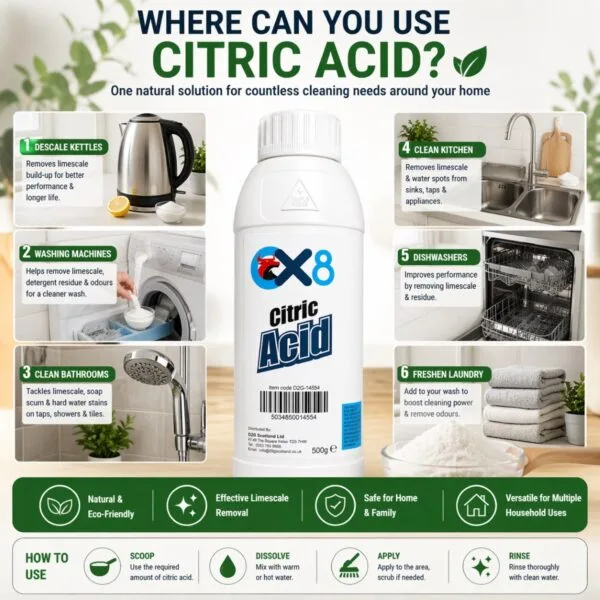
Image source: Bing (Web (fair-use with source credit))
| Method | Best For | Cost Per Use | Odor | Safety on Aluminum |
|---|---|---|---|---|
| Citric acid powder | Heavy scale, all machine types | ~$0.30 | None | Safe in correct ratio |
| Baking soda | Light cleaning, no heavy scale | ~$0.10 | None | Safe, but not a strong descaler |
| Commercial descaler | Easy, consistent, warranty-safe | ~$1.00 – $2.00 | Mild or none | Varies; check label |
Citric acid is the best all-around choice. It’s cheap, food-grade, and dissolves scale as effectively as stronger chemicals. You’ll find it in the canning section or online. Mix one tablespoon per liter of water, that’s the standard ratio used in most manufacturer testing protocols.
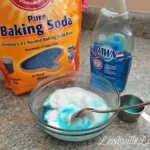
Baking soda is for light maintenance only. It’s a mild alkali, so it doesn’t break down calcium carbonate well. Use it for removing coffee oil residue or freshening the carafe, but don’t rely on it for descaling. Aggregate reviews confirm that baking soda flushes rarely clear thick scale from heating elements.
Commercial descalers are the easiest option. Brands like Urnex and Dezcal are specifically formulated for coffee machines. They’re pH-optimized to avoid corrosion and often include rinse agents. They cost more per use, but you get guaranteed compatibility.
Which Method Is Right for Your Machine? (A Simple Decision Tree)
Not every cleaner works for every machine. Use this quick decision tree to find your path.
Image source: Bing (Web (fair-use with source credit))
If you have a standard drip coffee maker:
- Use citric acid powder. It’s cheap, safe for plastic and glass components, and rinses clear quickly.
- Avoid baking soda for descaling, it can leave a chalky film inside the water reservoir.
- Run the solution through a full brew cycle, then soak for 30 minutes before the final rinse.
If you have a pod machine (Keurig, Nespresso):
- Use a commercial descaler or citric acid. Pod machines have small internal tubes and needles. Granules can clog them, so make sure the powder is fully dissolved.
- Never use baking soda, it can block the water line and damage the piercing needle.
- Follow the machine’s descaling cycle if it has one. Most Keurigs have a dedicated mode.
If you have an espresso machine:
- Use a commercial descaler designed for espresso. Espresso machines have brass or copper boilers and delicate group heads. The right descaler includes corrosion inhibitors.
- Citric acid is safe for stainless steel boilers but can etch aluminum or brass over time. Check your machine’s material specifications first.
- Baking soda is not recommended for any espresso machine.
If you use a French press or pour-over:
- Just wash with warm soapy water. These manual brewers don’t have internal parts that build scale. No descaling needed.
If your water is very hard (over 7 grains per gallon):
- Descaling every month with citric acid or a commercial product is smart. The faster you remove scale, the less chance of damage.
How to Clean Each Type of Coffee Maker Without Vinegar (Step-by-Step)
Let’s walk through the process for two common machine types. The steps are similar, with small tweaks.
For a standard drip coffee maker
- Empty the carafe and remove the filter basket. Wash both with warm soapy water. Rinse well.
- Mix your cleaning solution. For citric acid: one tablespoon per liter of water. Stir until fully dissolved. Pour into the water reservoir.
- Start a brew cycle without coffee grounds. Let the solution run through halfway. Then pause the machine (or turn it off) and let it sit for 30 minutes. This soak time allows the acid to break down scale.
- Finish the cycle. Let the rest of the solution flow through. Discard it.
- Refill the reservoir with fresh water. Run two full brew cycles (empty carafe, no grounds) to flush out any remaining cleaner.
- Run one more cycle with just water. Taste the water. If it tastes clean, you’re done. If there’s any sour or bitter note, flush again.
For a pod machine (example: Keurig)
- Remove the water reservoir and clean it with soap and water. Rinse thoroughly.
- Fill the reservoir with descaling solution. Use citric acid mix or a commercial descaler at the ratio recommended by the product label.
- Run the descaling cycle if your machine has one (check the manual). If not, run a brew cycle without a pod. Let the machine sit for 30 minutes.
- Run the rest of the solution through using short brew cycles (e.g., 8 oz pours) until the reservoir is empty.
- Rinse the reservoir and fill with fresh water. Run at least three full reservoir cycles of fresh water through the machine. This clears the internal tubing.
- Clean the needle. Use the cleaning pin or a paperclip to gently unclog the entry and exit needles. Scale often builds up there.
The Most Common Cleaning Mistakes (and How to Avoid Them)
Even with the right cleaner, people make errors that waste time or risk damage. Here are the top ones.
Using too much citric acid. More isn’t better. The standard ratio (one tablespoon per liter) is strong enough. Double the concentration can attack rubber gaskets and leave a sour residue.
Stick to the recipe.
Not fully dissolving baking soda. If you use baking soda, mix it thoroughly in warm water first. Granules left in the reservoir can get drawn into the pump and cause clogs. Aggregate feedback lists this as a recurring issue among users who tried baking soda descaling.
Skipping the rinse cycles. One flush isn’t enough. The cleaning fluid sits in the heating element and internal hoses. You need three full reservoir cycles minimum.
Test the final brew, if it tastes odd, flush again.
Forgetting to clean the carafe and filter basket. Scale builds up in the glass or thermal carafe too. Wash them separately with soap and a bottle brush. Rinse thoroughly.
The internal cleaning removes scale from the machine, but the carafe holds its own gunk.
Using the wrong method for an espresso machine. Espresso machines have complex valves and an O-ring system. A general citric acid flush can damage seals if left too long. Always follow the manufacturer’s descaling protocol, or use a product specifically designed for espresso.
Cleaning too often. Descaling every week is unnecessary and can wear down internal parts faster. Every 1, 3 months is right for most households. If you have hard water, lean toward the shorter end.
If you use filtered water, lean toward the longer end.
Frequently Asked Questions
Can I use lemon juice instead of vinegar?
Lemon juice works as a descaler because of its citric acid content. But it leaves a sticky sugar residue inside the machine. That residue can attract mold over time.
Stick with plain citric acid powder or a commercial descaler for cleaner results.
How often should I descale my coffee maker?
Every one to three months, depending on your water hardness. If you see white flakes in your coffee or notice slower brew times, scale has built up. Descaling more often than once a month can wear down seals unnecessarily.
Is baking soda safe for Keurig machines?
No. Baking soda does not dissolve completely in water and can clog the internal needles and tubing. Keurig’s official maintenance guidelines recommend only descaling solutions designed for their machines.
Use citric acid or a commercial pod-specific descaler instead.
What happens if I never descale my coffee maker?
Mineral scale builds up on the heating element, reducing heat transfer. Your coffee brews at a lower temperature, which affects extraction and flavor. Over time, the scale can cause the machine to overheat, leak, or stop working entirely.
Regular descaling prevents costly repairs.
Do I need to clean a French press with descaling solution?
No. French presses have no heating element or internal water lines. Just wash the glass carafe and plunger assembly with warm soapy water after each use.
If you see mineral deposits on the glass, a brief soak in citric acid solution will remove them.
Can citric acid damage my coffee maker?
Not when used correctly. The standard ratio is one tablespoon per liter of water. Exceeding that concentration can attack rubber gaskets and seals.
Always rinse thoroughly with three reservoir cycles of fresh water after descaling.
Final Verdict: Your Quick Decision Guide
You don’t need vinegar to keep your coffee maker clean. Citric acid is the best all-purpose alternative: cheap, effective, and odorless. Commercial descalers offer convenience and warranty compliance.
Baking soda is only useful for light cleaning, not descaling.
| Your Machine | Best Method | Frequency |
|---|---|---|
| Drip coffee maker | Citric acid powder | Every 1–3 months |
| Pod machine (Keurig, Nespresso) | Commercial descaler or citric acid | Every 1–3 months |
| Espresso machine | Commercial descaler (check boiler material) | Every 2–3 months |
| French press / pour-over | Warm soapy water only | After each use |
Pick the method that fits your machine type and water hardness. Run the descaling cycle, flush well, and your coffee will taste fresh again. No vinegar smell.
No damage. Just great coffee.

Similar Posts