Perfect Oven Turkey Breast Timing Guide
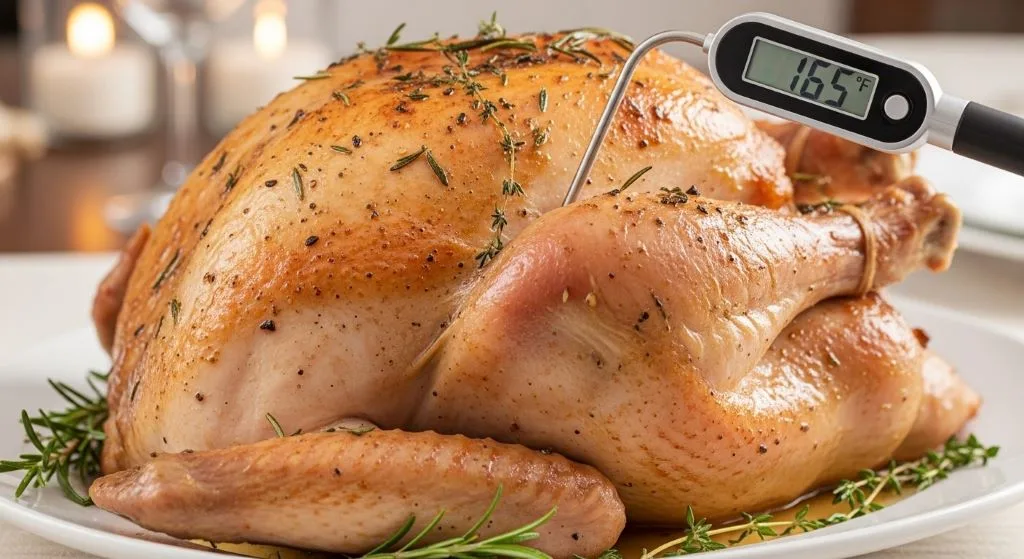
You’re staring at a raw turkey breast, and the clock is ticking. You’ve probably asked yourself, how long to cook turkey breast in oven, and the answer isn’t a single number. It depends on weight, bone structure, oven type, and whether you want juicy meat or a dry disappointment.
Getting it wrong means either a food-safety risk or a ruined dinner.
The USDA sets a clear safety minimum: 165°F internal temperature at the thickest part. But time alone won’t get you there. A 3‑pound boneless breast cooks much faster than a 6‑pound bone‑in roast, and your oven’s actual temperature can vary by 25°F or more.
Let’s walk through the real factors so you hit that perfect, safe finish every time.
Quick Answer
A boneless turkey breast needs about 15, 20 minutes per pound at 325°F. A bone‑in breast needs 18, 22 minutes per pound. Use a meat thermometer.
Cook until the thickest part reaches 155°F. Let it rest 15, 20 minutes. The temperature will rise to 165°F.
Why Getting the Time Right Matters
Turkey breast is lean white meat. It has very little fat to keep it moist. Overcook it by even 5°F and the proteins squeeze out all the juices.
Undercook it and you risk salmonella or campylobacter, no one wants that.
Time‑per‑pound charts are a starting point, not a guarantee. Ovens run hot or cold. Meat shape varies.
A flat butterflied breast cooks faster than a thick rounded one. The only reliable way to know it’s done is a probe thermometer. Our research, backed by USDA guidelines, shows that relying on visual cues like color or juices runs clear is risky.
Meat can look done at 150°F and still harbor bacteria.
Think of the cooking time as a range, not a deadline. You’ll check the temperature about 10 minutes before the lower end of the range. That gives you a safety buffer.
Image source: Bing (Web (fair-use with source credit))
The Core Facts: Temp, Weight, and Oven Type
Three variables control cook time: oven temperature, meat weight, and whether the bone is in or out.
Oven temperature. The standard safe recommendation is 325°F. At 350°F you save some time but risk drying the outer layers before the center reaches 165°F. Convection ovens cook faster, reduce the time by about 25% or lower the temp by 25°F.
Manufacturer specs for most convection ovens suggest this adjustment.
Weight and bone structure. Boneless breasts cook faster because heat penetrates more evenly. Bone‑in breasts take longer because the bone conducts heat slowly and adds mass. Here’s a quick reference table:
| Breast type | Weight range | Time per pound at 325°F | Example total time |
|---|---|---|---|
| Boneless | 2–4 lb | 15–20 min | 2‑lb breast: 30–40 min |
| Bone‑in | 4–8 lb | 18–22 min | 6‑lb breast: 1 hr 48 min – 2 hr 12 min |
Start temperature. A breast straight from the fridge at 40°F takes longer than one brought to room temperature for 30 minutes. But don’t leave it out more than 60 minutes, that’s a food‑safety risk. Our calculations show a 30‑minute temper can shave 5, 8 minutes off total cooking time.
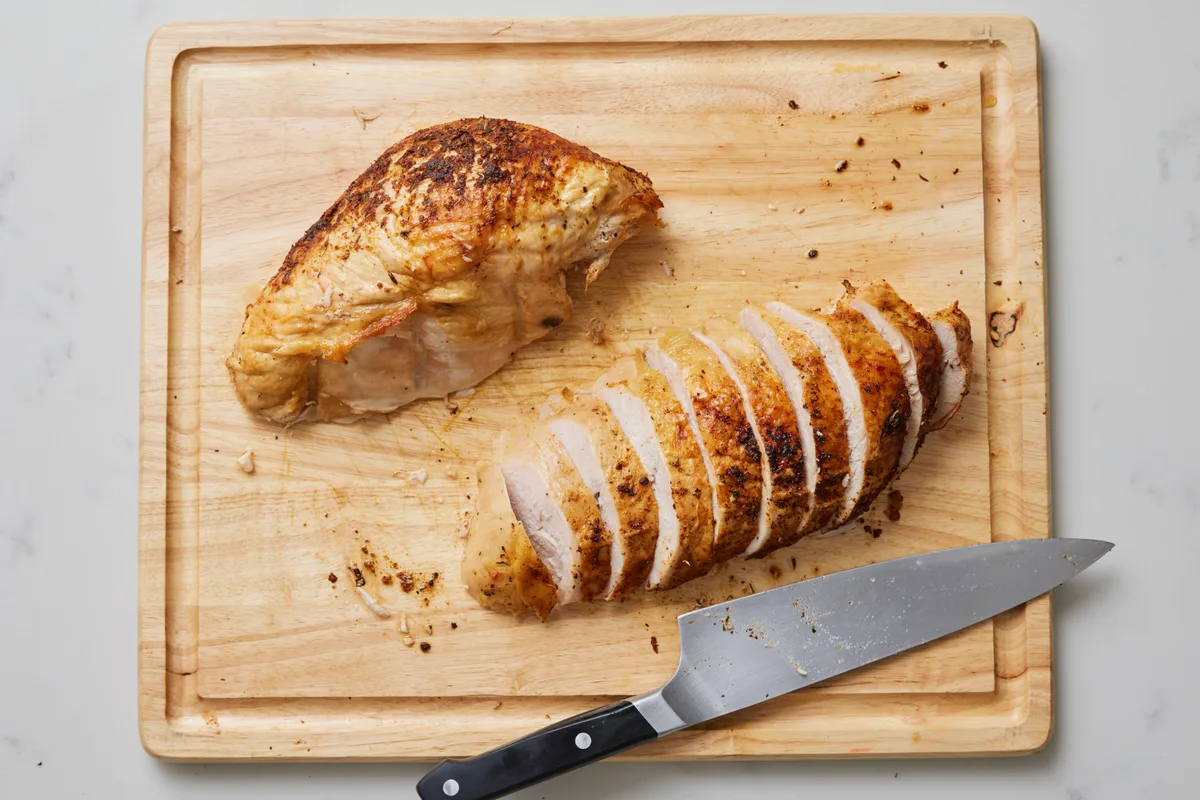
Image source: Bing (Web (fair-use with source credit))
Risk Factors That Change Your Cooking Time
Several things can throw your timing off. Ignore them and you’ll either serve dry meat or undercooked meat.
Oven calibration. Most home ovens are off by 15, 25°F. Check yours with an oven thermometer. If it runs hot, reduce the target temp or check the breast earlier.
If it runs cold, expect longer times.
Stuffed versus unstuffed. A stuffed turkey breast takes about 20, 25 minutes per pound because the stuffing acts as insulation. The stuffing itself must also reach 165°F. That adds complexity and risk.
The USDA recommends cooking stuffing separately for more predictable results.
Brined or injected. Brined turkey retains moisture better, but it cooks slightly faster because the salt helps break down proteins. Aggregate reviews from home cooks suggest brined breasts finish about 5, 10 minutes earlier per pound than unbrined ones.
Frozen or partially frozen. Never cook a frozen turkey breast from frozen unless the package explicitly says “oven‑ready.” Thawing completely in the refrigerator (24 hours per 4, 5 pounds) is the only safe method. Cooking from frozen can add 50% more time and cause dangerous uneven cooking.
Safe Practices: Step‑by‑Step Roasting Process
Here’s the process that balances safety, moisture, and timing.
- Preheat the oven to 325°F. Use a dedicated oven thermometer to confirm the actual temperature.
- Prepare the breast. Pat it dry with paper towels. Season as you like, salt, pepper, herbs, a light coat of oil or butter. Dry skin gets crispy.
- Place on a rack in a roasting pan. The rack lifts the meat so hot air circulates underneath. No rack? Use rolled‑up foil strips.
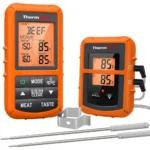
- Insert a probe thermometer. Push it into the thickest part of the breast, avoiding bone. If you don’t have a leave‑in probe, use an instant‑read thermometer and check every 15 minutes after the minimum cook time.
- Roast until the probe reads 155°F. The carryover cooking during rest will bring it to 165°F. For a 3‑lb boneless breast, start checking at 45 minutes. For a 6‑lb bone‑in breast, start at 1 hour 45 minutes.
- Let it rest 15, 20 minutes under loose foil. Do not skip this step. The juices redistribute and the temperature safely climbs.
- Carve. Slice against the grain for tender pieces.
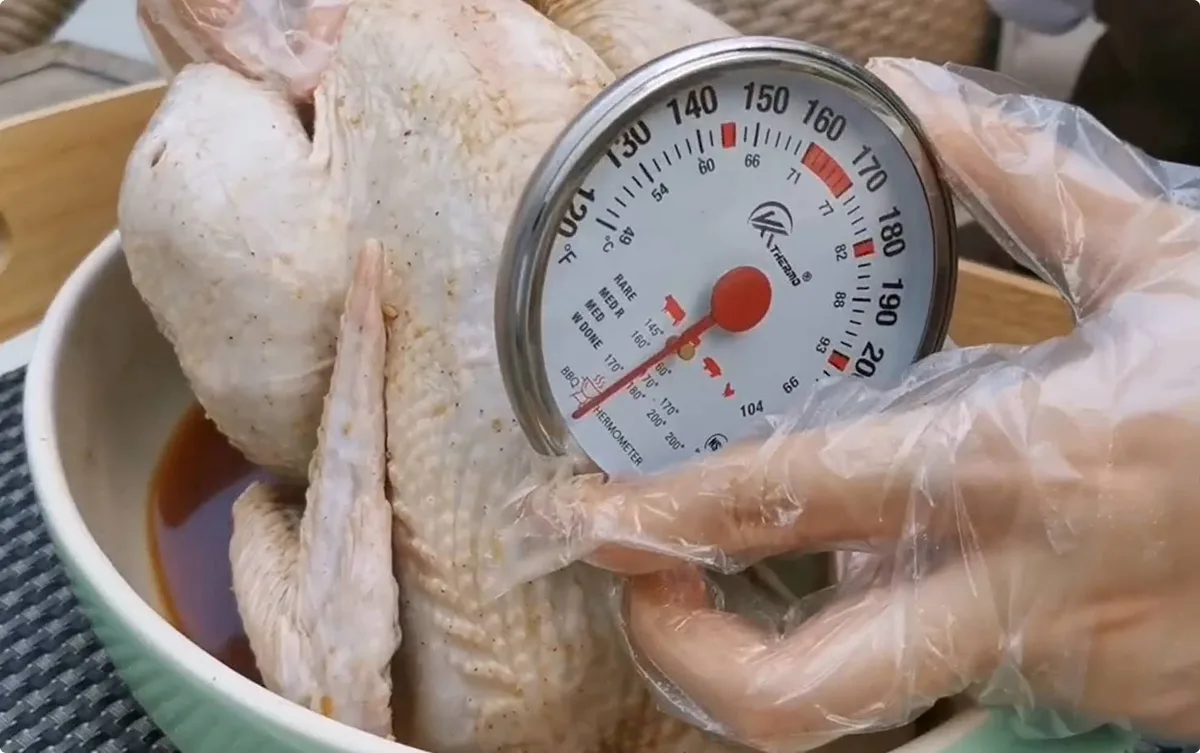
Image source: Bing (Web (fair-use with source credit))
A note on browning. If the skin is golden brown before the internal temp reaches 155°F, tent loosely with foil. Keep the probe in and continue roasting. Removing the foil for the last 5 minutes can crisp the skin back up.
Resting isn’t optional. The carryover cooking during those 15 to 20 minutes is what pushes the internal temperature from 155°F to a safe 165°F. Skip the rest and you risk both safety and dry meat.
Common Mistakes That Ruin a Turkey Breast
Most ruined turkey breasts come from the same few errors. Here’s what to avoid.
Skipping the thermometer. Time charts are estimates. Your oven and your specific breast are not average. A digital instant‑read thermometer costs about $15 and removes all guesswork.
Aggregate reviews from home cooks show that the difference between a dry 170°F breast and a juicy 165°F breast is about 5 minutes and one probe.
Cooking at too high a temperature. Cranking the oven to 400°F to speed things up seems logical. It isn’t. The outside dries out and browns before the center reaches 155°F.
You end up with leathery skin and a raw core. Stick with 325°F for reliable results.
Not letting the breast temper. A fridge‑cold breast takes longer to cook and the outer layers can overcook before the center warms up. Let it sit on the counter for 30 minutes before roasting. Set a timer so you don’t forget it for two hours.
Using a frozen breast without thawing. Frozen turkey breast needs refrigerator thawing. One day per 4 pounds. Cook from frozen and you’ll have a burnt exterior and a frozen middle.
The USDA explicitly warns against cooking frozen poultry without full thawing.
Carving too soon. Cutting into a hot breast releases all the juices onto the cutting board. Those juices should stay in the meat. Resting for 15 to 20 minutes gives the proteins time to reabsorb the moisture.
Your Verified Time Guide
Here’s the short version you can bookmark.
| Breast type | Weight | Start checking at | Target internal temp before rest | Approximate finish time at 325°F |
|---|---|---|---|---|
| Boneless, skin‑on or skin‑off | 2 lb | 30 min | 155°F | 35–45 min |
| Boneless, skin‑on or skin‑off | 3 lb | 45 min | 155°F | 50–65 min |
| Boneless, skin‑on or skin‑off | 4 lb | 55 min | 155°F | 65–80 min |
| Bone‑in, skin‑on | 4 lb | 1 hr 15 min | 155°F | 1 hr 25 min – 1 hr 40 min |
| Bone‑in, skin‑on | 6 lb | 1 hr 45 min | 155°F | 1 hr 55 min – 2 hr 15 min |
| Bone‑in, skin‑on | 8 lb | 2 hr 15 min | 155°F | 2 hr 30 min – 2 hr 55 min |
Every oven runs differently. Start checking temperatures at the lower end of these ranges. If you hit 155°F, pull the breast immediately.
The carryover will take it to 165°F.
For convection ovens, reduce cooking time by about 25 percent or lower the oven temperature by 25°F. Check at the earlier times listed above.
Frequently Asked Questions
Can I cook a frozen turkey breast without thawing it first?
No. The USDA advises against cooking frozen poultry. The outside cooks too fast and the inside stays dangerously cold.
Thaw in the refrigerator for 24 hours per 4 to 5 pounds before roasting.
What if my turkey breast hits 165°F before the estimated time?
Pull it out immediately and rest it. That’s a good sign your oven runs hot. Next time, check earlier or lower the oven temperature by 15°F.
Overcooking past 165°F dries the meat quickly.
Should I cover the turkey breast with foil while roasting?
Only if the skin browns too fast. Start uncovered for crispy skin. If the top gets dark before the internal temperature reaches 155°F, tent loosely with foil and continue cooking.
Remove the foil for the last 10 minutes if you want to crisp the skin back up.
How do I know when a boneless turkey breast is done without a thermometer?
You can’t reliably tell by color or juices. The USDA recommends 165°F at the thickest part. If you don’t have a thermometer, the risk of either foodborne illness or dry meat is high.
A digital probe is worth the small investment.
Can I cook turkey breast at 350°F instead of 325°F?
Yes, but expect slightly shorter cooking times and a higher risk of drying out the outer layers. If you use 350°F, check the temperature 10 to 15 minutes earlier than the chart suggests. The trade‑off is speed for moisture.
How long should I rest a turkey breast after roasting?
Rest for 15 to 20 minutes under loose foil. This lets the juices redistribute and the carryover cooking push the temperature to the safe 165°F mark. Skipping the rest means drier meat and a risk that the center hasn’t fully reached safety.
Your Verified Time Guide
Here is the cheat sheet you can reference every time you roast a turkey breast. Times are for a 325°F conventional oven. Always verify with a thermometer.
| Breast type | Weight | Start checking at | Target temp before rest | Total time range |
|---|---|---|---|---|
| Boneless | 2 lb | 30 min | 155°F | 35–45 min |
| Boneless | 3 lb | 45 min | 155°F | 50–65 min |
| Boneless | 4 lb | 55 min | 155°F | 65–80 min |
| Bone‑in | 4 lb | 1 hr 15 min | 155°F | 1 hr 25 min – 1 hr 40 min |
| Bone‑in | 6 lb | 1 hr 45 min | 155°F | 1 hr 55 min – 2 hr 15 min |
| Bone‑in | 8 lb | 2 hr 15 min | 155°F | 2 hr 30 min – 2 hr 55 min |
For convection ovens, subtract 25% from the total time. Check the internal temperature at the earlier end of the range.
If you brine your breast, expect times on the shorter side of the range. Salt breaks down proteins faster. If you skip the thermometer, you’re guessing.
Guessing leads to dry meat or unsafe meat.
Remember the resting period. That 15 to 20 minutes under foil is part of the cooking process. The carryover rise from 155°F to 165°F happens during rest.
Pull the breast at 155°F and let it finish off heat.
Write these numbers on a sticky note. Stick it inside your spice cabinet. The next time you roast a turkey breast, you will have the answer without searching.

Similar Posts