Fast-Acting Chemical-Free Rust Removal for Home Cast Iron
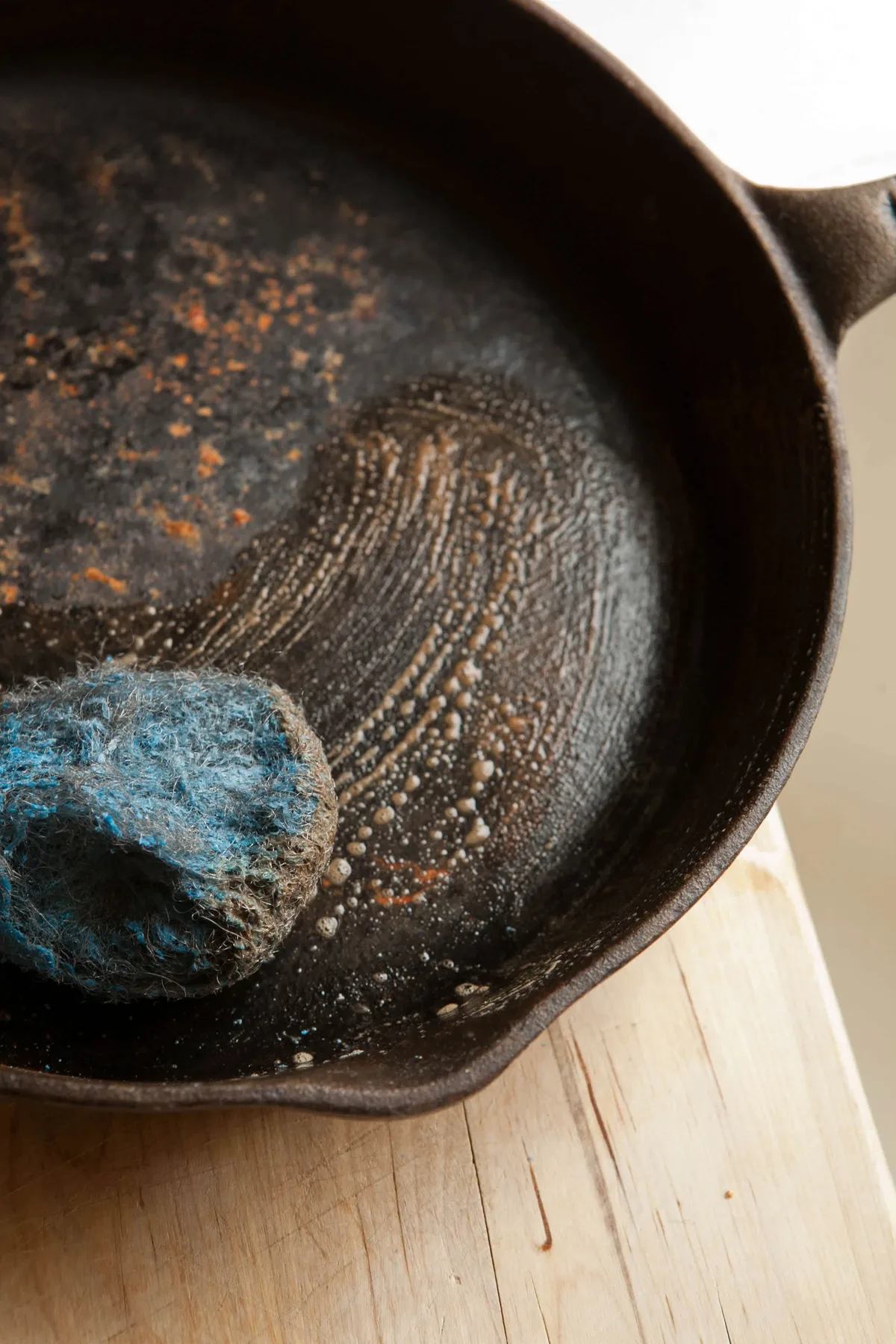
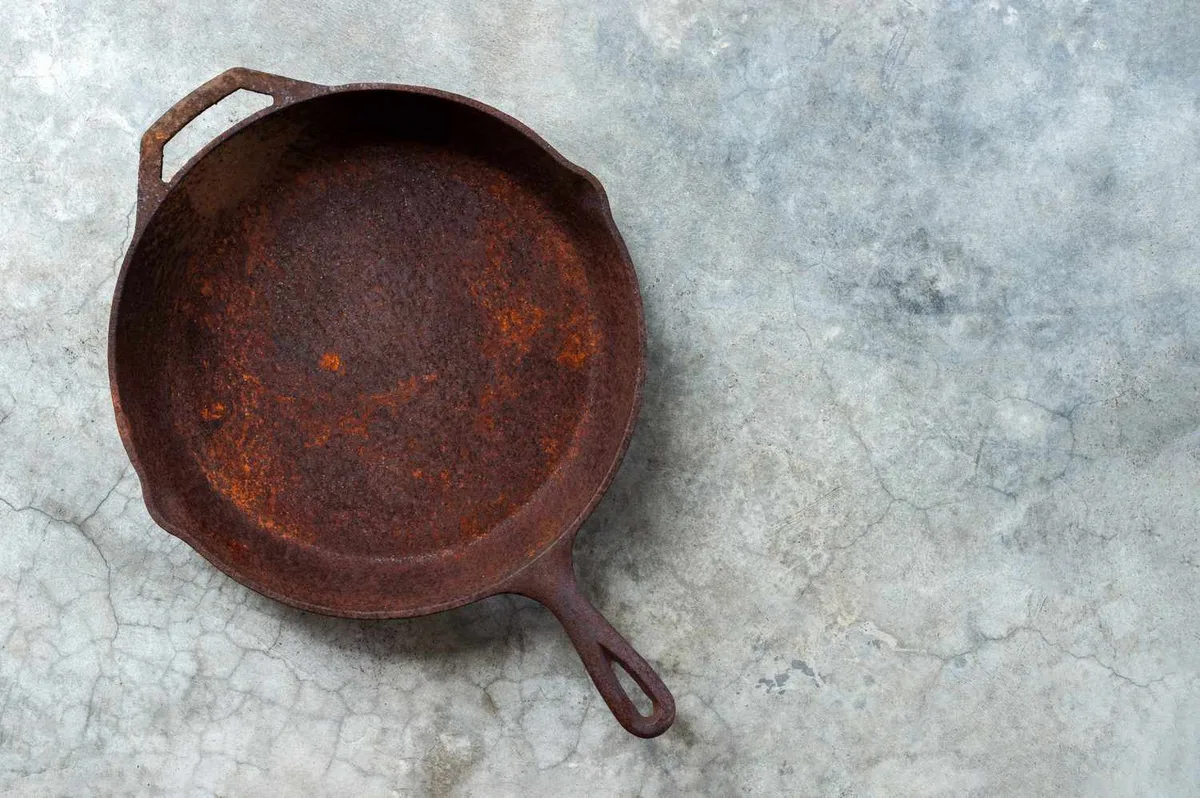
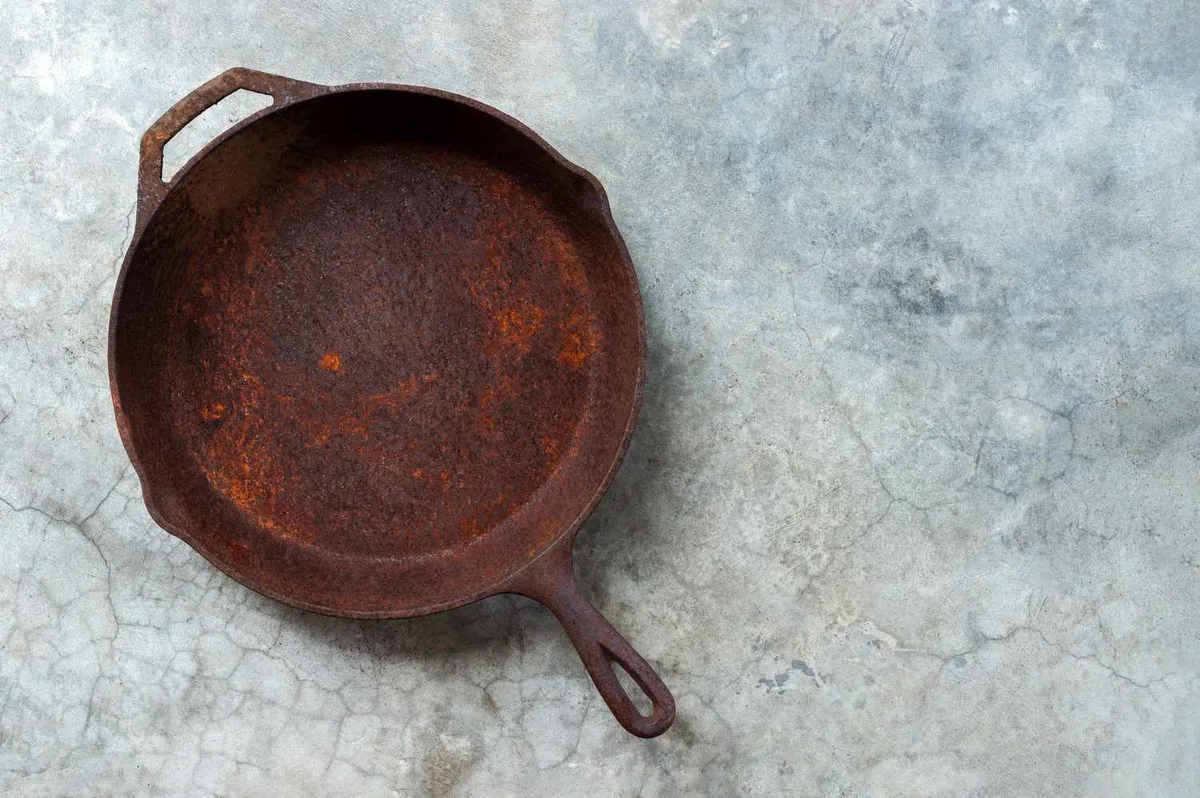
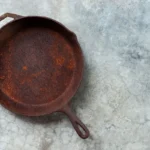
If you've got a rusted cast iron skillet, take a breath. Learning how to remove rust from cast iron doesn't require harsh chemicals or expensive tools. A little patience and the right method will bring an old pan back to life.
Most household rust cleanup comes down to vinegar, elbow grease, and heat.
In our research, the key variable is rust depth. A standard 5% household vinegar soak works for surface rust in about 30 minutes, while deep pitting may need electrolysis or several rounds of scrubbing. The wrong method, like sandblasting, can permanently ruin a vintage pan.
So before you grab anything, let's figure out what you're actually dealing with.
Image source: Web (Bing) / thekitchn.com (Web image (fair-use with source credit))
Quick Answer
To remove rust from cast iron, scrub off loose flakes first. Then soak in a 1:1 white vinegar and water mix. Use 30 minutes for light rust.
Dry fast and re-season with a thin oil layer. Bake at 400°F for one hour.
Before You Grab a Scrubber: Diagnose the Rust and the Pan First
Not all rusty cast iron needs the same treatment. The right move depends on two things: the type of pan in your hands and how deep the rust goes.
Ask yourself these three questions before picking up any tool.
Is this raw iron or enameled? Raw iron has a matte, slightly rough surface. Enameled pans have a glassy, smooth coating, often white or colored. That one distinction changes everything about your cleaning method.
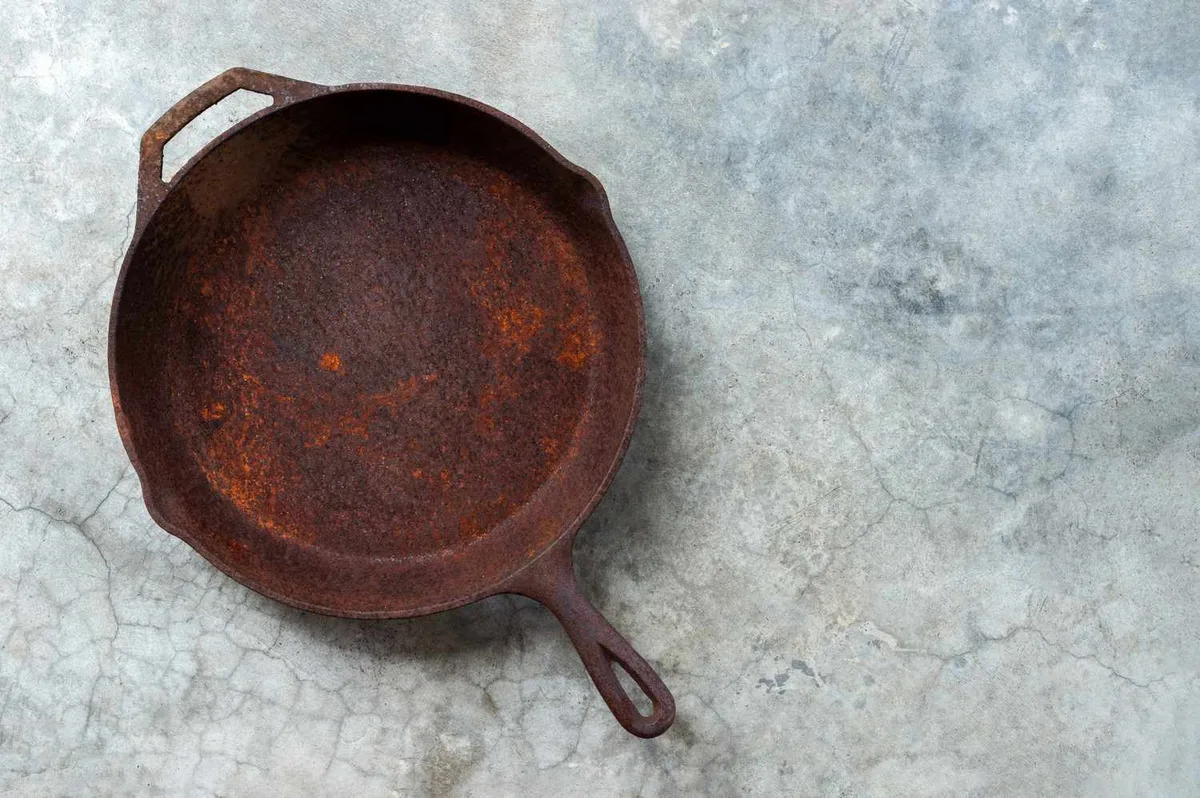
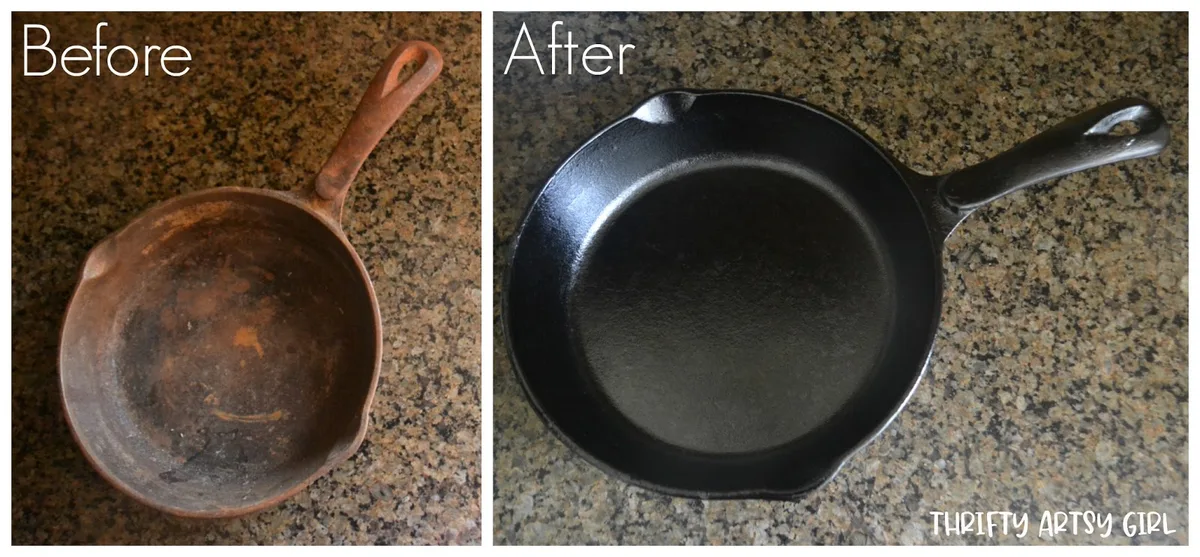
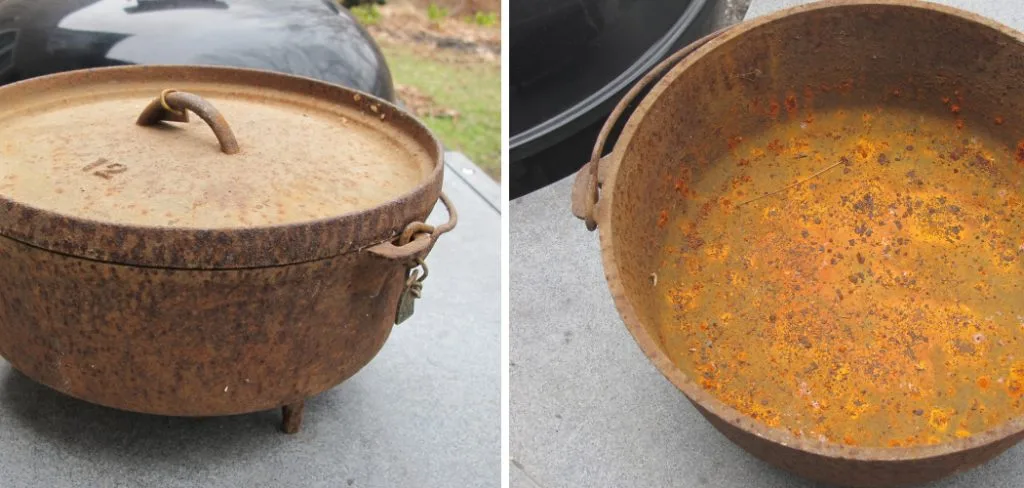
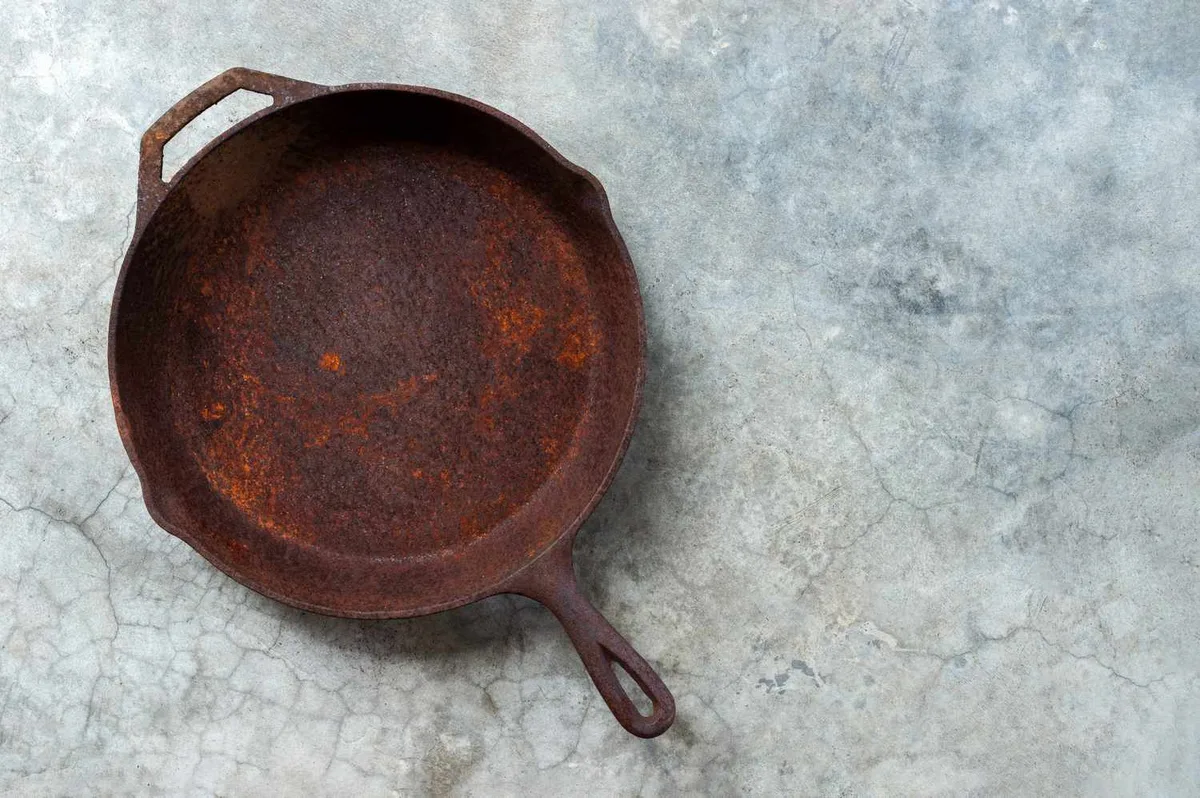
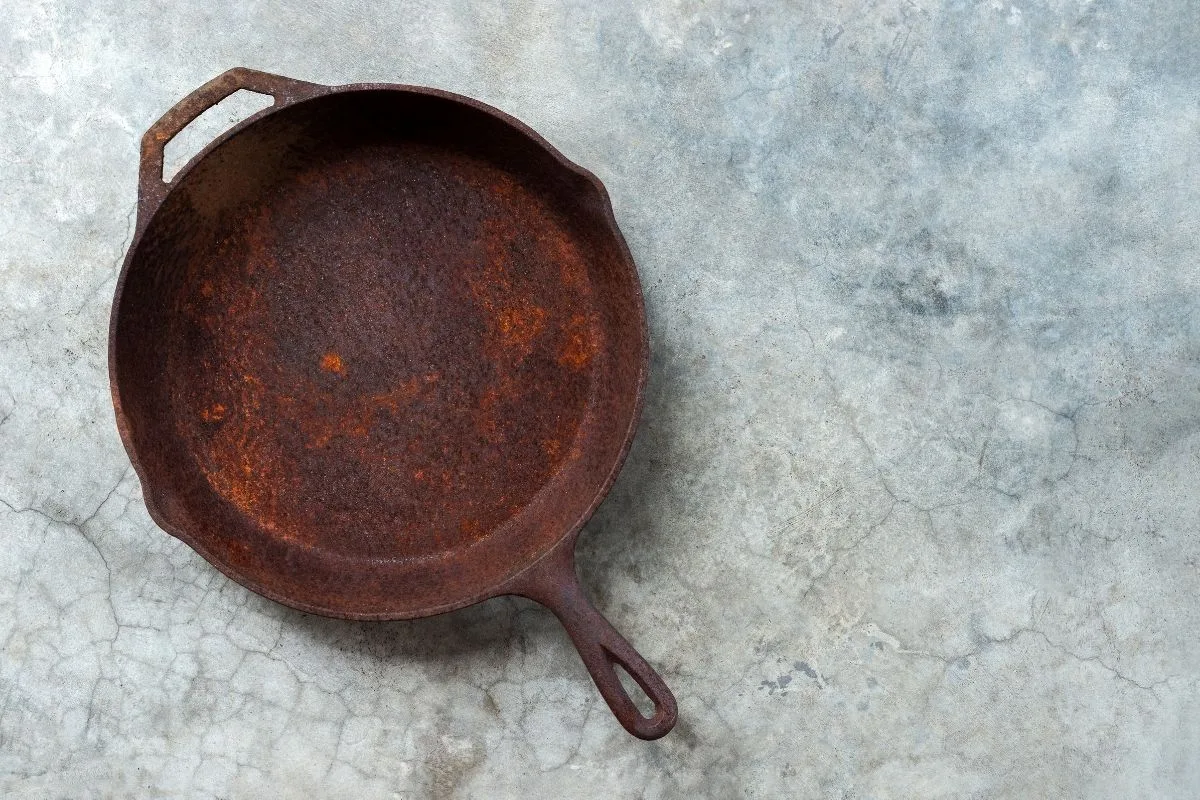
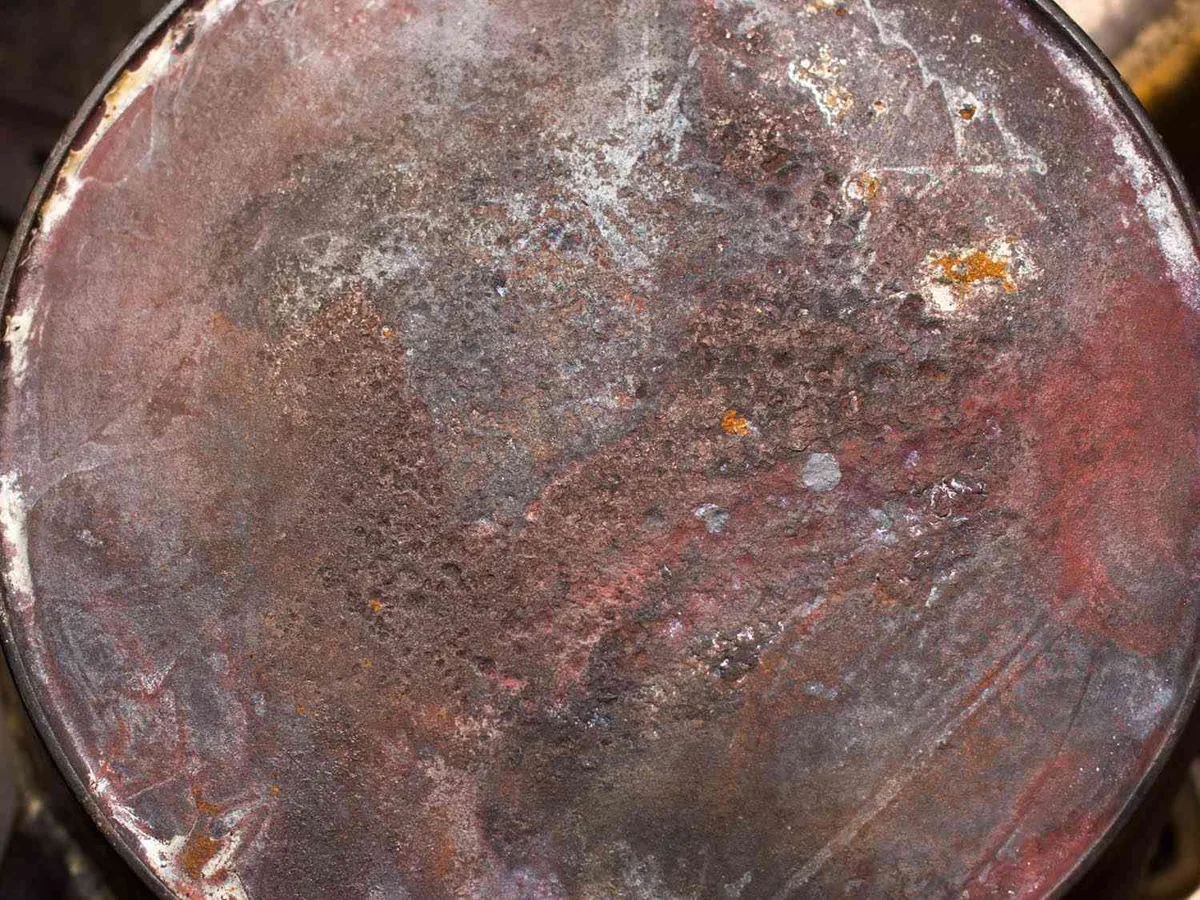
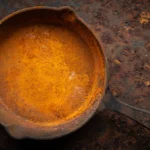
How does the rust look? Light rust appears as a faint orange haze or scattered spots on the cooking surface. Heavy rust looks like flaking, rough orange-brown patches that come off on a paper towel.
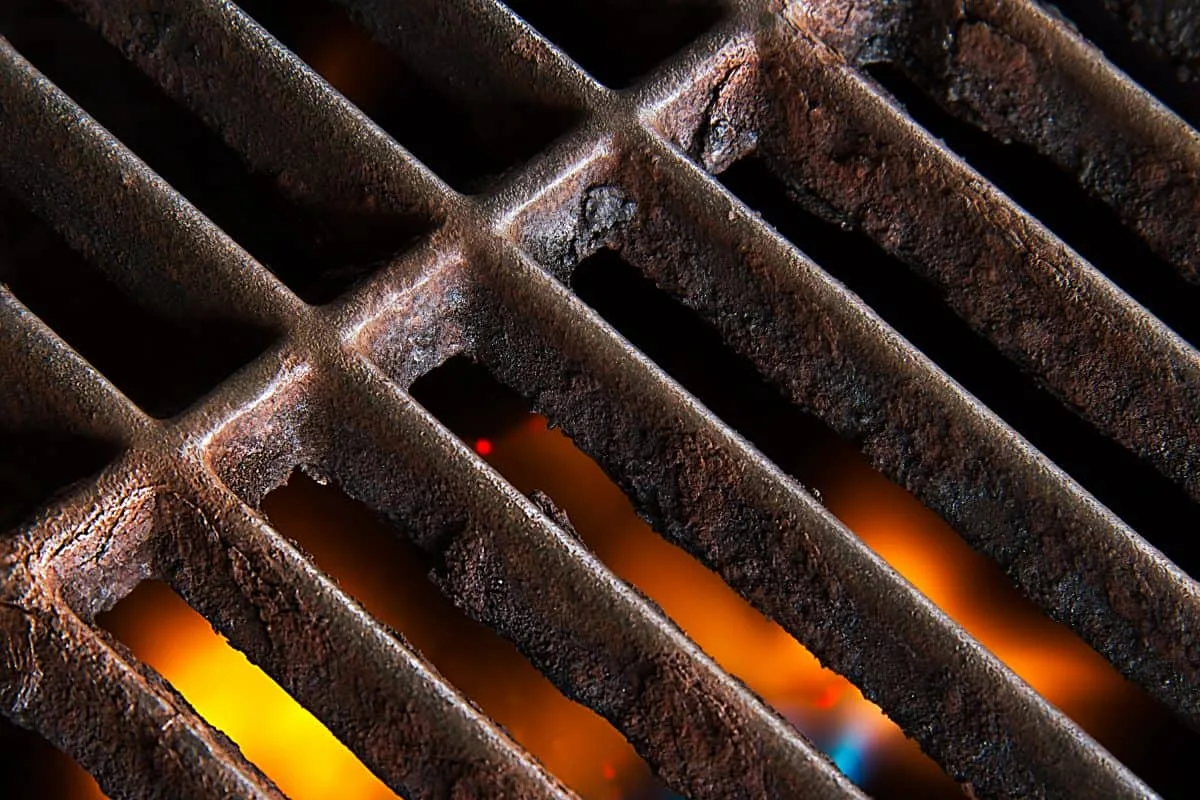
Is the metal pitted? Pitting means the rust ate tiny craters into the iron. If you see dimples that stay dark even after wiping, you're dealing with deeper damage.
Here's the decision tree we follow:
- Light rust on raw iron → scrub with steel wool, then re-season.
- Heavy rust on raw iron → vinegar soak, scrub, possibly repeat, then re-season.
- Deep pitting or thick rust scale → consider electrolysis, not just soaking.
- Any rust on enameled cast iron → treat differently, because the enamel can chip.
If you're not sure whether the pan is raw or enameled, look at the inside. Enameled pans are smooth and glossy. Raw iron is dull, grainy, and dry.
That's your first clue.
Raw Iron vs. Enameled: Two Completely Different Rules
Cast iron falls into two camps, and they have opposite care instructions. Mixing them up is the most common reason people ruin a pan.
Raw cast iron is bare metal. It needs an oil-based seasoning to protect it and make it nonstick. When rust appears, you can safely use abrasives like steel wool, sandpaper, or chainmail scrubbing pads.
Enameled cast iron has a glass-like coating fused to the exterior and often the interior. That coating is non-reactive and doesn't need seasoning. But it's brittle.
Steel wool or metal scrapers will scratch and dull the enamel, and once enamel chips, the metal underneath can rust and absorb food residue.
Here's how they compare:
| Factor | Raw Cast Iron | Enameled Cast Iron |
|---|---|---|
| Rust removal tools | Steel wool, chainmail, sandpaper | Soft sponge, nylon brush, mild cleaner |
| Re-seasoning needed? | Yes, after every rust removal | No, the enamel protects the metal |
| Rust location | Cooking surface or exterior | Usually on the rim, lid edge, or chips |
| Risk of scrubbing | Low | High, enamel can crack or scratch |
If you have an enameled pot with rust on a bare iron rim, that's repairable with careful scrubbing. But if rust appears where the enamel has chipped, the piece is compromised. Food can get under the enamel, and the chip may grow.
That pan isn't a good candidate for heavy restoration.
How to Remove Rust from Raw Cast Iron (Step by Step)
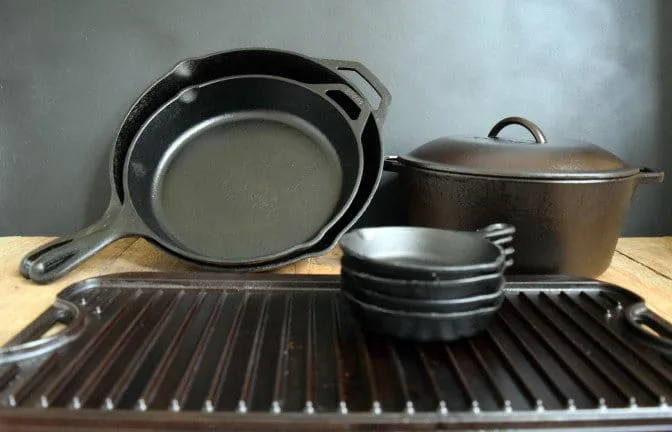
This process works for most skillets, Dutch ovens, and griddles. You'll need a few basic tools, most of which you already own.
What you need:
- Warm water
- Dish soap
- Steel wool (fine grade works best)
- White vinegar (5% acidity)
- Baking soda
- Lint-free towel
- Cooking oil for re-seasoning
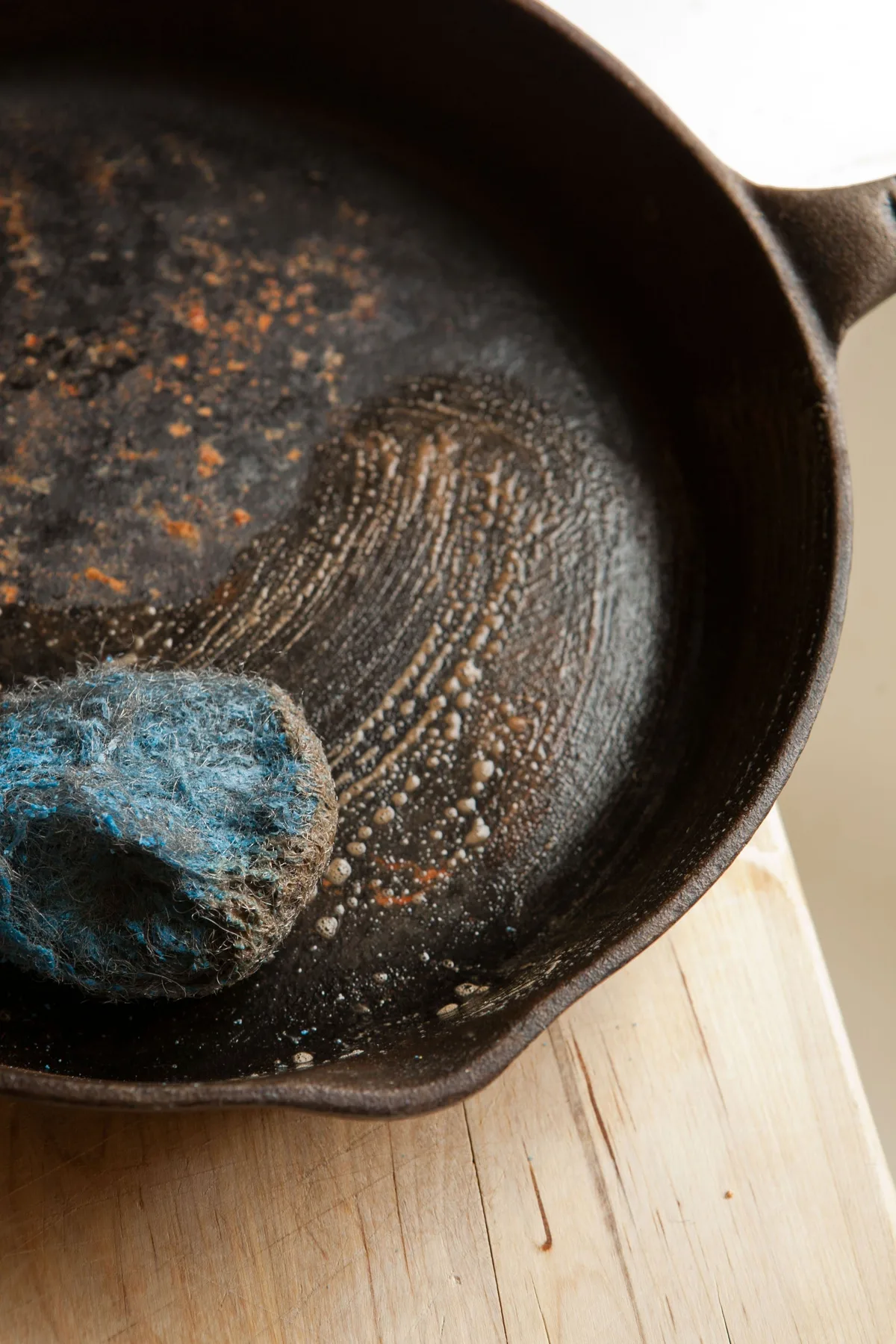
Step 1: Wash off loose rust. Run the pan under warm water and scrub with a sponge to remove any flaking dust. Dry it with a towel. You want to see what you're really dealing with.
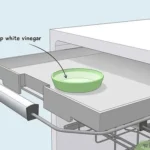
Step 2: Set up your vinegar soak. Mix one part white vinegar with one part water in a container large enough to submerge the pan. For a 10-inch skillet, that's usually a deep bucket or your kitchen sink once you plug it.
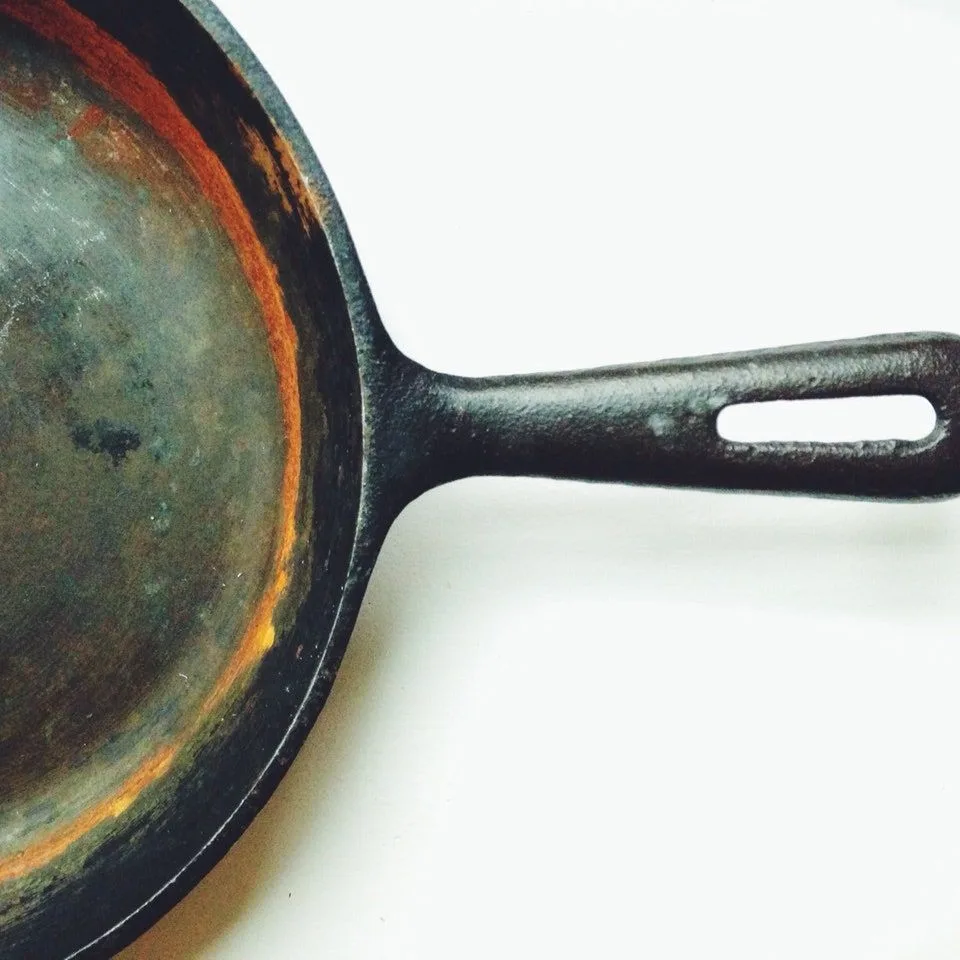
Image source: Bing (Web (fair-use with source credit))
Step 3: Soak in 30-minute increments. Check the pan every 30 minutes. Light rust should lift within an hour. Heavier rust may need two to three hours.
Never soak overnight. The vinegar starts etching the iron after too long, creating pitting you didn't have before.
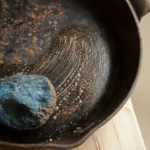
Step 4: Scrub again. Pull the pan from the vinegar and scrub with steel wool. The rust should come off easily. If you still see dark stubborn patches, repeat the soak for another 30 minutes.
Step 5: Neutralize the vinegar. Vinegar is acidic and will cause flash rust if you leave it on the metal. Rinse the pan with warm water, then make a paste of baking soda and water and work it over the surface. That neutralizes the acid and keeps the iron stable.
Step 6: Dry immediately. This part is urgent. Air drying equals rust. Towel-dry the pan, then set it over low heat on the stove for a few minutes to drive off any remaining moisture.
Your pan will not wait for you to find a towel later.
What to Do When Enameled Cast Iron Gets Rusty
Enameled cast iron rarely rusts in the middle of the cooking surface. The enamel protects the iron. But rust loves the bare edges, like the rim around the lid, the pan's top edge, and any spot where the enamel has chipped.
For rust on a bare iron edge, you can use a gentle approach.
- Mix a paste of baking soda and water.
- Apply it with a soft sponge or nylon brush.
- Scrub in small circles. Let it sit for five minutes.
- Rinse and dry thoroughly.
If the baking soda doesn't touch it, try a commercial cleaner labeled safe for enamel, like Bar Keepers Friend. It contains oxalic acid, which dissolves rust without scratching the glass-like coating. Apply it with a damp sponge, wait a minute, then rinse completely.
When rust appears under a chipped enamel surface, it's time to retire the pan. That chip exposes raw iron, and cooking in it will worsen the flaking. Nobody wants bits of enamel in their food. If the pan is under warranty, reach out to the manufacturer.
Replacing a damaged enameled pot is safer than trying to restore it.
One caveat: if your enameled pan has rust only because someone ran it through the dishwasher, clean the exposed rim with the baking soda method, then keep it away from the dishwasher going forward. That means permanent hand washing for this pan.
Re-Seasoning After Rust Removal: Do It Right or It Comes Back
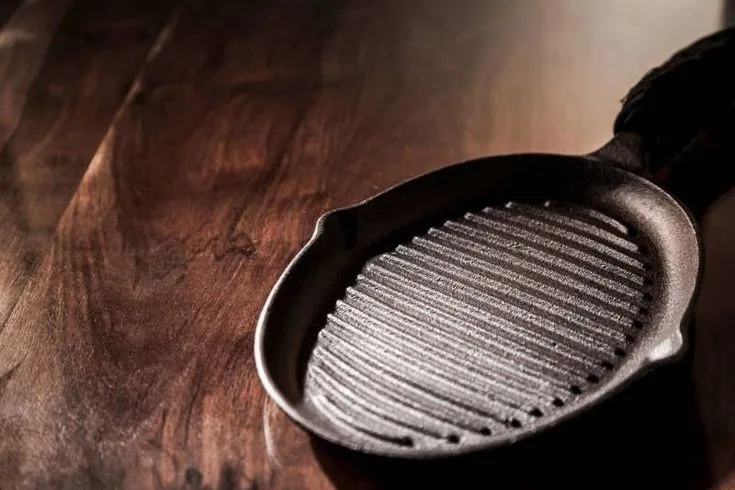
Re-seasoning isn't optional. Removing rust strips the pan down to bare iron. Without a protective layer, your skillet will flash rust within hours, sometimes minutes.
Seasoning is what builds that nonstick barrier.
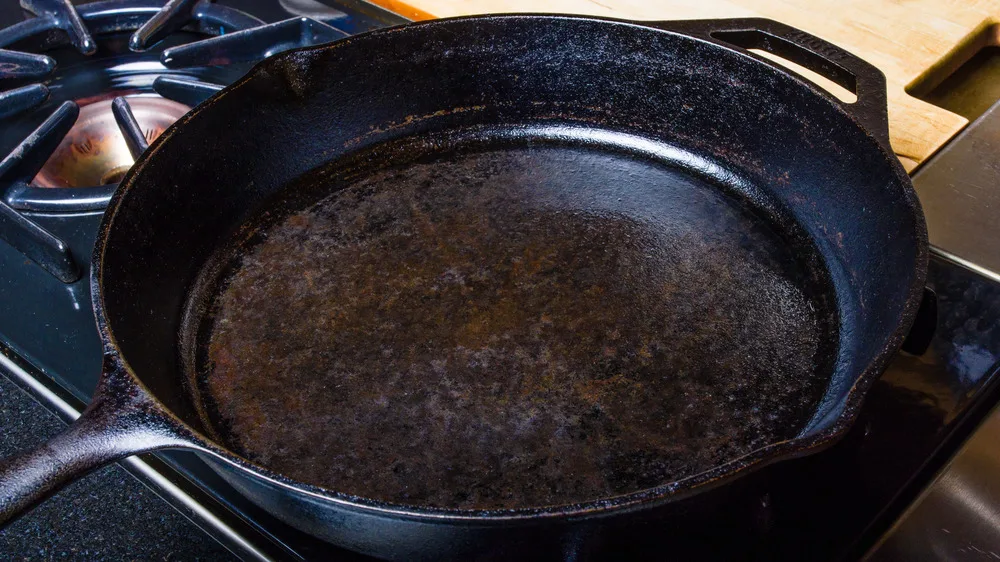
Image source: Bing (Web (fair-use with source credit))
Choose a neutral, high smoke point oil. Flaxseed oil creates a hard, slick finish, but it can flake over time. Grapeseed, canola, and vegetable oils perform consistently for most cookware. Avoid butter or olive oil for this step, as they smoke and break down before polymerizing properly.
Follow this exact process:
- Preheat your oven to 400, 450°F.
- Rub a teaspoon of oil over the entire pan, inside and out.
- Wipe the pan with a clean paper towel until it looks dry. Excess oil will leave sticky spots.
- Place the pan upside down on the middle rack.
- Put a sheet of aluminum foil on the rack below to catch drips.
- Bake for 45 minutes.
- Turn off the oven and let the pan cool inside completely.
One coat is usually enough to protect the pan after rust removal. If you want a more durable surface, repeat the oiling and baking cycle two or three times. Each layer of polymerized oil builds on the last.
A common mistake is applying too much oil and ending up with a gummy, tacky finish. The fix is simple: strip it with a light vinegar soak and start over with a thinner oil coat.
Remember, a seasoned pan isn't perfect. It darkens, moves, and develops character. As long as it's dry and oiled after each use, rust won't be coming back.
6 Rust Removal Mistakes That Can Destroy a Good Pan
Most cast iron damage happens during cleanup, not cooking. These six mistakes cut a pan's life short, and they're all easy to avoid once you know what to watch for.
Soaking in vinegar overnight. Vinegar is an acid. After it removes rust, it starts eating bare iron. Stick to 30-minute checks. A full soak can leave pitted surfaces that trap food forever.
Letting the pan air dry. Water and bare iron don't mix. Air drying triggers flash rust within minutes. Towel dry, then set over low heat on the stove before oiling.
Using steel wool on enameled cast iron. Steel scratches the glass-like coating. Those scratches become hiding spots for food and rust. Use a nylon brush or soft sponge on enameled pieces only.
Skipping baking soda neutralization. Vinegar residue stays active on the metal. Without baking soda, your freshly cleaned pan rusts again before you reach the oil. Rinse with a baking soda paste to stop the reaction.
Re-seasoning with too much oil. Excess oil pools and turns sticky. The finish never polymerizes into a smooth layer. Wipe the pan until it looks dry, then bake.
Going straight for power tools. A wire brush wheel removes rust fast but gouges the iron. Those grooves ruin the cooking surface. Use electrolysis or manual scrubbing for heavy rust instead.
Frequently Asked Questions
Can I use vinegar to remove rust from cast iron?
Yes, white vinegar is the safest and most accessible rust remover for raw iron. Mix it 1:1 with water and soak in 30-minute intervals. Never soak for more than a few hours.
Is rust on cast iron safe to cook with?
Light surface rust isn't toxic, but it's not good for your food. It adds a metallic taste and flakes into meals. More importantly, rust left in place can pit the iron permanently, so removing it is always the right call.
How long does it take to remove rust from cast iron?
Light rust lifts in about 30 minutes of vinegar soaking. Heavy rust needs two to three hours of repeated soaks and scrubbing. Deep pitting from years of neglect may take a full afternoon or an overnight electrolysis setup.
How do I stop rust from coming back?
Dry the pan completely after every wash. Warm it over low heat on the stove, then rub in a thin coat of oil. Store it in a dry place.
Consistent seasoning is your long-term rust shield.
What is electrolysis and is it safe for cast iron?
Electrolysis uses a low-voltage current and washing soda solution to pull rust off iron without scrubbing. It's safe for raw cast iron and won't harm the metal. It requires a battery charger, a plastic tub, and a steel anode.

Similar Posts