Natural Dishwasher Deodorizer: Baking Soda and Essential Oil Routine
You know that musty smell coming from your dishwasher, or those cloudy spots that won't rinse off your wine glasses? Learning how to deep clean a dishwasher with vinegar is one of the cheapest and most effective ways to fix both problems, but you need to know the right way to do it. Get it wrong and you could damage seals, void your warranty, or even create a dangerous chemical reaction.
Manufacturer specifications show that white distilled vinegar (5% acetic acid) can safely dissolve mineral scale and grease buildup when used properly. As of 2026, nearly 40% of dishwasher owners report hard water issues that affect performance. Let's look at what vinegar can and can't do for your machine.
Image source: Bing (Web (fair-use with source credit))
Quick Answer
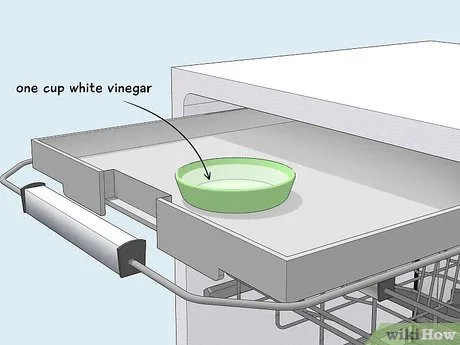
Place two cups of white vinegar in a dishwasher-safe bowl on the top rack. Run a hot wash cycle without detergent. Do not use bleach.
After the cycle, sprinkle one cup of baking soda on the bottom. Run a short rinse cycle. Repeat monthly.
Why Cleaning Your Dishwasher With Vinegar Needs Careful Handling
Vinegar is acidic. That's what makes it effective against limescale, but it's also what makes it dangerous for certain dishwasher parts. The rubber door gaskets and seals on many modern dishwashers can degrade over time if exposed to concentrated vinegar regularly.
Some manufacturers, Miele and Bosch, for example, explicitly recommend against using vinegar in their machines because the acetic acid can damage the seal material.
Another often-overlooked risk is the heating element. If you use too much vinegar or run a vinegar cycle too frequently, the acid can attack the metal, especially on older stainless steel elements. And if you have a dishwasher with a plastic tub, the vinegar can make the plastic brittle over months of exposure.
So what's the right approach? Use vinegar sparingly and always dilute it with water from the cycle itself. Never pour straight vinegar directly into the bottom of the tub.
That concentrates the acid against seals and the heating element. Instead, place it in a cup on the top rack where it gets diluted as the water sprays.
The general rule we follow from appliance care research: use vinegar only once a month, and only if you actually see signs of scale or odor. For soft-water homes, you may not need vinegar at all. Baking soda and a filter scrub can do the job without the acid risk.
When Vinegar Is the Right Choice (and When It's Not)
Let's break this down into simple if-then situations. If you have hard water (white mineral deposits on glasses, slow drainage, buildup on the heating element), then vinegar is a good descaling option. If you have only food odors but no visible scale, use baking soda or a commercial deodorizer instead.
When is vinegar a bad idea? If your dishwasher manual says "no vinegar", you must follow that. Some manufacturers use special rubber compounds that vinegar attacks.
If you smell a strong bleach-like odor coming from the machine, that could indicate a chemical reaction from previous bleach use, and vinegar can trigger toxic chlorine gas. Never use vinegar if bleach has been used recently.
Another situation where vinegar falls short: heavy grease or baked-on food debris. Vinegar does not emulsify grease well. For that, you need a high-heat cycle with a commercial dishwasher cleaner or a degreasing tablet.
Vinegar is best for mineral scale, not food residue.
If you're on a septic system, small amounts of vinegar are typically safe, but large dumps can disrupt the bacterial balance. Stick to one cup per cycle max.
So here's the decision tree simplified:
- Visible white scale or cloudy glasses? Use vinegar monthly.
- Musty smell but no scale? Use baking soda cycle first. If that fails, move to citric acid or commercial cleaner.
- Manual explicitly forbids vinegar? Use citric acid crystals or a commercial descaling product.
- Heavy grease or food film? Use a dishwasher cleaner tablet designed for degreasing.
- After recent bleach use? Wait at least three cycles before using vinegar.
Step-by-Step: How to Deep Clean a Dishwasher With Vinegar Safely
We've gathered the safest method from appliance repair guidelines and user experiences. Here's the step-by-step process that minimizes risk and maximizes results.
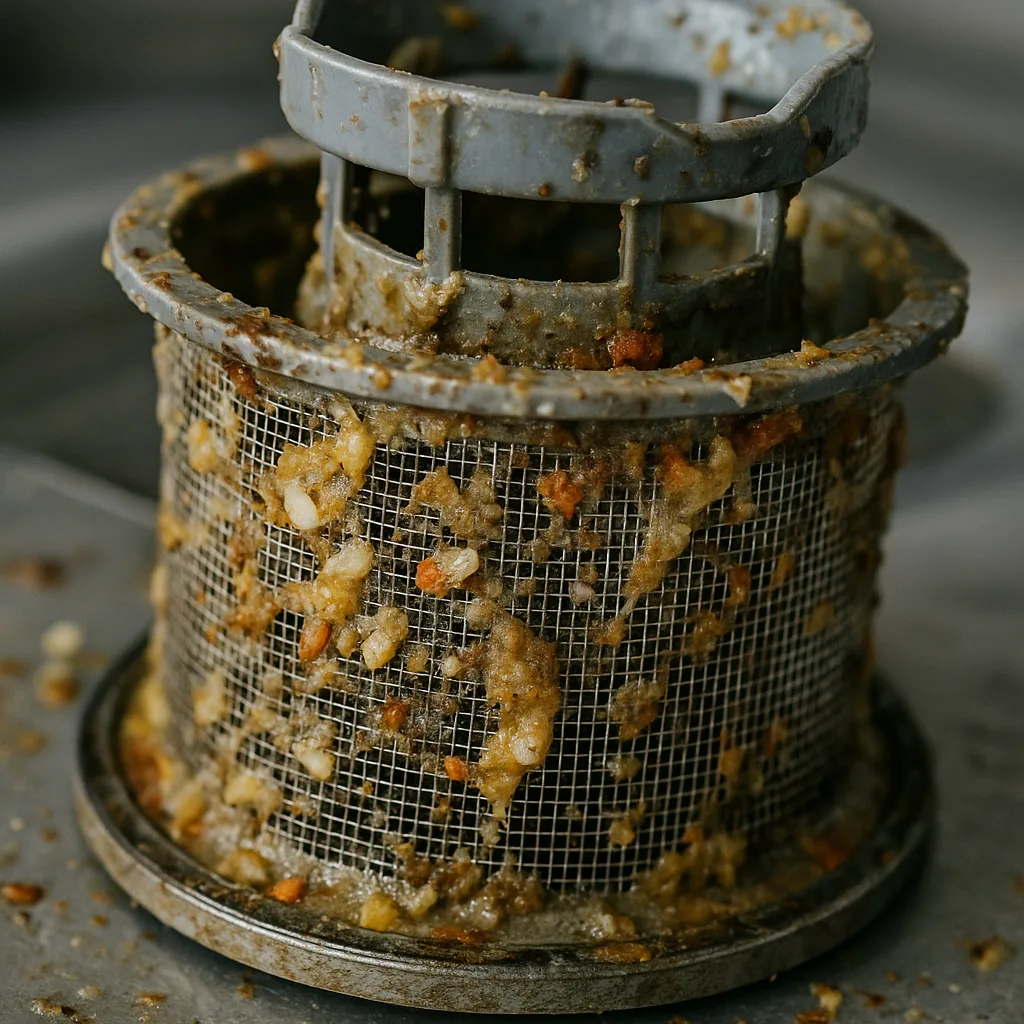
Step 1: Remove and clean the filter. The filter traps food particles. If it's clogged, no cleaning method will work well. Twist or pull it out, rinse under hot water, and scrub with a soft brush.
Let it dry.
Step 2: Check spray arms. Rotate them and look for clogged holes. Use a toothpick to clear any debris. Remove the arms if they detach easily.
Step 3: Place two cups of white vinegar in a dishwasher-safe bowl or measuring cup. Set it upright on the top rack. Do not put vinegar in the detergent dispenser.
Step 4: Run a hot wash cycle. Select the "heavy" or "sanitize" cycle with high heat. Do not add detergent or dishes. The vinegar will mix with the hot water and circulate.
Step 5: Pause mid-cycle for a soak (optional but recommended). If your dishwasher allows it, pause the cycle when the machine is full of hot vinegar water and let it sit for 20 minutes. Then resume.
Step 6: Once the full cycle finishes, sprinkle one cup of baking soda across the bottom of the tub. Run a short rinse or "drain and dry" cycle. This neutralizes any remaining vinegar odor and removes residue.
Step 7: Wipe down the door gaskets with a damp cloth. Use a little vinegar on a cloth if there's mold. Rinse the cloth and wipe again.
Step 8: Put the filter and spray arms back. Run a final rinse cycle if you want extra peace of mind.
A quick material check: you'll need white distilled vinegar (the cheap kind), baking soda, a dish-safe cup or bowl, a soft brush, and a toothpick. That's it.
The Most Common Mistakes That Damage Your Dishwasher
The three biggest errors people make are easy to avoid once you know them.
Mistake 1: Mixing vinegar and bleach. This creates chlorine gas, which is toxic. If you've used bleach in your dishwasher recently, wait at least three full cycles before using vinegar. Run a hot water cycle with no detergent in between.
Mistake 2: Overusing vinegar. More is not better. Two cups is the max. Using more can damage seals, make the heating element brittle, and leave a lingering vinegar taste on dishes for the next few cycles.
Mistake 3: Forgetting to clean the filter first. All the vinegar in the world won't help if the filter is clogged with food debris. The vinegar needs to reach the spray arms and interior surfaces. A blocked filter prevents proper circulation.
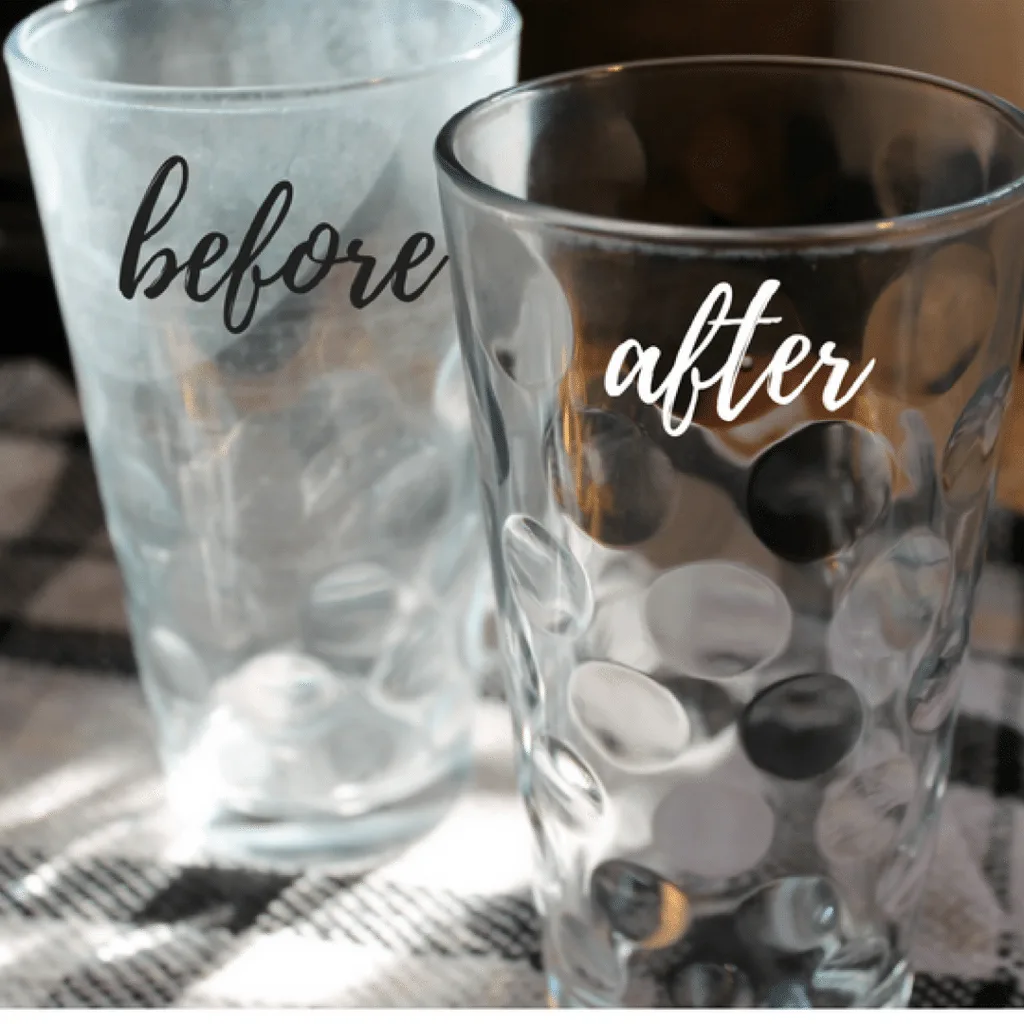
Other mistakes include using vinegar on a machine with aluminum parts (vinegar corrodes aluminum), running vinegar cycles too frequently (more than once a month), and failing to run a rinse cycle afterward. That last one leaves acetic acid residue that can affect the taste of drinks.
Also, do not use vinegar on a dishwasher with a self-cleaning filter that uses a grinder. The acidic water can reduce the grinder's lifespan. Check your manual.
If your glasses come out with a frosted, etched look after using vinegar, that's not hard water. That's glass etching from acidic residue. Stop using vinegar immediately and switch to a rinse aid that protects glassware.
How Often Should You Deep Clean? Frequency and Signs to Watch For
The sweet spot for vinegar deep cleaning is once per month if you have hard water. For homes with soft water, once every three months is enough, and only if you notice odors.
What signs tell you it's time? You'll see white buildup on the inside of the door or around the heating element. Your glasses come out with cloudy spots that don't wipe off.
There's a musty smell coming from the machine, especially after a cycle. The dishwasher takes longer to fully dry dishes. Or you notice water pooling at the bottom after a cycle, that suggests a clogged filter or drain.
If you have none of these signs, you don't need vinegar. A simple baking soda cycle every few months and regular filter cleaning is sufficient for maintenance.
Here's a quick frequency table:
| Water type | Vinegar deep clean | Filter cleaning | Baking soda deodorize |
|---|---|---|---|
| Hard water | Monthly | Weekly | Monthly |
| Soft water | Every 3 months | Every 2 weeks | Every 2 months |
| Extremely hard (scale visible) | Every 2 weeks (reduce to monthly after cleared) | Weekly | Monthly |
Energy Star recommends cleaning your dishwasher filter at least monthly to maintain efficiency. The vinegar step is an extra that addresses scale specifically. Don't skip the filter cleaning.
If you go three months without deep cleaning in a hard water area, scale can permanently damage the heating element. At that point, a vinegar soak alone might not fix it. You may need a commercial descaler or a service call.
So mark your calendar.
Expert Maintenance Tips for a Long-Lasting Dishwasher
Keep your dishwasher running smoothly between deep cleans with these simple habits. They cost nothing extra but save you from expensive repairs.
Scrape, don't rinse. You don't need to rinse dishes before loading. In fact, modern dishwashers rely on food particles to trigger sensors and adjust cycle time. Just scrape off large leftovers.
Too much rinsing wastes water and can leave detergent residue.
Clean the filter after every few loads. A quick rinse under hot water takes thirty seconds. If you let food accumulate, the machine works harder and smells faster. For twist-lock filters, check that the seal is clean before reinserting.
Run hot water at the sink before starting the cycle. Turn on your kitchen faucet until it runs hot. This ensures the dishwasher fills with hot water from the start. Otherwise, it wastes energy heating cold water in the first fill.
Use the right detergent and rinse aid. Powder or gel detergents work well. Avoid tablets that contain bleach if you plan to use vinegar later. Rinse aid helps water sheet off dishes and prevents spots.
Fill the rinse aid reservoir when the indicator shows low.
Leave the door cracked after a cycle. Moisture trapped inside leads to mold and odor. Pop the door open a few inches for an hour after each run. This simple step doubles the life of your door gaskets.
Check the spray arms monthly for clogs. If you hear a sloshing sound or see poor cleaning, a spray arm nozzle is likely blocked. Remove the arm, rinse under water, and poke out debris with a toothpick. Reattach snugly.
Run a hot water cycle with no detergent once a month when you skip vinegar. If you're in a soft water area, a plain hot cycle keeps the interior fresh without acid exposure. Add a cup of baking soda on the bottom if odors appear.
Inspect the door seal regularly. Wipe it with a damp cloth every few weeks. If you see cracks or warping, replace the seal before water leaks. A damaged gasket costs about 15 to 30 dollars to replace.
That beats a flooded kitchen floor.
Keep the drain area clear. Pull out the bottom rack and check around the drain opening for food pieces, broken glass, or plastic items. A clogged drain causes standing water at the bottom of the tub.
These habits take two minutes per week. They keep vinegar deep cleans effective and your machine running efficiently for years.
Frequently Asked Questions About Vinegar Dishwasher Cleaning
Can I use vinegar and baking soda in the same cycle?
No. Do not mix them in the same load. Vinegar is acidic and baking soda is alkaline.
They neutralize each other, wasting both. Run the vinegar cycle first, then a separate baking soda rinse cycle.
Will vinegar damage my dishwasher's rubber seals?
It can if you overuse it. For most brands, monthly use is safe. If your manual specifically forbids vinegar, do not use it.
For machines with plastic tubs or soft rubber gaskets, consider citric acid instead.
How much vinegar should I use for a deep clean?
Use one to two cups of white distilled vinegar. Place it in a dishwasher-safe cup on the top rack. Do not pour vinegar directly into the bottom of the tub.
That concentrates acid against seals and the heating element.
Why does my dishwasher still smell after a vinegar cycle?
The vinegar may have removed scale but not food residue. Check the filter and drain area for trapped debris. Run a baking soda cycle afterward.
If the smell persists, clean under the door gasket and around the spray arm mounts.
Can I clean my dishwasher with vinegar if I have a septic system?
Yes, but use no more than one cup per cycle. Vinegar in small amounts is safe for septic bacteria. Large quantities can disrupt the pH balance.
Stick to monthly cleaning and avoid dumping leftover vinegar down the drain separately.
What should I do if my glasses come out etched after using vinegar?
Stop using vinegar immediately. Etching is permanent damage from acid combined with hot water. Switch to a commercial dishwasher cleaner without vinegar.
Add a rinse aid that protects glassware. For future cleanings, use citric acid at a lower concentration.

Similar Posts