How to Cook Perfect Burgers in the Oven
If you have ever pulled a dry, gray, sad-looking patty out of the oven, you are not alone. The problem isn't the method itself. It is the instructions.
Most guides skip the critical variables that separate a juicy oven burger from a flavorless hockey puck. So if you have been wondering exactly how to cook burgers in the oven without ruining them, the answer is simpler than you think.
Our research, grounded in USDA food safety standards (which set the safe internal temperature for ground beef at 160°F), shows that success comes down to just two conditions. Your patty's starting state. And your oven type.
Understand those forks in the road, and everything else falls into place.
Quick Answer
Heat the oven to 400°F. Place patties on a wire rack over a baking sheet. Cook fresh burgers for 10 to 14 minutes.
Cook frozen burgers for 18 to 22 minutes. Flip them halfway through. Check the internal temperature with a meat thermometer.
It must reach 160°F. Let the burgers rest for 3 minutes before serving.
The Real Problem with Oven Burgers
The biggest complaint we see in aggregate reviews is the texture. Oven burgers often taste steamed rather than seared. They lack the dark, flavorful crust you get from a grill or a cast-iron skillet.
Image source: Bing (Web (fair-use with source credit))
Why does this happen? Most recipes tell you to bake at 350°F and walk away. That low heat, combined with moisture trapped in the pan, gently cooks the meat without ever drying the surface enough for browning.
You end up with a tender gray patty that tastes more like meatloaf than a burger.
The fix is understanding your equipment and your patty's starting state. You need enough heat to trigger the Maillard reaction (that deep browning you want). But not so much heat that the outside burns before the center reaches 160°F.
That balance is the core of this decision tree. Get it right, and the oven becomes one of the most hands-off tools for consistently good burgers.
The Two Big Decisions: Fresh vs. Frozen and Oven Type
Before you even preheat, you need to assess two variables. The first is your patty. The second is your oven.
Your choices here dictate everything else: temperature, cook time, and setup.
Fresh vs. Frozen Patties
This is the most important fork in the road. Frozen patties are typically thicker and release more water as they thaw in the heat, which delays browning. Fresh patties cook faster and take seasoning much better.
| Feature | Fresh Patties (80/20 blend) | Frozen Patties |
|---|---|---|
| Best Temperature | 400°F to 425°F | 400°F |
| Cook Time | 10 to 14 minutes | 18 to 22 minutes |
| Seasoning | Season generously before baking | Season after cooking (salt draws out moisture) |
| Flip Needed? | Yes, halfway through | Yes, halfway through |
Oven Type: Conventional vs. Convection vs. Toaster Oven
Convection ovens have a fan that circulates hot air. This cooks faster and more evenly. If you have one, you must adjust your temperature.
Typically, you reduce the recipe temperature by 25°F.
A toaster oven works perfectly for small batches but runs hotter near the heating elements. You will want to rotate the pan halfway through baking to prevent hot spots.
Step-by-Step Decision Tree for Juicy Oven Burgers
Let us turn those variables into a clear plan. Find the branch that matches your exact situation.
Image source: Bing (Web (fair-use with source credit))
Branch A: Fresh Patties in a Conventional Oven
- Preheat to 400°F.
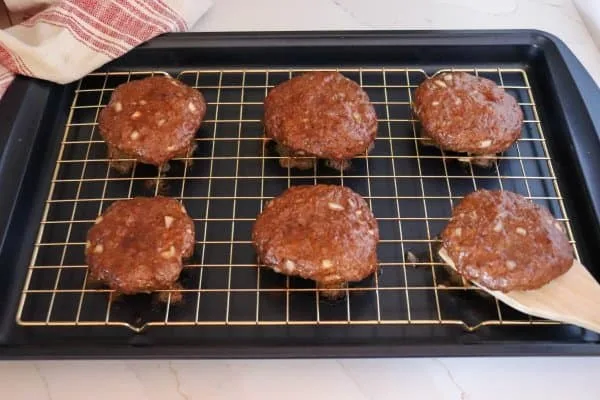
- Line a sheet pan with foil. Place a wire rack on top. This prevents steaming.
- Season your patties with salt and pepper on both sides.
- Bake for 6 minutes. Flip. Bake for another 4 to 6 minutes.
- Check the internal temperature. It must hit 160°F.
- Optional: Broil on high for 1 minute per side for extra crust.
Branch B: Frozen Patties in a Conventional Oven
- Preheat to 400°F.
- Use the same wire rack setup. Do not thaw the patties first.
- Bake for 10 minutes. Flip carefully. Bake for another 8 to 12 minutes.
- Check the temperature in the center of the patty.
Branch C: Convection Oven Adjustments
If you have a convection oven, simply follow the branches above but reduce the temperature to 375°F. Start checking for doneness 2 to 3 minutes earlier than the standard time. The fan makes the heat more aggressive.
Branch D: Toaster Oven Method
Set the toaster oven to 400°F. Cook fresh patties for 8 to 12 minutes, flipping halfway. Keep an eye on it.
Toaster ovens can run hot and burn the top before the center is done.
Who This Works Best For (and When to Skip It)
Baking burgers is not the best method for every scenario. It excels in specific situations.
This method is ideal for:
- Apartment dwellers without a balcony grill.
- Meal preppers who need to cook 6 to 8 patties at once.
- Anyone who wants a hands-off cooking process with easy cleanup.
- Cooking frozen patties straight from the freezer without thawing.
When to skip this method:
- If you want a thin, lacy-edged smash burger. The intense heat of a flat-top or cast iron skillet is required for that specific crust.
- If you want a heavy, smoky char. The oven simply cannot replicate the direct flame of a gas or charcoal grill.
- If you want a really tall, pub-style burger. The oven can dry out a thick patty before the center is done.
In our analysis of home cooking methods, the oven is consistently underrated. That is mostly because people use the wrong temperature. When you match the method to the scenario, it delivers consistent, juicy results with very little active work.
Common Mistakes That Dry Out Your Burgers
Even with a solid plan, a few small errors can ruin a batch. Here is what to watch for.
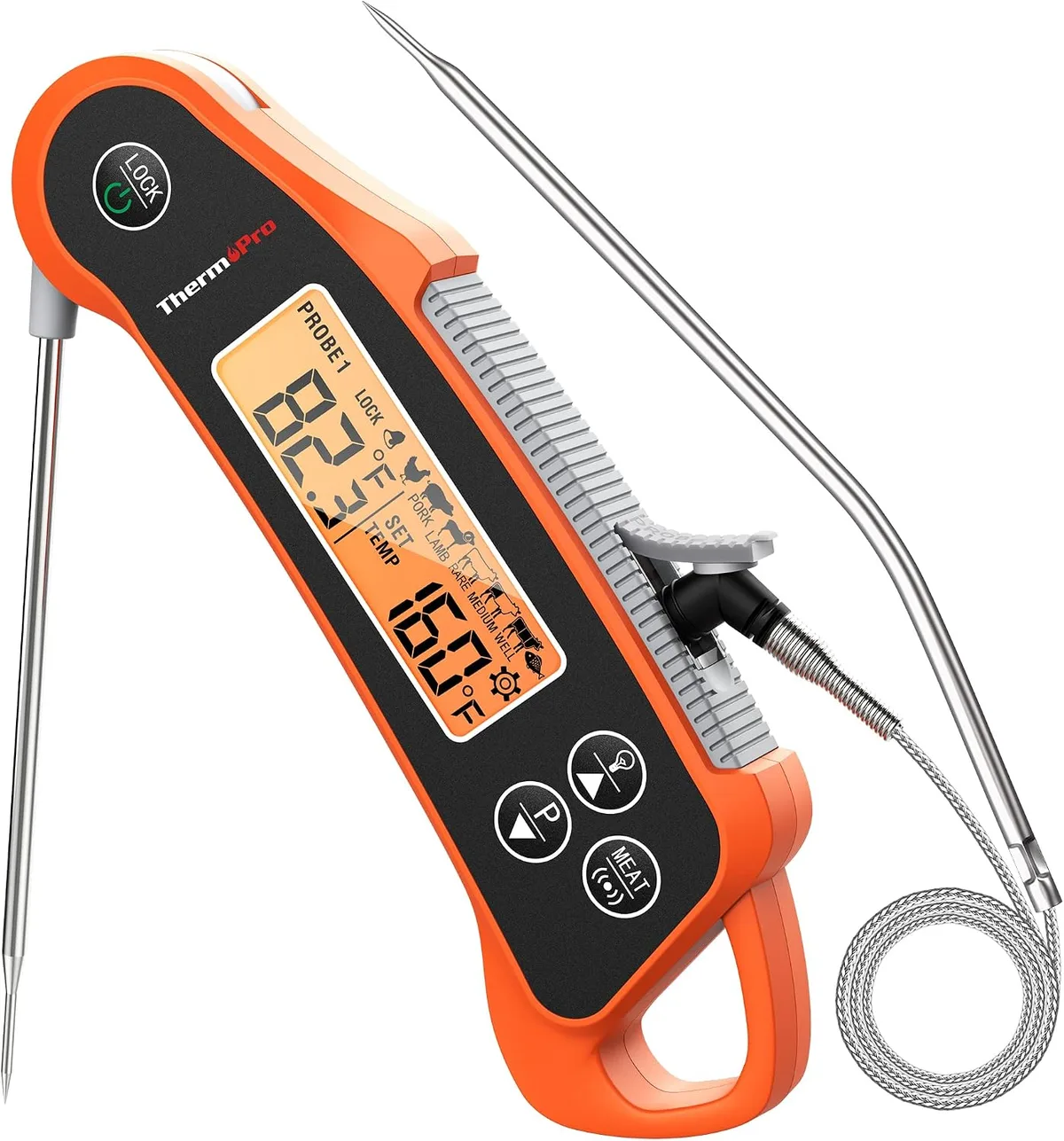
Image source: Bing (Web (fair-use with source credit))
1. Baking at 350°F or Lower
Low heat makes burgers release their juices slowly into the pan. By the time they are cooked through, the meat is dried out. Stick to 400°F for the best balance of speed and moisture retention.
2. Skipping the Wire Rack
When burgers sit flat on a sheet pan, the undersides simmer in rendered fat and juices. This steams the meat. A wire rack lifts the patty, allowing hot air to circulate all around it.
This promotes even cooking and much better browning.
3. Using a Thermometer Incorrectly
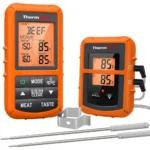
The USDA guidelines clearly state that ground beef must reach 160°F. But where you check matters. Insert the thermometer probe into the side of the patty, not the top.
The top gets hottest first, so checking there gives a false high reading.
4. Overcrowding the Pan
Leave at least an inch between patties. If they touch each other, they trap steam against the sides. This prevents browning and extends the cooking time unevenly.
5. Forgetting to Rest
Let the burgers rest for 3 minutes after they come out of the oven. This lets the juices redistribute back into the meat. Cut into them too early, and those juices end up on the plate instead of in your bun.
Frequently Asked Questions
Can I cook frozen burgers without thawing them first?
Yes. That is one of the best features of this method. Place frozen patties directly on the wire rack.
Bake at 400°F for 18 to 22 minutes. Flip them halfway through. Always verify the internal temperature reaches 160°F before serving.
Do I need to flip burgers in the oven?
Yes. Flipping halfway through ensures even cooking. Without a flip, the bottom side sits in rendered fat and stays wet.
The top side gets all the heat. A mid-cook flip solves both problems and improves browning on both sides.
How do I get a crust on an oven baked burger?
Use the broiler for the final 60 to 90 seconds. After the burger reaches an internal temperature of 155°F, switch the oven to broil. Watch it closely.
The direct top heat creates a dark, flavorful crust without overcooking the center.
What is the best temperature for oven burgers?
400°F is the sweet spot. It is hot enough to trigger browning but gentle enough to let the center reach 160°F without burning the exterior. For convection ovens, drop to 375°F.
For thinner patties, 425°F works well with a shorter cook time.
Can I add cheese during baking?
Yes. Add a slice of cheese during the last 2 minutes of baking. Leave the oven door closed.
The residual heat melts the cheese perfectly. If you want a browned, bubbly top, use the broiler for 30 seconds after adding the cheese.
Your Oven Burger Decision Guide
Here is the quick reference for every common scenario. Match your situation to the row, and follow the short path.
| Scenario | Temperature | Cook Time | Special Setup |
|---|---|---|---|
| Fresh patty, ¼ inch thick | 425°F | 8 to 10 minutes | Wire rack, no foil on top |
| Fresh patty, ½ inch thick | 400°F | 12 to 14 minutes | Wire rack, flip halfway |
| Frozen patty, standard | 400°F | 18 to 22 minutes | Wire rack, flip halfway |
| Convection oven, any patty | 375°F | Reduce time by 3 to 5 minutes | Wire rack, check early |
| Toaster oven, fresh patty | 400°F | 8 to 12 minutes | Rotate pan halfway |
Before you start, run through this checklist. First, set your oven to the right temperature. Second, place a wire rack over a foil lined sheet pan.
Third, season or prep your patties. Fourth, set a timer but trust your thermometer more than the clock. Fifth, let the burgers rest for 3 minutes before serving.
That is the whole method. It takes the guesswork out. It gives you consistent results every time.
And it turns the oven into one of your most reliable tools for a solid weeknight burger.

Similar Posts