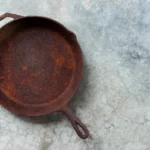
How to Clean Rust Off a Cast Iron Skillet
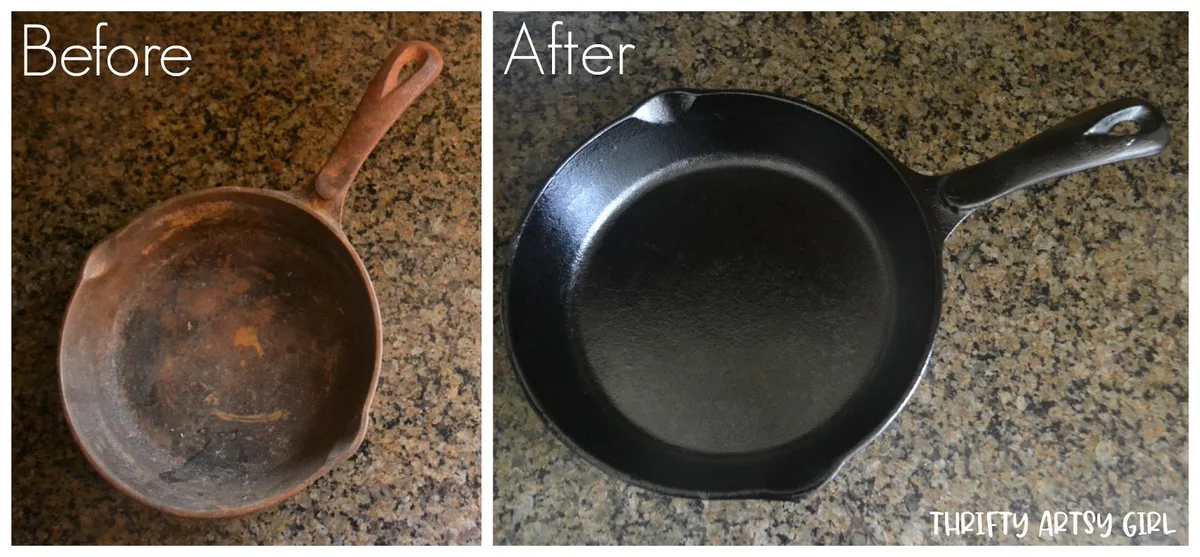
If you've just noticed rust on your cast iron skillet, you're not alone, and it's almost always fixable. Knowing how to clean rust off a cast iron skillet the right way saves you from tossing a perfectly good pan and lets you get back to cooking quickly.
Manufacturer specifications from leading cast iron makers confirm that rust is only surface-level damage. It does not ruin the iron itself. The key is matching your cleaning method to the rust's severity, which is exactly what we'll walk through here.
Quick Answer: Pick Your Rust-Fighting Method
Light surface rust needs a salt and oil scrub. Moderate rust needs a short vinegar soak. Heavy rust or pitting may need electrolysis or a lye strip.
Always dry the pan immediately and re-season with a thin layer of oil after rust removal.
Image source: Bing (Web (fair-use with source credit))
First, Diagnose Your Pan and Its Rust Severity
Your first move is to figure out what kind of rust you're dealing with. This determines everything that follows. Look at the rusted area and ask two questions: Is the pan bare cast iron or enameled?
And how deep does the rust go?
Enameled cast iron has a glass-like coating. You cannot scrub or soak it like bare iron. If the rust is on the enameled cooking surface or exterior, your options are limited to gentle methods or possibly replacing the pan.
Bare iron, on the other hand, is tough and forgiving.
Now assess the rust itself. Here is a quick breakdown:
| Rust Level | What It Looks Like | What To Do |
|---|---|---|
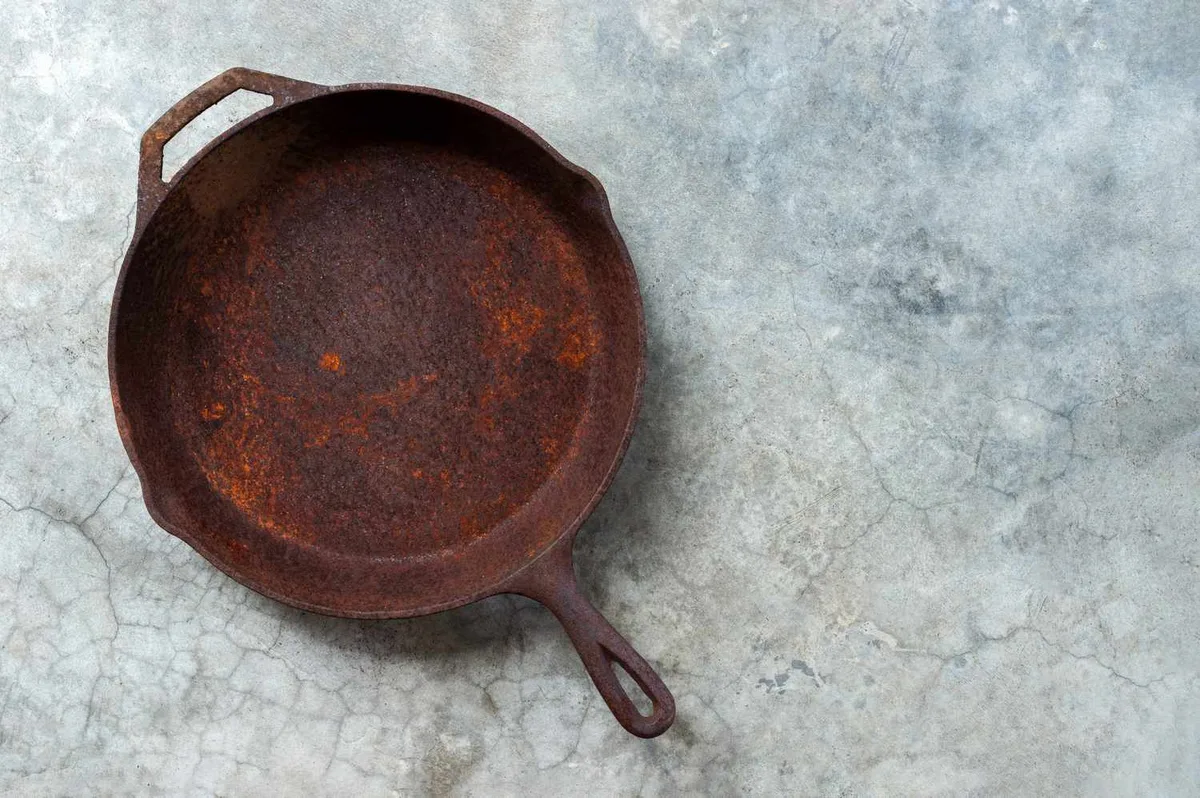
| Light surface rust | Orange dust, slight discoloration, wipes off with a dry paper towel | Salt and oil scrub, then re-season |
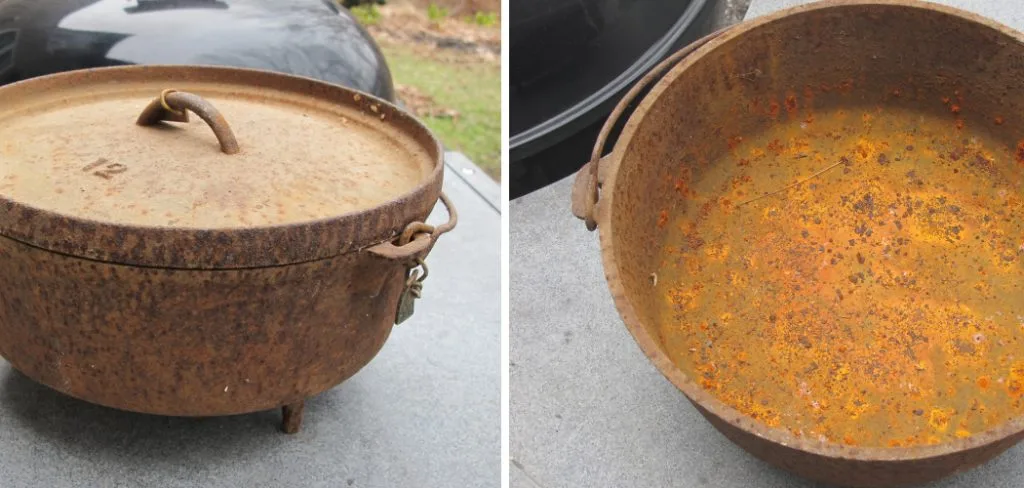
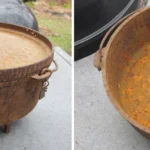
| Moderate rust | Orange-brown patches, slightly rough texture, does not wipe off easily | Vinegar soak for 10-20 minutes |
| Heavy rust / pitting | Thick flaking, dark brown or black scale, visible pits in the iron | Electrolysis or lye strip, then vinegar soak |
Per USDA materials guidance, surface rust on cast iron is not a food safety hazard once removed. But if the pan is vintage or antique, test it for lead before cooking. You can buy a simple lead test kit at any hardware store.
Cleaning Light Surface Rust: The Salt and Oil Method
If your pan has light surface rust, you can skip the harsh chemicals and heavy scrubbing. This method is gentle and works in about five minutes.
Here is what you need:
- Coarse kosher salt or sea salt
- A high-smoke-point oil (canola, grapeseed, or vegetable shortening)
- A clean paper towel or soft rag
- A dry kitchen towel
The process is simple:
- Pour about two tablespoons of coarse salt into the skillet.
- Add just enough oil to make a thick paste. You want it gritty, not runny.
- Use a paper towel to scrub the salt paste into the rusty spots. Apply firm pressure in circular motions.
- Keep scrubbing until the rust lifts and the salt turns orange-brown.
- Wipe out the salt and oil mixture with a clean towel.
- Wash the skillet with mild soap and warm water. Rinse thoroughly.
- Dry the pan immediately with a towel, then put it on a low burner for a few minutes to drive off all moisture.
After the pan is dry, apply a paper-thin layer of oil to protect the surface. If you want to restore the seasoning fully, follow the re-seasoning steps later in this guide.
This method works best for rust that has not had time to dig into the iron. If you still see rust after scrubbing, move on to the vinegar soak method.
For Moderate to Heavy Rust: The Vinegar Soak
Vinegar is acidic enough to dissolve iron oxide without damaging the pan, as long as you watch the clock. White vinegar with 5% acetic acid is the standard. Do not use balsamic or apple cider vinegar.
You will need:
- White vinegar
- Water (tap is fine)
- A plastic or stainless steel container large enough to submerge the skillet
- A scrub brush or non-abrasive pad
- Baking soda (optional, for neutralizing)
Image source: Bing (Web (fair-use with source credit))
Follow these steps exactly:
- Mix a 1:1 ratio of vinegar and water in your container.
- Submerge the skillet completely. If the pan floats, weigh it down with a clean rock or a stainless steel bowl.
- Soak for 10-20 minutes. Check the pan after 10 minutes. If the rust is gone, pull it out.
- Do not soak longer than 30 minutes total. Vinegar can etch the iron and leave a dull, rough surface if left too long.
- Remove the pan and scrub it with a brush or pad under running water. The rust should rinse away easily.
- Neutralize the acid by rubbing the pan with a baking soda paste (baking soda mixed with a little water). Let it sit for 1-2 minutes, then rinse.
- Dry the pan immediately with a towel. Then heat it on the stove on medium-low for 3-5 minutes to prevent flash rust.
Flash rust is the thin orange layer that appears on wet bare iron within minutes. Drying and heating stops it cold. If you see flash rust, just scrub it off with fine steel wool and try again.
For heavy rust that does not come off after one vinegar soak, you can repeat the process once more. If the rust is still stuck after two soaks, your pan likely needs a stronger approach.
When Scrubbing Won't Cut It: Electrolysis or Lye Stripping
For pans with deep pitting, thick rust scale, or old seasoning that has failed, scrubbing and vinegar will not be enough. This is where you consider electrolysis or a lye strip.
Electrolysis uses a low-voltage electrical current to pull rust off the iron. It is the most thorough method and does not damage the original surface. You need a battery charger, a plastic tub, a piece of steel (rebar or a flat plate), and washing soda.
The setup takes about 30 minutes, and the pan sits in the bath for 12-24 hours.
Lye stripping removes old seasoning, not rust. If your pan has both rust and flaking seasoning, you may need to strip the seasoning first (using lye-based oven cleaner or a lye bath), then remove the rust with vinegar or electrolysis.
Both methods require more equipment and some safety precautions. Electrolysis produces hydrogen gas, so it must be done in a ventilated area. Lye is caustic and needs gloves and eye protection.
For most home cooks, these advanced methods are overkill. They are worth learning if you restore vintage pans regularly or if you found a valuable antique skillet at a flea market. For a modern pan with moderate rust, the vinegar soak is usually all you need.
Once the rust is gone, the next step is rebuilding the seasoning layer. That is where the real magic happens.
How to Re-Season After Removing Rust
Now that your skillet is bare iron, you have one job left: rebuilding the seasoning. This polymerized oil layer stops rust from coming back and gives the pan its natural nonstick surface.
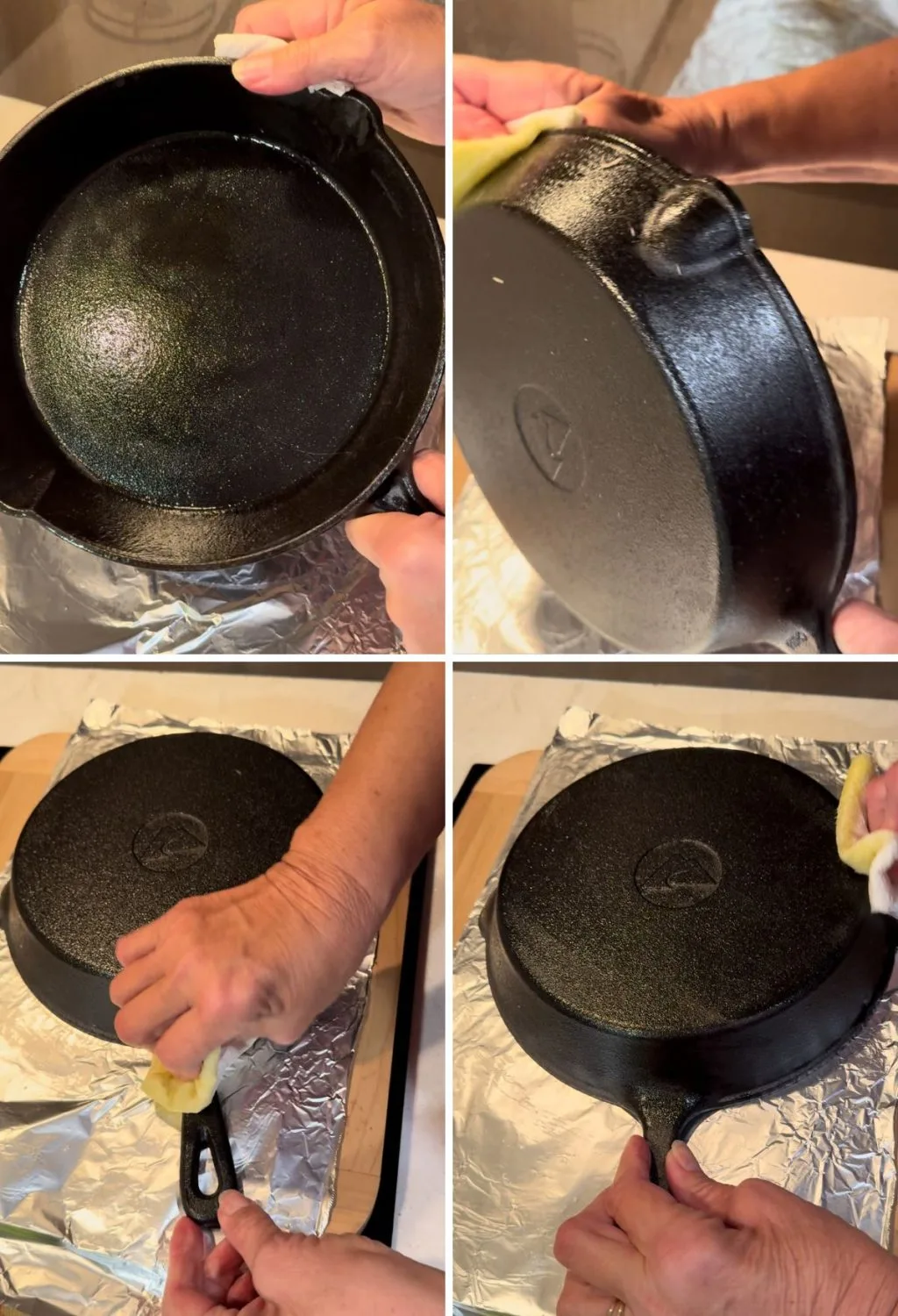
Image source: Bing (Web (fair-use with source credit))
The process is straightforward:
- Preheat your oven to 400-450°F. Check your oil's smoke point and stay just below it.
- Wash and dry the skillet completely. Heat it on the stove for a few minutes to drive off all moisture.
- Apply a very thin layer of oil to the entire pan, including the handle and bottom.
- Wipe it off like you're trying to remove it. That leftover whisper-thin film is exactly what you want.
- Place the skillet upside down in the oven. Put foil or a baking sheet on the rack below to catch drips.
- Bake for one hour. Turn the oven off and let the pan cool inside naturally.
Oil choice matters. Here's how common options compare:
| Oil | Smoke Point | Notes |
|---|---|---|
| Canola | ~400°F | Great all-around choice, affordable |
| Grapeseed | ~420°F | Hard, durable finish, slightly pricier |
| Flaxseed | ~225°F | Very hard coating but can flake |
| Vegetable shortening | ~360-375°F | Classic Lodge recommendation |
Repeat this process 3-5 times for a strong base layer. Between coats, let the pan cool enough to handle, then apply the next thin layer. For light surface rust, one or two coats may be enough.
For a fully stripped pan, go for at least three.
Mistakes That Send a Good Skillet to the Scrap Heap
Most rust problems come from a few predictable mistakes. Avoid these and your skillet will last generations.
- Leaving the pan in vinegar for hours. Thirty minutes is the hard limit. Vinegar eats rust, but it also eats the iron once the rust is gone.
- Skipping the drying step. Bare iron rusts fast. A wet pan shows flash rust within minutes.
- Using too much oil when seasoning. Thick oil pools and turns sticky. That gummy mess collects dust and food.
- Putting cast iron in the dishwasher. The heat, detergent, and moisture destroy seasoning and instantly rust bare iron.
- Using a self-cleaning oven cycle to burn off seasoning. Those cycles reach 800-1000°F and can warp the skillet permanently.
- Scrubbing enameled cast iron like bare iron. Abrasive pads and vinegar will ruin the enamel coating for good.
The most common source of confusion is treating all rust the same way. Use the lightest method that works, and escalate only when needed. If you catch rust early, the salt and oil method takes five minutes.
If you ignore it for months, you might be building an electrolysis rig in your garage.
Most skillets can be saved. The only ones that truly need replacing are cracked, warped, or rusted all the way through.
Store your skillet in a dry place. In humid climates, wrap it in a cotton towel or paper bag. That absorbs moisture and keeps the surface oil from pooling.
FAQs About Cleaning Rust Off Cast Iron
Can I use sandpaper to remove rust from a cast iron skillet?
Yes, but use it carefully. Start with 80-120 grit for heavy rust, then move to finer grits like 220 to smooth the surface. Skip power tools on vintage pans.
They can gouge the iron and destroy its value.
Is rust on cast iron safe to cook with?
Per USDA guidance, rust on bare cast iron is not a food safety hazard once removed. It can affect your food's taste and texture, though. Clean it off and re-season before cooking.
Vintage pans should be lead-tested first.
How long should I soak a cast iron skillet in vinegar?
Limit each vinegar soak to 10-20 minutes. Check the pan halfway through and scrub it. Never exceed 30 minutes total.
The acid will begin eating the iron itself after that point.
Why does my cast iron skillet keep rusting?
The usual culprits are moisture and a missing oil layer. Dry the pan completely after washing. Heat it briefly on the stove and store it with a light coat of oil.
Humidity makes rust worse, so keep it somewhere dry.
Can I restore a heavily rusted antique cast iron skillet?
Yes, but test for lead first. Then use electrolysis or a lye bath to protect the original surface. Vintage pans are smoother and more valuable than modern ones, so skip aggressive sanding and abrasive scrubbing.
Does seasoning really prevent rust?
Yes. Polymerized oil creates a hydrophobic barrier that blocks moisture from reaching the iron. A well-seasoned skillet resists rust beautifully.
That's why re-seasoning after any rust removal is non-negotiable.

Similar Posts