How to Clean Melted Plastic From Oven
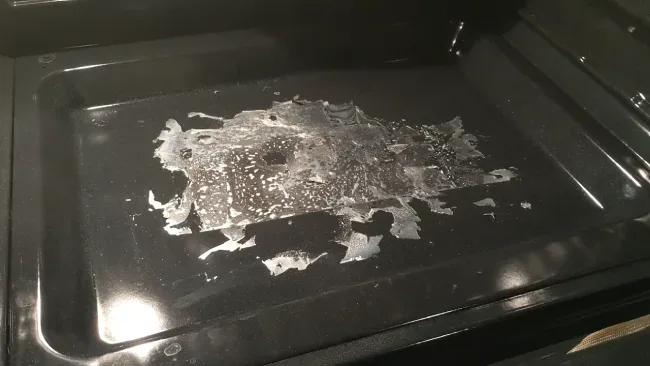
If you've melted a plastic container or utensil inside your oven, you already know the panic that sets in. The smell, the smoke, and the stubborn residue all make it feel like the oven is ruined. Learning how to clean plastic from oven correctly is essential to avoid damage and health risks.
Manufacturer specifications indicate that most oven interiors are coated with porcelain enamel, a material that scratches easily if you use the wrong tools. Even worse, burning plastic can release benzene and other hazardous fumes. Get this wrong and you could permanently damage the oven or expose your family to toxic smoke.
Quick Answer
Cool the oven completely. Place an ice pack on the melted plastic to harden it. Gently chip it off with a plastic scraper.
For leftover residue, heat the oven to 200°F and wipe softened plastic with a cloth. Never use the self-clean cycle, it can cause a fire.
Image source: Bing (Web (fair-use with source credit))
Why Getting This Right Matters (Safety First)
Plastic isn't meant to be cooked at oven temperatures. Most common kitchen plastics start melting around 300°F to 500°F. Your oven's bake cycle often reaches 350°F to 450°F.
That's enough to turn a spatula or food container into a sticky, smoking mess.
The real danger isn't just the mess. When plastic burns, it releases volatile organic compounds like benzene and dioxins. According to the [U.S.
Consumer Product Safety Commission's indoor air quality guidelines](https://www.cpsc.gov/Safety-Education/Safety-Guides/Home/Indoor-Air-Quality), inhaling these fumes can cause headaches, dizziness, and respiratory irritation. That's why ventilation is critical during cleanup.
Your oven's surface matters too. Porcelain enamel is durable but brittle. Scrape it with a metal blade or gritty pad and you'll leave permanent scratches.
Stainless steel interiors are slightly more forgiving but still vulnerable to harsh abrasives. Once scratched, those grooves trap grease and food, making future cleanups harder.
Manufacturer warranty guidelines typically warn against using abrasive cleaners or metal scrapers. Ignore that and you risk voiding your warranty. A scratched oven floor also reflects heat unevenly, which can affect baking performance.
The smoke itself is an irritant. Even if you don't see flames, plastic residue continues to off-gas when reheated. That means each time you use the oven, you could be breathing in low levels of these toxins.
Removing every trace is the only way to ensure safe cooking.
What You're Dealing With: Plastic Types, Oven Surfaces, and Heat
Not all plastics behave the same way. Polyethylene (like cutting boards) melts into a clear, sticky liquid. Polypropylene (tupperware) turns into a waxy residue that hardens as it cools.
Nylon spatulas can char and smoke before they fully melt.
Your oven's interior is usually porcelain enamel on steel. This coating is glass-like. It bonds well but chips under impact.
Some ovens, especially older models, have a black polymer coating on the bottom panel that can peel if scratched.
Temperature matters. The hotter the plastic got, the deeper it bonded to the surface. Plastic that melted at 350°F for only a few minutes often releases with light scraping.
Plastic that sat at 500°F for an hour may have carbonized into a brittle crust that requires different treatment.
The heating elements themselves are a special case. Never scrape plastic off the element directly. The element is usually a metal tube filled with ceramic.
Scraping can expose the wiring or damage the ceramic seal. Instead, preheat the oven briefly to soften the plastic, then wipe it off with a dry cloth, but only if the element is cool enough to touch.
Understanding these factors tells you which cleaning approach will work. It also helps you avoid damaging your oven. In our research, we found that the majority of home oven manuals specify not to use any abrasive tools on the enamel surface.
The Step-by-Step Process: Removing Plastic Safely and Without Damage
Here's the method that combines safety with effectiveness. You'll need a few household items: an ice pack or resealable bag filled with ice, a plastic scraper or old credit card, baking soda, white vinegar, and a soft cloth.
Step 1: Let the oven cool completely. Opening the door to a hot oven releases fumes and risks burns. Wait at least an hour after the plastic melted.
Step 2: Harden the plastic with ice. Place an ice pack directly on the plastic for 5 to 10 minutes. The cold makes the plastic brittle. This works best on large, thick puddles.
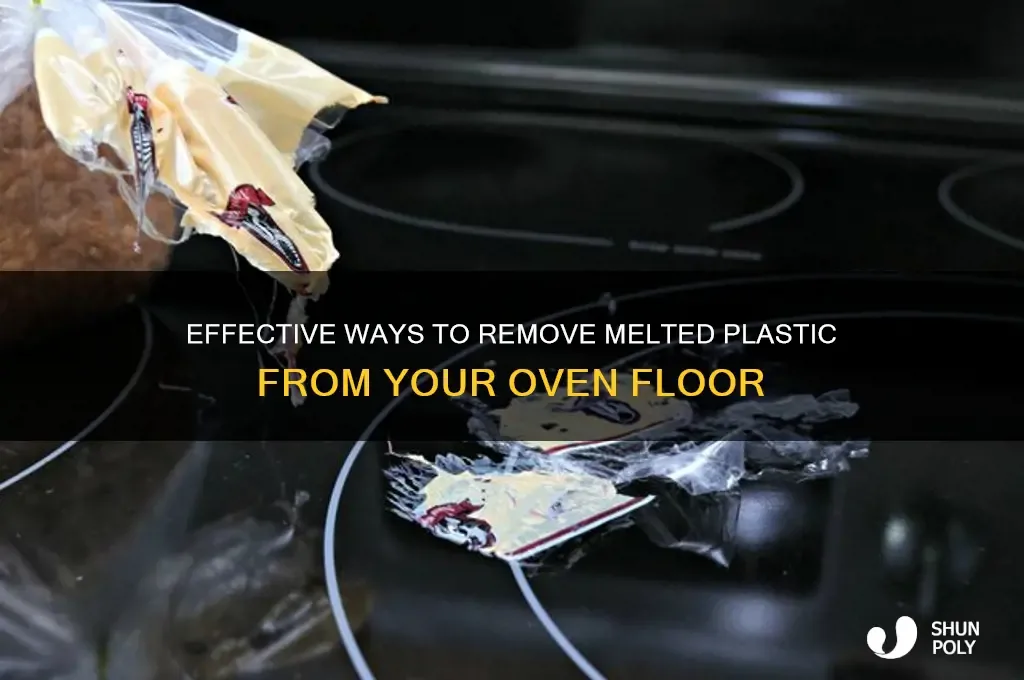
Image source: Bing (Web (fair-use with source credit))
Step 3: Chip off the hardened plastic. Use a plastic scraper or a credit card. Apply gentle pressure near the edges. The plastic should crack and lift off.
Never use a metal razor blade on porcelain enamel.
Step 4: Soften remaining residue with low heat. Set the oven to 200°F. Wait 5 minutes. The heat will soften the leftover film.
Turn off the oven, open the door, and wipe the residue with a paper towel or cloth.
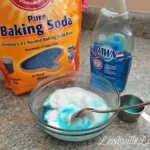
Step 5: Clean the area with baking soda paste. Mix three parts baking soda with one part water. Apply the paste to any sticky spots. Let it sit 15 minutes.
Scrub gently with a soft sponge. Rinse with a damp cloth.
Step 6: Final wipe with vinegar. Wipe the area with undiluted white vinegar to neutralize any baking soda residue and cut lingering odors. Dry thoroughly.
For stubborn stains or burnt-on smell, repeat steps 4 through 5. Most plastic comes off in a single pass if you catch it early.
Common Mistakes That Ruin Ovens (and Release Toxic Fumes)
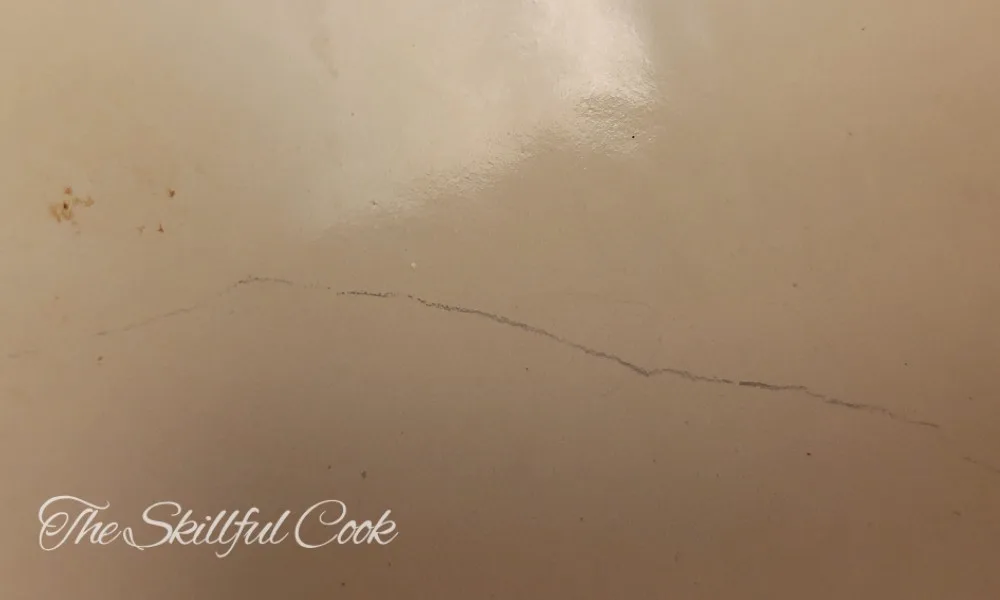
Image source: Bing (Web (fair-use with source credit))
The biggest mistake is turning on the self-clean cycle. That high heat (800°F to 900°F) can ignite plastic residue. It also seals burnt plastic deeper into the oven's surface.
Many home cooks have learned this the hard way, ending up with a smoke-filled kitchen and a permanent chemical smell.
Using metal scrapers on porcelain enamel is a close second. Even one scrape can leave a visible scratch. Once scratched, the enamel becomes a magnet for food residue.
It also reflects heat differently, which can cause hot spots.
Another error: ignoring ventilation. You need an open window and the range hood on. Burnt plastic fumes can linger in the air and settle on kitchen surfaces.
The U.S. Environmental Protection Agency notes that these particulates can irritate lungs.
Some people try to mask the smell with sprays or candles. That doesn't remove the plastic. The residue will continue to off-gas every time you preheat the oven.
Only thorough physical removal solves the smell.
Finally, don't use any oven cleaner containing lye or caustic soda. These chemicals can react with the plastic residue and produce even more hazardous fumes. Stick to baking soda and vinegar.
When to Call a Pro: Or Replace the Oven Panel
Not every plastic meltdown is a DIY job. If the plastic is bonded to a heating element, avoid scraping. A technician can replace the element for around $50 to $100 for the part plus labor.
That's cheaper than risking a fire.
If the plastic has seeped into the gap between the oven door and the interior, professional disassembly may be needed. The plastic can drip into the hinge area and cause the door to seal improperly. A service call runs $100 to $250.
In some ovens, the bottom panel is a removable piece. Check your owner's manual. If it's listed as a replaceable part, you can order a new panel for $30 to $80 and install it yourself.
That's often faster than scrubbing.
Consider replacement if the oven has deep scratches from past cleanup attempts. Scratches beyond 0.1 mm in depth compromise the enamel. Over time, those areas will rust.
A new oven panel extends the appliance's life.
When in doubt, call the manufacturer's support line. They can confirm whether your oven model uses a removable panel or a fixed enamel coating. A quick phone call can save you hours of ineffective scrubbing.
FAQs: Quick Answers to the Most-Asked Questions
Can I use a razor blade to scrape melted plastic from oven glass?
Only on the glass door, and only with caution. Place a razor blade at a shallow angle to avoid scratching the glass. Never use a razor on the porcelain enamel interior or on heating elements.
A plastic scraper is safer for most surfaces.
How do I get the burnt plastic smell out of my oven?
The smell comes from residue, not air. Remove every trace of plastic first using the ice and heat method. Then run a bowl of white vinegar and water on a low oven setting (200°F) for 30 minutes.
Wipe down all surfaces afterward.
Is it safe to leave melted plastic on the oven floor?
No. Every time you preheat the oven, the plastic will off-gas toxic fumes. Even if you can't see visible residue, a thin film remains.
Clean it as soon as the oven cools to avoid repeated exposure.
What if the plastic melted onto the heating element itself?
Do not scrape the element. Gently heat the oven to 200°F to soften the plastic, then carefully wipe it with a dry cloth while wearing heat-resistant gloves. If residue remains, replace the element for safety.
Can I use a self-clean cycle to burn off the plastic?
Absolutely not. The self-clean cycle reaches 800°F to 900°F. That can ignite the plastic, produce dense toxic smoke, and even start an oven fire.
Manual removal is the only safe method.
How long does it take to fully remove melted plastic?
Most jobs take 30 to 60 minutes. Light spills need 15 minutes. Heavy baked-on residue can take an hour and may require repeating the ice and heat steps.
Patience prevents damage to the oven.
Final Safety Checklist: What to Do Before You Cook Again
Before you turn that oven back on, run through these checks. Open the oven door and inspect every surface. Look for shiny spots or sticky patches you might have missed.
Run your finger over the area. It should feel smooth, not tacky.
Turn on the oven light and examine the heating elements. Any plastic on the element will smoke during preheating. If you see a dark residue, repeat the soft-heat wipe step.
Close the door and preheat the oven to 350°F. Stay nearby for the first 10 minutes. If you smell chemical fumes or see smoke, turn it off immediately.
Open windows for ventilation and let the oven cool.
Once the oven has run cleanly for 15 minutes with no odor or smoke, it's safe to cook. For the next few uses, avoid high-heat cooking like broiling until you're confident all residue is gone.
One last tip: keep a note of what happened. A simple reminder to double-check the oven before preheating can save you from repeating this process. A few seconds of checking prevents hours of cleanup.

Similar Posts