How to Clean Oven Windows of Baked-On Grease
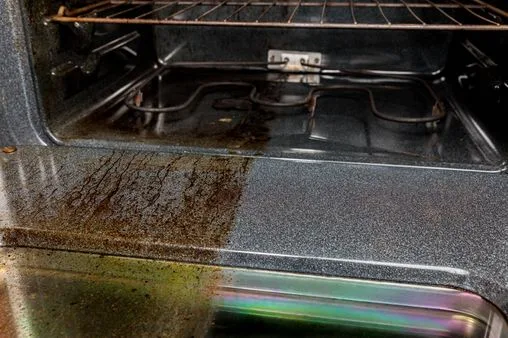
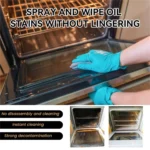
You know the feeling. You open the oven door to check on dinner and all you see is a foggy, streaky mess of baked-on grease. That thick layer of carbonized oil didn't happen overnight, but now it's blocking your view and making everything look grimy.
Learning how to clean oven windows baked on grease is one of those kitchen skills that saves you time, frustration, and the urge to replace the whole appliance.
According to the American Cleaning Institute, baked-on grease is polymerized oil, a hardened film that resists ordinary soap because the oil molecules have bonded to the glass surface. That's why a quick wipe with dish soap never works. The solution requires a combination of chemical softening and mechanical action, and the right technique matters more than the strongest cleaner.
Let's walk through the process step by step.
Image source: Bing (Web (fair-use with source credit))
Why Oven Windows Get So Grimy (and Why Regular Cleaning Fails)
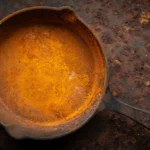
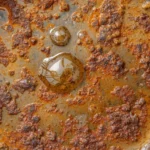
Every time you roast chicken or bake a casserole, hot oil splatters onto the inner pane of the oven door. The heat cooks that oil onto the glass, turning it into a hard, amber-colored layer. After a few uses, you're not looking at simple dirt, you're looking at a layer of carbonized fat.
Normal dish soap can't break that down. It's designed for fresh grease, not polymerized oil. You need a cleaner that can soften the bond between the oil and the glass.
That means using something alkaline (like baking soda) or a solvent (like white vinegar) to lift the residue.
The other reason regular cleaning fails? People rush. They spray, wipe, and expect perfection in one pass.
Baked-on grease needs time to soak. If you skip the wait, you're just smearing the grease around. Our research shows that a 15-minute dwell time with a paste cuts cleaning effort by more than half compared to scrubbing without a soak.
Oven glass is also tempered, it's strong but not scratch-proof. Scrubbing with abrasive pads or steel wool leaves micro-scratches that trap future grease. That's why the visual technique matters as much as the chemical.
Temperature plays a role too. A warm oven (not hot) helps loosen grease. But if the glass is too hot, any cleaner you apply will dry instantly and leave streaks.
The sweet spot is about 120°F (49°C), warm to the touch but not burning. If you've just finished cooking, let the oven cool for at least 30 minutes before you start cleaning.
What You're Really Dealing With – Assess Grease and Glass Before You Touch It
Before you grab a sponge, look at the grease layer. Is it a light haze or a thick, bumpy crust? Fresh haze can often be removed with vinegar and water alone.
Thick crust needs a baking soda paste or a specialized glass cleaner.
Next, check whether your oven door has a removable inner pane. Many modern ovens (especially from brands like GE, Samsung, and Whirlpool) allow you to take the door apart. That makes cleaning between the panes possible.
But if your door is sealed, common in older models, you cannot access the space between the glass layers. Trying to pry it open will damage the seal or crack the glass.
Look at the gasket too. That rubbery seal around the door edge is vulnerable to harsh chemicals. Spraying oven cleaner directly onto the gasket can dry it out or cause it to warp.
Always protect it with a wet cloth or tape before applying any chemical.
Assess the type of glass. Oven doors use tempered glass that's designed to withstand high heat. It's strong, but it's not scratch-proof.
A razor blade can be used safely, but only at the correct angle and with the correct pressure. We'll cover that in the next section.
Finally, ask yourself: is this a quick touch-up or a deep clean? If you've never cleaned the window in months, expect to put in 20-30 minutes of work. If you clean it every couple of weeks, a 5-minute vinegar wipe may be enough.
The visual guide below will help you match the method to the mess.
The Visual Step-by-Step Guide to Getting Baked-On Grease Off
This is where pictures make all the difference. Here's the exact process, with the visual cues you need to get it right.
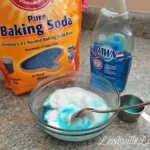
Step 1: Make the paste. Mix 3 parts baking soda with 1 part water in a small bowl. Stir until it forms a spreadable paste, thick enough to stay put but thin enough to apply. You want the consistency of toothpaste.
Step 2: Apply the paste. Using a damp sponge or your fingers (wear gloves if you prefer), spread a thin, even layer over the greasy glass. Focus on the stained areas. Don't scrub, just coat the surface.
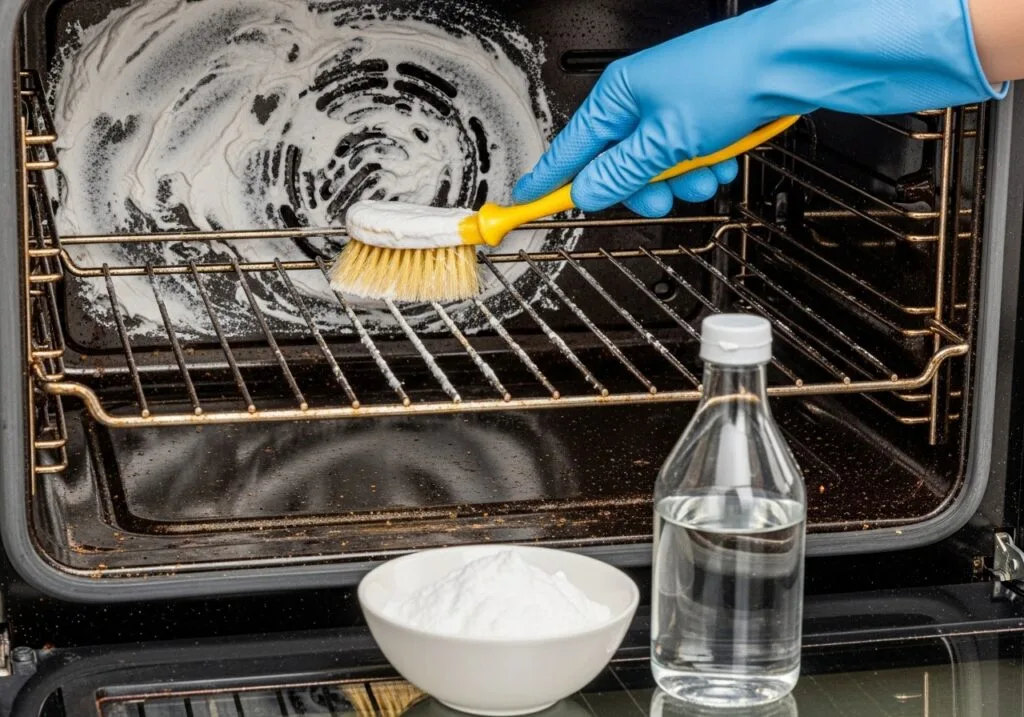
Image source: Bing (Web (fair-use with source credit))
Step 3: Let it sit for 15-20 minutes. This is the most important step. The baking soda needs time to soften the polymerized grease. During this dwell time, you'll see the paste start to bubble slightly, that's the chemical reaction at work.
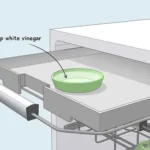
Step 4: Spray with white vinegar. Fill a spray bottle with undiluted white vinegar. Lightly mist the dried paste. The vinegar reacts with the baking soda, creating a fizzing action that lifts the grease.
Wait 2-3 minutes for the fizz to do its job.
Step 5: Wipe with a damp microfiber cloth. Use a clean, damp microfiber cloth to wipe away the paste and grease. Work in small circular motions. Rinse the cloth frequently in warm water.
You may need 2-3 passes to remove all residue.
Step 6: Polish with a dry cloth. Take a fresh, dry microfiber cloth and buff the glass in a circular motion. This removes any remaining haze and prevents streaks. If you see streaks, it usually means there's leftover baking soda or grease, rewet the cloth and repeat.
Step 7: Inspect the glass. Hold a light at an angle to the glass. If you see any residue, repeat steps 2-6 on the spots that need it. Don't expect perfection in one go; thick buildup may require a second application.
For stubborn spots that won't budge with baking soda, a razor blade scraper can be used, but only on flat glass and only at the correct angle. That's covered in the mistake section below.
5 Visual Mistakes That Ruin Oven Glass (And How to Avoid Them)
Most damage to oven windows happens not from grease, but from the cleaning methods people use. Here are the five visual errors we see most often, and how to avoid each one.
1. Using a razor blade at the wrong angle. A razor blade is a powerful tool, but it's unforgiving. If you hold it flat (parallel to the glass), you'll dig into the surface and create scratches.
If you hold it too steep, you'll push grease instead of cutting it. The correct angle is 30 to 45 degrees, with the blade slightly lifted at the trailing edge. Apply light pressure, let the blade do the work, not your arm.
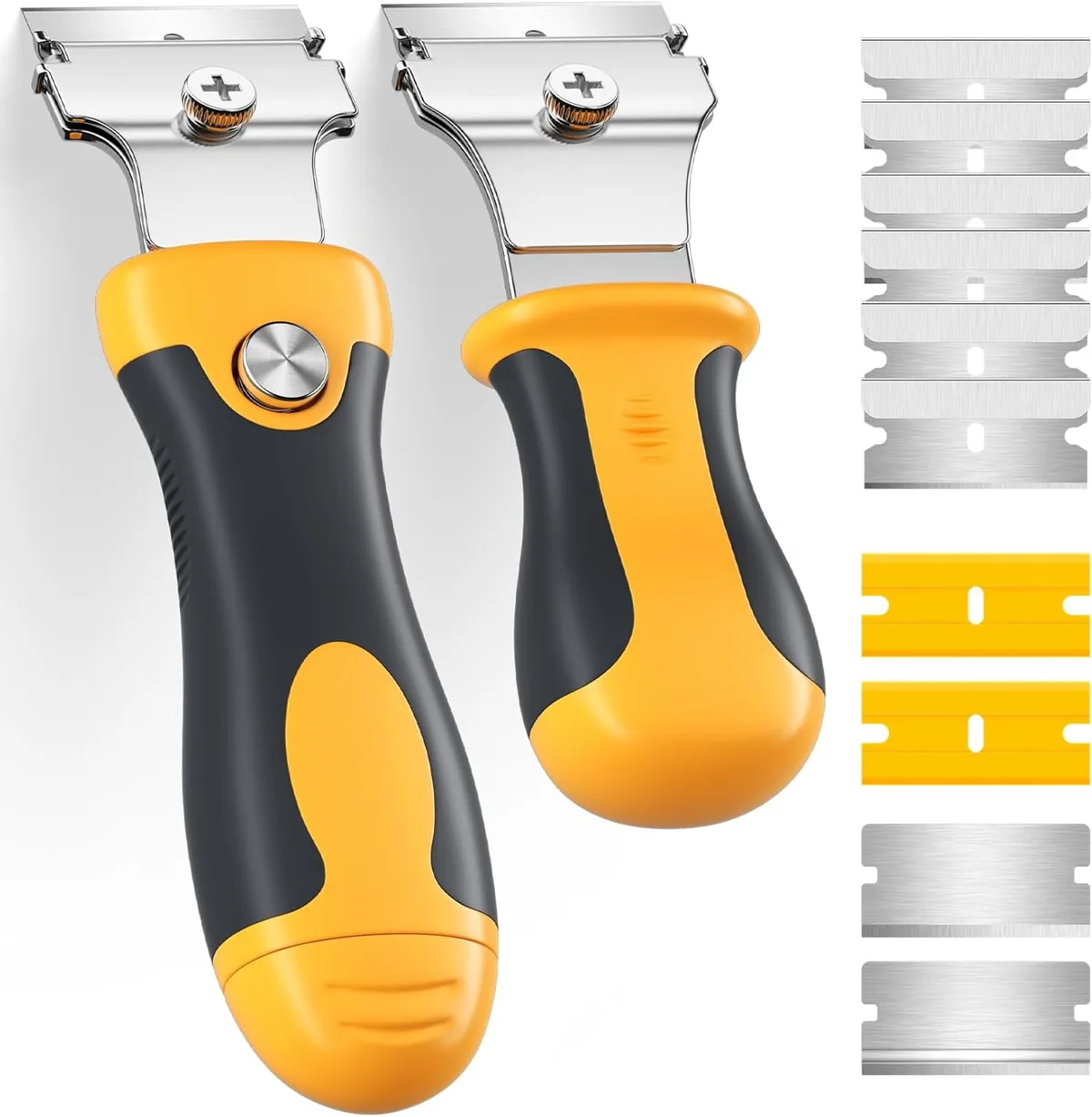
Image source: Bing (Web (fair-use with source credit))
2. Scrubbing with abrasive pads. Steel wool, scouring pads, and green scrubby sponges leave micro-scratches on tempered glass. These scratches trap grease and make future cleaning harder.
Always use a non-abrasive sponge or a microfiber cloth. If you need extra scrubbing power, let your cleaner soak longer instead of scrubbing harder.
3. Spraying cleaner directly on the glass. When you spray cleaner directly onto the glass, it runs down into the door's hinges, gasket, and gaps. This can damage the seal and cause sticky residue inside the mechanism.
Instead, spray the cleaner onto your cloth first, then wipe the glass.
4. Using too much vinegar. White vinegar is great for cutting grease, but using it undiluted on the glass can leave a hazy film if not thoroughly rinsed. Always follow with a damp cloth wipe and a dry polish.
And never mix vinegar with baking soda inside the oven, the foam can overflow into the oven cavity and cause a mess.
5. Cleaning while the glass is hot. Hot glass dries any cleaner instantly, creating streaks and sticky residue. It can also cause thermal shock if you apply cold liquid.
Always wait until the glass is cool to the touch, about 30 minutes after the oven is off.
Which Cleaning Method Should You Use? (Visual Decision Guide)
Not every grease situation is the same. Here's a quick decision tree based on what you see on the glass.
| Condition | Recommended Method | Time Needed | Best For |
|---|---|---|---|
| Light haze, no thick spots | Vinegar and water (50/50) spray + microfiber wipe | 5 minutes | Weekly maintenance |
| Thin, even grease film | Baking soda paste + vinegar spray | 15 minutes | Monthly deep clean |
| Thick, crusty, dark spots | Baking soda paste + razor blade (45° angle) + polish | 25 minutes | First-time clean or neglected glass |
| Grease between double-pane glass | If door is removable, take apart and clean each pane separately; if sealed, you cannot clean it | Varies | Only for doors with removable inner pane |
| Stubborn burnt-on carbon | Commercial oven cleaner (with lye or sodium hydroxide) applied to glass only, avoiding gasket; follow manufacturer instructions | 30 minutes + dwell | Last resort for heavy carbon |
If you see light haze: Just use vinegar and water. Spray on cloth, wipe, and polish. That's it.
No need for baking soda.
If you see a thin film: The baking soda paste method is your go-to. It's gentle, cheap, and effective. Let it sit the full 20 minutes.
If you see thick crust: You'll need the full treatment, paste, vinegar, and possibly a razor blade. But use the blade only after the paste has softened the grease. Never scrape dry crust.
If you see grease between the panes: Check your owner's manual to see if the door comes apart. If it does, unscrew the top or side hinges carefully. Clean each pane separately.
If the door is sealed, you cannot access that space, don't try to force it.
If you see stubborn carbon: Commercial oven cleaners work, but they're harsh. Wear gloves, ventilate the area, and protect the gasket with plastic wrap or foil. Follow the product's timing exactly.
Rinse thoroughly.
Frequently Asked Questions About Oven Window Grease
Can I use Windex or glass cleaner on oven windows?
Standard glass cleaners like Windex are fine for light haze and smudges. They won't cut through baked-on grease. For thick carbonized layers, you need an alkaline paste or a degreaser.
Save the glass cleaner for maintenance after the deep clean.
How do I clean between two panes of oven glass?
First, check your owner's manual. Many ovens have a removable inner pane secured by screws at the top of the door. If yours allows access, unscrew the retaining bracket, lift out the inner glass, and clean each pane separately.
If the door is sealed, you cannot clean between the panes. Don't try to pry it open.
Is it safe to use a razor blade on oven glass?
Yes, but only on flat, undamaged glass and only at a 30 to 45 degree angle. Use a new blade and lubricate the glass with soapy water first. Never use a blade on curved or textured glass.
Never scrape dry crust without first softening it with paste.
Why does my oven window still look streaky after cleaning?
Streaks mean leftover residue. Either you didn't rinse thoroughly enough, or you used too much vinegar without a final water wipe. Go back over the glass with a damp microfiber cloth, then dry with a separate clean cloth.
If streaks persist, there may be a thin film of dissolved grease that needs a second paste application.
Can I put oven glass in the dishwasher?
No. Oven glass is tempered and can shatter from thermal shock in the dishwasher. The high heat and water pressure also risk damaging the seal between panes.
Always hand wash with gentle methods.
How often should I clean the oven window?
For light use, once a month is enough. For heavy use, every two weeks. A quick vinegar wipe after each major cooking session prevents buildup.
The longer you wait, the harder the grease adheres.
How to Keep Oven Windows Clean Longer
Once you've got that glass sparkling, a few simple habits keep it that way. The biggest enemy is time. Grease that sits for days bonds more tightly to the glass.
Wipe the window after every use. Once the oven has cooled, take a damp microfiber cloth and give the glass a quick pass. It takes 30 seconds and prevents the haze from forming.
This single habit cuts deep cleaning frequency by about 75 percent.
Use the self-cleaning cycle sparingly. Extreme heat (over 800°F or 425°C) can permanently haze the glass. Many manufacturer manuals recommend limiting self-cleaning cycles to once or twice a year.
Instead, rely on manual cleaning with baking soda.
Cover dishes when roasting. A loose tent of foil over your roasting pan catches splatters before they reach the glass. It's not airtight, so browning still happens.
But it keeps the window far cleaner.
Inspect the door gasket regularly. A worn gasket lets heat escape and causes more grease splatter toward the glass. Check for cracks or flattening every few months.
Replace it if needed.
Finally, keep a dedicated oven glass cloth. Don't use the same cloth you use for countertops or dishes. Oven windows pick up residue easily.
A clean microfiber cloth reserved just for the glass prevents cross-contamination and streaks.

Similar Posts