How to Clean and Clear a Clogged Dishwasher Air Gap on Your Sink
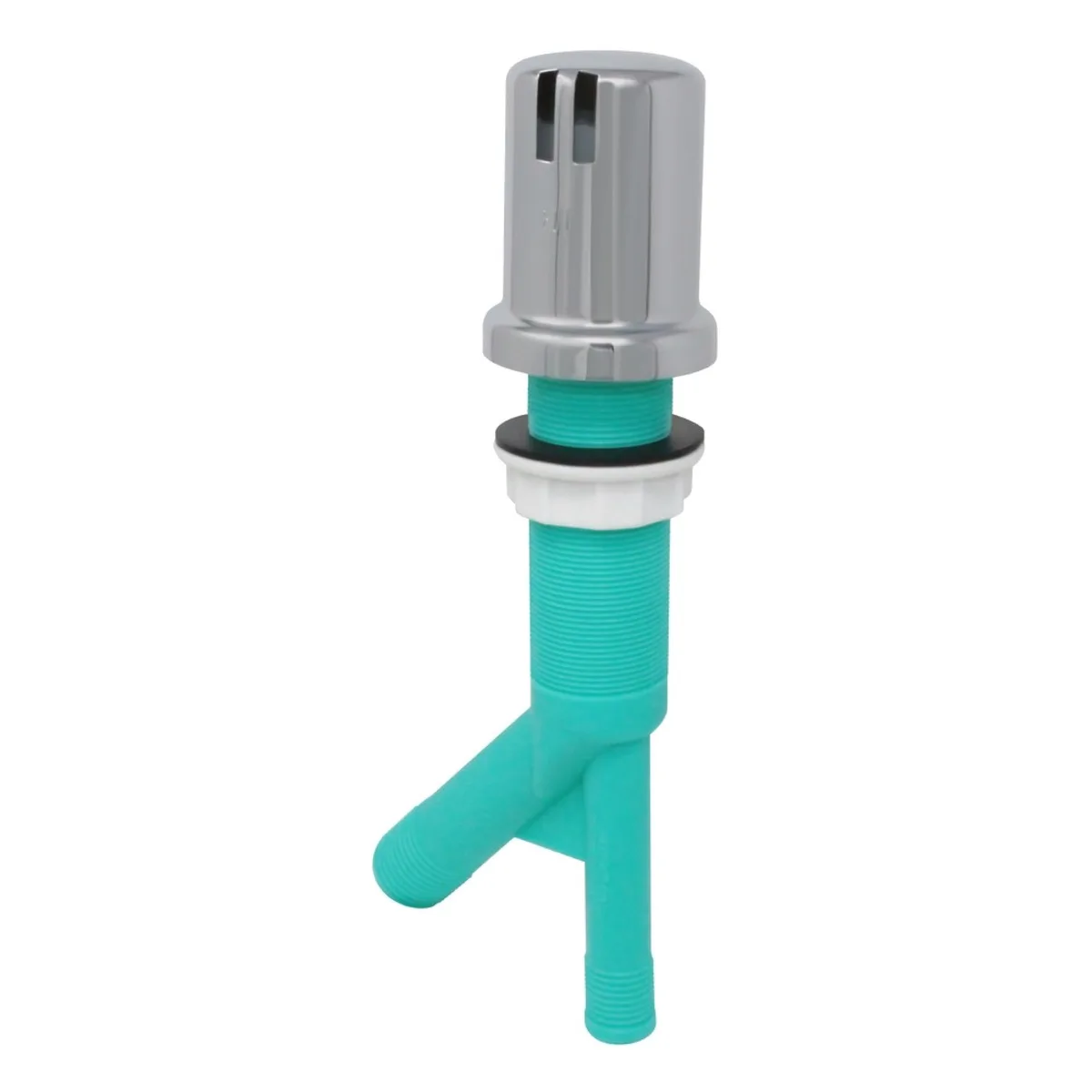
So you're standing at the kitchen sink, the dishwasher has just finished its cycle, and instead of that satisfying whoosh of water draining, you hear a gurgle. Or worse, water is backing up into the sink through that little chrome or plastic cylinder next to the faucet. You've just discovered you need to learn how to clean air gap dishwasher, and the good news is it's almost always a quick DIY fix.
That cylinder is called an air gap, and it's there to prevent dirty dishwater from flowing back into your dishwasher, but it can get clogged with food gunk, grease, or mineral deposits.
As of 2026, the Uniform Plumbing Code (UPC) requires air gaps on dishwashers in most U.S. states, making them a standard fixture in millions of homes. Manufacturer specifications from brands like Whirlpool and GE confirm that routine cleaning every three to six months keeps the air gap flowing freely and prevents backups. Let's walk through exactly what you need to do.
Quick Answer
Remove the air gap cap. Look inside for visible debris. Use a small brush or pipe cleaner to scrub the interior chamber.
Flush with hot water. If that doesn't work, disconnect the hose from the air gap and check for blockages there too. Most clogs clear in under 15 minutes.
Quick Diagnosis: Is Your Air Gap Actually Clogged?
Before you start taking things apart, let's confirm that the air gap is the real problem. A gurgling sound during or right after the dishwasher drains is the classic symptom. That gurgle means air is being forced through a partially blocked passage.
You might also see water bubbling up from the air gap's top vents or even a small geyser of dirty water into the sink.
Here's a simple test. Run the dishwasher on a short rinse cycle. Stand by the sink and watch the air gap.
If you see water rising inside the plastic body or spilling out the cap, you've got a clog downstream of the dishwasher, likely in the air gap itself or the hose running to your garbage disposal or drain line. If the dishwasher won't drain at all and the air gap stays dry, the blockage is probably in the hose between the dishwasher and the air gap.
Another quick check: fill the sink with a few inches of water, then pull the drain plug and let it drain. If the sink drains normally but the air gap still acts up, the problem isn't in your main kitchen drain, it's in the dishwasher-specific plumbing. That narrows your focus to the air gap and its hose.
If your garbage disposal has a dishwasher drain port (most do), make sure the disposal is actually running and empty. Sometimes a clump of food sits right where the dishwasher waste enters the disposal, blocking flow. Run the disposal for a few seconds with cold water.
If the gurgling stops, you just saved yourself an air gap cleaning.
Image source: Bing (Web (fair-use with source credit))
What an Air Gap Does (and Why It Gets Clogged)
An air gap is a simple anti-siphon device. It's mounted on your countertop or sink deck, and it has two ports. One port connects to the dishwasher's drain hose.
The other port connects to a hose that runs down to your garbage disposal or sink drain line. The air gap itself is essentially a vertical tube with a small vent hole near the top. When the dishwasher pumps out water, it flows up into the air gap, then gravity pulls it down the second hose into the disposal or drain.
The vent at the top lets air in, which prevents a siphon from forming, that's what stops dirty sink water from being sucked back into the dishwasher.
The problem is that this plumbing junction is a perfect place for debris to collect. Dishwasher water carries food particles, grease, and soap scum. As that water slows down passing through the air gap's narrow chamber, particles settle out.
Over time they form a sludge that can harden into a tough blockage. Hard water areas add mineral scale to the mix, which can crust up the inner walls.
Three common clog types you'll encounter:
- Biofilm sludge, A slimy, dark gray or brown buildup. This is the most common culprit, especially in households that don't pre-rinse plates well. It smells bad and can feel almost like jelly.
- Hard water scale, White or off-white crusty deposits. If you live in a region with hard water (over 7 grains per gallon), this is a recurring issue. Scale builds up gradually and narrows the passage until flow stops.
- Foreign objects, Bits of broken glass, plastic twist ties, toothpick fragments, or even small bottle caps. These get past the dishwasher filter and lodge in the air gap's narrowest point, usually the outlet port.
Understanding which type of clog you're dealing with helps you choose the right cleaning approach, which is exactly what the next section will help you figure out.
The 2-Minute Triage: Check Before You Clean
Don't start disconnecting hoses yet. First, do a quick diagnostic that takes about two minutes and doesn't require any tools beyond your hands and maybe a screwdriver.
Step 1: Remove the air gap cap. Most caps are snap-on (just pry up gently with your fingers) or threaded (rotate counterclockwise). If it's stuck, don't force it with pliers, you can crack the plastic housing. Instead, run hot tap water over the cap for 30 seconds to soften any hardened gunk, then try again by hand.
If it still won't budge, use a flathead screwdriver wrapped in a cloth to gently pry around the edges.
Step 2: Look inside. Shine a flashlight into the air gap body. What do you see?
- Clear water? That's normal, the air gap is probably clean.
- Dark sludge or food particles? You've got biofilm buildup.
- White crust? That's hard water scale.
- Empty but no water flow? The blockage might be deeper in the hose.
Step 3: The water test. With the cap off, pour a cup of tap water slowly into the air gap. It should drain freely down into the sink drain. If water overflows the top or drains very slowly, the obstruction is inside the air gap body.
If water disappears quickly, the air gap itself is fine, the blockage is downstream in the hose or at the disposal connection.
This triage tells you which branch of the decision tree to follow in the next section.
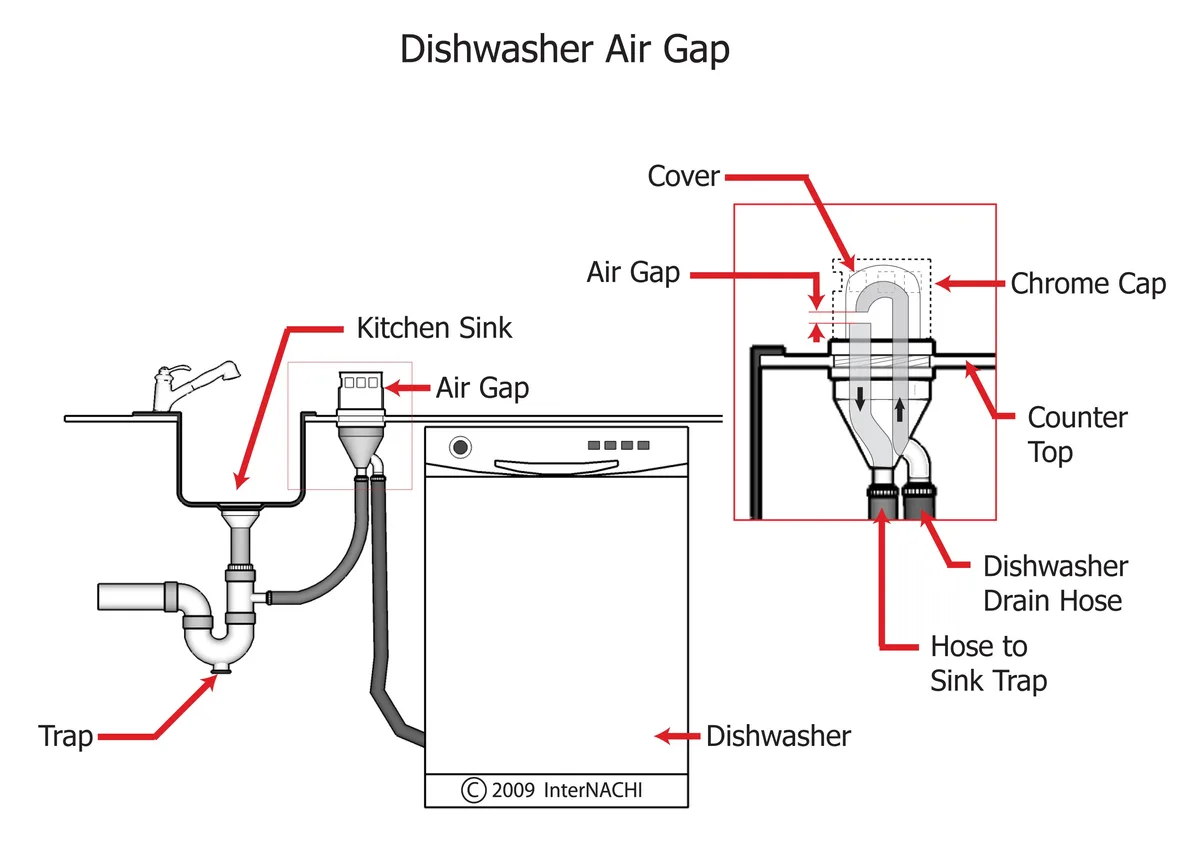
Image source: Bing (Web (fair-use with source credit))
Your Cleaning Decision Tree (Pick Your Path)
Based on your triage results, follow the correct branch below. Each branch includes the tools you'll need and the steps to follow.
Branch A: You see food debris or gunk — manual scrub
Tools needed: Small bottle brush or pipe cleaner, paper towels, a bowl to catch drips.
Steps:
- Remove the cap and set it aside.
- Reach into the air gap chamber with the bottle brush. Scrub the inner walls vigorously, especially near the bottom where sludge collects.
- If you have a plastic tube brush (often included in dishwasher cleaning kits), use it to scrub the outlet port, that's the hole at the bottom where water exits to the drain hose.
- Wipe the cap interior with a paper towel. Rinse both the cap and the brush.
- Pour a cup of hot water into the air gap to flush out loosened debris.
- Replace the cap and run the dishwasher to test.
This branch resolves about 70% of air gap clogs. If water still doesn't flow well, move to Branch B or C.
Branch B: You see white or crusty buildup — vinegar soak
Tools needed: White vinegar, a small cup or funnel, paper towels.
Steps:
- Remove the cap and place a small cup or bowl under the air gap to catch drips.
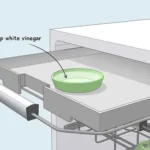
- Fill the air gap chamber with white vinegar using a funnel or a shot glass. Let it sit for 30 minutes. If the buildup is thick, extend the soak to an hour.
- After soaking, scrub the interior with a bottle brush to knock off dislodged scale.
- Flush with hot water.
- Replace the cap and run the dishwasher.
Vinegar is acidic enough to dissolve most hard water scale without damaging plastic or chrome parts. If scale remains, repeat the soak or switch to a commercial descaling product that's safe for plastic plumbing.
Branch C: Water still won't flow — check the hose and disposal
Tools needed: Adjustable wrench or pliers, bucket, small wire snake or straightened coat hanger (use carefully).
Steps:
- Disconnect the hose from the bottom of the air gap. This is usually a 1-inch or 7/8-inch hose held by a spring clamp or screw clamp. Place a bucket underneath.
- Check if water drains freely from the hose. If it doesn't, the blockage is in the hose itself.
- Snake the hose gently with a wire. Avoid pushing too hard, you don't want to puncture the rubber.
- Alternatively, detach the other end of the hose from the garbage disposal or drain tee. Flush it with a garden sprayer or tap water.
- While the hose is off, look at the disposal's dishwasher port. Sometimes food packs into that opening. Use a long screwdriver to clear it (disposal must be OFF and unplugged).
- Reconnect the hose and test.
This branch catches clogs that aren't inside the air gap itself but in the downstream plumbing.
Branch D: Nothing works — full disassembly and snake
Tools needed: Adjustable wrench, bucket, wire snake or drain auger, replacement hose if needed.
Steps:
- Disconnect both hoses from the air gap, the one from the dishwasher and the one to the disposal.
- Remove the air gap from the countertop. It's held by a large nut underneath the sink. Unscrew it and lift the air gap out.
- Remove any remaining clamp or bracket.
- Clean the air gap thoroughly on a work surface with a brush and hot water.
- Inspect both hoses. Use a snake to clear them. If a hose is old, cracked, or deeply clogged, replace it (universal dishwasher drain hose is $8-12 at any hardware store).
- Reinstall the air gap, reconnect all hoses, and test.
This last resort is rarely needed but works when everything else fails.
Summary table for quick reference:
| Branch | Symptom | Method | Time |
|---|---|---|---|
| A | Visible gunk or sludge | Scrub with bottle brush | 5-10 min |
| B | White crusty scale | Vinegar soak + scrub | 30-60 min |
| C | No flow after air gap clean | Check hose & disposal port | 10-20 min |
| D | Nothing else worked | Full disassembly & snaking | 20-30 min |
Mistakes That Will Cost You Time or Money
Even experienced DIYers make these errors. Avoid them to keep your air gap cleaning quick and frustration-free.
Mistake 1: Pouring chemical drain cleaner down the air gap. This is the number one mistake. Chemicals like Drano or Liquid-Plumr are caustic and can degrade plastic parts, especially the internal check valve. They also generate heat that can warp the air gap housing.
Stick to mechanical cleaning or vinegar.
Mistake 2: Twisting a stuck cap too hard. If the cap is seized by mineral deposits or old caulk, twisting with pliers can crack the housing. Instead, apply heat (hair dryer on low) or use a strap wrench to distribute force evenly. If it's still stuck, pry gently with a flathead screwdriver wrapped in tape.
Mistake 3: Forgetting to check the garbage disposal. Many people clean the air gap thoroughly, reassemble, and still have a backup. The real block is in the disposal's dishwasher inlet port, where food scraps pack in. Always run the disposal for a few seconds with cold water before assuming the air gap is the problem.
Mistake 4: Poking a wire hanger too far into the air gap. The air gap has a small rubber check valve inside that prevents backflow. Jamming a stiff wire too deep can dislodge or tear it. If that valve fails, you lose the anti-siphon protection and risk contaminating your dishwasher.
Use a flexible brush instead of a rigid wire whenever possible.
Mistake 5: Not testing after cleaning. Always run a full rinse cycle with the dishwasher after you finish. Don't just assume the fix worked. Watch for leaks around the air gap base and the hose connections.
A loose clamp after reassembly can cause a slow drip under the sink that damages cabinets over time.
These mistakes are easy to avoid once you know about them. Now let's talk about keeping your air gap clean without having to do this every month.
How to Keep Your Air Gap Clog-Free Longer
A little preventive maintenance saves you from repeat clogs. Once you've cleaned the air gap, make these habits stick and you might not need to touch it again for months.
Do a monthly hot water flush. With the cap off, pour a kettle of hot (not boiling) tap water through the air gap once a month. This flushes out grease and small particles before they settle. Do it after you've run the disposal so the drain line is clear.
Use a vinegar flush every three months if you have hard water. Fill the air gap chamber with white vinegar, let it sit for 10 minutes, then flush with hot water. Per manufacturer guidelines from Watts and InSinkErator, this prevents scale from building up the way it does in areas with water hardness above 7 grains per gallon.
Scrape dishes before loading. Rinsing isn't necessary, but scraping off large food scraps reduces the sludge that reaches the air gap. Dishwasher filters catch most solids, but fine particles still pass through.
Run the garbage disposal before the dishwasher drains. If your dishwasher drains through the disposal, running the disposal for 10 seconds with cold water clears the passage. Many newer dishwashers let you delay the drain cycle, so you can do this manually.
Replace the air gap if clogs keep returning. After cleaning two or three times in a year, the internal surfaces may be too rough from corrosion or scale. A new air gap costs $10 to $30 and takes 15 minutes to swap. It's cheaper than a service call.
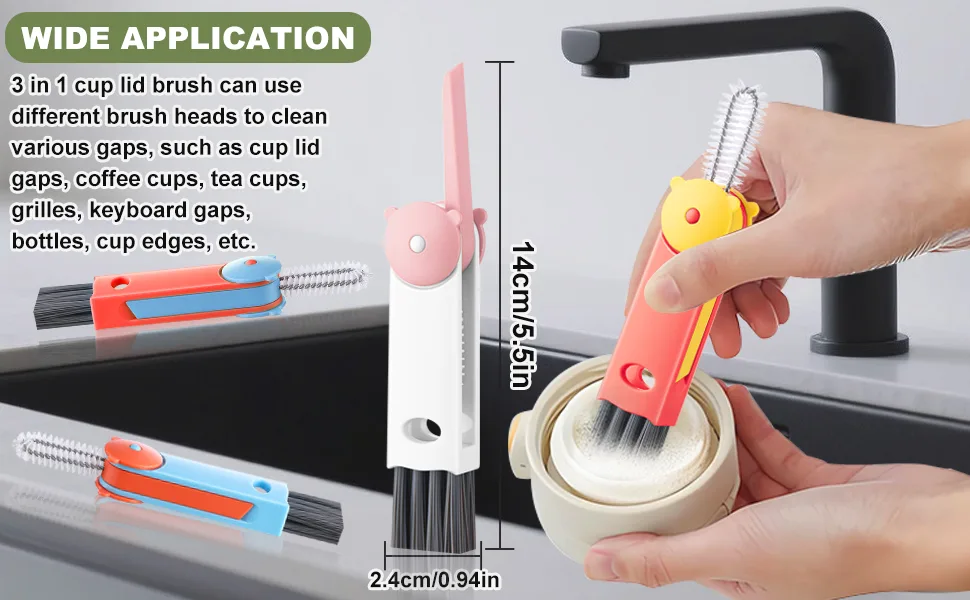
Image source: Bing (Web (fair-use with source credit))
Frequently Asked Questions
Why does my air gap smell even after cleaning?
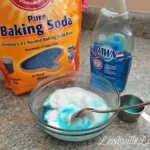
The smell comes from biofilm trapped deeper in the hose or in the disposal port. Clean the hose separately by disconnecting it and flushing with hot water and a squirt of dish soap. A baking soda paste scrubbed into the air gap chamber also neutralizes odors.
Is an air gap required by code everywhere?
No. The Uniform Plumbing Code and International Residential Code require air gaps in most U.S. states. However, some local codes allow a high-loop drain configuration as an alternative.
Check your local building department to know what applies in your area.
Can I remove the air gap and use a high loop instead?
You can, but it depends on your local plumbing code. A high loop simply runs the dishwasher drain hose up high under the sink and then down to the disposal. It's less effective at preventing backflow than an air gap.
Many municipalities prohibit removing an existing air gap.
How often should I clean the dishwasher air gap?
Every three to six months for most households. If you have hard water or large family loads, clean it every two to three months. The vinegar flush every three months is a good baseline schedule.
What tools do I need for cleaning?
Just a bottle brush or pipe cleaner, white vinegar, a flashlight, and possibly an adjustable wrench for disconnecting hoses. No special tools required for most clogs.
Will vinegar damage my air gap?
No. White vinegar is safe for plastic and chrome air gap components. It's acidic enough to dissolve hard water scale but mild enough not to damage seals or check valves.
Final Decision Guide: DIY or Call a Pro?
Most air gap clogs are straightforward. You can handle them with the steps in this guide. But here's when to call a plumber instead of reaching for tools.
Call a plumber if:
- Water leaks from the air gap base after you reassembled everything. This usually means a cracked housing or loose nut.
- The clog keeps coming back every few weeks despite proper cleaning. There may be a deeper blockage in the main drain line that needs professional snaking.
- You see water damage under the sink or on the countertop around the air gap. This can indicate a failed seal or internal crack.
- The air gap cap is broken and you can't find a replacement that fits. Some older models have odd-sized parts.
- You're not comfortable disconnecting hoses or working under the sink. There's no shame in calling a pro for a $150 service call instead of risking a leak that causes $500 in cabinet damage.
DIY it yourself if:
- The problem is just gurgling or slow draining.
- You can see visible sludge or buildup inside the air gap.
- You have a bottle brush and 15 minutes.
- The clog happened after a heavy load with lots of food scraps.
Trust your instinct. If something feels stuck or you have to apply excessive force, stop and call a plumber. The air gap is a simple device, but forcing it can turn a five-minute fix into a replacement job.

Similar Posts