The Perfect Vinegar Amount for Cleaning Your Keurig
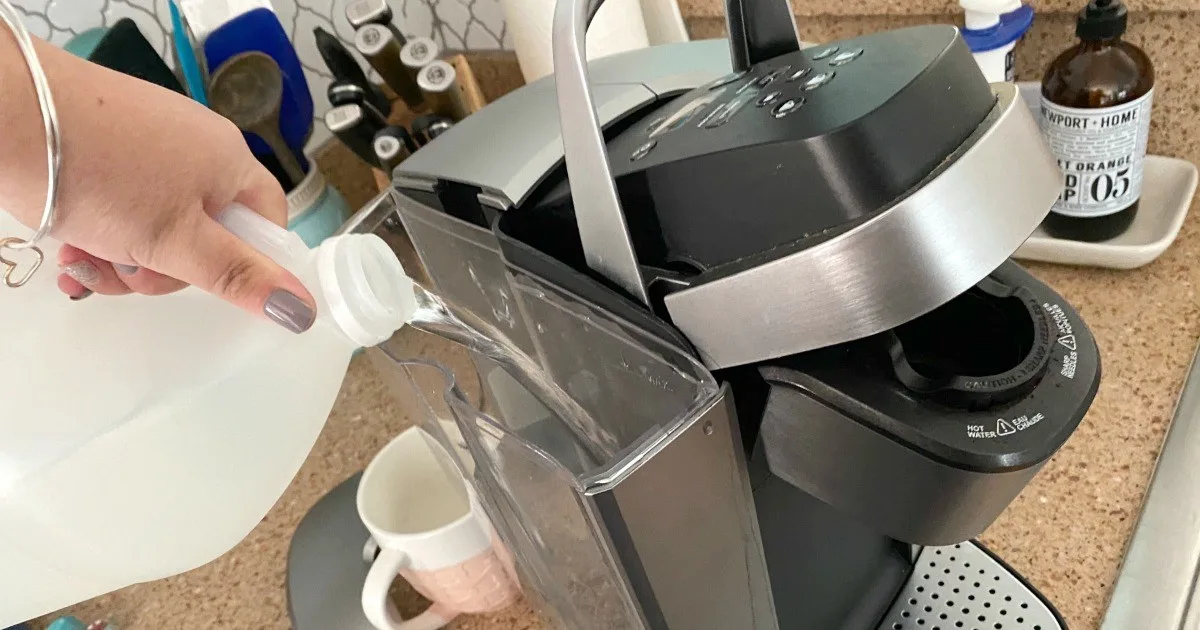
So you're wondering how much vinegar to clean your Keurig coffee maker. It's a smart question because too little won't actually dissolve the scale. And too much can leave a lingering taste or even damage the seals.
Getting the ratio right makes all the difference.
Manufacturer specifications indicate that white distilled vinegar with 5% acidity is the standard choice for descaling single-serve brewers. Most Keurig models hold somewhere between 12 and 75 ounces of water depending on the series. That means the amount of vinegar you need changes based on which machine you own.
Let's walk through exactly how to figure it out so you don't waste vinegar or ruin your morning cup.
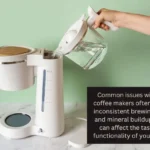
Image source: Bing (Web (fair-use with source credit))
Quick Answer
For most Keurig models, mix equal parts white vinegar and water. That's a 1:1 ratio. Fill the reservoir with this mixture.
Always check your model's reservoir size first. The exact amount depends on your tank's capacity.
Why the "Right Amount" Depends on Your Keurig Model
Keurig doesn't build every brewer with the same water tank. The K-Mini holds about 12 ounces. The K-Classic has a 48-ounce reservoir.
The K-Elite, one of the most popular models as of 2026, holds 75 ounces. And the K-Duo splits its capacity between a 60-ounce tank and a carafe side.
The size changes everything. If you pour 12 ounces of vinegar solution into a K-Elite, you won't have enough liquid to cover the internal heating element. That means the brew cycle fails mid-way, and the scale stays put.
On the flip side, dumping a full 75-ounce reservoir of straight vinegar into a K-Mini overflows the machine and wastes product.
So there's no single magic number that fits every Keurig. The right amount is always tied to your specific model's reservoir capacity. That's why the first step in every descaling workflow is confirming the tank size.
The Simple Formula (So You Have a Number in Mind)
Once you know your reservoir size, the formula is straightforward. For a standard descaling, mix one part white vinegar with one part water. That means if your tank holds 48 ounces, you need 24 ounces of vinegar and 24 ounces of water.
If you're dealing with heavy scale buildup, think slow brewing, loud noises, or visible white flakes in your cup, you can bump the vinegar to a 2:1 ratio (two parts vinegar to one part water). For very mild scale or regular monthly maintenance, a 1:2 ratio works fine (one part vinegar to two parts water).
Here's a quick reference table based on common reservoir sizes:
| Reservoir Size | 1:1 Ratio (standard) | 2:1 Ratio (heavy scale) | 1:2 Ratio (light scale) |
|---|---|---|---|
| 12 oz (K-Mini) | 6 oz vinegar + 6 oz water | 8 oz vinegar + 4 oz water | 4 oz vinegar + 8 oz water |
| 48 oz (K-Classic) | 24 oz vinegar + 24 oz water | 32 oz vinegar + 16 oz water | 16 oz vinegar + 32 oz water |
| 60 oz (K-Duo, K-Cafe) | 30 oz vinegar + 30 oz water | 40 oz vinegar + 20 oz water | 20 oz vinegar + 40 oz water |
| 75 oz (K-Elite) | 37.5 oz vinegar + 37.5 oz water | 50 oz vinegar + 25 oz water | 25 oz vinegar + 50 oz water |
Stick with 5% acidity white vinegar. Don't use apple cider, balsamic, or any flavored vinegar, they leave behind sugar and stain the internal parts.
Step 1 – Find Your Reservoir Size (No Guessing)

Image source: Bing (Web (fair-use with source credit))
You have three ways to find your Keurig's tank capacity. First, flip your machine over. Many models have a sticker on the bottom that lists the reservoir size in ounces.
It's often printed right next to the model number.
Second, check your user manual. Keurig includes a spec sheet with every brewer that lists the tank volume. If you lost the paper manual, Keurig's official website hosts PDFs for every model going back years.
Third, do a quick web search with your exact model number. Model numbers look like K55, K150, K200, K250, K300, K400, K500, K575, or K590. The reservoir size is usually the first result in the specs table.
If none of that works, there's a practical trick. Fill the reservoir with water using a measuring cup and count how many ounces it takes to reach the max fill line. Pour it out and you have your exact capacity.
Simple and foolproof.
Step 2 – Pick the Right Ratio Based on How Bad the Scale Is
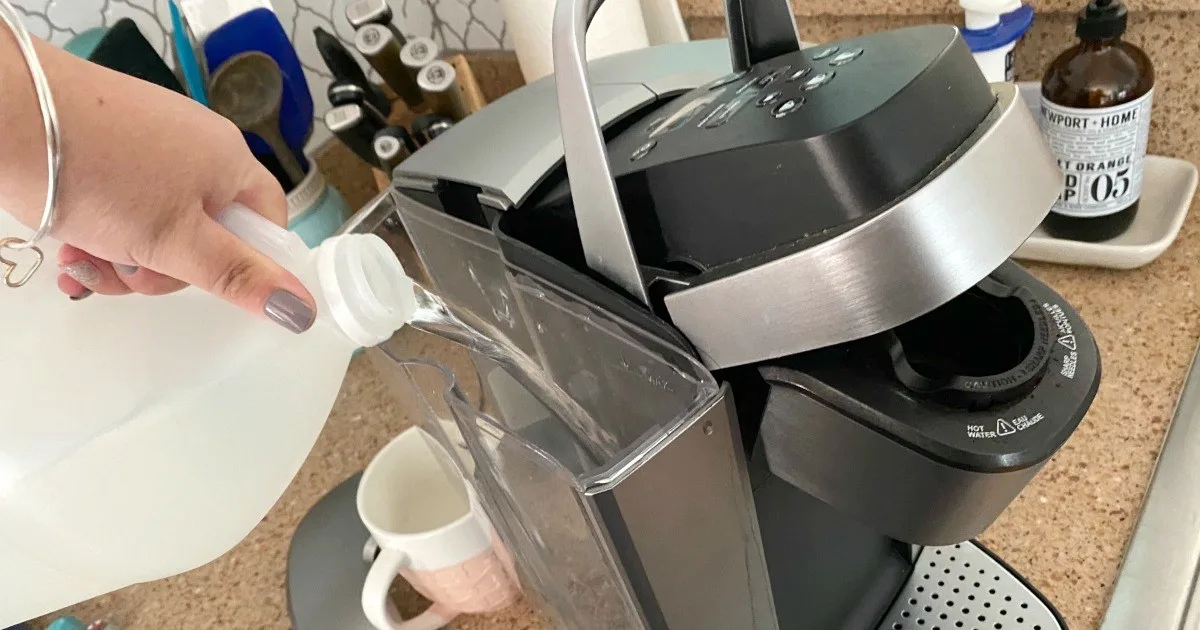
Image source: Bing (Web (fair-use with source credit))
Now that you know your tank size, decide how aggressive you need to be. If your Keurig is brewing noticeably slower than it used to, that's a clear sign of scale restricting the water flow. If you hear a loud humming or rattling sound during the brew cycle, that's the heating element struggling against mineral deposits.
If you see white flakes in your coffee, the scale is already breaking loose on its own.
For those cases, go with the 2:1 ratio, two parts vinegar to one part water. This stronger mix dissolves stubborn calcium and lime faster. Let the solution sit in the machine for 30 minutes before running the brew cycle.
If your machine is brewing fine but you haven't descaled in six months, use the standard 1:1 ratio. That's enough to remove moderate buildup without soaking the seals too long in acid.
For monthly preventive maintenance, a 1:2 ratio (one part vinegar to two parts water) works well. It's gentle enough to run through without the strong vinegar smell, yet still keeps the internal passages clean.
One important detail: never let straight vinegar sit in the reservoir for hours. The acidity can degrade rubber seals over time. Always run the solution through within an hour of filling.
Step 3 – The Full Descaling Workflow, Start to Finish
Follow these steps in order. Don't skip any.
- Remove the water filter. If your Keurig has a charcoal filter inside the tank, take it out. Vinegar will saturate and ruin it. Store it aside until the entire descaling and rinsing process is complete.
- Prepare your vinegar solution. Use the ratio you picked in Step 2. Mix it in a separate container, then pour it into the empty reservoir.
- Place a large mug or carafe on the drip tray. You'll need space for multiple brew cycles.
- Run a brew cycle without a K-Cup. Start with the smallest cup setting (usually 6 or 8 ounces). Let the machine dispense the full cycle.
- Repeat until the reservoir is nearly empty. Continue running brew cycles until only a small amount remains. Stop before the machine runs dry.
- Let the machine sit. If you used a 2:1 ratio for heavy scale, let the partially drained machine sit for 30 minutes with the remaining solution inside. This gives the acid time to work on stubborn deposits.
- Empty the reservoir. Dispose of any leftover solution. Rinse the reservoir with fresh water.
- Refill with fresh water. Fill the reservoir to the max line with plain tap or filtered water.
- Run rinse cycles. Brew the water through using the largest cup setting. Repeat until you've run at least three full reservoirs of fresh water through the machine. This step is critical, leftover vinegar leaves an unpleasant taste.
- Wipe down the exterior. While you're at it, clean the drip tray and K-Cup holder assembly.
- Reinstall the water filter. Once the final rinse cycle is complete and there's no vinegar smell, put the charcoal filter back in place.
- Reset the descale light. Some models like the K-Elite and K-Cafe have a descale indicator that stays illuminated until you press a specific button sequence. Check your manual for the reset procedure. The official Keurig support page provides model-specific reset instructions.
If you still taste vinegar after all that, run two more fresh water cycles. The taste is harmless, but it's not pleasant in your morning brew.
Mistakes That'll Waste Your Vinegar (Or Damage the Machine)
The most common mistake is forgetting to remove the water filter. That little charcoal cylinder is sitting in your reservoir for a reason. It absorbs impurities from tap water.
It will also absorb a full reservoir of vinegar, ruining the filter and weakening your descaling solution in one shot.
Another frequent slip is running out of solution mid-cycle. If your tank goes dry during the descaling process, the heating element can overheat. That triggers a safety shutdown on some models.
On older machines, it can cause permanent damage. Always stop the cycle before the reservoir runs empty.
Some people add vinegar directly to the empty machine without mixing it first. That's fine in theory, but you'll get an uneven concentration. The first few brews get straight vinegar while the last ones get mostly water.
Mix your solution in a separate container before pouring it in.
Don't use hot water to mix the solution. Hot water can accelerate the reaction between vinegar and mineral deposits before the mixture reaches the internal tubing. The scale breaks loose in the reservoir instead of deeper in the machine.
Use cool tap water for the mix.
Skipping the rinse cycles is the mistake that haunts you the longest. That vinegar taste lingers in your coffee for days. Run at least three full reservoirs of fresh water through the machine.
If you still smell vinegar, run two more.
Here are the mistakes that can actually damage your Keurig:
- Leaving pure vinegar in the reservoir overnight. The acetic acid degrades rubber seals. Always run the solution through within an hour.
- Using apple cider vinegar or balsamic vinegar. These contain sugars and organic residues that caramelize inside the heating tube. The result is a sticky mess that requires professional cleaning.
- Forcing the machine to brew when the descale light stays on. The machine is telling you internal sensors detected incomplete descaling. Run another cycle instead of overriding it.
FAQs About Using Vinegar to Descale a Keurig
How often should I descale my Keurig with vinegar?
Most Keurig models need descaling every three to six months. If you live in an area with hard water, lean toward every three months. Soft water areas can stretch to every six months.
The descale light on newer models is your best guide.
Can I use apple cider vinegar instead of white vinegar?
No. Apple cider vinegar contains sugars and sediment that leave residue inside the machine. White distilled vinegar has 5% acetic acid and nothing else.
It's the only vinegar type recommended for descaling coffee equipment.
Will vinegar void my Keurig warranty?
Keurig's official warranty policy recommends using their branded descaling solution. Using vinegar may void the warranty on some models. Check your specific model's warranty terms before descaling with vinegar.
If your machine is still under warranty, the official solution is the safer choice.
How do I get the vinegar taste out of my Keurig?
Run three full reservoirs of fresh water through the machine using the largest brew size. If the taste persists, run two more. Some users add a squeeze of lemon juice to the second rinse cycle to neutralize residual vinegar.
Always finish with a final plain water rinse.
Is vinegar as effective as Keurig's official descaling solution?
Vinegar is effective at dissolving calcium and lime scale. The official solution is formulated to clean faster and leave less odor. Both work.
Vinegar costs significantly less. The official solution clears the descale light faster on some models.
Final Decision Guide – Vinegar vs. Official Descaling Solution
| Factor | White Vinegar | Keurig Descaling Solution |
|---|---|---|
| Cost per use | $0.10 – $0.25 | $2.00 – $4.00 |
| Effectiveness | Good for most scale | Excellent, faster acting |
| Odor | Strong vinegar smell | Minimal odor |
| Rinse cycles needed | 3 – 5 full reservoirs | 2 – 3 full reservoirs |
| Warranty impact | May void on some models | Manufacturer recommended |
| Availability | Any grocery store | Online or select retailers |
When should you stick with vinegar? If your machine is out of warranty and you don't mind the extra rinse cycles, vinegar is the budget-friendly choice. It works reliably for most Keurig models.
When should you buy the official solution? If your machine is still under warranty, use the official solution to avoid any claim disputes. If you're sensitive to vinegar odors, the official solution is practically scent-free.
And if you want the fastest descaling process with fewer rinse cycles, the official solution saves time.
Here's the honest bottom line. Both options remove scale. Vinegar costs pennies.
The official solution costs dollars but works faster and leaves no smell. Choose based on your budget, your warranty status, and how much you hate the smell of vinegar in your kitchen. Either way, descaling regularly is what keeps your Keurig brewing hot coffee at the right speed.
Don't skip it.

Similar Posts