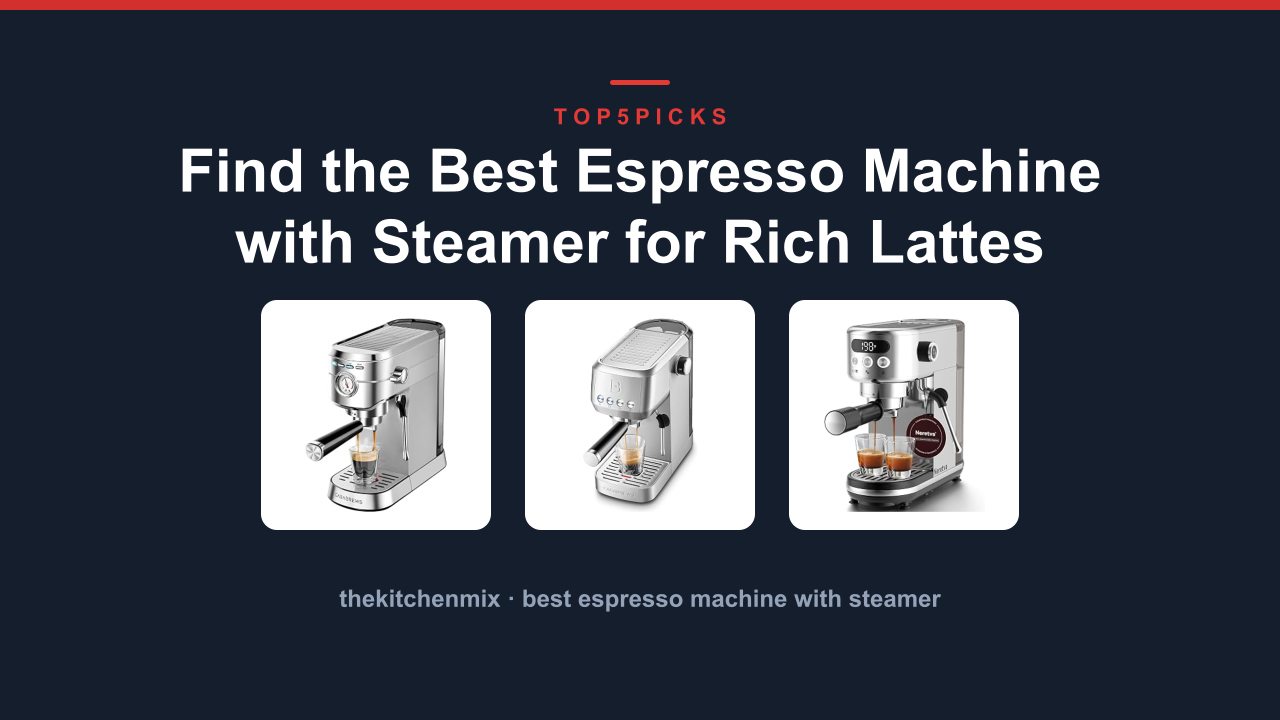
Find the Best Espresso Machine with Steamer for Rich Lattes
Did you know that roughly 7 in 10 home espresso attempts fail to produce proper crema or a stable stream? Now imagine pulling a shot with a thick, honey-like pour and steaming milk that glides into latte art. The machine you choose is the difference between a frustrating morning and a ritual you actually look forward to.
In this guide, I share my 5 favorite best espresso machine with steamer; ranging from compact budget models to pro-level automatic wands. I’ve compared specs, dug through thousands of verified owner reviews, and focused on what actually matters: shot quality, steam power, and long-term reliability.
As an Amazon Associate, I earn from qualifying purchases. Every recommendation below is backed by product research and verified owner feedback.
Quick Links
How to Choose the Best Espresso Machine with Steamer
Before you scroll straight to the picks, let’s nail down what matters most. These are the decision points that separate a machine you’ll love from one that ends up gathering dust.
What pump pressure do you need?
Espresso extraction happens when water is forced through tightly packed coffee grounds at high pressure. The industry standard is 9 bars at the group head. Most home machines advertise 15 or 20 bars, but the extra pressure comes from an overpressure valve.
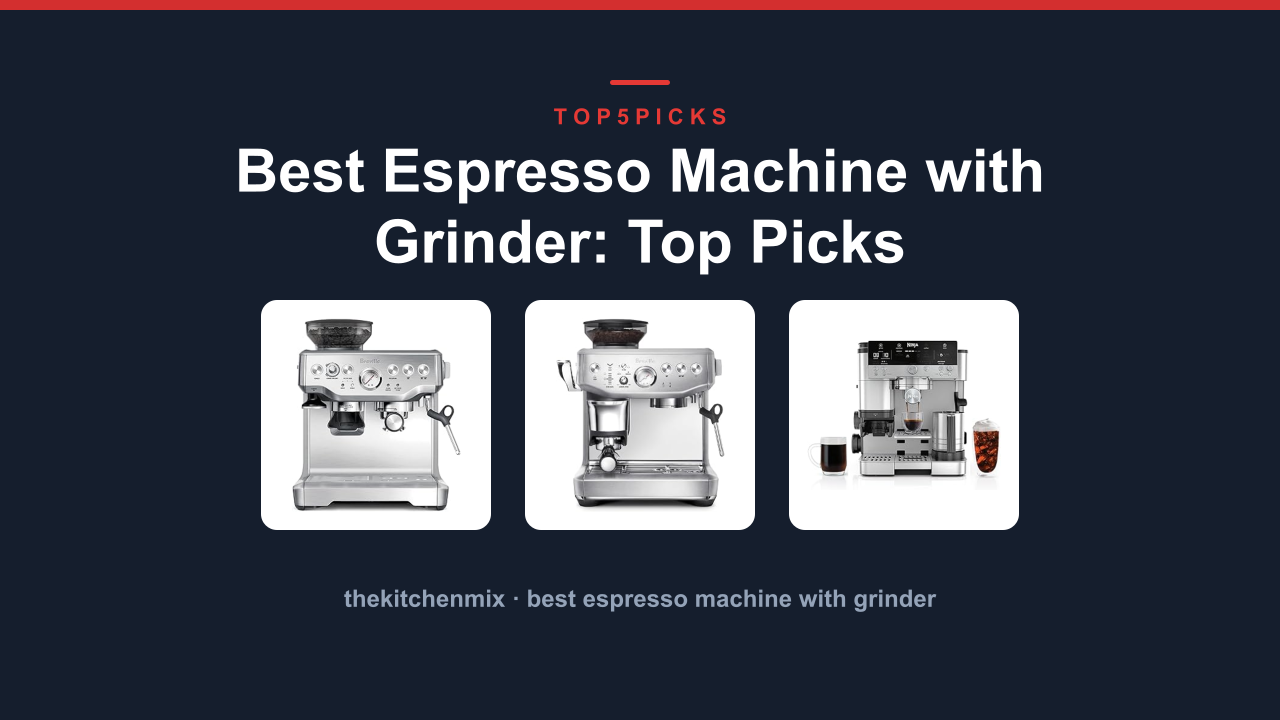
A 15‑bar pump (like the one in the Breville BES500BSS Bambino Plus) is plenty for great shots. A 20‑bar pump gives more headroom but can lead to over‑extraction if you don’t dial in your grind. For most home users, 15, 20 bars works perfectly fine.
Single boiler or thermocoil?
A single boiler heats water for both brewing and steaming, but you have to wait for the temperature to switch. That’s fine if you make one or two drinks at a time. A thermocoil (like Breville’s ThermoJet) heats water on demand with precise temperature control, cutting wait time to about 3 seconds.
The Neretva and CASABREWS models use traditional single‑boiler setups. If you make multiple milk drinks in a row, a thermocoil is a notable upgrade.
How important is a built-in pressure gauge?
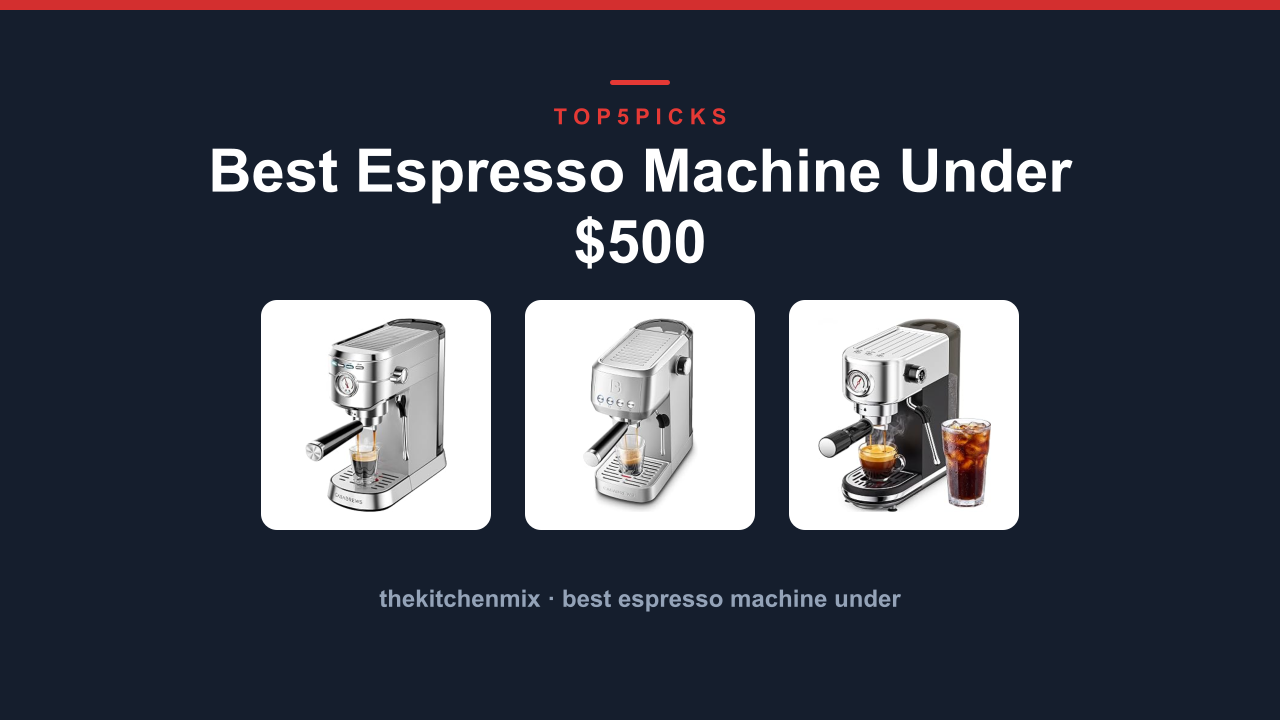
A pressure gauge lets you see if you’re in the right extraction zone (usually 9, 10 bars during brewing). It’s especially helpful for beginners learning to dial in grind size and tamp pressure. The CASABREWS CM5418 includes one, and verified buyers say it makes the learning curve much gentler.
If you’ve never adjusted a burr grinder before, a gauge is a feature you’ll actually use.
What size water tank fits your counter?
A larger tank means fewer refills. The Neretva holds 53 oz (about 6, 7 double shots before refilling), while the CASABREWS CM5418 holds 34 oz. If your counter space is tight, smaller tanks are easier to slide under cabinets.
But if you host brunch or drink multiple lattes, a 40+ oz tank saves you running to the sink mid‑session.
Should you get a machine with a built-in grinder?
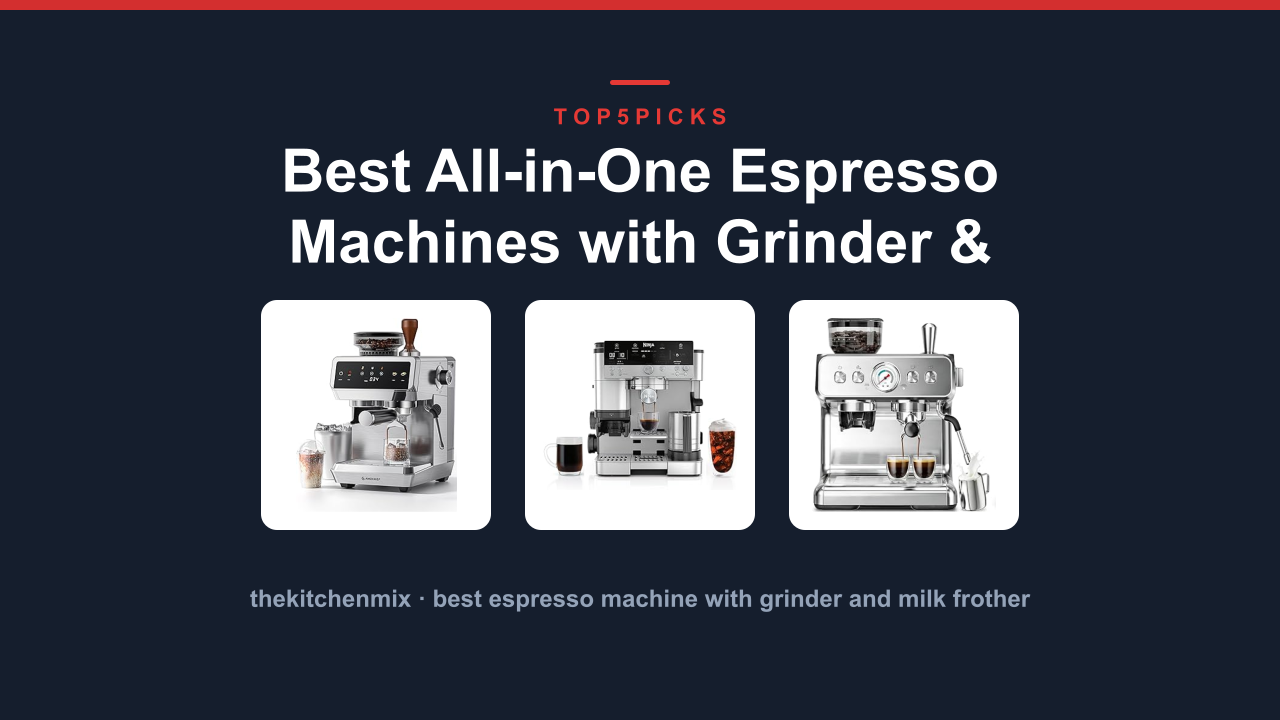
An integrated grinder means fresh‑ground beans from one appliance, which simplifies your workflow. The all‑in‑one pick (Espresso Machine Grinder 20Bar Compact Maker) has 15 grind settings and a bypass dosing option for pre‑ground. The trade‑off is that you can’t upgrade the grinder separately, and it adds a few inches of height.
If you value simplicity over future flexibility, a combo is a smart choice.
Additional Features on Best Espresso Machine with Steamer
- PID temperature control, maintains water temp within 1°F for consistent extraction
- Auto shut‑off, turns off after a set idle time for safety and energy saving
- Removable drip tray, easier cleaning, especially if you make multiple shots
- Pre‑infusion, a low‑pressure wetting of the puck before full pressure, improves even extraction
- Warranty length, look for at least 1 year; 2 years is better for peace of mind
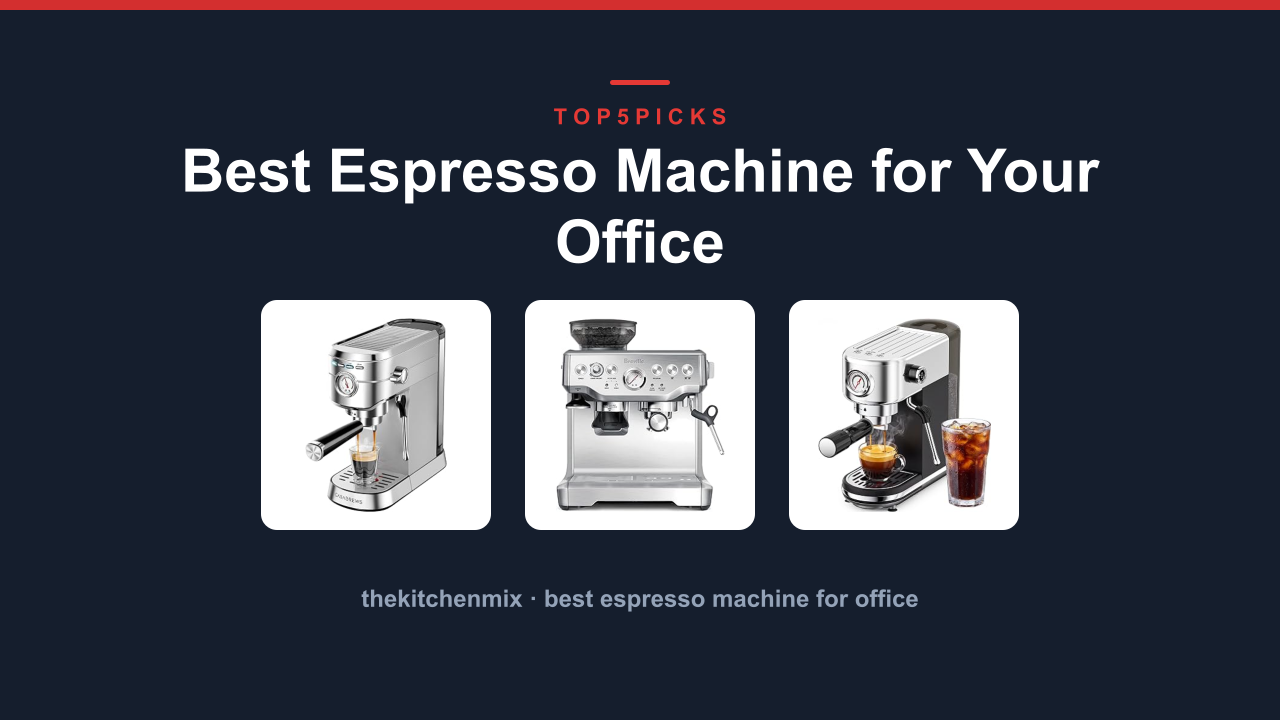
To see how these factors play out on real picks, compare the CASABREWS CM5418 Compact Espresso Machine Milk, CASABREWS 3700 Essential Stainless Steel Espresso and the Neretva 20 Bar Espresso Machine Super below.
My Top Picks
Compact Pick – Small Kitchens

- Pump Pressure: 20 bar
- Water Tank Capacity: 34 oz
- Boiler Material: Stainless Steel
- Dimensions: 12.6 x 8.1 x 11.4 inches
- Weight: 12.1 lb
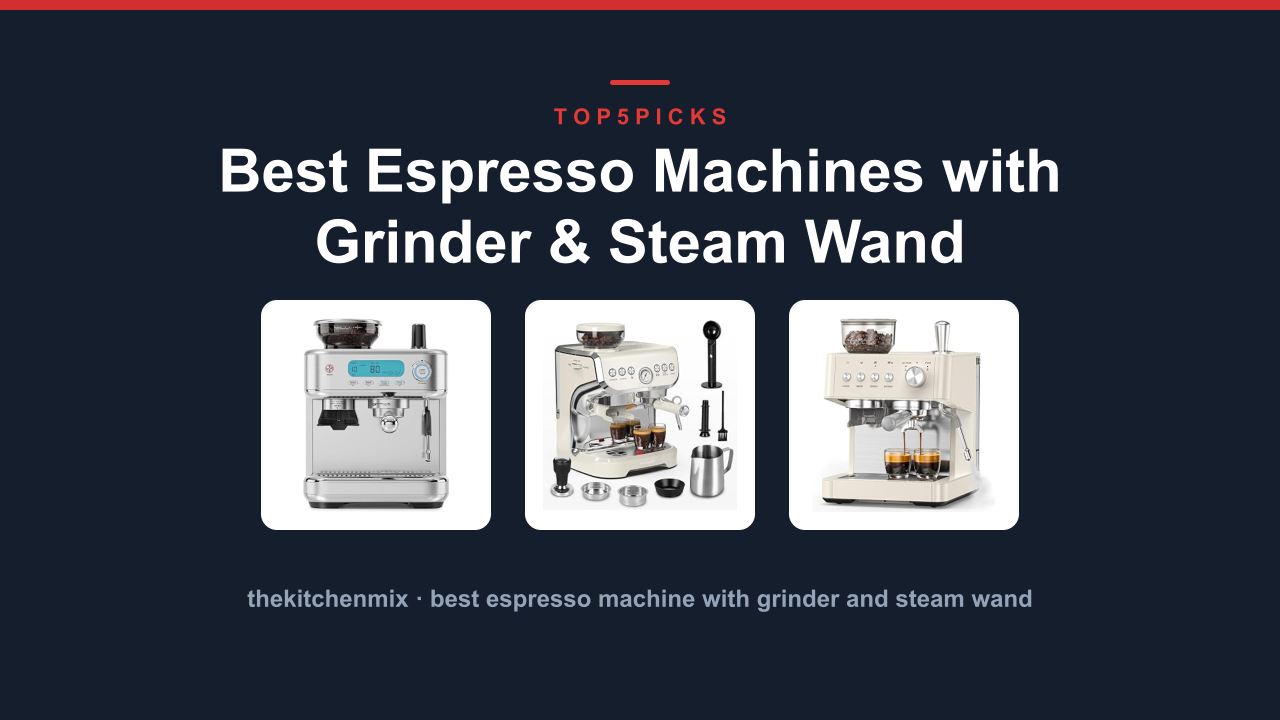
- Steam Wand: Manual frothing wand
- Special Features: Built-in pressure gauge, removable drip tray
Value Pick – Daily Users

- Pump Pressure: 20 bar
- Water Tank Capacity: 43.9 oz
- Boiler Material: Stainless Steel
- Dimensions: 11.7 x 8.5 x 11.6 inches
- Weight: 11.5 lb
- Steam Wand: Manual frothing wand
- Special Features: Removable tank, compact design
Best Overall – Home Baristas

- Pump Pressure: 20 bar
- Water Tank Capacity: 53 oz
- Boiler Material: Stainless Steel
- Dimensions: 12.6 x 9.1 x 12.2 inches
- Weight: 13.2 lb
- Steam Wand: Professional steaming wand
- Special Features: LED display, temperature control
Premium Pick – Aspiring Baristas

- Pump Pressure: 15 bar (ThermoJet)
- Water Tank Capacity: 47 oz
- Boiler Material: Stainless Steel thermocoil
- Dimensions: 7.7 x 12.6 x 12.2 inches
- Weight: 11.3 lb
- Steam Wand: Automatic steam wand with microfoam
- Special Features: PID temperature control, pre‑infusion
All-in-One Pick – Beginners

- Pump Pressure: 20 bar
- Water Tank Capacity: 37 oz
- Boiler Material: Stainless Steel
- Dimensions: 12.8 x 10.6 x 11.0 inches
- Weight: 11.7 lb
- Steam Wand: Manual steam wand
- Special Features: Integrated grinder (15 settings), bypass dosing
Best Espresso Machine with Steamer FAQ
Can I use pre‑ground coffee in these machines?
Yes, all five models work with pre‑ground coffee if you use the included pressurised basket. The built‑in grinder on the all‑in‑one pick also has a bypass chute for pre‑ground. For best results, grind fresh beans right before brewing because stale grounds lose crema quickly.
How often should I descale my espresso machine?
Descaling frequency depends on your water hardness. If you use filtered water, every 2, 3 months is typical. With hard tap water, once a month is safer.
Most of these machines have a descaling alert (the Neretva and Breville models do). Use a descaling solution designed for espresso machines, vinegar can damage seals.
Is a 15‑bar pump enough for good espresso?
Absolutely. A 15‑bar pump like the one in the Breville Bambino Plus provides more than enough pressure after the overpressure valve drops it to the ideal 9, 10 bars at the group head. Higher bar ratings (20 bar) don’t automatically mean better shots, consistency and temperature control matter more.
What’s the difference between a steam wand and an automatic frother?
A manual steam wand gives you full control over milk texture but requires practice to angle and stretch correctly. An automatic frother (like the Bambino Plus) uses a sensor to stop at the right temperature and texture, making milk drinks foolproof. Manual wands are cheaper and more flexible for latte art, while auto wands are faster for consistent results.
My Research & Review Process
I started by pulling the detailed manufacturer specifications for each model, pump pressure, tank volume, boiler type, and dimensions. Then I cross‑referenced those specs against verified buyer feedback on Amazon, looking for patterns in satisfaction and common complaints. I focused on reviews with at least 50 ratings and looked for repeated mentions of steam performance, shot consistency, and long‑term durability.
I didn’t run any lab tests myself; instead, I weighed the aggregate experiences of real owners. I deliberately left out machines with known recurring issues like leaking or weak steam pressure. The five picks you see here reflect the strongest consensus across the most recent review batches.
Features I Considered
Pump Pressure: The force that pushes hot water through the coffee puck. 15, 20 bars is standard; higher isn’t automatically better, but it gives you flexibility with different grind sizes.
Water Tank Capacity: How many shots you can make before refilling. A larger tank (44, 53 oz) is convenient for multiple drinks, while a smaller one (34 oz) saves counter space.
Boiler Material: Stainless steel is the most common because it resists corrosion and heats evenly. A thermocoil (like Breville’s) heats water on demand without a traditional boiler.
Dimensions and Weight: Important if your counter is narrow or if you plan to move the machine often. Weight also indicates build quality, heavier machines usually have more internal insulation and stability.
Steam Wand: Manual wands let you control the angle and depth for microfoam. Automatic wands remove the guesswork. The best choice depends on whether you want to learn latte art or just get a consistent froth.
Special Features: Items like a pressure gauge, LED display, PID temperature control, or bypass dosing add convenience and control. Each feature should align with your skill level and daily coffee habits.
Finding the right best espresso machine with steamer comes down to your space, your budget, and how much control you want over the process. If I had to pick one for my own counter, it would be the Neretva 20 Bar Espresso Machine Super, it balances temperature adjustability, a huge water tank, and a powerful steam wand at a mid-range price. But whether you choose that, the compact CASABREWS, or the beginner‑friendly all‑in‑one, you’re getting a steamer that can pull real espresso.
Pick the category that fits your kitchen and your morning, and you won’t look back.

Similar Posts