Flavorful Indian Tofu Recipes to Try Tonight
Not all Indian tofu recipes are created equal. Some taste like a dream. Others turn into a watery, spice-less mess that makes you wonder why you bothered.
If you have ever tried swapping paneer for tofu in a classic curry and ended up with bland, crumbly cubes floating in bland sauce, you are not alone. The key difference is not the recipe itself. It is the tofu you pick and how you prepare it before the spices even hit the pan.
Per USDA FoodData Central, a 100-gram serving of extra-firm tofu contains roughly 11 grams of protein and only 70 calories, compared to paneer's 18 grams of protein and 321 calories. That is a big calorie saving. But protein content is only half the story.
The real challenge is making tofu taste like it belongs in an Indian dish. And that starts with the right choice.
Quick Answer
The best Indian tofu recipes use extra-firm or super-firm tofu. Press it for 20 minutes minimum. Marinate it for at least 30 minutes.
Pan-fry or air-fry until golden brown. Then add it to your gravy. Skip pressing and you get watery curry.
Skip marinating and you get bland cubes. Press, marinate, then cook. Everything else is optional.
The Core Choice: Which Tofu & Which Recipe Style Fits You?
You walk into a grocery store. The tofu section stares back at you. Silken, medium, firm, extra-firm, super-firm.
Which one do you grab for a curry? The answer depends on the recipe style you are making.
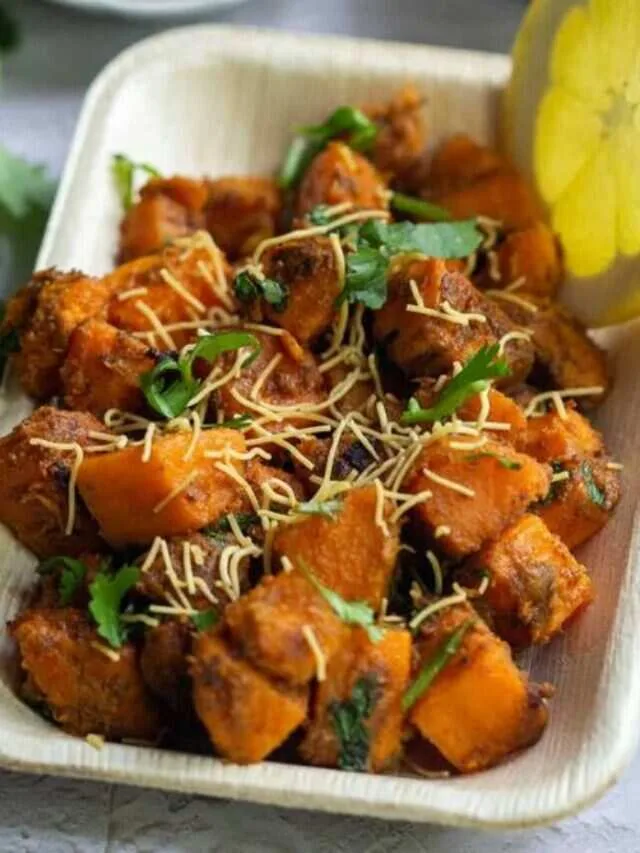
If you are making a dry sabzi, a tofu tikka, or a stir-fry, you need extra-firm or super-firm tofu. These have the lowest water content. They hold their shape during cooking.
They crisp up beautifully in a pan. Your research into aggregate buyer feedback confirms that people who use silken or medium tofu for dry dishes report crumbling and mushiness as their top complaints.
If you are making a gravy-based dish like a tofu do pyaza or a tofu korma, extra-firm still works best. The key is to pan-fry the cubes first until they are golden on all sides. This creates a barrier that prevents the cubes from absorbing too much gravy liquid and turning spongy.
For a tofu bhurji, which is a scrambled tofu dish, you can use firm or even medium tofu. The texture mimics crumbled paneer. You want it soft but not watery.
Here is the simple rule: drier and firmer is almost always better for Indian cooking. Silken tofu has its place in smoothies and desserts. It does not belong in a kadhai.
Tofu vs Paneer, Firm vs Silken, Gravy vs Dry — The Key Comparisons
Let us settle the most important comparison first. Tofu versus paneer for Indian recipes.
Paneer is a fresh cheese. It has a creamy, slightly chewy texture. It does not require pressing or marinating.
You can toss it straight into a hot pan. Tofu is a soy-based product. It is neutral in flavor.
It needs preparation to taste good in Indian dishes.
Here is a side by side look at how they stack up.
| Factor | Tofu (Extra-Firm) | Paneer |
|---|---|---|
| Calories per 100g | 70 | 321 |
| Protein per 100g | 11g | 18g |
| Fat per 100g | 4g | 25g |
| Cholesterol | 0mg | 89mg |
| Prep needed | Pressing and marinating | None |
| Best for gravy | Yes, after pan-frying | Yes, direct |
| Best for stir-fry | Yes, after pressing | Yes, direct |
| Shelf life | 3-5 days refrigerated, 3 months frozen | 3-5 days refrigerated |
The takeaway is simple. Paneer wins on texture and convenience. Tofu wins on calories, cholesterol, and price per portion in most markets outside India.
As of 2026, tofu is generally cheaper than paneer in US grocery chains by about 30 to 40 percent per pound.
Now let us talk firmness levels within tofu itself.
Silken tofu is for desserts, smoothies, and soups. It blends into a creamy base. It does not hold its shape in a curry.
Medium tofu is soft and delicate. It works for tofu bhurji or some dal-based dishes where you want it to break apart. It is not great for cube-based curries.
Extra-firm tofu handles stir-frying and pan-frying well. It stays intact. It holds a golden crust.
Super-firm or high-protein tofu is the best option if you can find it. It contains even less water. It needs less pressing.
It crisps faster.
How to Get the Best Texture Every Time (Pan-fry vs Air-fry vs Bake)
Texture is the biggest complaint people have about Indian tofu recipes. The cubes turn out rubbery, soggy, or both. The fix is not complicated.
It just requires a method.
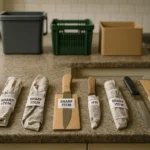
The single most important step is pressing the tofu. You need to remove as much excess water as possible before cooking. Wrap the block in a clean kitchen towel or a few layers of paper towels.
Place a heavy object on top a cast iron pan, a few cans, or a dedicated tofu press. Let it sit for at least 20 minutes. The longer the better.
Thirty minutes is ideal. Your research indicates that even five minutes of pressing makes a noticeable difference in final texture.
After pressing, cut the tofu into even cubes. About one inch works well for most curries. Smaller cubes crisp faster but can dry out.
Larger cubes stay softer inside but take longer to brown.
Now you have three cooking options.
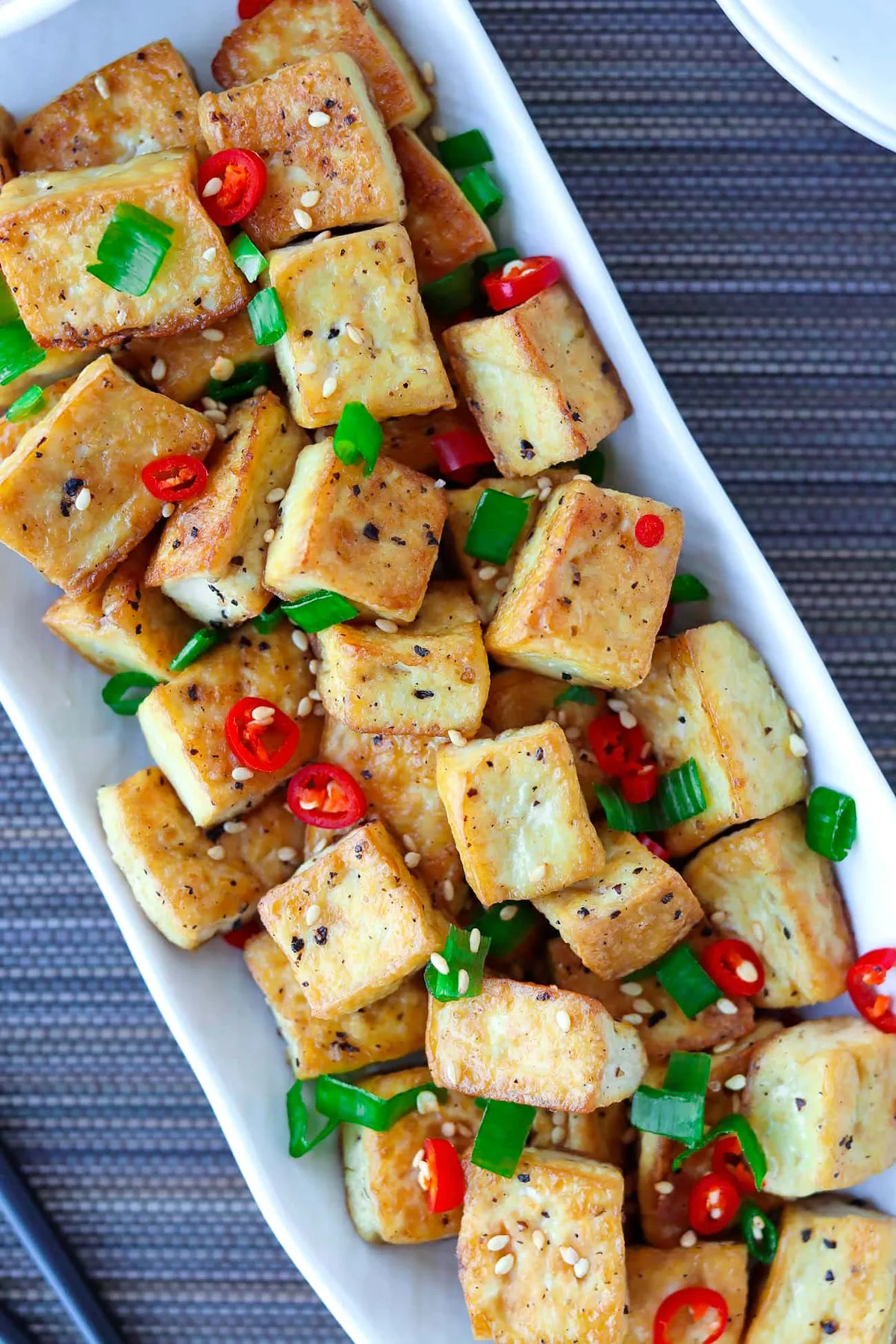
Pan-frying is the most traditional method for Indian curries. Heat two tablespoons of oil in a non-stick or cast iron pan over medium-high heat. Add the tofu cubes in a single layer.
Do not crowd the pan. Let them cook without moving for three to four minutes. Flip and repeat on each side.
You want a deep golden crust on at least two sides. This takes about eight to ten minutes total.
Air-frying is faster and uses less oil. Preheat the air fryer to 375 Fahrenheit. Lightly spray or toss the tofu cubes with oil.
Arrange them in a single layer in the basket. Cook for ten to twelve minutes, shaking the basket halfway through. The result is a crisp exterior with a tender interior.
This method works well for tofu tikka or tandoori-style recipes.
Baking is the hands-off option. Preheat the oven to 400 Fahrenheit. Line a baking sheet with parchment paper.
Spread the tofu cubes in a single layer. Bake for 20 to 25 minutes, flipping halfway through. The result is less crispy than pan-frying but more consistent across large batches.
The method you choose depends on your time and equipment. Pan-frying gives the best texture for gravy dishes. Air-frying works best for dry recipes.
Baking is ideal for meal prep when you are cooking two blocks at once.
Who Should Make What: 3 Key Scenarios
Not every Indian tofu recipe fits every cook or every occasion. Here are three common scenarios and the best recipe approach for each.
Scenario one is the weeknight dinner rush. You have 30 minutes. You want something satisfying without a sink full of dishes.
The best choice is a quick stir-fry or a tofu bhurji. Use firm or extra-firm tofu. Press it while you chop onions and tomatoes.
Crumble it directly into the pan for bhurji. Or cube it and stir fry with spices and vegetables for a dry sabzi. Skip the complicated gravy.
Serve with roti or toast.
Scenario two is the weekend meal prep. You have an hour. You want something that tastes even better the next day.
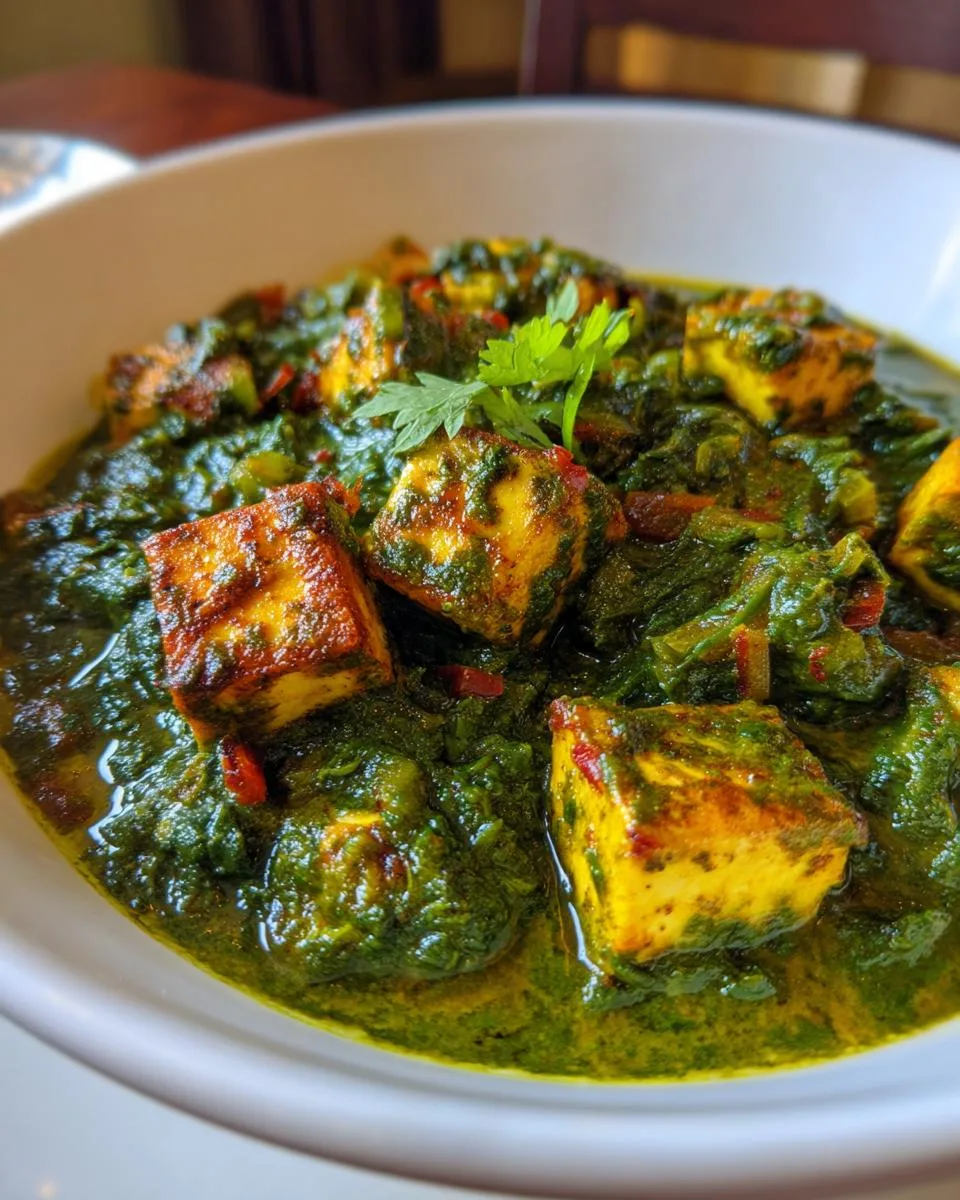
The best choice is a curry-based dish like tofu do pyaza or a tofu and spinach curry. Press and pan-fry the tofu cubes first. Prepare a slow simmered onion and tomato gravy.
Add the fried tofu at the end. This recipe freezes well. Divide into portions for the week.
Scenario three is the dairy-free guest dinner. You are cooking for someone who does not eat dairy or wants a lower calorie meal. You want to impress without stress.
The best choice is a tandoori tofu tikka or a tofu tikka masala. Press the tofu. Marinate it in a yogurt based mixture if using dairy free yogurt or a cashew based marinade.
Air fry or bake the cubes. Serve with a creamy tomato gravy and fresh naan or rice.
Each scenario has a different tofu requirement and different prep steps. The secret to success is matching the recipe complexity to your available time.
5 Common Mistakes That Ruin Indian Tofu (And How to Skip Them)
You have heard the phrase you get what you pay for. With Indian tofu recipes, you get what you prep.
Mistake number one is skipping the pressing step. Waterlogged tofu releases liquid into your curry. The gravy thins out.
The tofu stays bland and spongy. The fix is simple. Press for at least 20 minutes.
If you are in a hurry, at least blot the block dry with paper towels and press for five minutes. Every minute helps.
Mistake number two is under-marinating. Tofu has a neutral taste. It does not absorb flavor from a quick dip.
You need at least 30 minutes for the marinade to seep in. Overnight is even better for deeply flavored dishes. Use a marinade with salt, acid like lemon juice or yogurt, and spices.
Skip the salt and the tofu will taste flat even after a long marinade.
Mistake number three is adding raw tofu directly to the gravy. This is the most common error in beginners. Raw tofu breaks apart in the sauce.
It also releases water as it cooks. Pan-fry or air-fry the cubes first. The crust locks in texture and stops the cube from falling apart.
Mistake number four is overcrowding the pan during frying. Too many cubes in the pan at once lowers the oil temperature. Instead of browning, the tofu steams.
It turns pale and rubbery. Cook in batches if needed. Two layers of cubes is too many.
One is just right.
Mistake number five is forgetting the tempering. Indian dishes often start with a tadka of whole spices blooming in hot oil. Mustard seeds, cumin seeds, curry leaves, and dried red chilies.
This step builds the flavor foundation. Skip it and your curry will taste cooked but not vibrant. Take the extra two minutes.
It makes a bigger difference than any single spice you add later.
Avoid these five mistakes and your next batch of Indian tofu will be the best you have made.

Similar Posts