10 Easy Indian Spinach Recipes for Dinner
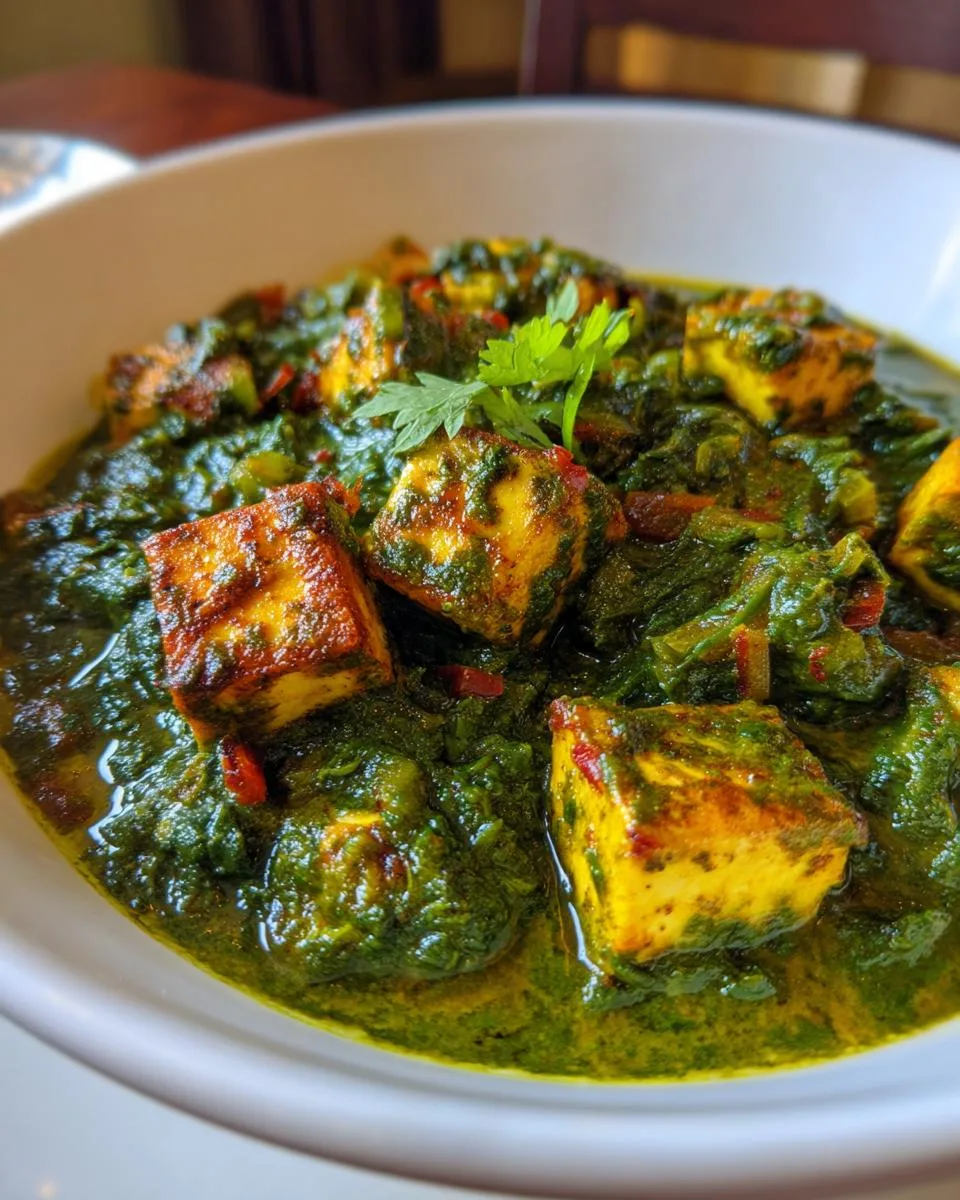
Image source: Bing (Web (fair-use with source credit))
You searched for "indian spinach recipes" and got back a wall of options. Palak paneer. Saag aloo.
Palak dal. Spinach rice. Which one should you actually make tonight?
The honest answer is that it depends on three things, and none of them involve which recipe looks prettiest in a photo.
USDA nutrition data confirms that a 100g serving of cooked spinach delivers about 2.4mg of iron and more vitamin K than most leafy greens. But that nutrition only matters if you actually cook the dish in a way that makes it edible. As of 2026, the most common mistake people make with these recipes is picking the wrong one for their situation.
Let's fix that.
Quick Answer
The best Indian spinach recipe depends on your time, pantry, and spice tolerance. Palak paneer needs 30 minutes and dairy. Saag aloo takes 15 minutes with pantry staples.
Palak dal works for meal prep. Spinach rice is a one-pot weeknight fix. Pick your constraint, then pick the dish.
Start Here: Why "Just Pick a Recipe" Doesn't Work
Here's the problem. Most spinach recipes look the same on paper. They all use spinach, onions, garlic, and a handful of spices.
But the actual cooking experience differs wildly between them. A 15-minute saag aloo requires very different technique than a 30-minute palak paneer. And a watery palak dal with no tadka will taste flat no matter how fresh your spinach is.
The reason people fail with these dishes is rarely the recipe itself. It's the mismatch between what the recipe demands and what the cook has available. If you come home tired and pick a recipe that needs paneer, cream, and 45 minutes, you're setting yourself up to skip it or buy takeout.
Here is a quick reality check on the four most common Indian spinach dishes:
| Dish | Cook Time | Dairy Needed | Vegan Option | Skill Level |
|---|---|---|---|---|
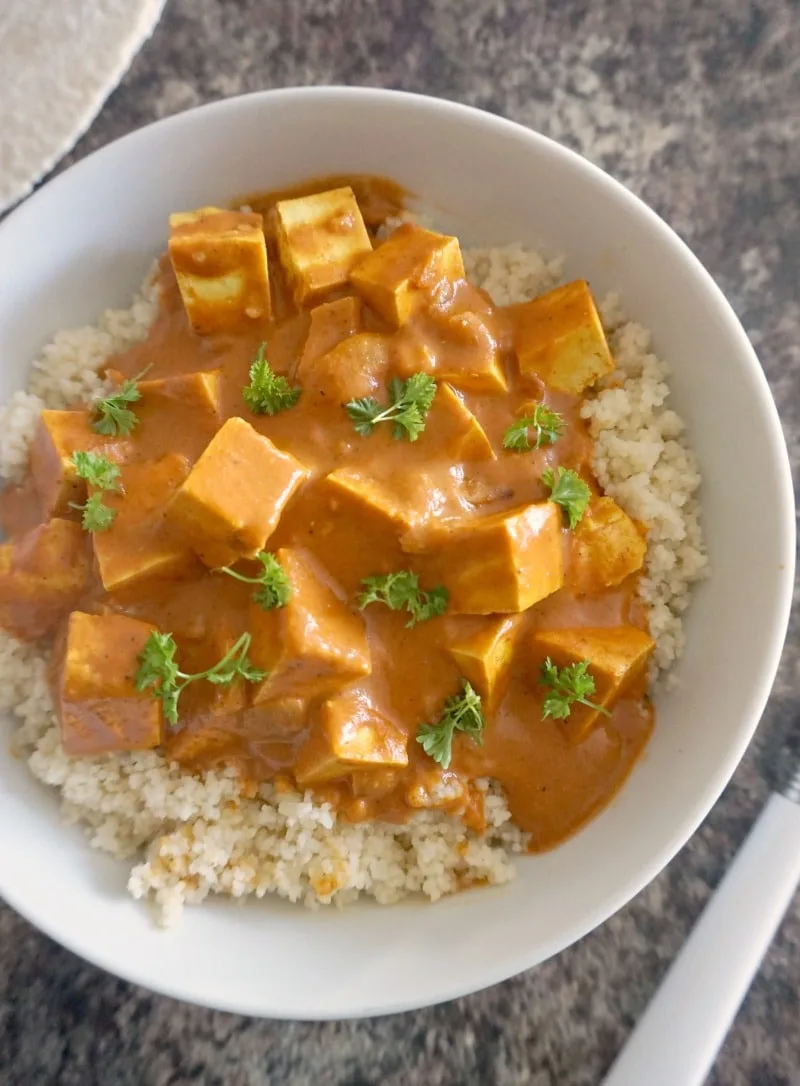
| Palak Paneer | 30 min | Paneer, cream | Tofu + coconut milk | Intermediate |
| Saag Aloo | 15 min | Ghee optional | Yes, use oil | Beginner |
| Palak Dal | 25 min | No | Naturally vegan | Beginner |
| Spinach Rice | 20 min | Yogurt optional | Yes, skip yogurt | Easy |
The table tells you what the recipe headlines don't. Palak dal and saag aloo are your weeknight heroes. Palak paneer is your Sunday project.
Pick accordingly.
The 3 Questions That Decide Your Dish: Time, Pantry, and Heat Tolerance
Let's narrow it down. Three questions will tell you exactly which Indian spinach recipe to make. Answer them in order.
Question 1: How much time do you actually have?
Be honest here. If you have 15 minutes from fridge to table, you are not making palak paneer. You're making saag aloo or spinach rice.
If you have 30 minutes, palak dal or palak paneer both work. If you have 40 minutes, you can make anything on the list including the versions that need extra resting time for the flavors to meld.
If 15 minutes: Make saag aloo. Boil cubed potatoes while you wash the spinach. Sauté onions and garlic.
Add the spinach and potatoes. Done.
If 25 minutes: Make palak dal. Cook red lentils with turmeric. Blanche and puree the spinach.
Combine. Make a tadka. This one freezes well for future meals.
If 30 minutes: Make palak paneer or spinach rice. The paneer version needs more active time. The rice version is mostly hands-off.
Question 2: What's in your pantry right now?
This is the filter that saves you a grocery run. Palak paneer needs fresh paneer or a block of firm tofu. Palak dal needs red lentils (masoor dal) or yellow split peas.
Saag aloo needs potatoes and maybe some canned tomatoes. Spinach rice needs basmati or any long-grain rice.
No dairy and no special protein: Make palak dal. Lentils provide protein and creaminess without any animal products.
Potatoes but no lentils: Make saag aloo. It's the most forgiving dish for ingredient substitutions.
Rice on hand but no potatoes: Make spinach rice. One pot, minimal cleanup, and it reheats beautifully.
Paneer or tofu in the fridge: Make palak paneer. You have exactly what you need for the classic.
Question 3: How much heat can your table handle?
This is where most online guides fail you. They assume everyone wants restaurant-level spice. The truth is that you can adjust any of these dishes to your comfort level, but some are easier to tame than others.
Low heat tolerance: Stick with palak dal or palak paneer. The cream or lentils naturally mellow the spices. Use one green chili instead of two.
Remove the seeds before cooking.
Medium heat: Saag aloo or spinach rice. You can add chili powder or green chilies without overpowering the dish.
High heat: Any of the four works. Add extra green chilies, a pinch of cayenne, or a teaspoon of chili powder. The palak paneer handles the heat best because the cream balances it.
If you are cooking for kids, skip the green chilies entirely. Use a pinch of black pepper and a small piece of ginger for warmth without burn.
Palak Paneer vs. Saag Aloo vs. Palak Dal vs. Spinach Rice
Now that you know the three questions, let's look at each dish in detail. These four cover 90 percent of the Indian spinach recipes you actually need in your life.
Palak Paneer
This is the one most people picture when they think of Indian spinach dishes. A rich, creamy gravy made from blanched and pureed spinach, studded with cubes of paneer. It's indulgent.
It's satisfying. And it requires the most technique of the four.
Best for: Weekend cooking, impressing guests, or when you want something that feels like a restaurant meal at home. Also good for meal prep because it freezes well for up to 2 months.
What you need: Fresh spinach, paneer, onion, garlic, ginger, green chilies, cream, and a handful of spices. The cream is optional if you want to lighten it up.
Watch out for: Watery gravy. That comes from not squeezing the water out of the blanched spinach. Also rubbery paneer if you cook it too long.
Saag Aloo
The quickest and most forgiving entry on this list. Spinach cooked down with potatoes. It can be dry or semi-dry depending on your preference.
This is the dish you make when you have zero energy but still want something homemade.
Best for: Weeknights, beginner cooks, and anyone who wants a vegetable side dish that stands alone. It pairs with roti, rice, or even toast.
What you need: Potatoes, spinach, onion, garlic, ginger, and basic spices. No special ingredients required.
Watch out for: Overcooked spinach turning mushy. Add the spinach last and cook just until it wilts.
Palak Dal
The most nutritious and the most forgiving of the four. Red lentils cooked with turmeric and ginger, then mixed with pureed spinach. A tadka of cumin, garlic, and dried red chilies finishes it off.
Best for: Everyday meals, high-protein vegetarian cooking, and anyone on a budget. It's naturally vegan and gluten-free.
What you need: Red lentils (masoor dal), spinach, tomato, garlic, ginger, spices. The tadka is non-negotiable for flavor.
Watch out for: Bland dal if you skip the tadka. The tadka is what transforms it from sad soup to something you crave.
Spinach Rice (Palak Pulao)
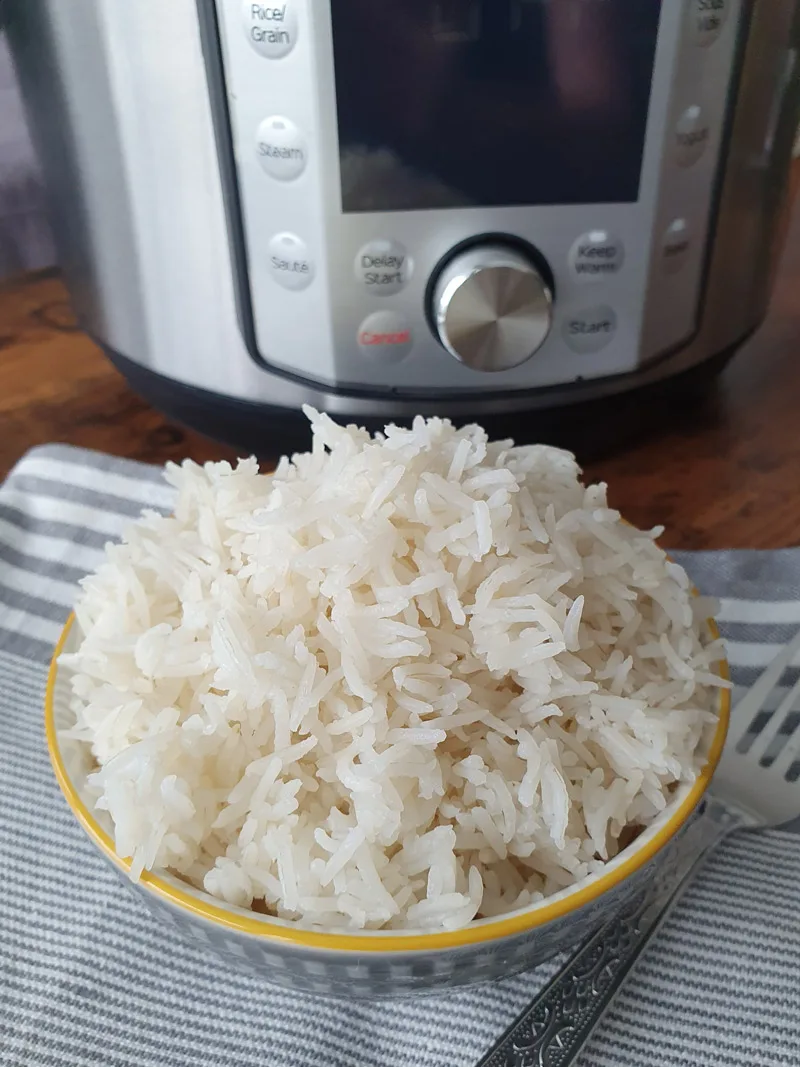
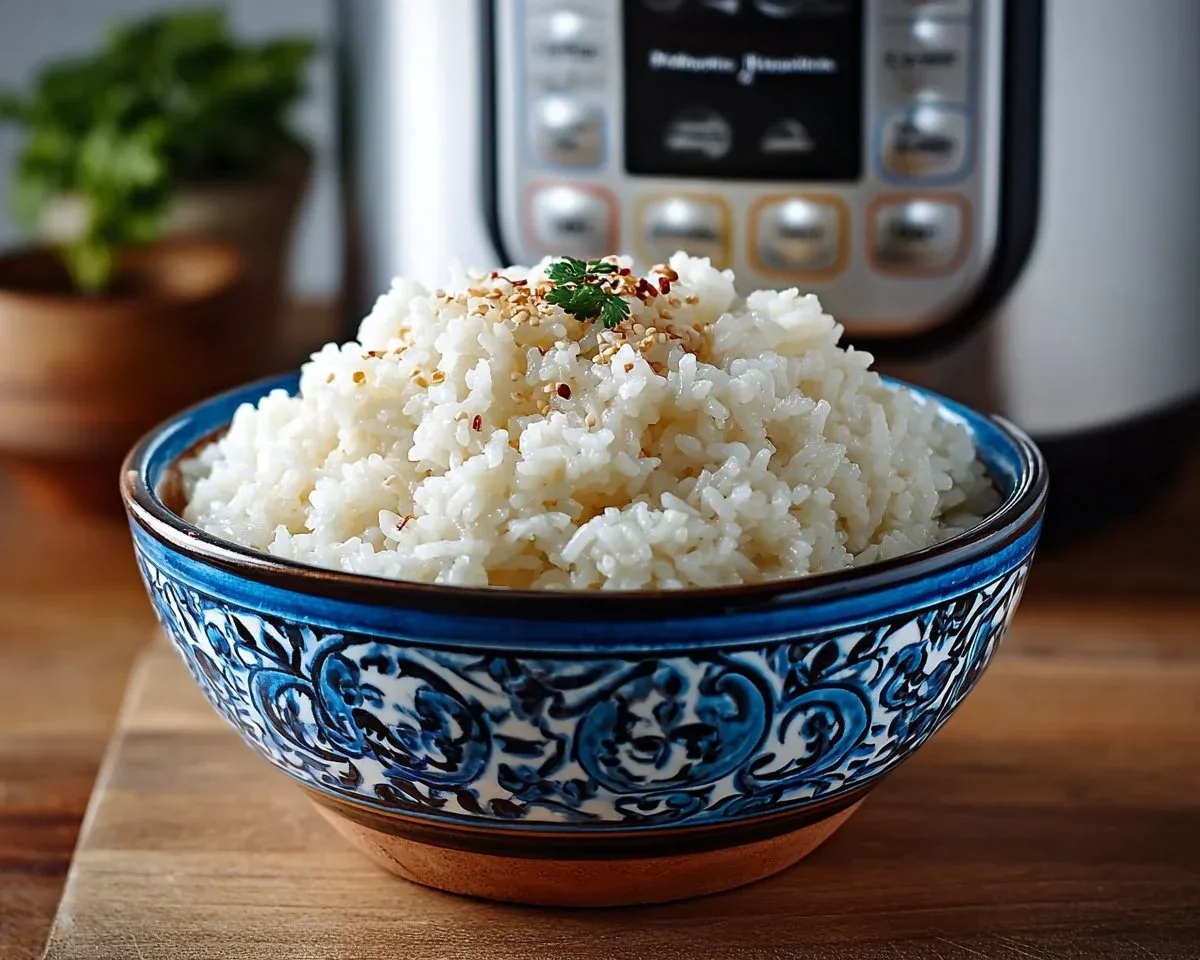
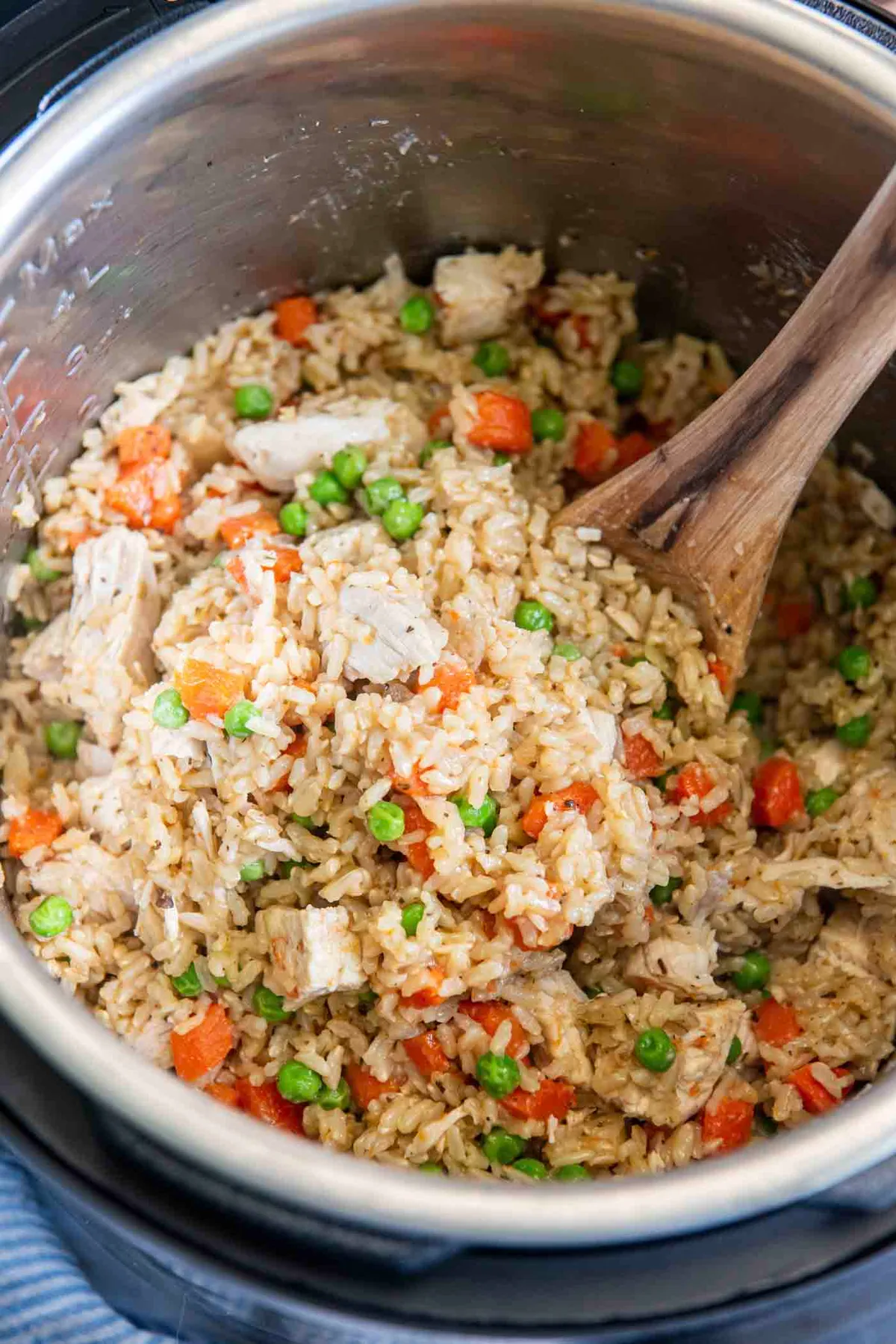
A one-pot rice dish where the spinach is pureed and cooked with the rice. The grains turn a vibrant green. It's aromatic, filling, and requires almost no active effort.
Best for: Batch cooking, lunchboxes, and when you want something that doesn't need a separate side dish.
What you need: Basmati rice, spinach, whole spices (cumin seeds, cardamom, cloves), onion, garlic, and ginger.
Watch out for: Mushy rice. Don't skip the step of washing and soaking the rice. Also, salt the water properly or the rice will taste flat.
| Dish | Best For | Skill Required | Freezer Friendly |
|---|---|---|---|
| Palak Paneer | Impressing / weekend | Medium | Yes (2 months) |
| Saag Aloo | Weeknight / beginner | Low | Yes (1 month) |
| Palak Dal | Everyday / healthy | Low | Yes (3 months) |
| Spinach Rice | Batch cooking | Low | Yes (1 month) |
The Core Spinach Prep Every Good Recipe Depends On
All four dishes share one critical step. The way you handle the spinach determines whether the final dish tastes great or tastes like sad, gray, bitter leaves.
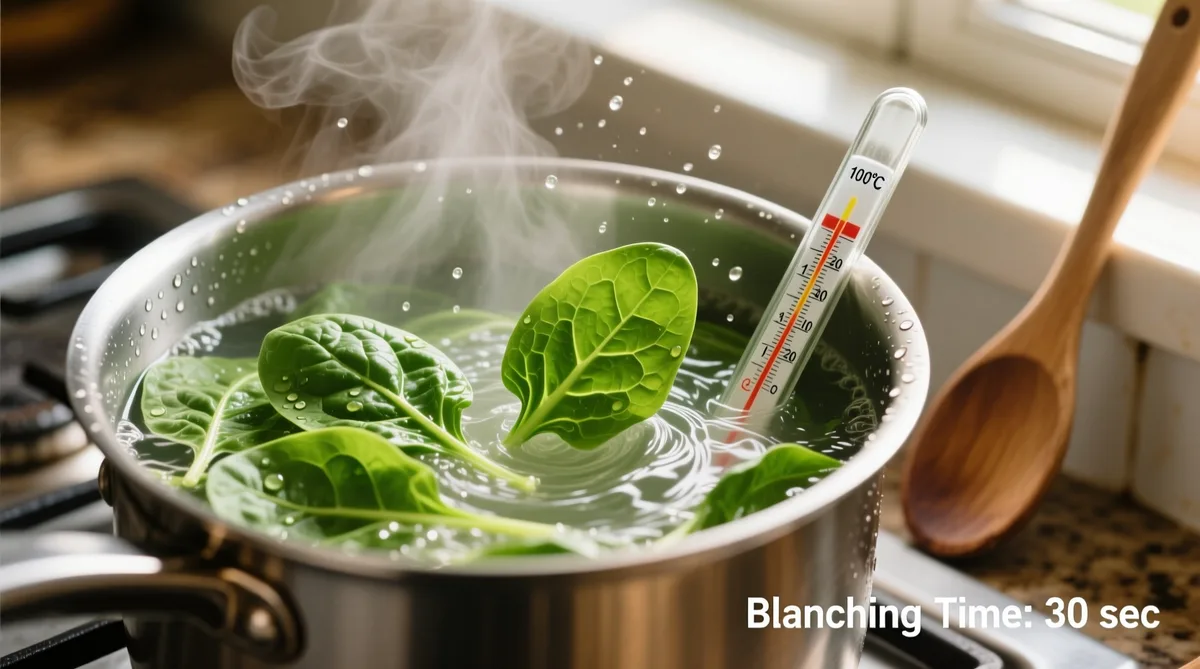
Image source: Bing (Web (fair-use with source credit))
Step 1: Wash thoroughly
Spinach grows close to the ground. That means grit and sand hide in the leaves. Fill a large bowl with cold water.
Submerge the spinach and swish it around. Lift the leaves out. Dump the water.
Repeat until no sand settles at the bottom. This takes about three washes for fresh bunch spinach. Bagged spinach needs one good rinse.
Step 2: Blanch or don't blanch
Here is the fork in the road. Palak paneer and palak dal both need blanched spinach. Saag aloo and spinach rice work with raw spinach that cooks down in the pan.
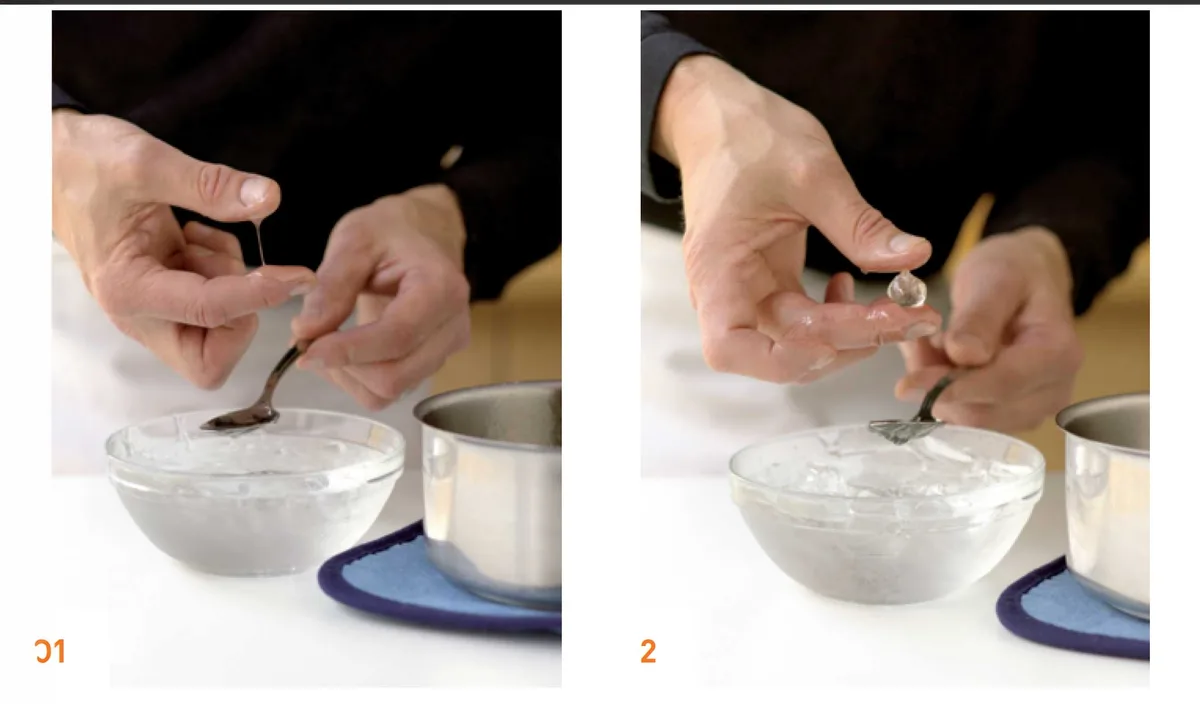
Blanch for palak paneer and palak dal: Bring a pot of salted water to a rolling boil. Drop in the spinach for 60 to 90 seconds. Transfer immediately to a bowl of ice water.
This locks in the bright green color and kills the bitter enzymes. Drain well. Puree with a little water or the cooking liquid.
Skip blanch for saag aloo and spinach rice: Wash the spinach, chop it roughly, and add it directly to the pan. It will wilt down to a fraction of its volume. The flavor is earthier and more rustic.
Step 3: Squeeze or don't squeeze
This is the water management step that beginners botch. For palak paneer and palak dal, squeeze the blanched spinach firmly to remove excess water before pureeing. If you skip this, your gravy will be thin and watery.
For saag aloo and spinach rice, you do not squeeze. You want that cooking liquid to hydrate the potatoes or rice.
Step 4: Don't overcook the puree
Once you add the spinach puree back to the pan, simmer it for only 3 to 5 minutes. Longer than that and the color turns olive gray. The flavor turns metallic.
The dish looks unappealing even if it tastes fine.
Step 5: Finish with fat
Every single one of these dishes benefits from a fat finish. A pat of butter on palak paneer. A drizzle of ghee on saag aloo.
A splash of coconut milk on palak dal. A dollop of yogurt on spinach rice. The fat carries the spice flavors and rounds out the slight bitterness of the spinach.
Common Spinach Mistakes and How to Fix Them
Even experienced home cooks make these mistakes. Here are the most common ones and exactly how to avoid them.
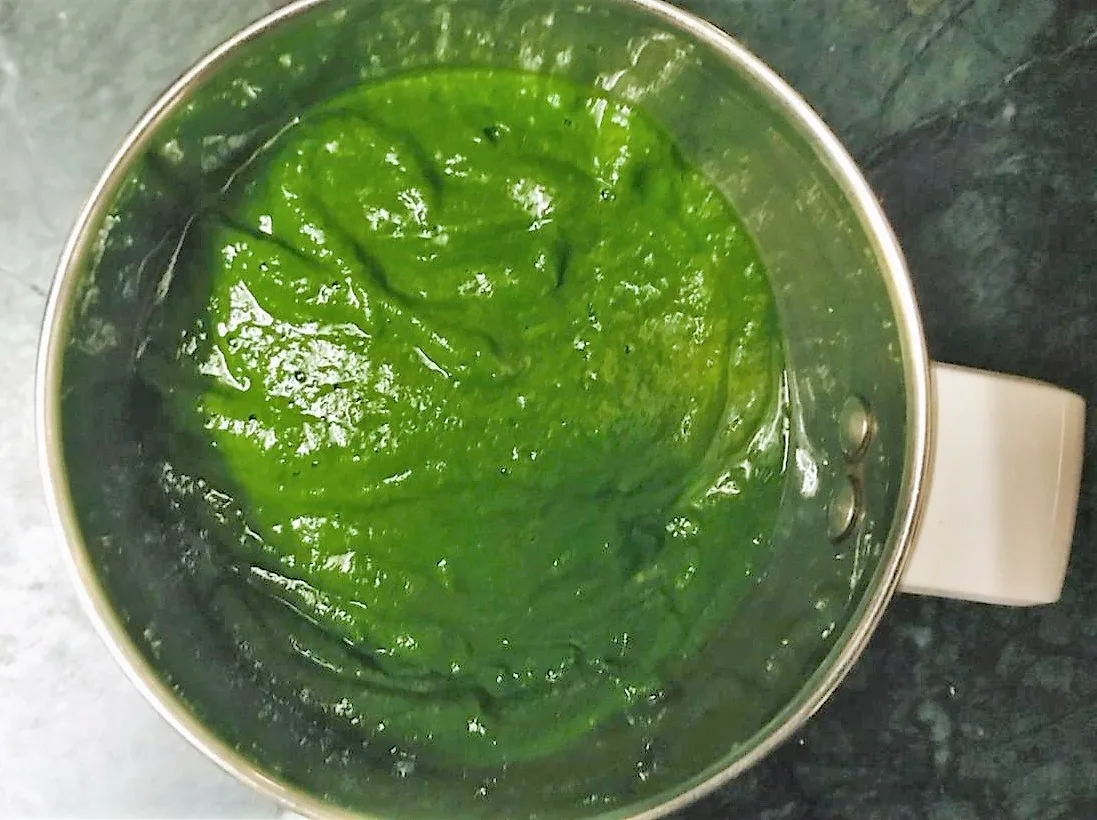
Image source: Bing (Web (fair-use with source credit))
Bitter spinach
Why it happens: You used old spinach. You skipped the blanching step. Or you used mature spinach with thick stems that never softened properly.
The fix: Always blanch for palak paneer and palak dal. The hot water leaches out oxalic acid, which is the compound responsible for bitterness. For saag aloo and spinach rice, use baby spinach instead of mature leaves.
If your dish is already bitter, add a pinch of sugar or a squeeze of lemon to balance it.
Watery gravy
Why it happens: You didn't squeeze the blanched spinach. You added too much water to the puree. Or you skipped the step of simmering the gravy down after adding the spinach.
The fix: After blanching, let the spinach cool slightly. Gather it in your hands and squeeze firmly over the sink. You should see a stream of green water come out.
That's the water that would have thinned your gravy. If the dish is already watery, simmer it uncovered for 5 to 10 minutes until it thickens.
Rubbery paneer
Why it happens: You cooked the paneer for too long. Paneer is a fresh cheese. It needs minimal heat.
Overcooking turns it from soft and creamy to tough and squeaky.
The fix: Cut the paneer into cubes. Sauté them separately in a little oil or ghee just until they get a light golden crust. Add them to the spinach gravy at the very end, off the heat.
Let them warm through in the residual heat for 2 minutes. Do not boil them in the gravy.
Dull, gray color
Why it happens: Overcooked spinach puree. Or you added dairy too early and the acid in the tomatoes or lemon curdled the cream.
The fix: Add cream or yogurt only after you have taken the pan off the heat. Stir it in gently. The residual heat will warm it through without breaking it.
For the spinach itself, stick to the 3 to 5 minute simmer rule.
Flat flavor
Why it happens: You skipped the tadka. Or you added salt too late and it never dissolved properly into the dish.
The fix: The tadka is not optional for palak dal. Even for palak paneer, a final tempering of cumin seeds and garlic in hot ghee adds a layer of flavor that simmering alone cannot create. Salt the dish early, while the water or tomatoes are cooking, so the salt has time to penetrate everything.
Frozen spinach turning mushy
Why it happens: Frozen spinach has a much higher water content than fresh. You added it directly to the pan without thawing and draining first.
The fix: Thaw frozen spinach in the refrigerator overnight or in the microwave on low power. Dump it into a strainer and press down with a spoon to remove as much liquid as possible. Then treat it like fresh spinach in the recipe.
You will need about 10 ounces of frozen spinach to replace 1 pound of fresh.
FAQs
Can I use frozen spinach instead of fresh in these recipes?
Yes, frozen spinach works well in all four dishes. Thaw it completely and squeeze out the excess water before using. You will need about 10 ounces of frozen spinach to replace 1 pound of fresh.
The texture will be softer, so it works best in palak dal and palak paneer where the spinach gets pureed anyway.
How do I make these dishes less spicy for kids?
Remove the seeds from green chilies before cooking. Use only one chili instead of two. For palak paneer and palak dal, skip the green chilies entirely and use a small piece of ginger and a pinch of black pepper instead.
The cream or lentils will naturally mellow the remaining heat.
Why does my palak paneer turn gray?
Overcooking the spinach puree causes the gray color. Simmer the puree for only 3 to 5 minutes after adding it to the pan. Also, add cream or yogurt off the heat.
Acid from tomatoes or lemon can curdle dairy if you add it while the pan is still hot.
Can I make these recipes vegan?
Yes. Replace paneer with firm tofu in palak paneer. Use coconut milk instead of cream.
Skip the ghee and use vegetable oil for the tadka. Palak dal and saag aloo are already vegan when made with oil instead of ghee. Spinach rice works with oil and a squeeze of lemon instead of yogurt.
How long do these dishes last in the fridge?
All four dishes stay good for 3 to 4 days in an airtight container. Palak dal freezes best, lasting up to 3 months. Palak paneer and saag aloo freeze for about 2 months.
Spinach rice freezes for 1 month. Thaw overnight in the fridge and reheat gently on the stove.
What is the difference between palak and saag?
Palak refers specifically to spinach. Saag is a broader term for any leafy green dish. Saag can include mustard greens, fenugreek leaves, or a mix of greens.
When a recipe says "palak paneer," it means spinach only. When it says "saag paneer," it could be a blend of greens.
Your Final Decision Guide: Match the Dish to the Night
Here is the simplest way to decide. Ask yourself two questions every time you want to make one of these Indian spinach recipes.
Question one: How much energy do you have right now?
Low energy means saag aloo or spinach rice. Medium energy means palak dal. High energy means palak paneer.
Question two: What do you want to eat with it?
Roti or naan pairs well with palak paneer or palak dal. Rice works best with saag aloo or spinach rice. If you want a complete meal in one pot, make spinach rice.
If you want a side dish, make saag aloo.
That is it. You do not need fifteen bookmarked recipes. You need one dish that fits your energy, your pantry, and your heat tolerance on that specific night.
The rest is just technique, and you already have that covered.

Similar Posts