How to Clean Outdoor Cast Iron Grills and Smokers Exposed to Weather
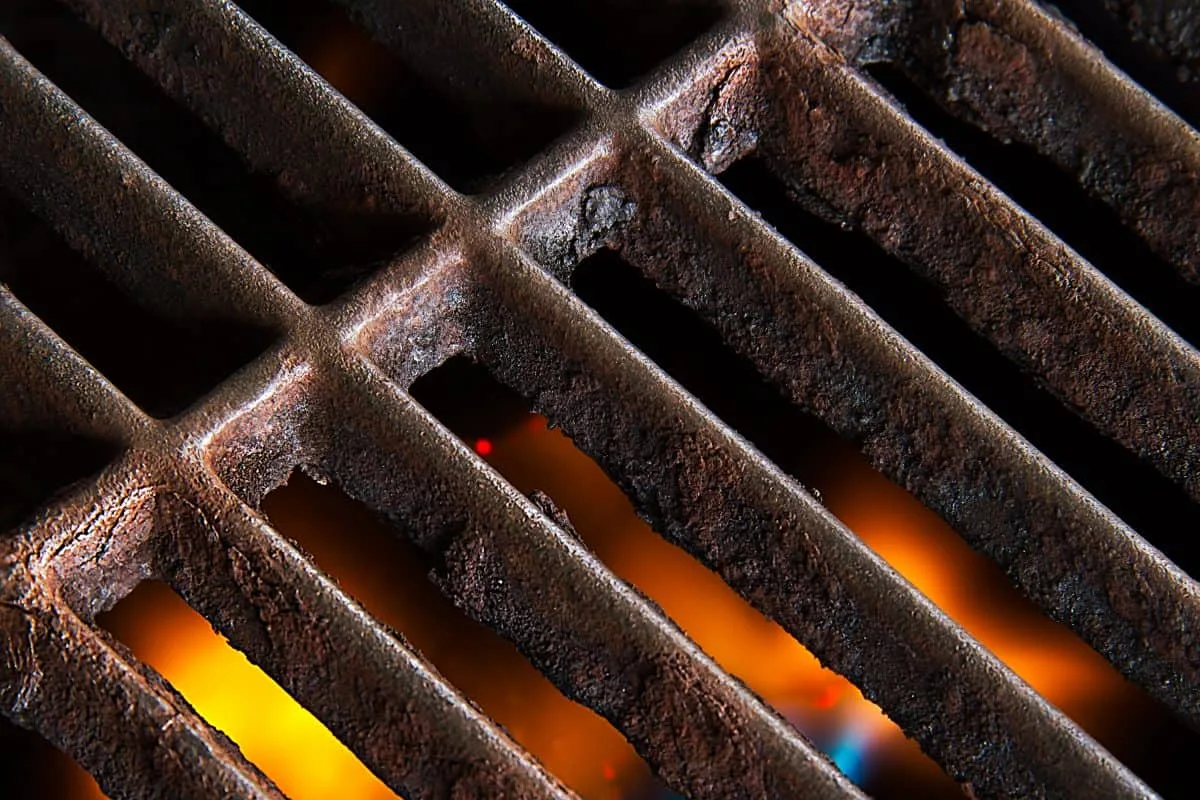
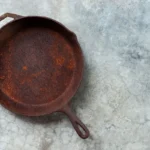
Cast iron grill grates don't last forever. They fail when moisture wins. If you've been searching for how to get rust of cast iron grill grates, the fix isn't complicated.
But the right method depends on one thing: rust depth.
In our research, simple 5% white vinegar is the most reliable rust remover for bare iron. It dissolves rust in 30 to 60 minutes. One gallon costs about four dollars, which beats most commercial rust removers.
As of 2026, most grill manufacturers still recommend seasoning bare cast iron at 400°F or higher. Before you grab any chemicals, figure out what kind of grate you own.
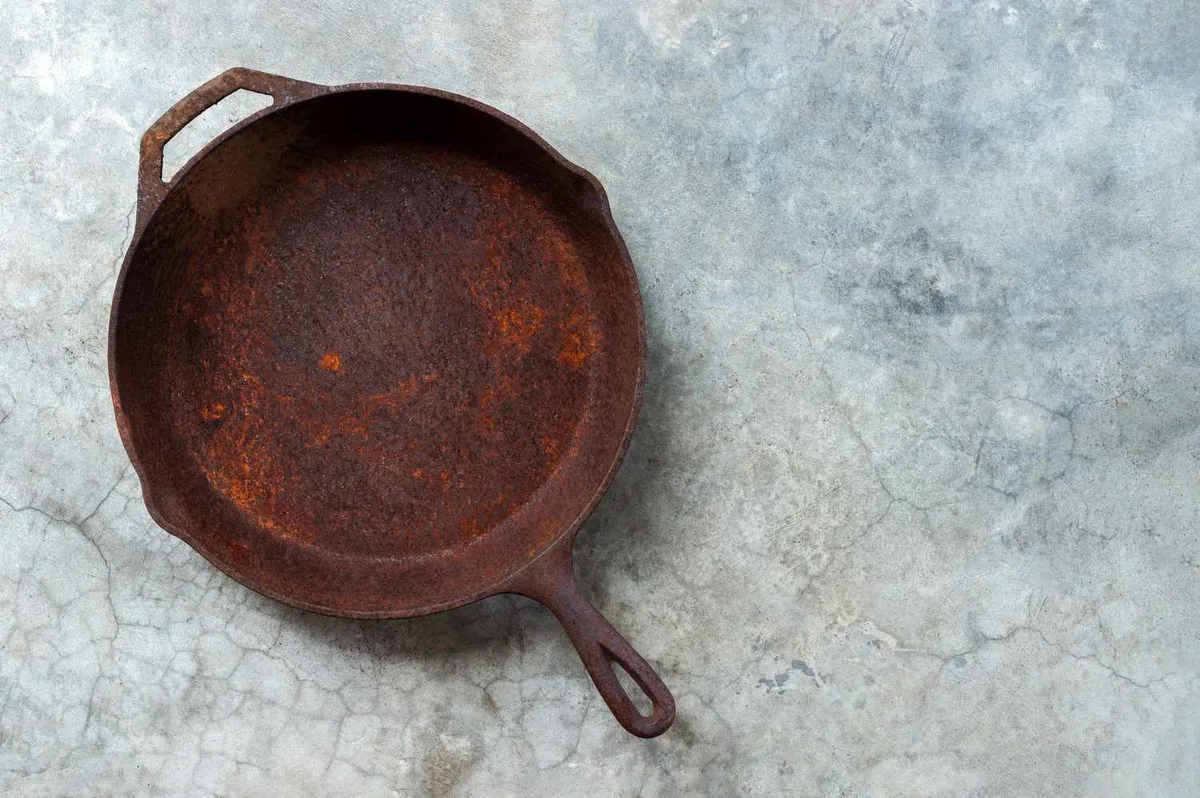
Image source: Bing (Web (fair-use with source credit))
Quick Answer
To get rust of cast iron grill grates, identify your grate type first. Match the method to rust depth. Light rust needs a 30-minute vinegar soak.
Moderate rust may need oven cleaner stripping. Heavy rust usually means electrolysis and full reseasoning.
First, Identify Your Grate: Bare Cast Iron or Enamel-Coated?
Take a close look before you scrub anything. Bare cast iron is rough to the touch and has a matte, charcoal-gray finish. It rusts fast, and it needs oil after every cleaning.
Enamel-coated cast iron feels smooth and glassy, usually in a dark porcelain finish. If it chips, a flaky grey base shows through.
Here's the key difference. Vinegar soaks strip rust well, but they can also lift enamel coating. If your grate has any enamel coating, skip the vinegar.
Use a nylon brush and a paste made from Bar Keepers Friend and water instead. Aggressive metal scraping is off the table.
Some grates are partially coated. The grill body may be enameled, while the grates remain bare. Check the cooking surface itself and the sides before deciding.
| Signs | Bare cast iron | Enamel-coated cast iron |
|---|---|---|
| Feel | Rough, porous | Smooth, slick |
| Look | Matte, dull grey | Glossy, dark porcelain |
| Rust | Red-brown dust | Rust only where coating cracked |
| Care | Oil after each clean | No soaking or metal brushes |
Manufacturer specifications indicate that bare iron stays stable only when it's seasoned. That's a protective layer of baked-on oil, and it's also the part that rusts away first. If the coating is intact, you've got a much easier cleanup ahead.
The Decision Tree: Match the Rust Severity to the Right Method
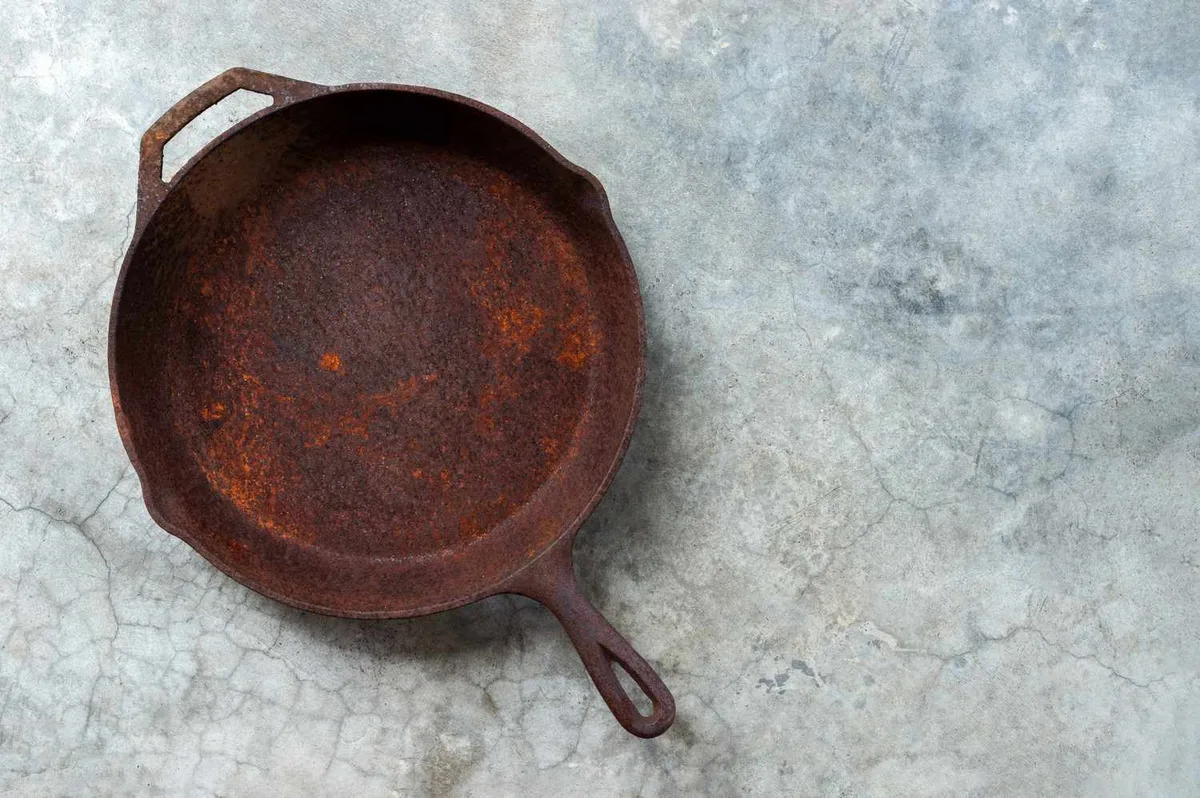
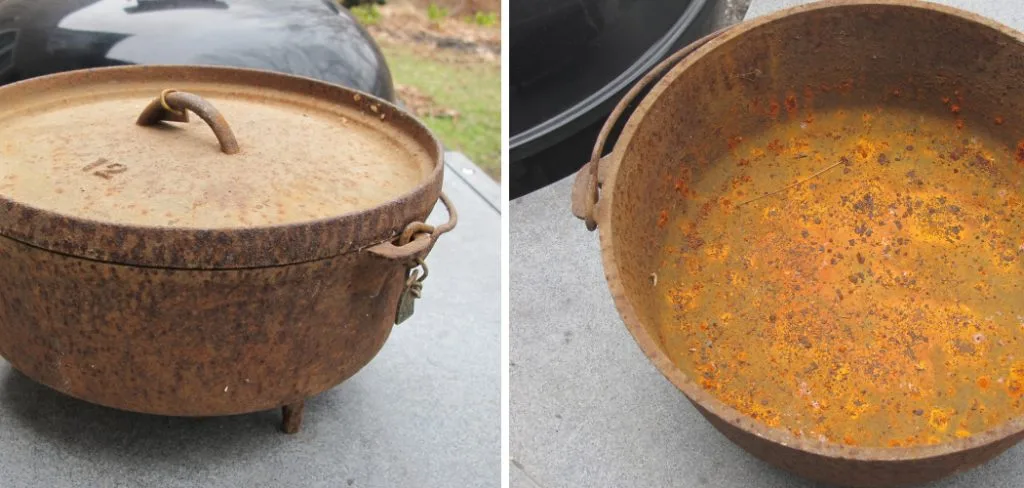
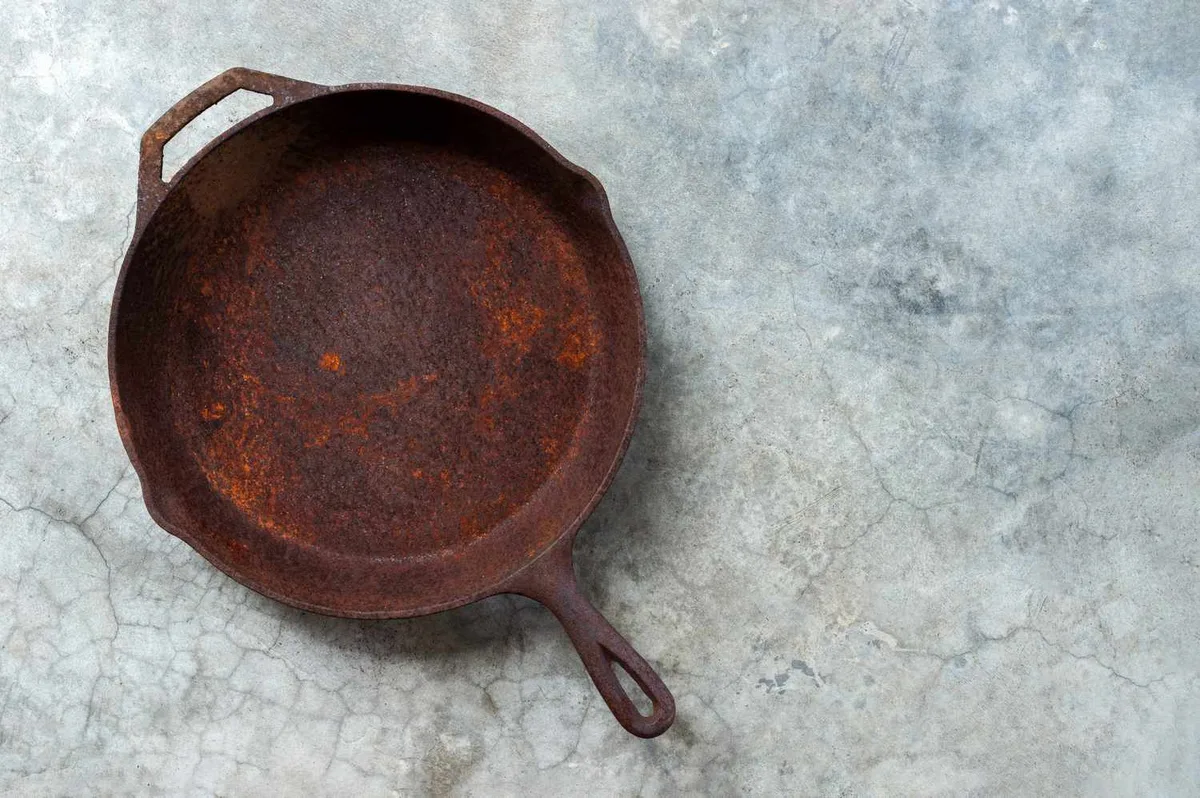
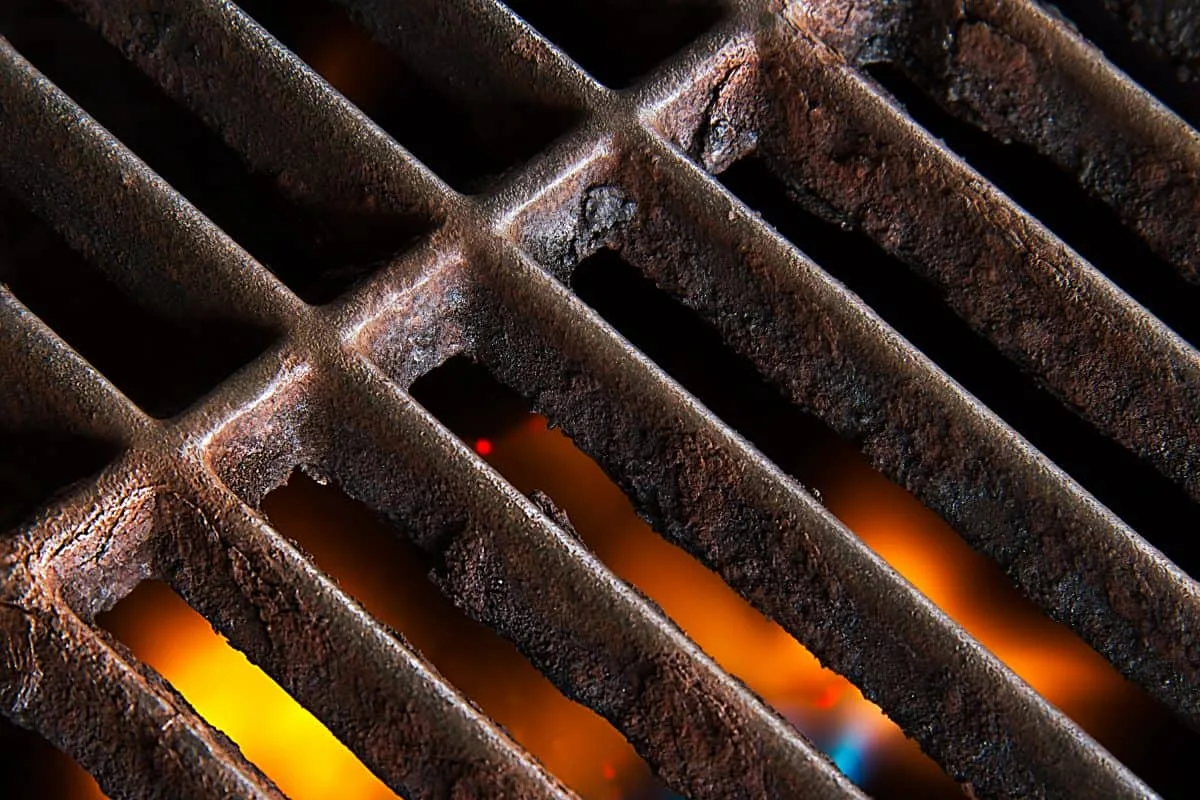
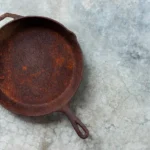
Now look at the rust itself. Run a fingertip over the surface. If red dust comes away and the metal feels mostly smooth, that's light rust.
If flakes peel off and the surface feels rough, it's moderate. If you see pits, scales, or thick chunky layers, it's heavy.
| Rust level | What you see | Best method |
|---|---|---|
| Light | Thin red dust, no flaking | Vinegar soak + scrub |
| Moderate | Flaking patches, rough texture | Vinegar soak (longer) or oven cleaner strip |
| Heavy | Pitting, thick scale, deep craters | Electrolysis or oven cleaner + reseason |
If the grate is enameled, the tree changes. Clean light rust on enameled surfaces with Bar Keepers Friend and a soft scrubber. For moderate or heavy rust, replace the grate.
By that point, the enamel has likely failed, and the rust is already underneath it.
For bare cast iron, the decision is straightforward. Light rust stays in the vinegar bath. Heavy rust needs something stronger.
And every single case ends the same way: reseason immediately. Those steps come next.
Light Rust Removal: The 45-Minute Vinegar Soak and Scrub
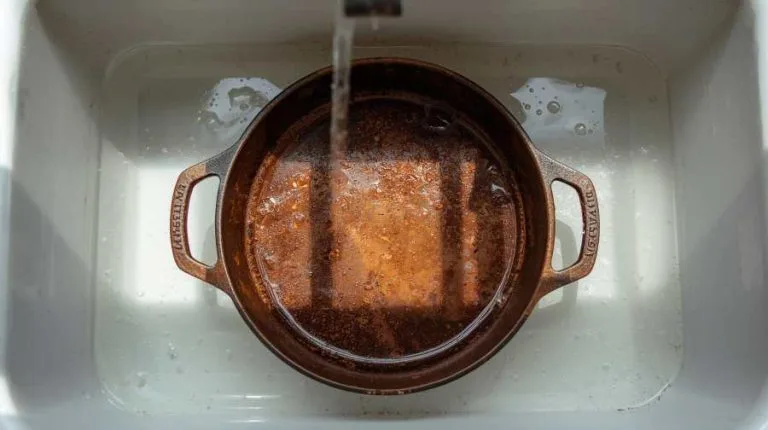
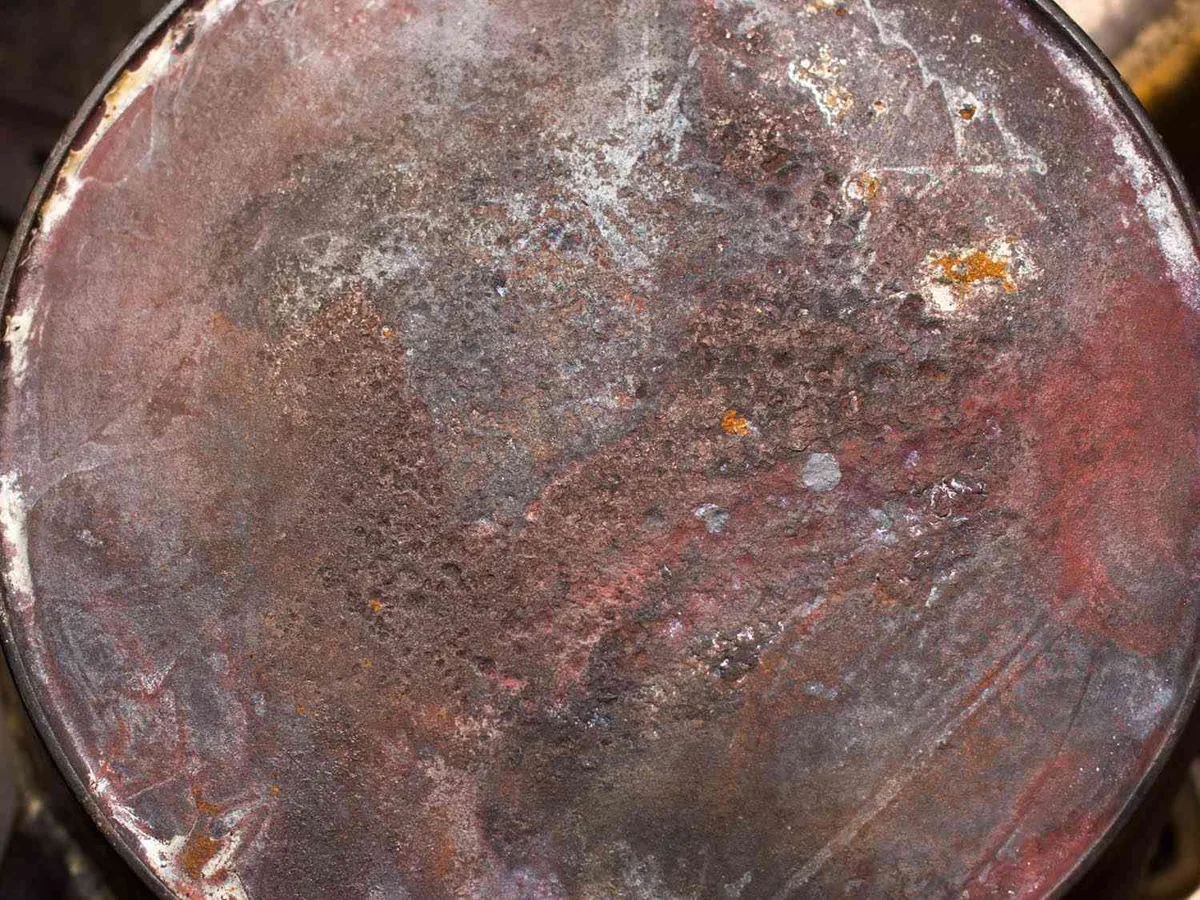
Image source: Bing (Web (fair-use with source credit))
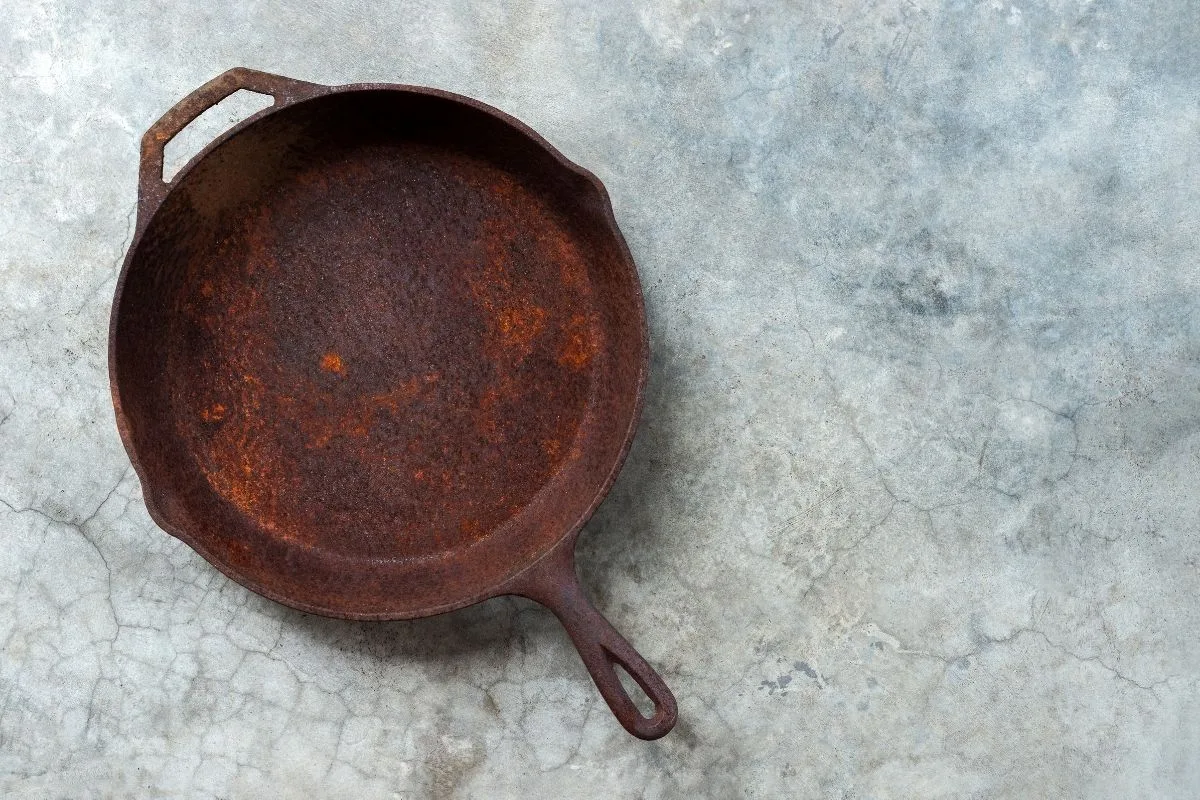
Light rust is the most common case, and it's the easiest fix. You already have most of the supplies in your kitchen.
What you'll need:
- White vinegar (5% acidity)
- Water
- Plastic tub or bucket
- 0000-grade fine steel wool or a stiff nylon brush
- Dish soap
- Clean towels
The process:
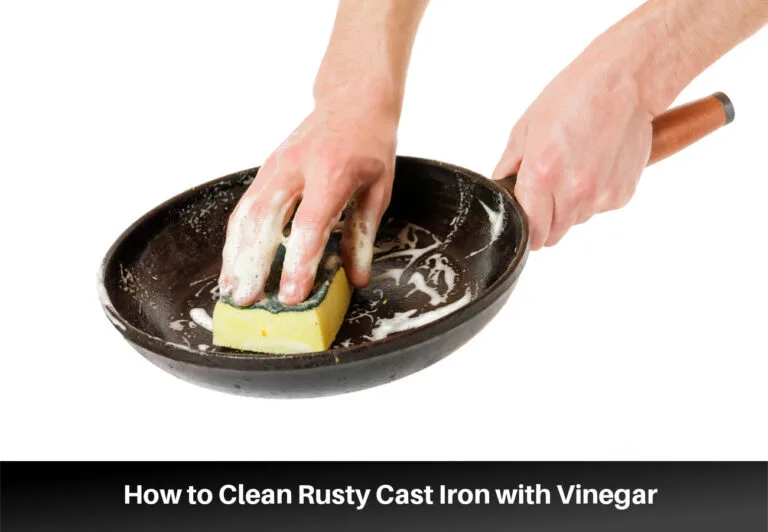
- Mix one part vinegar with one part warm water in the tub.
- Submerge the grate completely. Weigh it down if it floats.
- Soak for 30 to 60 minutes. Check it at the 30-minute mark.
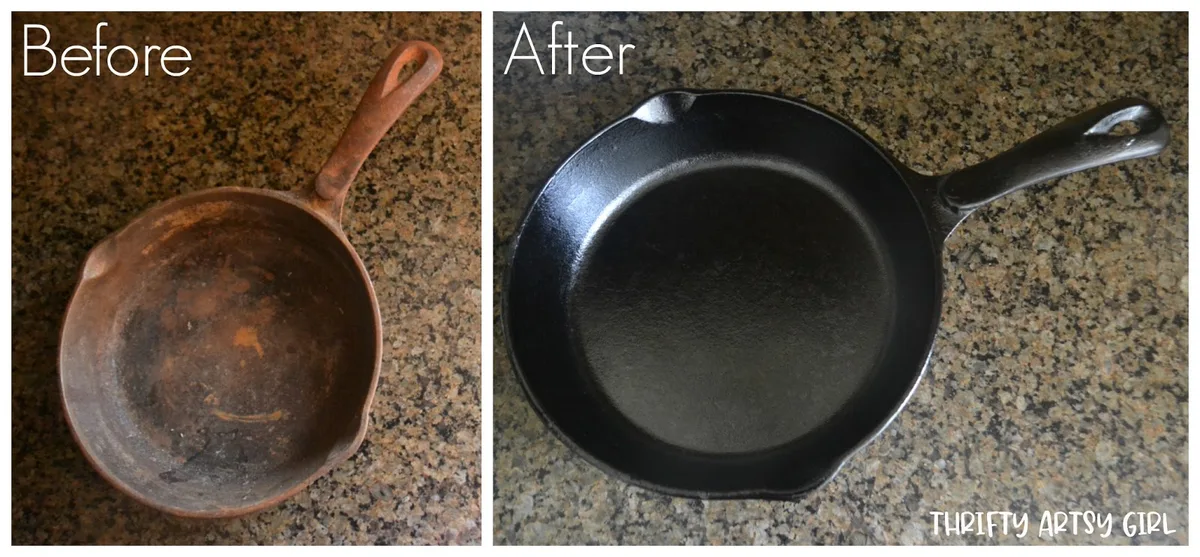
- Remove and scrub under running water. The rust should lift off easily.
- Wash with dish soap, rinse well, and dry with towels.
- Heat the grate on the grill for a few minutes. This drives out moisture trapped in the pores.
Most vinegar labels list acetic acid at 5%. At that strength, 30 to 60 minutes is the sweet spot. Leaving iron in vinegar overnight etches the surface and leaves it rough, which actually attracts rust faster later on.
If rust spots refuse to budge, mix a paste of three parts baking soda to one part water. Scrub that into the spots with a damp cloth. It adds gentle abrasion without scratching the metal.
Moderate to Heavy Rust: Stripping and Electrolysis Options
Moderate rust takes more than a soak. Heavy rust takes even more. You have three real options here, and they all work on bare cast iron only.
| Method | Time | Best for | Main risk |
|---|---|---|---|
| Oven cleaner strip | 12 to 24 hours | Removing old seasoning plus rust | Caustic lye burns |
| Electrolysis | 12 to 48 hours | Heavy rust, vintage grates | Hydrogen gas, slow |
| Wire brush / angle grinder | 10 to 20 minutes | Thick scale, no patience | Gouging the metal |
Oven cleaner strip. Coat the grate with yellow-cap oven cleaner, then seal it inside a plastic trash bag overnight. The lye attacks seasoning, grease, and charred food. It does not remove rust by itself, so you'll follow up with the vinegar soak from the previous section.
Wear thick rubber gloves, long sleeves, and eye protection. Work outside if you can.
Electrolysis. This is the safest method for valuable grates. You'll need a plastic tub, washing soda, a scrap steel plate, and a battery charger. The process pulls rust off with a low electrical current.
It takes overnight or longer, but it doesn't hurt the metal. Set it up outdoors because it releases hydrogen gas. Keep sparks away from the tub.
Wire brush or angle grinder. This is the last resort. A power tool can strip rust in minutes, but it also eats into the iron. Go with a steel wire cup brush on low speed and keep the tool moving.
Stop as soon as the rust is gone. Do not try to polish the metal down to bare gray. That removes too much material and leaves low spots.
Once the rust is gone, the clock starts ticking. Clean bare iron begins flash-rusting almost immediately. That's why reseasoning comes next and why you shouldn't delay it.
Reseasoning After Rust Removal: The Step Everyone Skips
Image source: Bing (Web (fair-use with source credit))
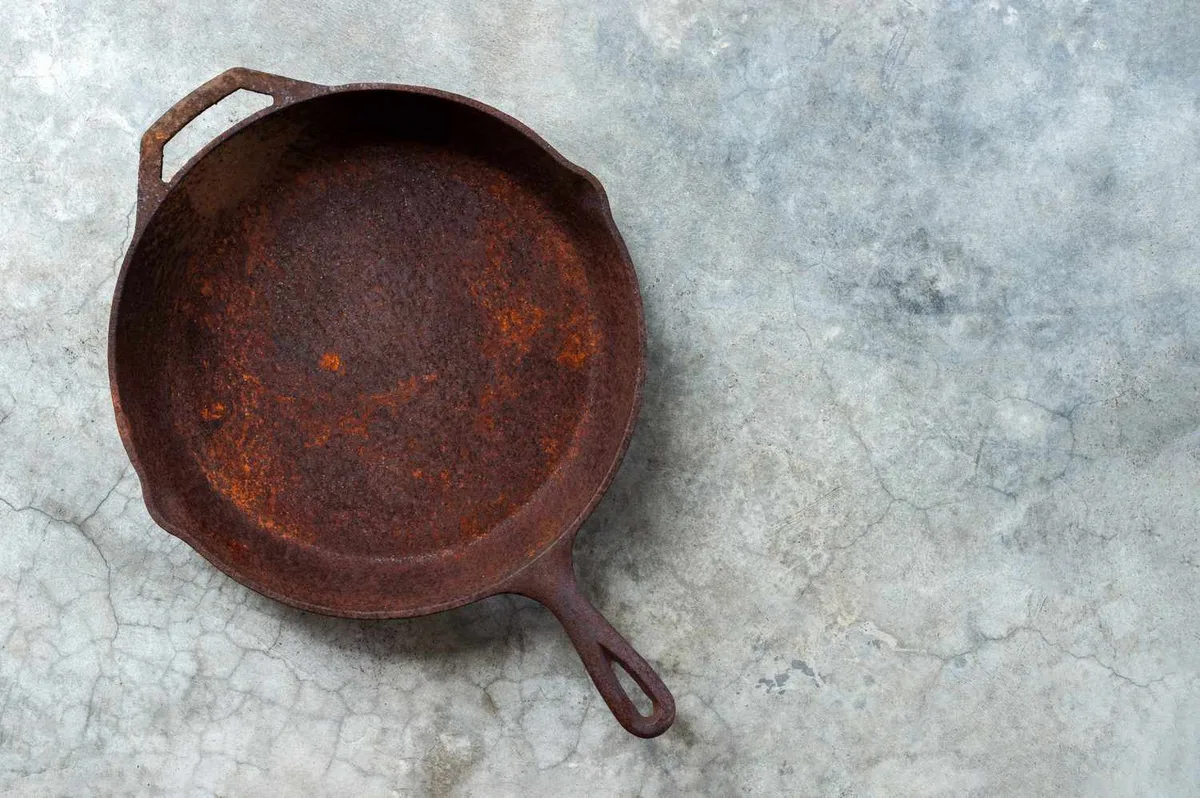
Clean bare iron is a magnet for moisture. In humid weather, a freshly cleaned grate can turn orange in under two hours. That's why reseasoning isn't optional.
It's the step that keeps rust from coming back.
How to season your grate:
- Preheat your oven or grill to 400°F to 450°F.
- Apply a thin layer of oil to every surface with a paper towel.
- Wipe it off again. You want a ghost layer, not a puddle.
- Bake for one hour, then let it cool inside the oven.
- Repeat two to three times for a durable finish.
The oil choice matters more than most people think. It needs a smoke point close to your cooking temperature.
| Oil | Smoke point | Why it's useful |
|---|---|---|
| Flaxseed | 225°C / 437°F | Hardest finish, but chips if applied thick |
| Canola | 204°C / 400°F | Easy to apply, dependable |
| Vegetable | 230°C / 446°F | Budget-friendly and common |
| Grapeseed | 216°C / 421°F | Good middle ground |
Lodge, the largest American cast iron maker, shares the same basic process on its official care page: wash, dry, oil, heat, cool. The finished layer should look black and satin-smooth. If it feels sticky, you used too much oil.
Shorten the next layer and wipe more off before baking.
Once the grate is seasoned, treat it like the workhorse it is. Cook on it, clean it while it's warm, and put a fresh thin coat of oil on after every wash. That habit alone prevents most future rust problems.
Cast Iron Mistakes to Avoid at All Costs
The biggest mistake is soaking cast iron in vinegar too long. One reader shared a story about leaving grates in vinegar overnight. The surface turned pitted, grey, and rough.
Vinegar dissolves rust, but it also eats the iron. Set a timer for 60 minutes max, then pull the grates out.
Another common error is using a regular wire brush on enamel-coated grates. The bristles scratch the porcelain, leaving tiny cracks. Then water gets in, and rust forms under the coating.
Use a nylon brush or soft scrubber on enameled surfaces. Bare iron can handle steel wool, but enameled iron can't.
Do not skip the reseasoning step. Clean, bare iron flash-rusts within hours. Even a small delay lets moisture grab hold.
If you're not ready to reseason immediately, coat the grate with a thin layer of oil and wrap it in paper towels. That buys you a few hours.
Watch your heat too. Many people throw a freshly seasoned grate onto a screaming-hot grill. That burns the oil before it polymerizes properly.
Stick with 400°F to 450°F and give it a full hour. Also, never quench a hot grate with cold water. It can warp metal and crack enamel, ruining the work you just did.
Keeping Rust Off for Good: Storage and Maintenance That Work
| Habit | Why it works |
|---|---|
| Clean after each use | Prevents grease and food from trapping moisture |
| Dry on the grill | Evaporates water from pores |
| Apply a thin oil coat | Creates a moisture barrier |
| Store covered | Blocks humidity and rain |
Rust needs moisture, oxygen, and time. Remove any one and you win. The most effective habit is simple: after grilling, scrape the grates while they're warm, brush with a stiff brass brush, then wipe on a very thin layer of oil.
That takes about three minutes.
For long-term storage, bring the grates inside if you can. A dry garage beats a rainy backyard. If you keep the grill outside, use a breathable cover.
A heavy tarp traps condensation underneath, which causes rust under the cover.
Seasonal maintenance matters too. At the start of each season, check for light rust and do a quick vinegar soak. At the end of the season, give the grates a full reseason.
That 30 minutes of work in October means no rust in March.
Frequently Asked Questions
How long should I leave cast iron in vinegar?
Soak grates in a 50/50 white vinegar and water mix for 30 to 60 minutes. Check every 15 minutes. Once rust comes off with light scrubbing, rinse immediately.
Leaving iron in vinegar for hours or overnight causes pitting and surface damage.
Can I use dishwasher detergent to remove rust?
No. Dishwasher detergents are too aggressive, and the dishwasher's wet environment speeds up rust. Some cleaners contain salts that eat away seasoning.
Stick with vinegar, baking soda paste, or Bar Keepers Friend for spot cleaning. Always rinse well and dry with heat.
Is electrolysis worth the hassle for a grill grate?
Electrolysis is worth it for deeply pitted or vintage grates where replacing them is hard. It takes 12 to 48 hours and needs special setup. For a standard modern grate, oven cleaner stripping plus a vinegar soak works faster.
Choose electrolysis only when you want zero risk of metal loss.
Why does my cast iron rust again after I remove it?
Likely because you skipped reseasoning or used too much oil. Clean bare iron oxidizes quickly when exposed to humid air. Even after seasoning, cracks in the oil layer welcome moisture.
Apply thin oil coats, heat them fully, and repeat two to three times for a solid finish.
Can I use regular paint or spray coating on cast iron grill grates?
No. Regular paint is not food-safe and will burn off, releasing toxic fumes. Use only food-grade oils like canola, flaxseed, or grape seed for seasoning.
Some ceramic coatings exist for grills, but they're not meant for DIY rust repair. Stick with oil and heat.

Similar Posts