Remove Cast Iron Rust in 3 Simple Steps: Soak, Scrub, and Dry
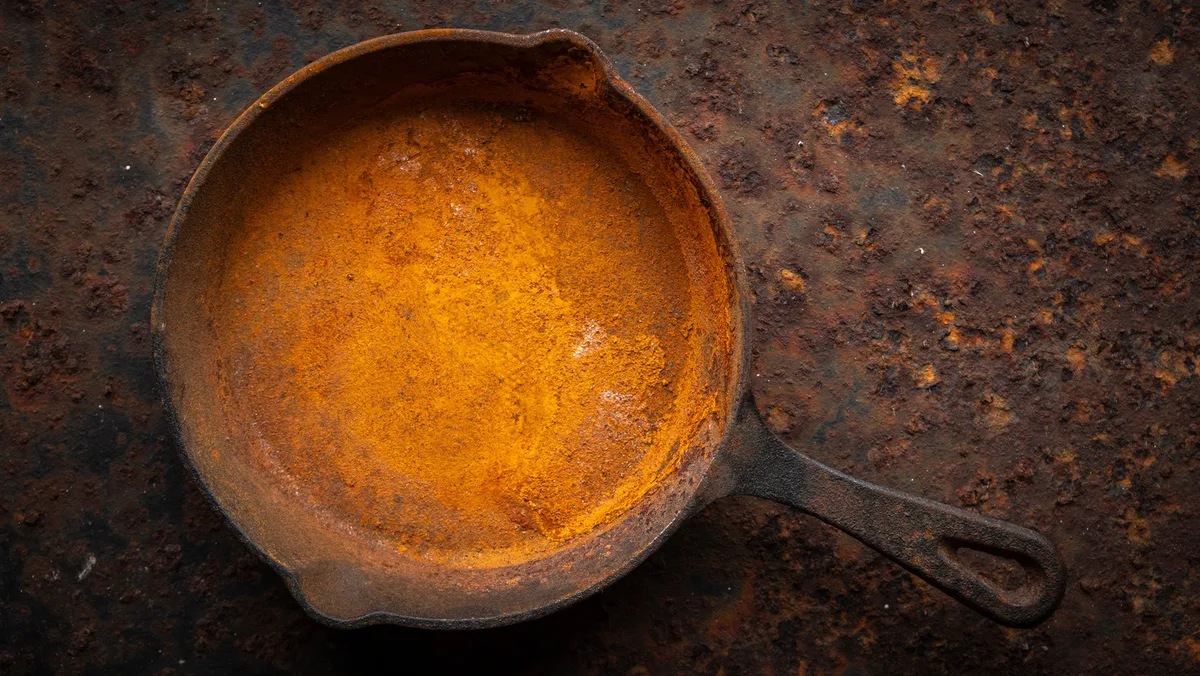
Wondering how to get rid of cast iron rust? You've got company. Rust forms when bare iron meets moisture, and it can show up overnight.
The fix is simpler than you might expect.
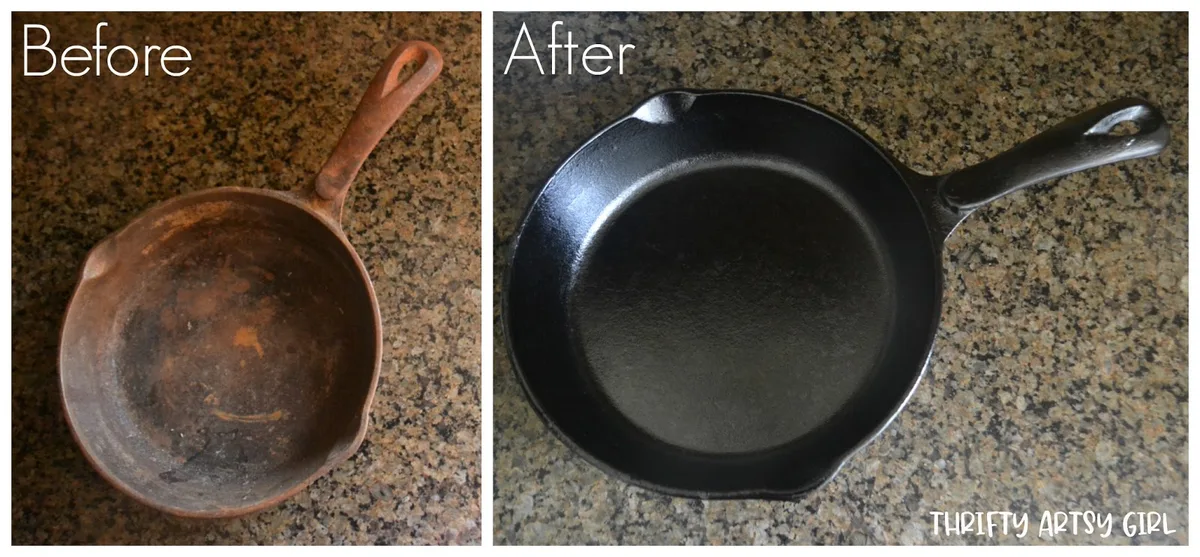
As of 2026, the trusted restoration process still comes down to three steps: scrub, dry, season. Bake the oiled pan at 450°F for about an hour, and you'll rebuild a protective layer that keeps rust from returning. Before you reach for steel wool, though, you need to know what kind of rust you're dealing with.
Remove Cast Iron Rust in 3 Simple Steps
Quick Answer
How to get rid of cast iron rust? Match the method to your pan and rust depth. Light rust scrubs off with steel wool and water.
Heavy rust needs a short vinegar soak or an electrolysis setup. Then dry quickly and reseason at 450°F for one hour.
Know Your Rust, Know Your Pan
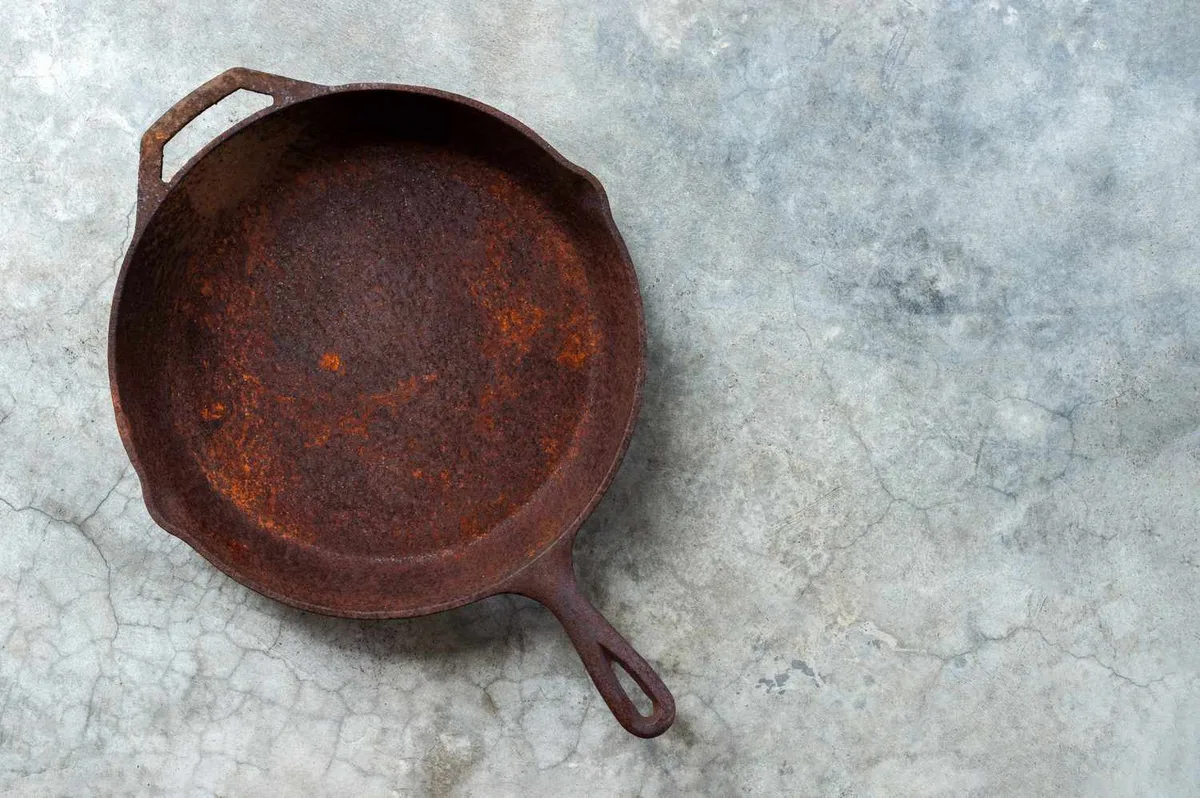
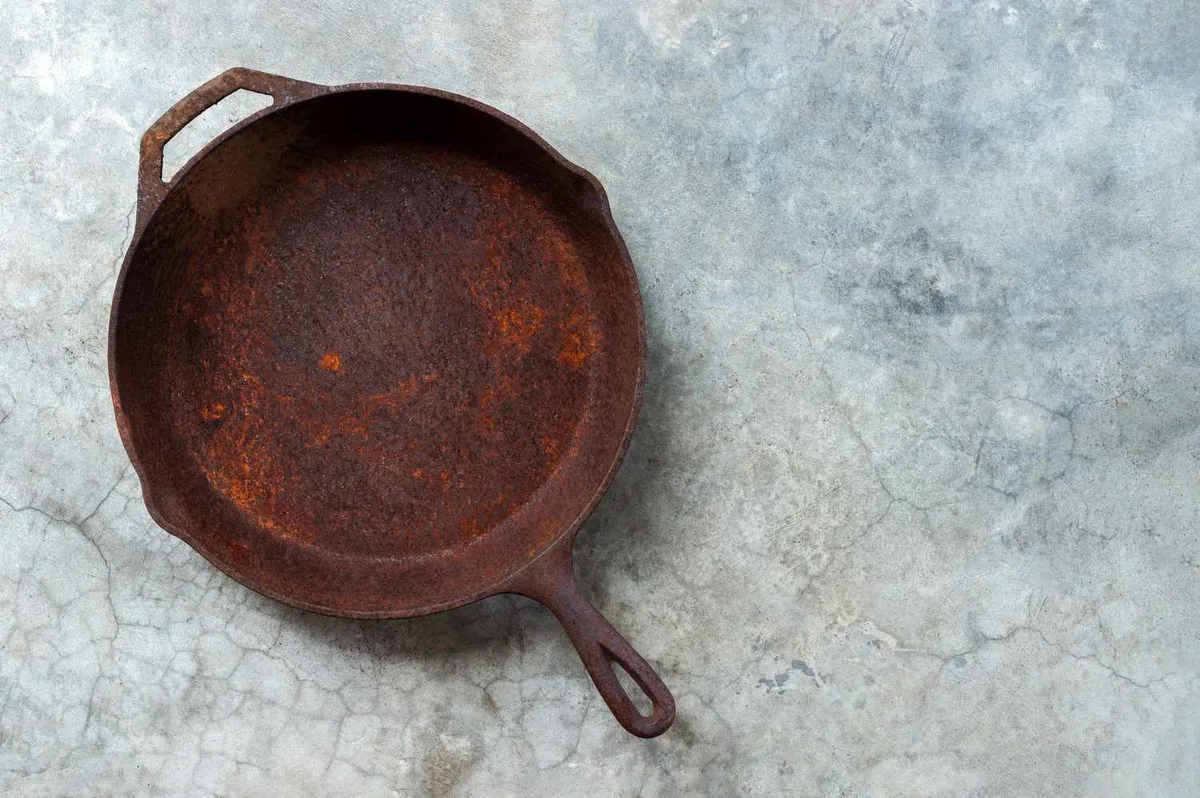
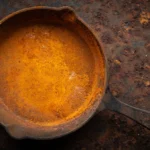
Rust on cast iron isn't one problem. It's three different problems wearing the same reddish-brown coat. The method that fixes a lightly speckled skillet will damage a pan that's been sitting in a damp garage for months.
First, ask the most critical question: is your pan bare cast iron or enameled? Bare iron has a matte, rough surface that needs seasoning. Enameled cast iron has a smooth, glass-like coating, usually white or cream on the inside.
The rust removal process for each is completely different.
Next, assess the rust level. There are three:
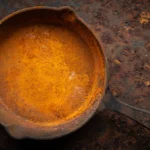
- Light flash rust. A thin, dusty orange film that appears after washing or overnight. It hasn't eaten into the metal yet.
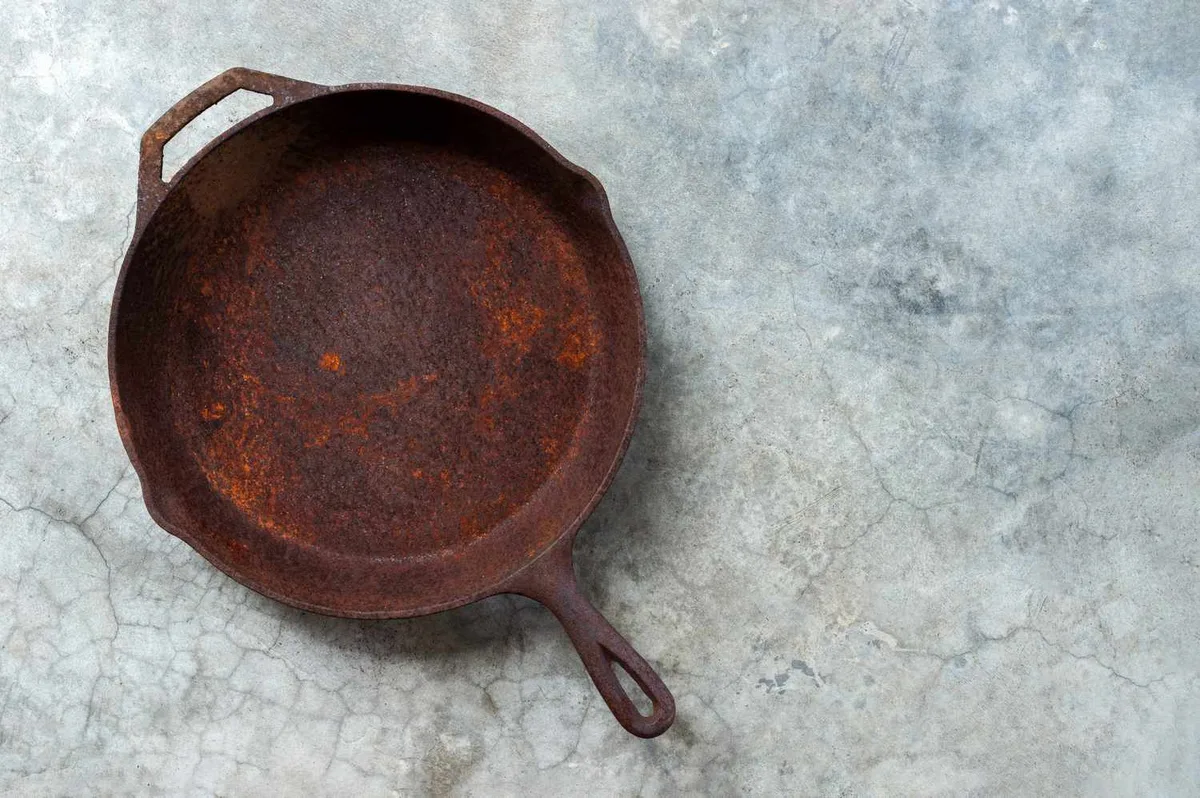
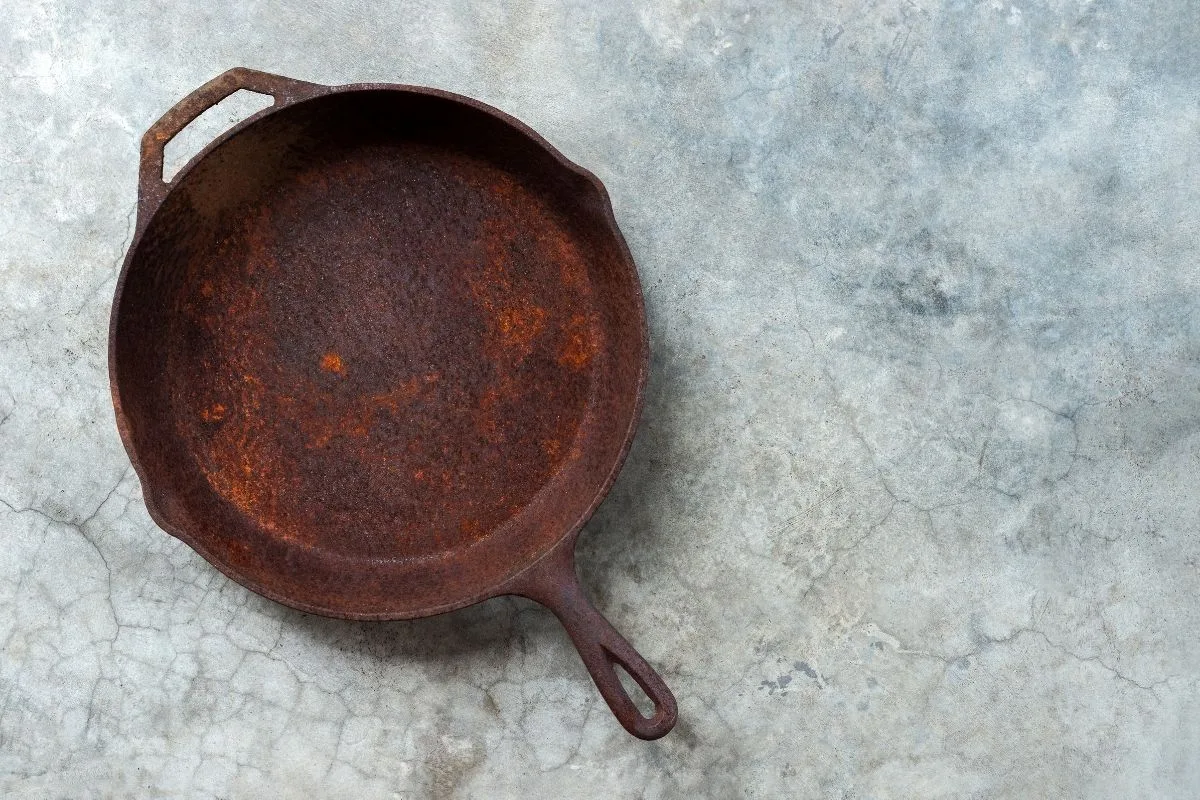
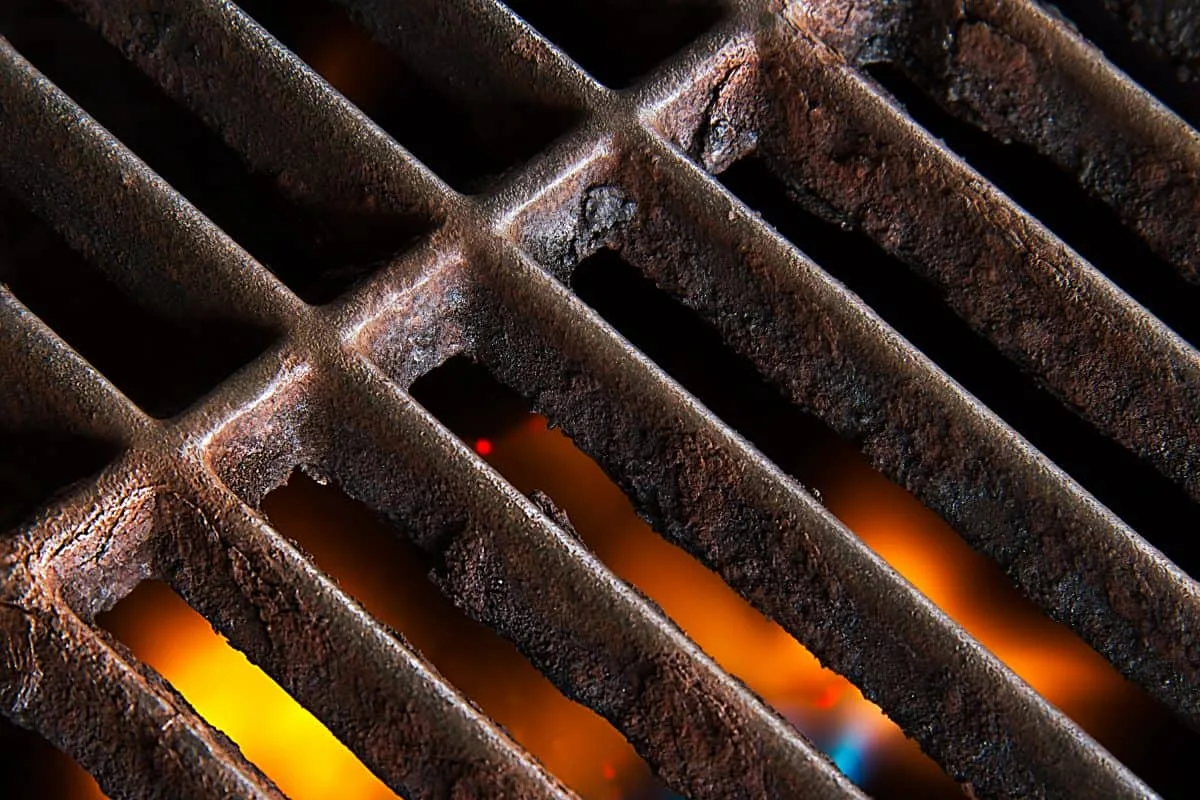
- Moderate rust. A thicker, flaky layer covering part of the cooking surface. The iron underneath is still smooth and solid.
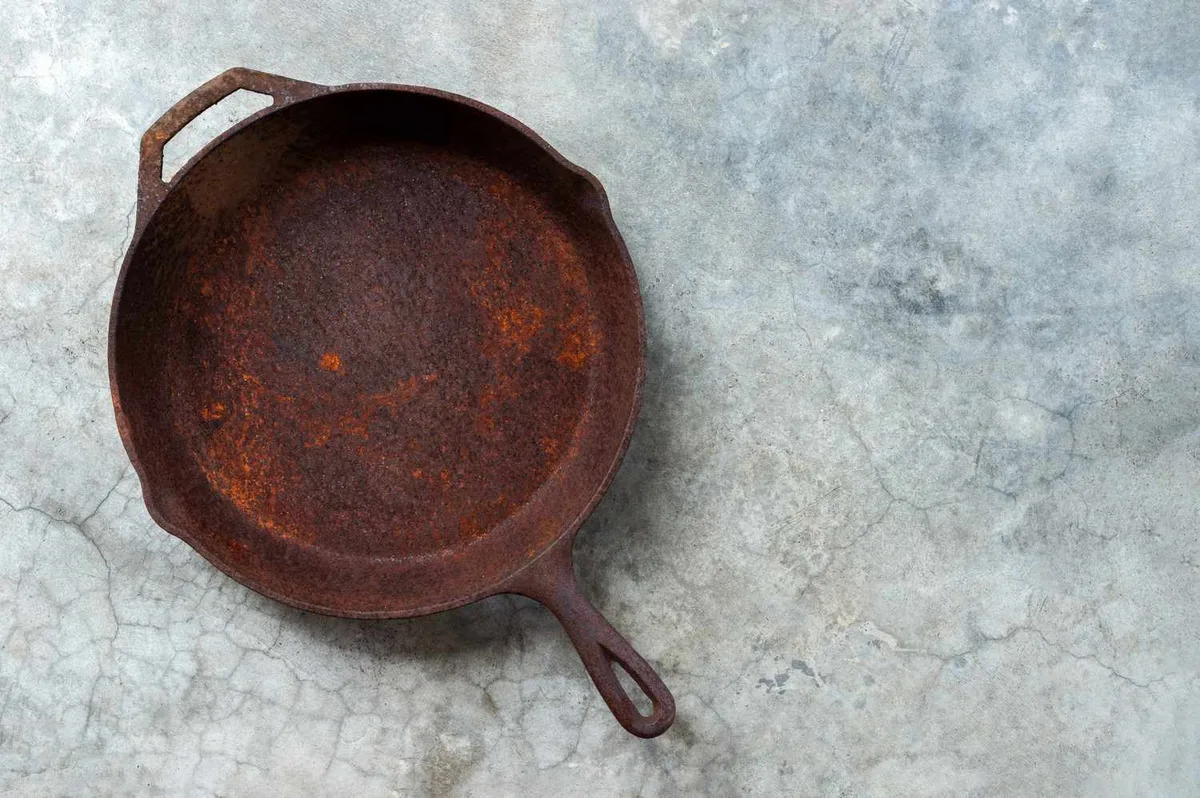
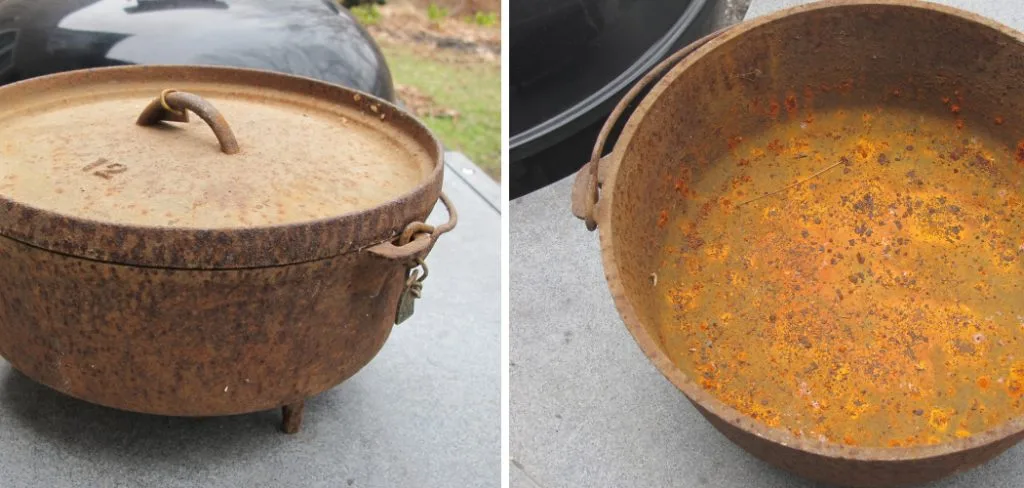
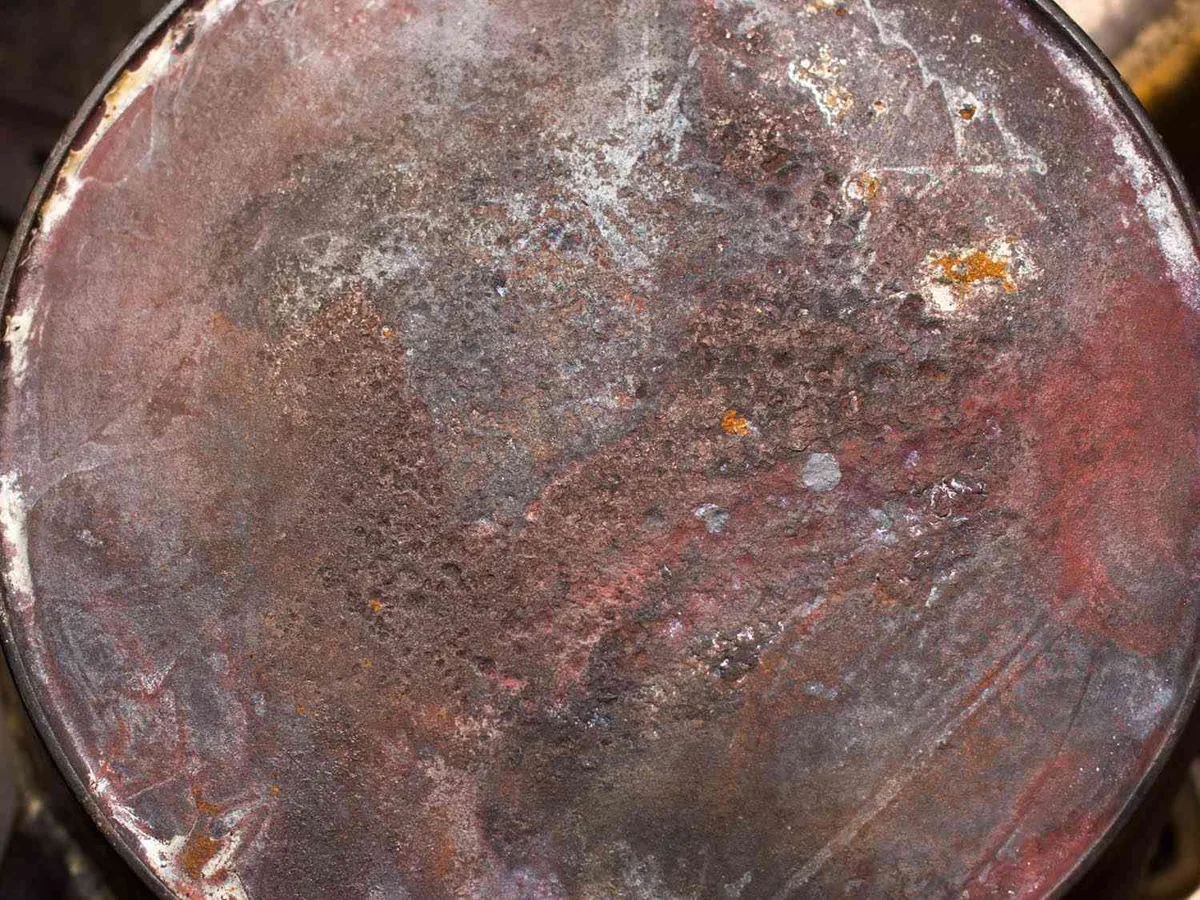
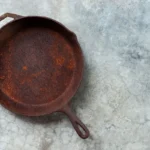
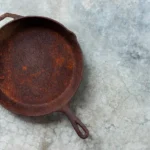
- Heavy or pitted rust. Deep, cratered sections where rust has eaten into the iron itself. This happens after months of neglect.
Here's how to tell them apart by touch. Light rust wipes off with a dry paper towel and leaves orange dust behind. Moderate rust streaks brown on your fingers.
Heavy rust feels like sandpaper and reveals tiny divots once you scrub it.
One more factor matters: your pan's age. Vintage cast iron from before 1960 has a smooth, machined cooking surface. Modern cast iron has a pebbled texture from the casting molds.
That texture hides rust in tiny pockets, so it takes more scrubbing rounds to fully clean.
Also inspect the pan for damage beyond rust. A hairline crack, a warped base, or a hole means the pan is done for. Rust you can fix.
Structural damage you cannot.
Which Method Should You Use? (A Quick Decision Branch)
Match your situation to the right branch. It's a classic if-then decision.
Bare cast iron with light flash rust. Scrub with grade 0000 steel wool and warm water. Dry immediately on a hot stovetop. Wipe on a thin layer of oil and heat until it smokes.
You'll be back to cooking within 15 minutes.
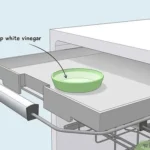
Bare cast iron with moderate rust. Use the vinegar soak method. Mix one part white vinegar with two parts water. Soak the pan for 15 to 30 minutes, scrub, neutralize with a baking soda rinse, dry, and reseason.
Total time: 1 to 2 hours.
Bare cast iron with heavy or pitted rust. Go straight to electrolysis or a lye bath. Electrolysis uses a battery charger, a plastic bucket, washing soda, and a sacrificial steel anode to pull rust off at the molecular level. It takes 12 to 24 hours, but it saves pans that look beyond saving.
A lye bath first strips old seasoning, and you'll still need a vinegar rinse for rust. Electrolysis handles both at once.
Enameled pan with rust on the interior surface. Use Bar Keepers Friend or a baking soda paste with a soft nylon brush. The enamel is non-porous glass, so rust only sits on top. It wipes away quickly.
Enameled pan with rust on the bare iron rim. Use fine steel wool on the exposed rim only. Avoid the enameled surfaces entirely. Dry the rim and rub in a drop of cooking oil to create a barrier.
Enameled pan with chipped glaze. Retire the pan. Don't cook with it again.
| Rust Level | Best Method | Time Required |
|---|---|---|
| Light flash rust | Fine steel wool + reseason | 15 minutes |
| Moderate rust | 50/50 vinegar soak | 1 to 2 hours |
| Heavy pitting | Electrolysis or lye bath | 12 to 24 hours |
| Enamel interior | Bar Keepers Friend | 10 minutes |
| Enamel bare rim | Steel wool on rim only | 15 minutes |
| Chipped enamel | Discard the pan | N/A |
How to Remove Rust from Bare Cast Iron (Step by Step)
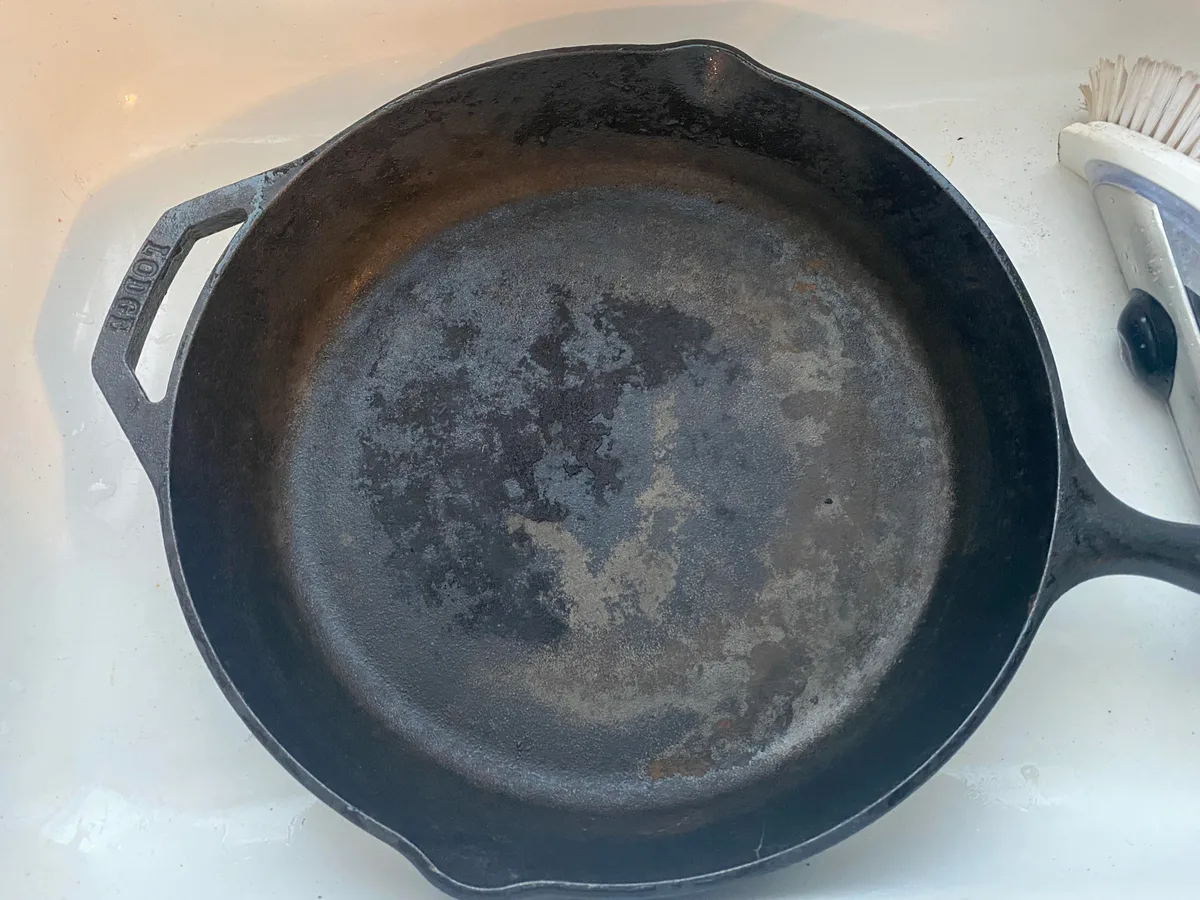
Here's the full workflow for the most common scenario: bare cast iron with moderate rust.
What you'll need:
- White vinegar
- Water
- Grade 0000 steel wool or a chainmail scrubber
- Baking soda
- Paper towels or a clean cotton rag
- A high-smoke-point oil like vegetable, canola, or grapeseed
- An oven that reaches 450°F
Step 1: Strip the old seasoning, if present. Old seasoning can hide rust underneath. Spray the pan with oven cleaner, seal it in a trash bag overnight, and wash it thoroughly. If your pan is already bare metal, skip ahead.
Step 2: Soak in the vinegar solution. Mix one part white vinegar with two parts water in a bucket or sink. Submerge the pan completely. Soak 15 minutes for light rust, 30 minutes for moderate rust.
Never exceed 2 hours. Vinegar dissolves rust, but it also attacks the iron itself. Extended soaking creates permanent pitting.
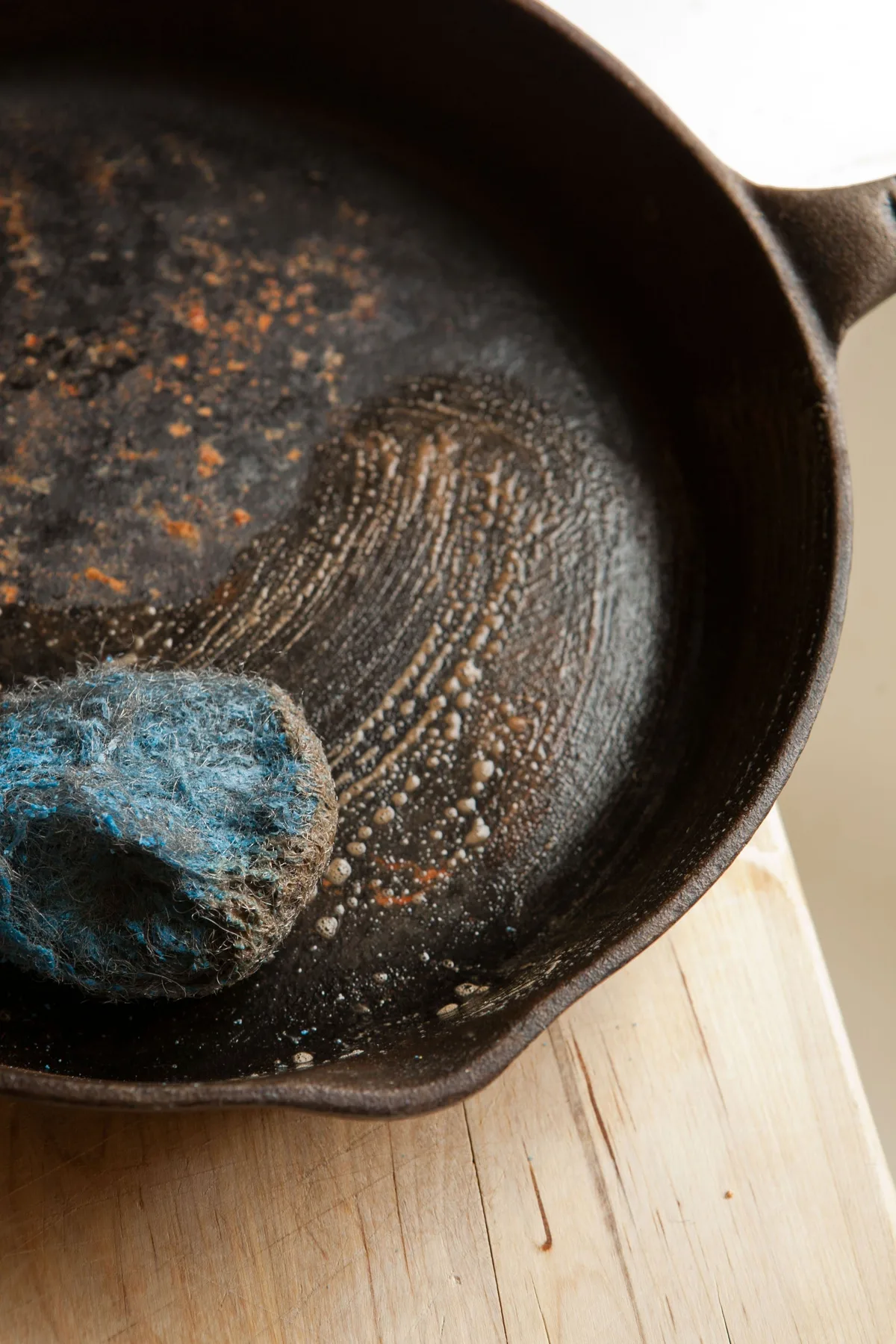
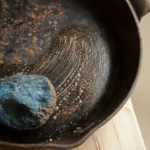
Step 3: Scrub the rust off. Remove the pan and scrub immediately with steel wool or a chainmail scrubber. The rust will come off as a gray-brown slurry. Keep scrubbing until the water runs clear and the iron looks bare.
If spots remain, repeat the soak for another 10 to 15 minutes.
Step 4: Rinse and dry immediately. This step is non-negotiable. Rinse the pan with plain water, towel it dry, then place it on a stovetop burner on low heat for a few minutes. This drives moisture out of the pores.
Bare iron flash-rusts the moment it hits humid air, so don't walk away.
Step 5: Season the pan. Heat the oven to 450°F. Coat the pan with one teaspoon of oil, then buff it off with a paper towel as if you made a mistake. The goal is an almost invisible layer.
Set the pan upside down on the middle rack and bake for one hour. Turn off the oven and leave the pan inside to cool. Repeat 3 to 6 times for a solid base.
Test for success. After cooling, the pan should look matte and slightly black. Wipe it with a white paper towel. Orange streaks mean rust remains, and you'll need to repeat the process.
Lodge's official care guide walks through this same sequence.
How to Remove Rust from Enameled Cast Iron
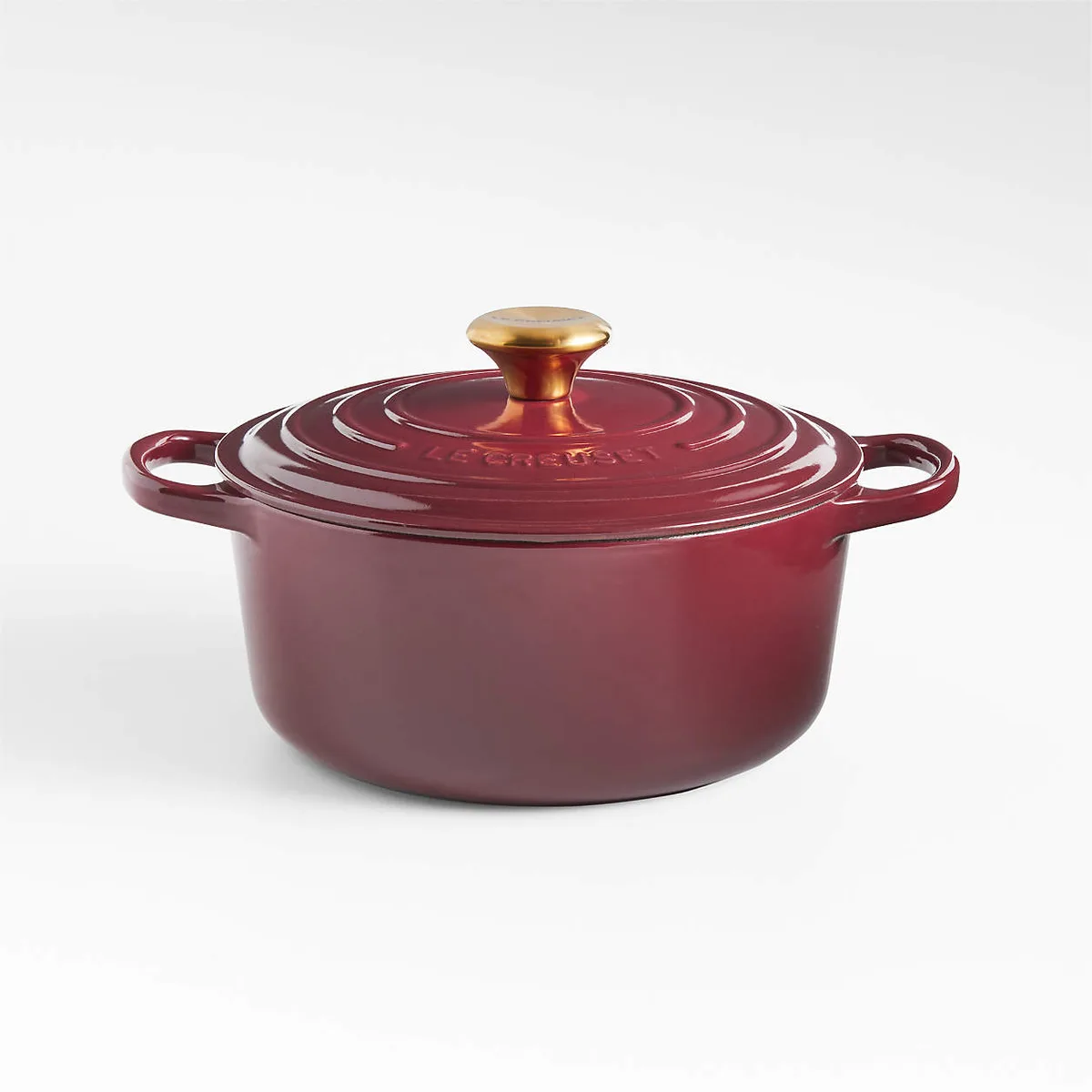
Enameled cast iron needs a completely different approach. The enamel is a glass coating, so acid soaks and coarse abrasives will damage it. Vinegar and steel wool do more harm than good here.
Rust on a smooth enamel surface sits on top of the glass. It hasn't penetrated anything. Use Bar Keepers Friend with a soft sponge and scrub gently.
Rinse thoroughly and dry. That lifts the rust without scratching the coating.
Rust on the bare iron rim is much more common. The exposed edge around most Dutch ovens and French ovens contacts moisture every time you wash the pot. Over time, a thin orange line of rust develops there.
Use grade 0000 steel wool on the rim only. Wipe the rim clean, dry it, then rub a drop of plain cooking oil into the metal. That oil barrier keeps rust from coming back.
Now the dealbreaker. If the enamel has chipped and you can see bare gray iron underneath, stop using the pan. The exposed iron will rust and weaken over time.
Worse, the glass-like enamel edges around the chip are sharp and can flake further into food. There is no reliable home repair for chipped enamel. Le Creuset's product care guidance explicitly says the same.
Retire the pan or repurpose it as a planter.
Check the interior under bright light if you're unsure. Hairline cracks, pinholes, or dark spots in the white enamel all count as openings where rust can take hold.
Common Mistakes That Ruin Pans During Rust Removal
Many pans that look beyond saving were actually damaged during the cleanup. Avoid these common mistakes.
Soaking in vinegar overnight. Vinegar dissolves rust, but it also eats iron. Leave a pan in a 50/50 vinegar solution for 8 hours and you'll pull out a gray, pitted surface that rusts faster than ever. Set a timer.
Stick to 30 minutes.
Using an angle grinder or power sander. This is the most destructive mistake in cast iron restoration. Power tools remove rust quickly, but they also grind away the original machined surface. Vintage pans with smooth cooking surfaces are valuable.
Grind that surface off and you lose both value and nonstick performance.
Scrubbing enamel with steel wool. Steel wool scratches glass. Once scratched, the enamel becomes a magnet for food residue and bacteria. Use a soft nylon brush or sponge with Bar Keepers Friend instead.
Skipping the immediate dry-and-season step. Bare cast iron flash-rusts in minutes. Rinse a pan, get distracted by the phone, and you'll come back to a fresh orange film. Dry the pan on a hot burner and oil it before doing anything else.
Using too much oil when seasoning. There's a classic line in the cast iron community: "Wipe the oil off like you made a mistake." Too much oil pools and polymerizes into sticky, tacky spots that never cure properly. One teaspoon, a thorough wipe, then buff again with a clean paper towel.
Hiding rust under a new layer of seasoning. Seasoning is black, so it can look like rust is gone. It isn't. The rust sits underneath and blooms through within weeks.
You have to remove rust completely before you season.
Using rust converters or chemical removers. Products like naval jelly work on car parts, not cookware. They leave residues that become toxic when heated. The only safe methods for cooking surfaces are mechanical scrubbing, vinegar and water, or electrolysis.
Catch rust early. A quick scrub with fine steel wool and a touch of oil takes five minutes. Letting that same spot sit for a month turns a five-minute fix into a five-hour project.

Similar Posts