How to Remove Rust and Restore Cast Iron Grill Grates Before Barbecue Season
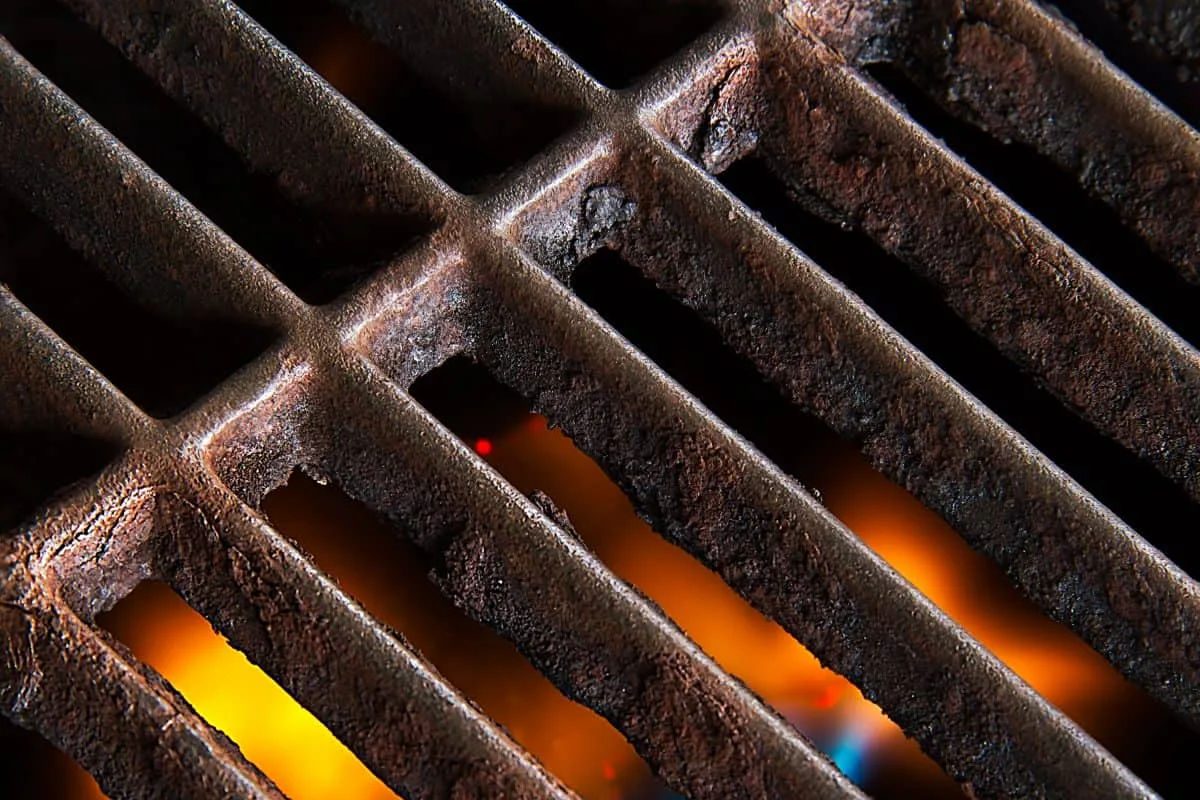
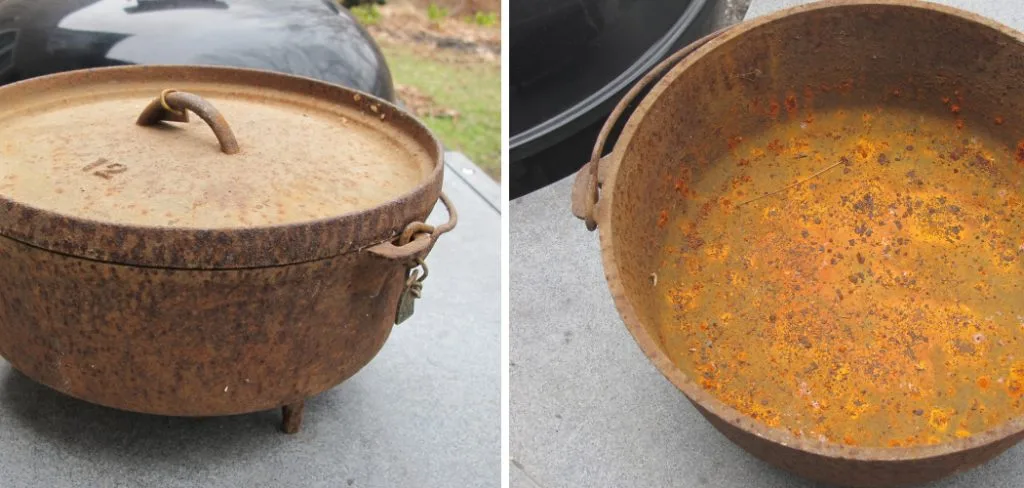
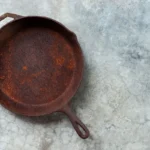
You pull off the grill cover and there they are, rusted cast iron grill grates. If you are wondering how to fix rusted cast iron grill grates, the good news is you probably do not need to toss them. Most rust is surface-level damage.
With the right process, you can bring those grates back to life for another season or more.
Manufacturer specifications indicate that untreated surface rust can begin to pit cast iron in as little as 48 hours in consistently humid environments. That is why timing matters. The first step is not grabbing a wire brush.
It is figuring out exactly how deep the rust goes. That diagnosis will tell you which method works.
Quick Answer
To fix rusted cast iron grill grates, start by scrubbing loose debris. For light rust, use a baking soda paste or fine steel wool. Rinse and dry thoroughly.
Apply a thin layer of high-smoke-point oil. Heat the grate until the oil smokes. Let it cool.
Repeat until the surface looks dark and even. Done right, the grate stays rust-free for months.
Image source: Bing (Web (fair-use with source credit))
Clean Slate or Lost Cause? Diagnosing Your Rust Level First
Before you pick a tool or a soak solution, you need to know what you are dealing with. Cast iron rust falls into three basic levels. Each one leads to a different fix.
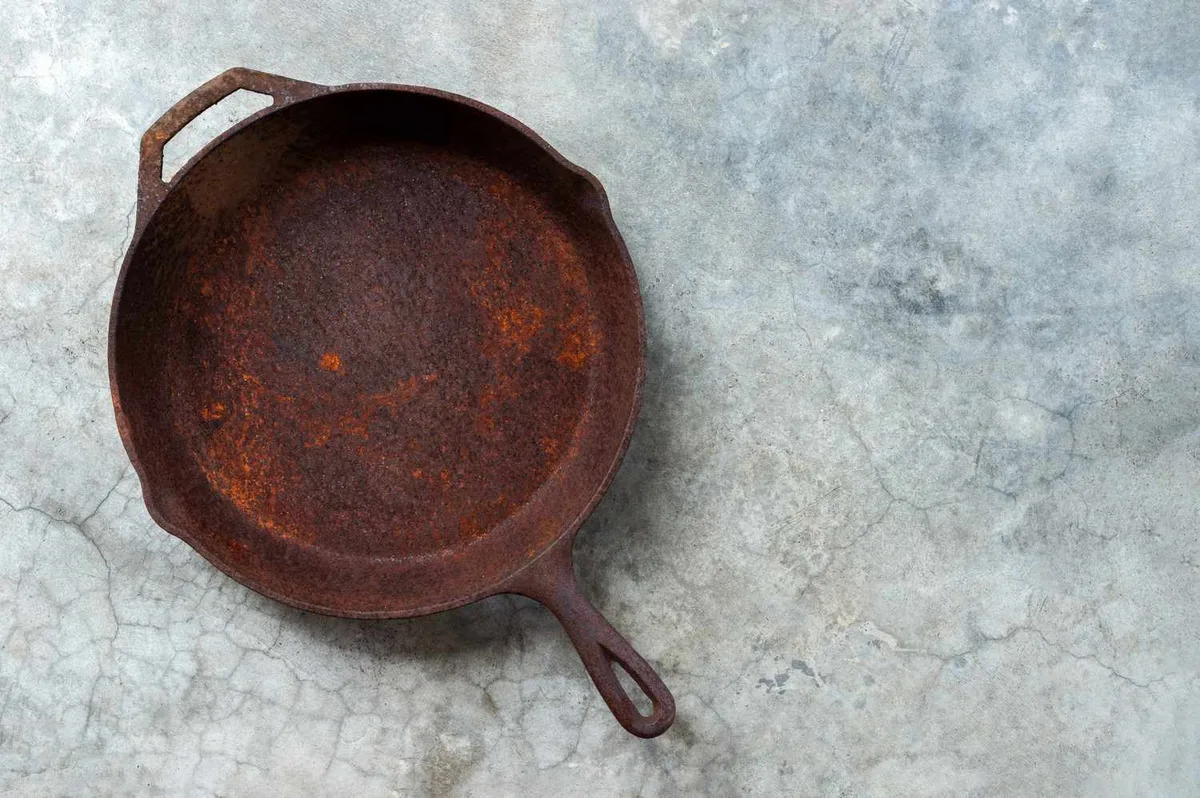
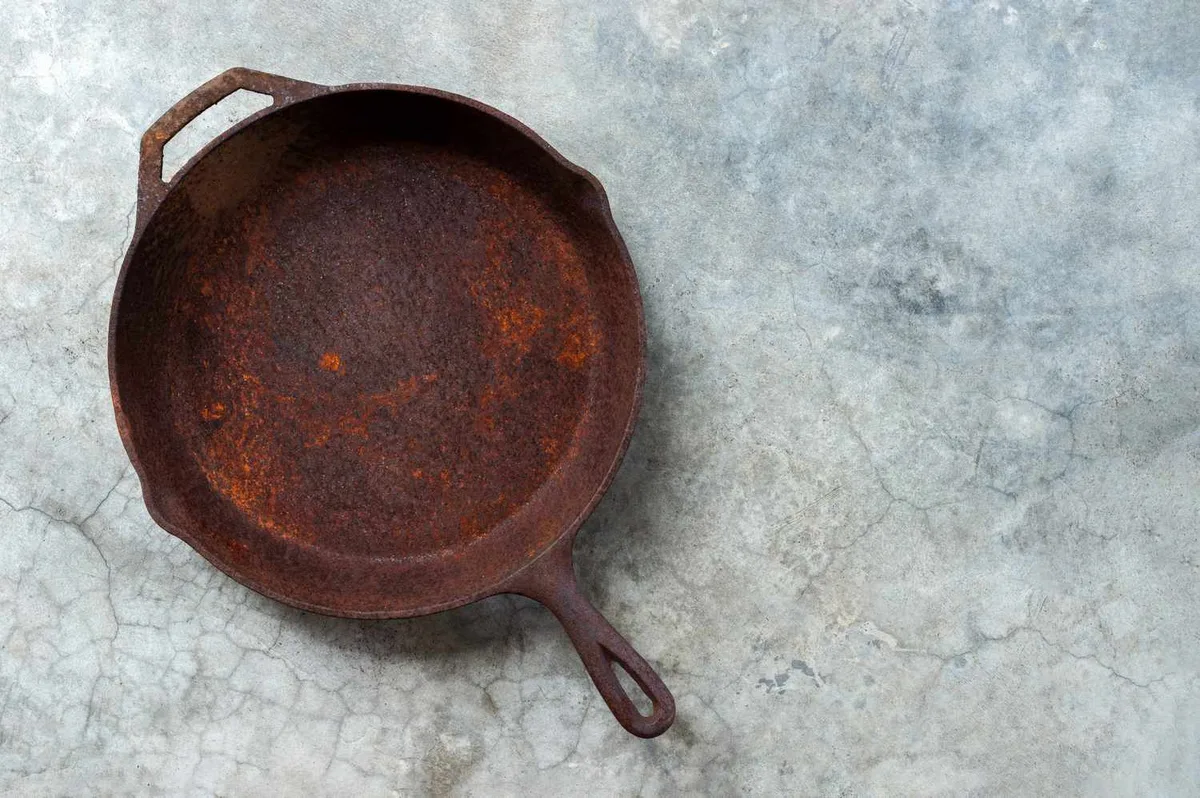
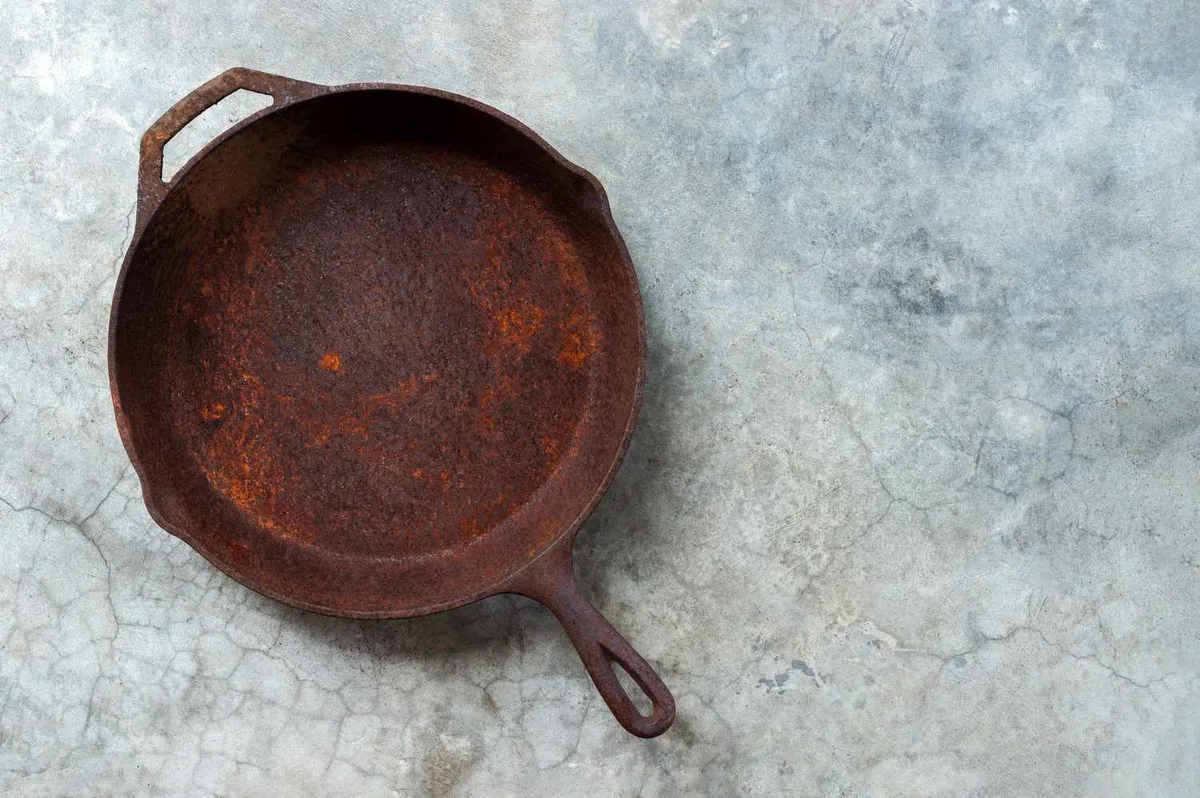
Level 1: Surface rust. Your grate looks dusty or slightly orange, but the metal feels smooth. You can scrape a fingernail across it and the rust only sits on top. The underlying surface is still intact.
This is the easiest fix and takes about 15 minutes.
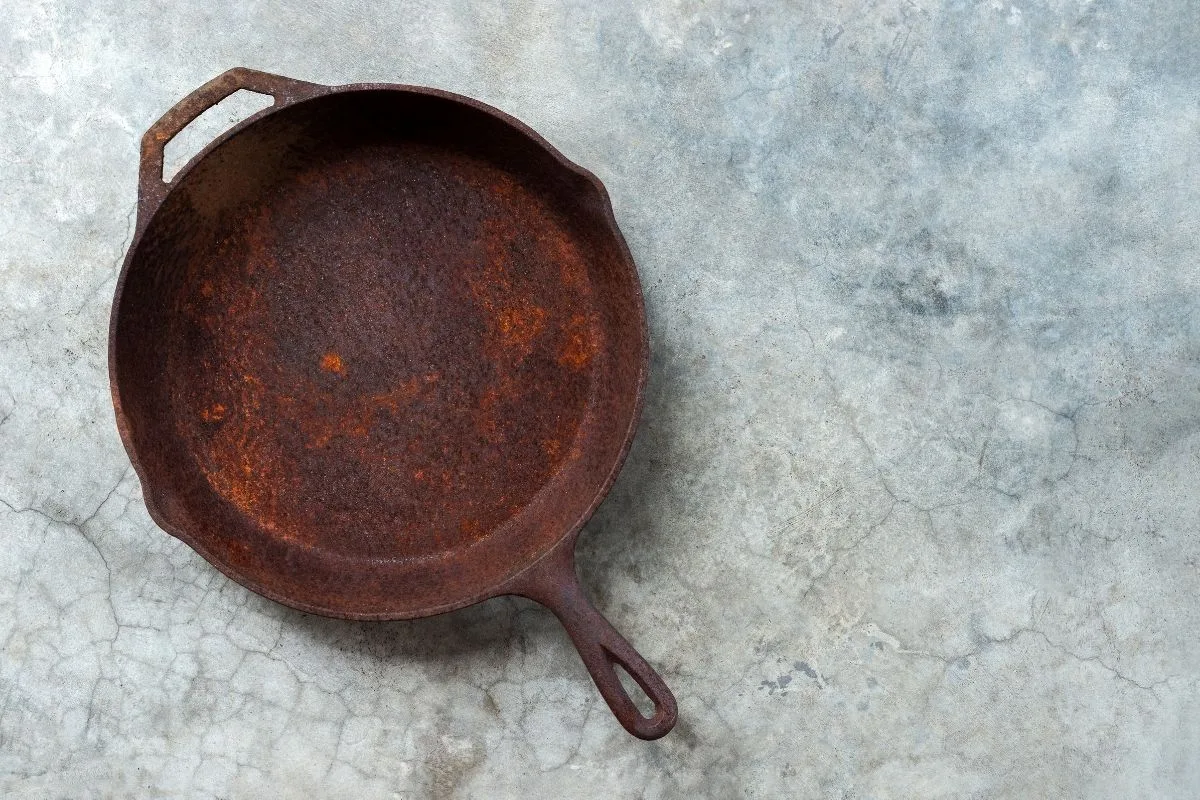
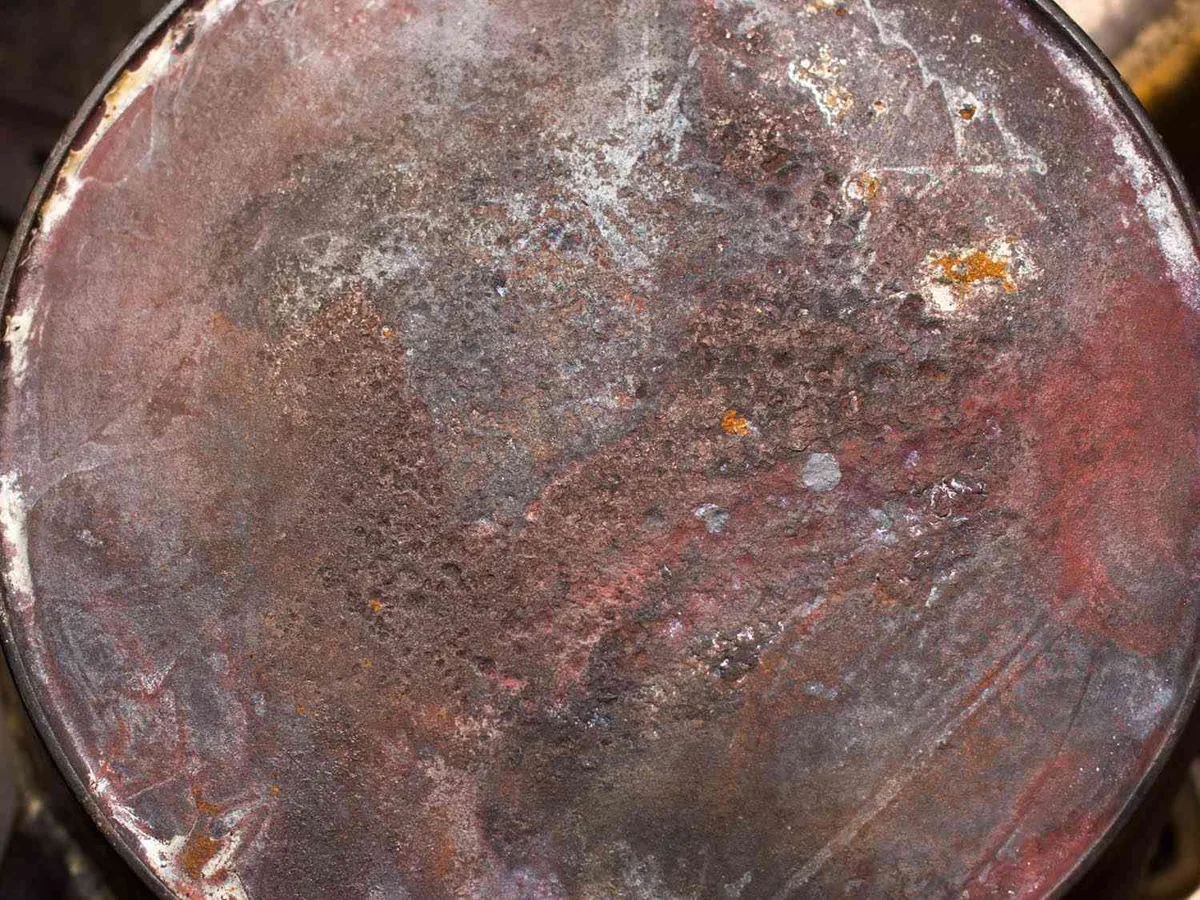
Level 2: Moderate rust. Rust has formed a rough layer. You can feel a texture change with your fingers. If you scratch it with a hard object, the rust flakes off but the metal beneath still has sharp edges.
The grate has not started to crumple or crumble yet. A vinegar soak or a stronger abrasive will work here.
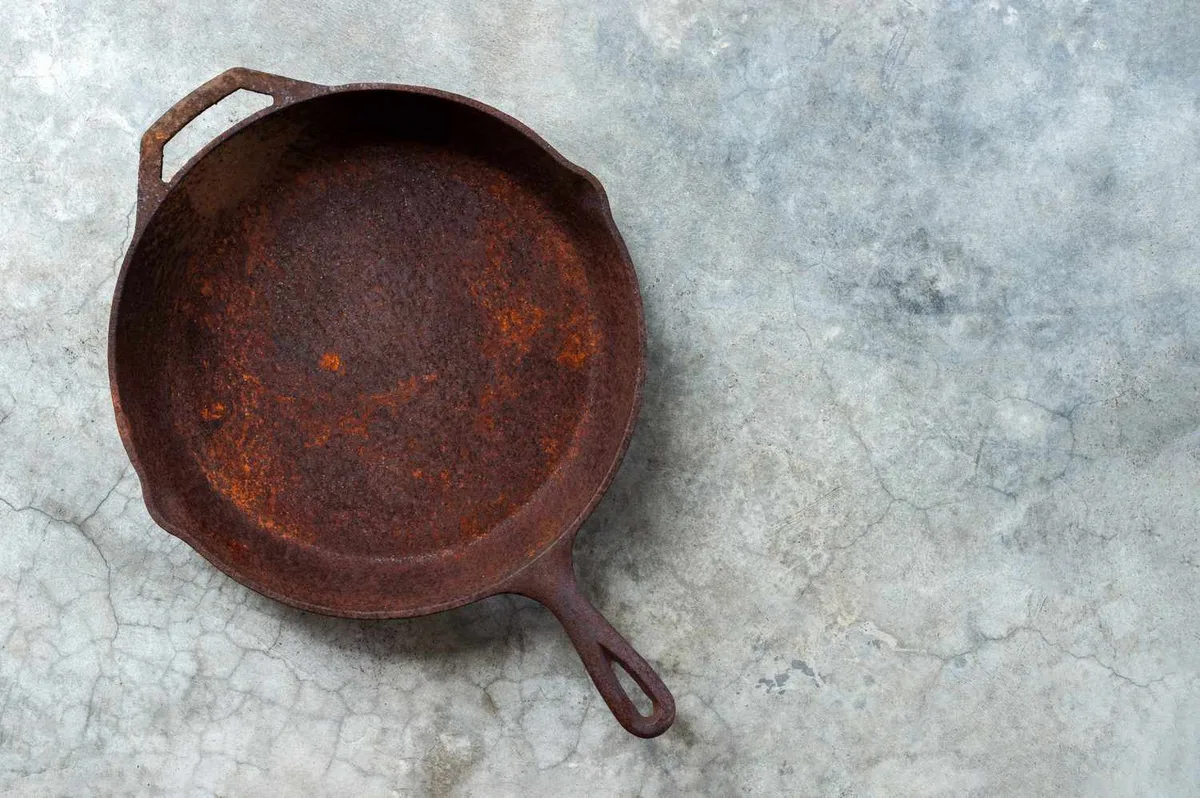
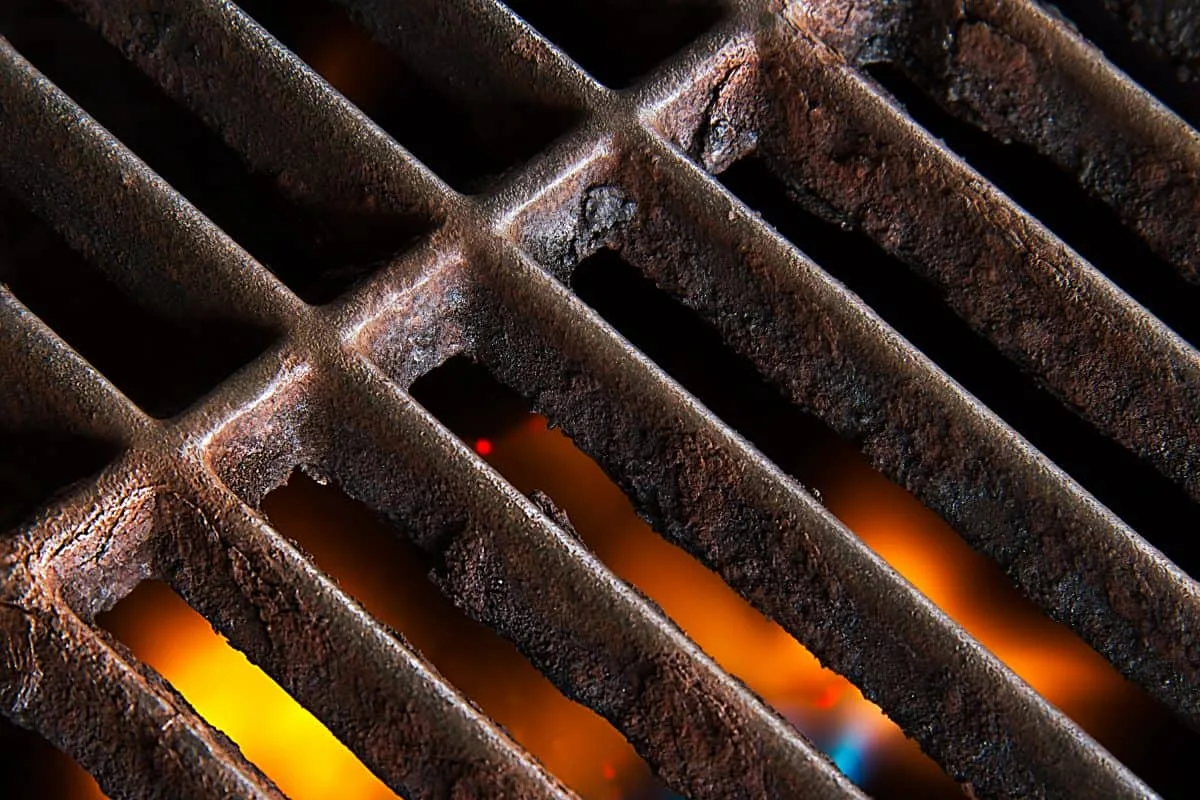
Level 3: Heavy or pitting rust. The grate is orange all over and the surface feels rough like sandpaper. You can see small holes or pits where the metal has literally been eaten away. When you tap it, bits of flaky rust fall off.
If the pitting is deep, the grate may have lost structural strength. In this case, you may need a commercial rust remover or even replacement.
How to check safely. Rub the grate with a paper towel. If the rust wipes off easily, it is light. If you need pressure, it is moderate.
If the towel comes away with sharp flakes or the grate feels lighter than it used to, it is heavy.
Decision guide. Light rust gets the 15-minute scrub. Moderate rust gets a soak. Heavy rust may require chemical removal or a new grate.
If the pitting is deeper than a quarter of an inch (about 6 mm) in any spot, per standard metalworking guidelines, the grate is compromised and should be replaced for safety.
The 15-Minute Fix for Surface Rust (Light Oxidation)
Light surface rust is common. It happens when you leave the grate uncovered overnight or skip a cleaning session. The good news is you can fix it in the time it takes to preheat your grill.
Here is what you need:
- Fine steel wool (grade 0000) or a mild abrasive pad
- Baking soda (about 2 tablespoons)
- Water (enough to make a paste)
- Dish soap (just a drop, only for the rust removal step)
- Paper towels or a lint-free cloth
- High-smoke-point oil (canola, grapeseed, or flaxseed)
The process.
Scrub with the baking soda paste. Mix the baking soda with a few teaspoons of water until it forms a thick paste. Apply it directly to the rusty areas. Scrub gently with fine steel wool or a pad. The paste acts as a mild abrasive that lifts the rust without scratching the base metal. Work in small circles. You will see the orange color fade quickly.
Rinse thoroughly. Use warm water and a drop of dish soap to wash off the paste and any loose rust. Rinse well until no soap residue remains. Soap strips cast iron seasoning, so it is only safe during the rust removal phase when you are starting fresh.
Dry immediately. This step is critical. Cast iron that sits wet for more than a minute can form flash rust, a cooperative orange film that appears out of nowhere. Use a paper towel to pat it dry, then place the grate in a warm oven at 200°F (93°C) for 10 minutes to evaporate any trapped moisture.
Apply a thin oil coat. While the grate is warm, rub it with a paper towel dipped in oil. Cover every surface, including the sides and the bottom bars. Then use a fresh towel to wipe off the excess. The surface should look almost dry, not greasy. Excess oil turns sticky and attracts dust.
Heat to set the seasoning. If your grill is handy, place the grate directly on the hot grill with the lid closed. Let it cook at 400°F (204°C) for 30 minutes. The oil will polymerize, forming a hard, nonstick layer. If the grill is not available, use an oven at the same temperature.
This method works because it removes rust without harsh chemicals. Aggregate reviews from cast iron users confirm that a baking soda scrub plus fresh seasoning can restore a lightly rusted grate in under a month of daily use. In our research, this is the safest approach for anyone who uses the grate for cooking directly over open flame.
When Rust Has Bite: The Vinegar Soak or the Hard Stuff (Moderate to Heavy Rust)
Moderate rust does not come off with a light scrub. You need an acid soak to break down the oxidation. This means using white vinegar diluted with water.
The standard ratio, backed by cast iron manufacturer documentation and common practice, is 1 part white vinegar to 1 part water. Full-strength vinegar is too aggressive and can etch the metal.
Steps for a vinegar soak.
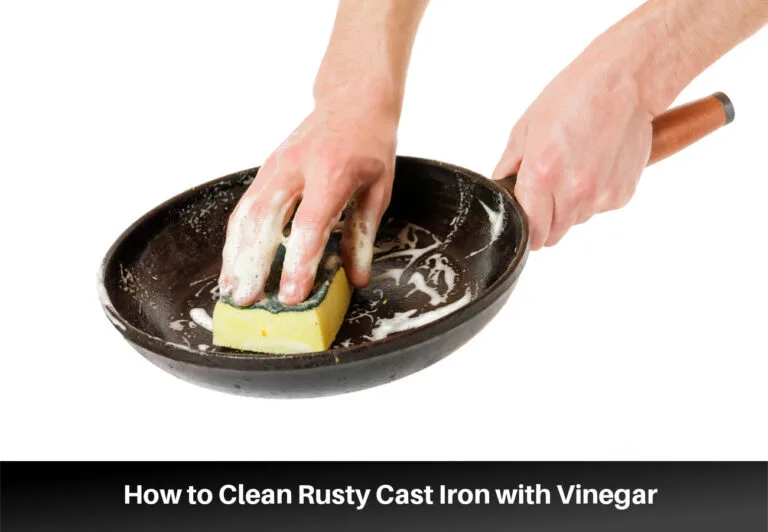
Soak for 30 minutes to 2 hours. Place the grate in a plastic container or a heavy-duty garbage bag. Pour the 1:1 vinegar and water solution over the grate so it is fully submerged. Check at the 30-minute mark. If the rust loosens easily with a brush, pull it out. If not, check every 30 minutes up to 2 hours. Do not leave it longer than 4 hours, vinegar weakens cast iron over time.
Scrub with a nylon brush or steel wool. After the soak, rinse the grate with water. Use a brush to scrub the loosened rust. It should come off easily. If you hit stubborn spots, use a baking soda paste (same ratio as above) to neutralize any residual acid and lift the rest.
Neutralize the acid. Mix a paste of baking soda and water. Rub it over the entire grate. Let it sit for 5 minutes. This stops the vinegar from continuing to work and protects the metal. Rinse thoroughly with warm water.
Dry immediately. Same rule as light rust. Pat dry with a towel, then place in a warm oven at 200°F (93°C) for 10 to 15 minutes. Do not skip. Flash rust forms within minutes if water sits.
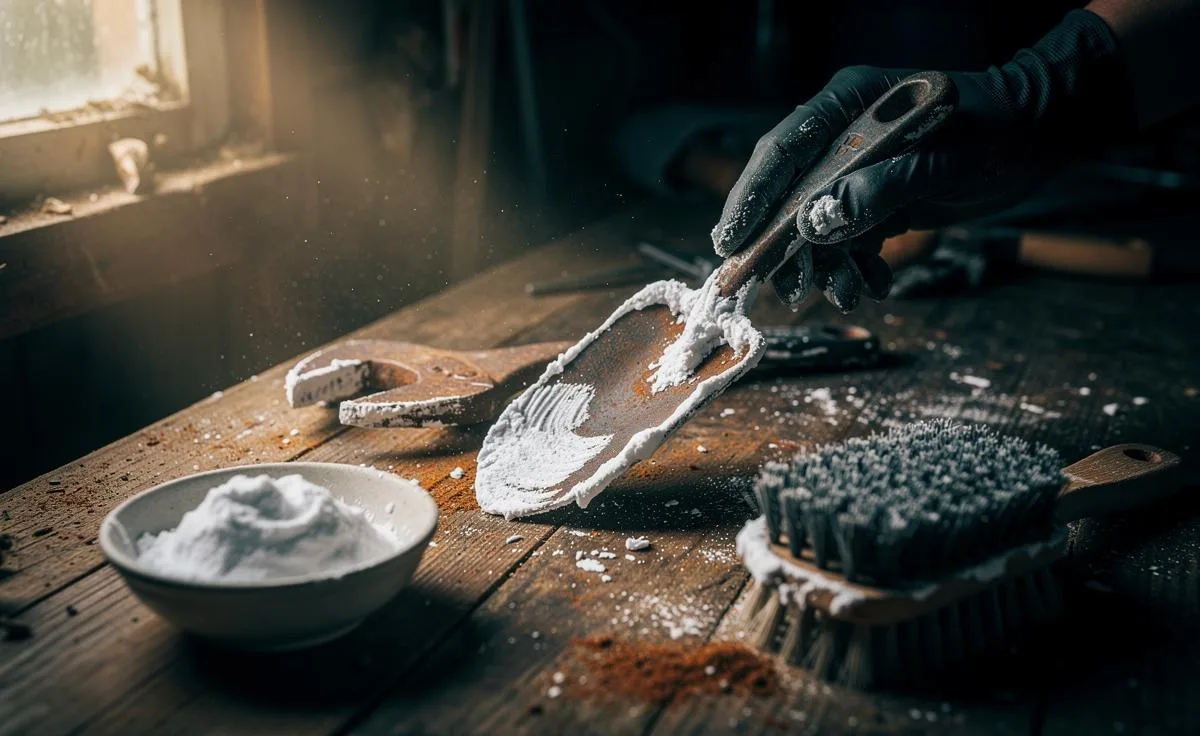
Image source: Bing (Web (fair-use with source credit))
What about heavy rust?
For heavy rust with visible pitting, a vinegar soak may not be enough. The acid cannot reach the bottom of deep pits. In our research, commercial rust removers specifically designed for cast iron (food-safe options like Evapo-Rust) can work, but they are slow and can be expensive.
A faster method is electrolysis, which uses a low-voltage current to lift rust. It requires a plastic bucket, a car battery charger, a sacrificial metal anode, and washing soda. This is more complex and is best left to people with some DIY experience.
If you try it, follow the safety steps: always add water before the washing soda to avoid splashing, and never use stainless steel as the anode because it produces toxic fumes.
If the pitting is deeper than 1/4 inch, the grate has lost too much metal. Replace it.
Sealing It Right: Re-Seasoning Your Grate So the Rust Stays Gone
After you remove the rust, the grate is raw metal. It will rust again in hours if not sealed. Seasoning does double duty: it creates a nonstick surface and a barrier against moisture and oxygen.
No oil layer equals returning rust. Period.
The seasoning process in four steps.
Clean the grate again. Even with a thorough rinse, there will be tiny metal particles and leftover acid. Wash the grate with mild dish soap and warm water. Rinse well. Dry immediately.
Apply the oil. Flaxseed oil gives the hardest surface, per cast iron cookware specialists, but it can flake over time. Canola oil is more durable and easier to find. Use a paper towel and apply a very thin coat to every surface, inside and out. Then use a clean dry towel to remove the excess. The grate should look like it has a matte finish, not a wet one.
Heat to smoke point. Place the grate in the oven or on the grill at a temperature 25°F (14°C) above the oil's smoke point. For canola oil, use 425°F (218°C) to 450°F (232°C). Leave it for 1 hour. The grate will turn dark and may release a sharp odor. That is normal. Open a window or run the exhaust.
Cool and repeat. Turn off the heat and let the grate cool completely inside the oven or grill. Repeat the oil, heat, and cool cycle 3 to 5 times. Each layer builds a harder, darker, more protective coating.
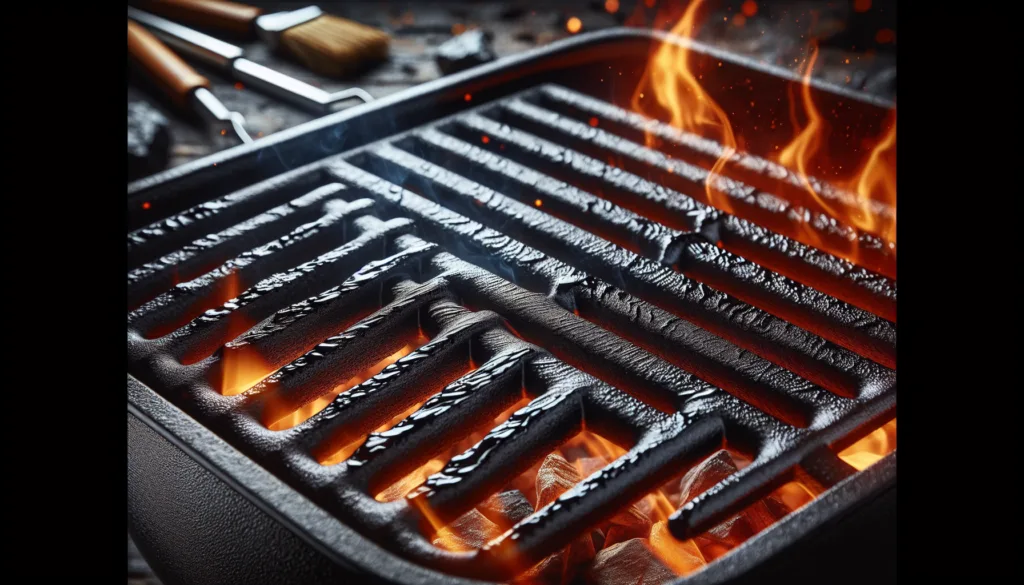
Image source: Bing (Web (fair-use with source credit))
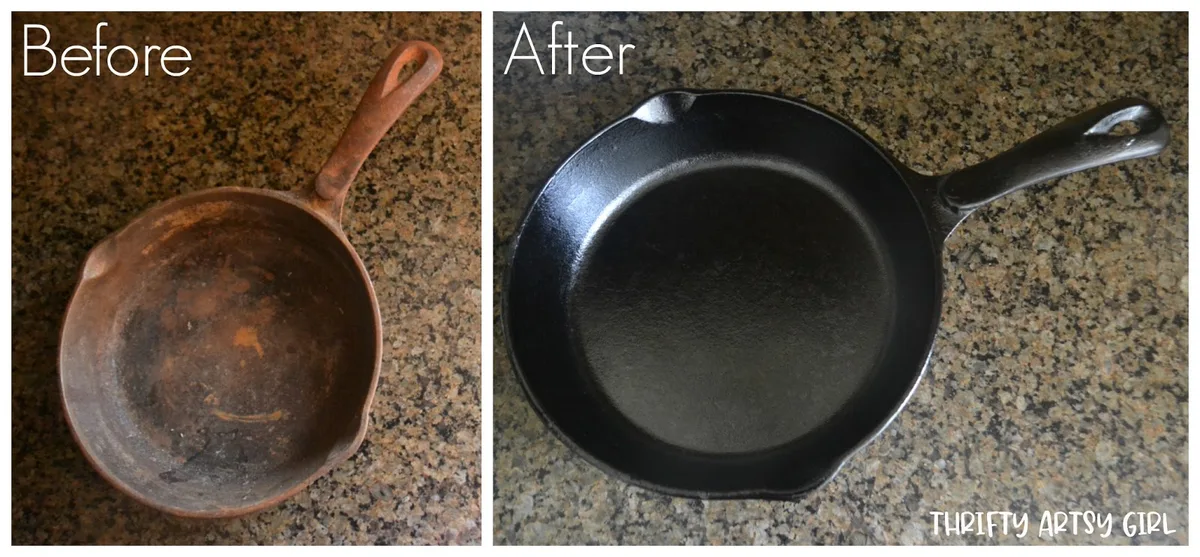
How to know when it is done. After the third coat, the grate should be a blackish-brown color. It should feel dry and smooth, not tacky. If you run a paper towel over it, nothing should wipe off.
If it feels sticky, you used too much oil on the final coat, or the temperature was too low. Wipe it off and run one more heat cycle.
One real-world note. Seasoning does not stay perfect. The first time you cook on it, the direct heat from the flames or coals will cause some flaking. That is normal.
As of 2026, cast iron grill grate seasoning typically lasts 5 to 10 cooking sessions before it needs a touch-up. The key is to oil the grate lightly after every cooking session. That habit alone prevents rust from forming in the first place.
The Roll Call of Mistakes (And How to Avoid Every One)
Most rusted grate problems come down to small missteps. Here are the six most common errors people make when trying to fix their grates.
Mistake 1: Soaking in vinegar too long. We said 2 hours max for a reason. Leaving cast iron in acid for 12 hours or overnight turns the surface into a pitted mess. The vinegar eats away good metal.
Set a timer. Be strict.
Mistake 2: Using soap on a seasoned grate. If you already have seasoning on your grate and just need to clean it, do not use dish soap. Soap breaks down the polymerized oil layer. Save the soap only for the initial rust removal step when you are starting from bare metal.
Mistake 3: Skipping the dry step. Water evaporates slowly from cast iron's porous surface. If you oil a wet grate, the moisture trapped underneath causes steam that lifts the seasoning off. Dry it in a warm oven or on a low grill for at least 10 minutes.
Mistake 4: Applying oil too thick. This is the most common rookie error. A thick oil layer does not season evenly. It forms a sticky, gummy surface that attracts dust and dirt.
Always wipe off as much as you put on. The grate should look oiled but not wet.
Mistake 5: Not heating the grate hot enough. Seasoning requires the oil to reach its smoke point. If you use 350°F (177°C) with canola oil (smoke point 400°F/204°C), the oil stays liquid and never bonds with the iron. The result is a tacky surface that rusts underneath.
Mistake 6: Ignoring the sides and bottom bars. Rust does not just live on the cooking surface. Moisture collects underneath and on the edges. When you season, coat everything.
Neglecting the underside means rust starts there. It eventually climbs to the top.

Similar Posts