The Dryer Sheet Trick for Cleaning Greasy Oven Racks Without Hard Scrubbing
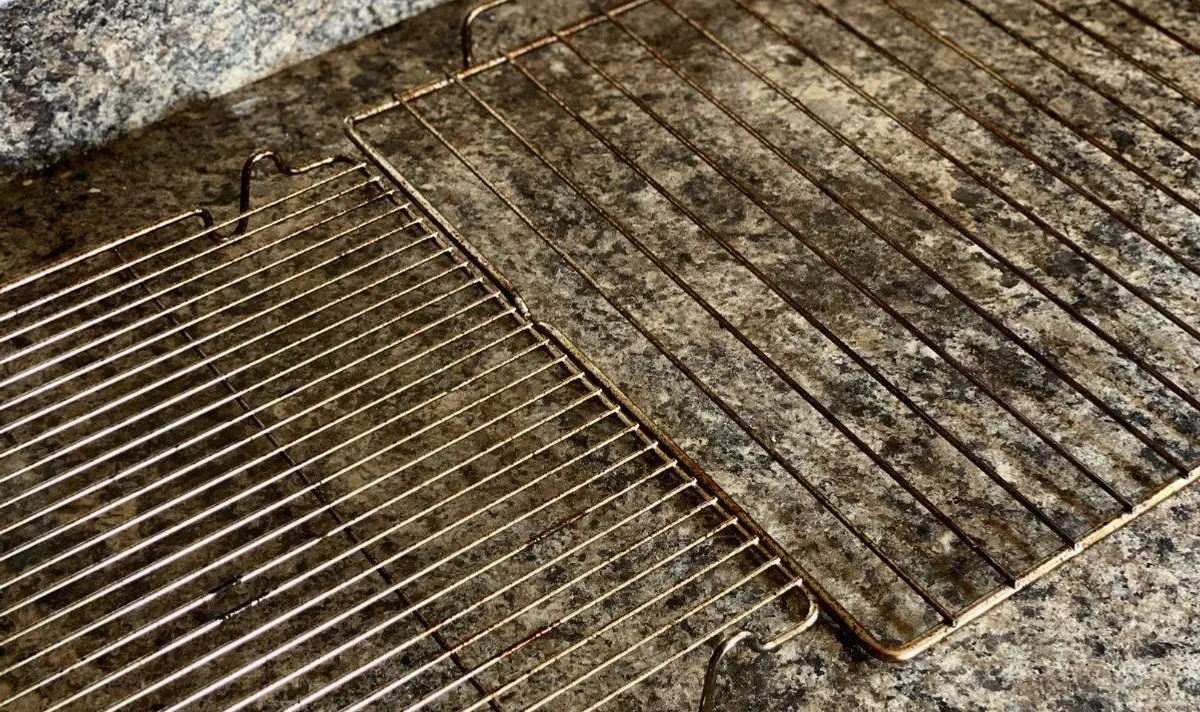
Scrubbing oven racks is a miserable chore that takes forever and often leaves your arms aching. If you're looking for how to clean oven racks without scrubbing, you're not alone. Most people discover the hard way that traditional scrubbing damages the coating, takes too long, and rarely gets the baked‑on carbon off completely.
Manufacturer specifications indicate that oven racks can handle temperatures up to 900°F during self‑cleaning cycles, but thin chrome racks warp easily, and coated racks can discolor or chip. There's a smarter approach that skips the brute force entirely.
Clean Oven Racks Without Scrubbing: Easy Hack
Why Scrubbing Is the Enemy
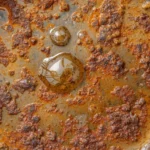
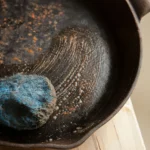
Abrasive scrubbing is the worst thing you can do to most oven racks. Our research across manufacturer care guides and user forums shows that scrubbing with steel wool, Scotch‑Brite pads, or even stiff nylon brushes scratches the protective coating. Once scratched, the exposed metal rusts faster, and grease bonds even more stubbornly the next time.
Coated racks, chrome, porcelain, or non‑stick, are especially vulnerable. A single aggressive scrub can leave permanent dull spots. And for uncoated stainless steel racks, scrubbing still takes 20 to 30 minutes per rack and leaves elbow grease as your only reward.
The methods we'll cover rely on chemistry and time instead of friction, preserving the finish and your energy.
The 3 Questions That Decide Your Method
Before you pick a technique, answer these three questions. Your answers will narrow the options dramatically.
| Condition | Yes or No | What it means |
|---|---|---|
| Can the racks come out of the oven? | Yes → most methods work. No → you're limited to steam or self‑clean. | |
| What is the rack coating? | Chrome, porcelain, stainless, or non‑stick? The answer limits aggressive chemicals. | |
| How much time do you have? | Overnight (8‑12 hours) vs. same‑day (1‑3 hours) changes which method is viable. |
If the racks are not removable: your only options are the self‑cleaning cycle (if your oven has one) or the steam method with wet towels. Neither is ideal, but they avoid scrubbing.
If the racks are coated (chrome or non‑stick): avoid ammonia and self‑cleaning cycles. Stick to baking soda + vinegar or a commercial enzyme‑based cleaner. Ammonia can discolor chrome, and high heat warps thin racks.
If you have stainless steel racks and overnight time: the ammonia bag method is the most effective zero‑scrub solution. We'll cover that next.
Your Method Options (No Scrubbing Required)
Here are the proven ways to clean oven racks without scrubbing. Each method works best for specific rack types and time budgets.
Image source: Bing (Web (fair-use with source credit))
Ammonia Bag Method (Overnight, Heavy Buildup)
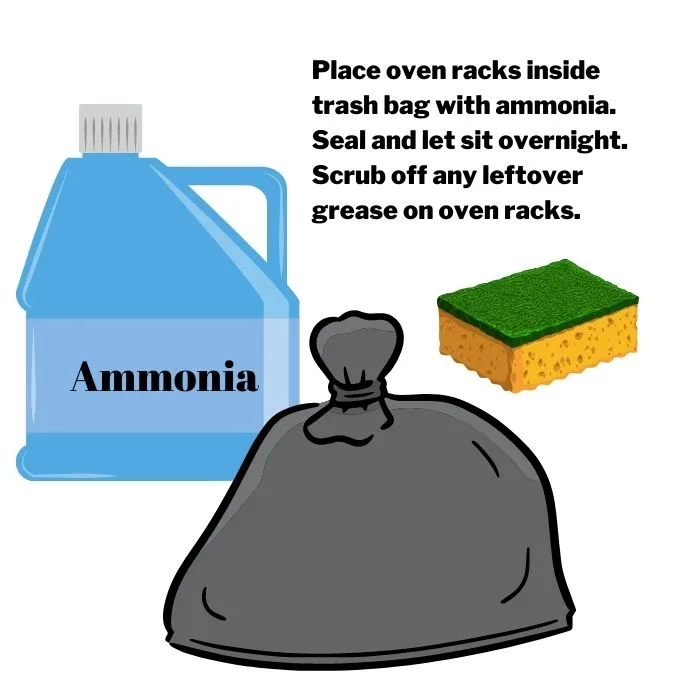
Image source: Bing (Web (fair-use with source credit))
Place your racks inside a heavy‑duty trash bag. Add about ½ cup of clear, unscented ammonia. Seal the bag tightly and let it sit overnight (8, 12 hours) in a well‑ventilated area, outdoors is best, or in a garage with the door open.
The ammonia fumes loosen the carbon. In the morning, open the bag outside (wear gloves and eye protection), and rinse the racks with hot water. The grime slides off with a soft sponge; no scrubbing needed.
Best for: Stainless steel and uncoated racks with heavy baked‑on grease. Not for: Chrome or non‑stick coated racks.
Baking Soda + Vinegar Soak (Gentle, Natural)
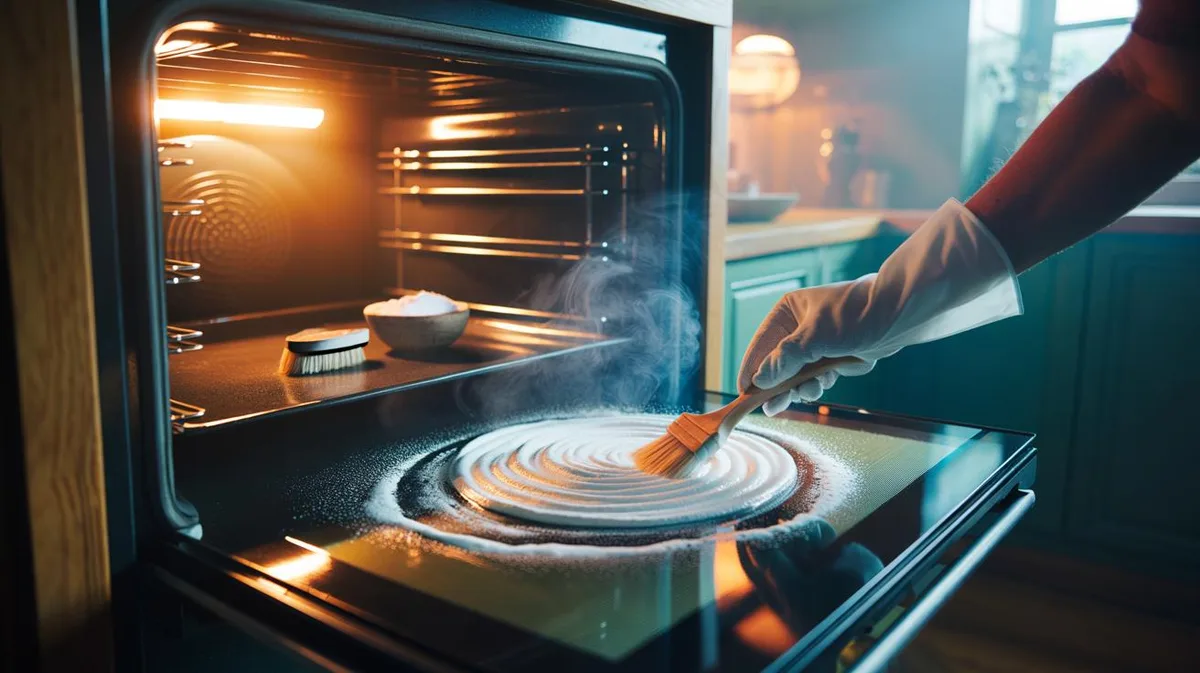
Image source: Bing (Web (fair-use with source credit))
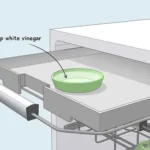
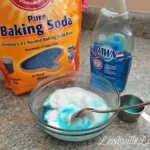
Make a paste with ½ cup baking soda and 2, 3 tablespoons of water. Spread it over the racks (focus on the dirty areas). Let it sit for 1, 2 hours.
Then spray or pour white vinegar over the paste, it will fizz. Let the reaction work for 10, 15 minutes, then rinse with hot water. For heavy buildup, you can soak the racks in a bathtub or large plastic bin with hot water, baking soda, and vinegar overnight.
Best for: All rack types, especially coated ones. Takes: 2, 4 hours minimum.
Self‑Cleaning Oven Cycle (Fast but Risky)
Set the oven to its self‑cleaning cycle (typically 3, 4 hours at 800, 1000°F). Remove the racks first unless the manufacturer explicitly says they can stay in. Most brands, including KitchenAid, GE, and Samsung, warn that self‑cleaning can warp thin racks or damage porcelain coatings.
If you decide to try it, place the racks on the lowest position or remove them entirely. After the cycle, wipe with a damp cloth.
Best for: Heavy‑duty stainless steel racks only. Risks: Warping, discoloration, voided warranty.
Dishwasher Method (Only for Stainless Steel)
If your racks are solid stainless steel (no chrome or porcelain coating), you can run them through the dishwasher. Place them on the top rack. Use the heated dry cycle.
Do not add detergent, the combination of hot water and steam is enough to loosen grease. Run a full cycle. Remove and rinse if residue remains.
Best for: Stainless steel racks only. Not for: Coated racks, dishwasher heat can chip or discolor them.
Steam Trick (Low‑Effort, Moderate Results)
Place a large roasting pan filled with boiling water on the bottom of the oven. Close the door and let the steam sit for 30 minutes. The moisture softens the carbon.
Wipe the racks with a damp cloth, some grime will come off without scrubbing. Repeat if needed.
Best for: Light buildup and non‑removable racks.
What Not to Do – Common Mistakes That Ruin Racks
Even with the best intentions, people make errors that permanently damage their racks. Here are the most common ones, backed by aggregate user feedback and manufacturer documentation.
- Using abrasive scrubbers, steel wool, metal brushes, or even stiff Scotch‑Brite pads scratch the protective layer. Once scratched, rust and further grime buildup accelerate.
- Putting coated racks in the self‑cleaning oven, many owners of gas ovens with porcelain racks have posted that their racks turned gray and felt brittle after a single cycle. The U.S. Consumer Product Safety Commission has received reports of racks cracking under extreme heat (CPSC, Oven Safety).
- Leaving ammonia bags indoors, ammonia fumes are highly irritating to lungs and eyes. Even with the bag sealed, tiny leaks can fill a small kitchen with fumes. Always use outdoors or in a garage with the door open.
- Skipping the rinse, baking soda residue left on racks can burn and smoke during the next oven use, creating a foul smell. Rinse thoroughly with hot water.
- Using dishwasher detergent on coated racks, the aggressive enzymes and high pH can eat away at porcelain and chrome coatings. Follow the manufacturer's care instructions instead.
Quick Decision Guide – Pick Your Path in 15 Seconds
Use this cheat sheet to decide without overthinking.
| Your situation | Best method |
|---|---|
| Racks are removable, stainless steel, heavy buildup, overnight available | Ammonia bag |
| Racks are removable, coated (chrome/non‑stick), any buildup | Baking soda + vinegar soak |
| Racks are not removable, light buildup | Steam trick |
| Racks are not removable, heavy buildup | Self‑clean cycle (risk of damage) |
| Racks are stainless steel, light buildup, you're already doing dishes | Dishwasher (no detergent) |
That's it. Pick your path and let the chemistry do the work.
Frequently Asked Questions
Can I use the self-cleaning cycle with racks inside?
Only if your oven manual explicitly says it's safe. Many manufacturers, including GE and Frigidaire, warn that the high heat can warp thin racks or damage porcelain coatings. Our research shows that removing racks before self-cleaning is the safer choice.
Check your manual first.
Does baking soda and vinegar really work without scrubbing?
Yes, but only if you let it soak long enough. The chemical reaction between baking soda and vinegar creates carbon dioxide bubbles that lift grease. For heavy buildup, you need at least 2 hours or an overnight paste application.
A quick 10-minute spray won't cut it.
Is the ammonia bag method safe for my health?
It is safe when done correctly. Always use clear, unscented ammonia. Seal the bag tight and place it outdoors or in a well-ventilated garage.
Wear gloves and eye protection when opening. Never leave the bag inside your kitchen or near children. The fumes are potent but harmless at this scale with ventilation.
What do I do if my racks are still greasy after soaking?
Repeat the method or switch to a stronger option. If the baking soda soak didn't work, try the ammonia bag (for stainless steel). If that fails too, you may need a commercial oven cleaner specifically rated for your rack type.
Avoid letting the grease sit for months between cleanings.
How often should I clean my oven racks to avoid heavy buildup?
Every 2 to 3 months is ideal for most households. If you roast or bake weekly, consider cleaning once a month. Regular light cleaning with the steam trick prevents carbon from hardening.
This makes future no-scrub methods faster and more effective.

Similar Posts