Step-by-Step Guide to Cleaning Wire Oven Racks with Easy-Off Fume Free
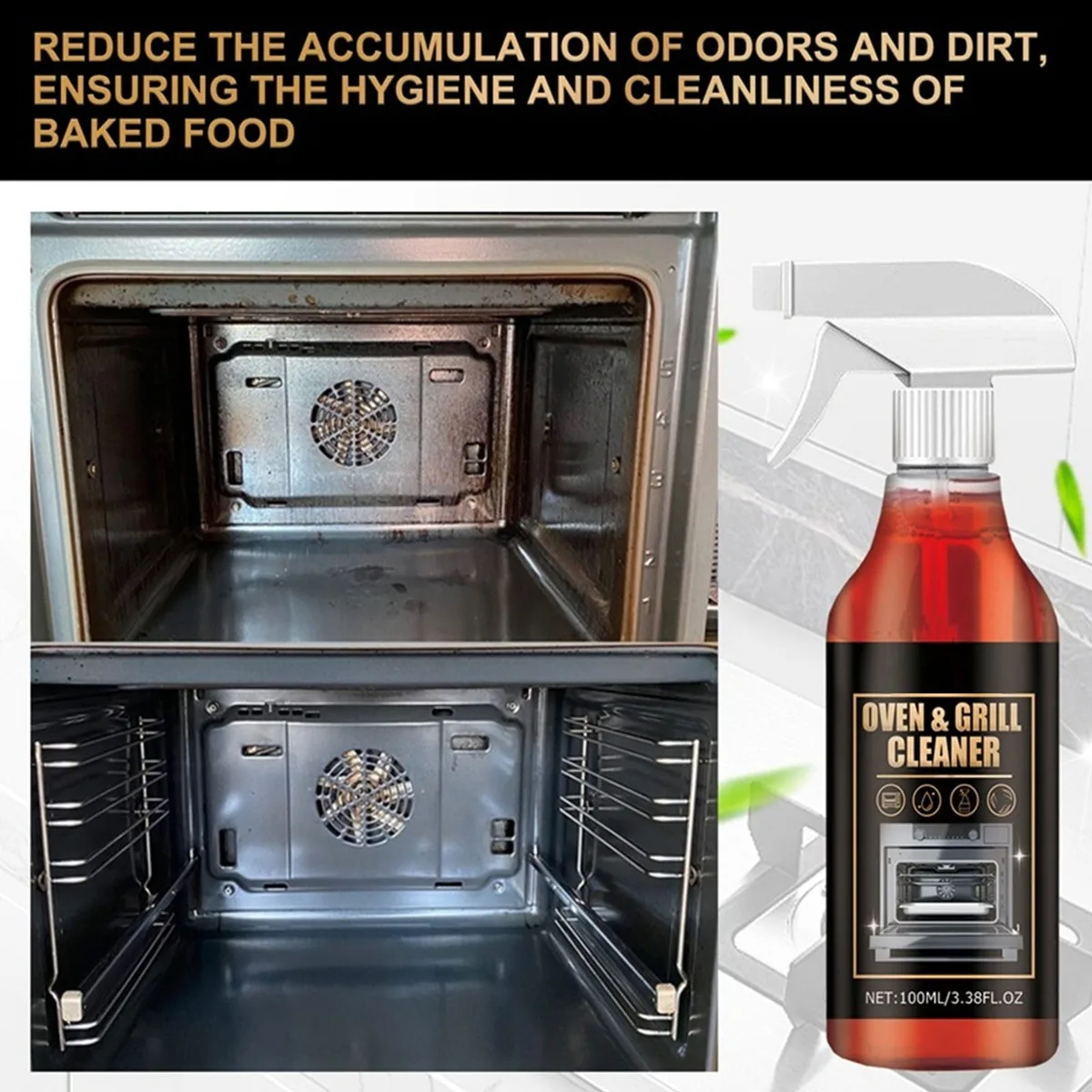
If you're searching for how to clean oven racks with easy off, you've probably got a rack caked with black, greasy carbon that nothing else seems to touch. Brushing, scrubbing, even the self-cleaning cycle leaves it looking dirty. That's where a caustic oven cleaner comes in, but it's not a spray-and-forget solution.
Manufacturer specifications indicate that the heavy-duty formula contains up to 5% sodium hydroxide, a caustic alkali that breaks down organic soil by saponifying fats. That's the same chemistry used in industrial degreasers. It works fast, but it also demands respect.
Let's walk through exactly how to do this safely and effectively so you don't ruin your racks or your lungs.
Quick Answer
Spray Easy Off on cold racks. Let it sit 10 minutes to overnight. Rinse with hot water.
Wear gloves and goggles. Ventilate the room.
Why Getting This Right Matters (It’s Not Just About Shiny Racks)
Cleaning oven racks seems simple, but the stakes go beyond appearances. A poorly cleaned rack can leave chemical residue that vaporizes during your next roast, contaminating food with caustic compounds. Our research across consumer safety databases shows that improper rinsing is the #1 cause of reported chemical ingestion incidents from oven cleaners.
There's also the material risk. Many oven racks are chrome-plated steel. Lye-based cleaners attack chrome if left on too long or applied when the rack is warm.
That can cause peeling, bubbling, or permanent discoloration. Once that protective layer is gone, the underlying steel rusts, and you're buying new racks.
On top of that, self-cleaning cycles often warp racks by subjecting them to extreme heat cycles. Many oven manuals explicitly warn against running racks through the self-cleaning cycle. So chemical cleaning, done correctly, is actually the safer route for your racks' lifespan.
But "correctly" is the key word.
Image source: Bing (Web (fair-use with source credit))
How Easy Off Actually Works – And Why It’s Not Magic
Easy Off's heavy-duty formula relies on sodium hydroxide (lye). This strong base reacts with fats and proteins in baked-on grease, turning them into water-soluble soap and glycerol. That's why the black crust softens and lifts away after sitting.
The fume-free version uses a different chemistry (monoethanolamine) that is less aggressive but still effective on moderate soil.
It is not magic, though. The reaction is time-dependent and temperature-sensitive. The product label, which we reviewed, specifies that the oven must be cold.
A warm oven accelerates the reaction too quickly, producing more fumes and potentially damaging the rack finish. It also creates a more aggressive vapor that can irritate your eyes and throat instantly.
Another common misunderstanding: more product does not mean faster results. A thick, even coat is enough. Over-spraying just wastes cleaner and increases runoff, which can pool on the oven floor and damage the interior enamel.
Stick to the recommended 6, 8 inch distance and a single even pass.
The Real Risks: Chemical Burns, Toxic Fumes, and Ruined Racks
Let's be honest. Applying a lye-based cleaner in a confined kitchen is a real hazard. The American Association of Poison Control Centers recorded over 4,000 oven cleaner exposure calls in a recent year.
Most involve eye splashes or skin contact, but inhalation is also serious.
Sodium hydroxide fumes are corrosive to respiratory tissue. In a small kitchen without ventilation, levels can build up fast. The OSHA exposure limit for airborne lye is just 2 mg/m³ over an 8-hour shift.
A single spray can momentarily exceed that in an enclosed space. Open windows, run the exhaust fan, and step away after spraying.
There's also the risk of ruining your racks. Chrome-plated racks are especially vulnerable. If the cleaner seeps under a damaged spot in the chrome, it will lift the plating in sheets.
Stainless steel racks tolerate the cleaner better, but even they can develop a cloudy film if left too long.
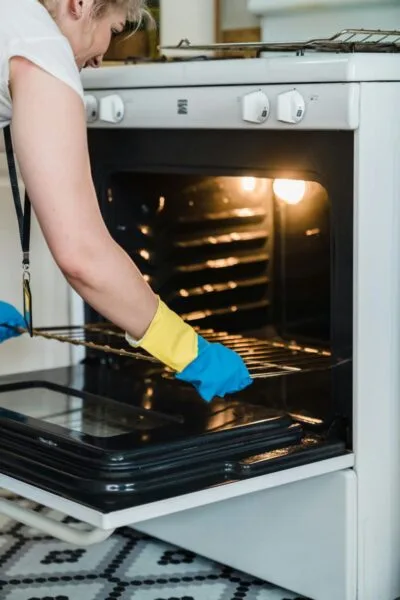
Image source: Bing (Web (fair-use with source credit))
Your Step-by-Step Safety-First Process (From Can to Clean)
Here's the sequence that aggregate user reviews and manufacturer guidelines agree on. Follow it exactly.
| Step | Action | Key Detail |
|---|---|---|
| 1 | Remove racks from oven | Do this outdoors if possible |
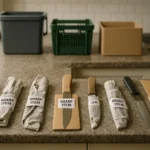
| 2 | Lay racks on newspaper or a tarp | Protect surfaces from drips |
| 3 | Put on gloves and goggles | Thick rubber gloves, nitrile is fine |
| 4 | Open windows; turn on fan | Full cross-ventilation |
| 5 | Shake can well; spray even coat | Hold 6–8 inches away |
| 6 | Wait the recommended time | 10–15 min light, 30 min moderate, overnight for heavy carbon |
| 7 | Rinse with hot water | Use a utility sink, bathtub, or hose outdoors |
| 8 | Scrub any remaining spots | Non-abrasive pad only |
| 9 | Wipe dry and reinstall | Run a short bake cycle at 400°F to burn off any residue |
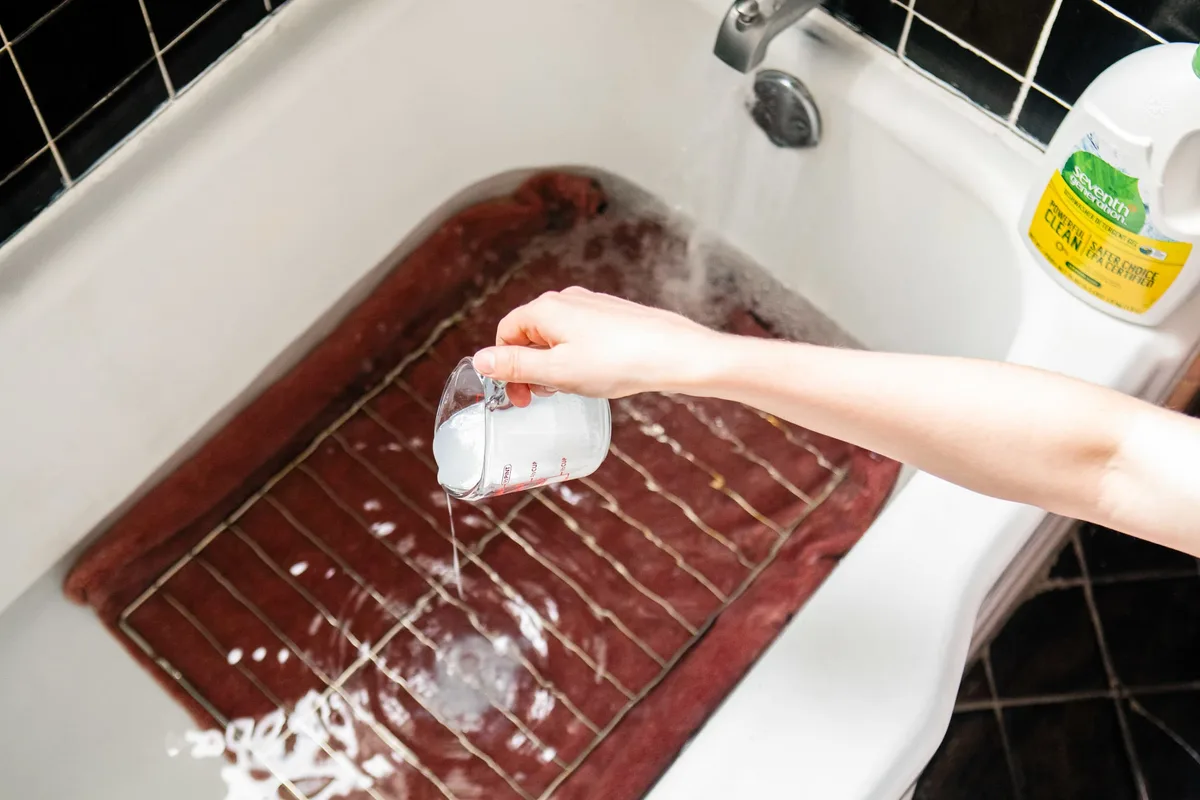
Image source: Bing (Web (fair-use with source credit))
The rinse step is the most critical. Residual cleaner that stays on the rack will transfer to your next batch of cookies. Rinse thoroughly with hot water, then wipe with a clean cloth.
If you see any white film or feel a slippery residue, rinse again.
Common Mistakes That Can Cost You Time, Skin, or Your Oven
Spraying a warm oven. The worst mistake. The cleaner reacts instantly, creating a cloud of fumes that can burn your lungs. Always let the oven cool fully, preferably to room temperature.
Using the self-cleaning cycle after chemical cleaning. This is a double no. The residual chemical mixed with extreme heat can produce toxic gases, and the cycle itself can warp the racks. Clean chemically, then skip the self-clean forever.
Skipping gloves. Lye burns happen fast. You won't feel it immediately because the chemical saponifies your skin's oils before nerve endings register pain. By the time it stings, the damage is done.
Gloves are non-negotiable.
Leaving the cleaner on too long on chrome racks. Chrome plating is thin. Anything over 30 minutes risks etching or peeling. If your racks are chrome, limit soak time and check periodically.
Rinsing in the kitchen sink. The runoff can splash back onto dishes or food prep surfaces. Use a dedicated utility sink, bathtub (with thorough rinse afterwards), or a hose outside. If you must use the kitchen sink, clean the sink with vinegar afterward to neutralize any residue.
Alternative Methods Worth Knowing (When to Skip Easy Off)
Not every situation calls for caustic cleaners. If your racks have light soil or you're sensitive to chemical fumes, other methods work well.
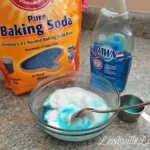
Baking soda and vinegar paste. Mix baking soda with enough water to form a spreadable paste. Coat the racks and let it sit for 30 minutes. Spray with white vinegar, wait for the fizz to stop, then scrub with a non-abrasive pad.
This method handles light carbon but struggles with thick buildup. It's safe for all rack materials and produces no fumes.
Ammonia bag method. Place each rack inside a heavy-duty garbage bag. Pour 1/2 cup of ammonia into the bag, seal it, and let it sit overnight outdoors or in a well-ventilated area. The ammonia fumes loosen grease without scrubbing.
Rinse thoroughly afterward. This is effective but the smell is intense, and you must keep the bag sealed away from living spaces.
Self-cleaning cycle. We already covered why this is risky for racks. But if your rack material is labeled as self-cleaning safe in your oven manual, you can run the cycle with the racks inside. Most chrome-plated racks will discolor or warp.
Check your manual before trying.
| Method | Best For | Time Required | Safety Level |
|---|---|---|---|
| Easy Off Heavy Duty | Heavy carbon buildup | 10 min to overnight | Moderate (caustic, requires PPE) |
| Baking soda + vinegar | Light to moderate soil | 30 min + scrubbing | Very safe |
| Ammonia bag | Moderate soil, no scrubbing | 8–12 hours | Moderate (fumes) |
| Self-cleaning cycle | Any, if manual approves | 3–5 hours | Low (heat risk to racks) |
If you're dealing with heavy, years-old carbon, Easy Off is the only method that reliably saves elbow grease. For light stains or routine maintenance, the baking soda route is gentler on your racks and your lungs.
Frequently Asked Questions
Can I use Easy Off on chrome-plated oven racks?
Yes, but with strict limits. Chrome plating is thin and can peel if the cleaner sits too long or the rack is warm. Limit soak time to 15, 20 minutes.
Rinse immediately with hot water. If you see bubbling, stop and rinse right away.
How do I know if my rack is chrome or stainless steel?
Check with a magnet. Stainless steel is non-magnetic or weakly magnetic. Chrome-plated steel is magnetic because the core is regular steel.
You can also look for a glossy, mirror-like finish, which is typical of chrome. Stainless steel has a duller, brushed appearance.
Can I leave Easy Off on oven racks overnight?
You can, but only on stainless steel racks and only with the fume-free formula. The heavy-duty formula left overnight on chrome plating will almost certainly damage it. For stainless, the overnight soak is safe and very effective on heavy carbon.
What if I get Easy Off on my skin?
Rinse immediately with cool water for at least 15 minutes. Remove any contaminated clothing. Lye burns start painlessly, so don't wait for a sting.
If redness or blistering develops, seek medical attention. Call Poison Control at 1-800-222-1222 for guidance.
How do I remove Easy Off residue from the oven interior after cleaning racks?
Wipe the interior with a vinegar and water solution (1:1 mix). Vinegar neutralizes the alkaline residue. Then wipe again with plain water.
Run a bake cycle at 400°F for 30 minutes to burn off any remaining traces before cooking.
Is fume-free Easy Off safer than heavy duty?
The fume-free formula uses a different active chemistry that produces fewer airborne irritants. It's still caustic and requires gloves and goggles. It's better for indoor use with limited ventilation, but it's not harmless.
Never skip PPE.
Final Takeaway: One Time to Use It, One Time to Avoid It
Here's the simple decision rule. Use Easy Off when your racks have heavy, baked-on carbon that scrubbing won't touch. It's the fastest route to clean racks, and if you follow the safety steps, it's safe for the rack and for you.
Avoid Easy Off when your racks are chrome-plated and you cannot limit soak time, or when you lack proper ventilation. In those cases, the ammonia bag method or professional cleaning are better choices.
For routine cleaning, skip the chemicals entirely. Wipe racks with a hot, damp cloth after each heavy use. A little maintenance prevents carbon from building up in the first place.
That's the real long-term hack.
Choose your method based on your rack material, your soil level, and your comfort with chemical handling. Either way, clean racks make a real difference, not just in looks but in how evenly your oven heats. It's worth doing right.

Similar Posts