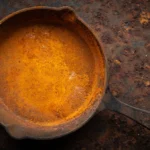
How to Remove Rust From an Enamel Dutch Oven
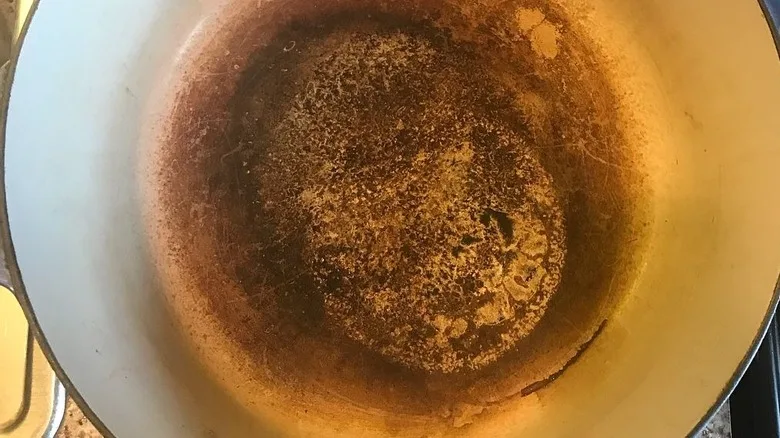
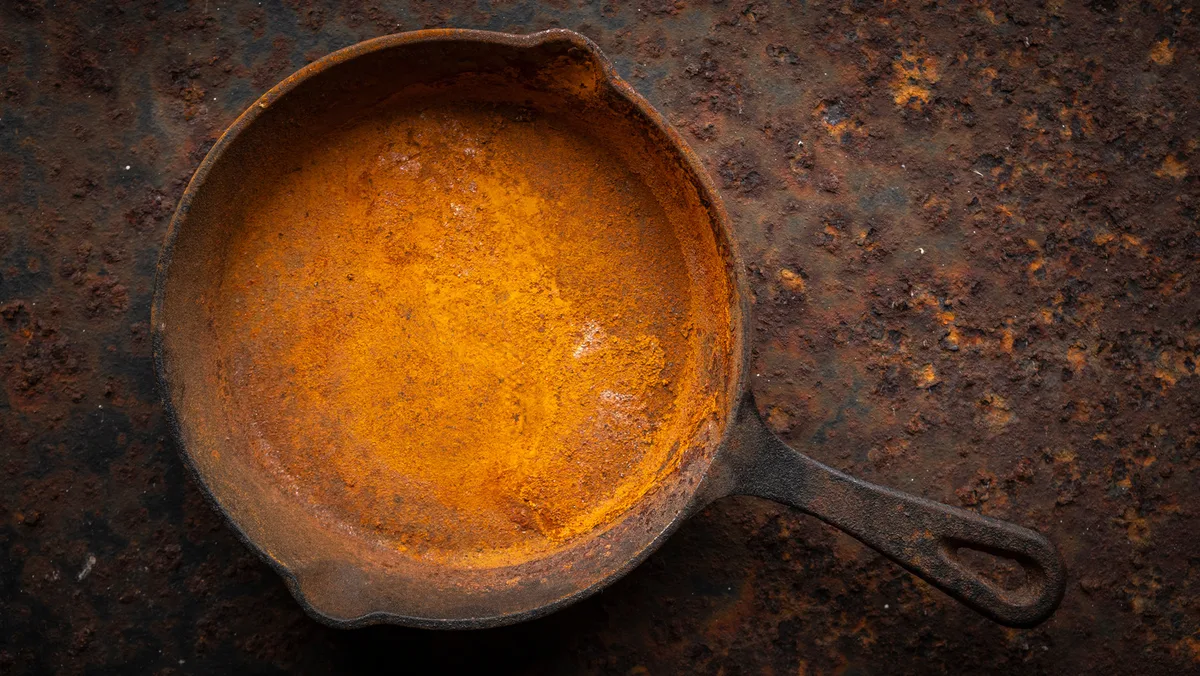
If you've spotted orange rust on your enamel Dutch oven, take a breath before grabbing the steel wool. Here's the reality: you can safely remove most rust without damaging the pot, but only if you know what you're really dealing with. The exact method depends on whether the rust is sitting on top of the enamel or coming from exposed cast iron underneath.
Manufacturer specifications from leading enameled cast iron makers confirm that the porcelain enamel coating is glass fused to iron at roughly 1,500°F. That makes it very durable, but also vulnerable to scratches from abrasives. Get the diagnosis right, and the fix takes under 30 minutes.
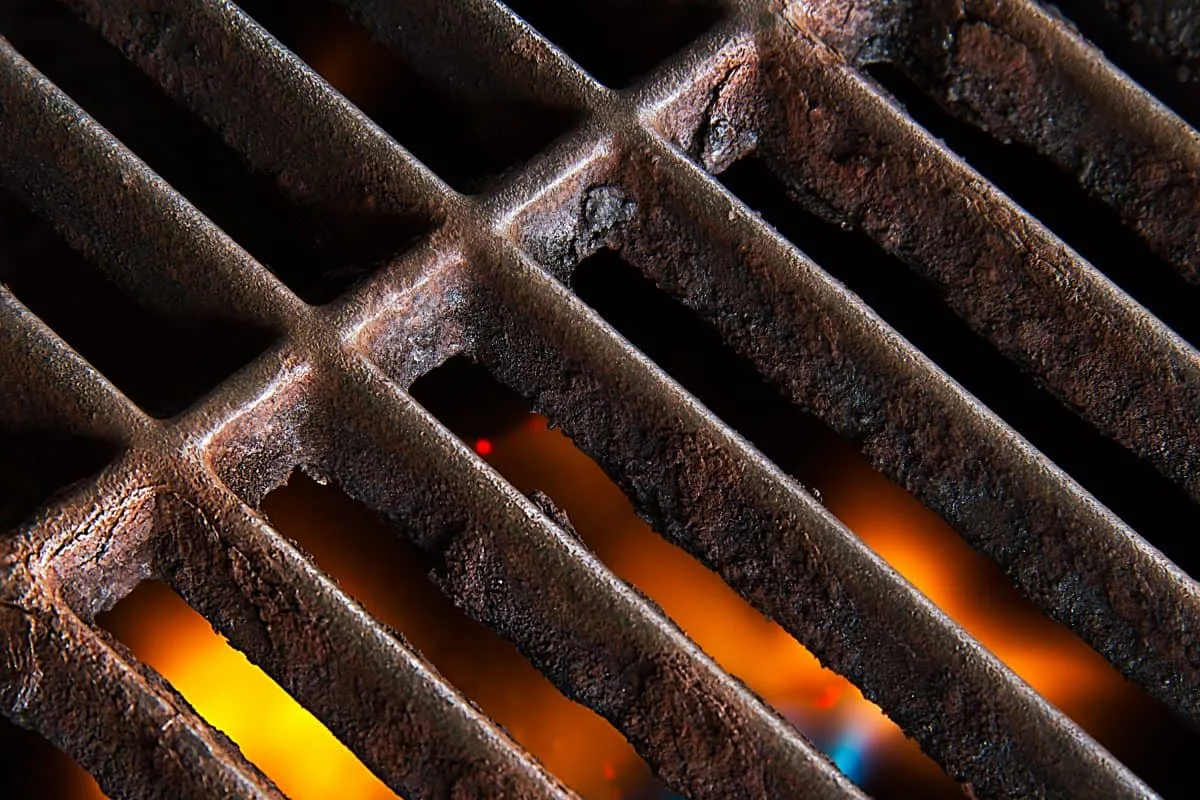
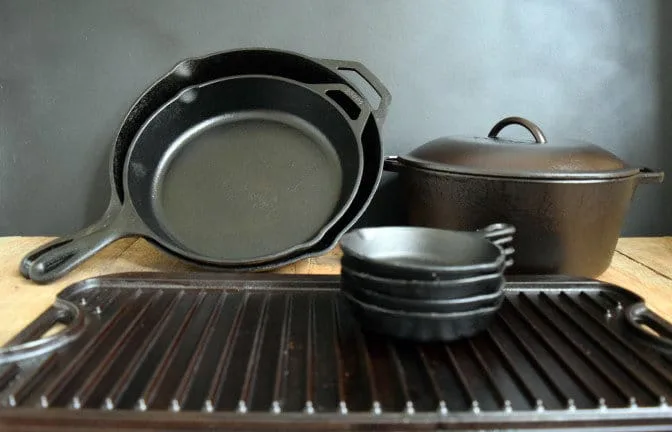
Image source: Bing (Web (fair-use with source credit))
Quick Answer
First identify where the rust is. Surface stains on intact enamel need a gentle cleaner. Rust on exposed cast iron needs careful cleaning and oiling.
Always match your method to the material for safe results.
The Decision Tree: Rust Stain, Exposed Cast Iron, or Damage?
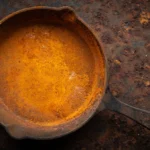
Here's the most important thing to understand: enamel itself does not rust. The glass coating on your Dutch oven is chemically inert. What you're seeing is either a surface stain sitting on top of the enamel or actual iron oxide forming where the enamel has chipped or worn away.
Run this quick three-question check before you do anything else.
Question 1: Is the rust on the rim of the lid or the pot? Both Le Creuset and Staub leave the rim edge unfinished, it's bare cast iron. Any rust you see there is coming from exposed metal, not the enamel. That needs a different fix than a stain does.
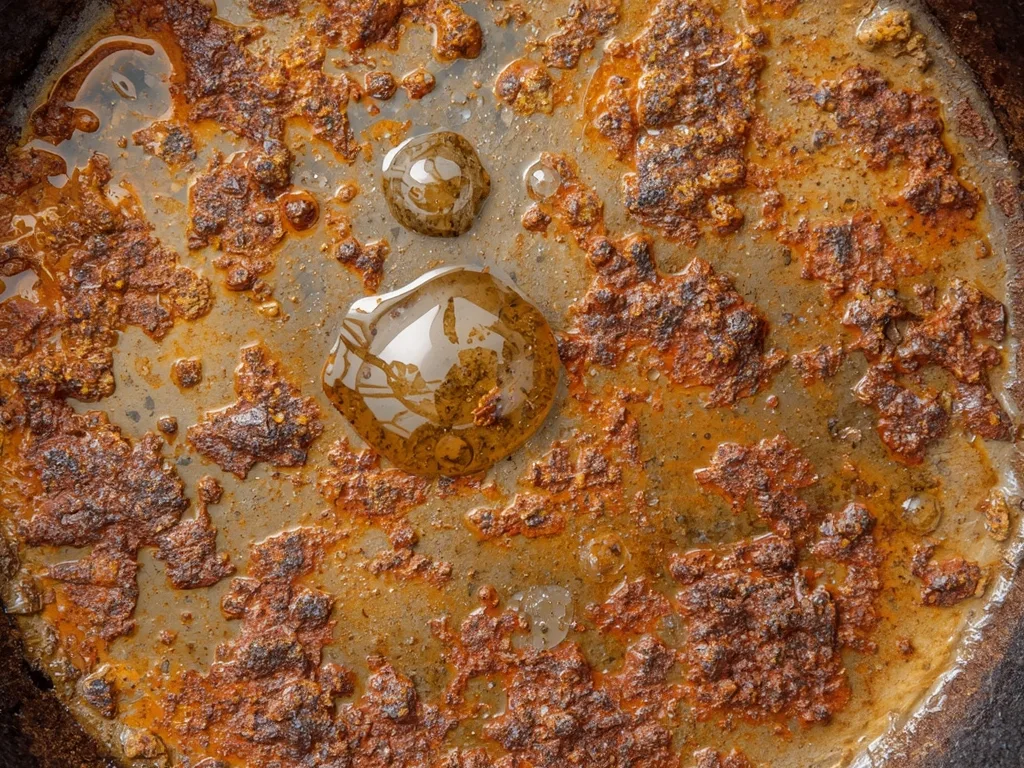
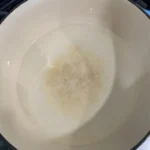
Question 2: Does the rusted area feel rough or raised? Run your fingernail across it. A smooth surface means the stain is sitting on the enamel, it'll wipe off. A rough or pitted spot means the enamel is compromised, and you're seeing rust from the iron underneath.
Question 3: Do you see any chips, cracks, or dark spots? If the answer is yes, stop and skip to the replacement check section below. Chipped enamel is not a rust problem, it's a structural issue.
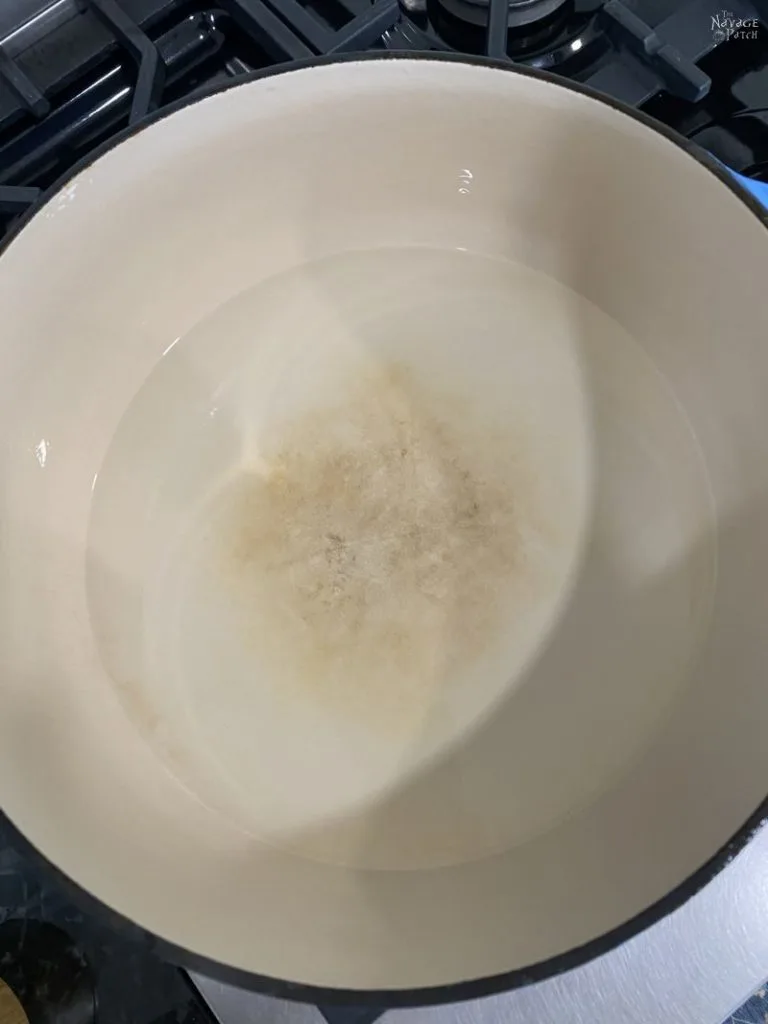
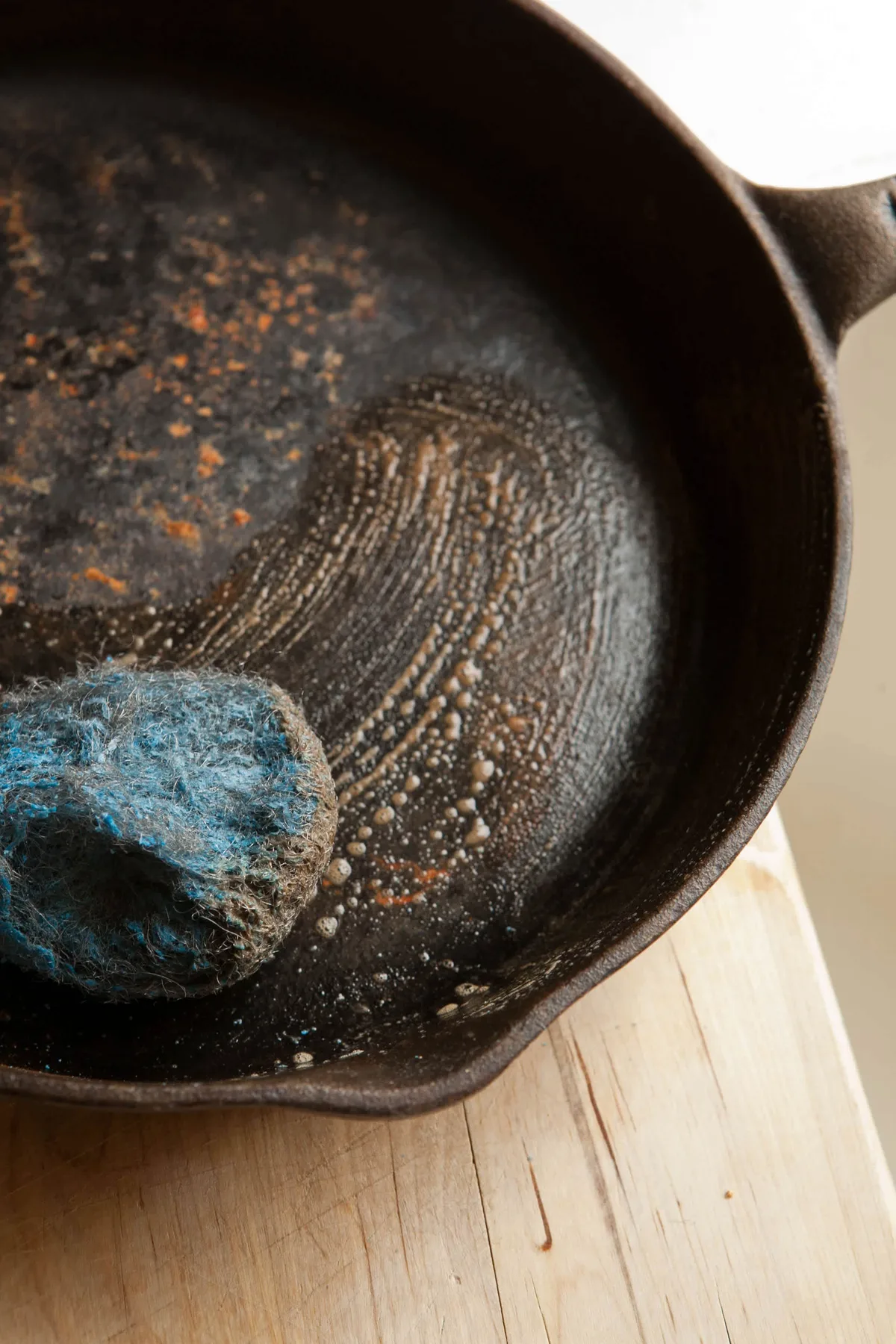
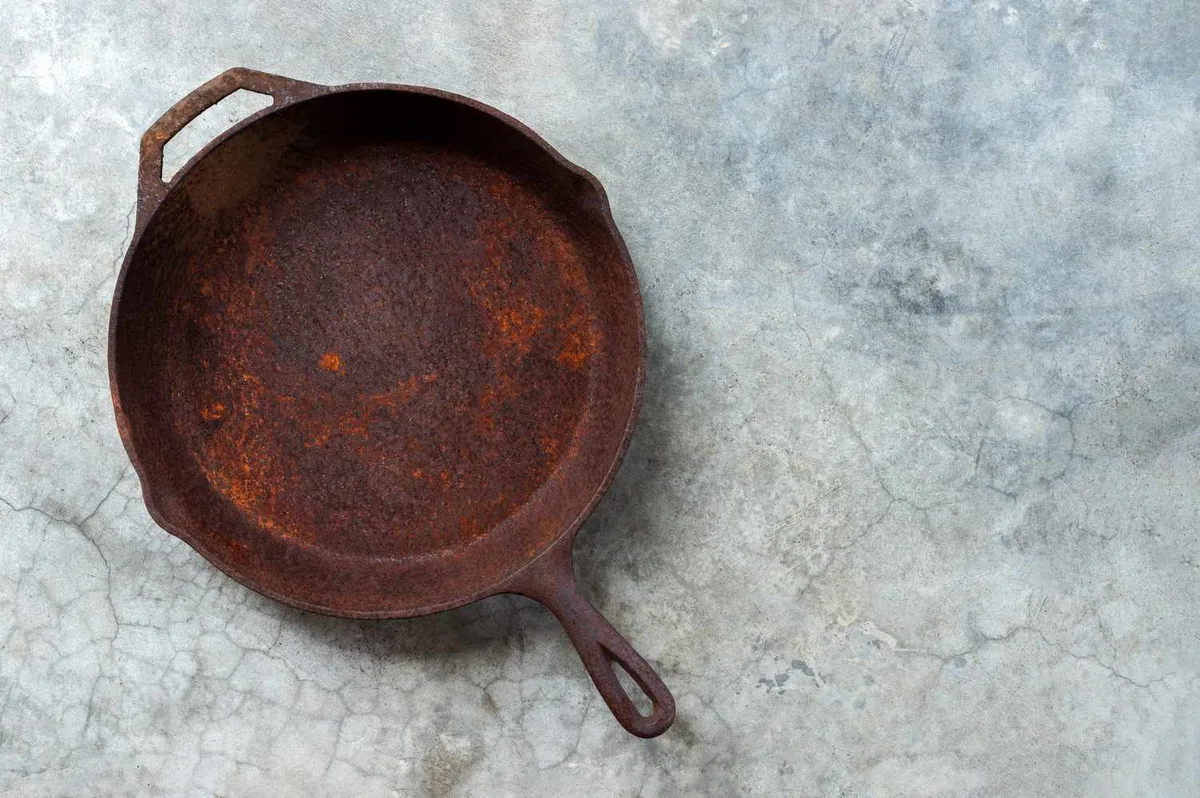
Image source: Bing (Web (fair-use with source credit))
What each result means
| Condition | What it actually is | The right approach |
|---|---|---|
| Smooth orange or brown mark on white/cream enamel | Mineral deposit or surface rust stain from an outside source | Gentle cleaner: baking soda paste or oxalic acid |
| Orange/red rust on the rim edge | Exposed cast iron reacting to moisture | Clean with mild abrasive, dry thoroughly, lightly oil |
| Rough, flaking area with rust underneath | Chipped enamel exposing the iron base | Stop using the pot — this is not fixable at home |
| Small dark pit with rust inside | Deep scratch or pinhole in the enamel | Apply oil to the spot, monitor for growth. If it spreads, replace |
This decision tree saves you from scrubbing a rim that just needs oil or applying harsh chemicals to a pot that has already failed.
Step-by-Step: Removing Rust from Enamel vs Bare Metal
Now that you know which category your pot falls into, here are the two methods.
Removing Surface Rust Stains from Intact Enamel
This method works for any orange or brown mark that sits smooth on the surface. You're not removing rust from the metal, you're lifting a stain from the glass.
What you need:
- Baking soda
- Water
- Soft sponge or nylon brush (never steel wool)
- White vinegar (optional)
- Bar Keepers Friend or another oxalic acid cleaner (for stubborn stains)
Step 1: Make a paste. Mix three parts baking soda with one part water. The consistency should be thick enough to stick to the side of the pot without running off.
Step 2: Apply and wait. Spread the paste over the stained area. Let it sit for 10 to 30 minutes. Do not let it dry completely.
If it starts to crack, spritz it with a little water.
Step 3: Scrub gently. Use a soft sponge or a nylon brush. Work in small circles. The baking soda acts as a mild abrasive that is softer than the enamel.
Step 4: Rinse and check. Rinse with warm water. If the stain is gone, you're done. If a faint mark remains, move to the vinegar or oxalic acid step.
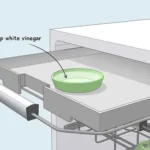
Step 5: For stubborn stains. Dampen a soft cloth with white vinegar and wipe the area. Let it sit for 15 minutes max. Rinse thoroughly.
Alternatively, use Bar Keepers Friend, make a paste, apply to the stain, let it sit for 60 seconds, then scrub gently. Oxalic acid is excellent at lifting rust stains from porcelain.
One word of caution here. The FDA regulates enameled cookware for food contact safety. Per FDA guidance, intact enamel is safe for cooking.
But once that enamel is damaged, the underlying iron can react with acidic foods. Always check for chips before you cook.
Removing Rust from the Rim or a Chipped Spot (Exposed Cast Iron)
This approach applies only to bare metal. The rim of most enameled Dutch ovens is intentionally left uncoated. Over time, moisture and humidity cause that rim to rust.
Here's how to clean it.
What you need:
- Fine steel wool (grade 0000) or a chainmail scrubber
- Dish soap
- Paper towels
- Neutral cooking oil (vegetable, canola, or grapeseed)
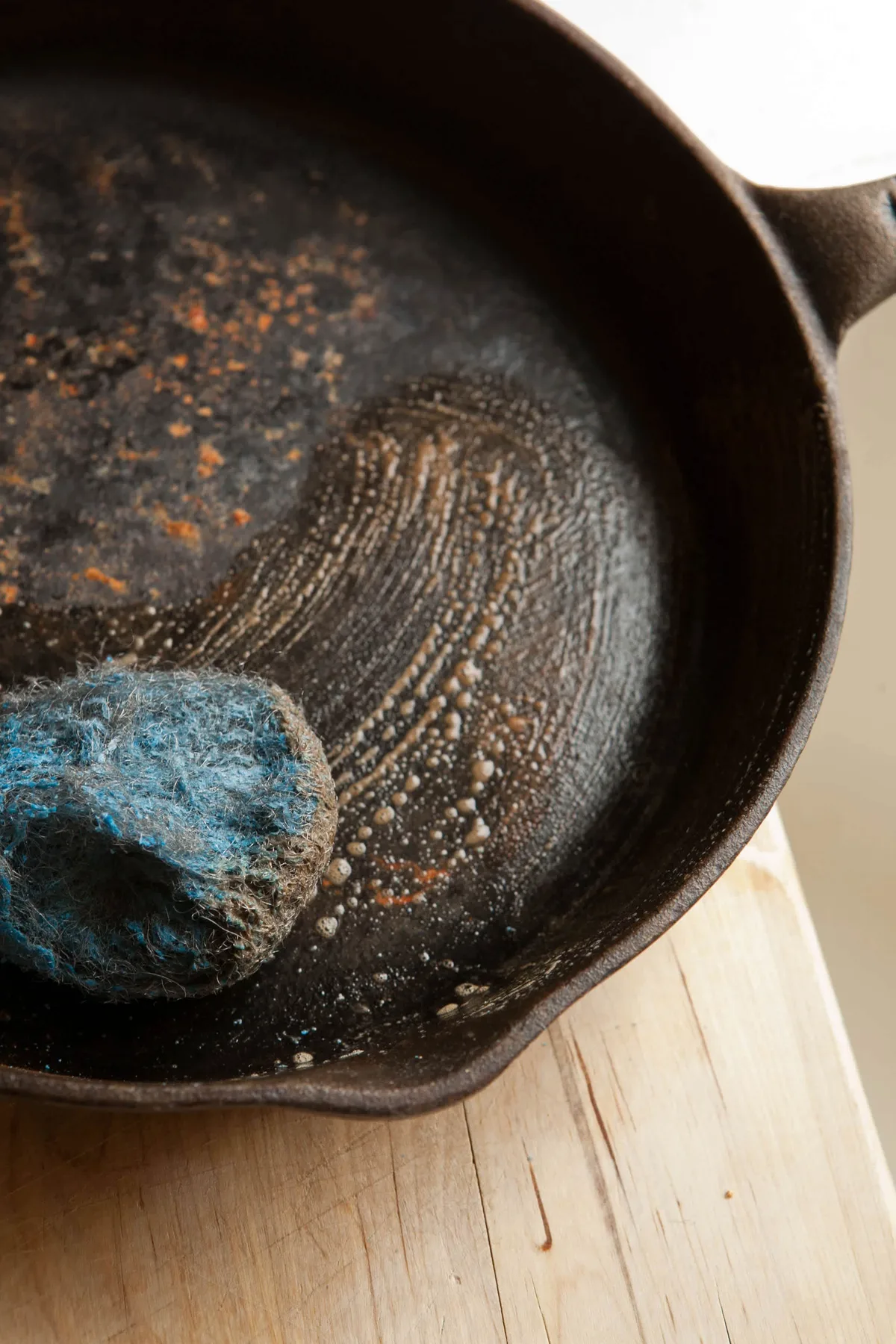
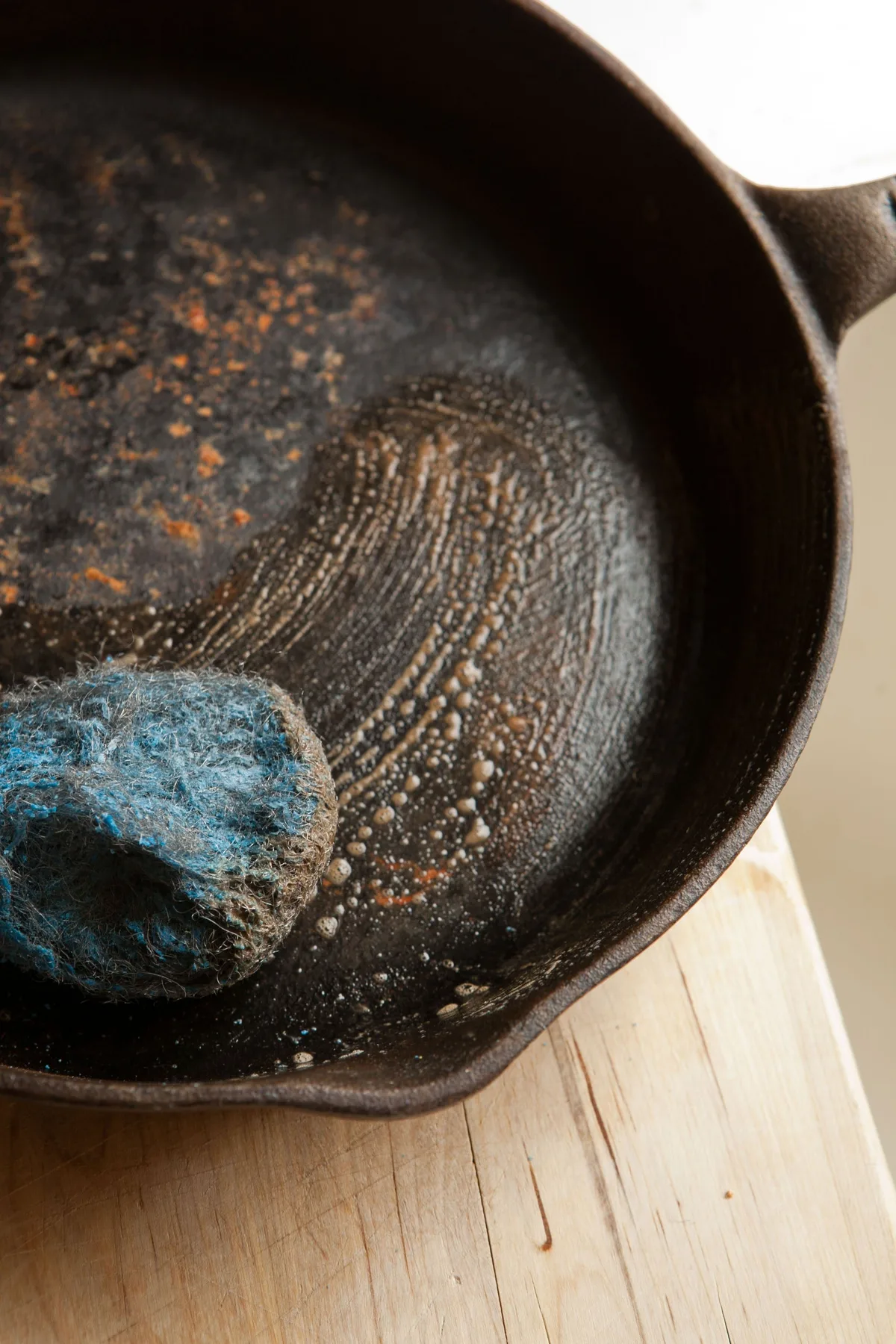
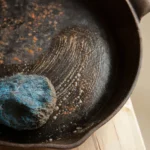
Step 1: Wash and dry. Scrub the rim with soap and water using a fine steel wool pad. This knocks off the loose rust. Rinse thoroughly, then dry with a paper towel.
Do not let the pot air-dry at this stage, you need to seal the metal immediately.
Step 2: Apply a thin layer of oil. Put a few drops of neutral oil on a clean paper towel. Rub it into the rim. The goal is a barely visible film, not a greasy puddle.
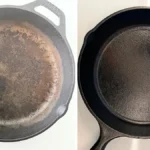
Step 3: Heat to set. Place the pot on the stove over medium heat for 2 to 3 minutes. This opens the pores of the iron and lets the oil bond. Wipe away any excess with a clean towel.
What about a small chip on the interior? If the chip is smaller than a pea and sits on the side of the pot away from the food, you can oil the exposed spot and continue using the pot. But monitor it closely. If the rust spreads or the chip grows, that pot is done.
When to Stop: Chips, Flaking, and the Replacement Check
This is the hardest part for people who love their cookware. Sometimes you cannot fix it.
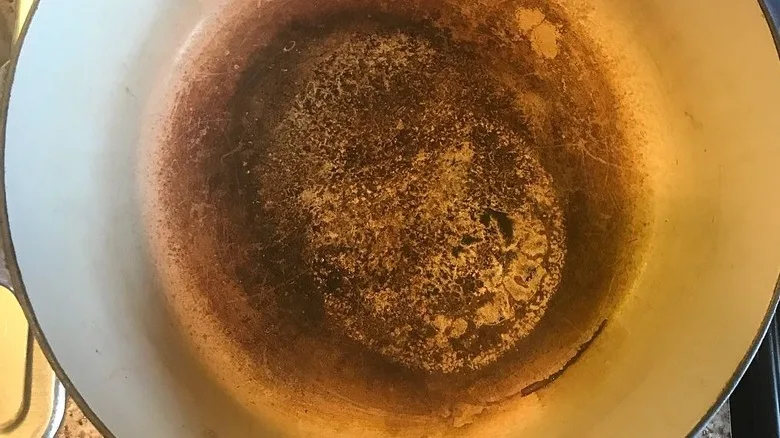
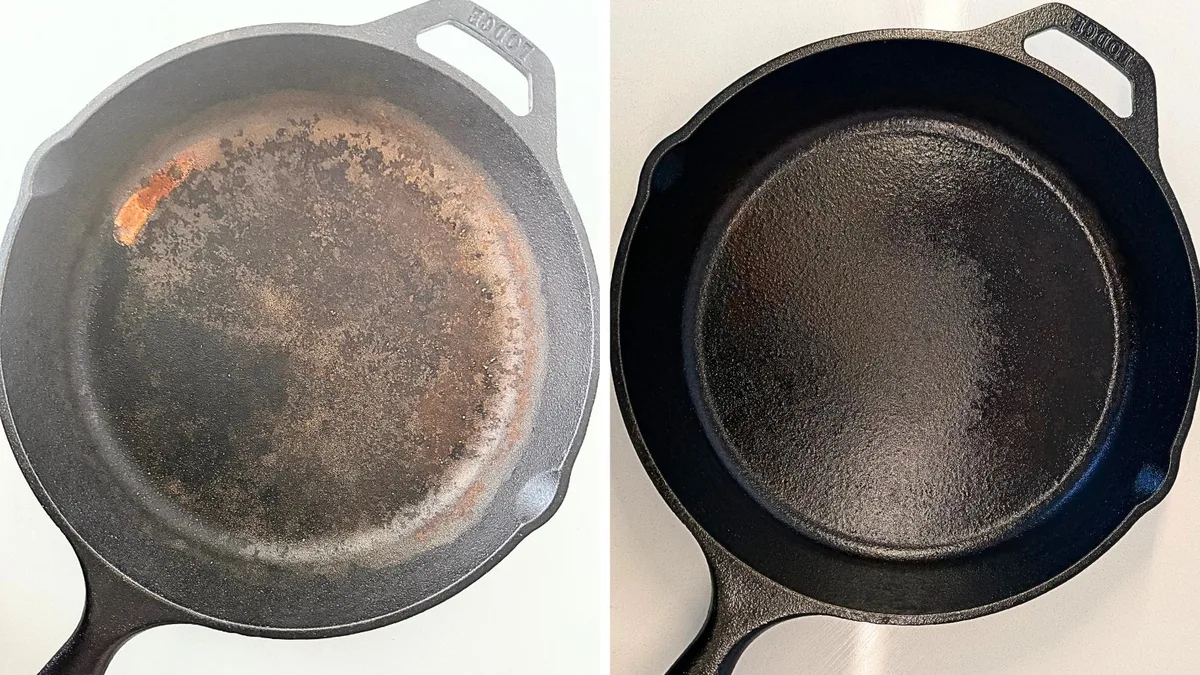
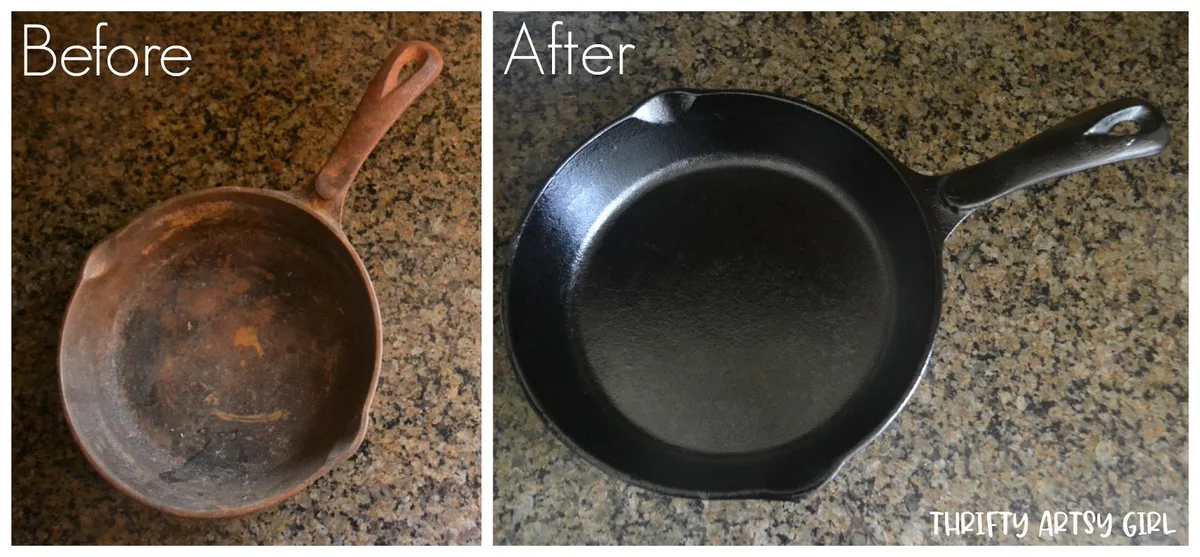
Image source: Bing (Web (fair-use with source credit))
Signs you need to replace the pot
- A visible chip on the cooking surface. The enamel is a glass layer. Once it chips, the barrier is gone. Food will touch bare iron, and the chip will grow over time.
- Flaking or peeling on the interior. This means the enamel bond is failing. It is not a cleaning issue.
- Rust spreading from a chip even after treatment. If you clean and oil the spot and the rust comes back within a week, the metal underneath is compromised.
- Sharp edges near a chip. That means a shard of glass is about to break off into your food. That is not safe.
When you can keep using it
A pot with a small chip on the exterior or the lid rim is generally fine. Those areas do not contact food directly. You can surface-rust them and oil them as needed.
The real test is whether the pot can still do its job safely. Aggregate user reviews from verified buyers show that a chipped interior Dutch oven is the number one reason people replace a pot they otherwise love. It is not because the rust cannot be removed.
It is because the enamel itself has failed.
Mistakes to Avoid That Wreck the Enamel (and Your Warranty)
Most enamel damage is accidental. Here are the errors that come up again and again in manufacturer care documentation and aggregate user reviews.
Using steel wool on the enamel surface. Remember: enamel is glass. Steel wool is harder than glass. One scrub can leave visible scratches that trap food and bacteria forever.
Use nylon brushes, soft sponges, or bamboo scrapers only.
Dishwasher use. The high heat and harsh detergent in dishwashers dull the enamel over time. The rim edge is especially vulnerable. All major manufacturers warn against dishwasher use.
Hand-wash only.
Soaking in vinegar or lemon juice for hours. Acid is fine in short bursts. But soaking a pot overnight in vinegar will attack the enamel surface and leave it cloudy. Fifteen minutes is the max for any acid soak.
Heating an empty pot on high. The enamel and the cast iron expand at different rates. Extreme heat with nothing inside can cause thermal shock. The result is tiny cracks or crazing that traps rust and grime.
Storing with the lid locked on. Moisture trapped inside leads to rust on the rim. Store the lid slightly ajar or with a paper towel between the pot and the lid.
Using metal utensils. Even soft metal tools can leave marks on enamel over time. Use wood, silicone, or nylon tools inside an enameled pot.
If you follow these guidelines, your Dutch oven should outlast most other cookware in your kitchen. The enamel coating is remarkably resilient when treated well.
Long-Term Care: How to Keep It Rust-Free
You cleaned the rust off. Now the trick is keeping it off. Rust on enameled cast iron is almost always a moisture problem.
Fix that and you fix the cycle.
Dry the pot fully after every wash. This sounds obvious but it is the most common cause of rim rust. Water hides in the rim edge and under the lid rim where you cannot see it. After hand washing, dry the pot with a dish towel.
Then put it on the stove over low heat for 60 seconds. That evaporates any moisture trapped in the rim joint.
Oil the rim once a month. The bare cast iron rim needs protection just like a traditional cast iron skillet does. Rub a drop of neutral oil onto the rim with a paper towel after each use. It does not need to be a thick layer.
A thin film is enough to block oxygen and moisture.
Store with the lid slightly ajar. If you snap the lid shut and stash the pot in a dark cabinet, moisture builds up inside. That condensation settles on the rim and starts the rust cycle over. Place the lid offset by a quarter inch or wedge a paper towel between the pot and lid.
Some people store the lid upside down on top of the pot. Any method that lets air circulate works.
Keep the pot away from the dishwasher entirely. The heat and steam inside a dishwasher cycle are brutal on enameled cast iron. Even the drying cycle can create micro-condensation that seeps into rim pores. Hand wash only.
It takes two minutes.
Watch your storage location. Damp basements, cabinets above the dishwasher, and pantries near the sink are high risk. If you live in a humid climate, consider storing your Dutch oven in a dry area like a dining room cabinet or an open shelf. A silica gel packet inside the pot helps in very humid environments.
One more note on seasoning the rim. Some people skip this step because they think enameled cast iron does not need seasoning. The enamel interior does not need it. But the bare rim absolutely benefits from it.
A lightly oiled rim repels moisture and will not rust between uses.
Frequently Asked Questions
Can I use Bar Keepers Friend on enameled cast iron?
Yes, but only on intact enamel. Make a paste and apply it for no more than 60 seconds. Rinse thoroughly.
Do not use it on bare cast iron rims or chipped areas. The oxalic acid can leave a residue on exposed metal.
Why did my enamel Dutch oven rust in the dishwasher?
The dishwasher exposes the pot to high heat, moisture, and harsh detergents for an extended period. That combination breaks down the enamel surface slowly and attacks the bare rim aggressively. Even one dishwasher cycle can trigger rim rust that spreads over time.
Is it safe to cook in a Dutch oven with a small rust spot?
It depends on where the rust is. A surface stain on intact enamel is harmless. Scrub it off and carry on.
Rust on the rim is also safe as long as you clean and oil it. Rust inside a chip where the enamel is gone is not safe. That spot will leach iron into acidic foods.
How do I tell the difference between rust and a hard water stain?
Hard water stains look similar to rust but they are white, chalky, or rainbow colored. Rust is orange, red, or brown. Rub the spot with a wet finger.
If it smears or lifts slightly, it is probably a mineral deposit. If it stays put, it is rust.
Can I use white vinegar to remove rust from my Dutch oven?
White vinegar works on surface rust stains on intact enamel. Soak a cloth in vinegar and lay it on the stain for 15 minutes. Do not soak the whole pot or leave it longer.
Vinegar is acidic enough to dull the enamel surface over time.
Should I throw away a chipped enamel Dutch oven?
If the chip is on the cooking surface or has sharp edges, yes. That pot is a safety hazard. Glass shards can break off into food.
If the chip is on the exterior or the lid rim and the pot still holds liquid without leaking, you can repurpose it for bread baking with parchment paper lining.

Similar Posts