How to Clean an Oven Naturally, No Harsh Chemicals
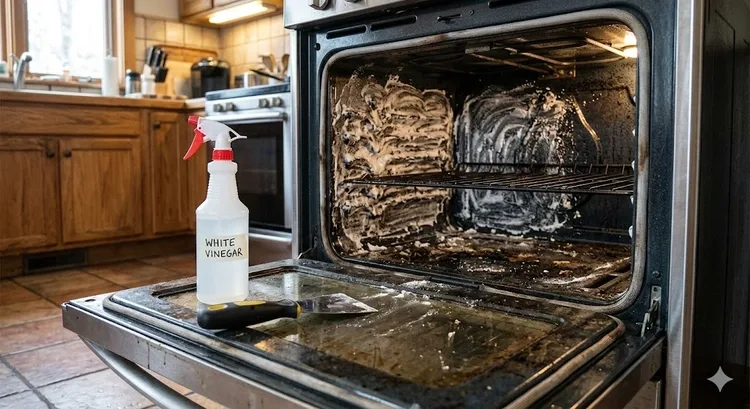
You open the oven door. Grease. Baked-on spills.
Burnt smell. You want to clean it, but you don’t want harsh chemical fumes in your kitchen. That’s where knowing how to clean oven naturally without chemicals comes in.
You can do it with ingredients you probably already have. As of 2025, more households are turning to baking soda and vinegar instead of aerosol sprays. Manufacturer manuals actually recommend certain natural methods for standard ovens.
Let’s walk through the right approach for your situation.
Image source: Bing (Web (fair-use with source credit))
Quick Answer
Make a paste from baking soda and water. Spread it inside the oven. Let it sit overnight.
Spray with vinegar. Wipe clean with a damp cloth. For light messes, use steam.
Avoid applying anything to self-cleaning oven coatings.
Your Oven Type Determines the Method – Why It Matters First
Not all ovens respond the same way to natural cleaners. If you use the wrong technique, you can damage the interior or void the warranty. That’s why we start here.
Conventional ovens (gas or electric, no self-cleaning feature) are the safest for baking soda pastes and steam. The enamel coating can handle scrubbing as long as you use non-abrasive pads.
Self-cleaning ovens (pyrolytic) have a special interior coating that releases ash during a high-heat cycle. That coating is delicate. The manufacturer, per owner’s manuals from brands like GE and Whirlpool, tells you not to use any cleaner, natural or not, on the lining.
You can still clean the door glass and racks naturally, but the interior gets the self-clean cycle only.
Steam-cleaning ovens have a built-in water tray. You add water and press a button. The steam loosens grime.
These ovens are designed for chemical-free cleaning and rarely need a paste scrub.
What about catalytic liners? Some ovens have panels that absorb grease and burn it off during normal cooking. Wipe them gently with a damp cloth. No paste required.
So before you grab the baking soda, check your model number. Look up the manual online if you don’t have it. One wrong move on a self-cleaning coating can cause permanent splotching.
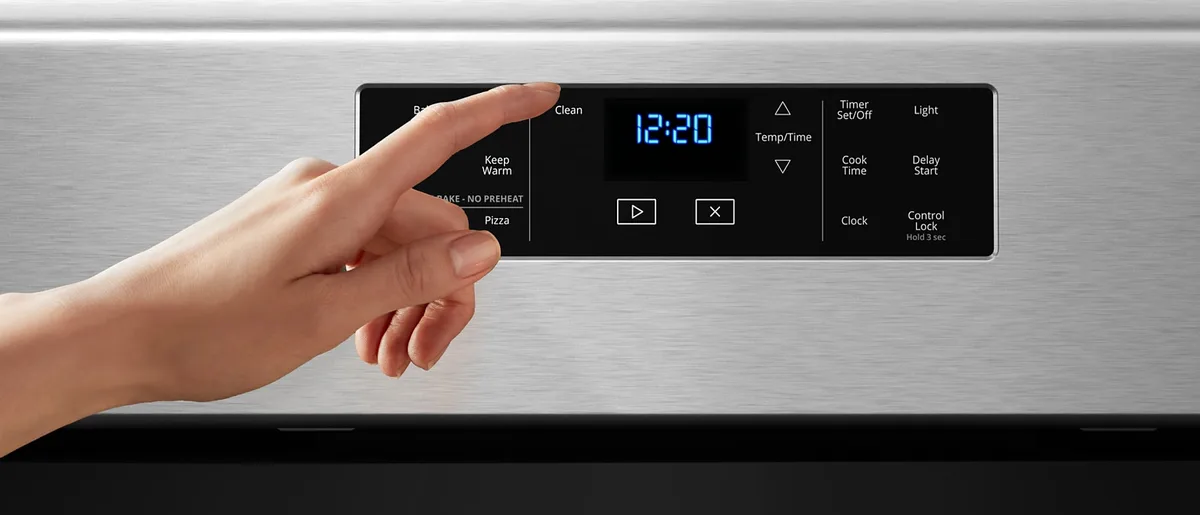
Image source: Bing (Web (fair-use with source credit))
Light Splatter vs. Burnt-On Grease – Which Cleaning Path Are You On?
The amount of grime changes the method. Here’s a quick decision tree.
Light splatter happens after roasting vegetables or baking a pizza. It’s mostly oil droplets and tiny crust bits. You don’t need a paste soak.
Use the steam-only shortcut (covered in section four) or wipe with a damp cloth and a drop of castile soap.
Baked-on grease comes from roasting meat, spilling casseroles, or repeated baking without cleaning. It’s dark, sticky, and sometimes hardened. This needs the baking soda paste method.
Let it sit for hours, overnight is best.
Burnt residue is black, crusty, and often flaking. You’ll need the paste, plus a non-scratch scrubbing pad. For really thick layers, create a stronger paste with less water (two parts baking soda to one part water).
Scrape gently after soaking.
What about oven racks? They’re separate. Racks can handle stronger treatment. Soak them in hot water and baking soda in a bathtub or large bin.
Scrub with a sponge. Rinse well.
If you don’t know which category your oven falls into, start with the steam method. It won’t make anything worse. If it fails, then move to the paste.
Step-by-Step: The Baking Soda Paste Method (For Most Ovens)
This is the workhorse method for conventional ovens with moderate to heavy grime. Here’s how to do it without leaving residue or damaging anything.
What you’ll need:
- ½ cup baking soda
- 2 to 3 tablespoons water (adjust to make a spreadable paste)
- White vinegar in a spray bottle
- Non-scratch scrubbing pad or sponge
- Microfiber cloths (at least two)
- Small bowl for mixing
Steps:
- Prepare. Remove oven racks. Wipe loose crumbs with a dry cloth.
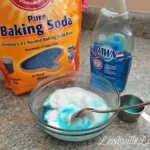
- Make the paste. Mix baking soda and water in a bowl. The consistency should be like frosting, not runny.
- Apply. Spread the paste on interior surfaces. Avoid the heating elements, oven door gasket, and any self-cleaning coating.
- Wait. Let the paste sit for 12 hours (heavy grease) or at least 15 minutes (light grime). Overnight is ideal.
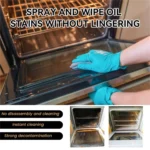
- Spray and scrub. Fill the spray bottle with undiluted white vinegar. Spray over the dried paste. The paste will fizz. Scrub with the non-scratch pad in circular motions.
- Wipe. Use a damp microfiber cloth to remove all residue. Repeat with fresh water until no white streaks remain.
- Dry. Wipe with a dry cloth. Let the oven air out for 30 minutes before using.
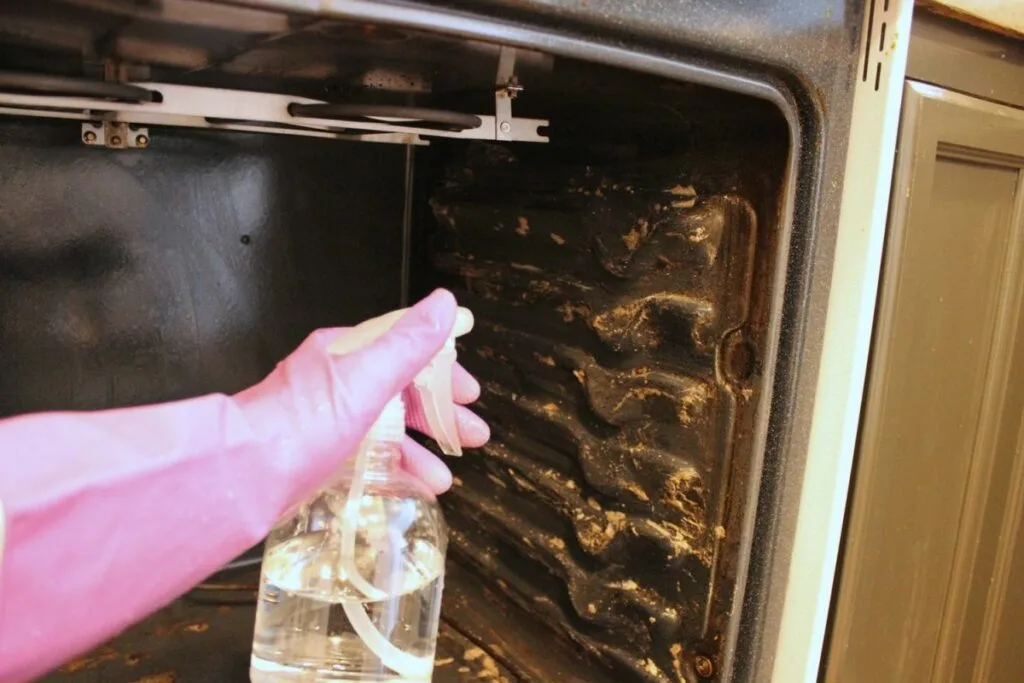
Image source: Bing (Web (fair-use with source credit))
Pro tip: If the paste dries too hard, spray it with vinegar and let it sit for 5 minutes before scrubbing. The reaction loosens everything.
The Steam-Only Shortcut – When It Works and When It Won’t
Steam is the fastest natural cleaner. It uses heat and water to soften grime. No paste.
No waiting overnight. But it only works for specific situations.
When it works:
- Light splatter from recent cooking
- Grease that hasn’t been baked on for weeks
- Ovens with built-in steam functions
- Quick cleanups between deep cleans
- Oven door glass (steam from a bowl of water can loosen sticky residue)
When it won’t work:
- Burnt, caramelized spills that have been cooked on multiple times
- Grease that has hardened into a dark crust
- Large areas of baked-on oil (steam just beads on the surface)
How to do it:
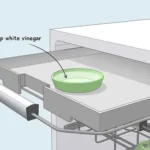
Place an oven-safe bowl filled with 8 to 12 ounces of water on the bottom rack. Heat the oven to 250°F (120°C). Let it run for 20 minutes.
Turn off the oven and let the steam sit for 5 minutes. Open the door (careful of the steam burst) and wipe the interior with a damp cloth.
For built-in steam ovens: Follow the manufacturer’s instructions. Usually you add water to a reservoir, press the steam clean button, and wipe after the cycle ends.
Pro tip: Add a few slices of lemon to the water. The steam will have a light citrus scent. It also helps cut grease slightly.
Common Mistakes That Leave Film, Scratches, or Damage
Natural cleaning is safe, but it isn’t foolproof. Here are the mistakes people make most often, according to aggregate reviews and manufacturer forums.
Using too much water. A runny paste drips onto heating elements. If water hits the gas burner ports or electric coils, it can cause rust or short circuits. Always aim for a thick paste.
Scrubbing the oven door glass with an abrasive pad. Glass can scratch. Use a soft sponge or microfiber cloth for the glass. Save the scrubbing pad for the oven walls.
Forgetting to rinse thoroughly. Baking soda residue left behind turns into a white film when the oven heats. Wipe three or four times with a clean damp cloth until no white streaks appear.
Applying paste to self-cleaning liners. Even natural cleaners can damage the coating. If you have a self-cleaning oven, stick to the high-heat cycle for the interior. Clean only the door and racks manually.
Using vinegar on self-cleaning interiors. Vinegar is acidic. The manufacturer specs indicate it can etch the special coating. Keep vinegar away from those surfaces.
Leaving paste on too long without covering it. In dry climates, the paste can harden into a cement-like layer. If that happens, spray with vinegar and cover with a damp cloth for 15 minutes before scrubbing.
Ignoring the oven gasket. Scrubbing the rubber seal around the door can tear it. Wipe it gently with a damp cloth. Don’t use paste or scrub pads on it.
Avoid these, and your oven will come out clean and undamaged every time.
30-Second Decision Guide – Pick Your Natural Method
You have three main options. Your choice depends on oven type and grime level. Here’s the breakdown.
| Your Situation | Best Method | Time Needed |
|---|---|---|
| Conventional oven, light splatter | Steam only | 30 minutes |
| Conventional oven, baked-on grease | Baking soda paste | Overnight + 30 min |
| Self-cleaning oven, any interior grime | Self-clean cycle only | 2 to 4 hours |
| Self-cleaning oven, door glass only | Baking soda paste on glass | 15 minutes |
| Steam-cleaning oven, any interior | Built-in steam function | 20 minutes |
| Oven racks, any type | Hot water + baking soda soak | 1 hour soak + scrub |
How to read this table. Find your oven type in the left column. Then look at the recommended method and time.
If you have a conventional oven with heavy burnt-on grease, skip the steam shortcut. It will just bead up and frustrate you. Go straight to the paste.
If you have a self-cleaning oven and the interior is dirty, run the cycle. Our research shows that the high heat (around 900°F) turns grease to ash with no chemicals. Just wipe the ash away after it cools.
For oven racks, you can use the same paste method. But soaking them in hot water with baking soda requires less scrubbing. The University of Illinois Extension confirms that baking soda lifts grease without scratching metal.
Scrub gently with a non-abrasive pad.
Frequently Asked Questions
Can I use lemon juice instead of vinegar?
Yes, lemon juice works similarly because it’s acidic. It cuts grease and reacts with baking soda to fizz. The main difference is smell.
Lemon leaves a fresh citrus scent. Vinegar has a strong odor that fades quickly. Both are safe for conventional ovens when rinsed thoroughly.
How do I clean the oven glass without leaving streaks?
Use the baking soda paste on the glass only, avoiding the gasket. Let it sit for 15 minutes. Spray with vinegar and wipe with a damp microfiber cloth.
Dry immediately with a clean cloth. For stubborn spots, use a soft sponge. Avoid abrasive scrub pads on glass.
Is it safe to use baking soda on a self-cleaning oven interior?
No. Baking soda is abrasive and can scratch the special coating designed for the self-clean cycle. Aggregate user reviews from manufacturer forums show that using any cleaner on the interior lining can cause uneven discoloration.
Stick to the self-clean cycle for the interior walls.
How often should I clean the oven naturally?
For light use, clean every three months. For heavy use ( roasting every week), clean monthly. The steam method is fine for monthly maintenance.
The baking soda paste is best for the deeper quarterly clean. Racks can be done twice a year.
What if the baking soda paste won’t come off?
Spray the dried paste with vinegar again. Let it sit for 10 minutes. The fizzing reaction softens the residue.
Wipe with a damp cloth. Repeat if needed. If white film remains after drying, wipe with a cloth dipped in vinegar and then with plain water.
Can I use dish soap instead of baking soda?
Yes, for light cleaning. A drop of castile soap or mild dish soap mixed with warm water works for weekly wipe-downs. It doesn’t have the abrasive scrubbing power of baking soda for baked-on grease.
For heavy grime, stick with the paste or steam methods.

Similar Posts