Keep Your Cast Iron Pan from Rusting: Easy Tips
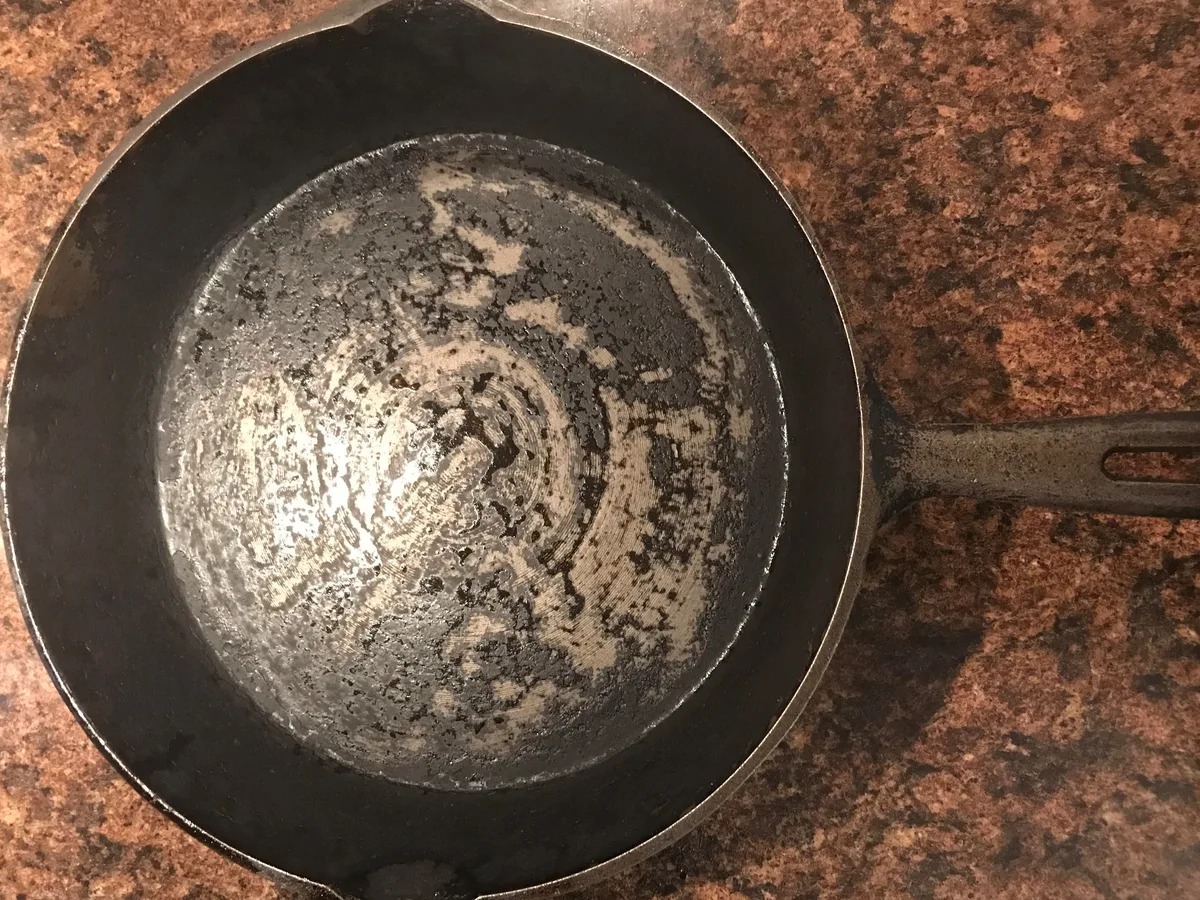
Rust on a cast iron pan is almost always a moisture problem, not a factory defect. If you've been wondering how to keep cast iron pan from rusting, the answer is simple: dry it completely, oil it thinly, and store it where air can move. Those three habits protect the seasoning layer and stop oxidation before it starts.
Cast iron doesn't need complicated care, but it needs consistency. Manufacturer specifications for Lodge cast iron indicate that a properly seasoned pan can go years without rust. As of 2026, most cast iron sold in the U.S. arrives pre-seasoned with vegetable oil.
Keep that barrier healthy, and rust becomes rare.
Quick Answer
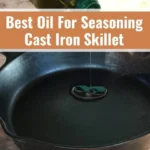
How to keep a cast iron pan from rusting comes down to three habits. Dry it fully after washing, then rub in a thin oil layer. Heat until the oil just smokes.
Let it cool. Store it in a dry spot.
Image source: Bing (Web (fair-use with source credit))
Why Cast Iron Rusts Even When You Think You're Careful
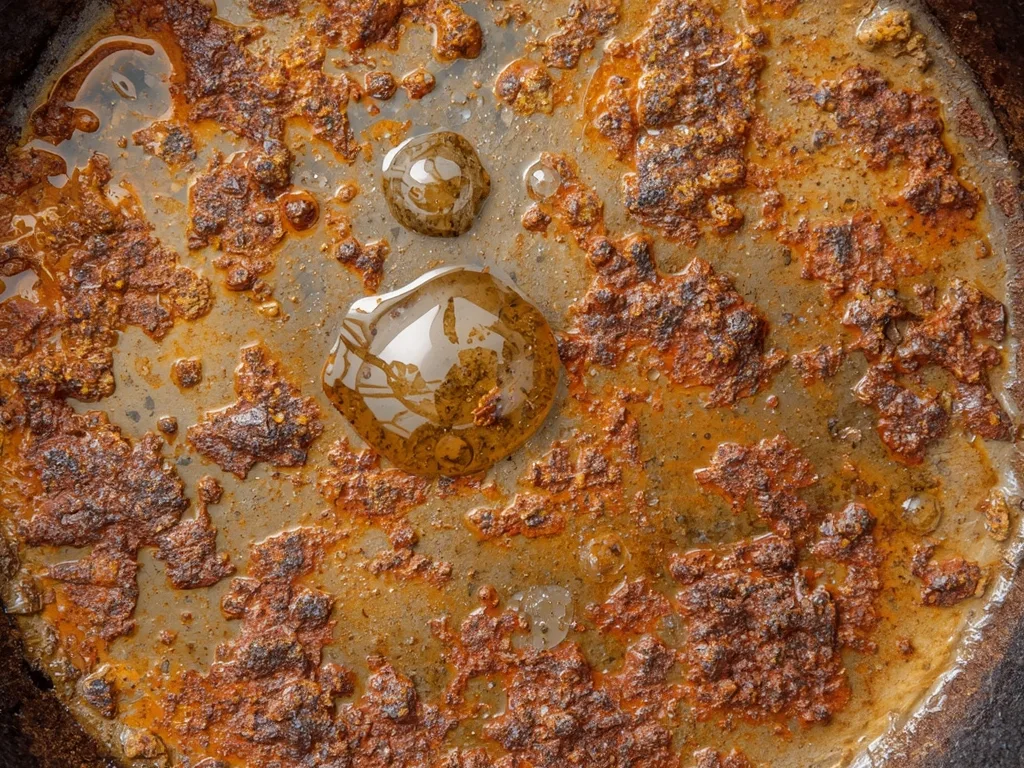
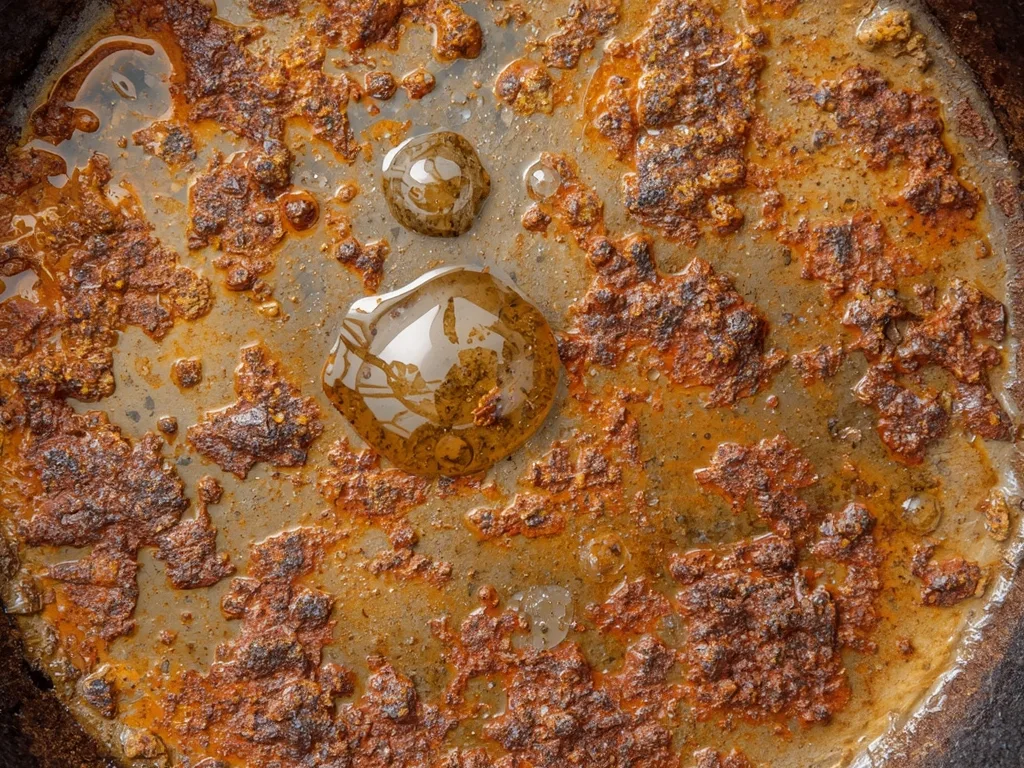
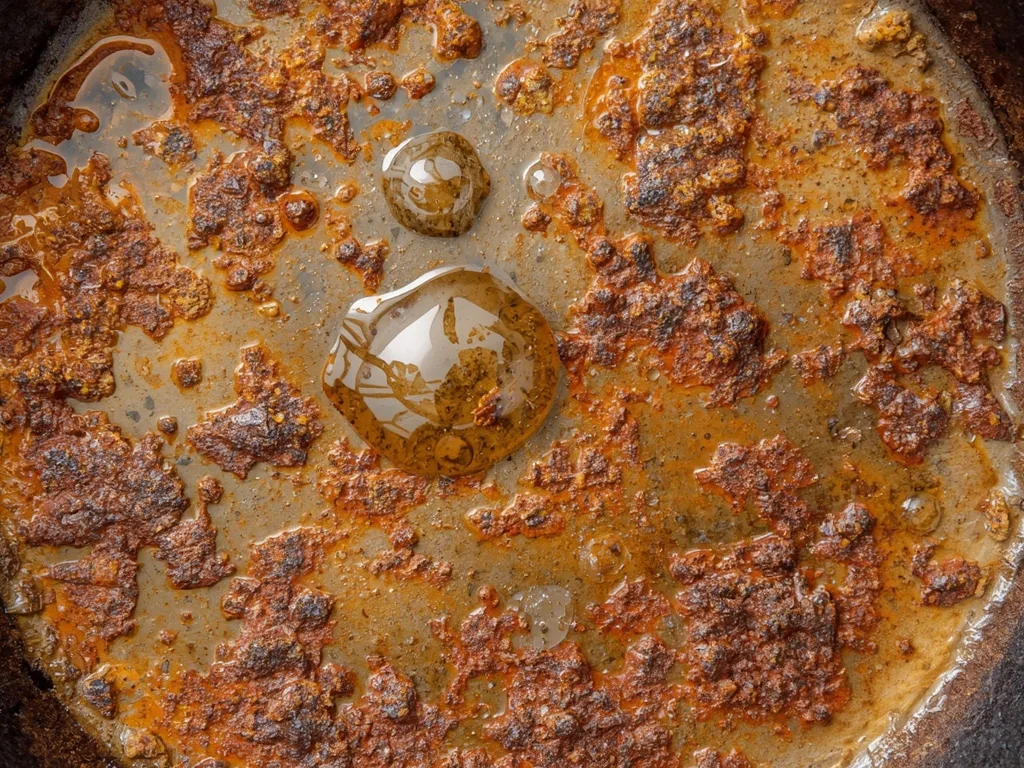
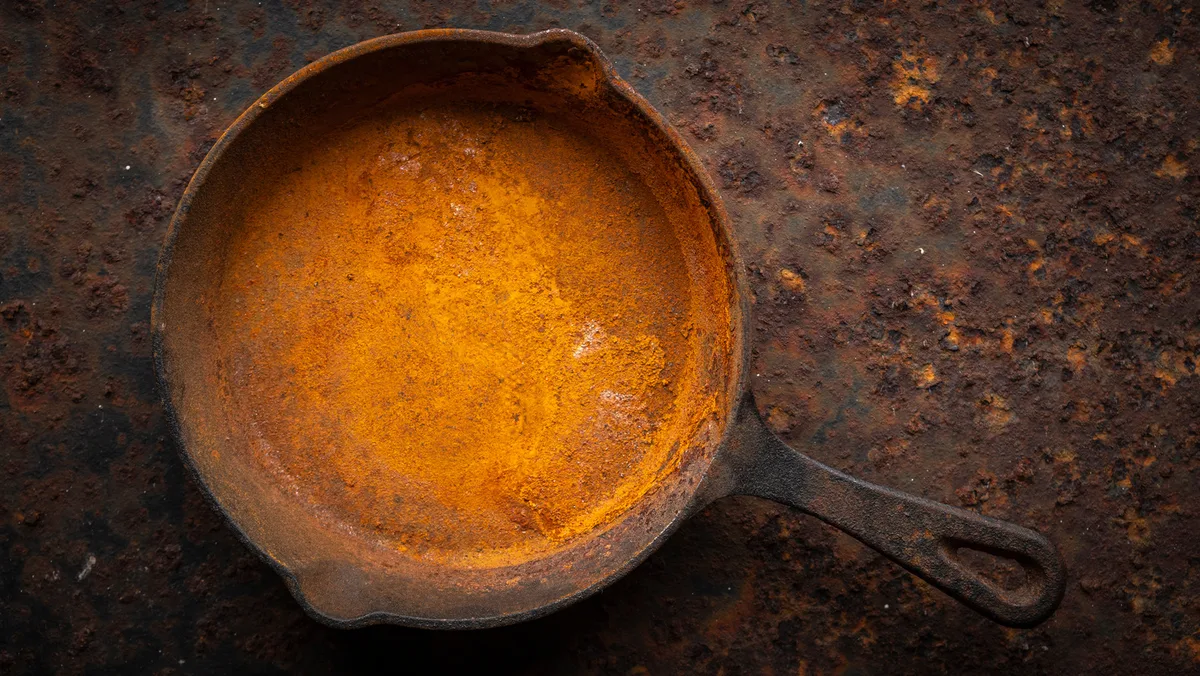
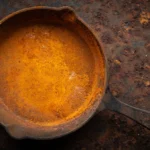
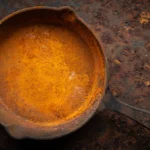
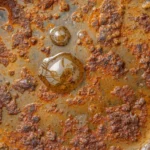
Cast iron rusts because bare metal reacts with oxygen and water. The result is iron oxide, the same orange flake that forms on old farm tools. Seasoning is the shield.
If the surface is intact, water beads and rolls off. If it's scratched or burned off, moisture reaches the iron.
Moisture doesn't need a dramatic soak. A pan set on a dish rack can flash rust in under an hour. Indoor relative humidity above 60% makes it worse.
Even the steam trapped under a lid can cause light surface rust.
The biggest misconception is that rust means the pan is low quality. That's not true. Rust happens when a surface goes unprotected.
A modern pan rusts faster than a vintage one if both are left wet.
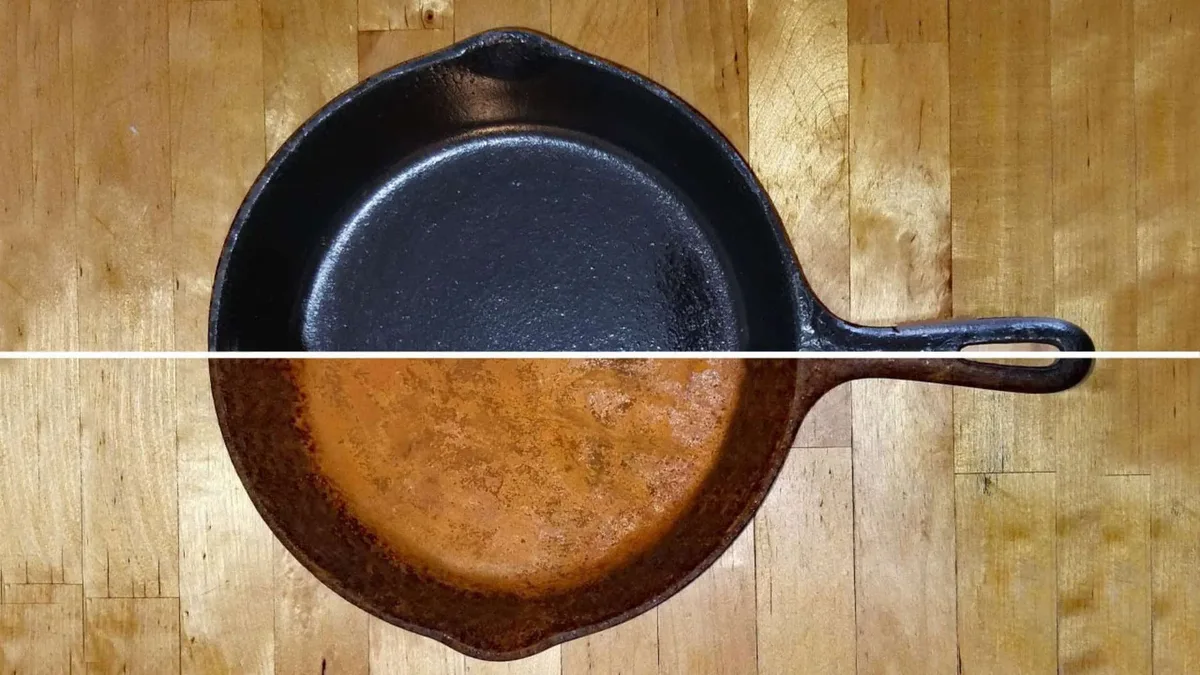
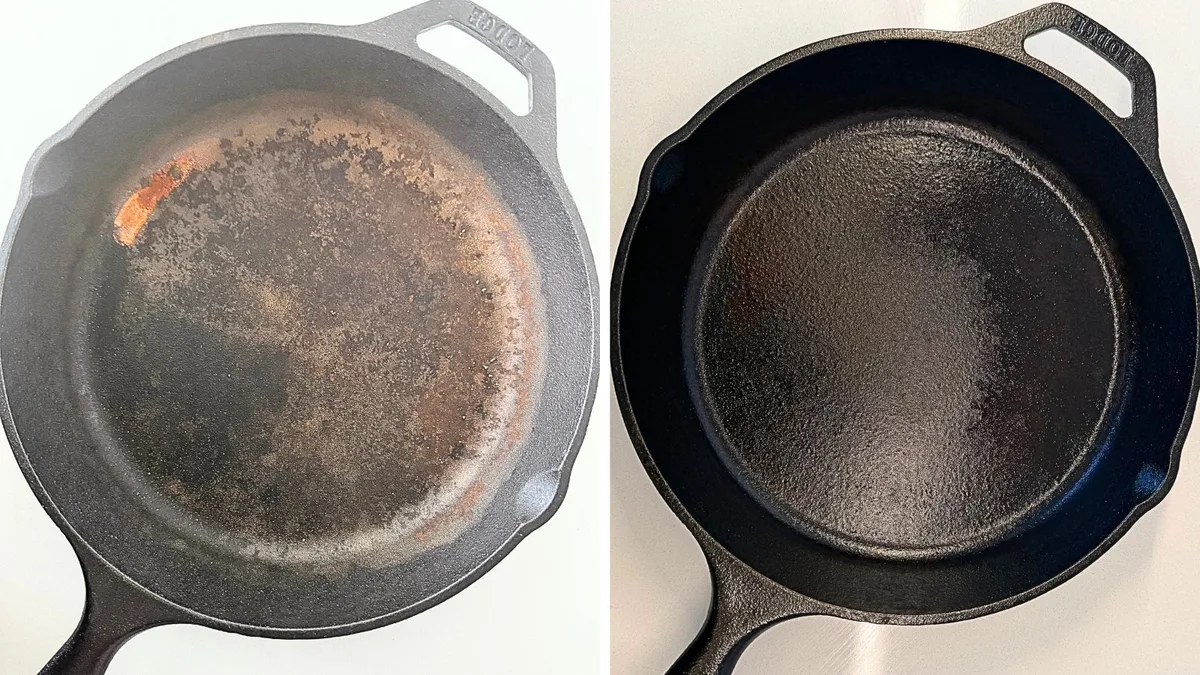
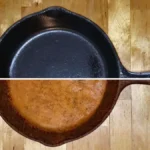
The fix depends on the seasoning. If your pan still looks smooth and black, a quick dry-and-oil routine is enough. If you see gray patches or red dust, the seasoning needs a fresh coat.
Lodge Cast Iron's care guidance treats seasoning like a living layer. Rebuild it before rust shows up.
The 30-Second Rule: Dry on the Stove, Oil While Warm
Washing isn't the risky part. Leaving the pan damp is. That's why the last half minute of cleaning matters more than the wash itself.
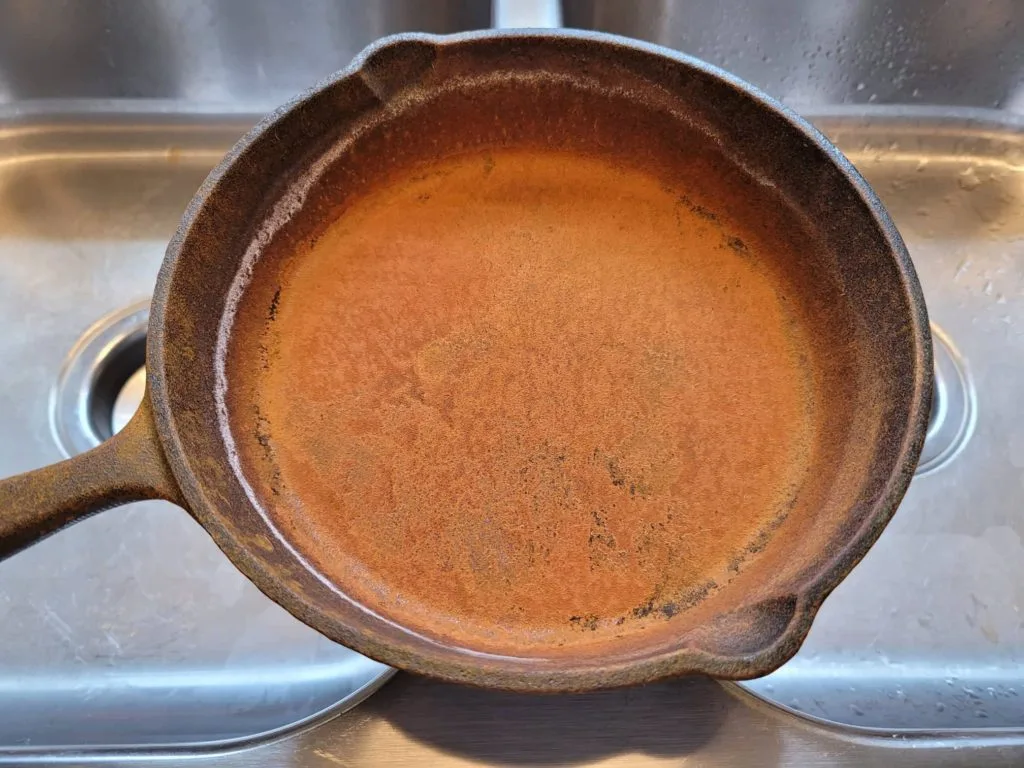
Image source: Bing (Web (fair-use with source credit))
The routine takes about three minutes total.
- Hand wash with warm water and a little dish soap.
- Rinse quickly. Never soak.
- Put the pan on the stove over low heat.
- Heat for two to three minutes until every drop evaporates.
- Add about half a teaspoon of oil for a 10-inch skillet.
- Wipe the whole surface, handle included.
- Heat until the oil just smokes, then turn off the burner.
- Let it cool before storing.
Warm metal helps the oil spread evenly. Cold metal leaves it in greasy patches. Too much oil leaves a sticky layer that attracts moisture.
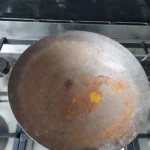
This routine also prevents flash rust. Flash rust appears as a faint orange film when a clean pan dries unevenly. In humid air, it can form in under a minute.
If you see it, scrub lightly and re-oil right away.
Pick Your Routine Based on How Often You Cook
The right maintenance depends on how often the pan sees heat.
Daily Cooks: The 2-Minute Maintenance Habit
If you cook most days, use the basic wash, stove-dry, and oil wipe after each meal. The next cooking session bakes that oil into the seasoning. Just keep the oil coat thin.
Weekend Cooks: When to Do a Quick Oven Re-Seasoning
If the pan sits for a week or more, add a monthly oven cycle. Heat the oven to 400°F. Put the pan upside down on the middle rack.
Bake for 45 minutes, then let it cool inside the oven.
Humid Climates and Camping: Extra Moisture Traps
If your kitchen humidity sits above 60%, store the pan outside a closed cabinet or leave the lid cracked. Camping? Keep the cooled pan in a dry cloth and away from damp tent floors.
| Cooking frequency | Drying method | Oil schedule | Extra step |
|---|---|---|---|
| Daily | Stovetop, low heat | After every wash | None |
| Weekly | Stovetop, low heat | After every wash | Monthly 400°F oven bake |
| Humid or camping | Stovetop, slightly hotter | After every wash | Store uncovered or in a dry cloth |
The Right Way to Wash, Dry, and Store Your Pan
Modern dish soap won't ruin a seasoned pan. The old no-soap rule comes from the days when soap contained lye. Today's mild detergents are safe.
This applies to bare cast iron, not enameled pieces.
Wash in five quick steps:
- Rinse the pan under warm running water.
- Scrub with a chainmail scrubber or stiff nylon brush.
- Add a drop of dish soap only if the surface feels greasy.
- Rinse again quickly. Don't fill the pan with water.
- Towel dry, then finish on the stovetop.
Soaking is the enemy. It lifts seasoning and lets water reach bare iron. Store the pan in a dry cabinet with a paper towel folded inside.
If you use a lid, crack it open. Trapped humid air is enough to trigger rust.
| Do | Don't |
|---|---|
| Wash with warm water and mild soap | Put it in the dishwasher |
| Dry on the stovetop | Soak it in the sink |
| Oil the whole pan after drying | Store it with the lid sealed |
| Store with paper towel inside | Leave it on a damp dish rack |
6 Rust-Causing Mistakes You're Probably Making
Rust almost never appears without a reason. It shows up after one of these repeated mistakes.
Image source: Bing (Web (fair-use with source credit))
- Soaking in the sink. Even a few minutes of soaking starts the cycle. Water creeps into the seasoning and lifts it from the iron.
- Running it through the dishwasher. Aggressive detergent, heat, and moisture guarantee flash rust.
- Shocking a hot pan with cold water. Sudden temperature change can warp the metal and open micro-cracks. Water gets in, and rust follows.
- Storing with a sealed lid. Condensation forms inside and keeps the pan damp. Crack the lid or skip it.
- Skipping the oil wipe. Drying removes water, but the bare iron is still exposed. A thin oil layer seals it until the next cook.
- Storing over the dishwasher or under the sink. Warm, humid air seeps into those cabinets. Constant moisture eventually wins.
None of these mean the pan is ruined. Rust on cast iron is fixable. But it's always easier to stop.
If It's Already Rusted: Fast Fix Before It Pits
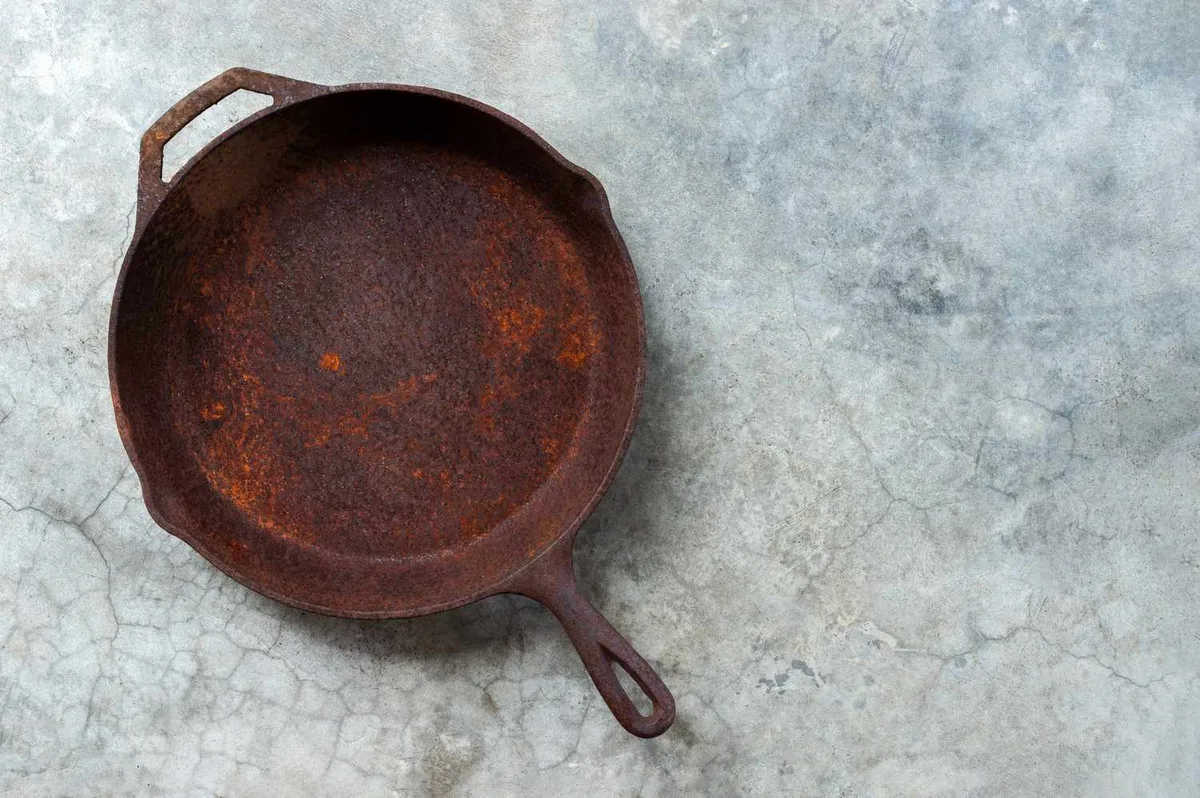
Light rust is not a death sentence. Even a few scattered orange spots can be saved in under 30 minutes. The key is removing the rust completely before you rebuild the seasoning.
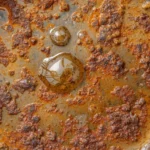
Left alone, rust doesn't just sit there. It eats into the iron and creates pits, and pits make the pan rough to cook on.
How do you know if rust is too far gone? If the surface feels rough instead of smooth, or if you see tiny craters, the iron is already pitted. Pitting is permanent, but the pan is still usable.
Seasoning will fill some of the damage, but the texture may never feel completely flat again.
Here is the fast fix that works for most rusted pans:
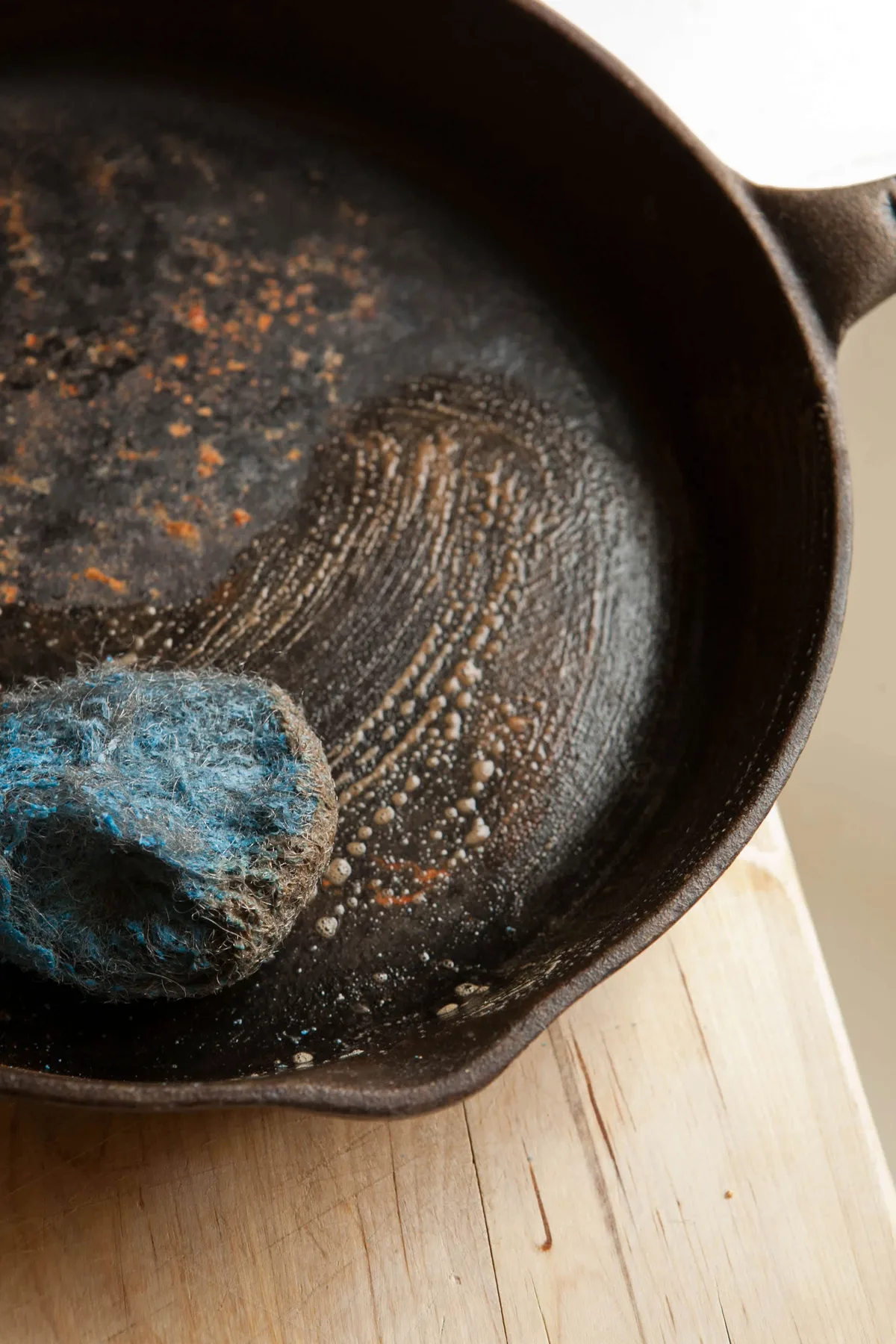
- Scrub the rust off with steel wool, a chainmail scrubber, or a fine-grit sanding block.
- Wash the pan with warm water and a little dish soap.
- Dry it completely on the stovetop over low heat.
- Apply a very thin coat of oil and heat until it just smokes.
- Let the pan cool, then wipe away any excess oil.
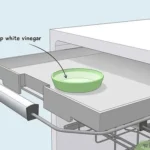
If the rust covers a wide area or deep pits are visible, skip the quick fix. Give the pan a full vinegar bath. Mix one part white vinegar with three parts water.
Soak for 30 minutes, then scrub. Vinegar dissolves heavier rust fast, but don't leave it longer than an hour. The acid will eat the iron too.
After the bath, dry and oil the pan immediately. Then run a full oven seasoning cycle. Heat it to 400°F for 45 minutes.
This gives the fresh seasoning a solid base.
Frequently Asked Questions
Is rust on a cast iron pan dangerous?
No, rust itself is not toxic. Small amounts of iron oxide are common in well water and even some supplements. But rust on a pan means the seasoning is compromised.
It can flake into food and leave a metallic taste. Scrub it off and re-season before cooking again.
Can I use dish soap on cast iron?
Yes, plain dish soap is fine. The old warning came from soaps that contained lye, which stripped seasoning. Modern mild detergents are gentle on polymerized oil.
The real problem is soaking, not soap. Keep it to a quick wash, rinse fast, and dry well.
Why does my cast iron pan rust even after drying?
Towel drying never removes 100% of the moisture. You need heat. Put the pan on a low burner for two or three minutes.
The heat evaporates water from tiny pores in the iron. Then oil the pan while it's warm to seal out humid air.
How often should I re-season my cast iron?
Only re-season when the pan needs it. Signs are a dull gray cast, sticky spots, or food starting to stick. Heavy cooking may require re-seasoning every few months.
Light cooks can go a year or more if the pan stays in good shape.
Should I store my cast iron with the lid on?
It's safer to leave the lid cracked or off entirely. A sealed lid traps condensation, especially in humid conditions. If you need the lid for stacking, place a paper towel inside the pan first.
The towel absorbs moisture and keeps rust away.
Your Rust-Proofing Checklist (and When to Re-Season)
Use this as a daily reference until the habits feel automatic.
- Wash with warm water and mild soap. Never soak.
- Dry on the stovetop over low heat for two to three minutes.
- Apply a half-teaspoon of oil while the pan is warm.
- Wipe off all excess oil until the surface looks almost dry.
- Let the pan cool completely before storing.
- Store in a dry cabinet with a paper towel inside or a cracked lid.
Re-season when you see any of these signs: orange dust, gray patches, sticky residue, or food that sticks even with oil. Also re-season after a vinegar bath or heavy scrubbing.
The whole process takes less than an hour. Warm the oven to 400°F, rub in a thin layer of oil, and bake the pan upside down for 45 minutes. Turn the oven off and let the pan cool there slowly.
This builds a hard, waterproof layer that keeps rust from ever starting.
Cast iron rewards steady care over perfect technique. A quick dry, a thin oil wipe, and a dry storage spot solve almost every rust problem. Do that every time, and the pan stays smooth for decades.

Similar Posts