How to Clean Stainless Steel Dishwasher Interiors and Remove Limescale
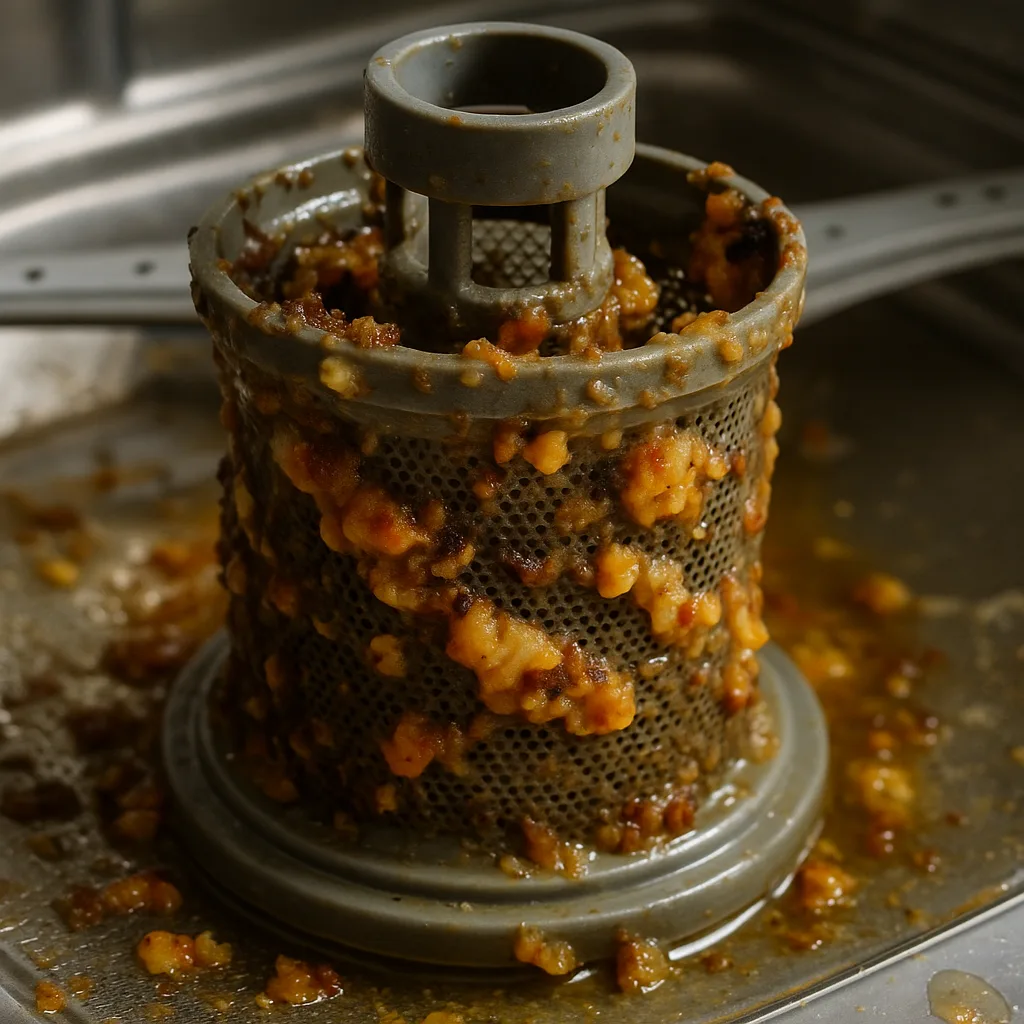
If you’ve ever opened your dishwasher and been hit by a musty smell, found cloudy glassware, or noticed water pooling at the bottom, you’re not alone. Knowing how to deep clean inside of dishwasher is the single most effective way to fix those problems before they get worse.
Manufacturer specifications indicate that a dishwasher’s filter should be cleaned every two to four weeks. Aggregate reviews and appliance repair data show that most people never touch it, which is why odors and buildup happen. Let’s walk through exactly what to do based on your specific symptoms.
Image source: Bing (Web (fair-use with source credit))
Quick Answer
Deep cleaning a dishwasher means removing debris, descaling hard water buildup, and sanitizing the interior. Start by cleaning the filter and spray arms. Then run an empty hot cycle with a commercial cleaner or citric acid.
Wipe the door gasket and dry the interior. Do this every one to three months.
Problem / Pain Point: Why Your Dishwasher Smells, Spots, or Won’t Drain
A dishwasher that smells like rotten eggs, leaves white film on glasses, or refuses to drain is not broken. It’s dirty. The three main culprits are trapped food in the filter, hard water scale on the spray arms, and mold growing inside the door gasket.
Each problem looks different and needs a slightly different fix. A musty odor usually means mold or food rotting in the drain area. Cloudy glasses point to hard water deposits that have built up over time.
Greasy dishes that come out still dirty suggest soap scum clogging the spray arm holes. And standing water often means the filter is packed with debris or the drain hose is kinked.
The good news is you don’t need a repairman. You just need to identify which symptom you have and follow the right branch of the decision tree below.
Core Explanation / How It Works: What Actually Builds Up Inside and Why
Inside every dishwasher, three types of buildup accumulate over time.
| Buildup Type | What It Is | Where It Collects |
|---|---|---|
| Food debris | Bits of food, grease, and soap residue | Filter, sump, spray arms, drain |
| Hard water scale | Calcium and magnesium deposits (limescale) | Heating element, spray arm holes, interior walls |
| Mold and mildew | Black or pink slime from moisture and organic matter | Door gasket, silverware basket corners, filter housing |
Hot water and detergent break down food during a normal cycle, but they can’t reach every crevice. The filter catches large particles, but if you never clean it, that trapped food starts rotting. Meanwhile, hard water minerals stick to hot surfaces like the heating element, forming a white crust that reduces efficiency.
Manufacturer specifications from brands like Bosch and Whirlpool recommend using a dishwasher cleaner or descaling agent every one to three months depending on water hardness. The trick is matching the cleaning method to the specific buildup you have.
Step-by-Step Process / How to Guide: Deep Clean by Symptom (Decision Tree)
Before you pick a branch, do one thing: unplug the dishwasher or flip the circuit breaker. Safety first. Then remove both racks so you can access the filter and spray arms.
Branch 1: Musty Odor or Visible Mold
If you smell something sour or see black spots around the rubber seal, you’re dealing with mold and rotting food.
- Remove the filter. Twist it counterclockwise or lift it out depending on your model. Rinse it under hot water and scrub with a toothbrush and mild dish soap. If it’s greasy, soak it in a bowl of hot water with a tablespoon of dish soap for 15 minutes.
- Clean the door gasket. Pull back the rubber seal gently. Wipe underneath with a damp microfiber cloth and a little dish soap. Use a toothbrush to scrub the crevices where mold hides. Dry it thoroughly.
- Clean the drain area. Shine a flashlight into the bottom of the tub where water drains. Use a pipe cleaner or small brush to remove any gunk.
- Run a sanitizing cycle. Place a dishwasher cleaner tablet (like Affresh) in the detergent dispenser and run a hot cycle with the sanitize option if available. If your machine doesn’t have that cycle, run the hottest cycle and add a cup of white vinegar in a dishwasher-safe bowl on the top rack.
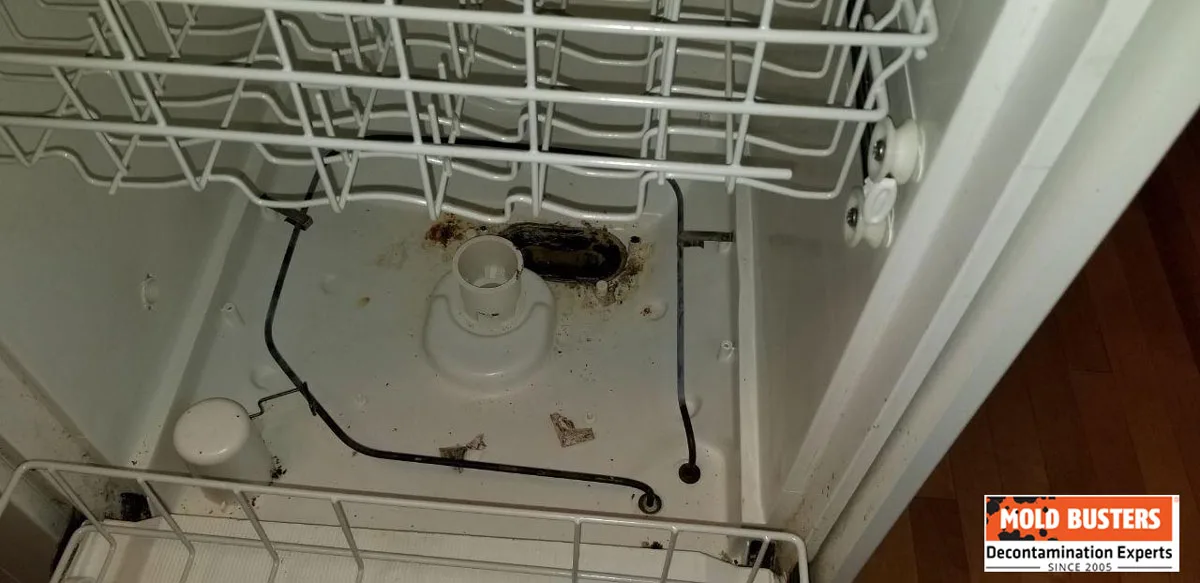
Image source: Bing (Web (fair-use with source credit))
Branch 2: Cloudy Glassware or White Residue
That white film is hard water scale. It’s mineral buildup, not dirt.
- Descale with citric acid. Citric acid dissolves limescale better than vinegar without the strong smell. Put 2 to 4 tablespoons of citric acid powder in the detergent dispenser. Run a full hot cycle with an empty machine. Do not add dishes.
- Clean the spray arms. Remove the spray arms (usually they snap off or unscrew). Look at the tiny holes. If they’re crusted with white scale, soak the arms in a bowl of white vinegar for 30 minutes, then rinse. Use a toothpick to clear any blocked holes.
- Check the rinse aid. Refill the rinse aid dispenser. It helps water sheet off glassware, reducing spots. If you’ve been using a rinse aid and still get film, your water might be very hard (above 7 grains per gallon). In that case, consider a whole-house water softener.
Branch 3: Greasy Dishes or Soap Scum
If dishes come out with a greasy film or soap residue, the spray arms are likely clogged with grease.
- Clean the spray arms thoroughly. Follow the same removal and soak method as above, but use hot water and dish soap instead of vinegar. Grease needs degreasing, not acid.
- Scrub the detergent dispenser. Open the dispenser and wipe out any crust buildup with a damp cloth. Old detergent can harden and block the door.
- Run a hot cycle with a degreaser. Use a dishwasher cleaner designed to cut grease (look for one that lists “degreasing” on the label). Or add a tablespoon of baking soda to the bottom of the tub before running a hot cycle. Baking soda helps break down greasy residues.
Branch 4: Water Pooling or Slow Drain
Standing water at the bottom of the dishwasher after a cycle means something is blocking the drain.
- Check the filter. Remove and clean it as described in Branch 1. A clogged filter is the number one cause of standing water.
- Inspect the drain hose. Behind the dishwasher, the drain hose connects to the sink drain or garbage disposal. Look for kinks or clogs. Disconnect it and flush it with a garden hose if needed.
- Clear the sump area. Use a flashlight and a long brush or pipe cleaner to remove any debris from the sump (the small reservoir under the filter). Food particles can collect there and block water flow.
Mistakes to Avoid / Common Errors: What Most People Get Wrong (Including the Vinegar-Baking Soda Trap)
The internet loves the vinegar-and-baking-soda trick. Here’s the truth: mixing them creates a fizzy reaction that looks impressive but produces mostly water and a small amount of carbon dioxide. It doesn’t clean or sanitize effectively.
The baking soda neutralizes the vinegar’s acidity, so you get neither a good cleaner nor a good deodorizer. Save your ingredients for cooking.
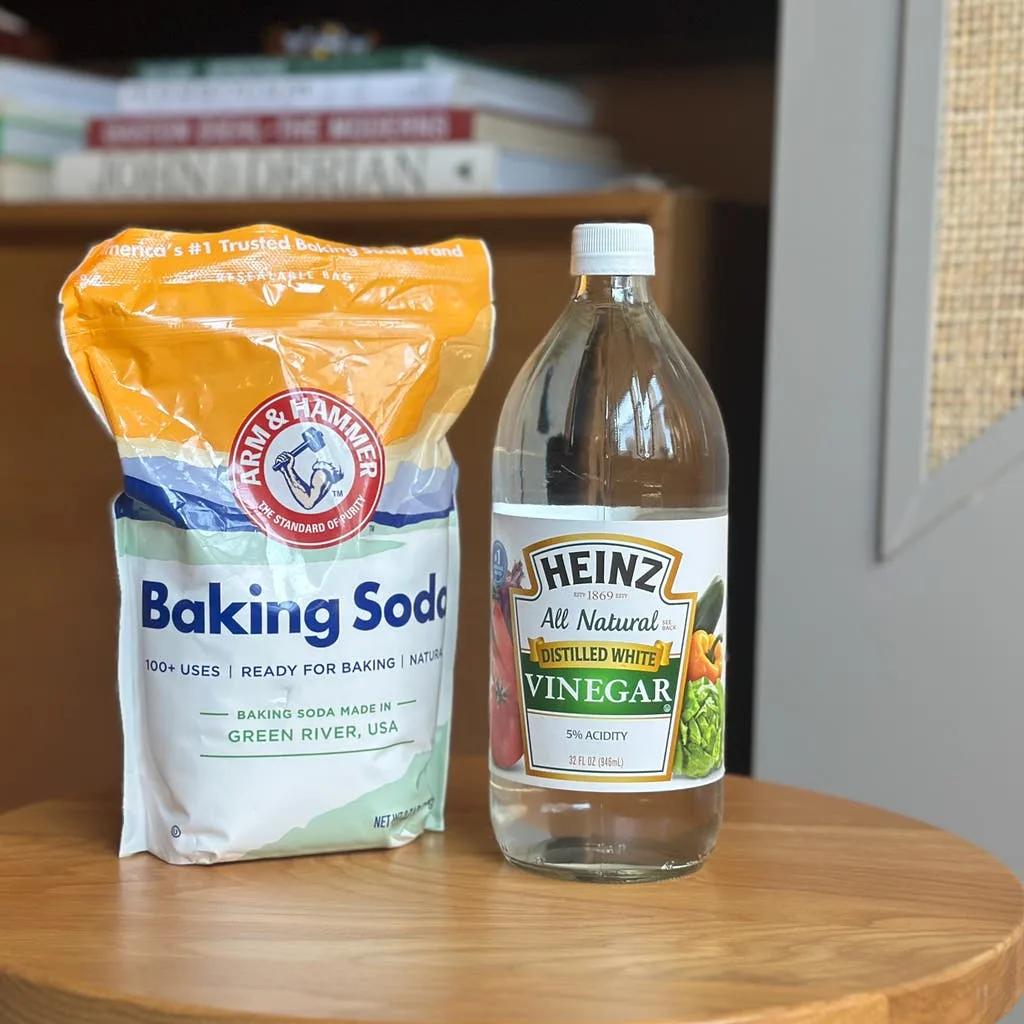
Image source: Bing (Web (fair-use with source credit)
Other common mistakes:
- Using bleach in a stainless steel tub. Bleach can pit and discolor stainless steel. Check your owner’s manual. Most manufacturers explicitly warn against it.
- Scrubbing the heating element. It’s fragile. A hard scrub can damage the coating and cause rusting. Wipe it gently if needed, but descaling with citric acid is safer.
- Forgetting the rinse aid. Rinse aid isn’t just for shiny glasses. It prevents water spots and helps the machine dry effectively. Low rinse aid can make hard water problems worse.
- Running a cleaning cycle with dishes inside. Cleaner tablets and citric acid need an empty machine to work properly. Food residue competes with the cleaner and reduces effectiveness.
- Not drying the gasket after cleaning. Moisture breeds mold. After you clean the rubber seal, wipe it dry with a clean cloth. Leave the dishwasher door cracked open for an hour after each cycle to let the interior air out.
If you follow the right branch for your symptom, you’ll fix the problem in one cycle. The biggest mistake is using a generic method when a targeted one works faster and lasts longer.
Expert Tips / Pro Advice
How often should you actually deep clean your dishwasher?
It depends on your water hardness and how often you run the machine. For most households with moderately hard water (4 to 7 grains per gallon), manufacturer specs suggest a deep clean every one to three months. If you have soft water, every three months is usually enough.
If you have very hard water (over 10 grains), cut that to every month.
Aggregate repair data shows that the filter is the number one neglected part. Clean it every two to four weeks regardless. That single habit prevents most odors and drainage issues.
What about running a cleaning cycle with vinegar?
Vinegar works well for descaling, but only if you use it correctly. Place one to two cups of white vinegar in a dishwasher-safe bowl on the top rack. Run a full hot cycle with no dishes and no detergent.
Do not mix vinegar with baking soda in the same cycle. They neutralize each other.
One catch: vinegar is acidic and can damage rubber seals with repeated use. Rotate between vinegar and a commercial cleaner (like Affresh or Lemi Shine) to avoid long-term wear.
Should you use the sanitize cycle?
Yes, if your machine has one. A sanitize cycle heats water to at least 150°F, which kills bacteria and mold more effectively than a normal cycle. Run it once a month as part of your deep clean routine.
If your dishwasher doesn’t have a sanitize option, use the hottest cycle available and add one cup of white vinegar.
What about the exterior and door panel?
Don’t forget the outside. Food splatters and grease collect on the control panel and handle. Wipe them down with a damp cloth and mild cleaner.
Avoid abrasive pads that scratch stainless steel. For the door panel, check your manual. Some models require specific cleaners to avoid damaging the finish.
How do you prevent buildup between deep cleans?
Leave the dishwasher door cracked open for about 30 minutes after each cycle. This allows moisture to escape and prevents mold from growing on the gasket. Scrape food off plates before loading, but you don’t need to rinse them.
Modern dishwashers rely on food particles to activate the soil sensor. Just remove large chunks.
Use a rinse aid every cycle. It helps water sheet off dishes, reducing spots and mineral buildup. Refill the dispenser when the indicator light comes on.
Frequently Asked Questions
Can I use bleach to clean my dishwasher?
Only if your dishwasher has a plastic interior. Bleach can corrode stainless steel tubs and damage rubber seals. Check your owner’s manual first.
If it’s safe, use no more than one cup in an empty hot cycle. Never mix bleach with vinegar or citric acid. That creates toxic chlorine gas.
Why does my dishwasher smell like rotten eggs?
That smell usually means food is rotting in the filter, drain, or sump area. Start by cleaning the filter thoroughly. If the smell persists, check the drain hose for a clog or kink.
A buildup of sulfur bacteria can also cause that odor. Run a cycle with one cup of white vinegar to kill the bacteria.
How do I clean the spray arm holes?
Remove the spray arms according to your model. Look for small holes along the arms. If they are clogged with white scale or grease, soak the arms in white vinegar for 30 minutes.
Then use a toothpick to gently clear each hole. Rinse under water and reinstall.
Is it safe to run an empty cycle with a dishwasher cleaner?
Yes, it is safe and recommended. Most commercial cleaners are designed for empty machines. Follow the instructions on the package.
Usually you place a tablet in the detergent dispenser or bottom of the tub and run a hot cycle. Do not add dishes. The cleaner needs to circulate freely.
How long does a deep clean take?
A full deep clean takes about 30 minutes of hands-on work plus one to two hours for the machine cycle. Cleaning the filter and spray arms takes 15 to 20 minutes. Running a hot cycle with cleaner takes about an hour.
If you need to descale or sanitize, budget two hours total.
Can I use a dishwasher cleaner tablet instead of manual cleaning?
Tablets are effective for descaling and removing some buildup, but they cannot replace manual cleaning of the filter and spray arms. Think of them as a supplement. Use a tablet every one to three months, but still clean the filter and gasket monthly.
That combination keeps your dishwasher running like new.

Similar Posts