How to Clean a Rusted Cast Iron Dutch Oven
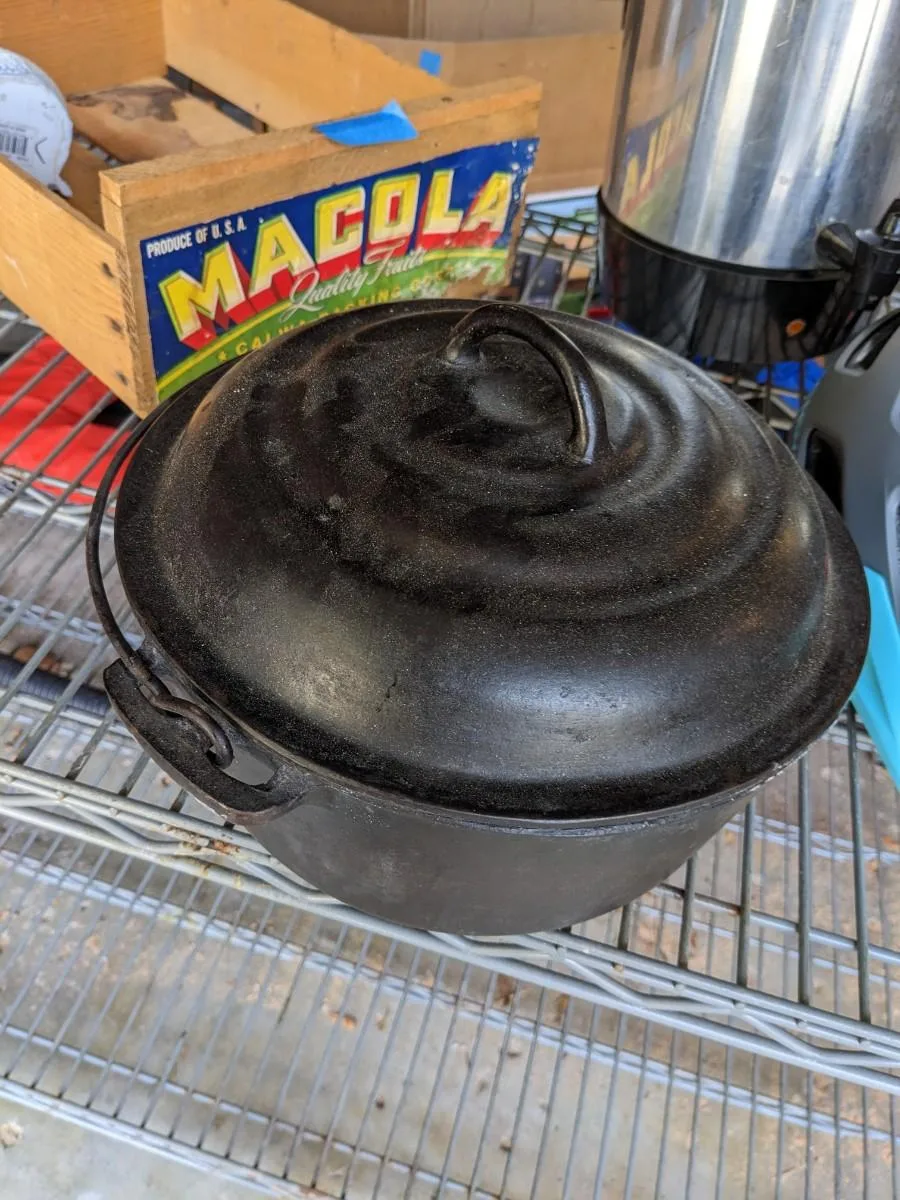
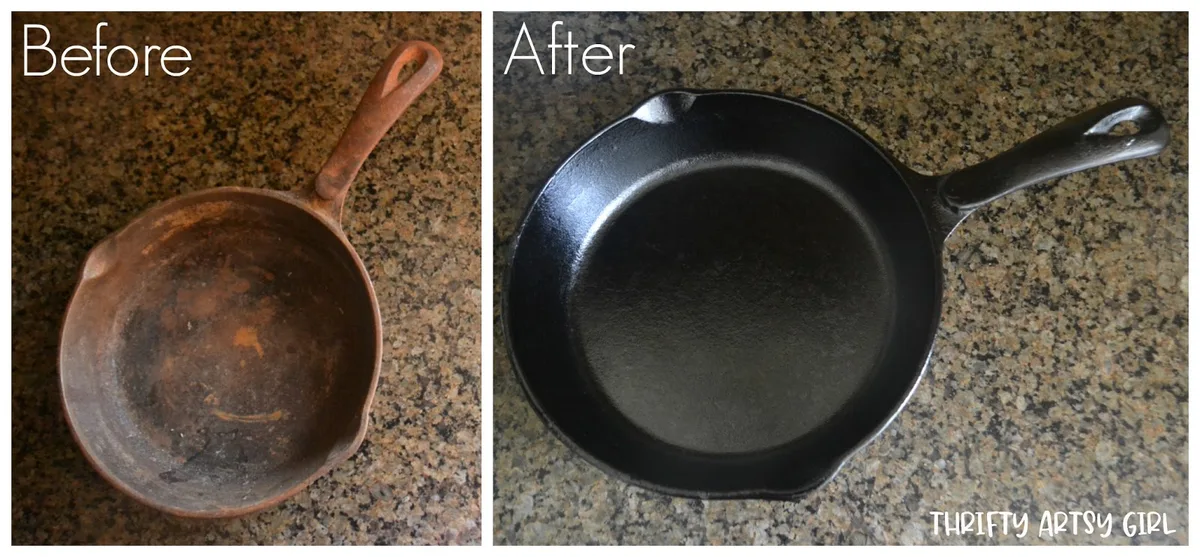
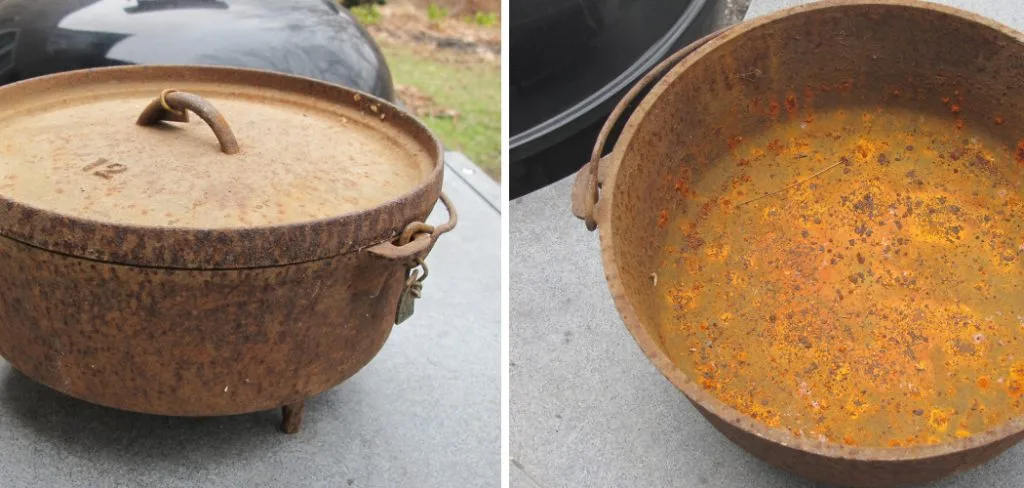
If you're looking up how to clean rusted cast iron dutch oven, you've probably pulled a sad-looking pot out of a cabinet or scored one cheap at a thrift store. That orange-brown coating looks alarming, but in most cases you can bring it back to life without much trouble.
Now here's the twist that trips people up: the right cleaning method depends entirely on whether your pot is bare cast iron or enameled cast iron. Using the wrong approach can destroy the finish permanently. As of 2026, manufacturer specifications from the two biggest cast iron makers confirm that these materials require completely different care.
So before you reach for any vinegar or steel wool, you need to know exactly what you're working with.
Image source: Web (Bing) / storage.googleapis.com (Web image (fair-use with source credit))
Quick Answer
To clean a rusted cast iron dutch oven, first identify your pot type. For bare cast iron with light rust, scrub with fine steel wool and warm water. For heavy rust, soak in equal parts white vinegar and water for one hour max.
Rinse, dry immediately on low heat, then apply a thin oil layer and bake at 450°F for one hour per coat. For enameled cast iron with rust stains, use a baking soda paste and a non-abrasive sponge. Never use steel wool on enamel.
If the enamel is chipped and rust shows, the pot is unsafe for cooking.
The First Question Nobody Asks: Is Yours Enameled or Bare?
This single detail determines your entire restoration path. Get it wrong and you could ruin a perfectly good pot.
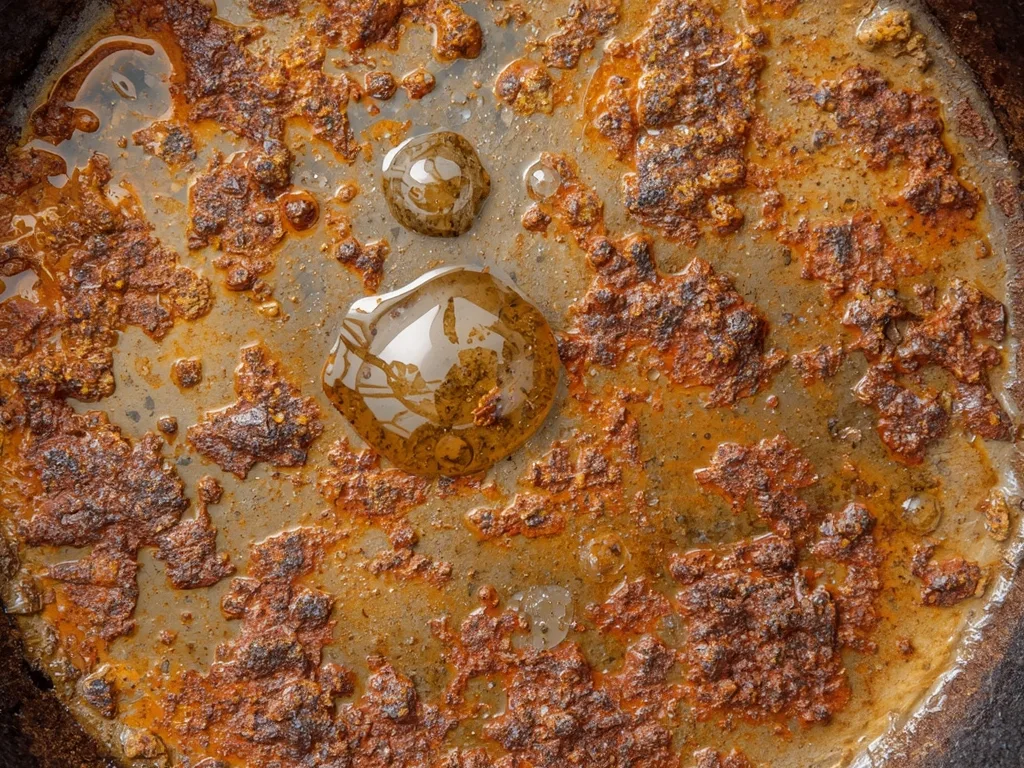
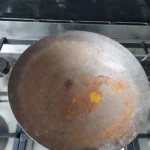
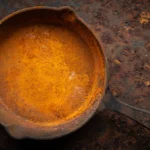
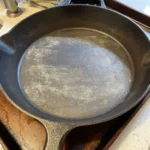
Bare cast iron has a rough, matte black surface. It feels slightly gritty to the touch. Rust on bare iron forms as an orange or reddish-brown coating that flakes or rubs off on your fingers.
The pot's interior and exterior are the same dark, uncoated material.
Enameled cast iron has a smooth, glass-like coating. It's usually white, cream, or colored on the inside and painted on the outside. Rust on an enameled pot looks different.
It shows up as orange or brown stains on the surface, not a flaky coating. The rust isn't eating through the iron. It's staining the enamel from contact with metal or water.
Here's a simple test. Run your finger across a rusty spot. If rust powder comes off on your finger, you likely have bare iron.
If the surface feels slick and the stain stays put, you have enamel.
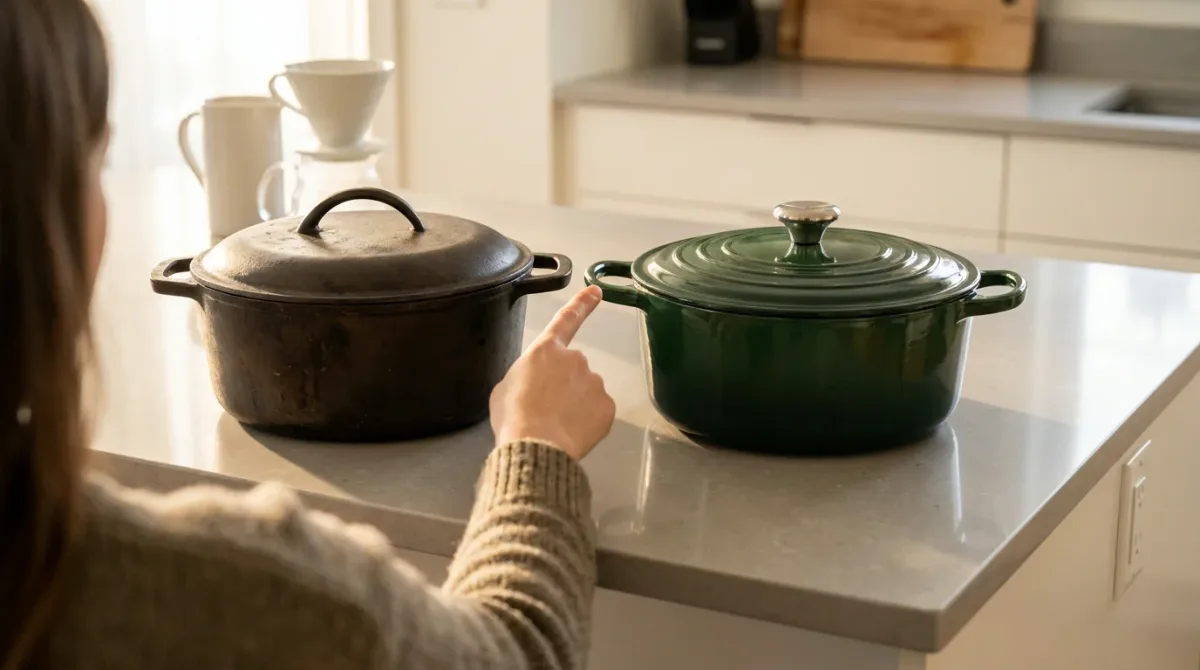
Manufacturer instructions for both Lodge (bare iron) and Le Creuset (enameled) agree on this point. Never use abrasive tools or acidic soaks on enameled surfaces. The glass coating scratches and dulls easily.
And once that enamel is damaged, food sticks and rust can creep underneath.
How to Diagnose the Rust (And Why It Matters)
Not all rust is the same. The severity determines how aggressive you can be with your cleaning.
Surface rust is the most common. It appears as a light orange dust or a thin coating that comes off with light scrubbing. The iron underneath is still smooth and intact.
This is an easy fix.
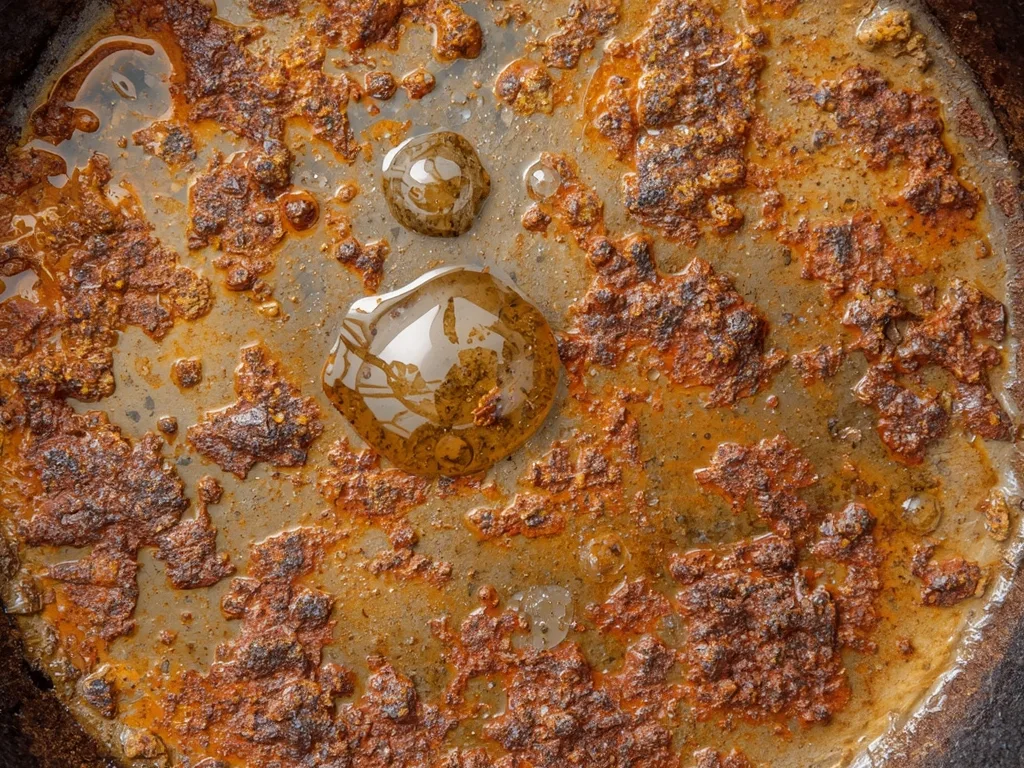
Heavy rust looks darker, almost brown or reddish-brown, and feels rough. It may have started pitting the metal. Pitting means the rust has eaten small craters into the surface.
You can feel them with your fingernail. Heavy rust requires a vinegar soak or more aggressive scrubbing.
Deep pitted rust is the worst case. The surface is rough, flaky, and uneven. You may see layers of rust peeling away.
This level of damage may require multiple soaks or abrasive methods to remove. In some cases, the pitting is too deep to fully restore a smooth cooking surface.

For enameled pots, rust severity matters differently. If you see rust stains on the enamel surface, that's usually just a cosmetic issue. The real problem is when you see a chip in the enamel with rust forming underneath.
That chip exposes bare iron. The pot is no longer safe for cooking because the metal can leach into food.
Check around the rim, the interior walls, and the bottom edges. Those are common spots where enamel chips occur. If you find a chip, stop and read the final section of this article about when to replace the pot.
Decision Tree: Which Cleaning Path Is Right for You?
Here is where we put the diagnosis to work. Read the branch that matches your pot type and rust severity.
Branch A — Bare Cast Iron with Light Surface Rust
This is the best-case scenario. You have a bare iron pot with a thin orange dusting. No pitting.
No deep crust.
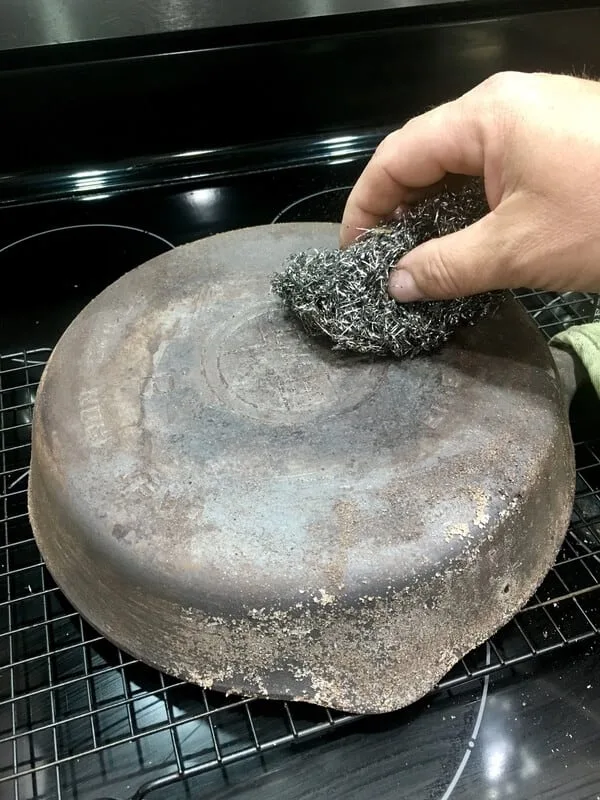
What to do: scrub with fine steel wool (grade 0000) and warm water. Use a little dish soap if you want. Dry the pot immediately on the stove over low heat.
Then apply a very thin layer of vegetable oil or shortening to the entire surface. Bake at 450°F for one hour. Let it cool in the oven.
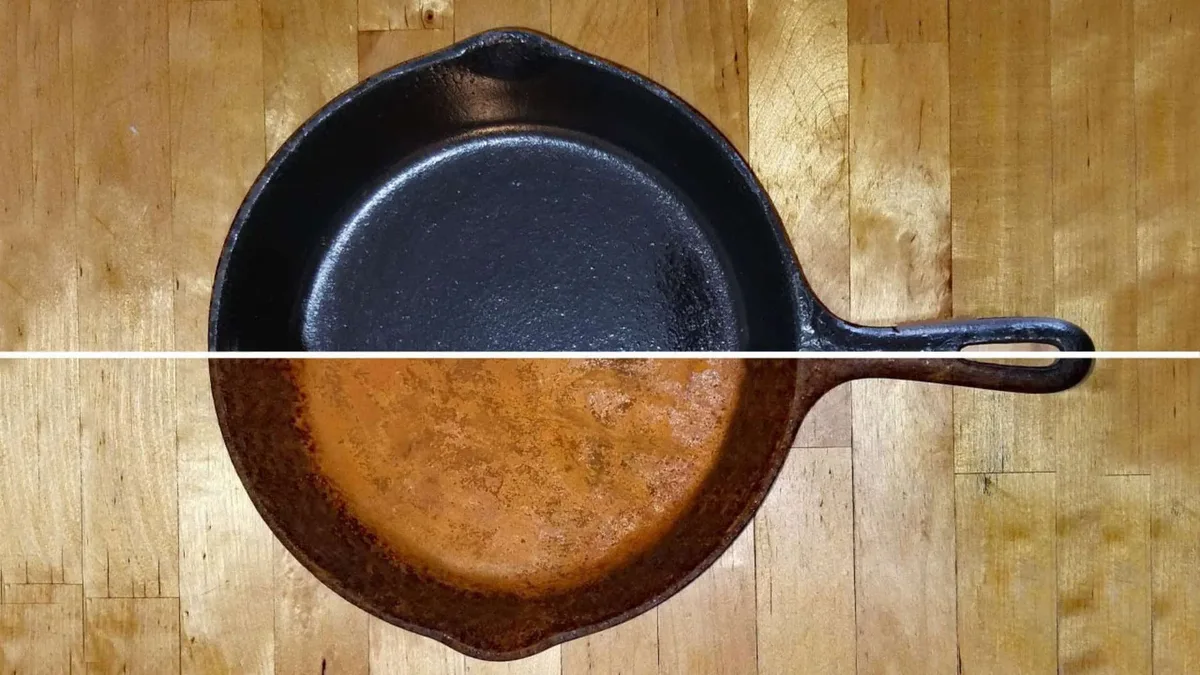
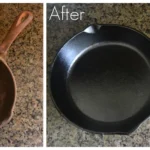
You may only need one seasoning coat for light surface rust. The pot will look dark and shiny again.
Branch B — Bare Cast Iron with Heavy or Pitted Rust
You have a darker, rougher surface. You can feel bumps or craters. This needs a vinegar soak.
Fill the pot with equal parts white vinegar and water. Let it soak for no more than one hour. Check every 15 minutes.
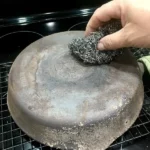
The vinegar dissolves rust chemically. After an hour, scrub with steel wool or a chainmail scrubber. Rinse thoroughly with water and a little baking soda to neutralize the acid.
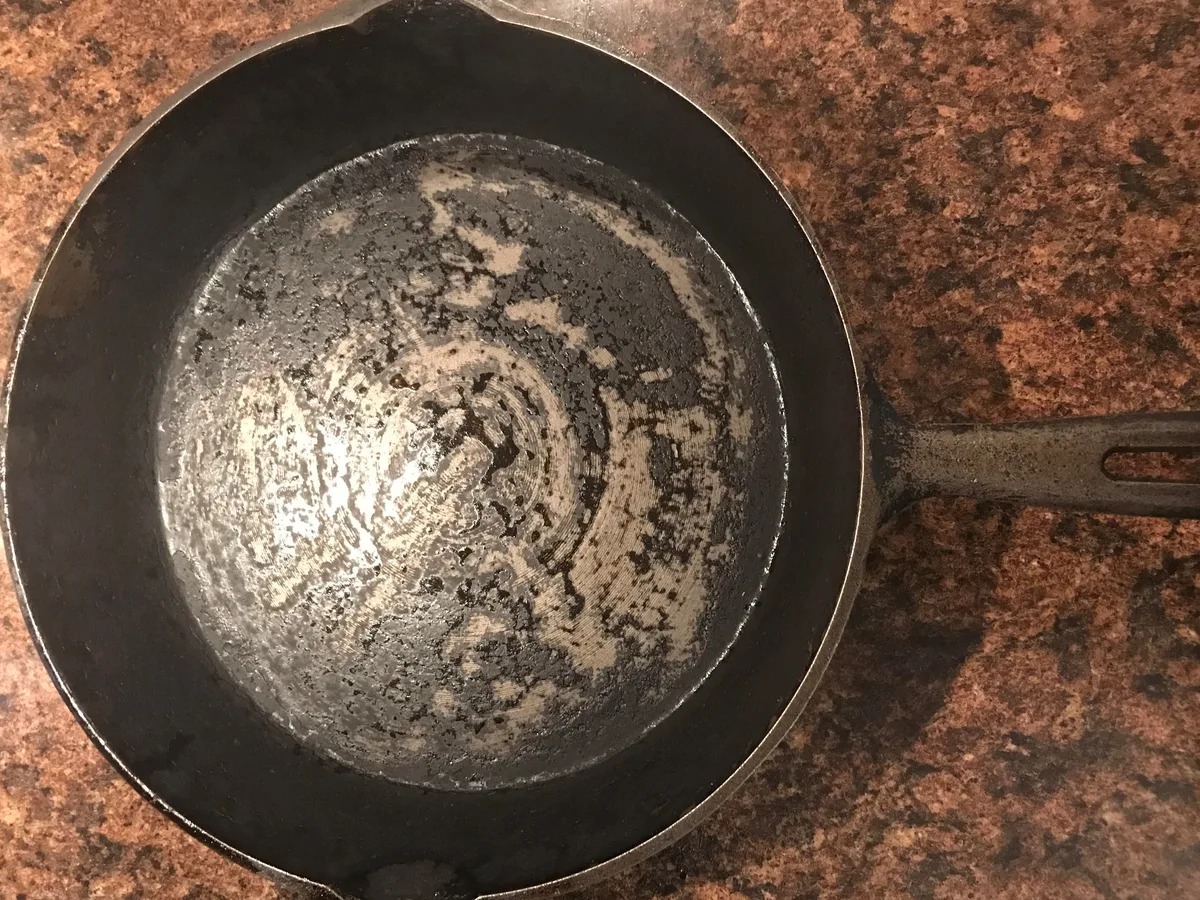
Dry immediately. You will see bare gray iron. The original seasoning is gone.
You need to reseason from scratch. Apply a thin layer of oil, wipe off all excess, and bake at 450°F for one hour. Repeat for three to five coats.
The pot will darken with each cycle.
Branch C — Enameled Dutch Oven with Surface Rust Stains
Your pot has orange or brown stains on the smooth enamel. This is not rust eating the metal. It's a stain from iron particles in water or from a metal utensil.
Make a paste with baking soda and a little water. Apply it to the stained areas. Let it sit for 15 minutes.
Scrub gently with a soft sponge or a nylon brush. Rinse thoroughly. If stains remain, try a diluted white vinegar wipe.
Rinse again and dry.
Never use steel wool or abrasive scrubbers. They will scratch the glass-like enamel. Once scratched, the surface becomes rough and food sticks.
Branch D — Enameled Pot Where Iron Is Exposed (Chip or Crack)
This is the one situation where you should not try to clean and restore. A chip in the enamel exposes the bare iron underneath. That iron can rust further and leach into acidic foods.
Manufacturer specifications from both Le Creuset and Staub state that chipped enamel makes a pot unsafe for cooking. The exposed iron can also cause the enamel to chip more over time.
You have two options. Replace the pot if it's heavily damaged. Or if the chip is very small and located on the outside or rim, you can continue using it as a decorative piece or for dry storage only.
Do not cook in it.
Step-by-Step: The Only Cleaning Method You Need for Your Branch
Let's walk through the restoration process for the most common scenario: a bare cast iron dutch oven with moderate surface rust. This approach combines the vinegar method with a proper reseasoning sequence.
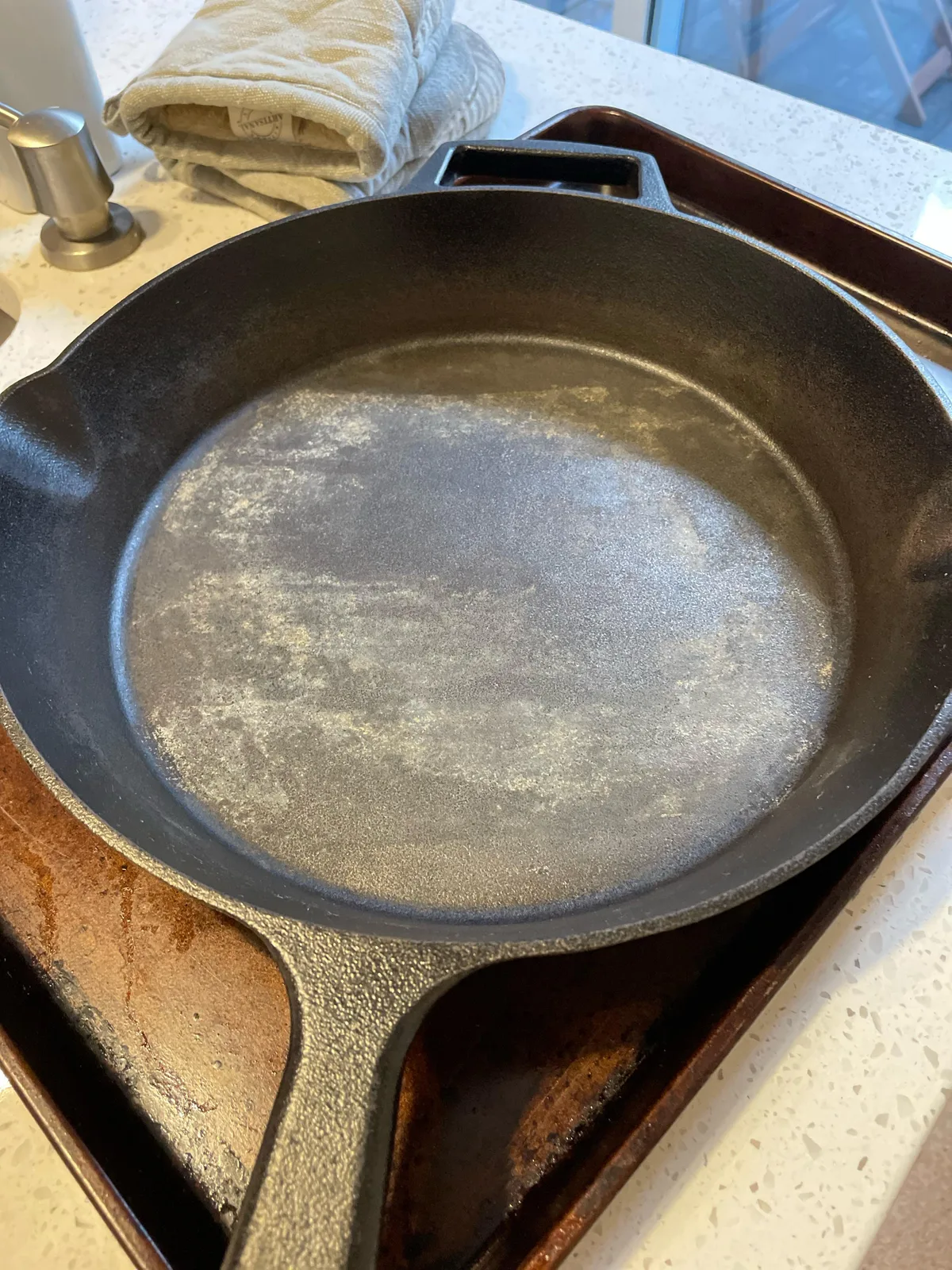
Start by scrubbing the pot with warm water and a stainless steel scrubber or fine steel wool. Remove any loose rust and food debris. Rinse and dry it on the stove over low heat.
Once the pot is warm, fill it with a one-to-one mixture of white vinegar and water. Let it sit for 30 minutes to one hour. The vinegar reacts with the rust and loosens it chemically.
After the soak, pour out the vinegar mixture. Scrub the pot again with steel wool and a little baking soda. The baking soda neutralizes any remaining acid.
Rinse thoroughly with warm water. Now the pot should show bare gray iron with no visible rust.
Dry the pot completely on the stove over low heat. This step is critical. Any moisture left behind will cause flash rust within minutes.
You will see a thin orange bloom appear. If that happens, just scrub it off quickly with steel wool and dry again.
Now it's time to reseason. Apply a very thin layer of cooking oil to the entire pot, inside and out. Vegetable oil, grapeseed oil, or melted shortening all work well.
Use a paper towel to wipe off as much oil as possible. The surface should look dry, not greasy.
Place the pot upside down on the middle oven rack. Put a baking sheet or aluminum foil on the lower rack to catch drips. Bake at 450°F for one hour.
Then turn off the oven and let the pot cool inside. Repeat this oil-and-bake cycle three to five times. Each coat builds a stronger, more non-stick seasoning layer.
For enameled pots with stains only, skip the vinegar soak and oil bake. Just use the baking soda paste and a soft sponge. Rinse and dry.
Your pot is ready to use.
The Biggest Mistakes That Turn a Restoration Into a Ruined Pot
People make the same errors over and over. Avoid these and your restoration will go smoothly.
Using steel wool on enamel. This scratches the glass coating permanently. Once scratched, the surface becomes rough, food sticks, and the pot is harder to clean.
Use only soft sponges or nylon brushes on enamel.
Soaking bare iron in vinegar too long. Vinegar is acidic and dissolves iron if left too long. One hour is the maximum.
Longer soaks can create pitting and a rough surface that never feels smooth again. Set a timer.
Not drying immediately after washing. Bare cast iron rusts quickly when wet. Dry it on the stove over low heat right after rinsing.
Do not let it air dry. Flash rust can appear in seconds.
Skipping the oil wipe-down step. Applying oil and not wiping it off leaves a thick, sticky layer. That layer bakes into a gummy mess that never hardens properly.
Always wipe the oil until the surface looks dry. Thin coats create hard, durable seasoning.
Cooking acidic food in a freshly seasoned pot. Tomato sauce, citrus, and vinegar can strip a new seasoning layer. Wait until the pot has been used a few times for oil-based cooking before trying acidic foods.
Give the seasoning time to build strength.
The good news is that all of these mistakes are preventable. Take your time with the drying and seasoning steps. Your dutch oven will be back in regular rotation within a few days.
How to Reseason Bare Cast Iron (When You've Removed the Rust)
Once the rust is gone, you are staring at bare gray iron. That surface has zero protection. It will rust again within hours if you don't season it properly.
Reseasoning is the process of baking a thin layer of oil onto the metal. The oil polymerizes, meaning it turns into a hard plastic-like coating. That coating is your new non-stick surface and your rust barrier.
Start by preheating your oven to 450°F. While it heats, wash the pot with warm water and a little dish soap. This removes any remaining vinegar residue or rust dust.
Dry it thoroughly on the stove over low heat.
Apply a small amount of oil to a lint-free cloth or paper towel. Vegetable oil, canola oil, grapeseed oil, or melted shortening all work well. Rub the oil over the entire pot.
Then take a clean cloth and wipe off as much oil as you can. The surface should look dry with no visible puddles or streaks.
Place the pot upside down on the middle oven rack. Put a baking sheet on the lower rack to catch any drips. Bake for one hour.
Then turn off the oven and let the pot cool inside.
Repeat this oil and bake cycle three to five times. Each coat adds durability. After the final coat, the pot will look dark brown or black.
That is normal. It will darken more with use.
Do not cook anything in the pot for the first few uses that requires heavy scrubbing. Start with oil-rich foods like cornbread or fried potatoes. They help build the seasoning faster.
When to Stop Cleaning and Just Replace the Pot
Not every dutch oven is worth saving. Knowing when to walk away saves you time and frustration.
For enameled pots, the dealbreaker is a chip or crack in the enamel. If you see bare iron exposed anywhere on the cooking surface, the pot is unsafe. Acidic foods can react with the exposed metal.
The enamel can also continue to chip, sending glass-like fragments into your food. Replace it.
For bare cast iron, the threshold is deep pitting. If the rust has eaten craters into the surface that you can feel with your fingernail, full restoration is difficult. The pitting creates rough spots where food sticks and rust returns quickly.
You can still use the pot, but it will never perform like a smooth one.
Another sign is warping. Place the pot on a flat surface and check for wobble. A warped pot heats unevenly.
That affects cooking results and can damage glass stovetops. Replace it.
Cracks in bare iron are also non-negotiable. A cracked dutch oven can split open during cooking. That is a safety hazard.
Do not use it.
Cost is another factor. A new bare cast iron dutch oven from Lodge costs around 40 to 60 dollars. If your restoration requires hours of labor and the pot still has pitting, the time may not be worth it.
For enameled pots, replacement is more expensive but necessary when damaged.
Trust your judgment. If the pot looks unsafe or the rust is too deep, let it go. Not every piece is a keeper.
Frequently Asked Questions
Can I use oven cleaner to remove rust from cast iron?
Yes, but only on bare cast iron. The yellow-cap oven cleaner method works for stripping old seasoning and rust. Spray the pot, seal it in a plastic bag for 24 hours, then scrub.
Never use this on enameled surfaces. The chemicals can damage the coating.
Does vinegar damage cast iron?
It can if left too long. Vinegar is acidic and dissolves both rust and iron. Limit vinegar soaks to one hour maximum.
Check the pot every 15 minutes. Rinse thoroughly with water and a little baking soda to neutralize the acid. Never soak enameled pots in vinegar.
How do I prevent rust from coming back after cleaning?
Dry the pot completely after every wash. Heat it on the stove for a minute or two to evaporate hidden moisture. Store it in a dry place with the lid slightly ajar.
A thin oil wipe before storage adds extra protection. In humid climates, check your pot monthly.
Can I restore a rusted enameled dutch oven?
Only if the enamel is intact. Surface rust stains can be removed with a baking soda paste. If the enamel is chipped and rust is forming underneath, the pot cannot be restored safely.
Replace it. Rust under enamel means the protective layer is compromised.
Is it safe to cook in a rusty cast iron dutch oven after cleaning?
Yes, if the rust is completely removed and the pot is properly reseasoned. Rust itself is not toxic, but it creates a rough surface where bacteria can hide. Thorough cleaning and seasoning eliminate that risk.
If the pot has deep pitting or cracks, do not cook in it.
How many coats of seasoning do I need after rust removal?
Three to five coats is the standard recommendation. Each coat takes one hour at 450°F. Three coats provide a functional surface.
Five coats create a more durable, non-stick finish. You can add more coats over time as you cook. The seasoning builds with use.
How to Reseason Bare Cast Iron (When You've Removed the Rust)
Once the rust is gone, you have bare gray iron. That surface needs protection. Seasoning creates a polymerized oil layer that prevents rust and gives a non-stick finish.
Preheat your oven to 450°F. Wash the pot with warm water and dish soap. Dry it completely on the stove over low heat.
Apply a thin layer of vegetable oil or melted shortening. Wipe off all excess oil. Place the pot upside down and bake for one hour.
Let it cool in the oven. Repeat three to five times.
Use canola, grapeseed, or vegetable oil, not flaxseed oil. Aggregate reviews and manufacturer guidance suggest flaxseed seasoning flakes off easily.
When to Stop Cleaning and Just Replace the Pot
You cannot fix every dutch oven. For enameled pots, a chip or crack exposing the iron is dangerous. The metal can leach into food, and the enamel can keep flaking.
Replace it.
For bare cast iron, deep pitting that you can feel with a fingernail means the surface is compromised. Warped pots that wobble on the stove heat unevenly. Cracks are an immediate safety hazard.
If replacement costs less than your time and risk, buy a new one.
Frequently Asked Questions
Can I use oven cleaner to remove rust?
Yes, on bare cast iron only. The yellow-cap oven cleaner method strips seasoning and rust in 24 hours. Never use it on enameled surfaces, as the chemicals can damage the coating.
Does vinegar damage cast iron?
Only if soaked too long. Limit vinegar soaks to one hour maximum. Rinse thoroughly with water and a little baking soda to neutralize the acid.
How do I keep rust from returning?
Dry the pot fully on the stove after washing. Apply a thin oil coat before storage. Store with the lid off in a dry place.
In humid climates, check your pot monthly.

Similar Posts