Remove Rust from Cast Iron Like a Pro
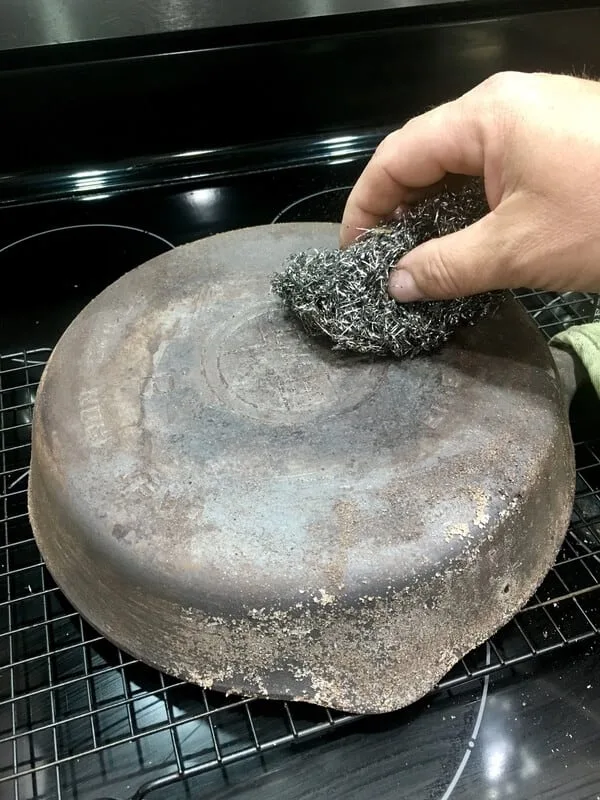
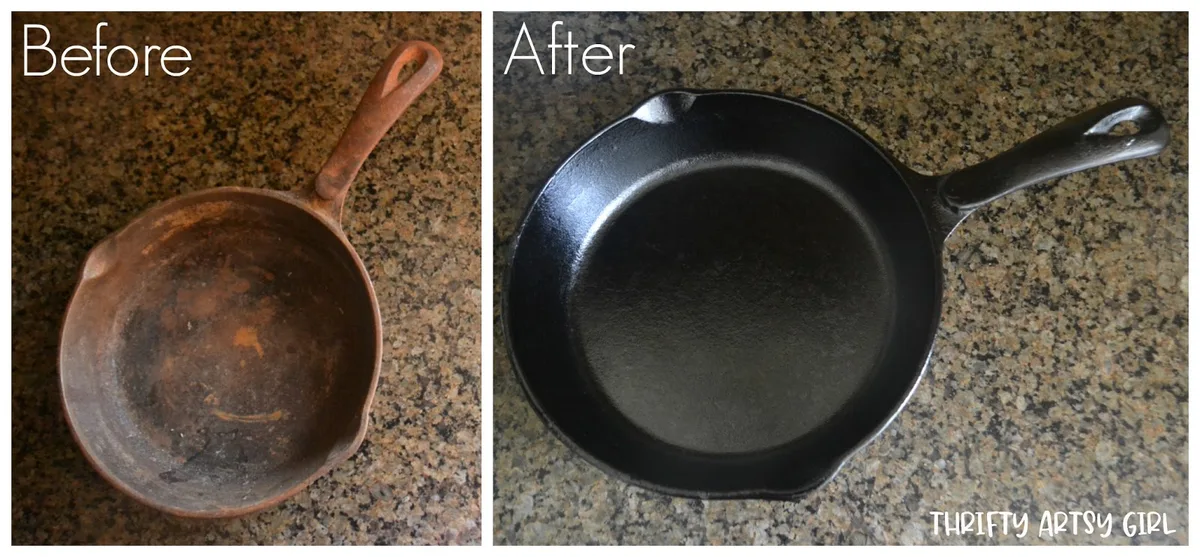
If you're here, you probably want to know how to clean rust out of cast iron without wrecking the pan. Good news: most rusty skillets are completely saveable, even ones that look like they sat in a damp garage for a decade. The trick is matching your method to the rust severity, not just scrubbing everything the same way.
Manufacturer specifications indicate that a vinegar-and-water soak should never exceed 60 minutes, because longer exposure can etch the iron's surface. That's just one example of why the right workflow matters. Let's walk through the decision process step by step.
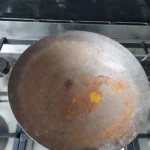
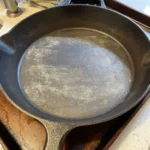
Image source: Bing (Web (fair-use with source credit))
Quick Answer
Scrub off loose rust with steel wool. Soak the pan in equal parts vinegar and water for 30 to 60 minutes. Rinse and dry immediately.
Re-season with a thin layer of oil and bake at 450°F for one hour. Repeat if needed.
Is It Saveable? First, Look at Your Pan
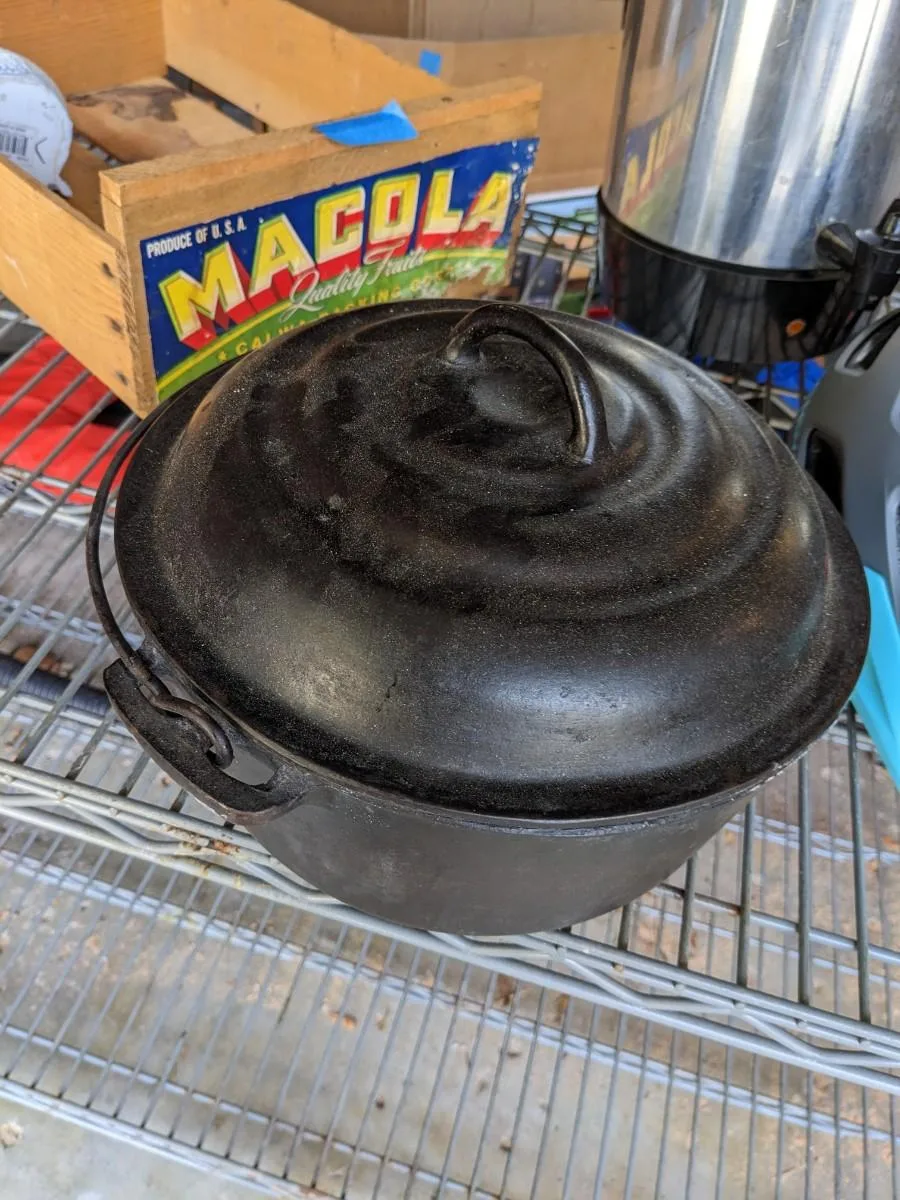
Before anything else, identify what you're working with. Bare cast iron can take almost any restoration method. Enameled cast iron can't.
If the pan has a smooth, glassy colored coating inside or out, that's enamel. Skip the vinegar soak, skip the lye, and skip heavy abrasives. Enameled pans are better cleaned with gentle methods or, if the enamel is chipped, replaced.
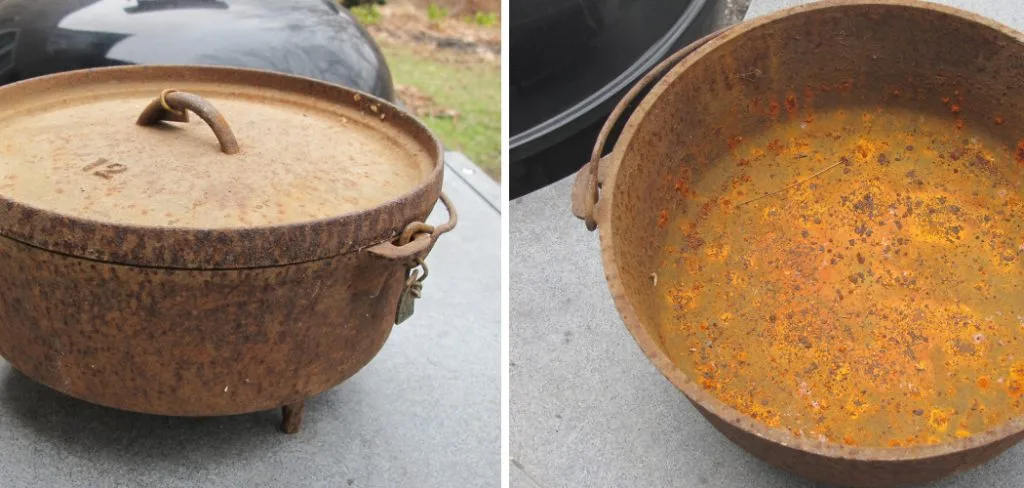
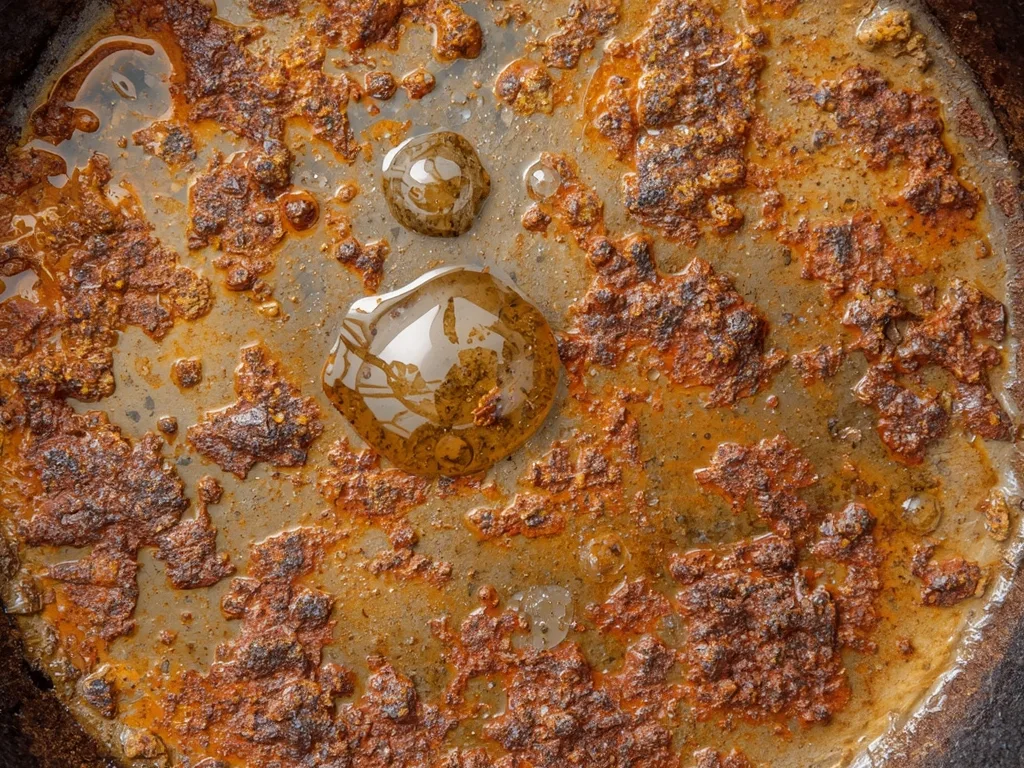
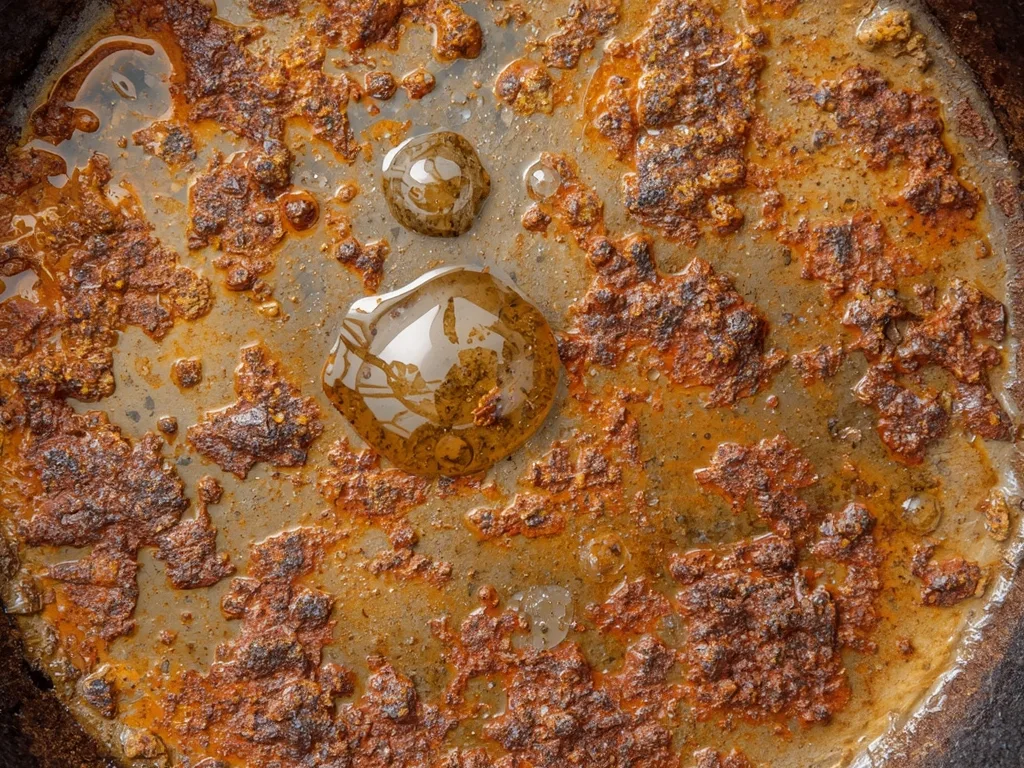
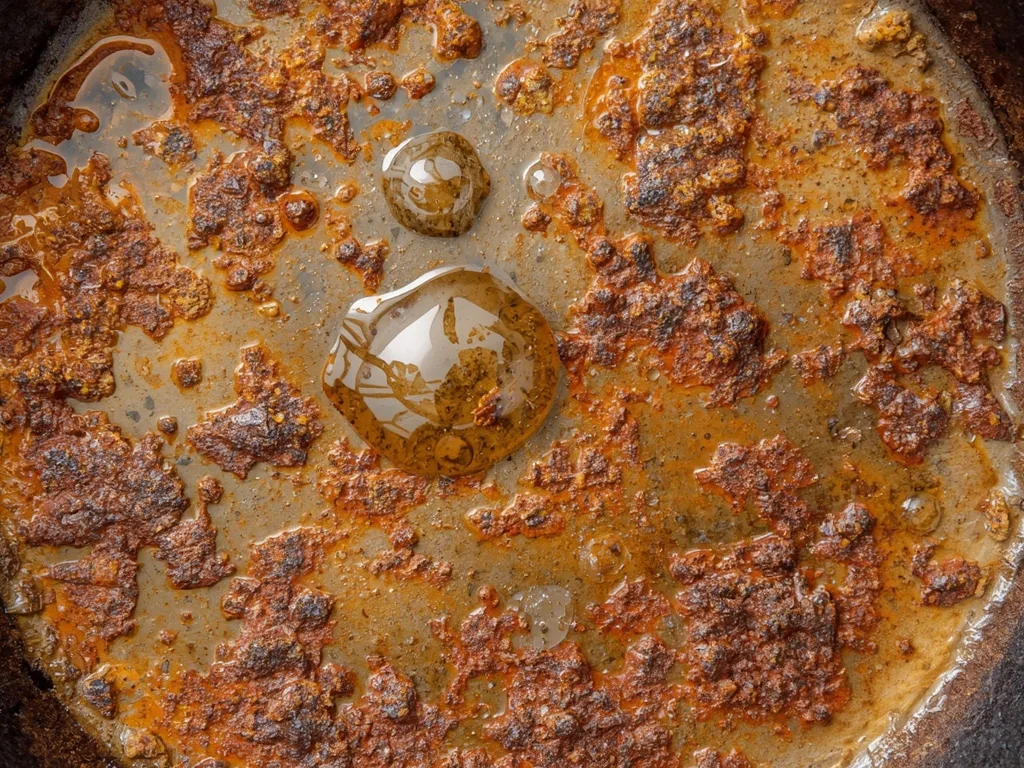
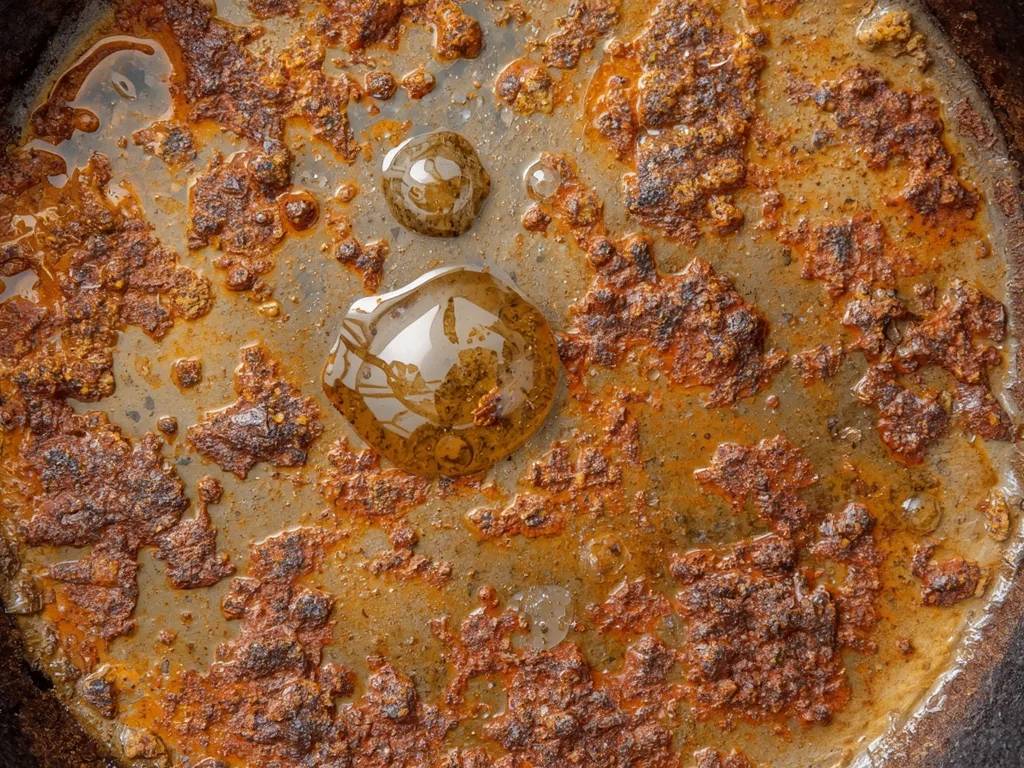
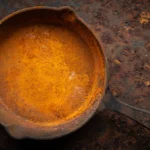
For bare iron, the next question is rust severity. Light surface rust looks like a dusty orange film that wipes off on a paper towel. Moderate rust has a flaky texture and leaves orange streaks on your fingers.
Heavy rust is deeply pitted, with visible craters and scale that flake off in chunks.
Here's a quick assessment table:
| Rust Severity | Visual Clue | Best Approach |
|---|---|---|
| Light | Thin orange dust, no texture change | Scrub and re-season |
| Moderate | Flaky patches, slight pitting | Vinegar soak or electrolysis |
| Heavy | Deep pitting, scaling, rough craters | Electrolysis or lye bath |
If the pan is a valuable vintage piece, like a Griswold or Wagner, skip aggressive sanding. Sanding destroys the original smooth surface and cuts the collector value. As of 2026, the vintage cast iron market still rewards original machining marks, so preserve them when possible.
One more check: does the pan feel warped or cracked? Lay it flat on a counter. If it rocks side to side, or you see hairline fractures, it's not worth restoring.
Cracks trap moisture and bacteria, and warped pans heat unevenly. Toss those and find another pan.
Finally, test for lead if you bought the pan at a flea market or inherited it. Home lead test kits are cheap, and the risk isn't worth your health. When in doubt, treat it as contaminated and skip the cookware route entirely.
Three Real Ways to Strip Rust and When to Use Each
You've got three solid options for removing rust from bare iron. Each one fits a different situation. Choose based on rust severity, equipment you have, and how much time you want to spend.
Vinegar Soak
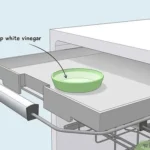
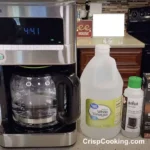
The vinegar soak is the most accessible method. Mix one part white vinegar with one part water in a container big enough to submerge the pan. Submerge the rusty iron completely and check it every 15 to 30 minutes.
Light rust usually lifts off within 30 minutes. Moderate rust takes up to an hour. Never go past 60 minutes.
After the soak, scrub with fine steel wool under running water. The rust should wipe away like orange mud. Rinse thoroughly with clean water, then immediately dry the pan with a lint-free cloth.
This method is best for light to moderate rust on standard cookware. It's cheap, fast, and uses ingredients you already have.
Electrolysis
Electrolysis is the gold standard for heavy rust and vintage pieces. It uses a low-voltage DC current, a sacrificial steel anode, and a water-plus-washing-soda solution to pull rust off the iron without any abrasive scratching. It takes 12 to 48 hours, but it's completely hands-off and won't remove good iron.
You'll need a battery charger or a DC power supply, a plastic tub, a piece of mild steel rebar or plate, and washing soda. The pan becomes the cathode, and the steel becomes the anode. When the current runs, bubbles form and rust transfers to the sacrificial metal.
Detailed wiring diagrams are available from university engineering resources online.
The main downside is setup. You need a tub large enough, a safe outdoor or ventilated space, and basic wiring knowledge. But if you're restoring a family heirloom or a badly pitted pan, electrolysis is the only method that preserves every detail of the original surface.
Aggregate reviews from restoration communities consistently rank it as the safest for vintage iron.
Lye Bath
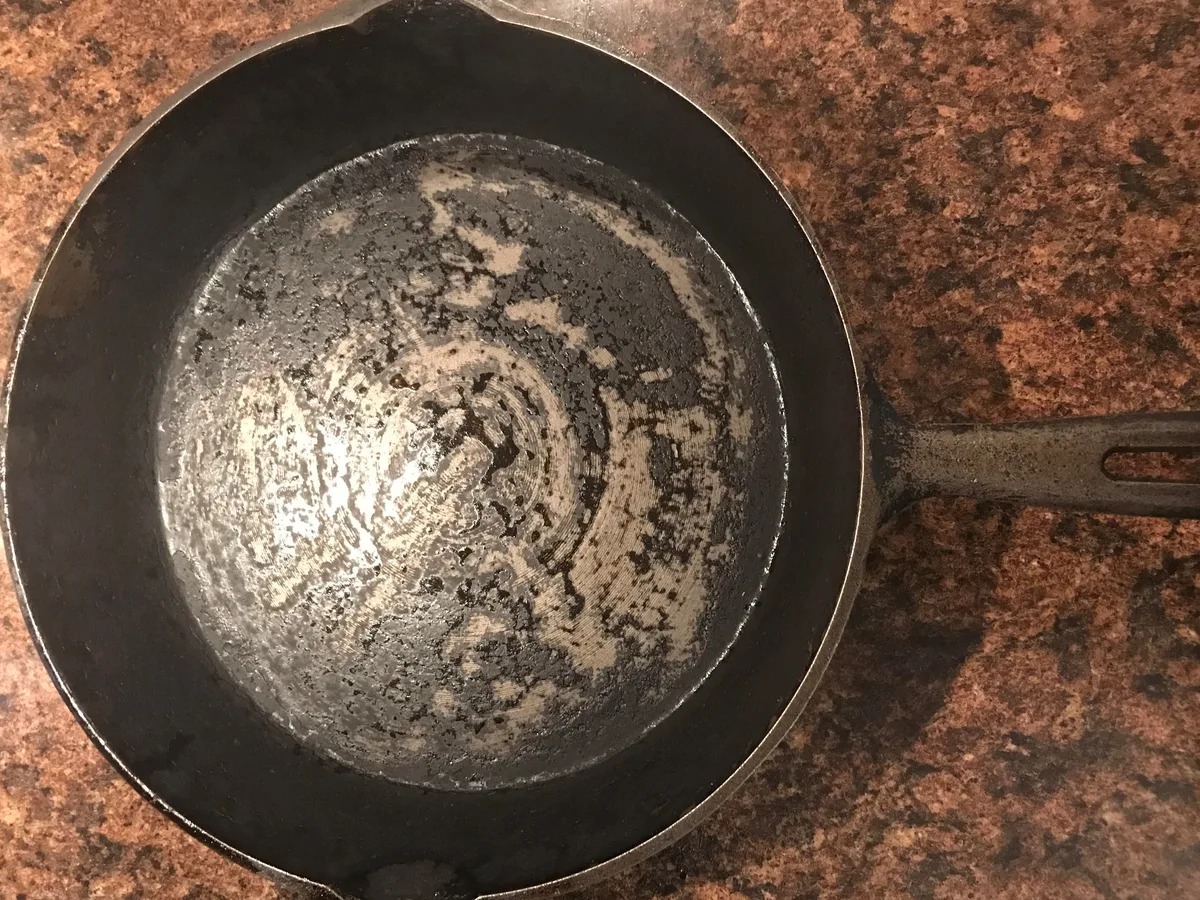
Here's the thing: a lye bath doesn't remove rust. It removes seasoning, grease, and old carbon buildup. If your pan has both rust and layers of old burnt gunk, you'll need to strip that gunk before you can get to the rust.
That's where a lye bath comes in.
The classic setup is a plastic container filled with water and pure lye (sodium hydroxide). Submerge the pan and wait a few days to a week. The lye dissolves organic buildup, leaving bare iron with rust still attached.
Then you move on to the vinegar soak or electrolysis to handle the rust.
Lye is caustic. Wear gloves, goggles, and work in ventilated space. Never use lye on enameled cast iron, because it damages the enamel.
Also, never mix lye with aluminum pans in the same bath, as it produces hydrogen gas.
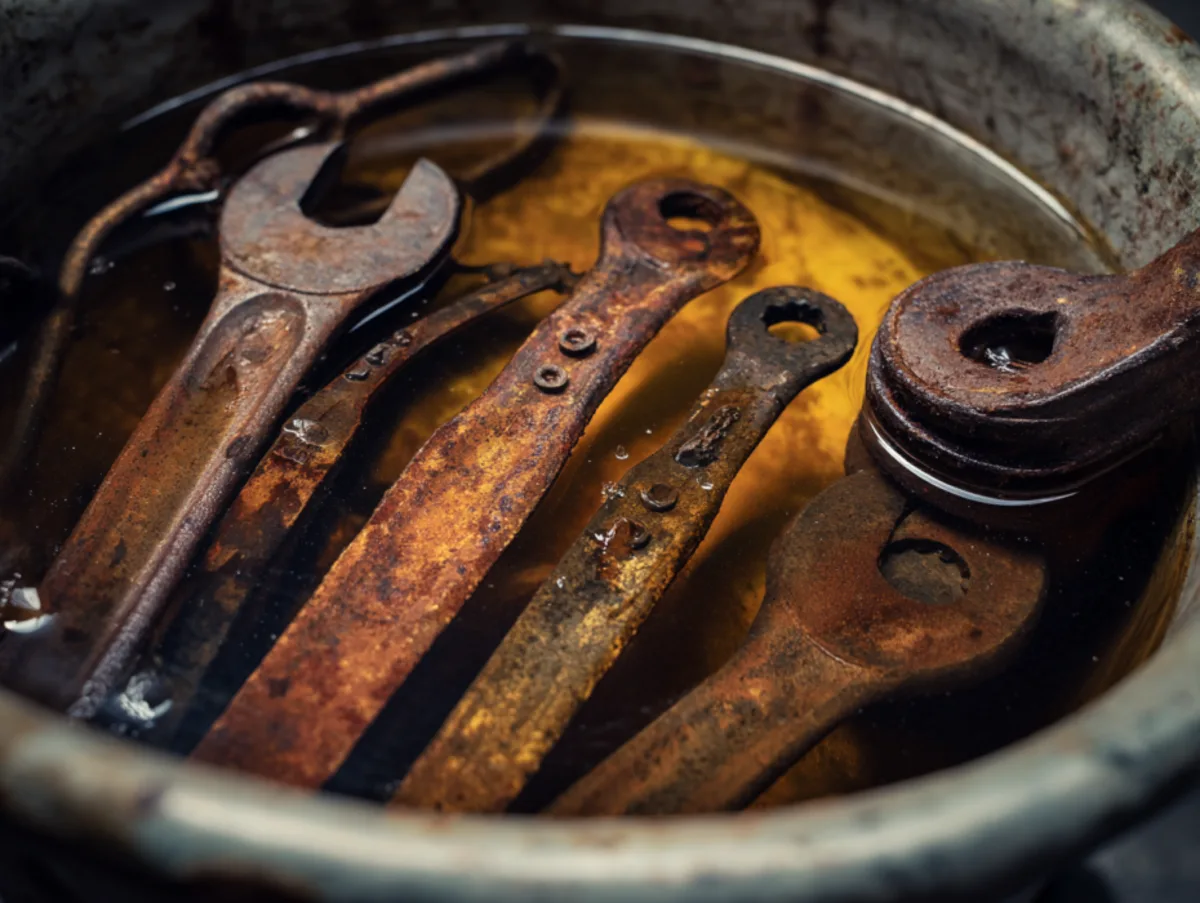
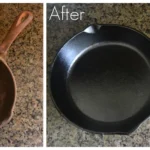
Image source: Bing (Web (fair-use with source credit))
Here's a quick decision table:
| Situation | Best Method |
|---|---|
| Light rust, no gunk | Vinegar soak |
| Moderate rust, light gunk | Vinegar soak then re-season |
| Heavy rust, no gunk | Electrolysis |
| Heavy gunk and rust | Lye bath, then vinegar or electrolysis |
| Vintage collectible | Electrolysis only |
How to Re-Season Without Messing It Up
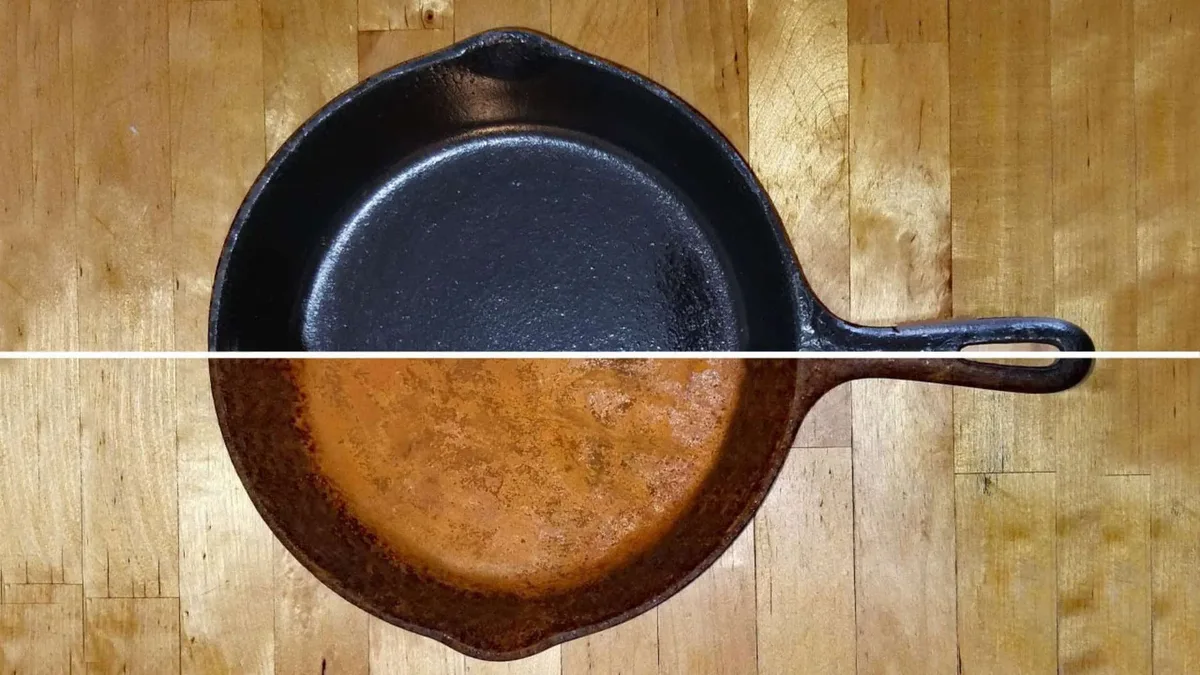
Once the rust is gone, you're staring at raw gray iron. If you oil it and cook right away, it'll flash rust overnight. Re-seasoning takes about an hour of oven time and some patience.
Here's the workflow that works.
First, dry the pan completely. Put it on a stovetop burner on low heat for five minutes. This drives moisture out of pores.
You can also use heat from an oven set to 200°F. The pan must be bone dry before oil goes on.
Next, choose your oil. A neutral high-smoke-point oil works best. Grapeseed, canola, or vegetable oil are solid choices.
Flaxseed oil looks great on social media but flakes off easily in normal use, so skip it. Cast a thin layer over the entire pan, inside and outside, including the handle. Then wipe it off with a clean rag like the oil was a mistake.
You want only a microscopic molecular layer left.
Place the pan upside down on the middle oven rack, with a baking sheet or foil on the rack below to catch drips. This prevents oil pooling in the cooking surface. Set the oven to 450°F and bake for one hour.
After the hour, turn the oven off and let the pan cool completely inside the oven. This cooling step hardens the polymerized layer.
One cycle is usually enough for a lightly used pan, but a heavily corroded pan benefits from three rounds. Repeat the oil-wipe-bake-cool process. Each cycle builds depth and darkens the pan from gray to bronze to deep black-brown.
That color shift is normal and desirable.
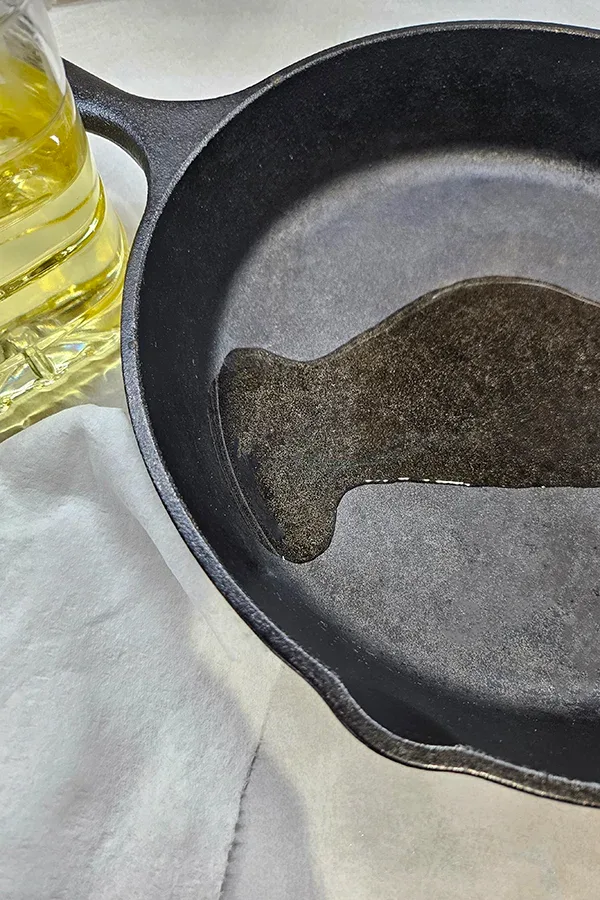
Image source: Bing (Web (fair-use with source credit))
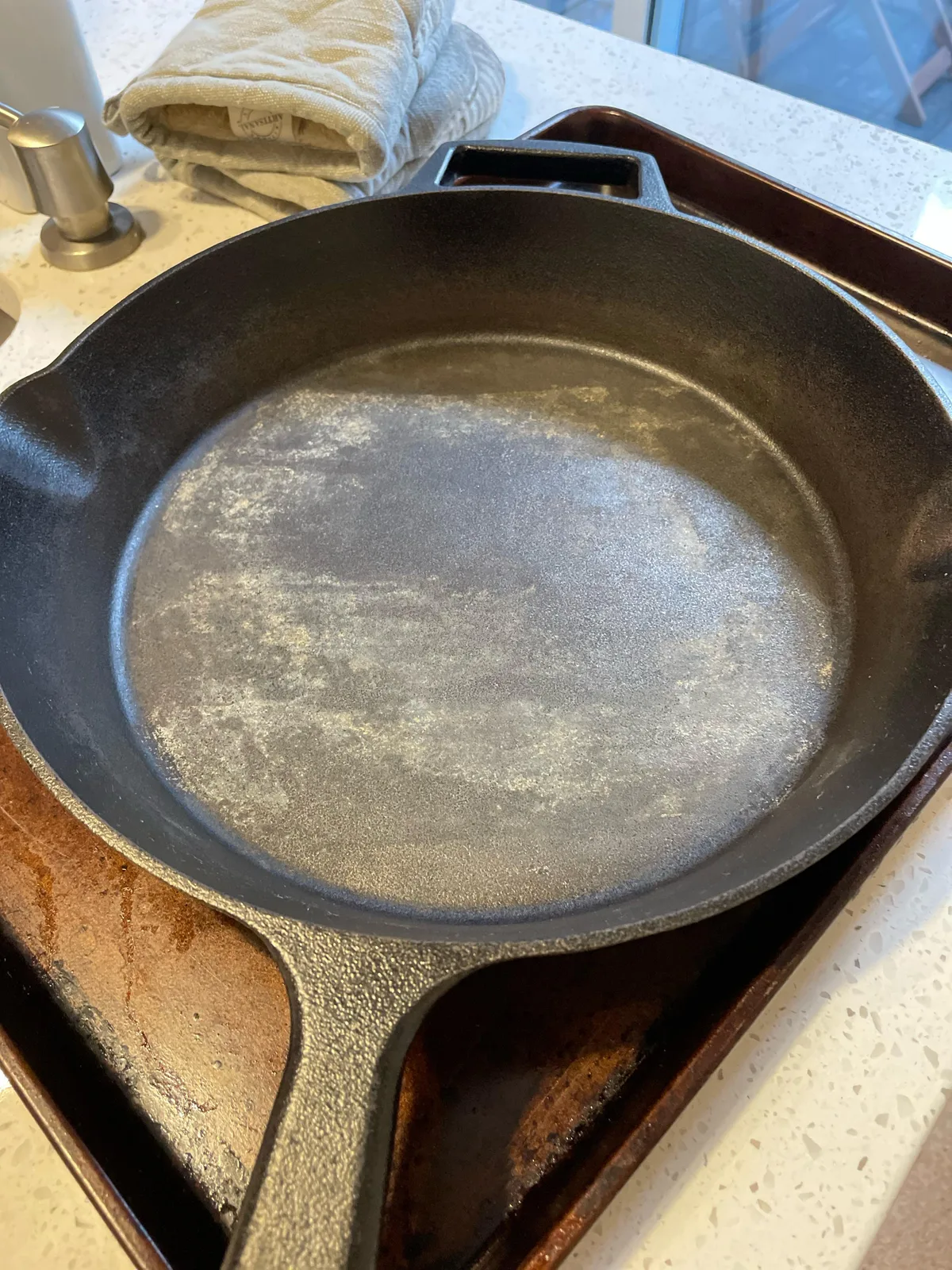
After seasoning, the surface should feel smooth and slightly slick to the touch. Test with a quick cook like fried eggs or cornbread. If food sticks, one more seasoning round usually fixes it.
If the pan looks patchy or gray in spots, you used too much oil and the layer bubbled. No problem: strip it and start over, or just keep cooking on it. Regular use will smooth out minor flaws.
Mistakes That Ruin a Restoration (and How to Avoid Them)
Most failed restorations come down to a handful of predictable mistakes. Here's what to stop doing.
Soaking too long in vinegar. This is the big one. Past 60 minutes, acetic acid starts eating the iron itself, leaving pits and a rough, gray finish that feels like sandpaper. Set a timer.
Check every 15 minutes. When the rust is gone, pull the pan out immediately.
Scrubbing with the wrong abrasive. Steel wool is fine for bare iron. Wire brushes are fine too. But skip sandpaper, especially on vintage pans.
Sandpaper removes the original smooth surface and leaves fine scratches that hold food and catch seasoning. If you must use an abrasive, use ultra-fine steel wool.
Drying too slowly. Raw iron rusts within minutes of being exposed to air and water. After rinsing, dry the pan with a towel, then heat it on a burner to evaporate all hidden moisture. Waiting ten minutes before drying is enough time for flash rust to appear.
If you see orange tint appear on gray iron while drying, you've waited too long.
Skipping the lye bath before rust removal. If the pan has decades of crusted grease, the vinegar won't penetrate to the rust. You'll waste vinegar and time scrubbing through carbon layers. Strip the organic gunk first with a lye bath.
It's a two-step process, not a shortcut.
Using oil that's too thick. Smothering the pan in oil before seasoning creates a sticky, tacky surface that never hardens. The oil must be all but rubbed off before baking. The pan shouldn't look greasy at all.
This is the most common cause of sticky pans after re-seasoning.
Attempting the oven self-clean cycle. Some people think the high heat will burn off everything cleanly. It works at stripping seasoning, but it also runs the risk of warping the pan. Temperature swings that severe can permanently crack cast iron.
Don't risk a good pan on a convenience feature.
Putting an enameled pan in the lye bath. Lye attacks enamel, producing a dull, rough finish. If an enameled pan has rust on the interior, the enamel is likely worn out anyway and the pan is unsafe to use. Replace it instead of restoring it.
Forgetting to neutralize the vinegar. After an acidic soak, the iron is acidic and ready to flash rust. Rinse the vinegar off with baking soda and water before drying. A pinch of baking soda in the rinse water neutralizes the residual acid instantly.
Beyond the Rust: Keeping It Rust-Free Long-Term
You've restored the pan. Now the goal is to never see orange again. The single most important habit is drying after every wash.
Seasoning is not waterproof; it's only semi-permeable. Water left on the surface will eventually reach the iron, especially at chips or scratches.
After washing, dry the pan over low heat on the stovetop for a couple of minutes. This completely evaporates all remaining water. Then rub a tiny drop of oil into the warm pan with a cloth.
That's it. Two minutes of effort prevents a world of rust.
Storage matters too. Keep the pan in a dry, cool place. Avoid humid basements and garages where moisture lingers.
If you stack pans, place a paper towel between them to absorb trapped moisture. For long-term storage, most professionals recommend a light wipedown of mineral oil, because polymerized cooking oil can eventually turn rancid in storage. Wash it off before the next use.
When rust does appear, catch it early. A small orange dot can be scrubbed with fine steel wool and oil in under a minute, then re-oiled. You don't need to strip and re-season the whole pan.
Just spot-treat the rust, reseason the spot, and carry on.
Frequently Asked Questions
Can you clean rust off a cast iron pan with just vinegar and water?
Yes, for light to moderate rust. Mix one part white vinegar with one part water and soak the pan for up to 60 minutes. Scrub with fine steel wool, rinse, dry, and re-season.
Avoid soaking longer than one hour.
Is it safe to use a cast iron pan that has rust on it?
Cooking on heavy rust isn't safe, because rust flakes can end up in your food. Light rust is technically not toxic, but it ruins the pan's performance and taste. Remove the rust before cooking again.
Does baking soda remove rust from cast iron?
Baking soda works as a mild abrasive, but it's not a rust remover. Use it to scrub off loose rust after a vinegar soak or to neutralize residual acid. For loose rust, it's okay, but vinegar or electrolysis is much more effective.
How long does it take to restore a rusty cast iron skillet?
Light rust takes about 30 minutes plus one hour for re-seasoning. Moderate rust takes one to two hours total. Heavy rust, using electrolysis or a lye bath, can take one to three days, not counting seasoning time.
Can I use the oven self-clean cycle to remove rust and old seasoning?
Technically, the high heat strips the pan to bare iron, but it can warp or crack a pan faster than any other method. Avoid using the self-clean cycle for cast iron restoration. Safer chemical or electrolysis methods give better results.
Should I worry about lead in an old rusty cast iron pan?
If the pan came from a stranger, a flea market, or an unknown source, test it for lead before cooking. Lead melts at a low temperature and can easily contaminate a pan's surface. Home lead test kits are inexpensive and worth the peace of mind.

Similar Posts