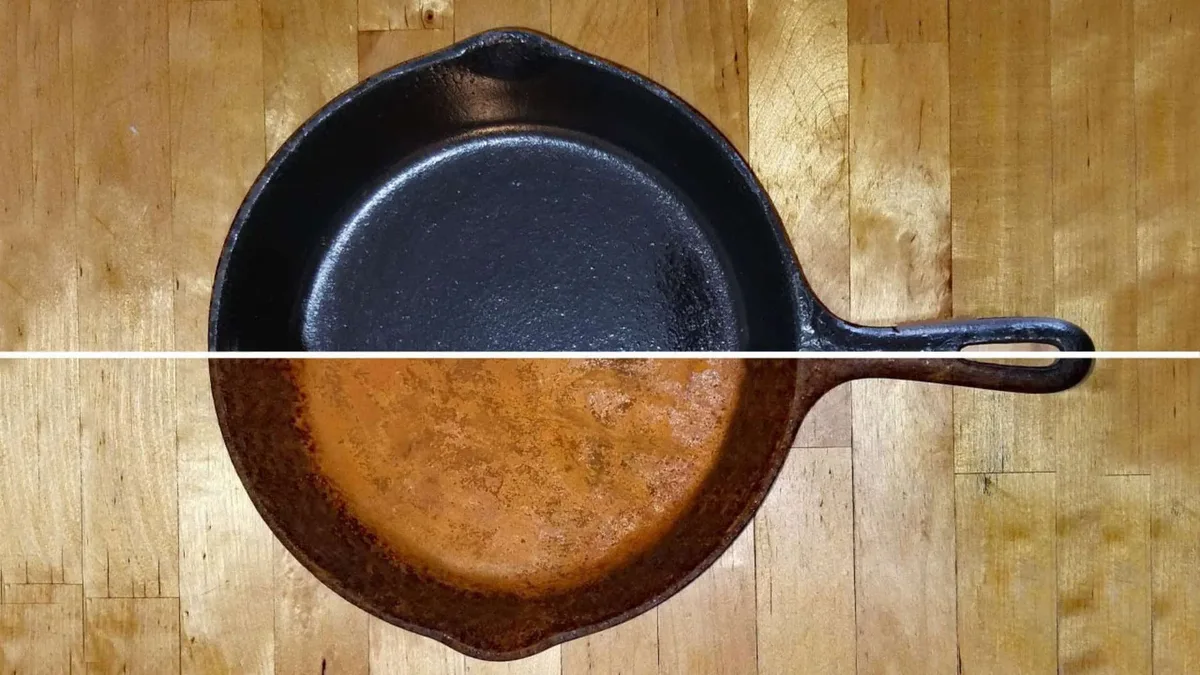
How to Clean Rust Off Cast Iron With Vinegar
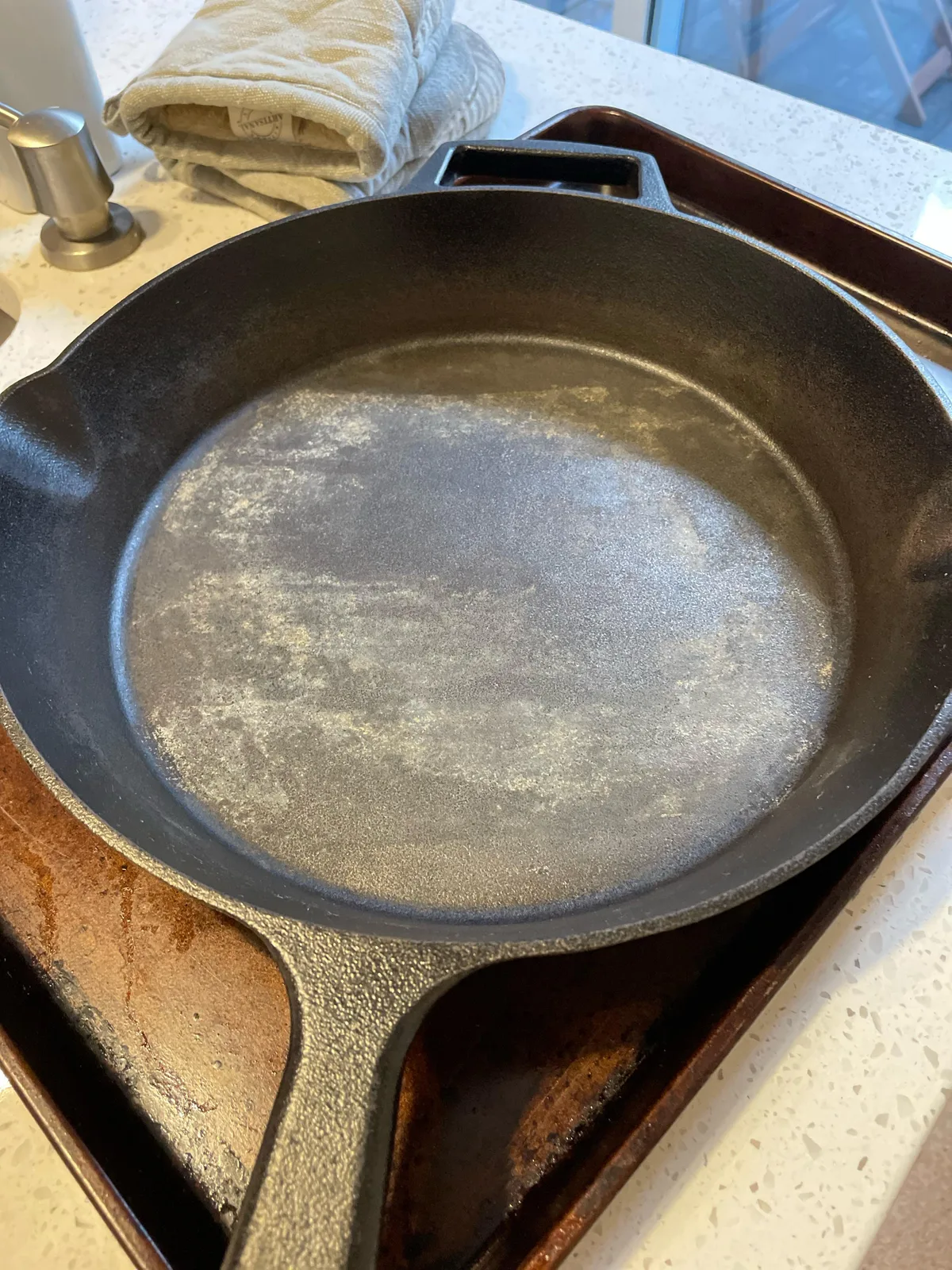
If you've got a rusty cast iron skillet sitting on your shelf, you're probably wondering how to clean cast iron rust with vinegar without turning your beloved pan into a pitted mess. It's a fair worry, because vinegar is both a miracle worker and a silent killer. Get the soak right, and you'll save the pan.
Get it wrong, and you might be shopping for a new one.
Here's what you need to know upfront. Standard white vinegar contains about 5% acetic acid. That acid dissolves iron oxide, which is exactly what rust is.
As of 2026, the vinegar soak remains the most common DIY method for stripping rust off bare cast iron, but it only works if you respect the timing.
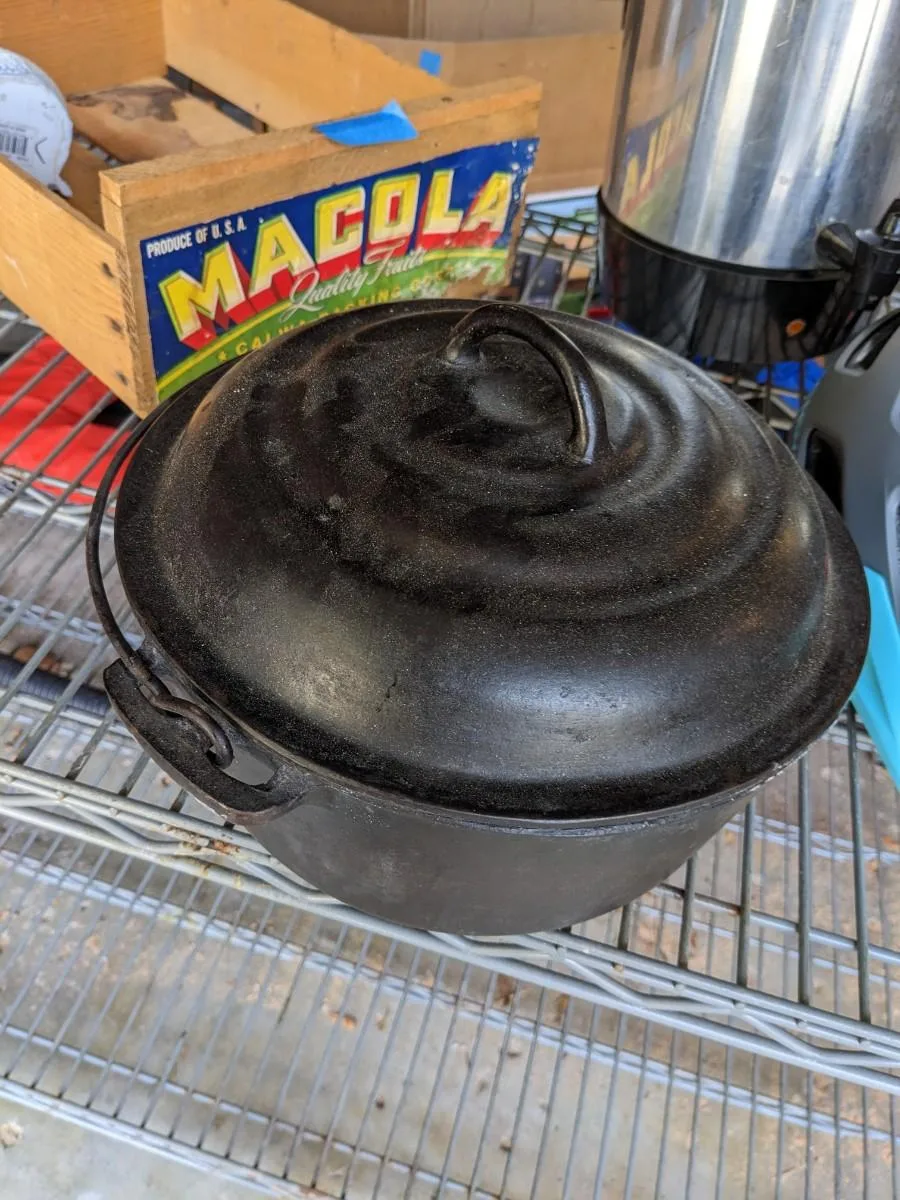
Image source: Bing (Web (fair-use with source credit))
The Stakes: Why Vinegar Cleaning Is a Stupid-Easy Way to Ruin a Skillet (or Save It)
Vinegar is an acid. It doesn't just lift rust, it strips away seasoning and exposes raw iron. That's precisely what you want during a full restoration.
But the same chemistry that dissolves rust will also eat into the pan if you give it hours.
What Most Tutorials Get Wrong About Vinegar and Cast Iron
The standard advice often says to soak for 30 minutes and scrub. That's way too vague. The soak time depends on how deep the rust is, how smooth the iron is, and whether the pan has any seasoning left.
Use if/then logic instead. Light rust gets a quick dip. Heavy rust gets multiple short sessions.
How Bad Rust Gets Before You Need This Method
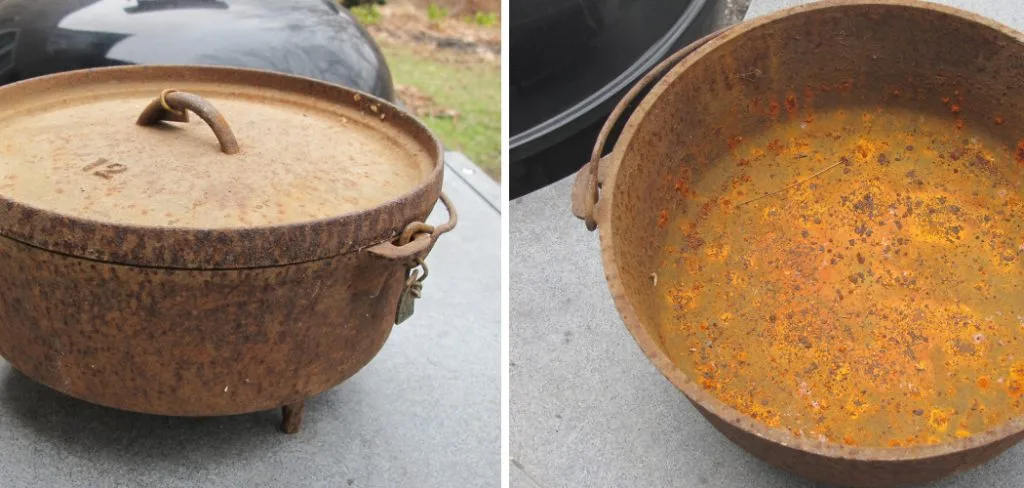
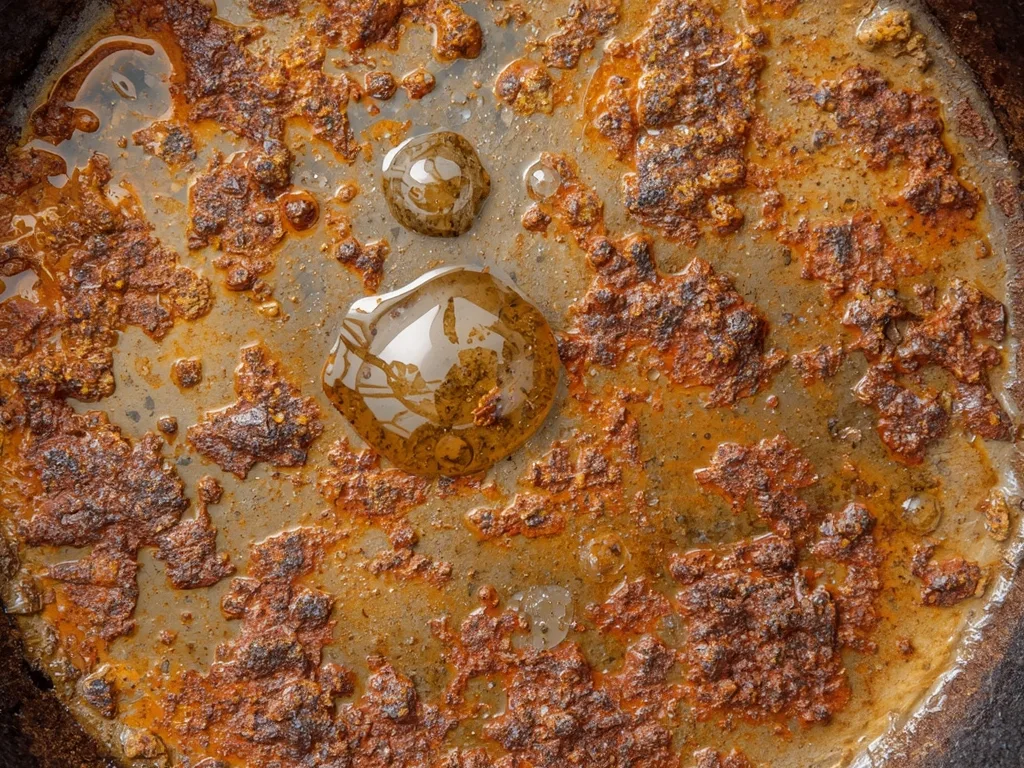
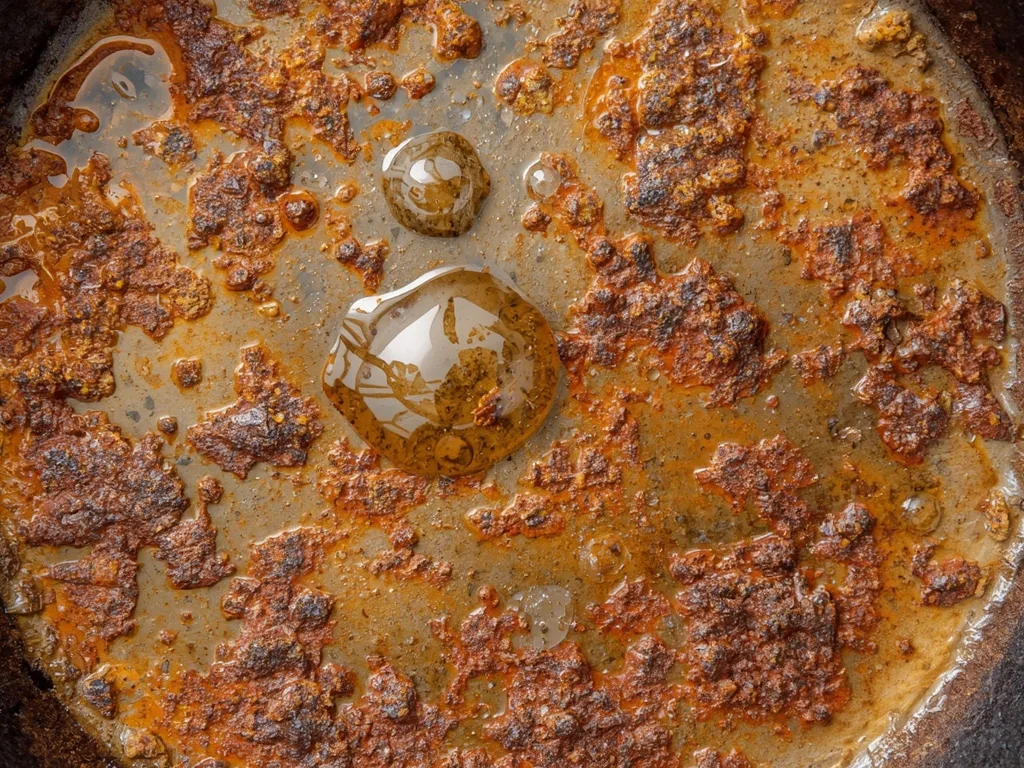
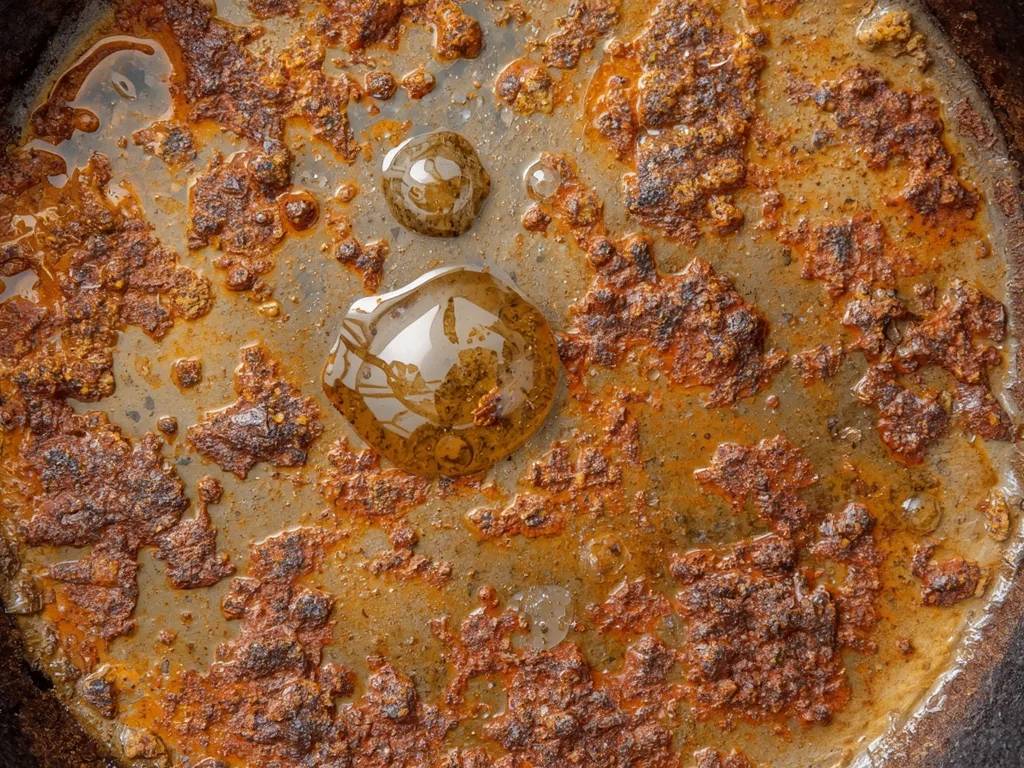
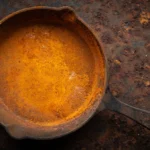
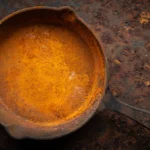
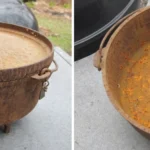
Not every rust spot needs vinegar. A few orange speckles can come off with oil and chainmail. When rust covers the surface, flakes off, or hides in tiny pits, that's the time to soak.
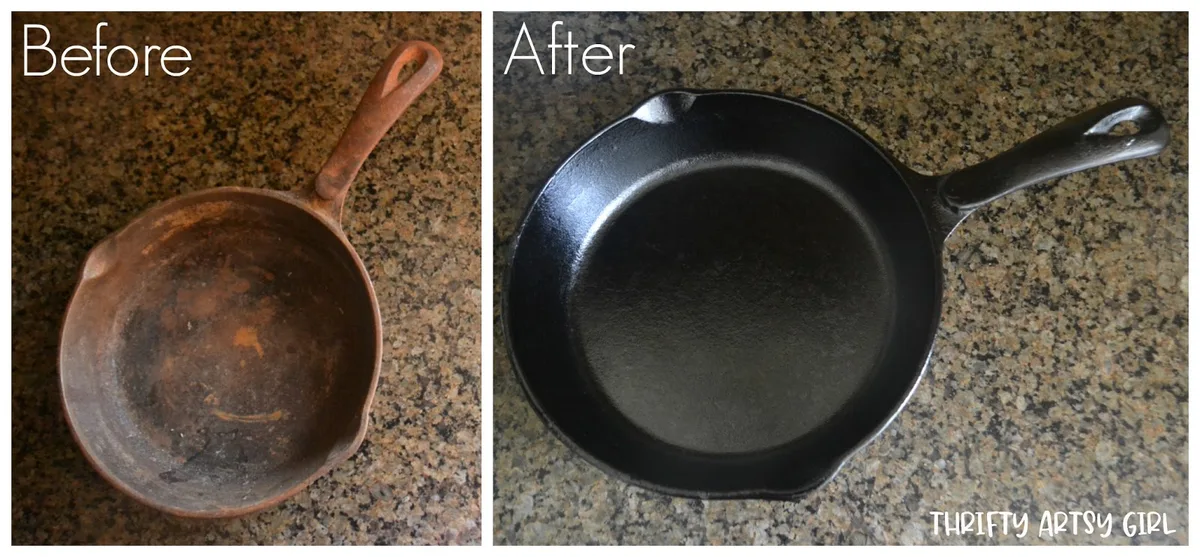
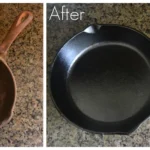
You're aiming to get the pan down to bare iron before a fresh layer of seasoning goes on.
The Short Answer: What Actually Happens When You Soak Cast Iron in Vinegar
Vinegar removes rust because acetic acid reacts with iron oxide faster than it reacts with the metallic iron underneath. The chemical reaction turns the rust into a water-soluble compound. That's why a vinegar soak is so effective for restoring cast iron.
Why Vinegar Dissolves Rust Faster Than It Damages Iron
The reaction isn't perfectly selective. Given enough time, vinegar will attack bare iron too. That's why dilution and constant checks matter.
A 1:1 ratio of vinegar to water slows the reaction to a safe pace.
The Exact Vinegar-to-Water Ratio That Works
Mix one part white distilled vinegar with one part water. That's the go-to ratio for a standard soak. For heavily rusted pans, you can use full-strength vinegar for short periods.
Just keep a timer running and check the pan every 10 minutes.
White vinegar at 5% acidity is recognized as food-safe by the U.S. Food and Drug Administration.
| Rust Level | Soak Time | Check Frequency | | Light surface rust | 10 to 30 minutes | Every 10 minutes | | Moderate rust | 30 to 90 minutes | Every 15 minutes | | Heavy rust | Multiple 30 to 60 minute sessions | Every 10 minutes |
What You Need Before You Start
Gather everything before you touch the vinegar. You'll need white distilled vinegar, water, a plastic tub or sink big enough to submerge the pan, steel wool, a scrub brush, baking soda, dish soap, and a clean towel. Have cooking oil and an oven ready for the re-seasoning step afterward.
The Only Supplies That Matter (and What to Skip)
Skip sandpaper, power tools, and coarse abrasive pads. They'll scratch the iron permanently. Skip commercial rust removers unless you're restoring an antique pan and understand the risks.
Vinegar is enough for most cookware.
How to Tell If Your Pan Is Safe to Soak
Bare cast iron is a candidate for this method. If the pan has an enamel coating, stop right there. Vinegar will dull and etch the enamel.
Also avoid soaking a pan that's already flaking or shows signs of deep structural damage.
Enameled Cast Iron: Why This Method Isn't for You
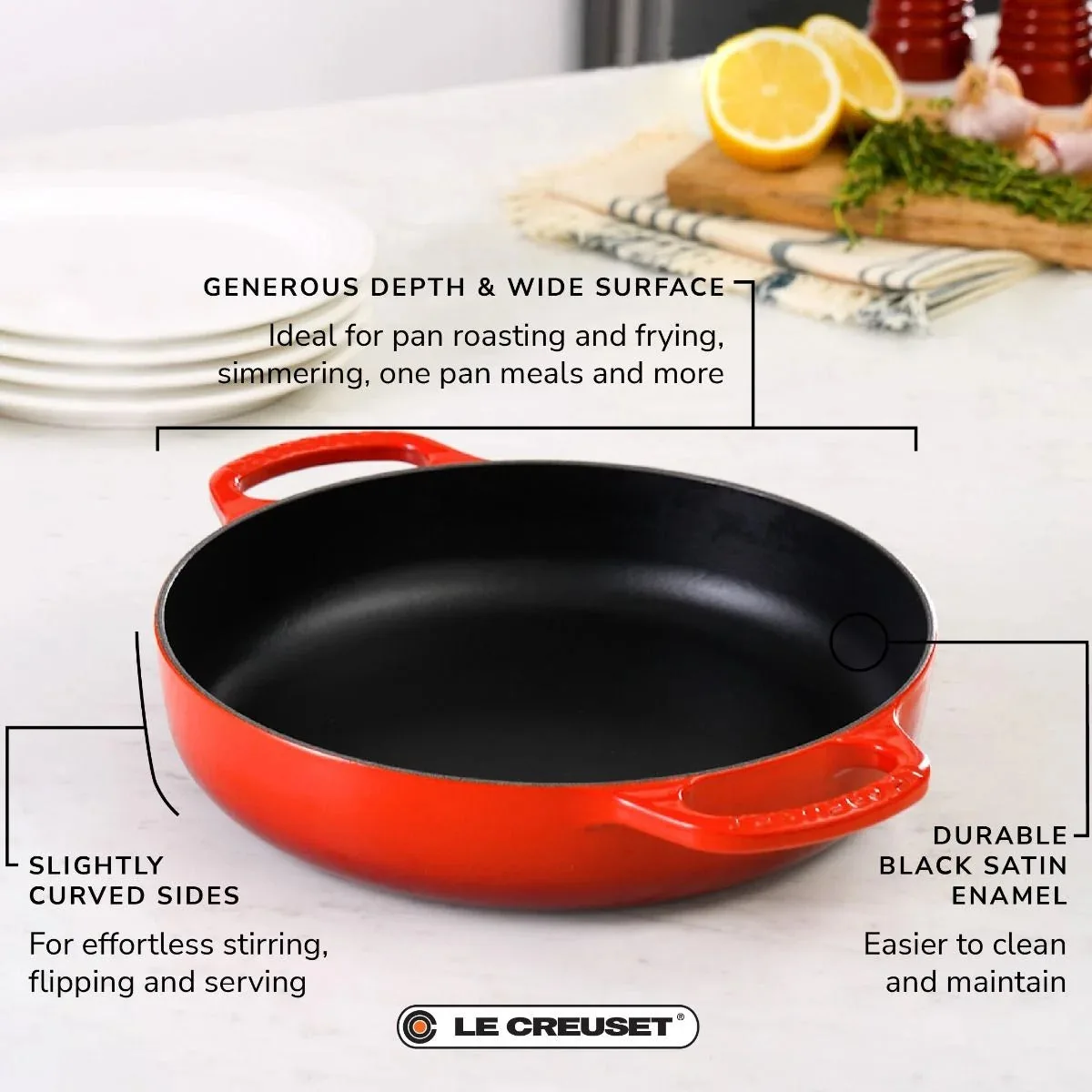
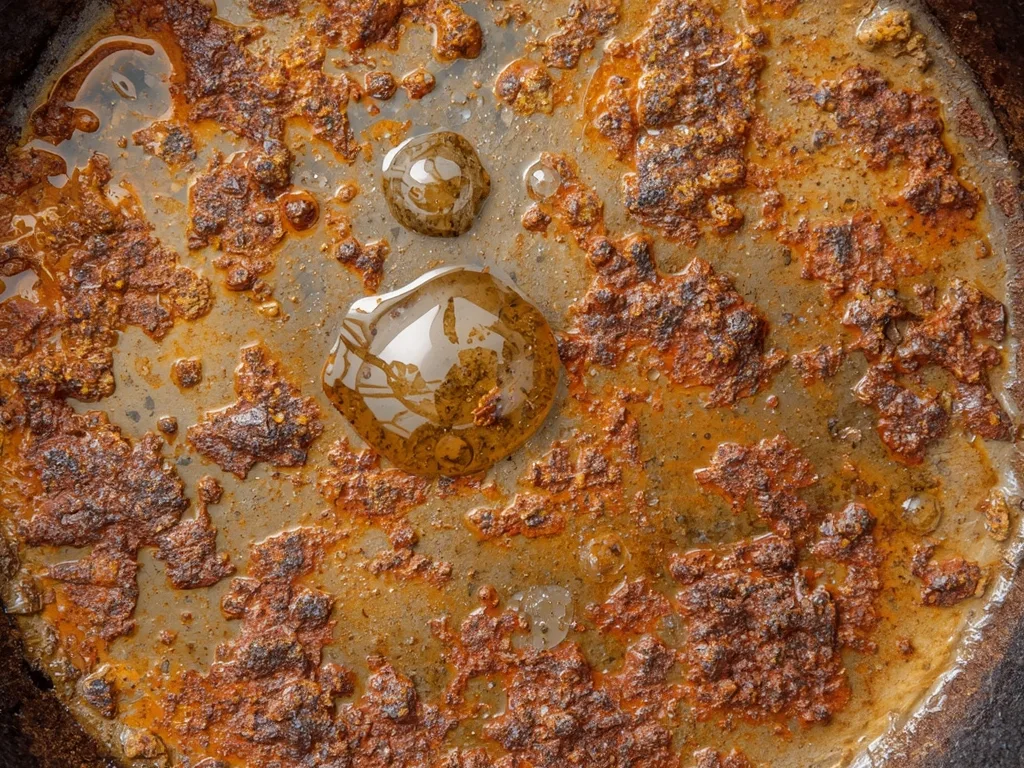
Image source: Bing (Web (fair-use with source credit))
Enameled cast iron has a smooth glass-like coating over the iron. That coating isn't acid-resistant over a long soak. Leaving it in vinegar can make it cloudy and roughened.
For stains on enamel, use a baking soda paste instead.
The Step-by-Step Vinegar Soak for Rusty Cast Iron
Here's the workflow that works for bare cast iron. It's straightforward, but the order matters. Follow these steps, and you'll avoid most of the damage people run into.
Step 1: Prep Your Pan. Brush Off Loose Rust and Debris
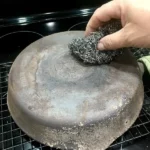
Scrub the pan dry with a stiff brush first. This removes loose rust and food residue. You're not looking for a spotless finish here.
Just get the surface ready for acid.
Step 2: The Soak — Timing Your Sessions Right
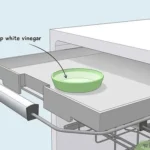
Mix one part vinegar with one part water in a plastic tub or sink. Submerge the pan completely. Set a timer for 10 minutes and stay near your work.
Check often, and never leave the pan unattended for long stretches.
Step 3: Scrub, Rinse, and Neutralize the Acid
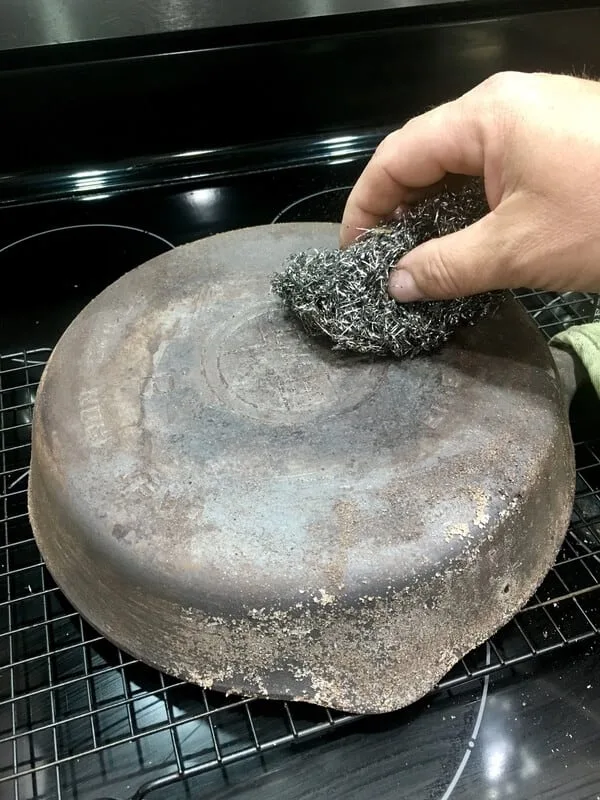
Pull the pan out and scrub with steel wool to see what's left. Rinse it with warm water. Then mix a tablespoon of baking soda into a quart of water and pour it over the pan.
This stops the acid from working instantly.
Step 4: Dry Fast to Beat Flash Rust
Flash rust is the enemy. Rinse the pan, dry it with a towel, then pop it into a 200°F oven or place it on a warm stove for about 10 minutes. That drives out trapped moisture before rust can reform.
Step 5: Oil Lightly, Then Re-Season in the Oven
Coat the entire pan with a micro-thin layer of cooking oil. Wipe it off like you didn't want to coat it. Bake it upside down at 375°F to 450°F for one hour.
Put a baking sheet on the rack below to catch drips.
Seven Mistakes That'll Leave You with a Pitted Pan and a Bad Mood
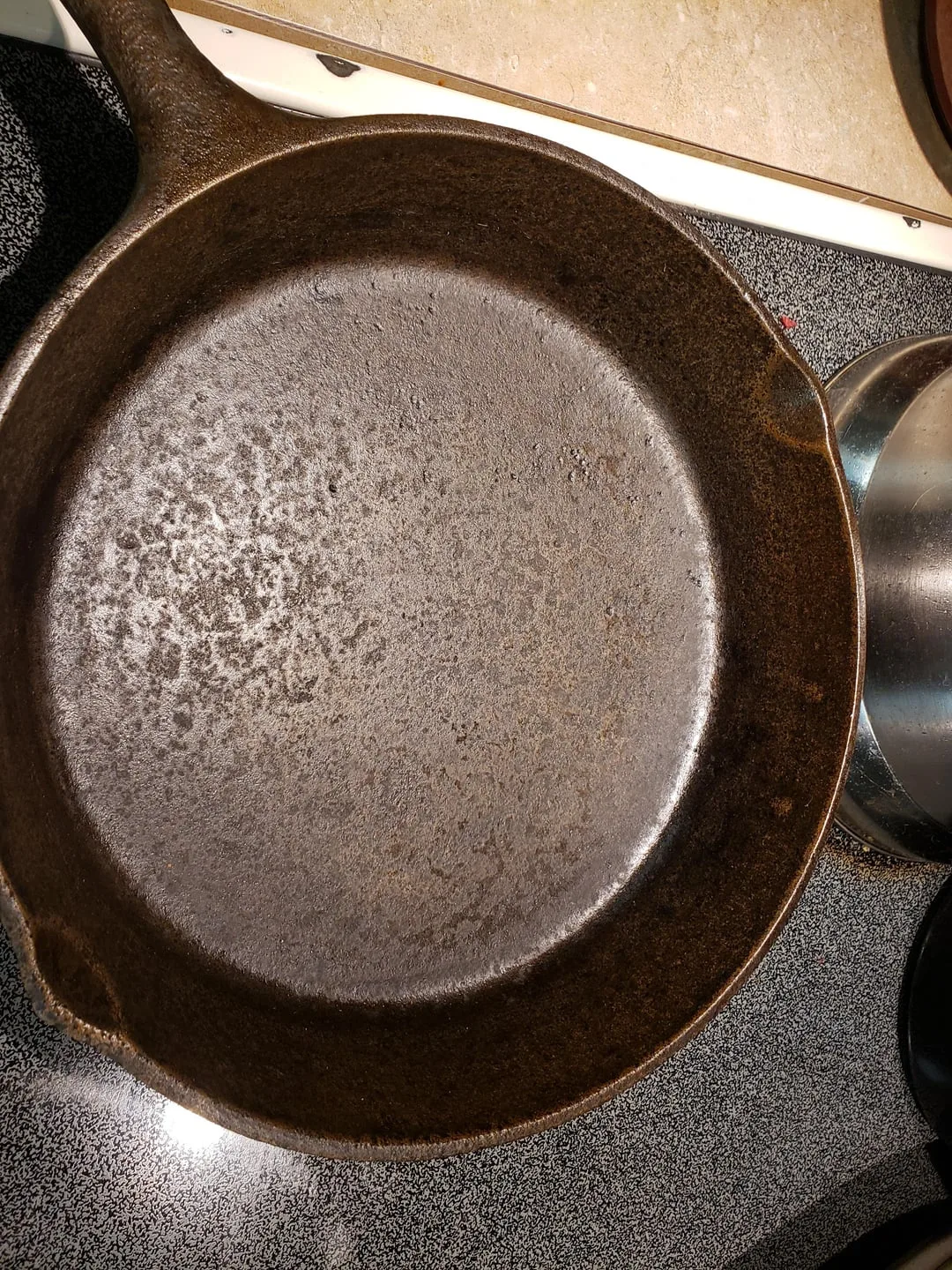
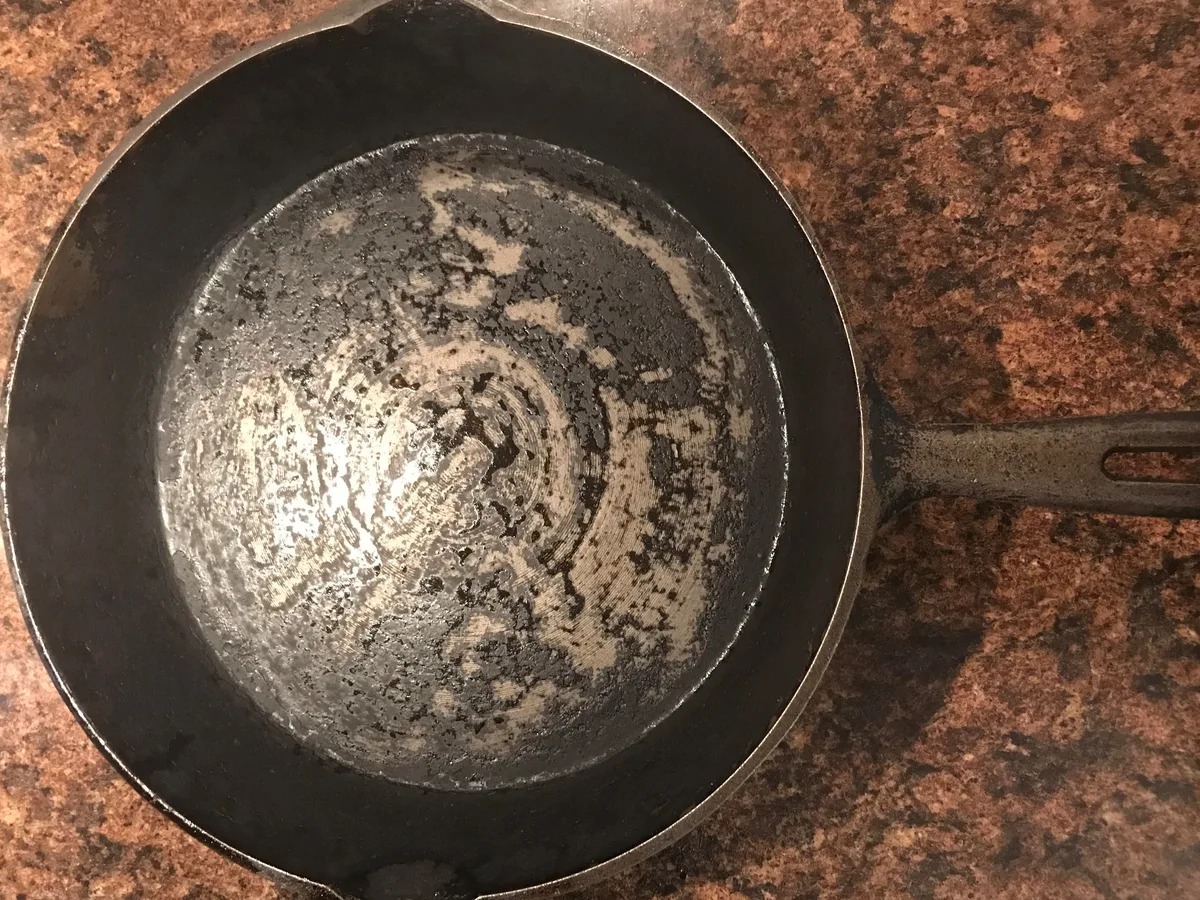
Image source: Bing (Web (fair-use with source credit))
People mess up inside the vinegar soak more than they realize. Here are the seven most common mistakes we've seen in user reports.
Leaving It Soaking Overnight
An overnight soak is the fastest way to kill a skillet. The acid will dissolve rust and then start eating the iron. You'll pull out a dull, pitted pan that's worse than when you started.
Using Full-Strength Vinegar
Full-strength vinegar isn't necessary. A 1:1 dilution works just as well. Going stronger just shortens the time window before the acid damages the base metal.
Skipping the Baking Soda Neutralizer
Water alone won't stop the acid reaction. A thin acidic film stays on the surface and keeps working. That causes flash rust and a sour smell later.
The baking soda rinse neutralizes the chemistry completely.
Scrubbing with the Wrong Tools
Coarse wire brushes and sandpaper leave deep scratches. Those scratches become future rust magnets. Use fine steel wool, grade 0000, or chainmail instead.
Not Drying Fast Enough in Humid Weather
Humidity triggers flash rust in minutes. After rinsing, dry the pan hard with a towel and apply a drop of oil right away. Don't give the moisture time to work.
Re-Seasoning with the Wrong Oil
Flaxseed oil gets a lot of hype, but it can flake off. Vegetable oil or grapeseed oil are safer choices. Whatever you use, keep the layer thin.
Forgetting That Vintage Pans Need Gentler Treatment
Vintage cast iron is thinner and often smoother than modern pans. The acid reaches the base metal faster. Use a gentler ratio of one part vinegar to two parts water, and check every five minutes.
Vinegar vs. Other Rust Removal Methods: When to Switch
Vinegar works great for surface rust and light pitting. But it's not the only game in town. Aggregate reviews and restoration forums consistently point to three alternatives worth knowing about.
| Method | Best For | Time | Risk Level |
|---|---|---|---|
| Vinegar soak | Light to moderate rust | 30 to 90 minutes | Moderate |
| Electrolysis | Heavy rust, antique pans | 12 to 24 hours | Low |
| Commercial rust remover | Heavy rust, tricky crevices | Few hours | Low |
| Lye bath | Stripping old seasoning | Multiple days | Low |
Vinegar vs. Electrolysis: Speed vs. Safety for Antique Pans
Electrolysis uses an electrical current to pull rust off the iron. It's slower than vinegar, but it won't eat into the base metal. That matters if you own a vintage skillet with smooth machined surfaces and factory stamps you want to preserve.
Vinegar can etch those details if you get distracted.
Vinegar vs. Commercial Rust Removers: Convenience vs. Chemicals
Chelating removers like Evapo-Rust and similar products dissolve rust without acid. They're safer for thin spots and smooth surfaces, and they don't require constant checking. The tradeoff is price.
A bottle costs more than a gallon of vinegar, and you still need to rinse and re-season afterward.
Vinegar vs. Lye Bath: Rust Removal vs. Seasoning Strip
A lye bath strips seasoning and grease, not rust. It's the perfect first step when you're restoring a gunked-up pan. Once the pan sits in lye for a few days, rinse it, then move to a vinegar soak to handle any rust underneath.
When to Stop DIY and Accept the Pan Is Beyond Saving
If the pan has deep pitting, a hairline crack, or rust that's eaten through the wall, no soak will fix it. Check the underside. If you see a shiny spot or a faint line, the metal is compromised.
A replacement skillet costs far less than the time you'll burn.
FAQs: Your Last-Minute Rust Questions, Answered
Can I Use Apple Cider Vinegar or Cleaning Vinegar Instead?
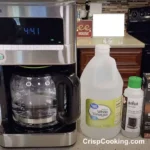
Yes, apple cider vinegar works but leaves a tangy smell that's hard to rinse away. Cleaning vinegar contains up to 6% to 10% acetic acid, so dilute it further. Use one part cleaning vinegar to two parts water and check the pan more often.
How Long Can Cast Iron Sit in Vinegar Before Damage Starts?
The safe window is about 30 to 90 minutes depending on rust depth. After one hour, the acid starts dulling the bare iron noticeably. An overnight soak is a death sentence.
It will pit the surface and make the pan rougher than it ever was.
Will Vinegar Ruin the Seasoning on the Rest of My Pan?
Yes, vinegar strips seasoning completely. That's part of a full restoration. If your pan only has light rust on a small patch, skip the vinegar soak.
Use oil and a chainmail scrub to blend the rust away without removing the seasoning layer.
What If I See Flash Rust After Drying?
Flash rust is a thin orange layer that appears within minutes on bare iron. It looks alarming, but it's superficial. Wipe the pan with vinegar, rinse again, dry fast, and coat it with oil immediately.
Then proceed with re-seasoning as normal.
Can I Clean a Rusty Enameled Cast Iron Pan This Way?
No. Vinegar dulls the enamel coating, and it may permanently etch the surface. Use a paste made of baking soda and water, let it sit for 10 minutes, then scrub gently with a soft sponge.
That removes rust spots without harming the finish.
The Final Verdict: When Vinegar Is the Right Tool for the Job
Vinegar is the best first move for a cookware beginner tackling light to moderate rust. It's cheap, fast, and food-safe. The risk comes from ignoring the clock.
Set a timer, check frequently, and neutralize with baking soda when you're done.
Use vinegar for everyday pans with surface rust. Switch to electrolysis or a commercial chelating remover if you're working on a valuable antique or the rust has settled into deep crevices. If the pan is cracked, warped, or badly pitted, stop right there.
Nothing will salvage it.
The 10-minute check-in habit is the difference between saving a skillet and wrecking one. Follow the dilution ratio, keep the soak short, dry and oil fast, and your pan will cook like new again.

Similar Posts