Remove Rust From a Cast Iron Pan in 3 Steps
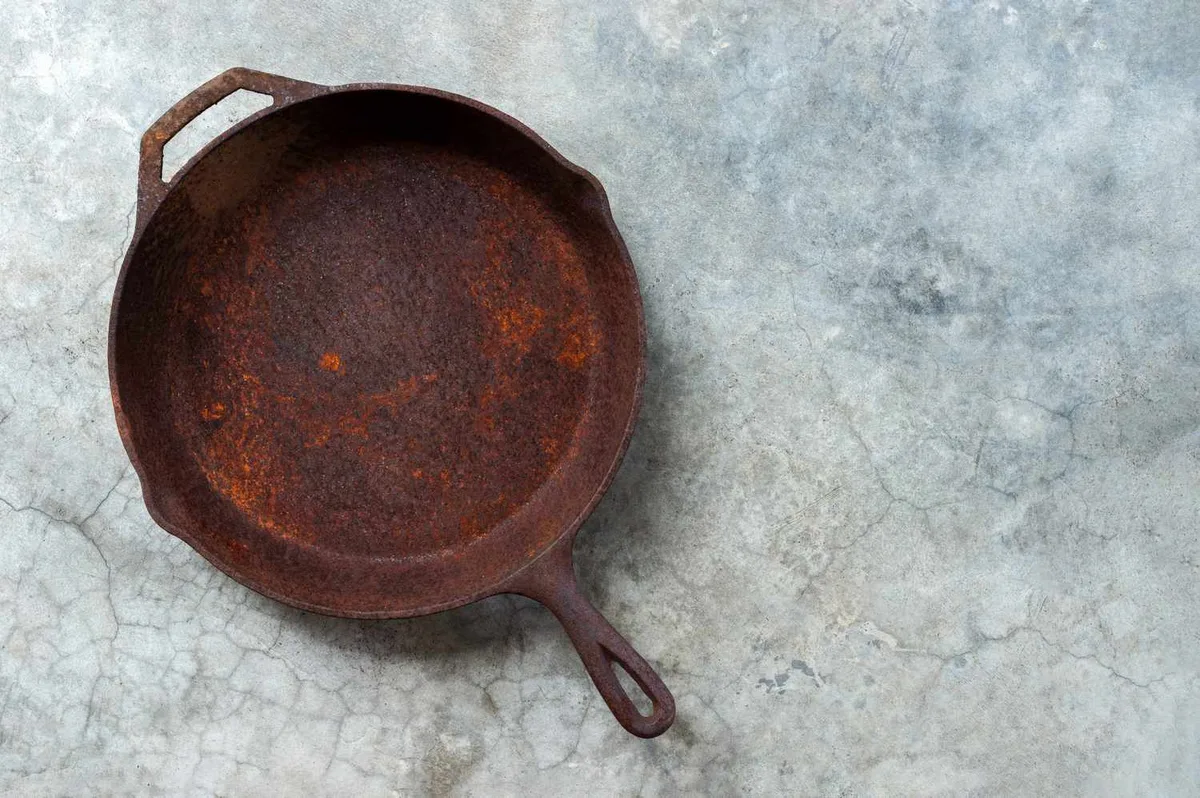
If you are wondering how to clean a cast iron pan with rust, you are not the first person to stare at an orange skillet and assume it is ruined. It happens to almost every cast iron owner eventually. A forgotten soak in the sink.
A humid garage. A flea market find that looked promising but turned out speckled with corrosion.
Our research shows that seasoning loss and surface rust are the most common reasons people believe their cast iron is beyond saving. That assumption is wrong. Most rust comes off with simple household items and a little patience.
The pan can cook as well as it did the day it was made, often better. Let us walk through how to assess the damage and pick the right fix.
Quick Answer
Scrub the rust with steel wool or a vinegar soak. Dry the pan completely. Apply a thin oil layer.
Bake at 400°F for one hour. Repeat as needed. Most pans are ready in under two hours.
Rust on Cast Iron Isn't Ruin, It's Just a Repair Job
Rust looks scary, but it is only surface oxidation on bare iron. The metal underneath is fine as long as the pan is not cracked or deeply pitted through the wall. Cast iron is a thick, sturdy material.
It takes a lot of neglect to actually destroy one.
The real problem is that rust prevents seasoning from bonding. Seasoning is the polymerized oil layer that makes cast iron nonstick and prevents further corrosion. When rust forms, the seasoning flakes off and the exposed iron oxidizes faster.
That orange dust is just unprotected iron reacting with moisture and oxygen.
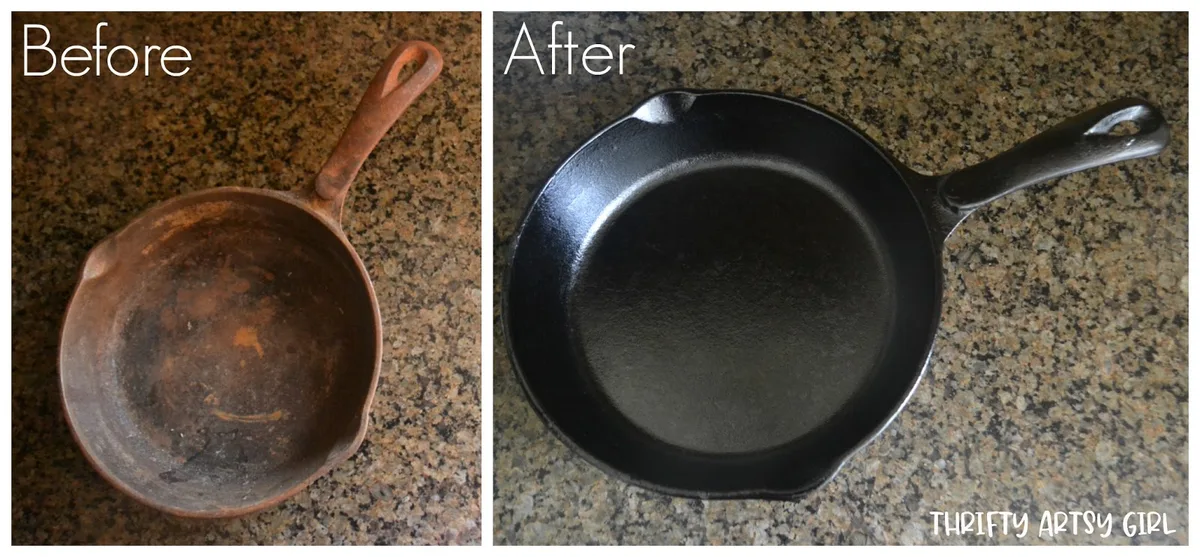
The fix has three steps: remove the rust, dry the pan completely, and build a fresh seasoning layer. That is it. The specific tools and time depend on how deep the rust runs, but the process is the same whether you are saving a family heirloom or a twenty-dollar skillet from a garage sale.
As of 2026, this method remains the standard recommended by every major cast iron manufacturer.
First Step: Figure Out How Bad the Rust Is
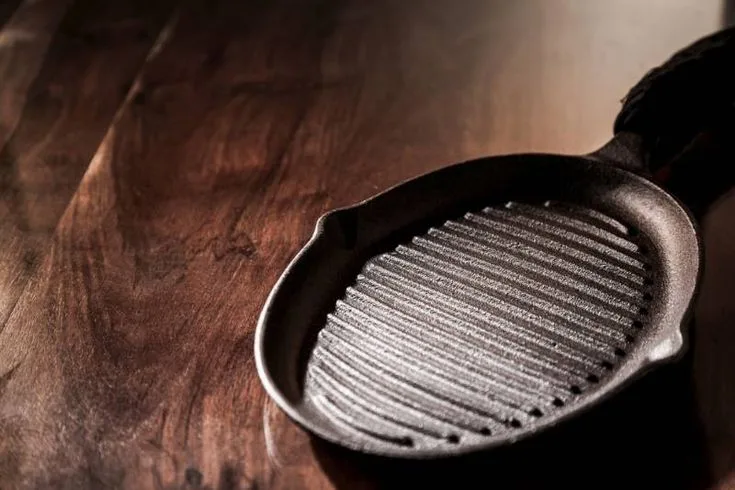
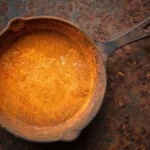
Image source: Web (Bing) / southernliving.com (Web image (fair-use with source credit))
Not all rust is the same. The fastest way to pick the right repair is to look at the surface and feel it with your fingers.
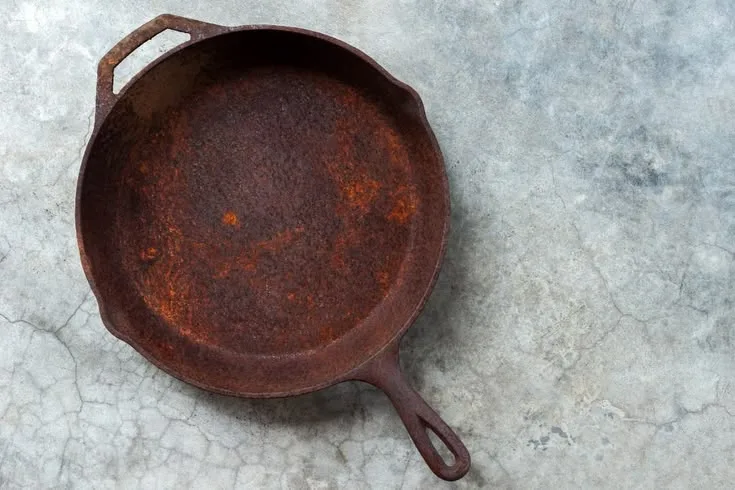
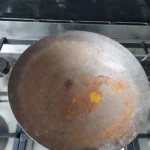
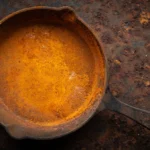
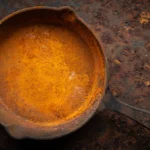
Light rust looks like a fine orange dust or a few small speckles. The pan still feels smooth to the touch. There is no flaking or rough texture.
This often happens when a pan air-dries without being wiped with oil.
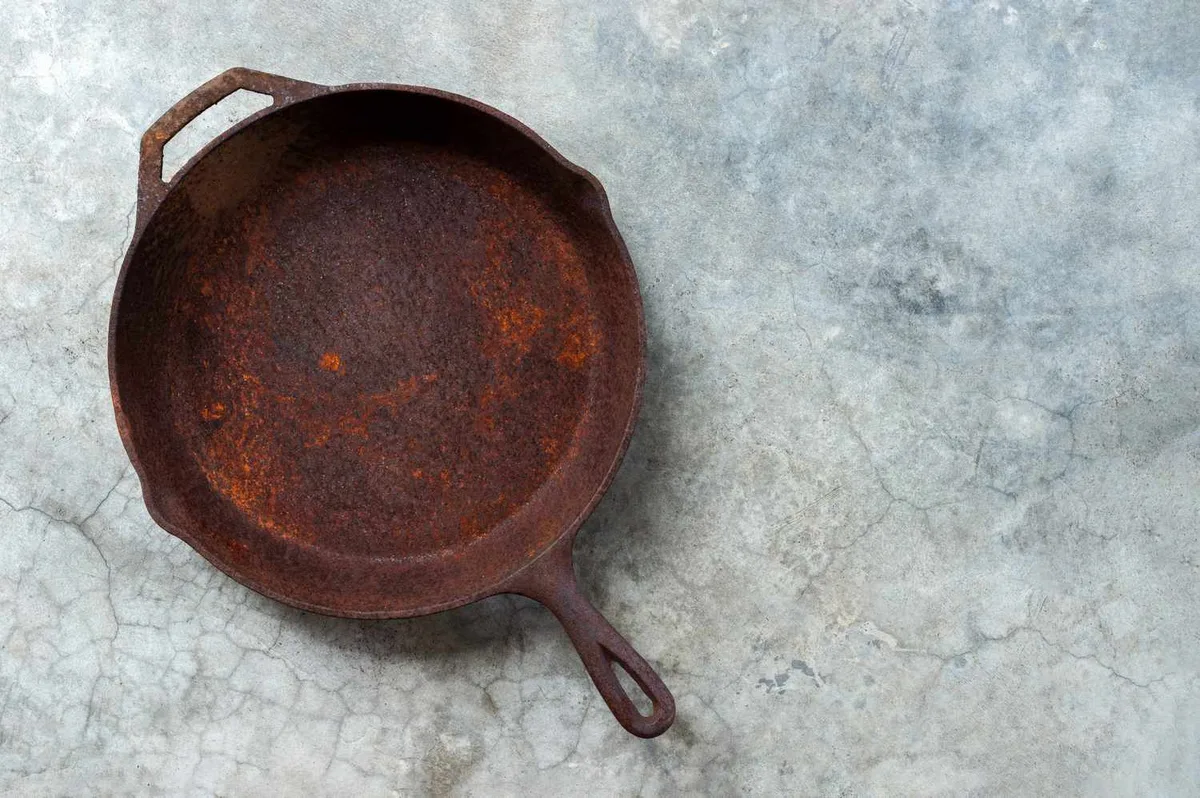
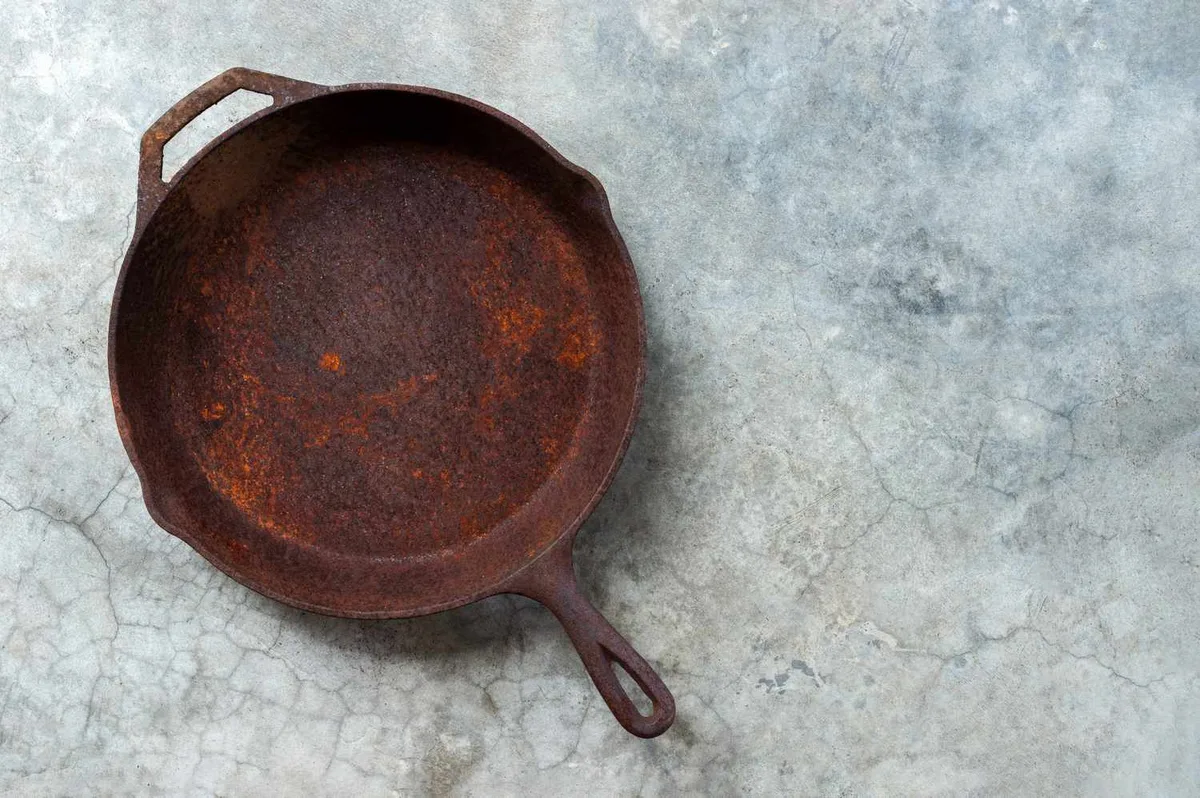
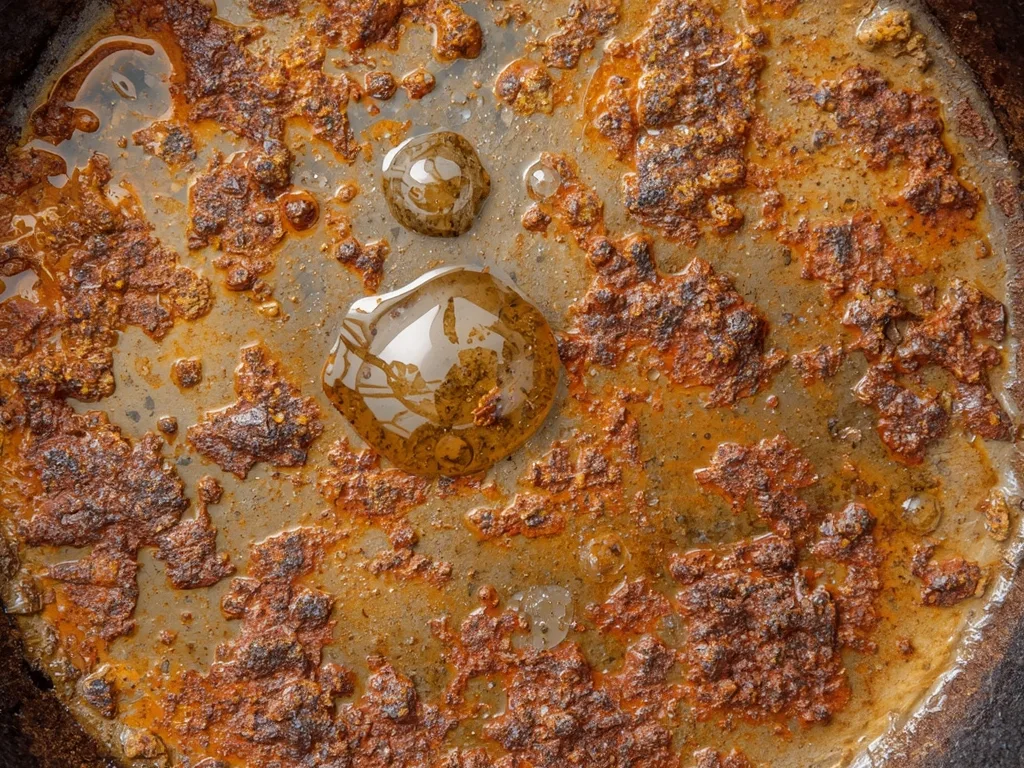
Moderate rust appears as a thicker orange or brown coating. The surface feels rough or slightly flaky. You might see tiny pits in the iron.
This can happen after a pan sits wet for a day or two, or after a seasoning layer has worn thin.
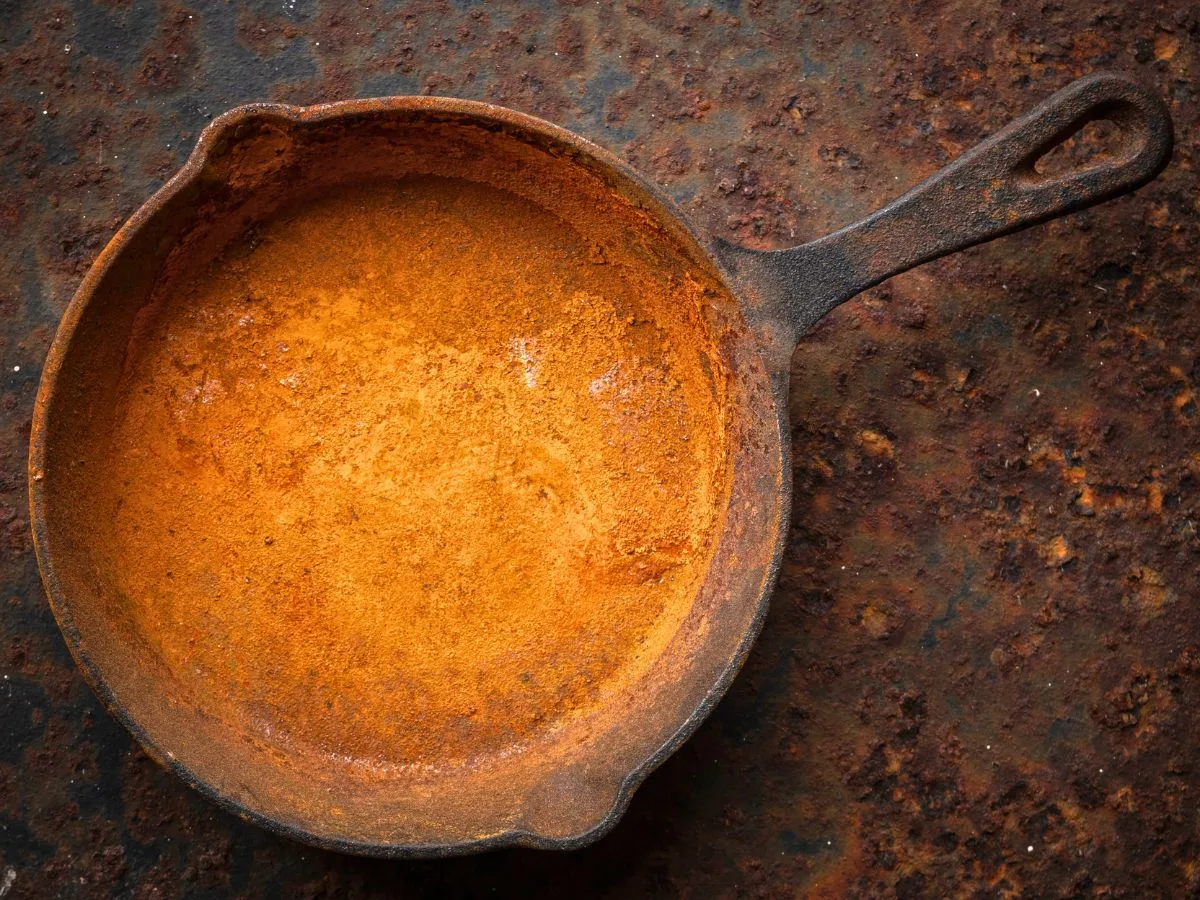
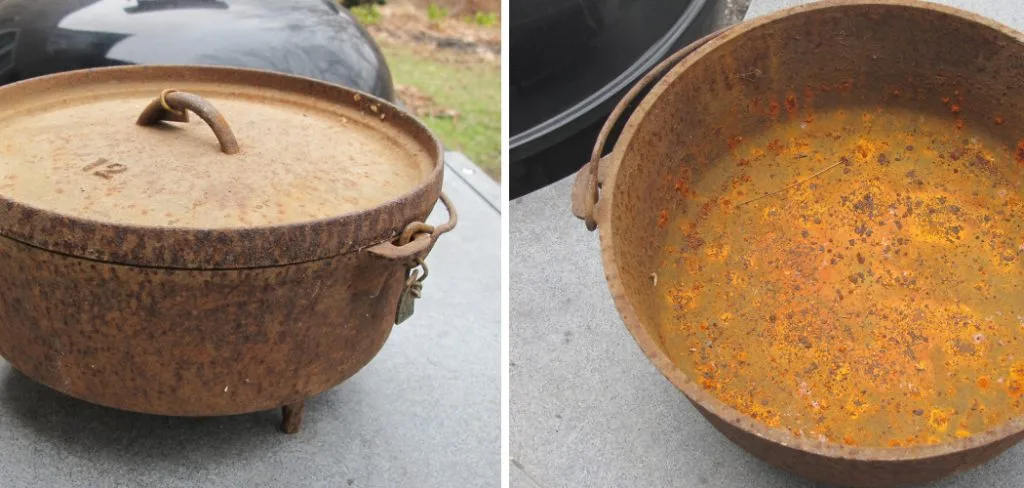
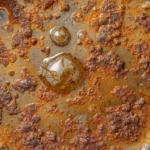
Heavy rust looks crusty, dark red or brown, and sometimes black. The surface feels rough like coarse sandpaper. Pitting is noticeable and you might see flakes of rust coming off when touched.
This is common on pans left in damp basements, sheds, or buried in a garden.
Use this classification to pick your method. Light rust needs a quick scrub. Moderate rust needs a soak.
Heavy rust needs a full restoration.
Light Rust: Scrub, Oil, and Re-Season (25-Minute Fix)
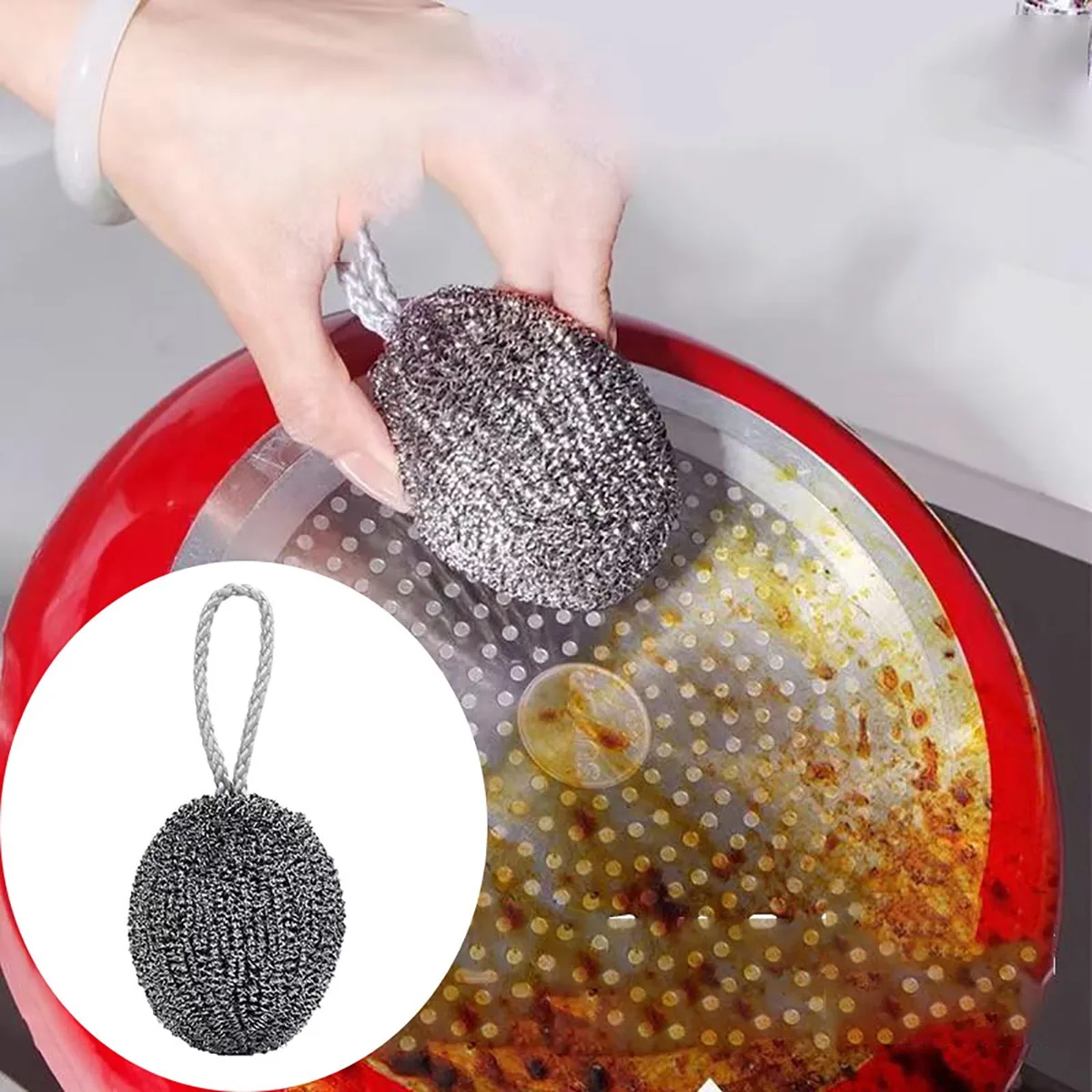
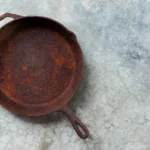
Image source: Bing (Web (fair-use with source credit))
Light rust is the easiest fix. You do not need to strip the whole pan or use harsh chemicals. Most of the existing seasoning is still intact.
You only need to remove the thin oxidation layer and reseason the bare spots.
Step 1: Scrub with steel wool or a chainmail scrubber
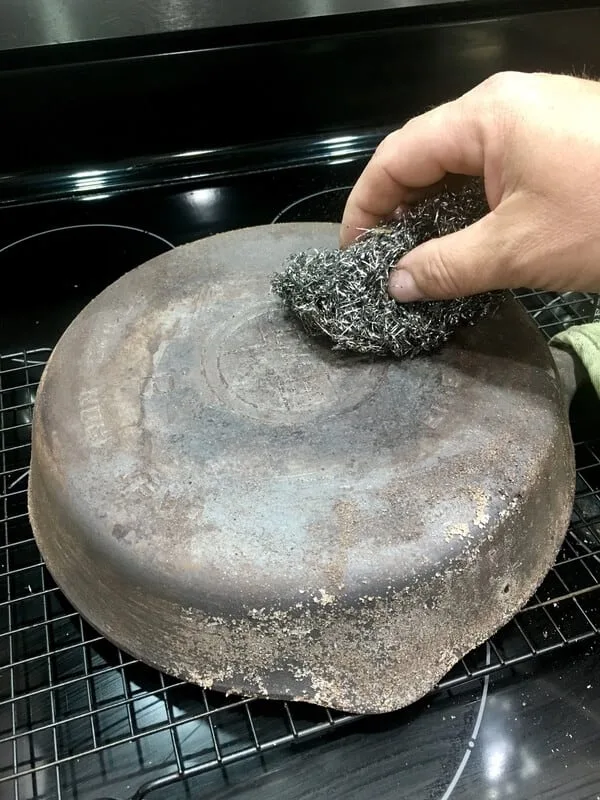
Use fine-grade steel wool or a stainless steel chainmail pad. Scrub the rusty areas in a circular motion. Apply pressure until the orange dust disappears and the iron looks gray or silver.
A stiff nylon brush works if steel wool is not available, but it takes longer.
Step 2: Rinse with warm water and dry immediately
Rinse the pan under warm water to remove rust particles. Do not use soap. Dry it thoroughly with a clean towel, then place it on a low burner for two to three minutes to drive off any hidden moisture.
Flash rust can appear within a minute if the pan stays wet.
Step 3: Apply a thin oil layer
Use a high-smoke-point oil such as grapeseed, canola, or vegetable shortening. Apply a dime-sized drop and wipe it across the entire cooking surface and the exterior. Then take a clean cloth and wipe it off again.
It should look almost dry. Excess oil leaves a sticky, tacky finish.
Step 4: Heat until the oil polymerizes
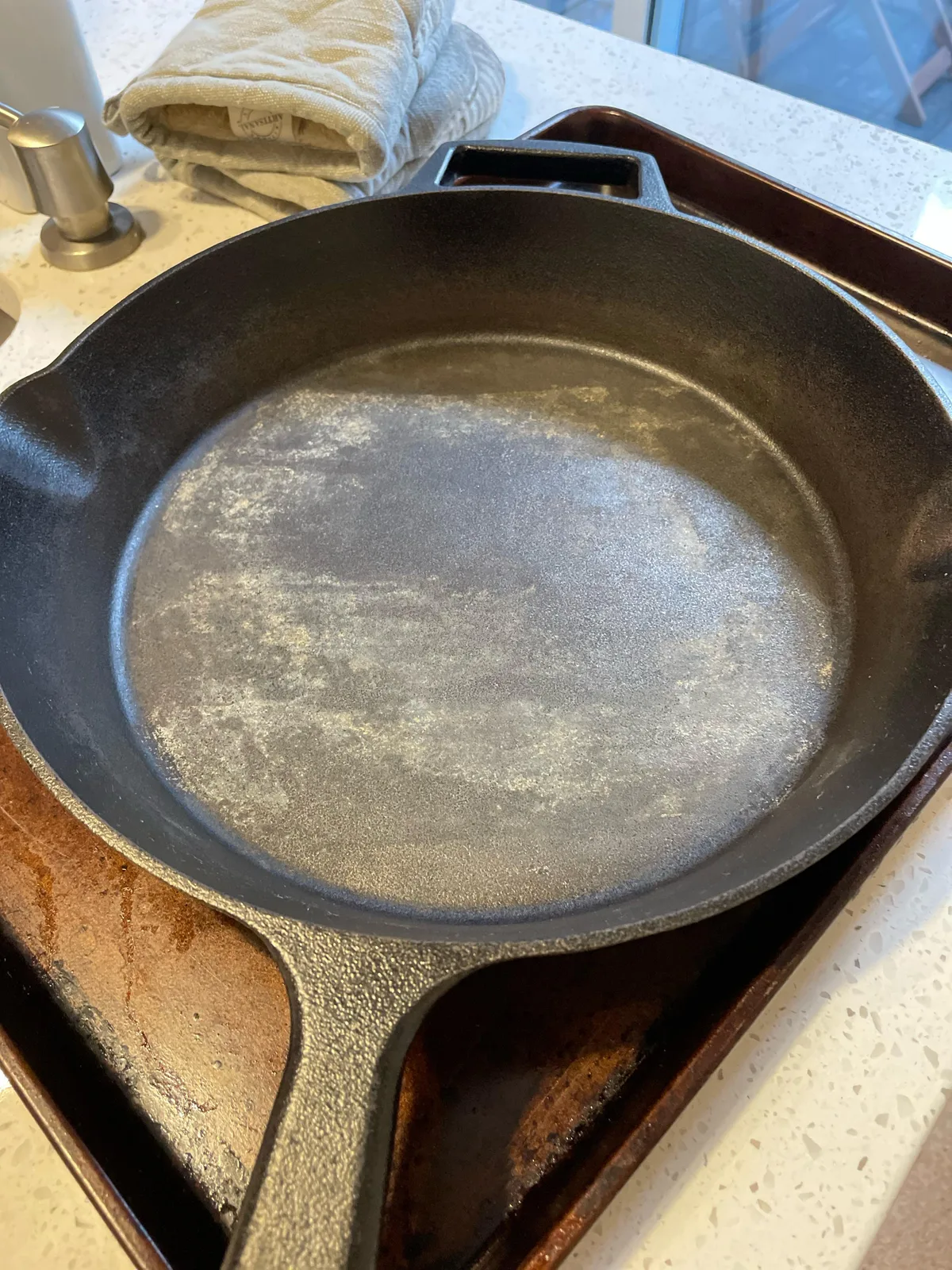
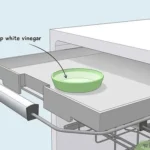
Place the pan upside down in a 400°F oven for one hour. Put a baking sheet on the rack below to catch drips. Let it cool in the oven.
The pan is ready to use immediately, though the new seasoning layer will strengthen with more cooking.
Moderate Rust: Vinegar Soak and Condition (Half-Day Fix)
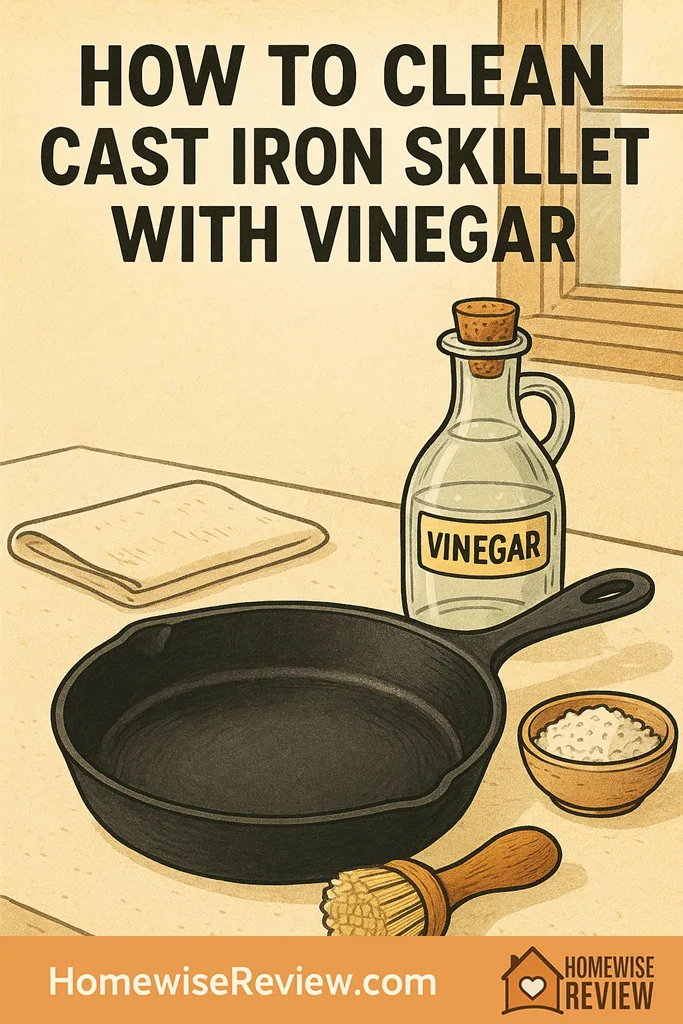
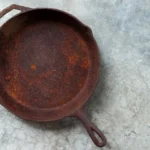
Image source: Web (Bing) / homewisereview.com (Web image (fair-use with source credit))
Moderate rust is too thick for dry scrubbing alone. You need a mild acid soak to dissolve the deeper iron oxide. White vinegar is the safest and most common choice.
It is cheap, food-safe, and effective.
Step 1: Mix a 1:1 vinegar and water solution
Use plain white vinegar and room-temperature water. A 50/50 ratio is strong enough to dissolve rust without etching the iron. Do not use apple cider vinegar, balsamic vinegar, or any flavored vinegar.
They leave residue and can discolor the pan.
Step 2: Submerge the pan for 30 to 60 minutes
Place the pan completely in the solution. Rusted areas should be fully covered. Check every 15 minutes.
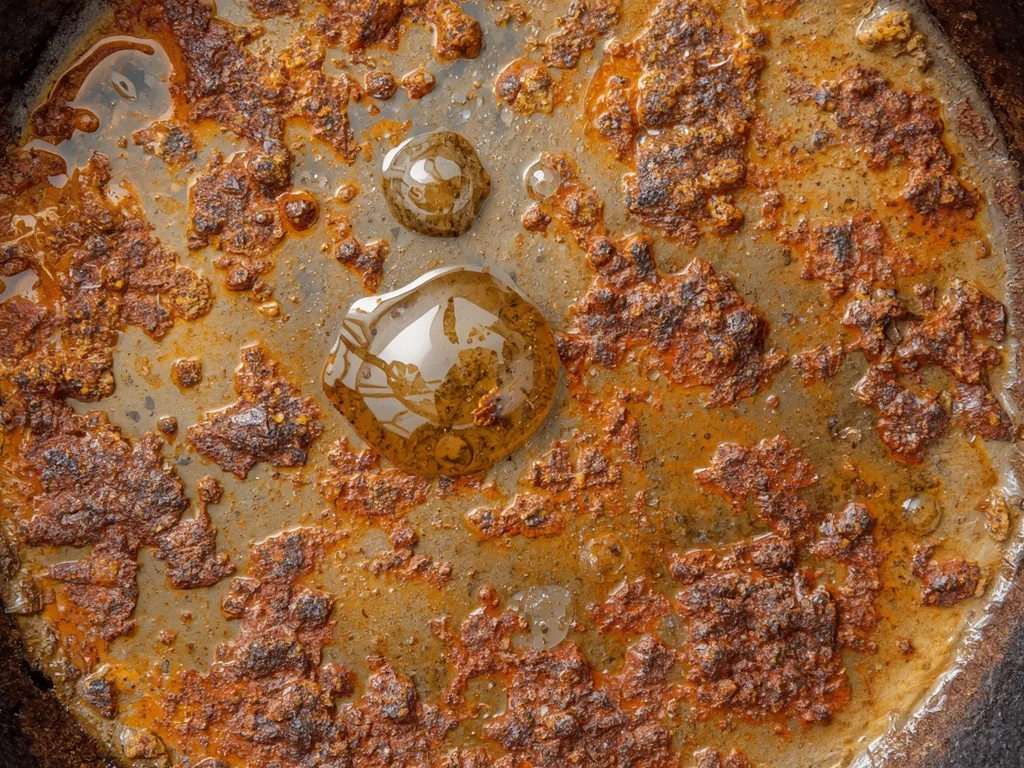
The vinegar will bubble and turn brown as it works. If the rust is gone at 30 minutes, pull it out. Over-soaking can pit the iron and make the surface rough.
Step 3: Scrub with steel wool or a stiff brush
Remove the pan from the solution. Rinse it with warm water. Scrub away the loosened rust with fine steel wool or a stainless steel brush.
If reddish spots remain, scrub harder or return the pan to the soak for another 15 minutes.
Step 4: Neutralize and dry
Rinse the pan with warm water. Apply a paste of baking soda and water to neutralize any remaining vinegar. Scrub gently, then rinse again.
Dry immediately with a towel and heat the pan on a low burner for two to three minutes. Do not let it air-dry. Flash rust forms quickly on freshly cleaned iron.
Step 5: Re-season in the oven
Apply a thin layer of oil to the entire pan. Wipe it off as if you made a mistake. Bake at 400°F for one hour.
Let the pan cool in the oven. Stainless steel chainmail scrubbers can be used to smooth the surface between seasoning coats if it feels rough.
Heavy Rust: The Full Restoration Route (Weekend Project)
Heavy rust requires a complete strip and rebuild. The goal is to remove every trace of oxidation and old seasoning, then build a fresh layer from scratch. This takes a few hours of active work, plus overnight drying or multiple seasoning rounds.
Step 1: Strip the pan completely
You have two main options for stripping.
The first is a vinegar soak extended to two to three hours. Use a 1:1 vinegar-water solution. Check every 30 minutes and scrub with steel wool to remove the loosened rust.
This method works best for heavy surface rust without deep pitting.
The second option is electrolysis, which is ideal for antique pans or heavily pitted pieces. Electrolysis uses a low-current electrical charge in a water and washing soda solution to pull rust off without abrasion. It is more involved to set up, but it preserves the original surface texture and is the gentlest method for vintage cast iron.
Step 2: Scrub and rinse
After stripping, scrub the pan thoroughly with steel wool or a wire brush to remove all residue. Rinse with warm water. If any rust remains, repeat the soak.
The pan should look uniformly gray or silver with no orange or brown patches.
Step 3: Dry completely and prevent flash rust
Heavy rust equals heavy moisture exposure. Dry the pan with a towel, then place it in a 200°F oven for 15 minutes. Speed matters.
Flash rust can appear before you finish drying if the pan is exposed to humid air.
Step 4: Apply four to six thin seasoning coats
Brush a very thin coat of oil over the entire pan. Wipe it off aggressively. Place the pan upside down in a 400°F oven for one hour.
Let it cool. Repeat this three to five more times. Each coat builds a stronger, smoother surface.
Step 5: Test with a fried egg
The pan is ready when the surface looks uniform and dark brown or black. Drop an egg in a little butter. It should slide without sticking.
If it sticks, add one more seasoning coat or cook something fatty like bacon to reinforce the layer.
Common Mistakes That Turn a Fix Into a Failing Pan
Watching people restore cast iron, we see the same four errors over and over. The first is leaving the pan in vinegar too long. Vinegar dissolves rust, but it also eats the iron once the rust is gone.
Anything beyond 60 minutes for moderate rust, or three hours for heavy rust, will leave the surface gray and chalky. That is etching damage, and it makes the pan rough forever.
The second mistake is over-oiling after cleaning. A slick, wet-looking layer does not season well. It polymerizes into a sticky, tacky coating that collects dust and peels off.
Apply oil, then intentionally wipe it away with a dry cloth until the pan looks dry.
The third is skipping the drying step. Freshly cleaned iron is bare metal, and bare metal flash-rusts in minutes. Towel dry, then heat the pan on a stove burner to drive off trapped moisture.
The fourth is treating enameled cast iron like bare cast iron. Steel wool, vinegar soaks, and oven re-seasoning will scratch or crack the enamel coating. Enameled pans only need gentle dish soap and thorough drying.
How to Keep Rust from Coming Back
Rust-free cast iron comes down to three habits: dry, oil, and store smart. After every wash, heat the pan on a burner for two or three minutes until the moisture steams off. Then apply a tiny drop of oil while the pan is still warm and wipe it across the entire surface.
Humidity changes the game. Pans stored in coastal or damp climates oxidize faster than those in dry mountain air. Our research shows that a monthly maintenance seasoning keeps pans healthy in humid basements.
Just reapply oil and heat.
Never store cast iron with the lid on. Trapped moisture causes rust to form even on well-seasoned pans. Hang it on a wall, or keep it in a dry cabinet with a paper towel between pans to absorb any lingering dampness.
Frequently Asked Questions
Can I use soap on cast iron?
Yes, but only mild dish soap and only after the seasoning is established. Modern dish soap does not strip seasoning like the harsh lye soaps of the past. Use a small dab, scrub gently, and rinse with hot water.
Dry immediately and reapply a thin oil coat.
Does vinegar ruin cast iron?
Yes, if left too long. Vinegar dissolves rust, but it also attacks the iron itself. Limit soaks to 30-minute intervals and inspect the pan each time.
Never leave a pan in vinegar overnight. Always neutralize with a baking soda rinse before drying.
Why does my pan rust again after I re-seasoned it?
The seasoning did not fully bond, or a rust spot was missed. A single 400°F pass is rarely enough for a badly rusted pan. Apply two to four thin coats and test with a fried egg.
If rust blooms again, scrub the spot and repeat the process.
What oil is best for re-seasoning?
Grapeseed and canola oil are the most reliable for everyday use. Flaxseed gives a hard finish but can flake on modern pans. Vegetable shortening works well and is cheap.
Avoid olive oil and butter. Their low smoke points create a sticky layer instead of a smooth one.

Similar Posts